
Implant-Supported Bridge in Washington, DC | Replacing Several Missing Teeth
When several teeth are missing next to each other, each one does not always need its own implant. An implant-supported bridge uses two or more implants to hold a row of replacement teeth, without relying on your natural teeth for support. Dr. Marlin evaluates whether a bridge, individual implant crowns or another option suits your bone, bite and goals, then plans the implants and the bridge together. He performs implant placement and restoration at our Friendship Heights office, with the bridge made in our on-site laboratory.
4,100+
Implants Placed
97%+
Success at 20+ Yrs
1985
In-House Lab Since
35+
Yrs Documented Crown Service
Gerald M. Marlin, DMD, MSD
Specialty-Trained Prosthodontist (DMD, MSD)
- Washingtonian "Top Dentist" 2026 and Hall of Fame
- Surgical and restorative care planned together, in one practice
- In-house dental laboratory since 1985
Or call (202) 244-2101
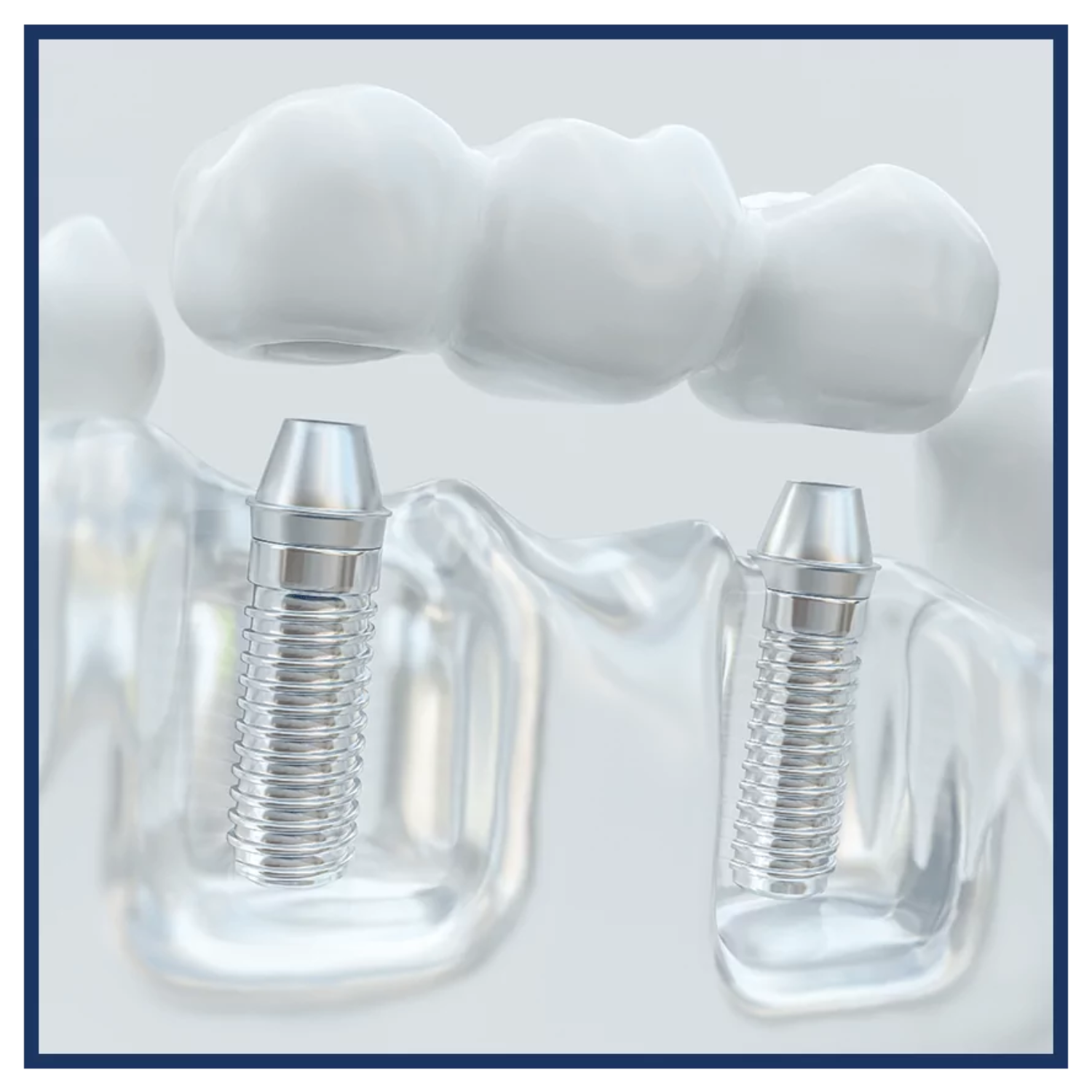
An implant-supported bridge replaces several missing teeth in a row with a fixed bridge held by dental implants. Instead of crowning the natural teeth on either side of the gap, two or more implants carry the replacement teeth. The bridge stays in place, you chew and clean as part of your normal routine, and the neighboring teeth are left as they are.
At Elite Prosthetic Dentistry, implant-supported bridges are planned, surgically placed and restored by Dr. Gerald Marlin, a specialty-trained prosthodontist with more than 40 years of clinical practice and more than 4,100 dental implants placed. The bridge is designed and fabricated in the in-house dental laboratory, working directly with the master ceramist.
Many patients come to us missing several teeth for the first time, after teeth were lost one by one, or when an older bridge has started to fail. Others want to replace aging dentistry before it fails. No referral, failed implant or outside treatment plan is needed to be seen. Treatment ranges from replacing a few teeth in one area to larger reconstructions, depending on what your mouth needs, and the goal is to help you make a thoughtful long-term decision.
Request an Implant Bridge Consultation Call (202) 244-2101
We are a fee-for-service practice. We can help you use available out-of-network PPO benefits, and financing is available. Our team will explain what your first visit includes and the payment arrangements before you book. Insurance and financing.
Options When Several Teeth Are Missing
Several missing teeth can be replaced in more than one way. The evaluation compares them for your situation:
- Individual implant crowns. One implant for each missing tooth. Each tooth stands on its own and is cleaned much like a natural tooth. This needs enough bone and space at every position.
- An implant-supported bridge. Fewer implants than missing teeth, with the replacement teeth connected in one fixed restoration. Useful when the bone or space suits implants at some positions but not all of them.
- A tooth-supported bridge. Crowns on the natural teeth beside the gap carry the replacement teeth. It avoids surgery but depends on those teeth, and longer spans put more load on them. The implants vs. bridges comparison covers this choice in detail.
- A removable partial denture. Replacement teeth on a frame you take out to clean. It is the least invasive option, and some patients prefer it after comparing the alternatives.
- Full-arch treatment. When most of the teeth in an arch are missing or failing, full mouth dental implants may be the better plan than replacing teeth area by area.
Many patients simply want replacement teeth that look natural, function properly and last. The right choice depends on the number and position of the missing teeth, the bone, the condition of the remaining teeth, your bite and your priorities.
How an Implant-Supported Bridge Works
Each implant is a post placed in the jawbone where a tooth root used to be. Once the implants have integrated with the bone, they act as the anchors for the bridge. The replacement teeth between the anchors, called pontics, rest on the gum and are shaped so the bridge looks like individual teeth emerging from the gum line.
Because the implants carry the bridge, the natural teeth on either side of the gap are not prepared for crowns and do not take on extra load. The implants also help maintain the bone where they are placed. The design of the bridge, the spacing of the implants and the way the bridge meets the opposing teeth are planned together, because they determine how the bridge handles chewing forces over the years.
Who Is a Good Candidate
An implant-supported bridge is often considered when:
- Two or more teeth next to each other are missing, or are failing and need to be removed.
- An older tooth-supported bridge is loose or decaying, and the teeth holding it cannot be relied on.
- The bone can support implants at some positions in the gap, or can be rebuilt where it cannot.
- You want fixed teeth rather than a removable partial denture.
General health matters as well. Gum disease needs to be under control, and conditions such as uncontrolled diabetes, smoking and some medications affect healing. Our guides on dental implants after gum disease and dental implants and your medical history explain how these are assessed. When the bone has been lost, bone grafting or sinus augmentation may come first.
The Implant-Supported Bridge Process
Step 1: Evaluation and CBCT Planning
The first visit includes a clinical exam, digital imaging and a CBCT 3D scan. The scan shows bone volume and density, the position of nerves and the sinus, and the space available for the bridge. The bridge is designed first, and the implant positions are chosen to support it, rather than the bridge being fitted to wherever implants happen to go.
Step 2: Preparing the Foundation
Some cases need preparation before the implants: removing teeth that cannot be kept, grafting extraction sites, rebuilding bone that has been lost, or a sinus lift in the upper back jaw. If an older bridge is being replaced, a temporary bridge or other interim replacement is planned so you are not left without teeth while the foundation heals.
Step 3: Implant Placement
Dr. Marlin places the implants at the angle, depth and position set in the plan, using CBCT scan generated surgical guides for all implant insertions. Placement is done under local anesthesia, and sedation is available. When IV sedation is used, it is administered by a certified registered nurse anesthetist.
Step 4: Integration
Over the following months, the implants integrate with the surrounding bone. A temporary replacement is worn during this period, and the healing is checked before the final bridge is made.
Step 5: Designing and Making the Bridge
The bridge is designed and fabricated in the in-house lab. The master ceramist works directly with Dr. Marlin on shade, shape, the gum line and the bite, and the fit can be checked with you in the chair. Material is chosen for the length of the span, the forces of your bite and how visible the area is; zirconia and porcelain-fused-to-metal are among the options.
Step 6: Delivery and Maintenance
The bridge is fitted to the implants, the bite is refined, and you are shown how to clean under it. Regular maintenance visits check the gum and bone around the implants and the condition of the bridge.
Replacing a Failing Bridge With Implants
Many patients first consider implants when an older bridge fails. When the teeth holding a bridge have decayed or fractured, the choice is usually between a new bridge on different teeth, implants, or a combination of the two. Our guide on failing bridges: a new bridge or implants sets out how that decision is made.
In one documented case, a patient’s loose upper bridge and aging crowns were rebuilt in stages. The remaining supporting teeth were temporarily stabilized, the teeth that could not be kept were removed and the sites grafted, the implants were placed in stages, and a temporary prosthesis was adapted at each phase so she kept her appearance and function throughout. The failing bridge was converted to an implant-supported bridge, the case was completed under IV sedation, and no removable denture was needed.
When Bone Has Been Lost
When teeth have been missing for years, the bone in that area shrinks, and in the upper back jaw the sinus can expand into the space where the roots used to be. Implants still may be possible once the bone is rebuilt.
In another documented case, several missing upper back teeth had left almost no bone below an enlarged sinus. The area was rebuilt with sinus-area bone grafting and then restored with implants, each carrying its own custom crown, so the patient had fixed teeth instead of a removable partial denture. Whether a bridge or individual crowns is the better design in a rebuilt area is decided from the bone that results and the bite.
Caring for an Implant-Supported Bridge
Daily care is brushing plus cleaning under the bridge, where the replacement teeth meet the gum, with floss threaders, a water flosser or small interdental brushes. The bridge cannot decay, but the gum and bone around the implants can become inflamed in the same way as around natural teeth if plaque is left in place. Regular professional cleanings and periodic X-rays monitor the implants and the bridge over time.
If you grind or clench your teeth, a night guard may be recommended to protect the bridge. Our guide on maintaining implants, crowns and full-mouth reconstruction covers long-term care in more detail.
What Prosthodontic Planning Adds to an Implant Bridge
An implant-supported bridge is a single restoration that has to work with your bite, your gum line and the teeth around it. Planning the bridge first, placing the implants from that plan with a CBCT scan generated surgical guide, and making the bridge in the on-site laboratory keeps those decisions connected. It matters most in three situations:
- Visible areas. When the bridge replaces front teeth or teeth that show when you smile, the gum contour under the replacement teeth and the shade and shape of each tooth need to be planned before the implants are placed.
- Limited bone. When bone is missing at some positions, the implant positions, any grafting and the bridge design have to be worked out together so the bridge is supported where your bite needs it.
- Replacing older dentistry. When an old bridge, crowns or existing implants are involved, the plan decides which teeth to keep and how the new bridge fits with the rest of the mouth, so one repair does not lead to the next.
Conveniently Located in Friendship Heights
Elite Prosthetic Dentistry serves patients across Washington DC, Bethesda, Chevy Chase, McLean, Great Falls, Potomac, Arlington, and surrounding communities. The office is one block from the Friendship Heights Metro on the Red Line.
Request an Implant Bridge Consultation Call to Discuss Your Situation
Ready to Discuss Your Treatment Options With a Specialist?
When Elite Prosthetic Dentistry Is a Strong Fit
A strong fit if you are looking for
- Two or more missing teeth next to each other, whether they were lost recently or have been missing for years
- An older tooth-supported bridge that is loose or failing, where the supporting teeth can no longer be relied on
- Several teeth in one area that your dentist has said cannot be saved, with the replacement planned before they are removed
- Patients who want fixed replacement teeth rather than a removable partial denture
- Patients who want the implants, the bridge and the bite planned together so the result looks natural, functions properly and lasts
The honest boundary
Elite Prosthetic Dentistry may not be the right fit if you are primarily looking for routine insurance-based dentistry, the lowest-cost option, or a quick single-visit solution without a comprehensive evaluation.
Frequently Asked Questions
What is an implant-supported bridge?
It is a fixed bridge held by dental implants instead of by natural teeth. Two or more implants support one connected restoration that replaces a row of missing teeth. You do not take it out at home, and the neighboring teeth do not need crowns to hold it.
How many implants does an implant-supported bridge need?
It depends on how many teeth are missing, where they are, the bone available and the forces of your bite. Two implants supporting three replacement teeth is a common design, but the number and position of the implants are decided from the CBCT scan and the planned bridge, not from a fixed formula.
Is a bridge on implants better than one implant for each missing tooth?
Not always. Individual implant crowns keep each tooth separate and are cleaned much like natural teeth. A bridge can reduce the number of implants and avoid placing an implant where the bone is limited. The choice depends on the spacing, bone, bite and cleaning access, and both options are compared at your evaluation.
Can an implant-supported bridge replace my failing bridge?
Often, yes. When the teeth holding an older bridge are failing, the missing teeth can be replaced on implants instead, sometimes in stages with a temporary bridge worn while the implants heal. Which of the remaining teeth can be kept is part of the evaluation. Our guide on failing bridges: a new bridge or implants explains the decision.
Will I need a bone graft?
Not always. When teeth have been missing for some time, or when the upper back teeth sit close to the sinus, bone grafting or a sinus lift may be needed before or at implant placement. The CBCT scan shows whether grafting is needed, and implant positions can sometimes be chosen to use the bone that is already there.
How long does treatment take?
From implant placement to the final bridge commonly takes four to six months when no grafting is needed, because the implants must integrate with the bone first. Extractions, grafting or a staged conversion of an existing bridge add time. Your written plan sets out the visits and the timeline before treatment begins.
Will I have teeth while the implants heal?
We plan a temporary replacement before treatment begins. Depending on the area and the support available, it may be a temporary bridge or a removable temporary. A fixed temporary on the new implants is not suitable in every case.
How do I clean an implant-supported bridge?
Brush as you would natural teeth and clean under the bridge with floss threaders, a water flosser or small interdental brushes, as shown when the bridge is delivered. The bridge cannot decay, but the gum and bone around the implants need daily care and regular professional maintenance.
How long does an implant-supported bridge last?
With good home care and regular maintenance, the implants can remain stable for decades. The bridge itself may eventually need repair or replacement, as any restoration can, and the implants and surrounding gum are checked at your maintenance visits.
What affects the cost of an implant-supported bridge?
The number of implants, any extractions or bone grafting, the length and material of the bridge, and the temporary teeth needed during healing. Each part is itemized in a written treatment plan before treatment begins.
Is an implant-supported bridge covered by insurance?
Elite Prosthetic Dentistry is a fee-for-service practice and is not in-network with any insurance plan. The team can help you use available out-of-network PPO benefits, and financing is available. Benefits depend on your plan and are not guaranteed. See the implant insurance and financing page for details.
Do I need a referral?
No. You can schedule an evaluation directly, without a referral or an existing treatment plan.
Related Services
Dental Implants Overview
Learn more →Single Tooth Implant
Learn more →Implants vs. Bridges
Learn more →My Bridge Is Failing: New Bridge or Implants?
Learn more →Bridges and Fixed Partial Dentures
Learn more →Bone Grafting
Learn more →Sinus Augmentation
Learn more →Implant Recovery Timeline
Learn more →Implant Cost, Insurance & Financing
Learn more →Full Mouth Dental Implants
Learn more →Conveniently Located in Friendship Heights
Serving Washington DC, Bethesda, Chevy Chase, McLean, Great Falls, Potomac, and surrounding communities. One block from the Friendship Heights Metro on the Red Line.
Request Your Specialist Consultation
Personally reviewed by Dr. Marlin or his team.
Hours
- Monday — Thursday8:00 AM — 5:00 PM
- Friday8:00 AM — 2:00 PM
- Saturday — SundayClosed