
Emergency Dentistry: The Benefits of an In-House Laboratory
Few things are as jarring as a dental emergency. A tooth or restoration breaks, your mouth may be in pain, and you need help fast. Many offices reserve time for emergency care, and that is good. But not all emergency dentistry is equal, because of a detail most patients never consider until it matters: where the laboratory work gets done.
Here is the uncomfortable truth about most dental emergencies: the definitive fix usually is not something a dentist can do with a handpiece alone. Broken crowns, fractured veneers, cracked dentures, and shattered front teeth all require fabricated restorations, and fabrication is laboratory work.
The Off-Site Bottleneck
In a typical practice, laboratory cases are shipped to a commercial facility. Under normal circumstances that adds days to a week or more to any restoration. In an emergency, it means the patient leaves with a temporary patch and lives with the gap, the discomfort, or the conspicuous repair while the case travels out, waits in a production queue, and travels back.
For a molar, that delay is an inconvenience. For a front tooth, it can feel like a small crisis: work presentations, photographs, and social plans all arrive on schedule whether your smile is ready or not. A dental emergency becomes a dental ordeal not because the dentistry is hard, but because the logistics are slow.
How an In-House Laboratory Changes the Timeline
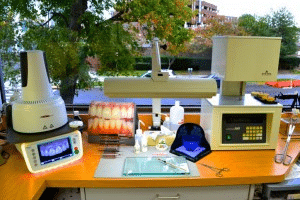
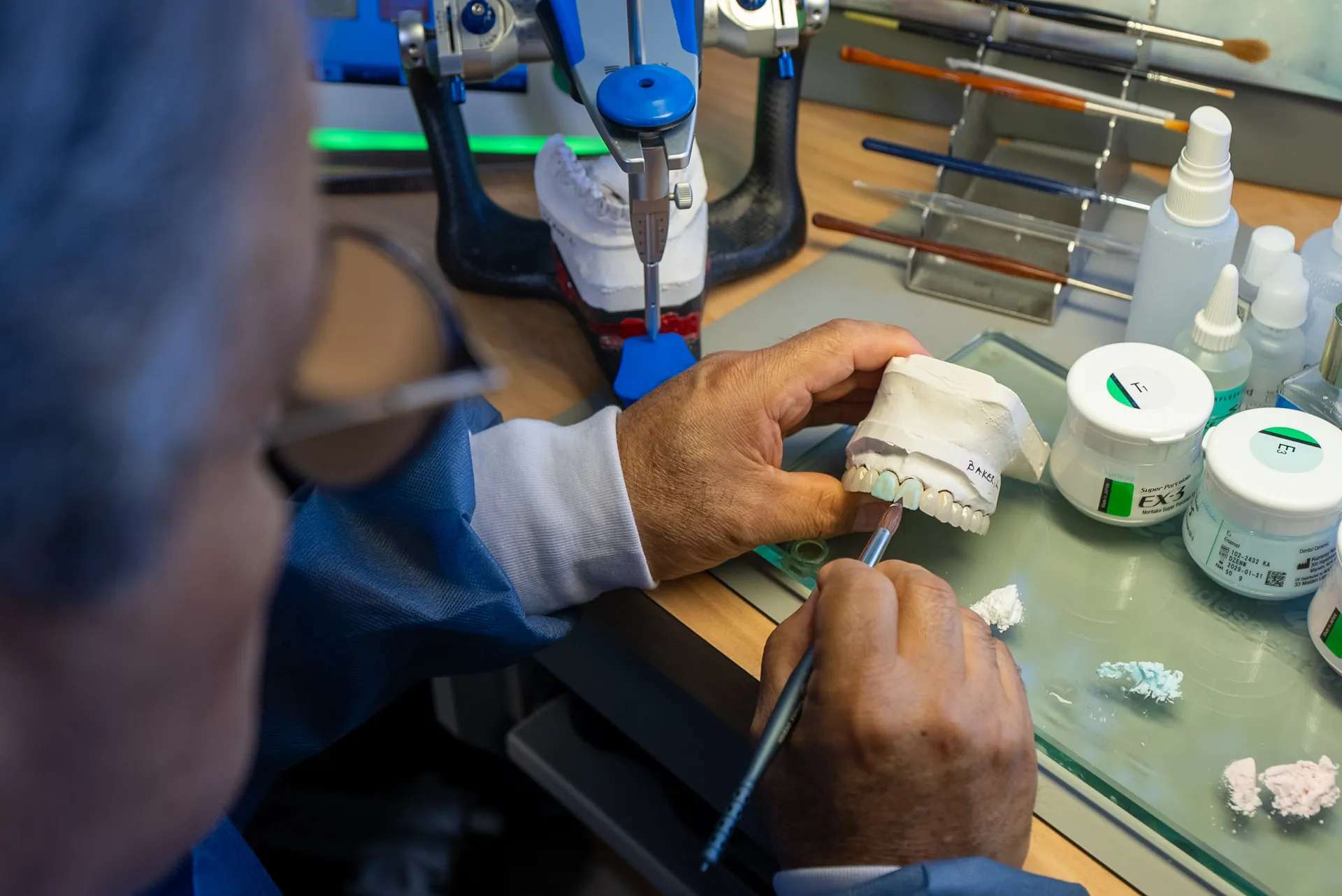
Elite Prosthetic Dentistry houses its own laboratory, staffed by our technician and directed by Dr. Marlin, and it has operated since 1985. When an emergency arrives, the case does not go into a shipping box. It goes down the hall.
That single structural difference collapses the timeline. Crowns, veneers, and prosthetic repairs that would take other offices days can typically be fashioned far faster here, often the same day. The patient spends less time in the treatment room, less time waiting, and far less time living with a damaged smile.
Just as important, speed does not come at the cost of appearance. Because the technician can evaluate your neighboring teeth in person, even an emergency restoration can be layered and characterized to look convincingly natural. You can see what that looks like under real time pressure in our case studies of an emergency repair of two fractured front teeth and a rapid repair of two fractured anterior teeth.
What to Do When an Emergency Strikes
Timing is everything, so always contact a dental office immediately. Prompt attention minimizes damage to teeth, gums, and existing dental work, and it preserves repair options that shrink as hours pass. Save any fragments or dislodged restorations and bring them along. If you have broken a visible tooth, our article oh no, I broke my two front teeth, what now? walks through the first steps.
One more thought worth carrying beyond the emergency itself: many “sudden” failures are not sudden. Crowns and bridges placed decades ago often weaken quietly before they break at the worst possible moment. If your dental work is aging, a planned evaluation now, covered in 4 ways you can benefit from our in-house dental lab, beats an emergency later. Proactive replacement on your schedule is almost always calmer, more precise, and more economical than crisis repair.
Emergency-Ready in Friendship Heights
When a dental emergency strikes, our office has the skills and the tools on-site to restore natural aesthetics and get you back to your day. Dr. Gerald Marlin is a specialty-trained prosthodontist with 40+ years of experience treating urgent restorative problems. Call 202-244-2101 or request an appointment at Elite Prosthetic Dentistry in Friendship Heights, Washington, DC.
See How We Resolve These Problems
Our patient success stories show real cases and real results. Browse outcomes from a specialist prosthodontist with decades of experience and 3,900+ implants placed.
Key Takeaways
- ✓ Many dental emergencies involve a broken tooth, crown, veneer, or denture, and the fix usually requires laboratory work, not just chairside treatment.
- ✓ Practices that ship lab work off-site may leave patients waiting days to a week with a damaged smile. An on-site laboratory can often fabricate the repair the same day.
- ✓ Speed does not have to mean a crude stopgap: an in-house technician can deliver natural-looking aesthetics even under emergency timelines.
- ✓ Contact a dentist immediately when an emergency happens. Prompt care limits damage to teeth, gums, and existing dental work.
- ✓ Elite Prosthetic Dentistry has operated its own laboratory since 1985, built for exactly these moments.
Frequently Asked Questions
Can a broken crown or veneer be fixed the same day?
Often, yes, when the practice has an on-site laboratory. Instead of shipping the case to an outside lab and waiting days for its return, an in-house technician can repair or refabricate the restoration while you wait or later the same day, depending on the damage. Practices without a lab typically place a stopgap and schedule you weeks out.
What counts as a dental emergency?
Anything involving significant pain, bleeding, swelling, a knocked-out or fractured tooth, or a broken restoration such as a crown, bridge, veneer, or denture. Even when a break does not hurt, act quickly: exposed tooth structure is vulnerable to decay and fracture, and damaged prosthetics can injure soft tissue or shift your bite.
What should I do first when I break a tooth or restoration?
Call the dental office right away and describe what happened. Save any pieces, including a dislodged crown or veneer, and bring them with you. Avoid chewing on the affected side, and use over-the-counter pain relief if needed. Prompt professional attention minimizes further damage and often expands your repair options.
Will an emergency repair look natural?
It should, and with an in-house laboratory it can. A skilled technician working chairside can match shade and translucency to your neighboring teeth even on an emergency timeline, so the repaired tooth does not announce itself. A rushed, artificial-looking result is not the necessary price of speed.
Related Patient Success Stories
Explore similar patient success stories demonstrating our expertise in advanced prosthetic dentistry.
 Before
  After
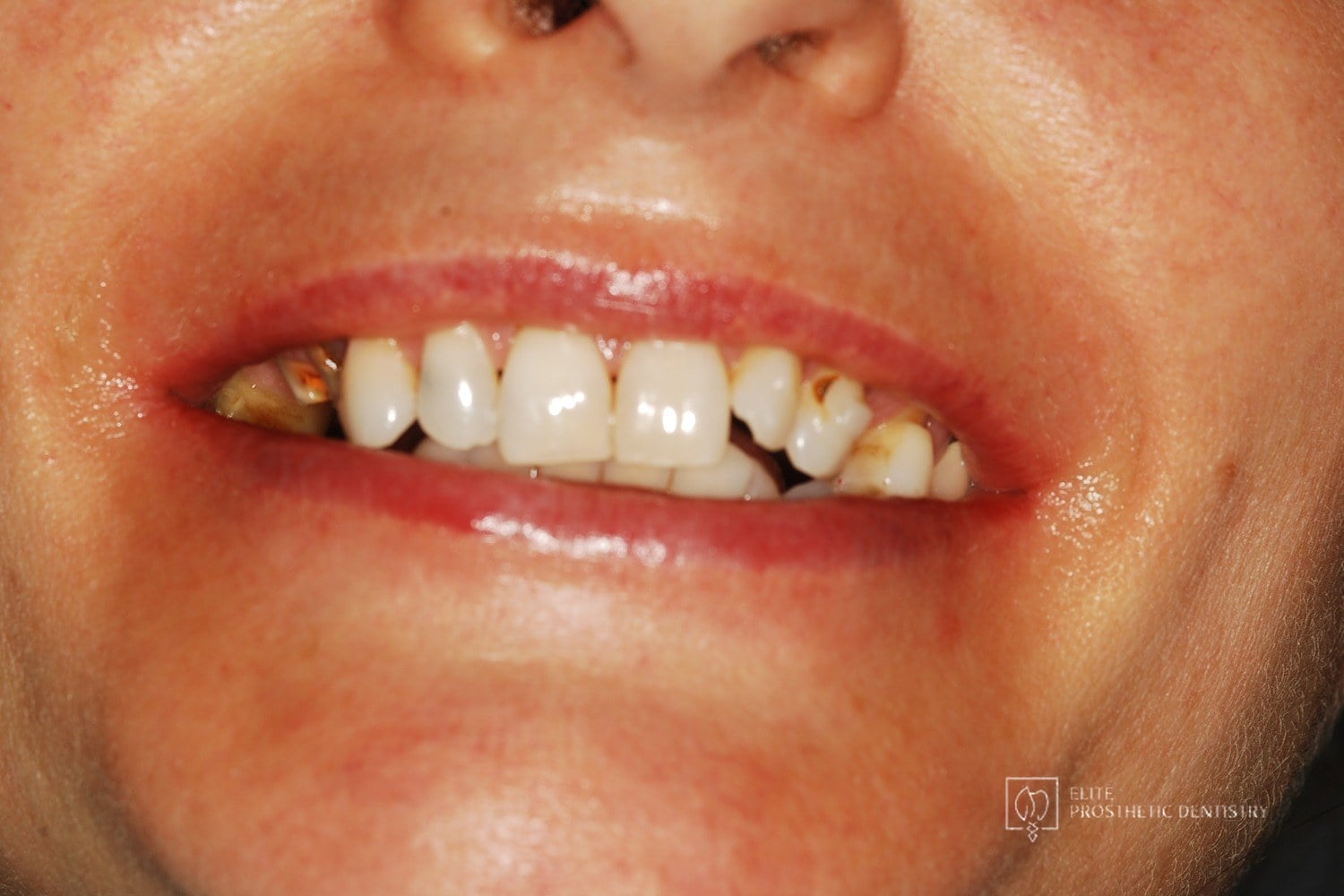
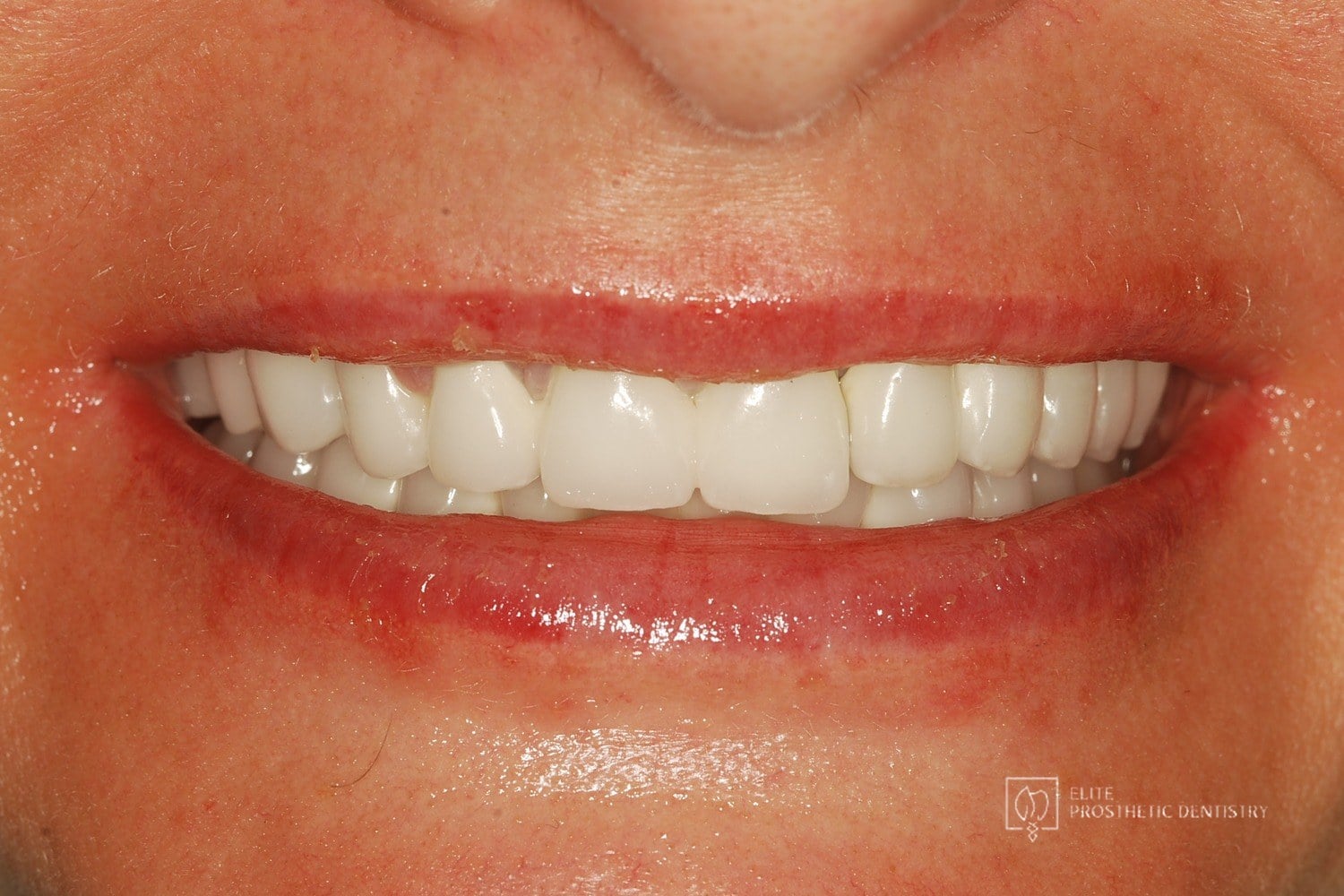
After How Aging, Failing Dentistry Was Replaced with a Coordinated Full-Mouth Implant and Crown Reconstruction
The patient presented with throbbing upper-molar pain, long-standing infections, multiple root canals and unfinished prior treatment, generalized sensitivity, and several hopeless teeth.
 Before
 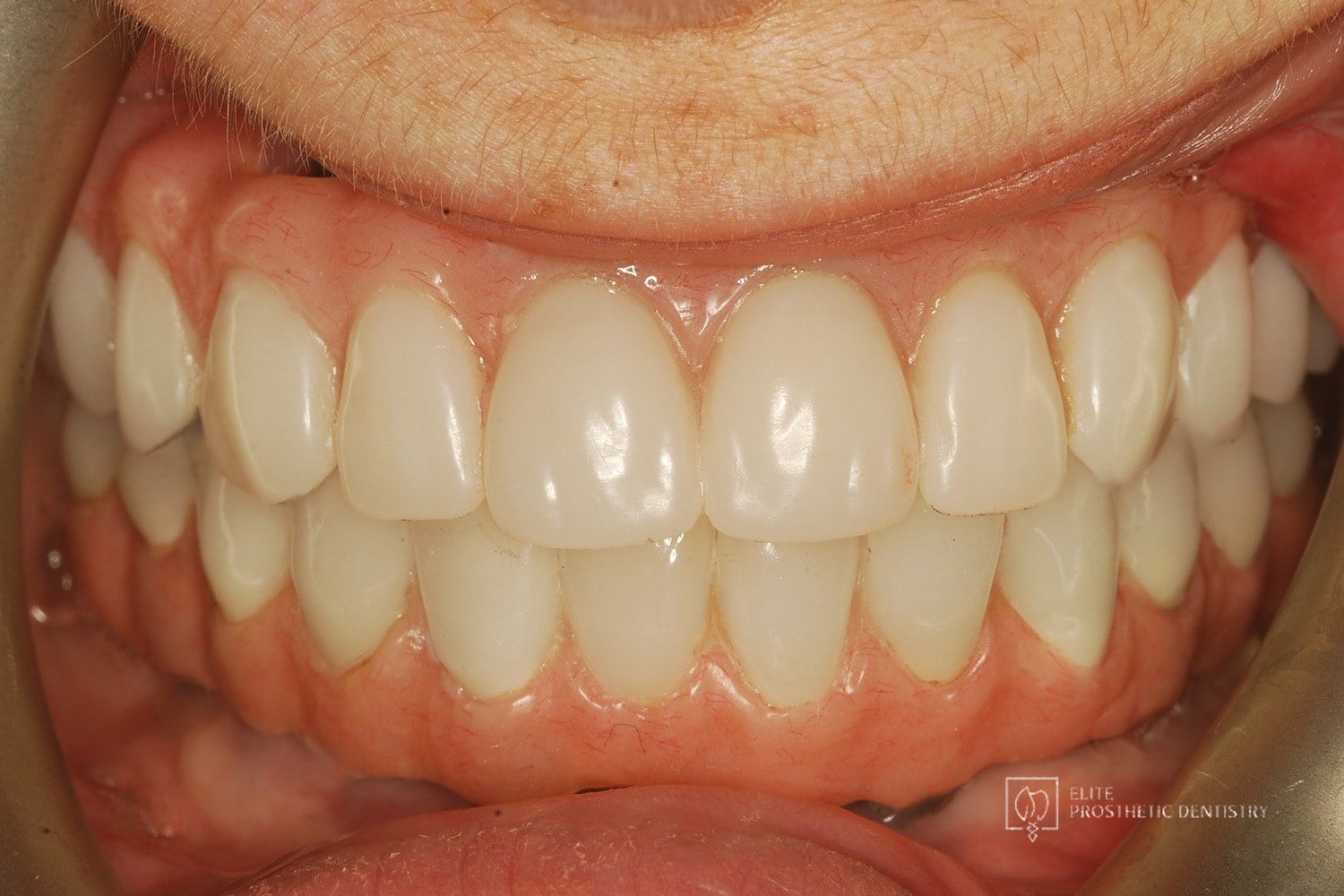 After
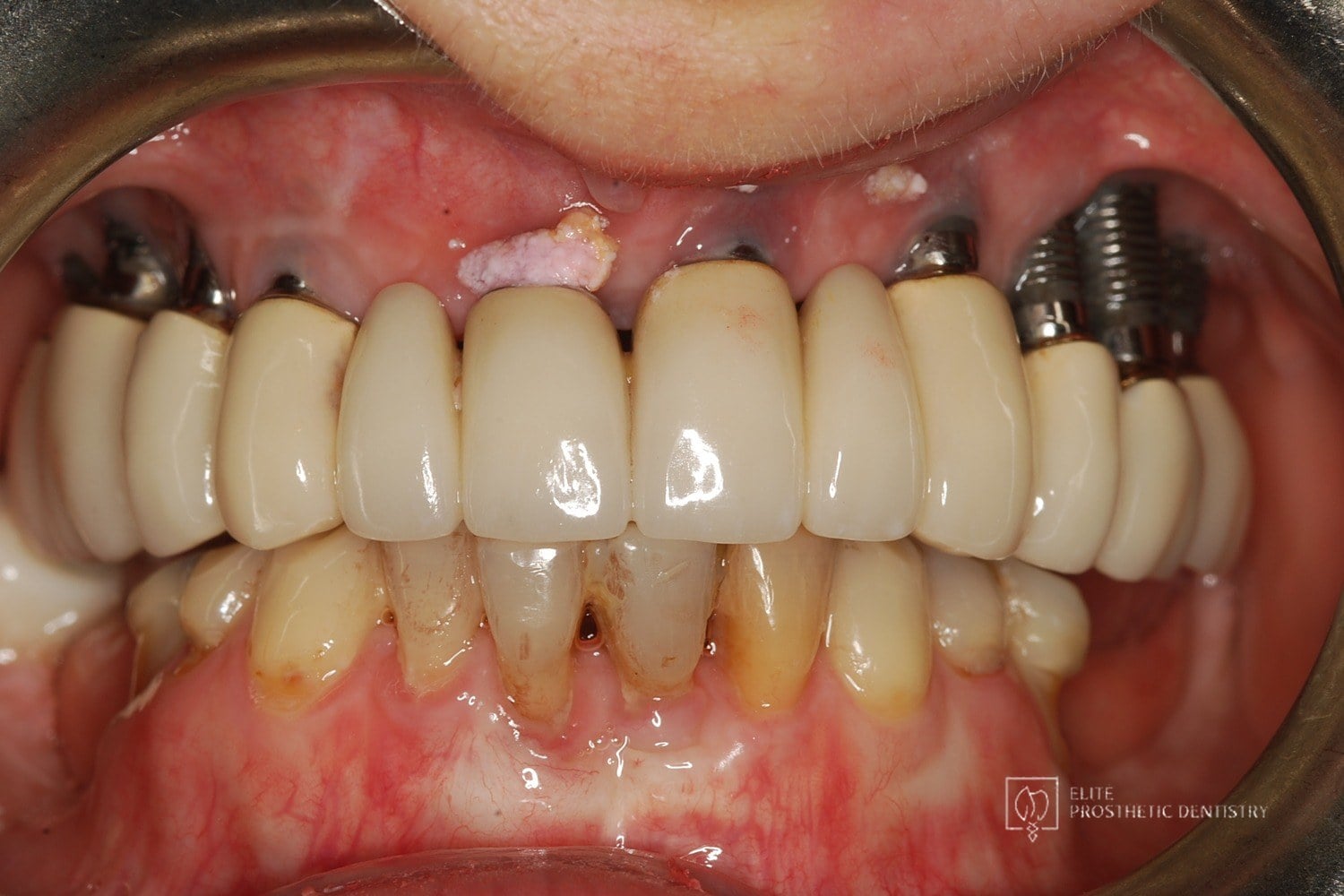
After How Failing Implants and Severe Bone Loss Were Rebuilt Into a Stable Full-Arch Implant Reconstruction
The patient presented with significant complications from previously placed implants, severe bone loss, failing posterior implants, and an unesthetic full-arch bridge. Both arches required full reconstruction, with the upper arch showing the most advanced bone loss and instability.
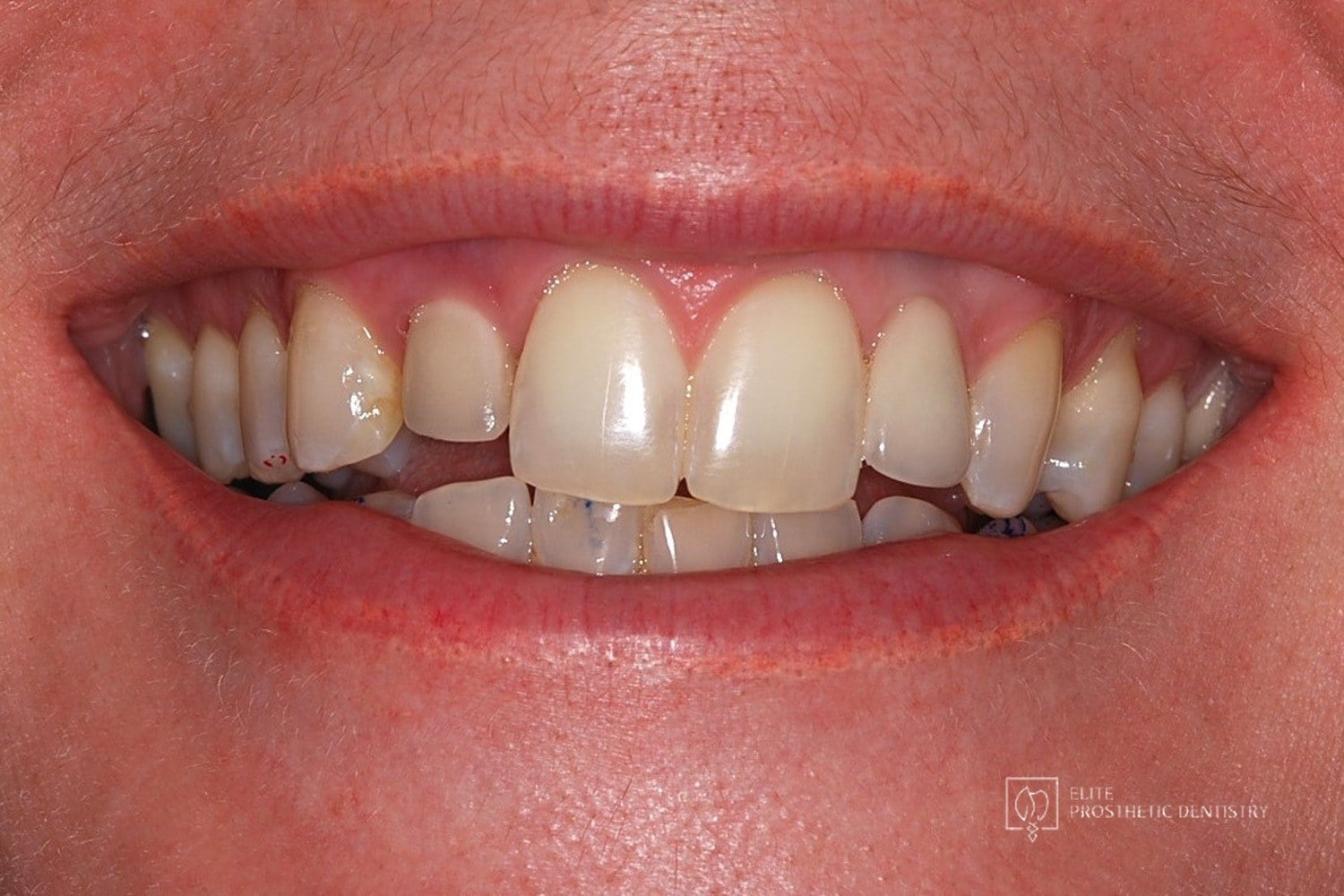 Before
 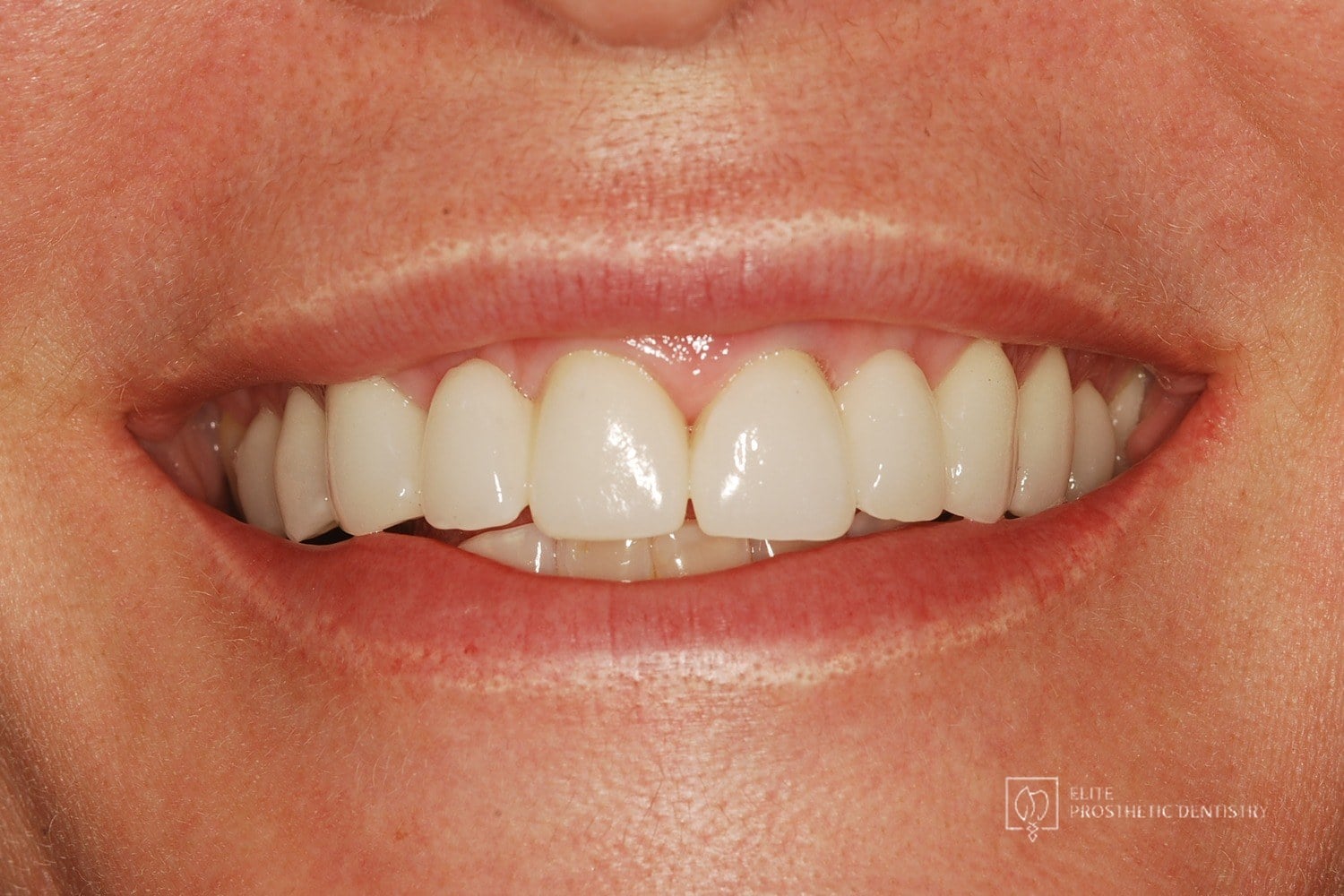 After
After How Failing Lateral Incisor Implants Were Replaced with Custom Zirconia Bridges After Severe Bone Loss Made Replacement Implants Impossible
Comprehensive examination including CBCT imaging revealed significant bone loss surrounding implants that were placed outside the buccal plate, most likely due to placement without a CBCT-generated surgical guide. The implants were determined non-salvageable, and the alveolar ridge was too narrow to support replacement implants without extensive reconstruction.
Related Articles
Deepen your knowledge with additional insights on this topic.
 Choosing a Prosthodontist
 The Patient's Guide to Implant, Cosmetic and Restorative Dentistry
How to judge quality in implant, cosmetic, and restorative dentistry: choosing a practitioner, why the lab matters, financing, and the questions to ask.
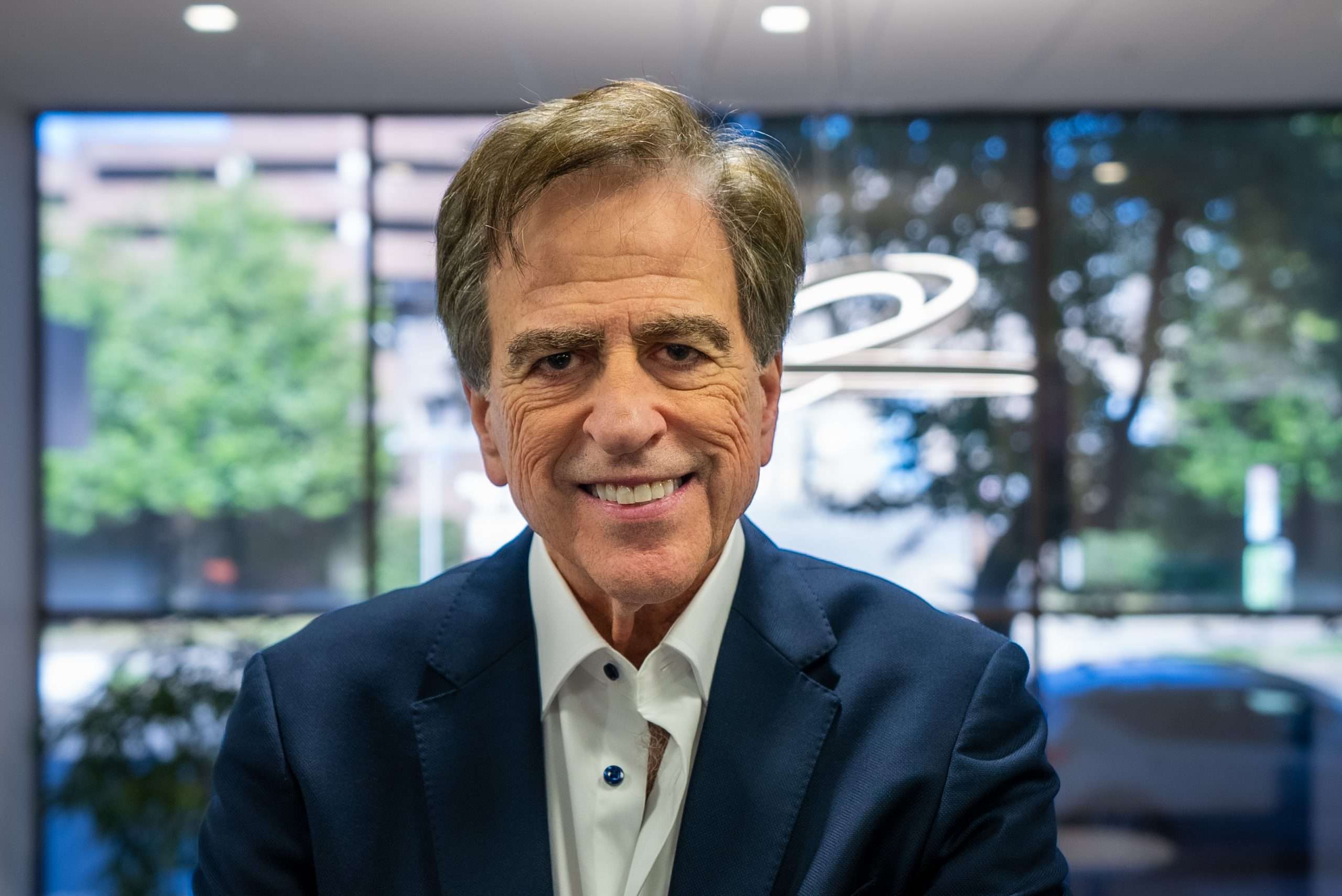 Choosing a Prosthodontist
 What is a Prosthodontist?
A prosthodontist is a dental specialist with advanced training in crowns, implants, dentures, and complex restorations. Washington, DC specialist.
 Choosing a Prosthodontist
 4 Ways You Can Benefit from Our In-House Dental Lab
Custom aesthetics, precision fit, shorter waits, and fast repairs: four ways an in-house dental laboratory changes both your experience and your results.