
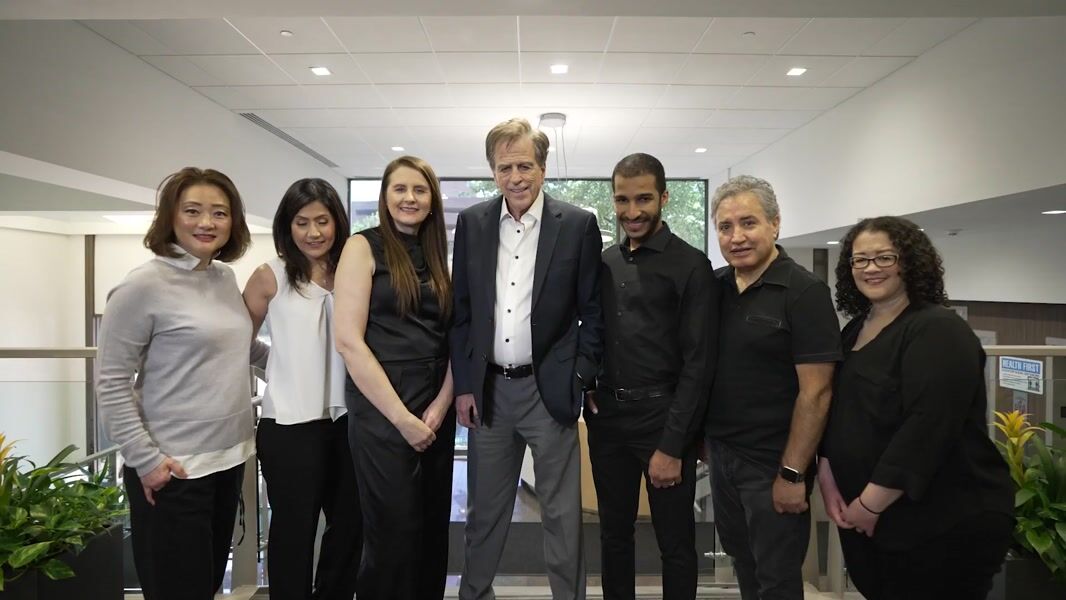
General Dentist vs. Prosthodontist for Aging Crowns, Bridges, and Implant Restorations
When older crowns, bridges, veneers, and implant restorations begin to age, should a general dentist or a prosthodontist evaluate them? How to decide between repair, replacement, and a comprehensive plan.
For an isolated crown problem, a capable general dentist is often the right choice. When several crowns, bridges, veneers, or implant restorations are aging together, or the bite is part of the problem, a specialty-trained prosthodontist adds value: the evaluation looks at the whole pattern before any single tooth is treated, so the next investment is planned rather than piecemeal.
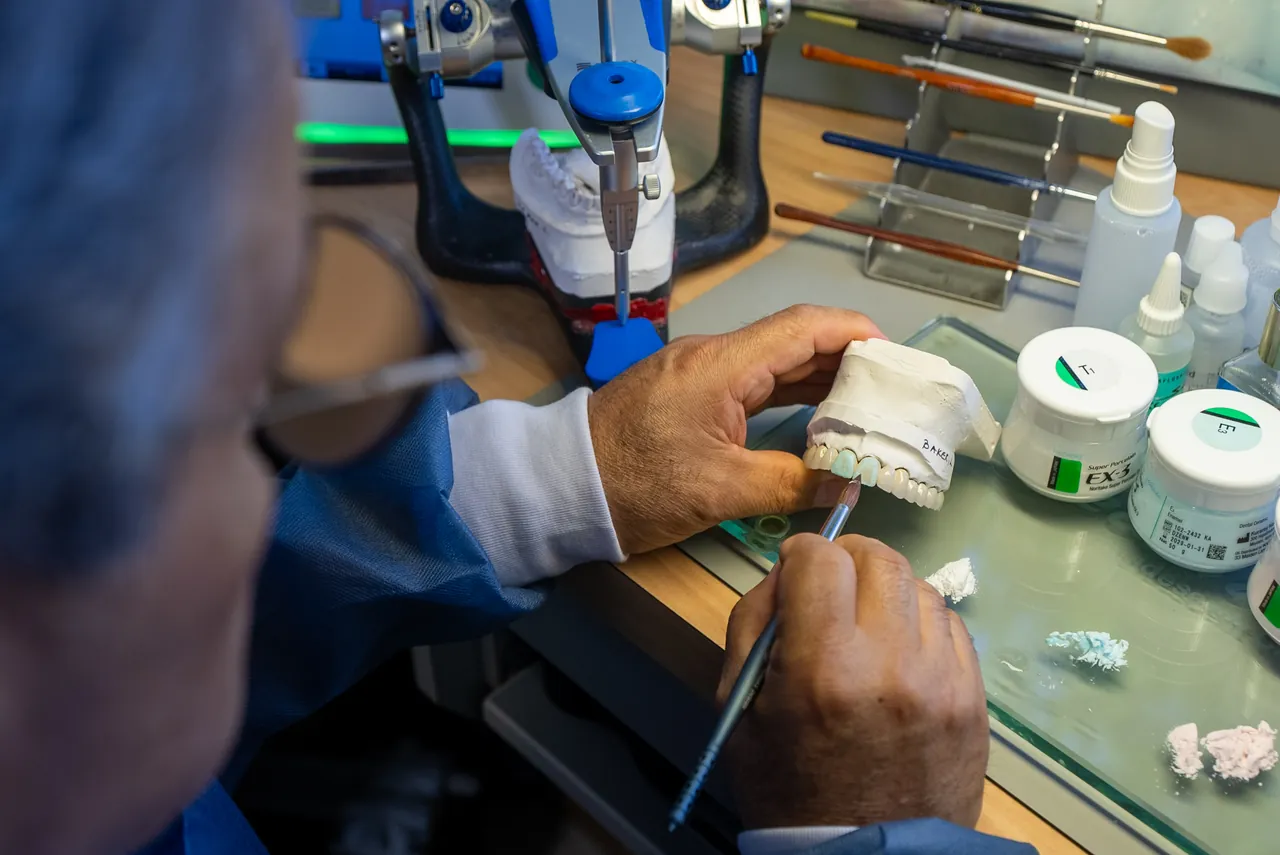
Many patients are not in crisis when they begin searching. They may have older crowns, aging bridges, older veneers, implant crowns, or dentistry that still functions but no longer looks, feels, or fits the way it should. The decision is often whether to repair individual teeth again or step back and create a more durable, better-coordinated plan before larger problems develop.
Why Aging Dentistry Deserves a Careful Evaluation
Crowns, bridges, veneers, and implant restorations do not all fail at once. They often show early warning signs: open margins, recurrent decay, food trapping, chipping porcelain, dark edges, a changing bite, uneven wear, looseness, or esthetic changes. A limited repair may be appropriate. But when several restorations are aging together, the better decision may be to evaluate the full pattern before replacing pieces one at a time.
What a General Dentist Can Often Manage Well
Many general dentists handle routine crowns, bridges, fillings, and smaller restorative needs very well. For isolated problems, a general dentist may be the right choice. The decision changes when older dentistry involves multiple teeth, the bite, implants, esthetics, periodontal support, or a need for staged replacement.
When a Prosthodontist May Add Value
- Several crowns or bridges are aging at the same time.
- A bridge is loose, repeatedly recemented, or supported by compromised teeth.
- Implant crowns or implant bridges are involved.
- The bite has changed, or restorations are wearing, chipping, or breaking.
- Front teeth require high-esthetic crowns or veneers.
- You want a long-term plan rather than repeated isolated repairs.
- Treatment may need provisional restorations, staged sequencing, or in-house laboratory refinement.
How Elite Prosthetic Dentistry Approaches Replacing Aging Dentistry
Elite Prosthetic Dentistry evaluates older dental work in context. The question is not simply whether a crown or bridge can be replaced. The question is why the restoration is changing, whether other restorations are likely to follow, whether the bite is contributing, whether implants are involved, and how the replacement work can be planned for natural appearance, stable function, and durability.
Treatment ranges from replacing an older crown to full-mouth reconstruction, depending on what the evaluation actually shows. Many patients fear having dentistry redone. A plan built on diagnosis is the best protection against doing this twice.
When Elite Prosthetic Dentistry May Be a Strong Fit
- You have multiple older crowns, veneers, bridges, or implant restorations.
- You want to replace aging dental work before an emergency develops.
- You are concerned about recurrent decay, loose bridgework, dark margins, chipping, food trapping, or an unstable bite.
- You want natural-looking restorations that are coordinated with function and long-term planning.
- You are considering whether to repair, replace, or redesign older dentistry.
When Another Setting May Be More Appropriate
- You need a simple isolated crown and are already comfortable with your current dentist.
- You are looking for a quick patch without evaluating the surrounding dentistry.
- Your main priority is insurance-based or lowest-cost repair.
Representative Cases
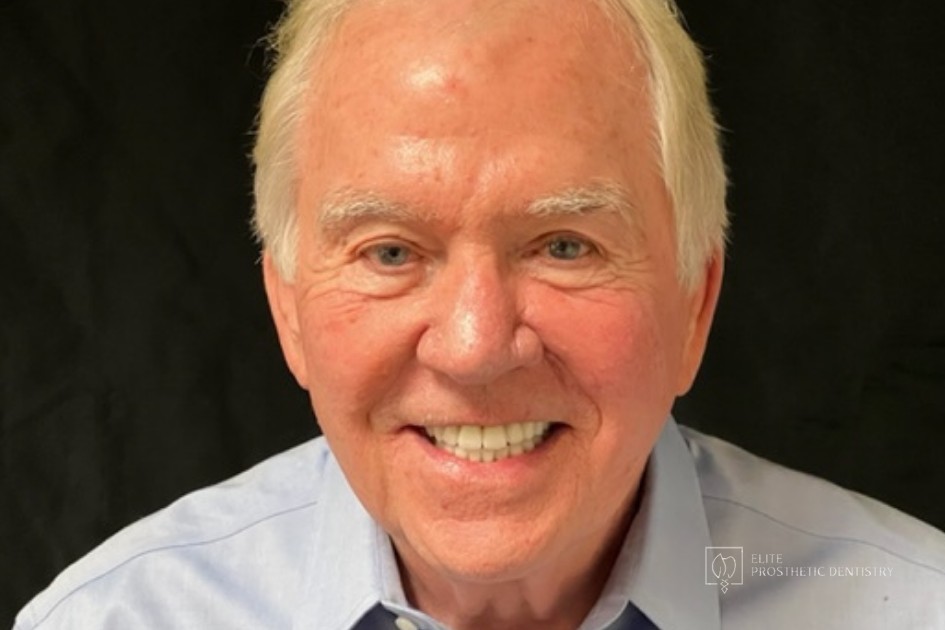
These documented cases show aging dentistry replaced on a plan rather than in pieces:
- Older implant crowns redesigned for a better bite and more natural appearance
- Aging crowns and a long-standing bridge rebuilt with a coordinated restorative reconstruction
- Aging, opaque restorations replaced with customized ceramic restorations
- A loose upper bridge and aging crowns rebuilt with staged implant and crown reconstruction
More are collected in the Replacing Aging Dentistry success story hub.
Related Decision Guides
- How to Find the Best Dentist for Crowns in Washington, DC
- Prosthodontist vs. Cosmetic Dentist for Complex Smile Reconstruction
- How to Choose a Prosthodontist for Full Mouth Reconstruction in Washington, DC
- When to Seek a Second Opinion Before Dental Implants, Extraction, or Major Treatment
- What Kind of Dentist Should Fix a Failing Dental Implant?
Request an Evaluation for Aging Crowns, Bridges, or Implant Restorations
A careful evaluation can help determine whether the right answer is repair, replacement, staged treatment, or a more comprehensive plan. Request an evaluation or call (202) 244-2101. No pressure. Clear answers. A defined plan.
Your Best Smile Is Within Reach
Request a specialist consultation with Dr. Marlin to discuss your situation and the most appropriate path forward.
Frequently Asked Questions
Do all old crowns need to be replaced?
No. Some older crowns remain healthy and functional. Replacement is considered when there is decay, margin breakdown, poor fit, esthetic concern, structural weakness, bite problems, or a broader pattern of deterioration. An honest evaluation tells you which restorations still have years of service left.
Why not replace one crown at a time?
Sometimes one-at-a-time treatment is appropriate. In other situations, multiple aging restorations are related through the bite, materials, esthetics, or support. A comprehensive evaluation helps determine which approach is more predictable and more economical over time.
Can aging bridgework be replaced with implants?
In some cases, yes. The decision depends on the supporting teeth, bone, bite, esthetic requirements, and the patient's goals. Implant replacement should be planned around the final restoration, not the other way around.
Is replacing aging dentistry considered cosmetic?
It can be both restorative and cosmetic. The goal may include natural appearance, but the work should also address fit, function, durability, and long-term maintenance.
Related Patient Success Stories
Explore similar patient success stories demonstrating our expertise in advanced prosthetic dentistry.
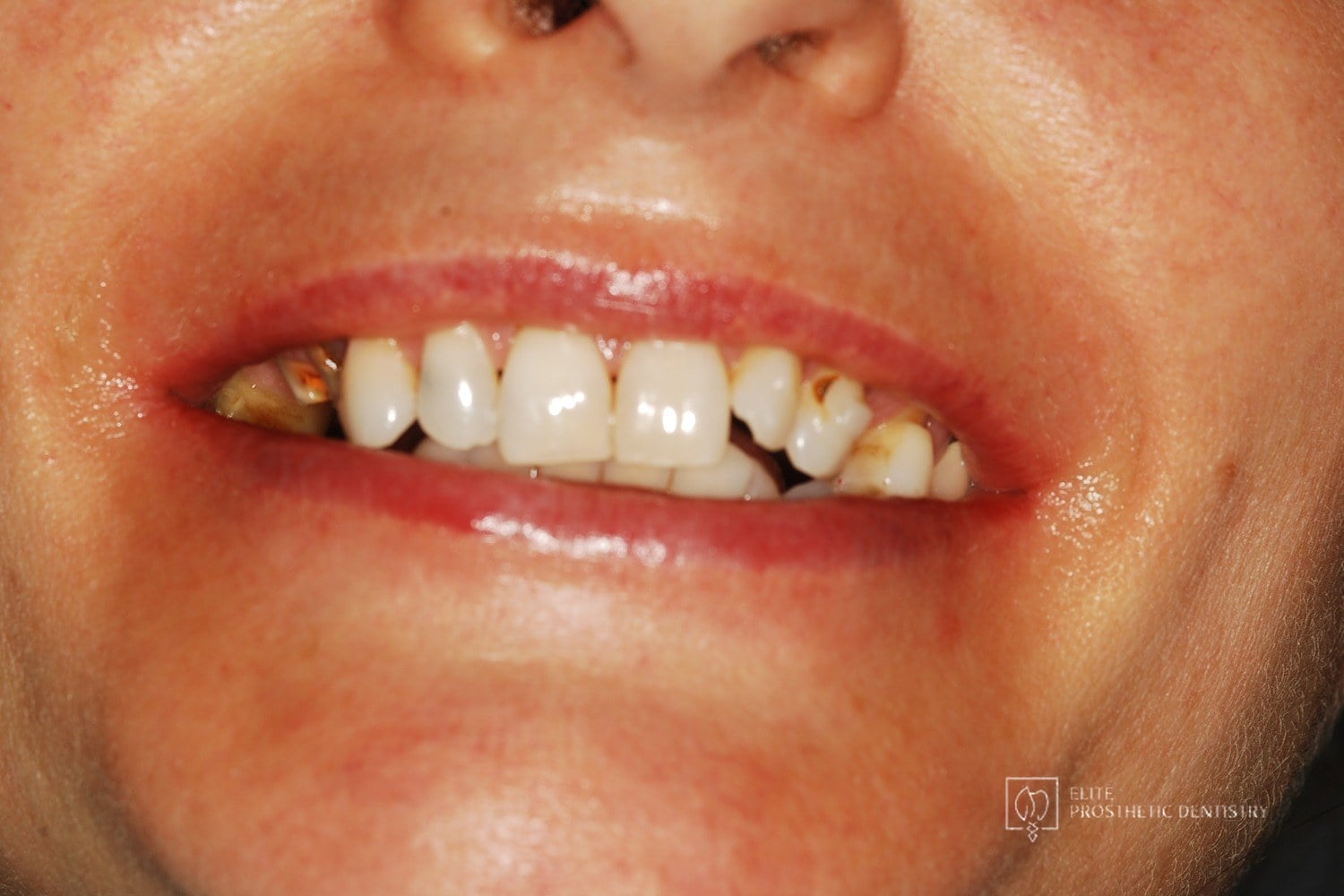 Before
  After
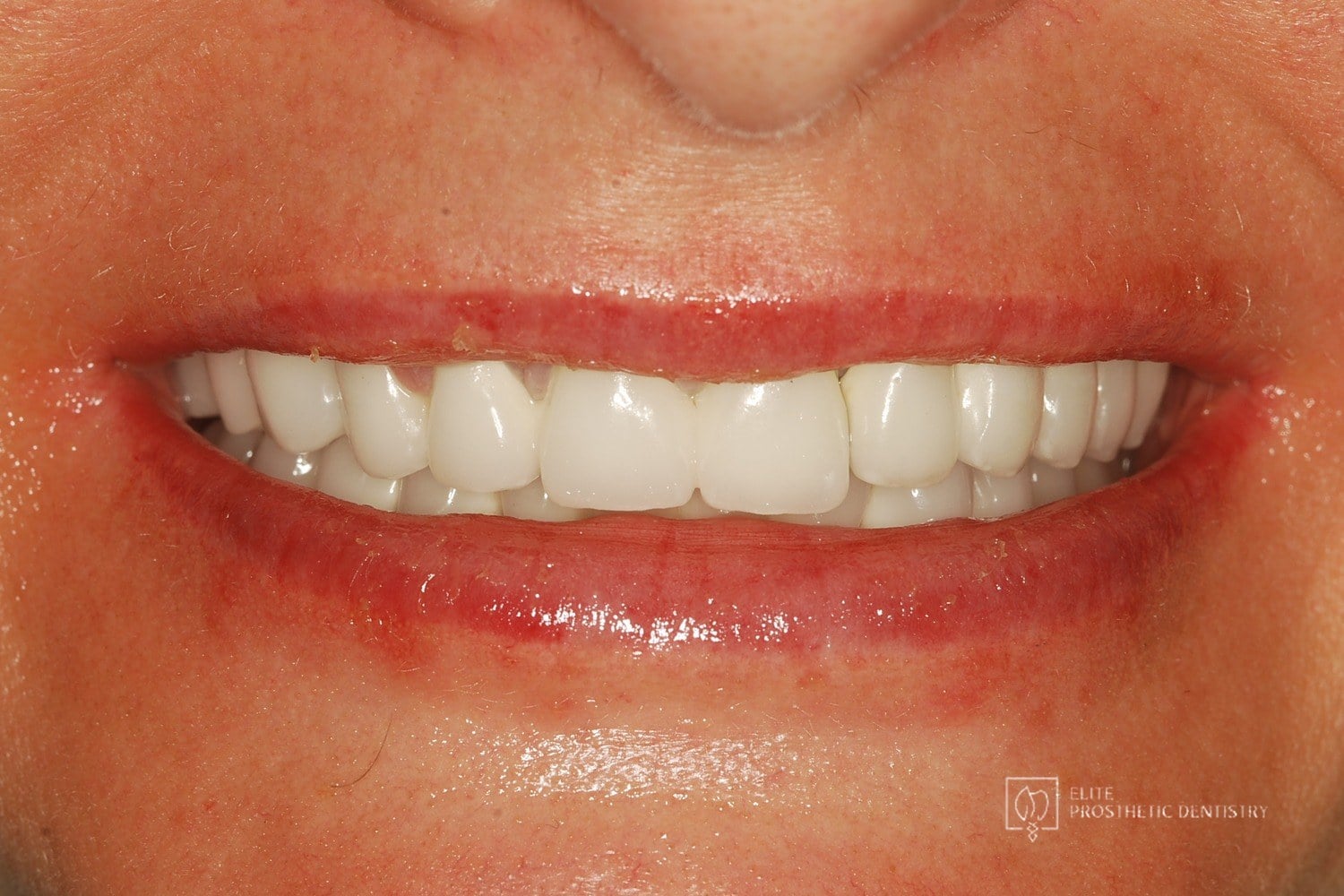
After How Aging, Failing Dentistry Was Replaced with a Coordinated Full-Mouth Implant and Crown Reconstruction
The patient presented with throbbing upper-molar pain, long-standing infections, multiple root canals and unfinished prior treatment, generalized sensitivity, and several hopeless teeth.
 Before
  After
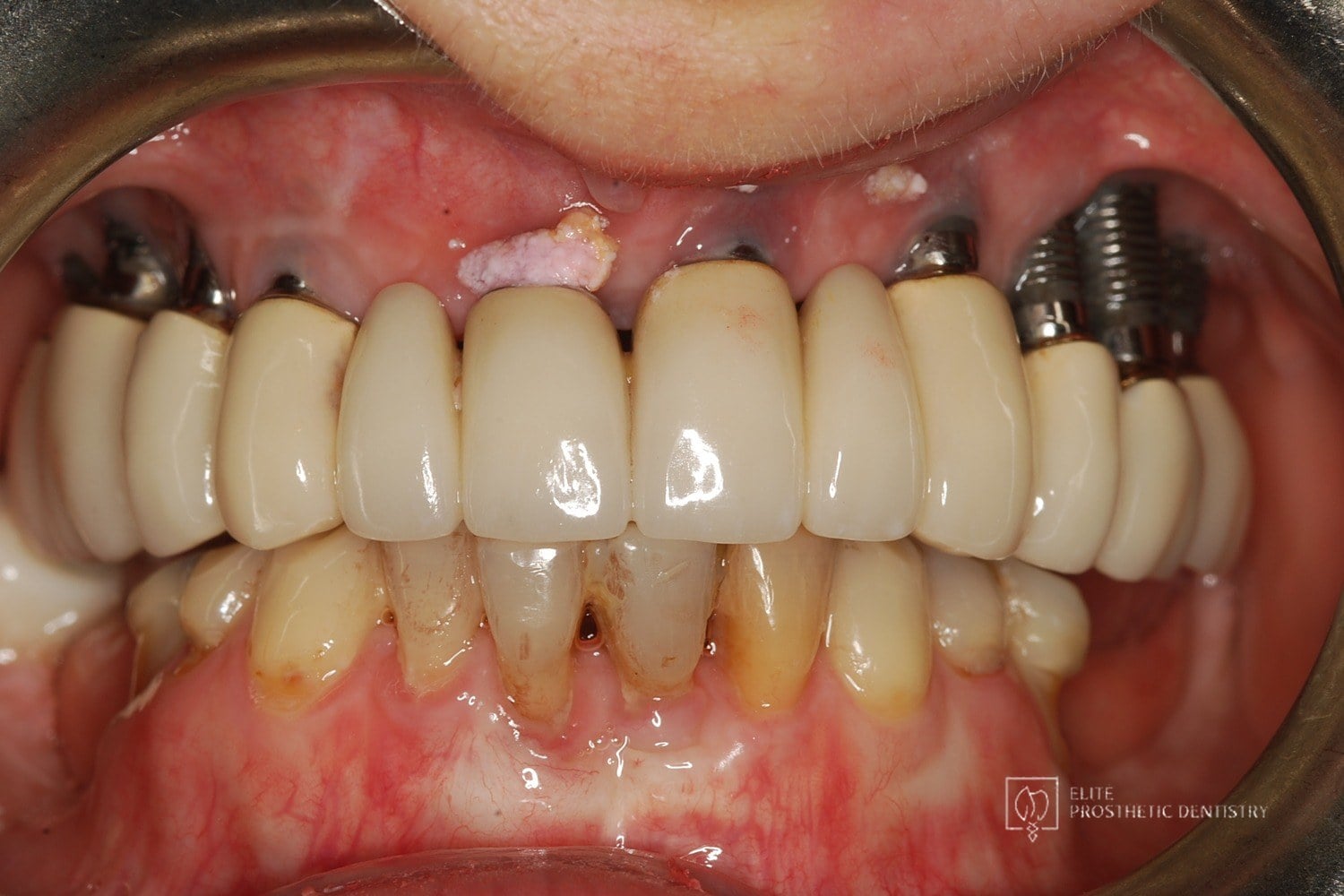
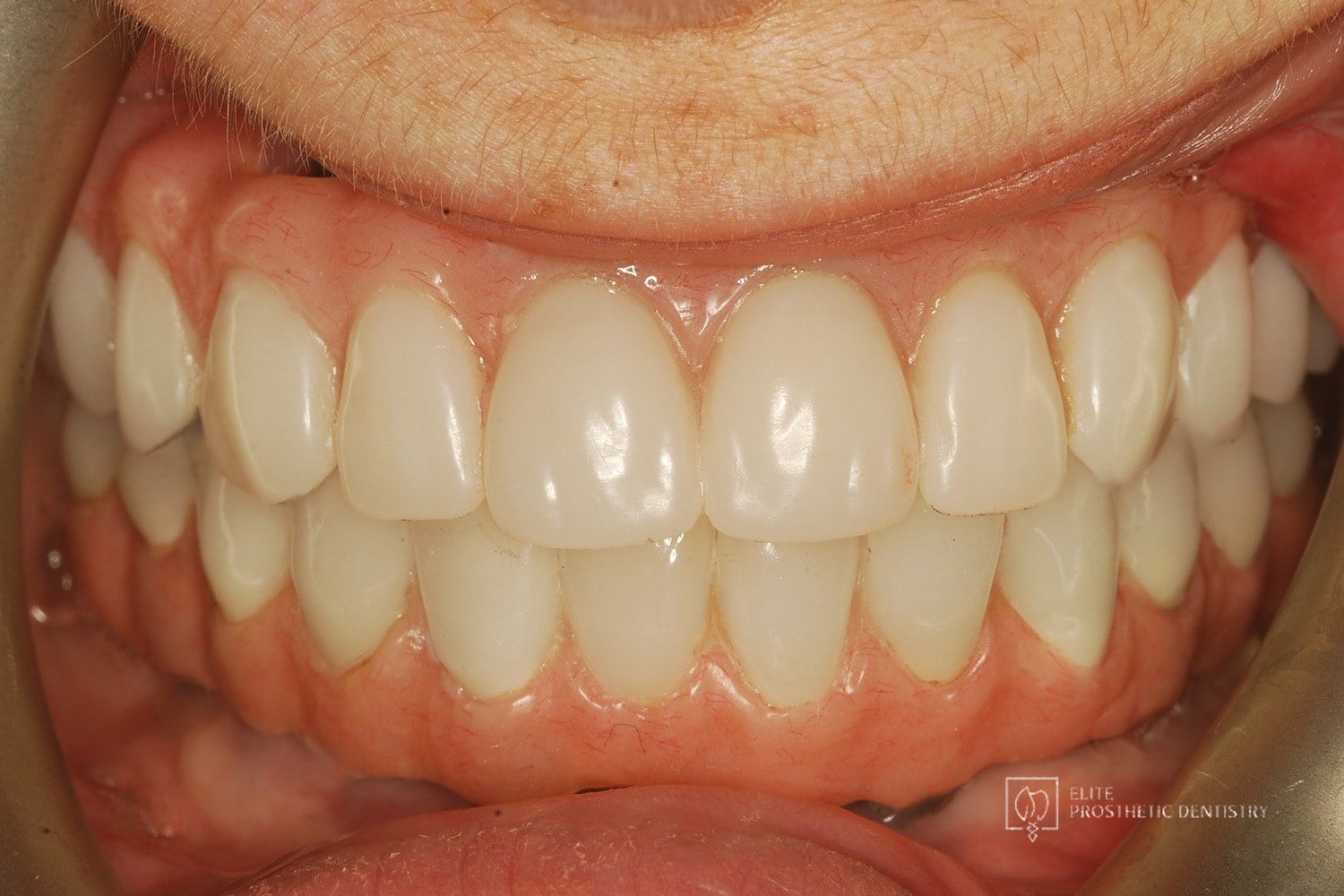
After How Failing Implants and Severe Bone Loss Were Rebuilt Into a Stable Full-Arch Implant Reconstruction
The patient presented with significant complications from previously placed implants, severe bone loss, failing posterior implants, and an unesthetic full-arch bridge. Both arches required full reconstruction, with the upper arch showing the most advanced bone loss and instability.
 Before
 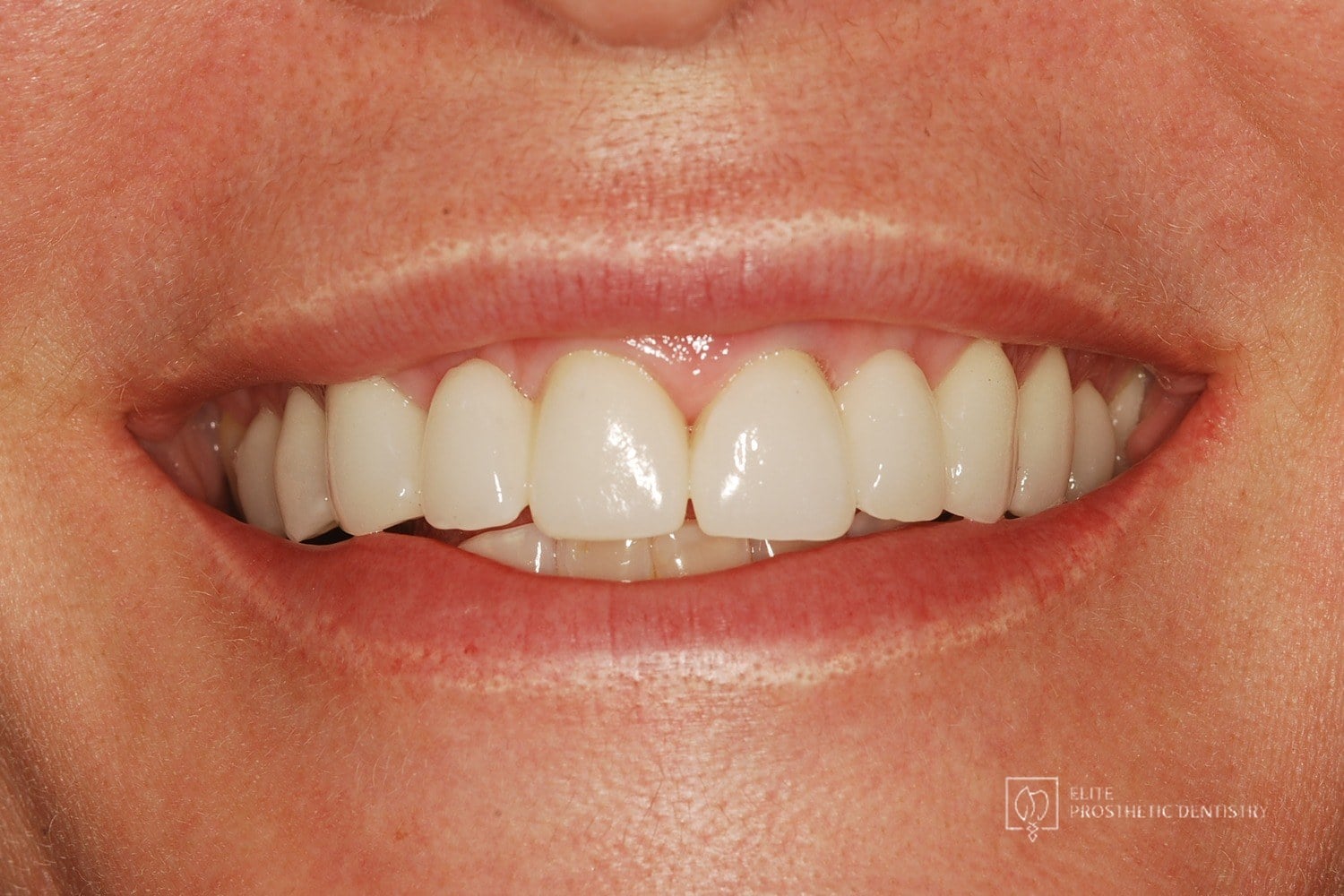 After
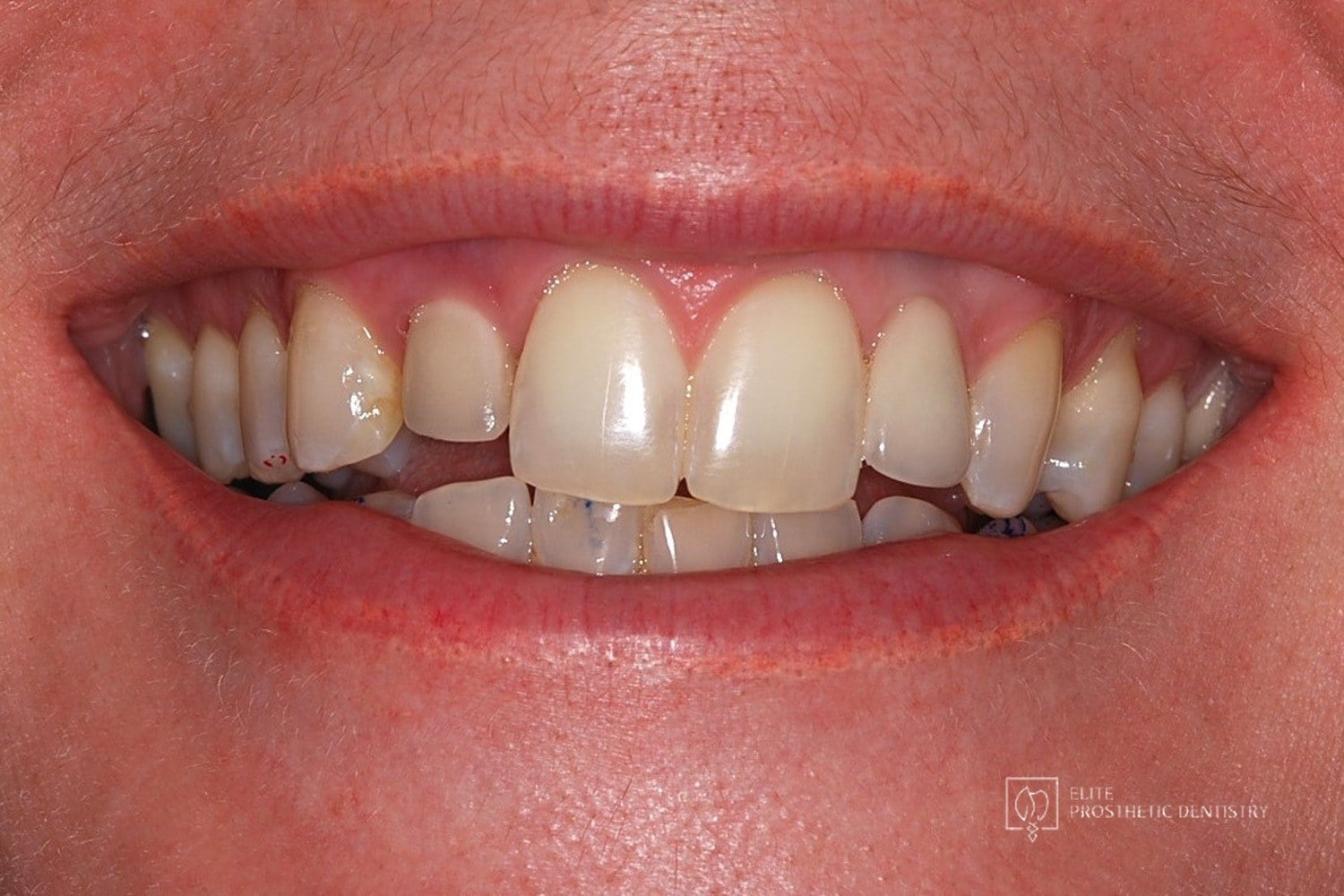
After How Failing Lateral Incisor Implants Were Replaced with Custom Zirconia Bridges After Severe Bone Loss Made Replacement Implants Impossible
Comprehensive examination including CBCT imaging revealed significant bone loss surrounding implants that were placed outside the buccal plate, most likely due to placement without a CBCT-generated surgical guide. The implants were determined non-salvageable, and the alveolar ridge was too narrow to support replacement implants without extensive reconstruction.
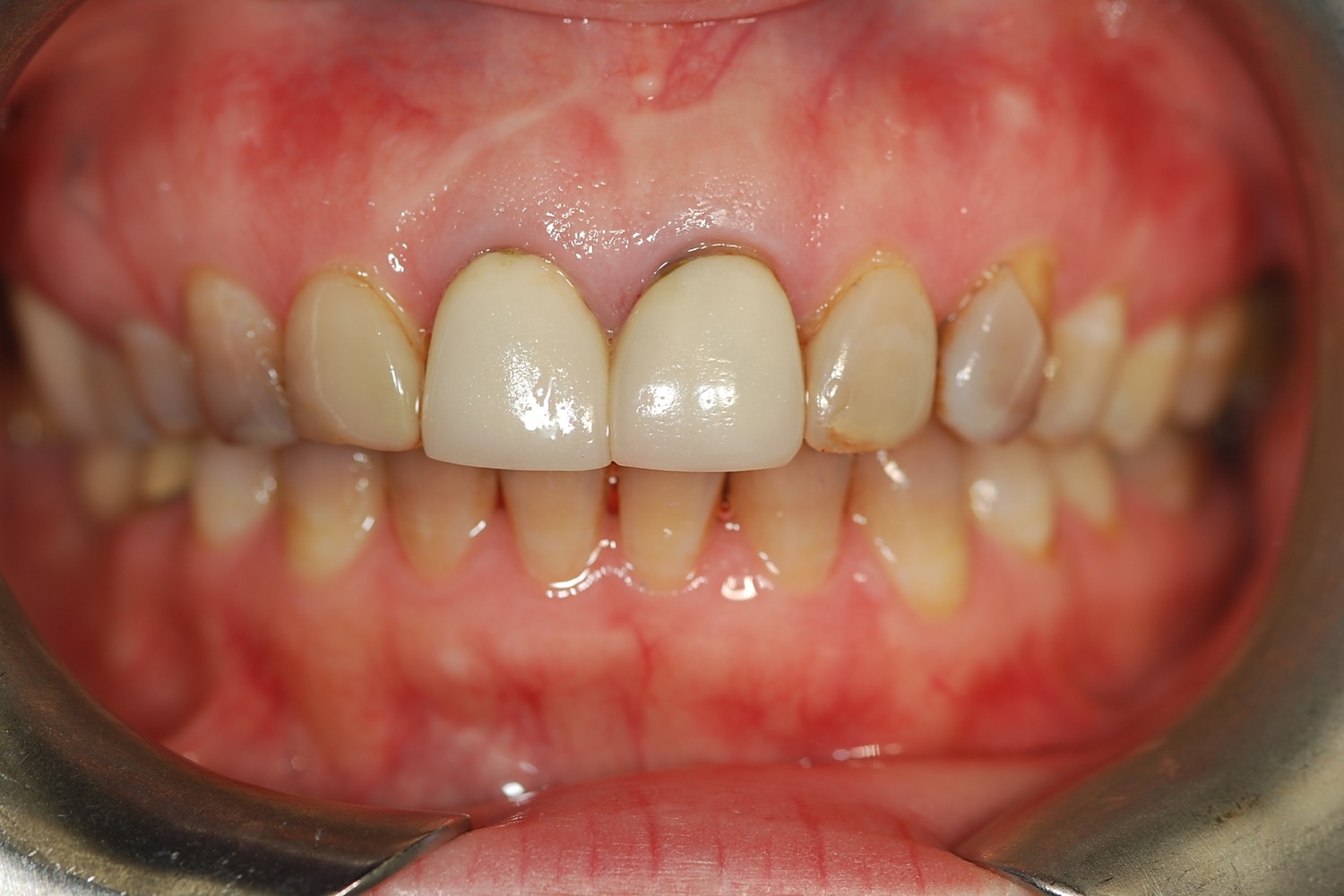 Before
 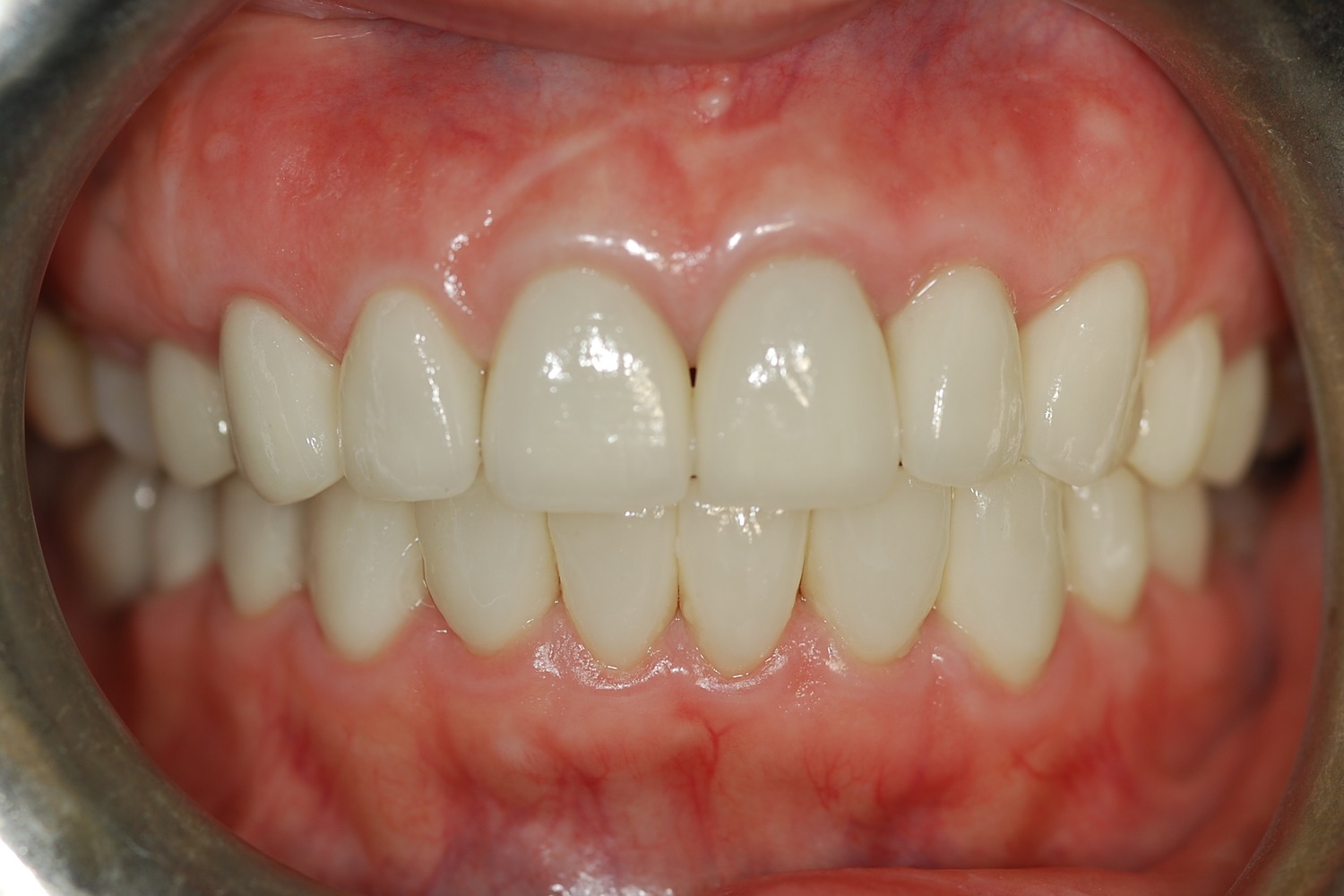 After
After How Aging, Opaque Restorations Were Replaced with Customized Ceramic Restorations Designed for Long-Term Natural Esthetics
The existing restorations appeared opaque, worn, and unnatural over time, affecting both confidence and overall smile harmony.
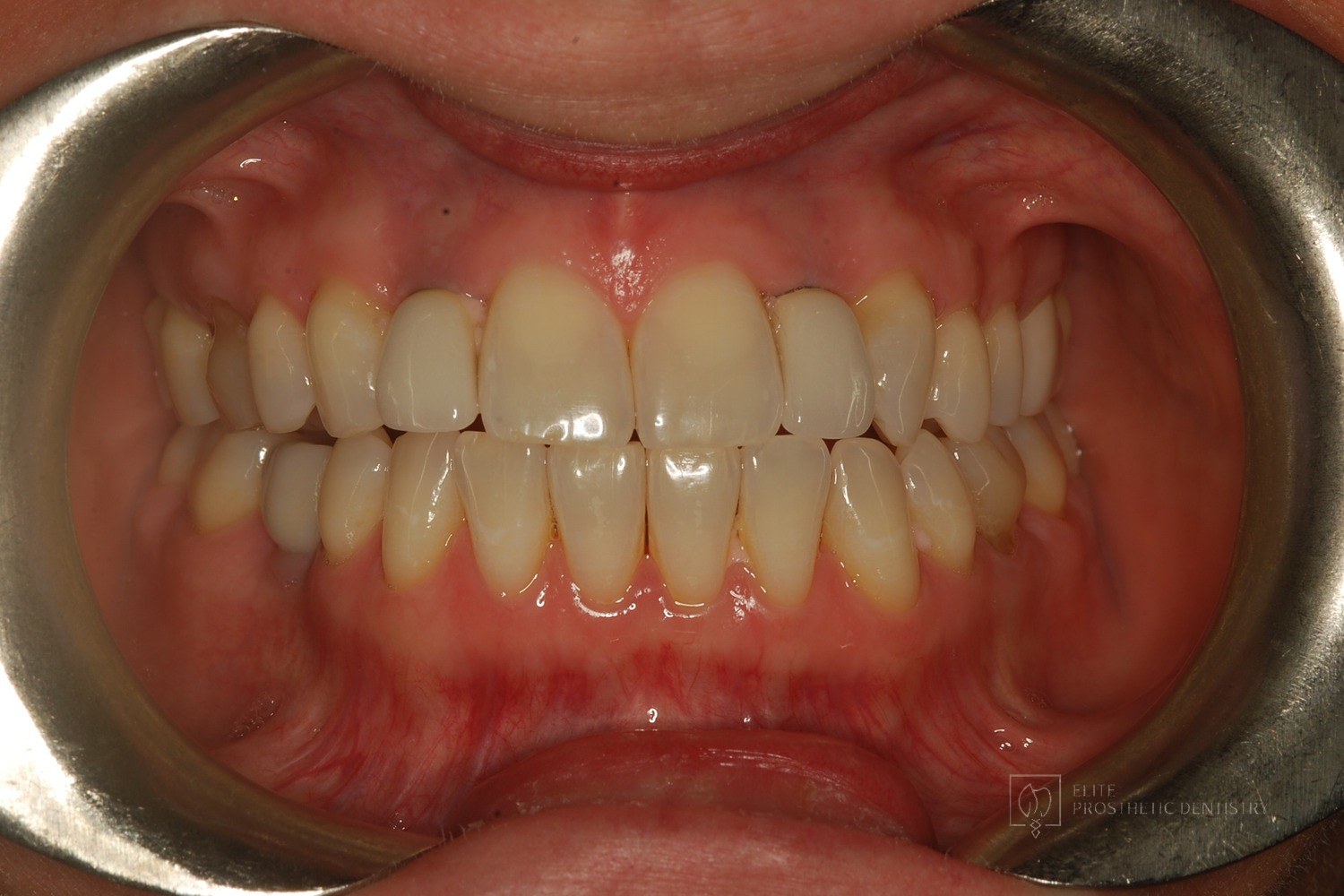 Before
  After
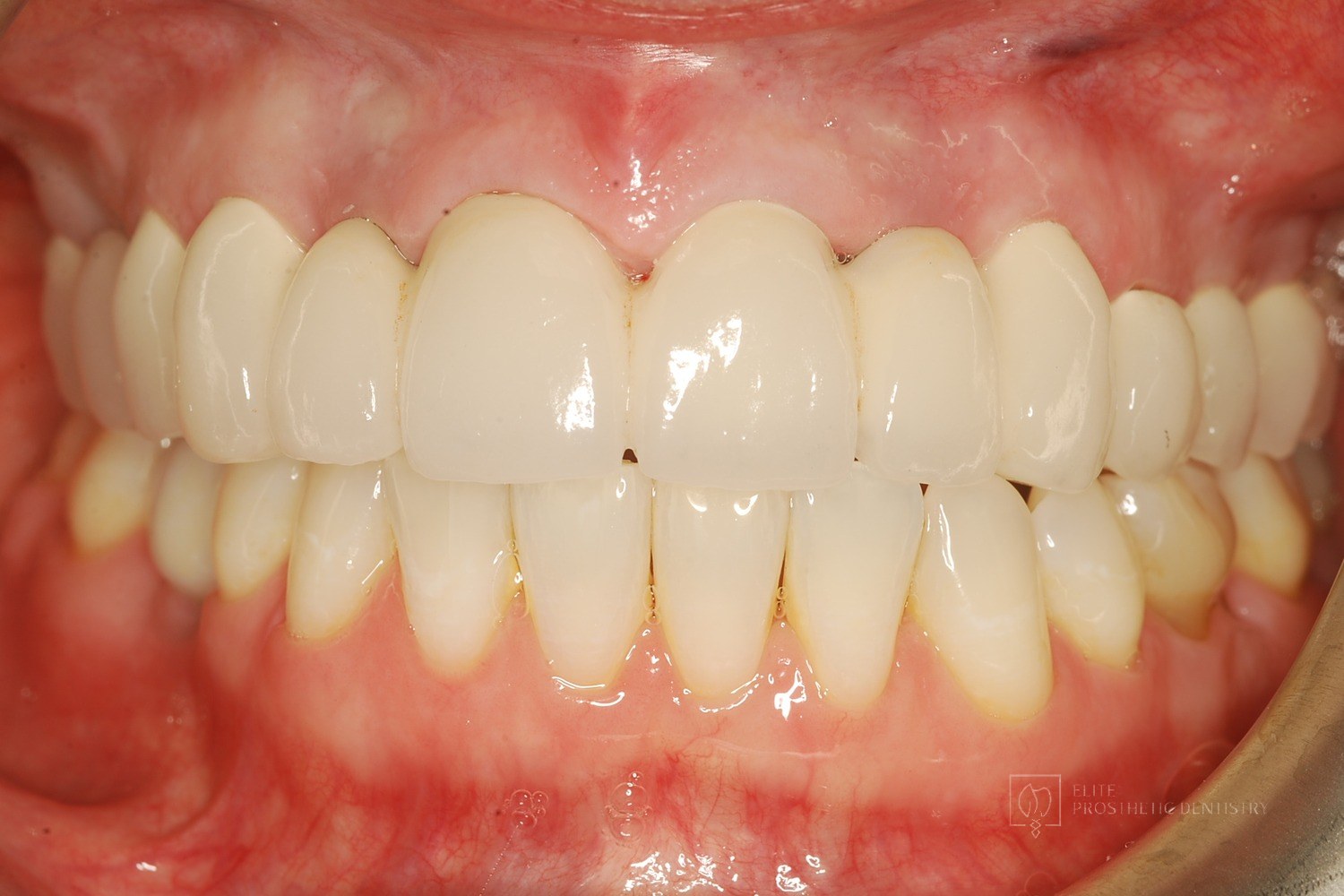
After How Older Implant Crowns Were Redesigned for a Better Bite and More Natural Appearance
The patient came in after years of living with implant-supported crowns placed more than twenty years earlier that no longer looked or functioned well. CBCT evaluation, reviewed with a radiologist colleague, showed the implants had been placed too far to the buccal in very thin bone and could not support a healthy long-term restoration.
 Before
  After
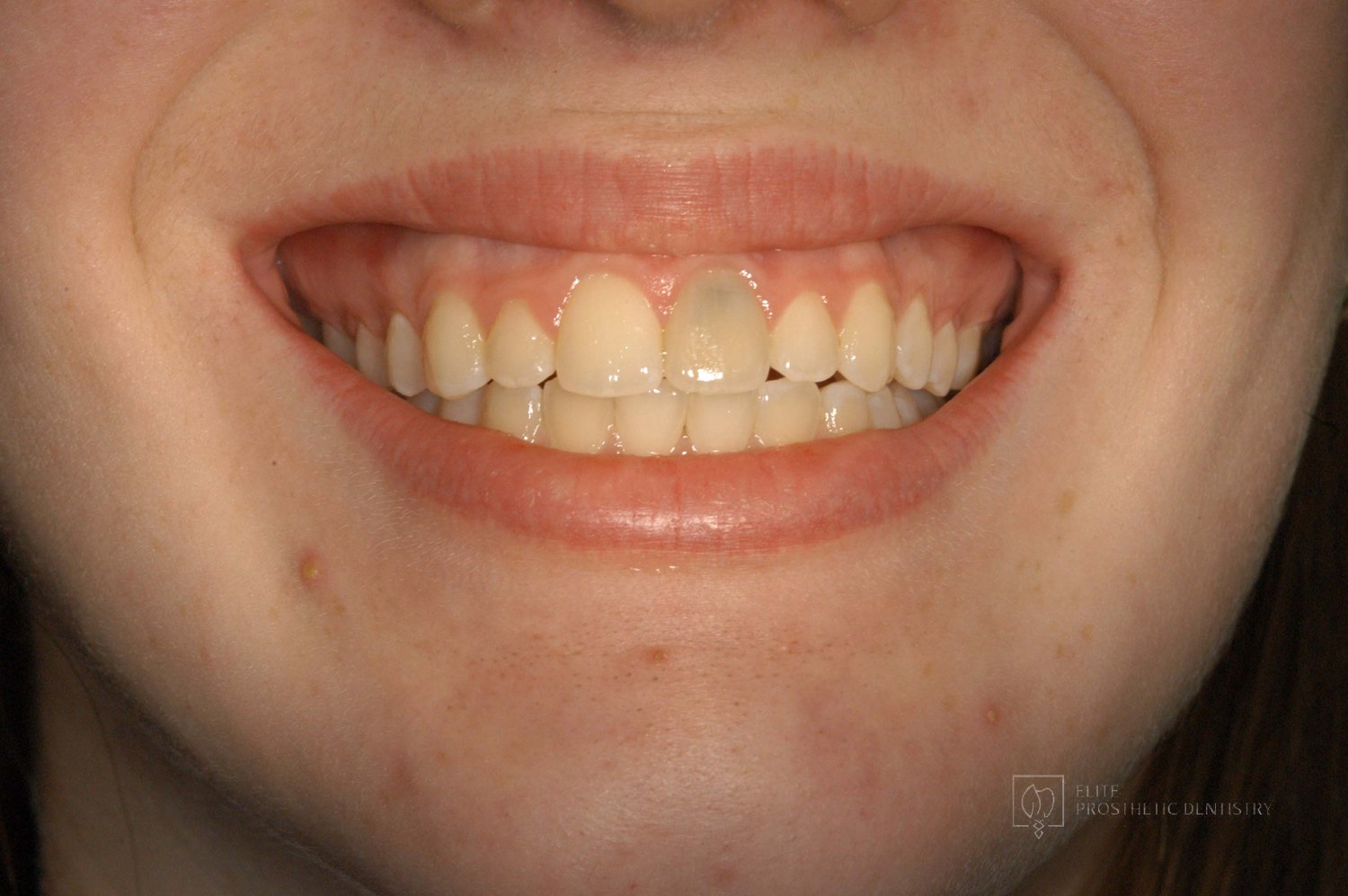
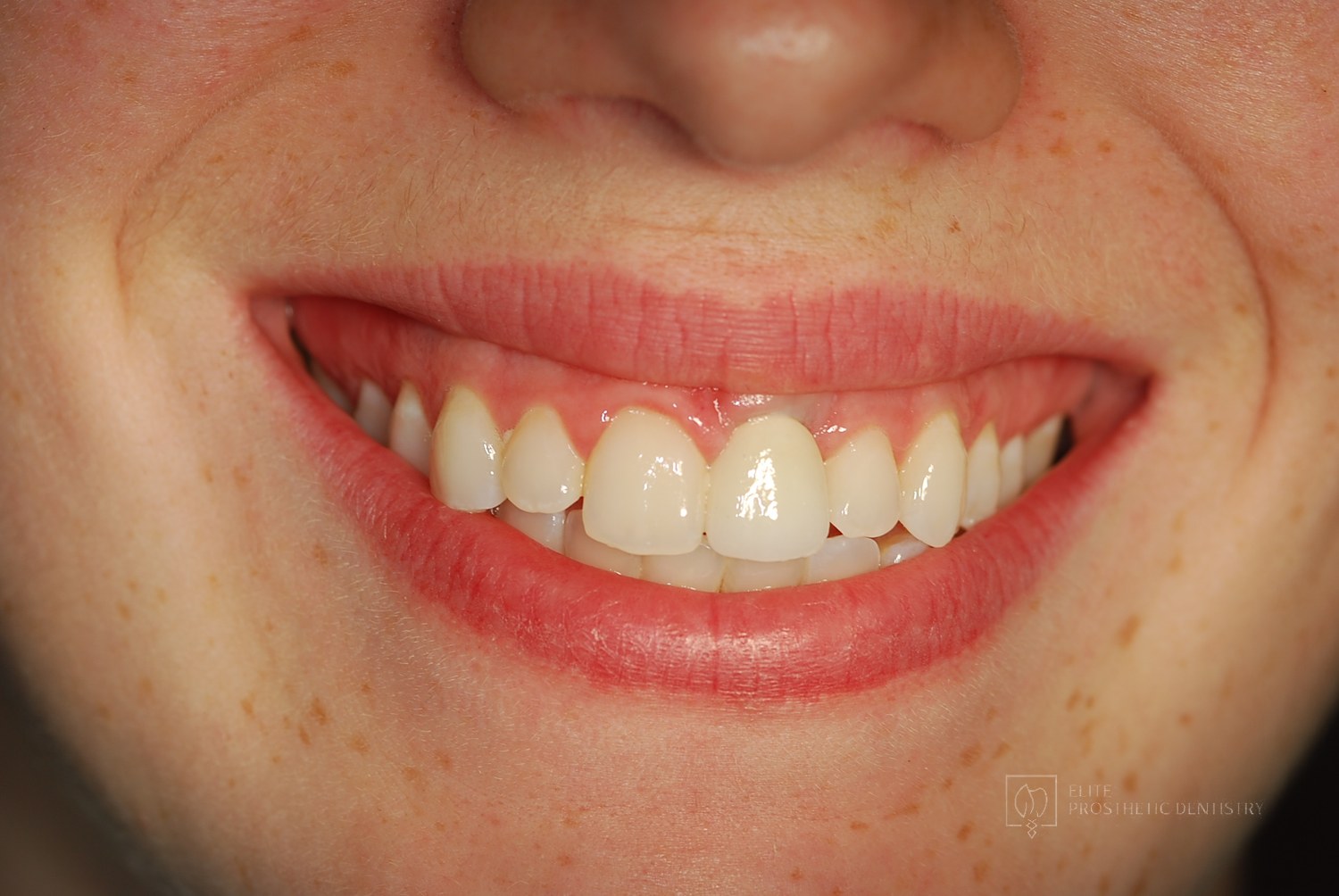
After How a Front Tooth Lost to Childhood Trauma Was Rebuilt with Bone Grafting and a Long-Lasting Implant
A teenager was referred by her father after earlier trauma left her upper left front tooth slowly failing from root resorption. She was still growing, so an immediate implant was the wrong move. The tooth had to be maintained to buy time, then replaced correctly once she reached skeletal maturity.
Related Services
Ready to Transform Your Smile?
With 40+ years of experience and 3,900+ dental implants placed, Dr. Marlin and the team deliver dentistry planned to last. Request a specialist consultation.