
Why Do Some Dental Implants Last Longer Than Others?
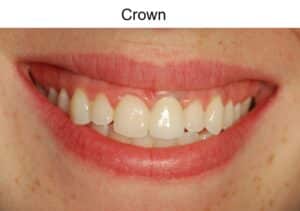
A dental implant restoration is a three-part system: the implant inserted into the jawbone, the abutment connecting it upward, and the crown, the only part the world sees. Ask why one implant serves for thirty years while another fails in five, and the answer is almost always that one link in that chain was weaker than the others.
Research identifies several factors affecting implant survival, including placement location, bone quality, and implant dimensions [1]. Here is how those factors, plus two more the studies confirm, actually decide lifespan.
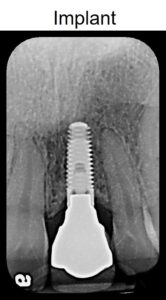
Factor One: Where and How the Implant Was Placed
Complications arising from placement are the biggest challenge in implant longevity [2]. An implant functions as a new tooth root: it bears full biting force, often within millimeters of natural roots, for decades. Positioned imprecisely, it carries those forces at the wrong angles from its first day, and off-axis loading is a slow-motion failure.
Bone quality is placement’s twin. An implant seated in thin or low-density bone starts its career under-supported, which is why honest planning sometimes means grafting first or adjusting the strategy.
Both variables are settled before you ever bite down, which is why we plan every implant case, from a single implant through full-mouth reconstruction, on a CBCT scan, placing each implant virtually on a 3D image of your jaw, and deliver that plan with a precision surgical guide where bone anatomy, esthetic demands, or proximity to nerves and sinuses call for one. Longevity is designed at the start; it cannot be added later.
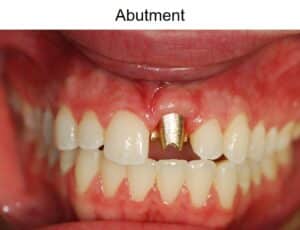
Factor Two: The Quality of the Crown and Abutment
The crown takes the daily wear, and its fit determines how forces travel into the implant below. A high-quality, precisely fitted crown loads the implant down its axis and meets its neighbors correctly; a generic one grinds against the system it sits on.
This is where our structure differs from most: crowns and custom abutments are fabricated in our own in-house laboratory, by technicians who work directly with you and with Dr. Marlin, to the same standard as our crowns that have lasted 35 years and longer with proper care. The implant deserves a restoration built to its own life expectancy.
Factor Three: What Happens After You Leave
Three patient-side variables shorten implant life measurably. Poor hygiene lets gum disease establish around the implant, driving the bone loss that fails integrated implants [3]; the maintenance routine in how to take care of your dental implant is the antidote. Tobacco use raises complication and failure risk while feeding the same gum disease. And bruxism, unmanaged grinding, overloads implant and teeth alike [4], unless the restoration is correctly engineered against your bite and, where needed, protected with a nightguard.
The Compounding Answer
So why do some implants last longer? Because every factor above was handled deliberately: precise placement in adequate bone, a restoration crafted to protect the system, and maintenance that never let infection start. That compounding shows up as a documented in-practice implant success rate above 97% for implants placed more than 20 years ago, in a practice where Dr. Gerald Marlin has placed more than 3,900 dental implants.
If you are planning an implant and want it engineered for decades, or you suspect an existing implant is struggling, our practice also evaluates and repairs failing implants. Call 202-244-2101 or request a consultation at Elite Prosthetic Dentistry in Friendship Heights, Washington, DC.
Sources
See How We Resolve These Problems
Our patient success stories show real cases and real results. Browse outcomes from a specialist prosthodontist with decades of experience and 3,900+ implants placed.
Key Takeaways
- ✓ An implant restoration has three components: implant, abutment, and crown. The lifespan of the whole system is set by its weakest link.
- ✓ Research identifies placement complications as the biggest challenge in implant longevity. Position and bone quality are decided on day one.
- ✓ The crown and abutment absorb the daily wear. Quality fabrication there protects the implant beneath.
- ✓ Hygiene, tobacco, and unmanaged grinding are the patient-side variables that shorten implant life.
- ✓ Our documented in-practice implant success rate is above 97% for implants placed more than 20 years ago.
Frequently Asked Questions
Why do dental implants fail early for some people?
The research points first to placement: implants positioned imprecisely or in poor-quality bone carry compromised mechanics from day one. After that come restoration quality, since a poorly fitted crown mis-loads the implant, and patient factors such as gum disease, smoking, and unmanaged grinding.
Which part of an implant wears out first?
Usually the crown, which absorbs the daily forces of biting and chewing. A well-made crown can serve for decades; a poorly fitted one transmits bad forces downward and can shorten the life of the entire assembly. The implant itself, precisely placed in good bone and kept clean, has the longest expected lifespan of the three components.
How do I make my implant last as long as possible?
Choose precision at the start, then protect it: meticulous daily hygiene at the gumline, no tobacco, a nightguard if you grind, and regular professional checkups so any tissue changes are caught early. The habits are ordinary; the consistency is what pays.
Can a failing implant be saved?
Often, if caught early. Bleeding, swelling, discomfort, or looseness around an implant warrants prompt evaluation. Our practice both restores and salvages failing implants, and early cases have far more options than late ones.
Related Patient Success Stories
Explore similar patient success stories demonstrating our expertise in advanced prosthetic dentistry.
 Before
  After
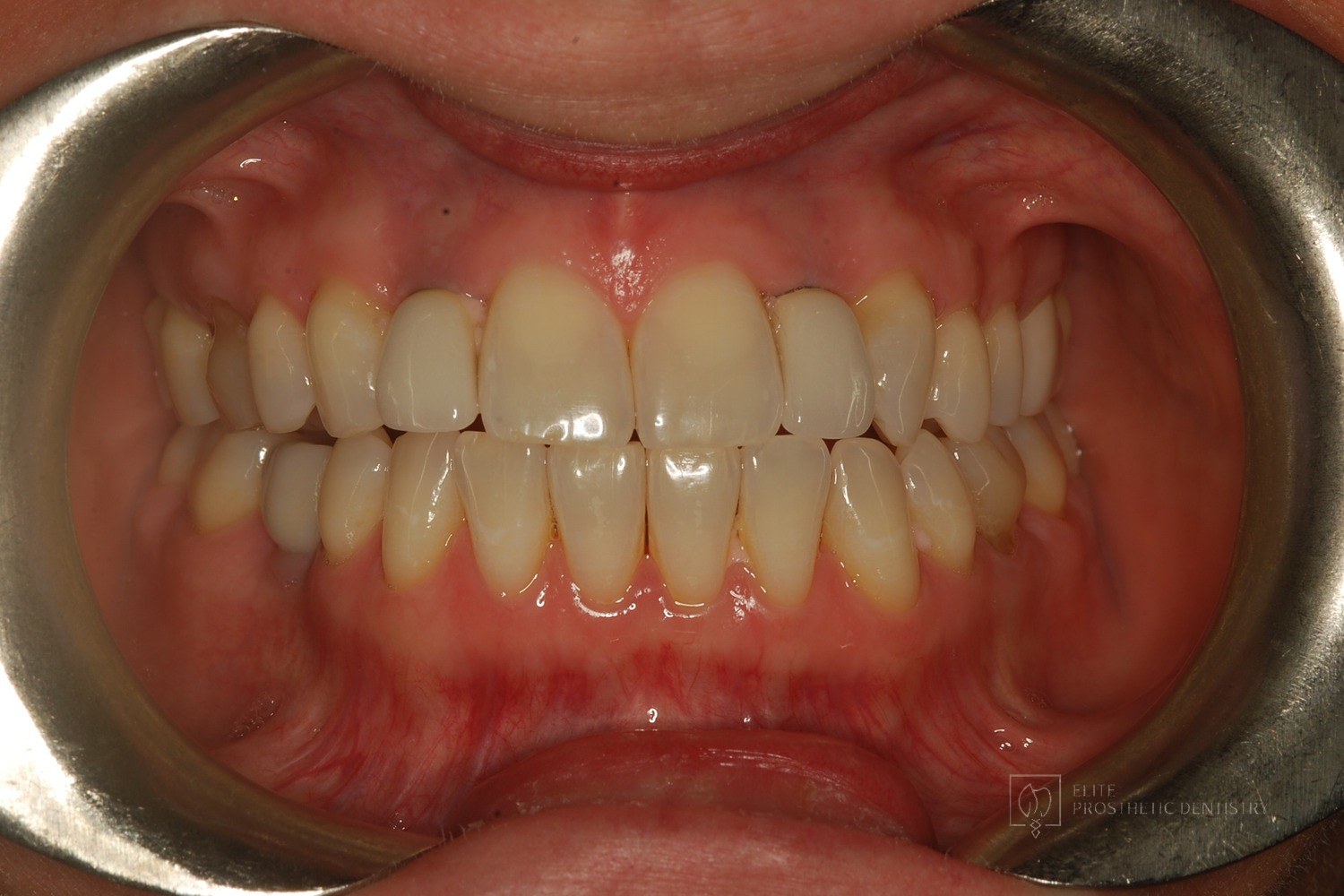
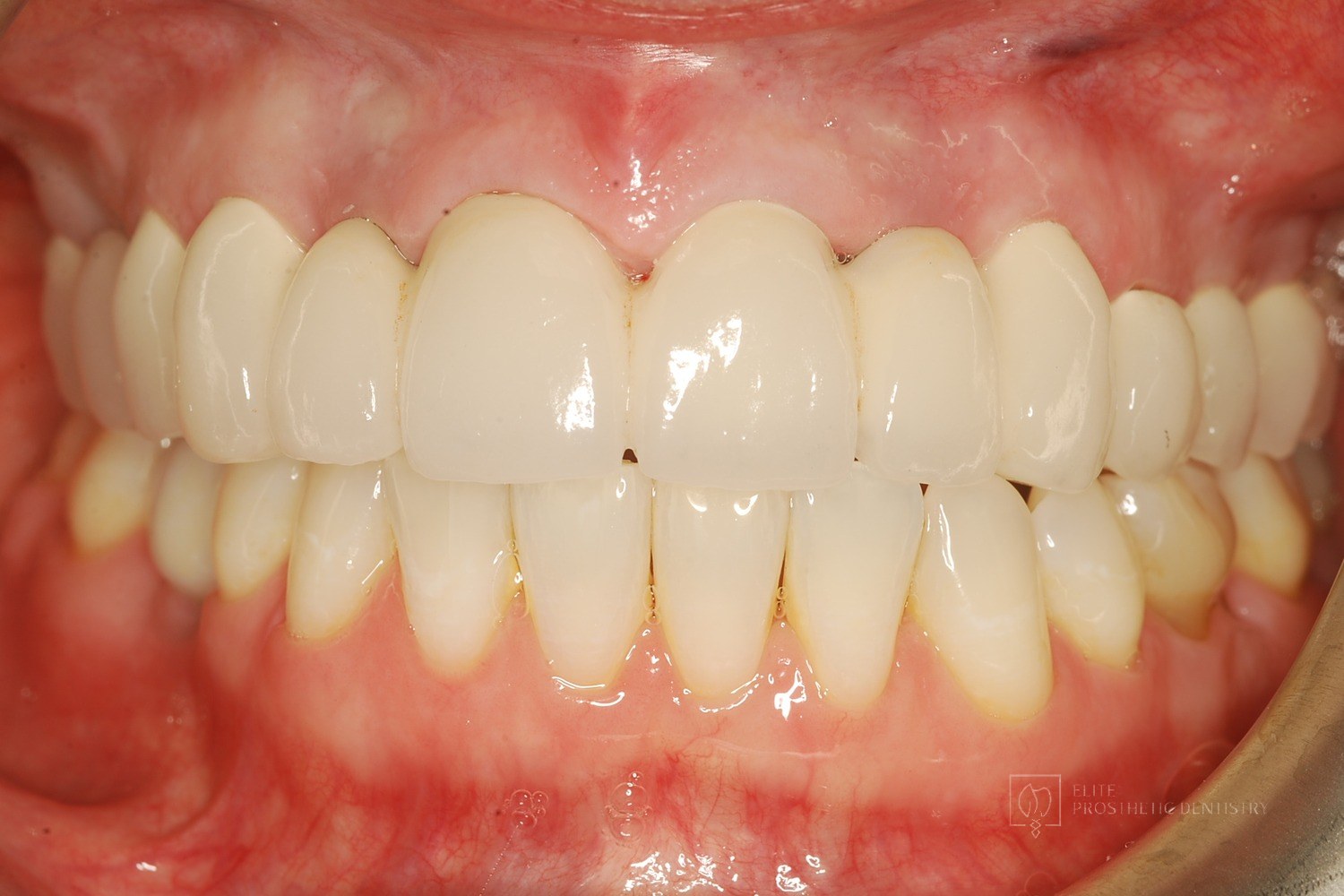
After How Older Implant Crowns Were Redesigned for a Better Bite and More Natural Appearance
The patient came in after years of living with implant-supported crowns placed more than twenty years earlier that no longer looked or functioned well. CBCT evaluation, reviewed with a radiologist colleague, showed the implants had been placed too far to the buccal in very thin bone and could not support a healthy long-term restoration.
 Before
  After
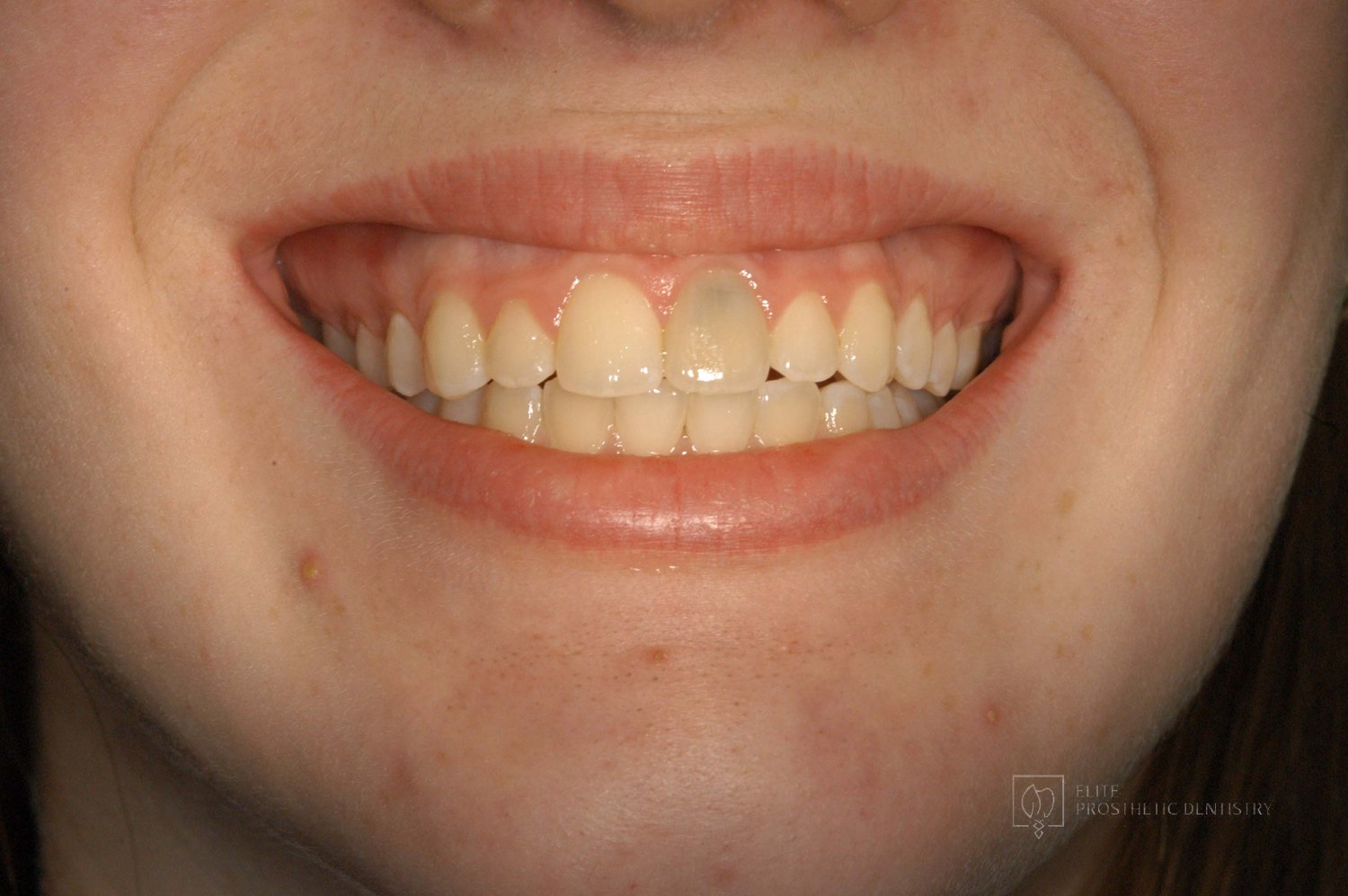
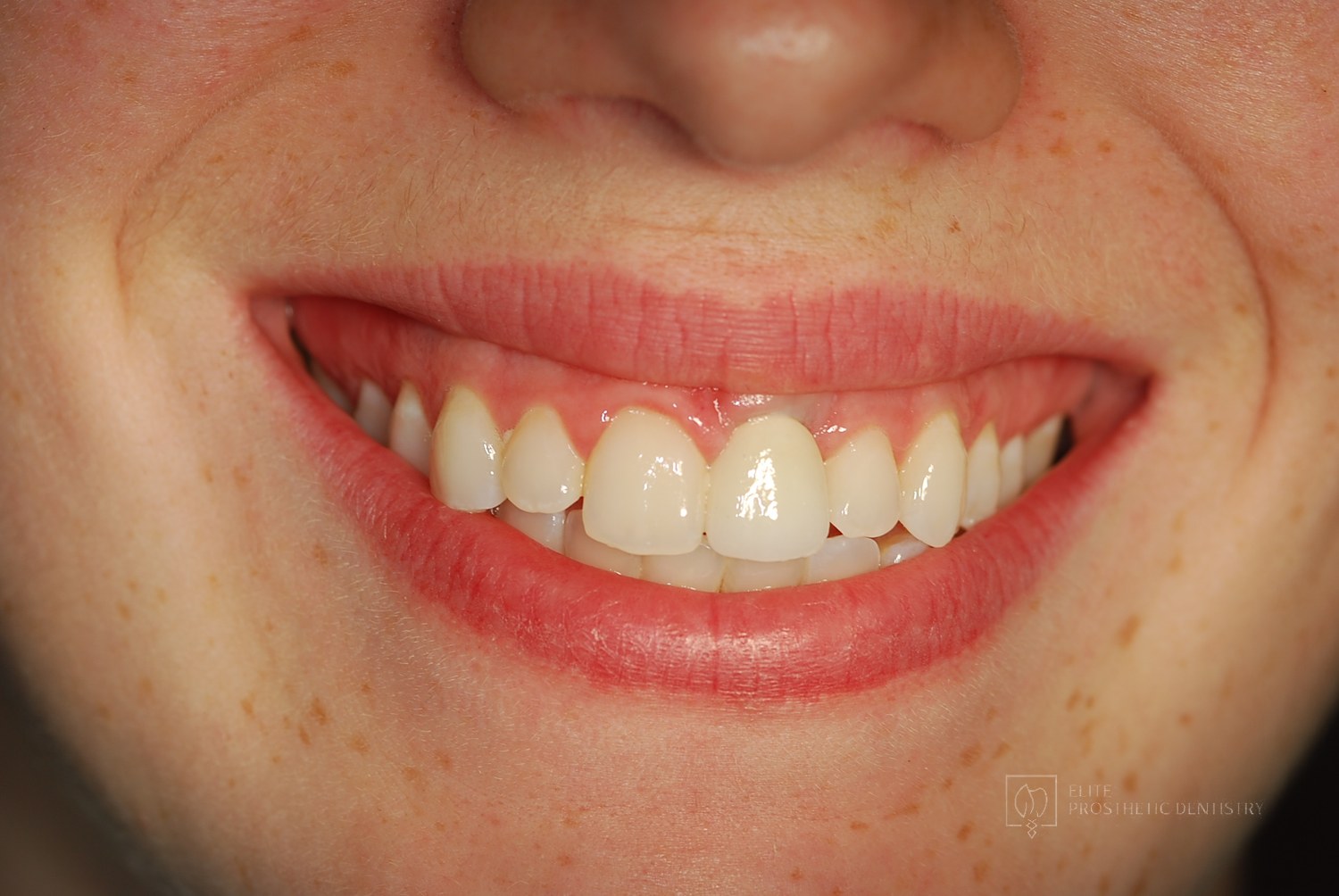
After How a Front Tooth Lost to Childhood Trauma Was Rebuilt with Bone Grafting and a Long-Lasting Implant
A teenager was referred by her father after earlier trauma left her upper left front tooth slowly failing from root resorption. She was still growing, so an immediate implant was the wrong move. The tooth had to be maintained to buy time, then replaced correctly once she reached skeletal maturity.
 Before
  After
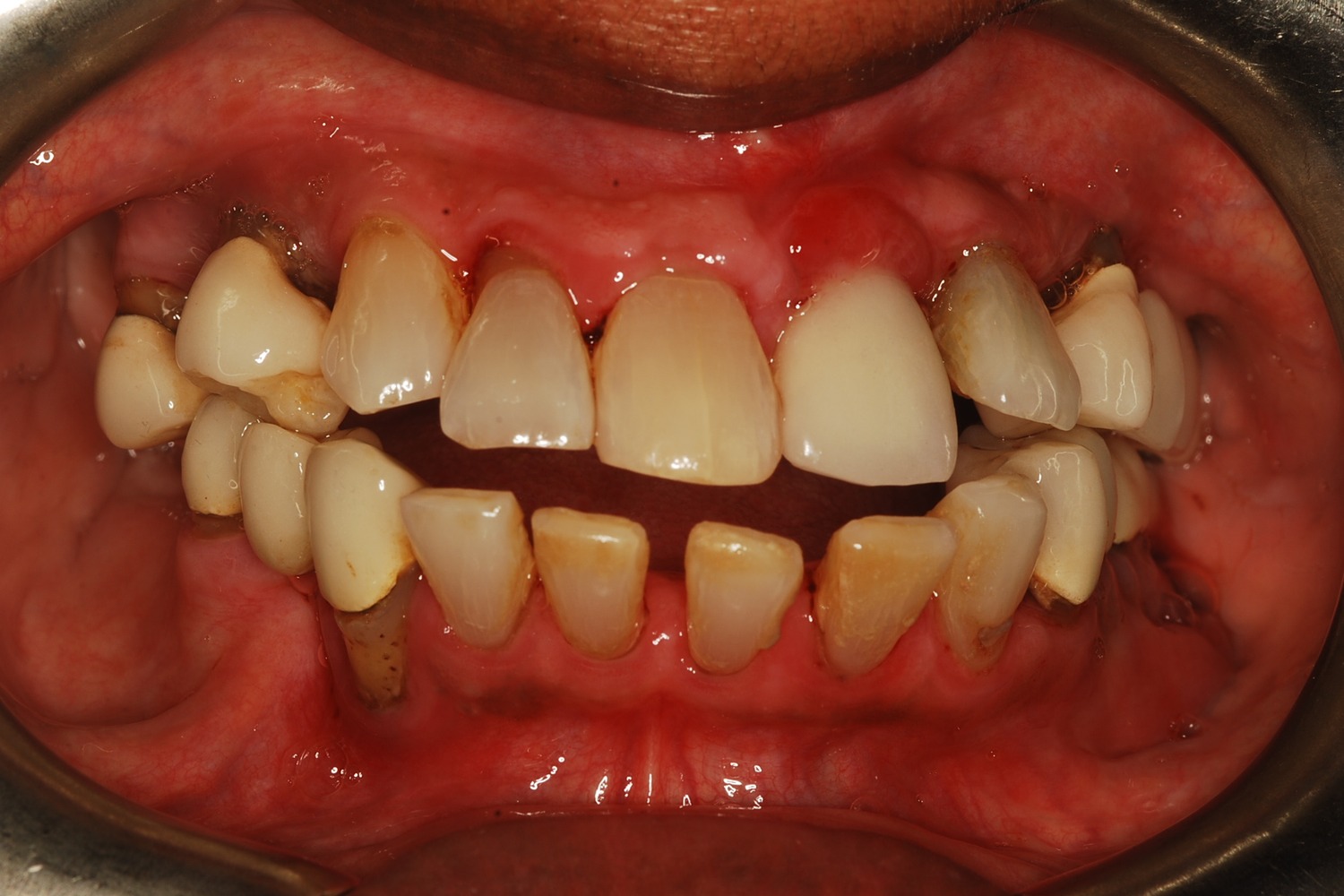
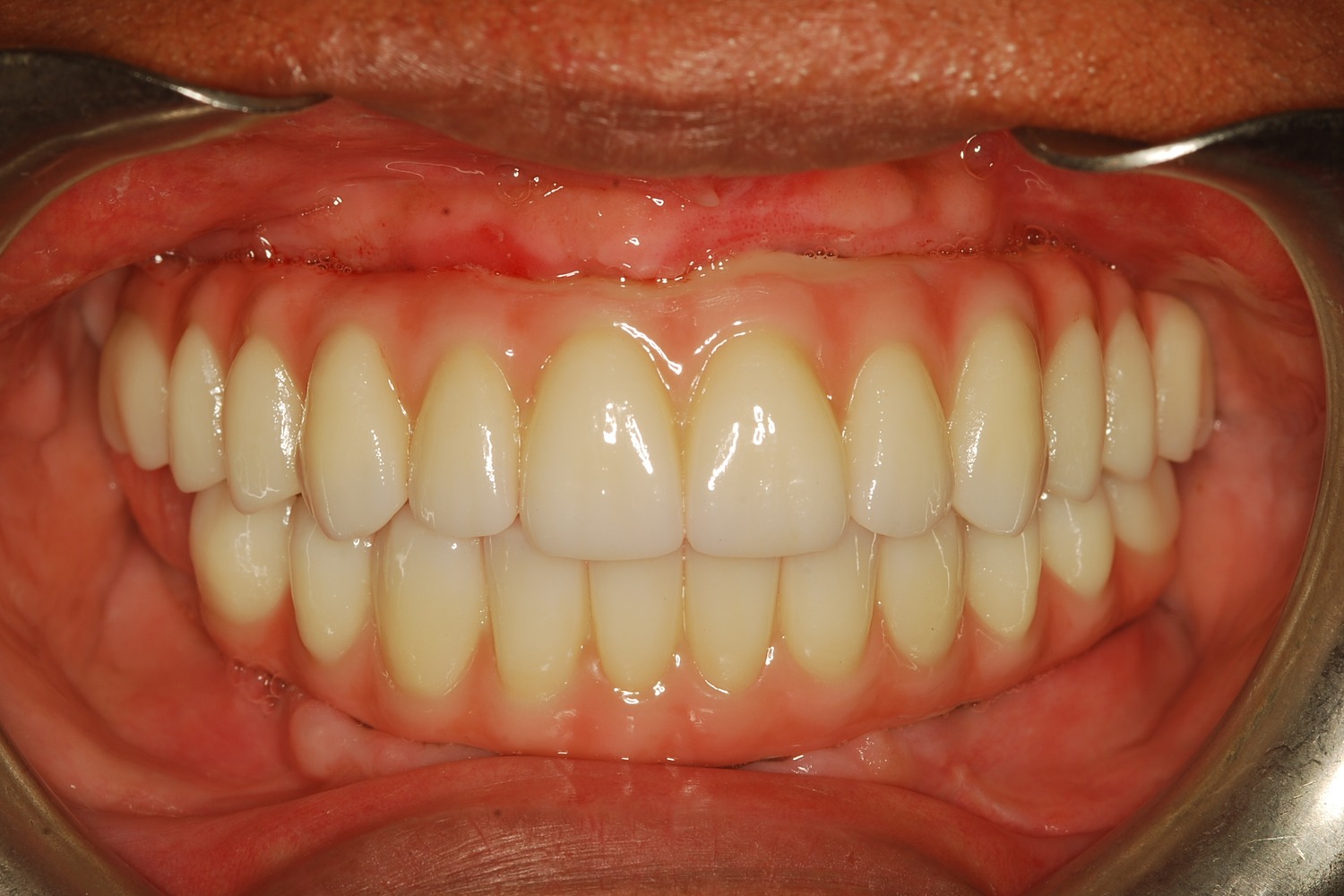
After How Severe Bone Loss and Bite Dysfunction Were Rebuilt with All-on-6 Implants and a Milled Zirconia Hybrid Prosthesis
The patient presented with severe bone loss, advanced periodontal disease, malocclusion, and a dysfunctional bite that required full-arch rebuilding.
Related Articles
Deepen your knowledge with additional insights on this topic.
 Dental Implants
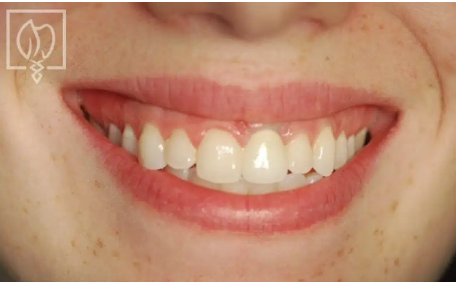
 If a Single Front Tooth Is Replaced with an Implant, Can It Look Natural?
Yes. See the four steps, with real case photos, that make a single front tooth implant indistinguishable from the natural tooth beside it. Washington, DC.
 Dental Implants
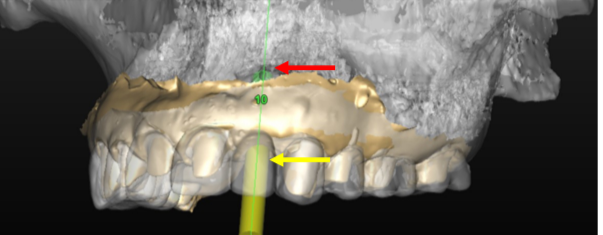
 What Is Precision Implant Placement (PIP)?
Precision Implant Placement plans each implant virtually on a CBCT scan, then delivers it with a custom surgical guide. See the three steps with real images.
 Dental Implants
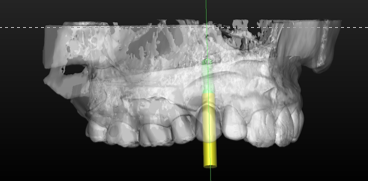
 What Is the Ideal Surgical Guide for Precision Implant Placement?
Not all surgical guides are equal. The gold standard is CBCT-based: planned virtually in 3D, 3D printed, and seated on your teeth. A DC prosthodontist explains.