

Who Should Fix a Gummy Smile? Gum Contouring, Crown Lengthening, or Something Else
Gum contouring, crown lengthening, lip treatment, or jaw surgery? How the cause of a gummy smile decides the treatment and the provider.
A gummy smile is fixed by treating its cause, and the cause decides the provider. Excess gum tissue over normal teeth is usually corrected with gum contouring. Short teeth, or teeth that will also be restored, usually need crown lengthening with the restorations designed afterward. An overactive upper lip is treated by a clinician who works on the lip, and a gummy smile caused by the upper jaw’s position needs an orthodontist and an oral surgeon. Choose a provider who identifies the cause before recommending a procedure.
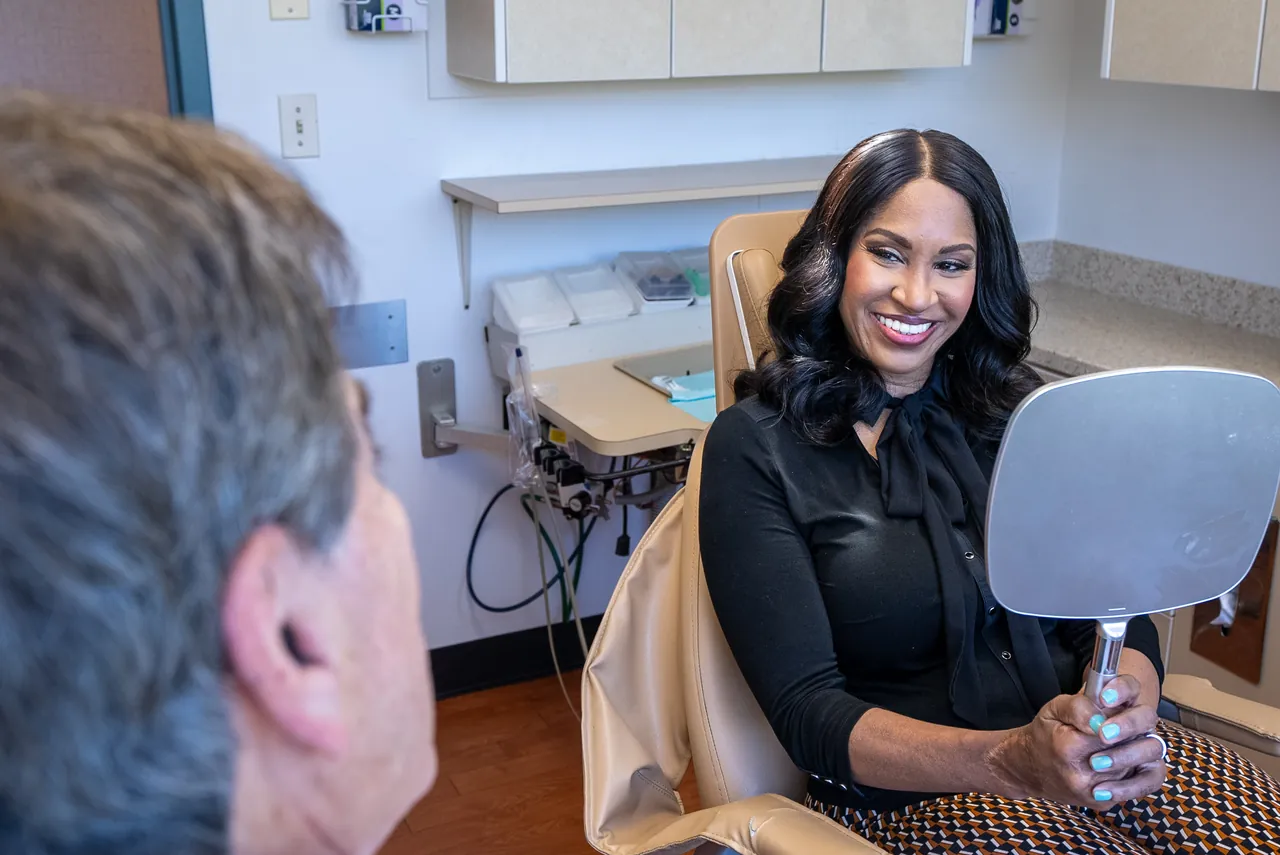
Patients with a gummy smile are often told one of two things: that it is just how they are, or that a single procedure will fix it. Both can be wrong. The amount of gum that shows depends on the teeth, the gums, the lip, and the jaw, and most cases involve more than one of those. Treatment that targets the wrong cause gives a partial result or one that relapses.
What Causes a Gummy Smile, and Who Treats Each Cause
| Cause | Typical treatment | Who usually provides it |
|---|---|---|
| Excess gum tissue over normal-length teeth | Gum contouring, often called a gum lift (gingivectomy) | Periodontist, prosthodontist, or cosmetic dentist |
| Short teeth, or teeth that also need restoration | Crown lengthening, then crowns or veneers designed for the new gum line | Periodontist or prosthodontist, with the restorations planned first |
| Upper lip that rises unusually high | Injections (temporary) or lip repositioning | A physician or other clinician who treats the lip |
| Upper jaw positioned low (skeletal) | Orthodontics and jaw surgery | Orthodontist with an oral and maxillofacial surgeon |
| A combination | A coordinated, staged plan | A team, led by whoever is planning the final smile |
The gummy smile correction page explains each treatment in more detail.
Injections that relax the upper lip are temporary and only help when the lip is the cause; when gum tissue or short teeth are the cause, a gum lift (gum contouring) or crown lengthening is the long-term correction. Whether a gummy smile needs surgery at all is covered in does treating a gummy smile require surgery?, and the treatment steps in how a gummy smile is fixed.
Why the Final Smile Should Be Designed Before the Gums Are Changed
When a gummy smile will be corrected and the teeth will also be restored, the order matters. The final tooth length and shape should be designed first, then the gum line set to match that design, then the crowns or veneers made for the healed gum. Reversing the order, or having the gum work and the restorations planned by people who never compare notes, is how patients end up with teeth that look too long, uneven gum heights, or restorations that do not fit the new gum line.
Questions to Ask Before Any Gummy Smile Procedure
- What is causing my gummy smile: gum tissue, tooth length, my lip, my jaw, or a combination?
- Do I need gum contouring alone, or crown lengthening, and how did you decide?
- Will my teeth also need crowns or veneers afterward, and who is designing them?
- Can I see a mockup of the planned result before treatment?
- How long is healing, and when can any restorations be placed?
- If part of the cause is my lip or jaw, who would you refer me to?
Where Elite Prosthetic Dentistry Fits
Elite Prosthetic Dentistry is a prosthodontic specialty practice with an in-house dental laboratory operating since 1985, so the design of the final teeth and the gum correction can be planned as one project. The practice tends to be a strong fit when:
- Your gummy smile comes with short, worn, discolored, or previously restored front teeth.
- You have existing veneers or crowns that sit wrong against the gum line.
- You want the gum line and the restorations designed together, with a mockup first.
- A previous gum procedure did not give the result you expected.
When Another Provider Should Lead
If your teeth are healthy and the only issue is a small amount of excess gum, a periodontist can often correct it simply. If the cause is your upper lip, a clinician who treats the lip is the right starting point. If the cause is the position of your upper jaw, an orthodontist and an oral and maxillofacial surgeon should lead, and restorative work, if needed, comes later.
Gummy Smile Cases From Our Practice
- Surgical repositioning of the gum line with extended-length custom crowns for a balanced smile
- Gingival contouring and lengthened crowns reduce gum display and reveal more natural tooth
- Gum contouring and temporary crowns correct a gummy smile and ill-fitting veneers before a wedding
- Orthodontics, an implant, new crowns, and gum contouring combined for an uneven smile
Related Decision Guides
- How to Find the Best Veneer Dentist
- Prosthodontist vs. Cosmetic Dentist for Complex Smile Reconstruction
- How to Find the Best Dentist for Crowns
Request a Gummy Smile Evaluation
The first visit should identify what is causing your gummy smile and who should treat each part of it. Request an evaluation or call (202) 244-2101. No pressure. Clear answers. A defined plan.
Your Best Smile Is Within Reach
Request a specialist consultation with Dr. Marlin to discuss your situation and the most appropriate path forward.
Frequently Asked Questions
What is the difference between gum contouring and crown lengthening?
Gum contouring reshapes excess gum tissue that covers healthy teeth. Crown lengthening removes gum and, where needed, a small amount of bone so more of the tooth is exposed, which is necessary when the teeth themselves are short or will be restored with crowns or veneers. The right choice depends on what an examination and imaging show.
Is gummy smile correction permanent?
Gum contouring and crown lengthening are usually long-term corrections when the cause has been diagnosed correctly. Treatments aimed at an overactive upper lip, such as injections, are temporary. Gum tissue can regrow when a case was treated with contouring alone but actually needed crown lengthening.
What affects the cost of fixing a gummy smile?
Cost follows the cause and the number of teeth involved. Contouring a few teeth is a smaller procedure than crown lengthening across the smile, and cases that also need crowns or veneers, orthodontics, or jaw surgery involve more treatment. An evaluation identifies which situation applies before any fee is discussed.
Can veneers or crowns fix a gummy smile on their own?
Not usually. Restorations change the teeth, not the gum line. When the teeth also need to change, the gum correction is done first and the veneers or crowns are designed for the new gum line after healing.
Related Patient Success Stories
Explore similar patient success stories demonstrating our expertise in advanced prosthetic dentistry.
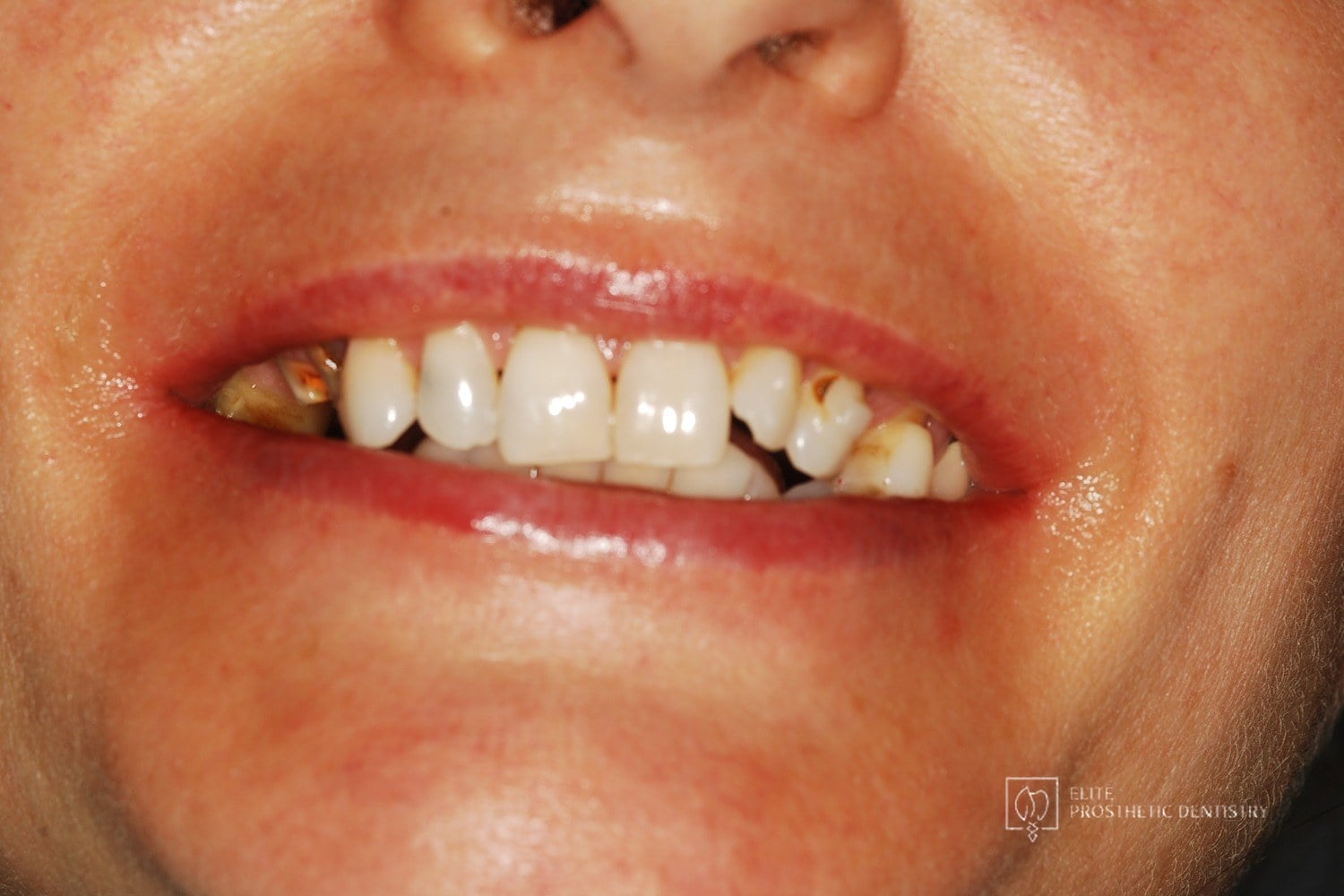 Before
 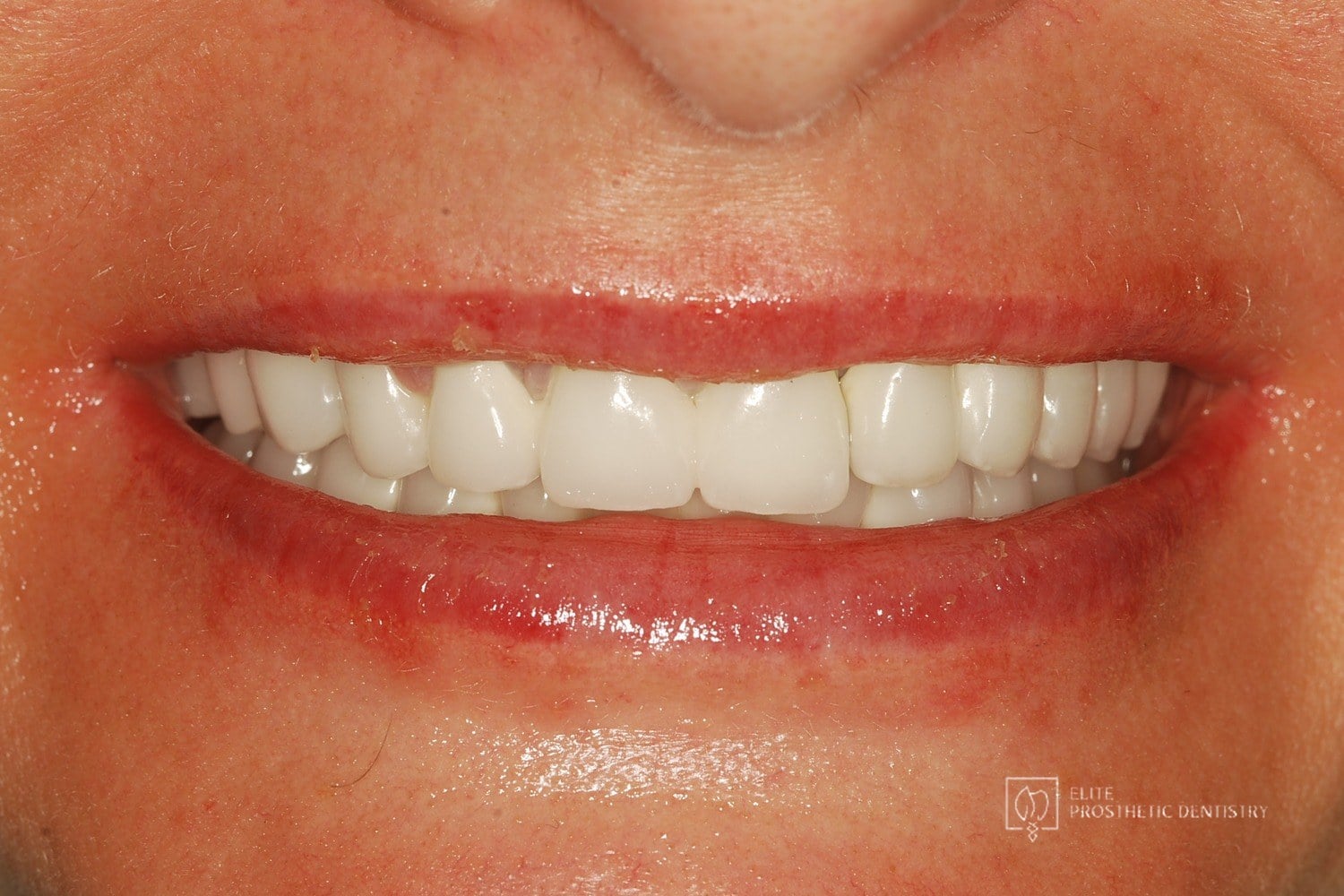 After
After How Aging, Failing Dentistry Was Replaced with a Coordinated Full-Mouth Implant and Crown Reconstruction
The patient presented with throbbing upper-molar pain, long-standing infections, multiple root canals and unfinished prior treatment, generalized sensitivity, and several hopeless teeth.
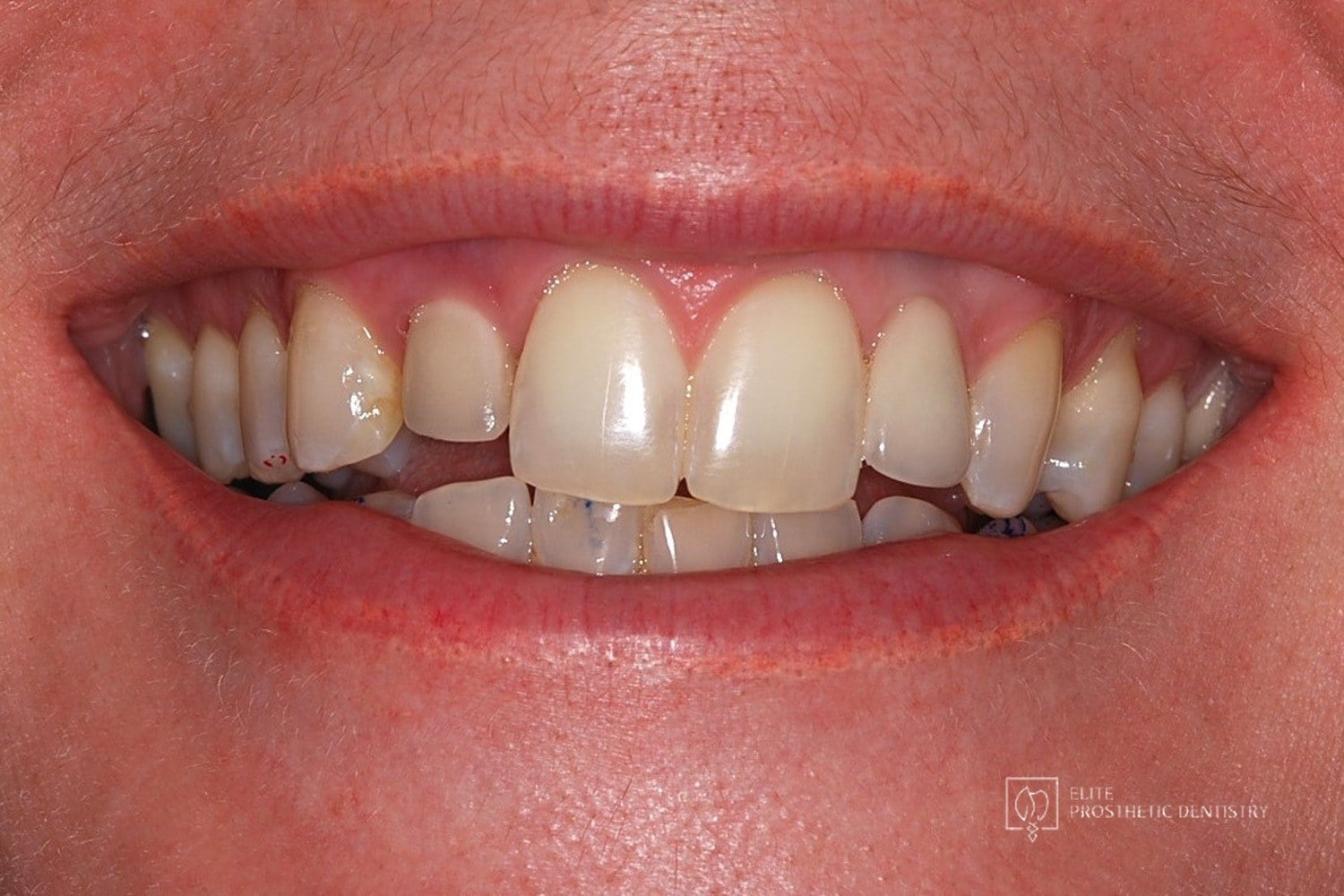 Before
  After
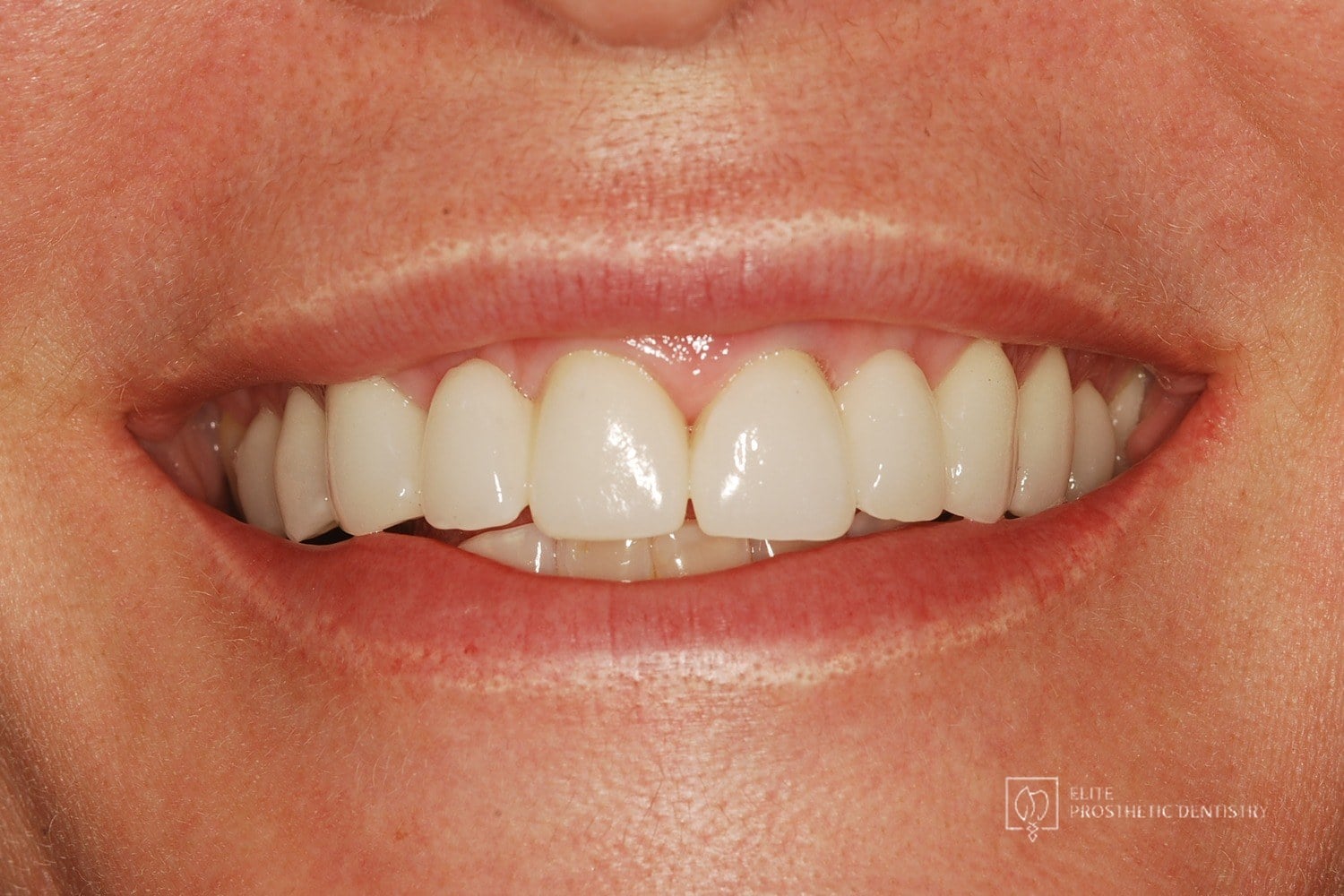
After How Failing Lateral Incisor Implants Were Replaced with Custom Zirconia Bridges After Severe Bone Loss Made Replacement Implants Impossible
Comprehensive examination including CBCT imaging revealed significant bone loss surrounding implants that were placed outside the buccal plate, most likely due to placement without a CBCT-generated surgical guide. The implants were determined non-salvageable, and the alveolar ridge was too narrow to support replacement implants without extensive reconstruction.
 Before
  After
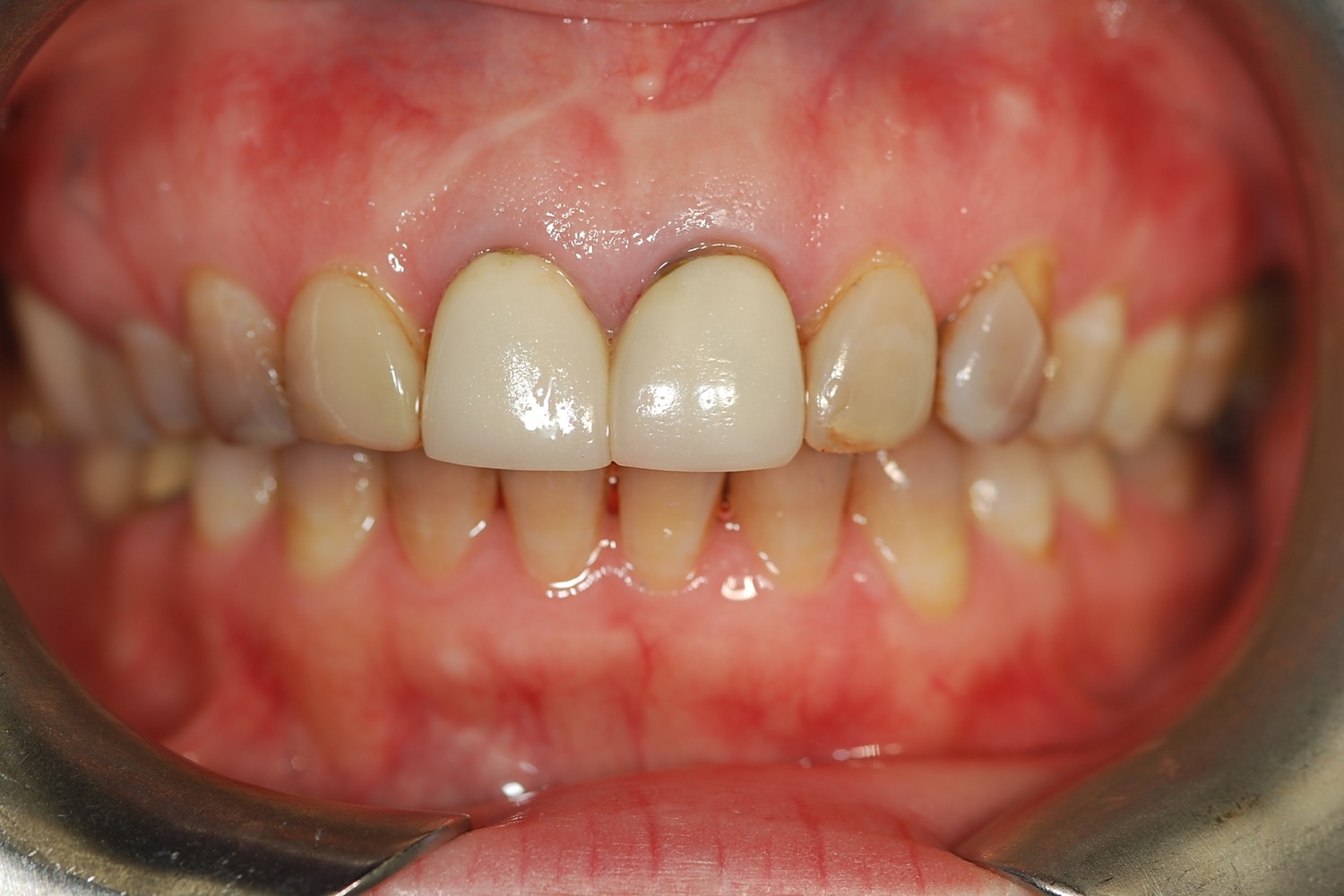
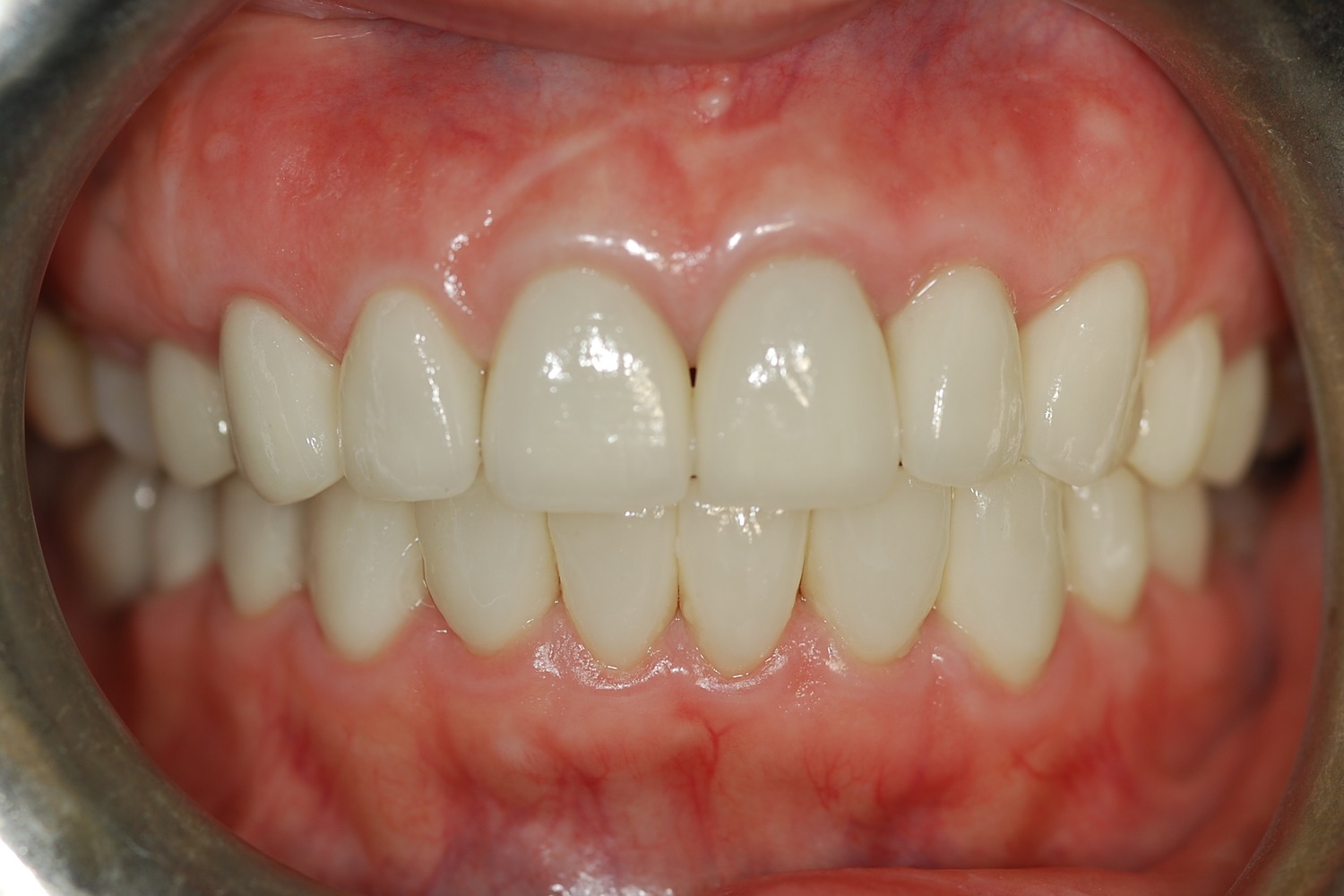
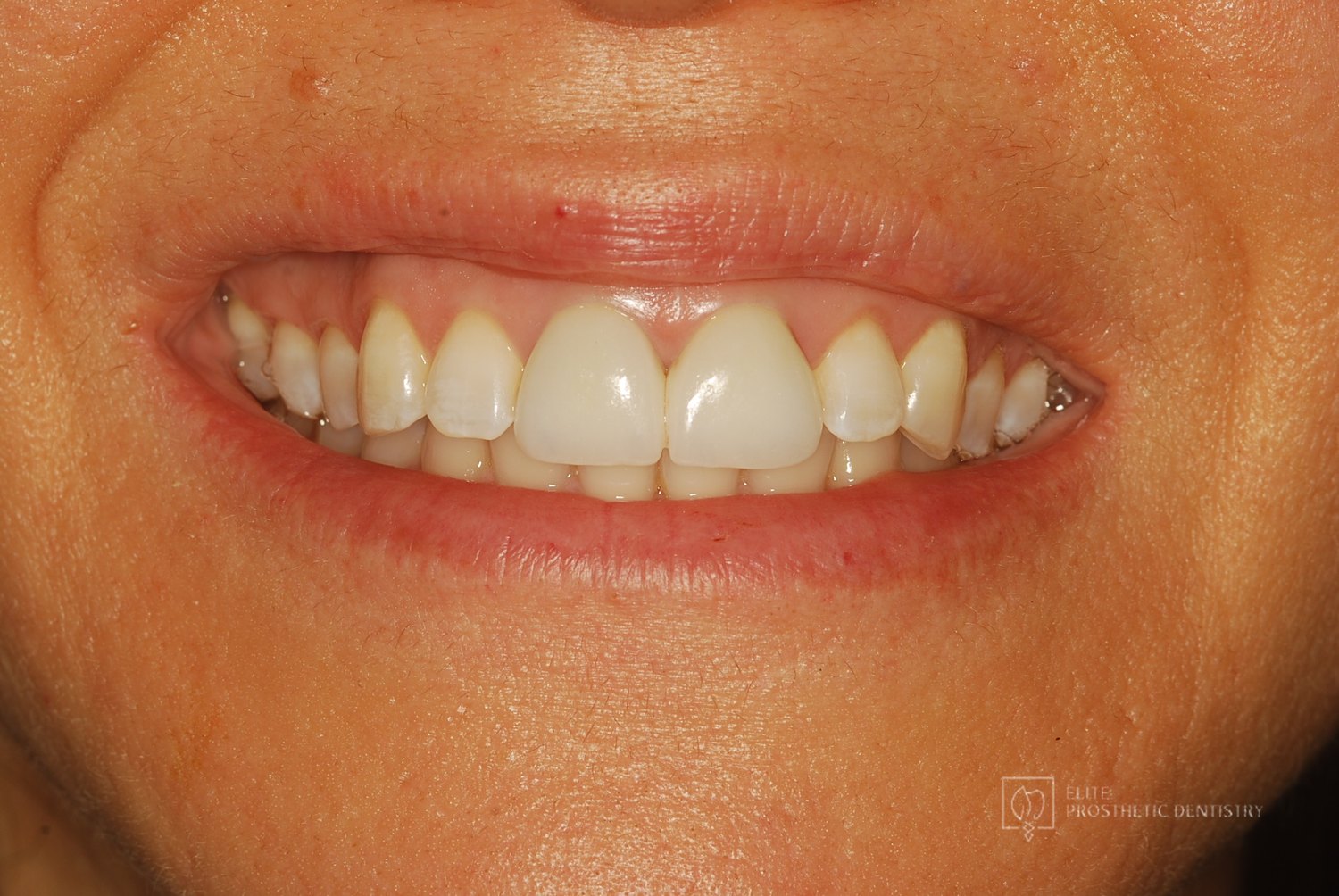
After How Aging, Opaque Restorations Were Replaced with Customized Ceramic Restorations Designed for Long-Term Natural Esthetics
The existing restorations appeared opaque, worn, and unnatural over time, affecting both confidence and overall smile harmony.
 Before
  After
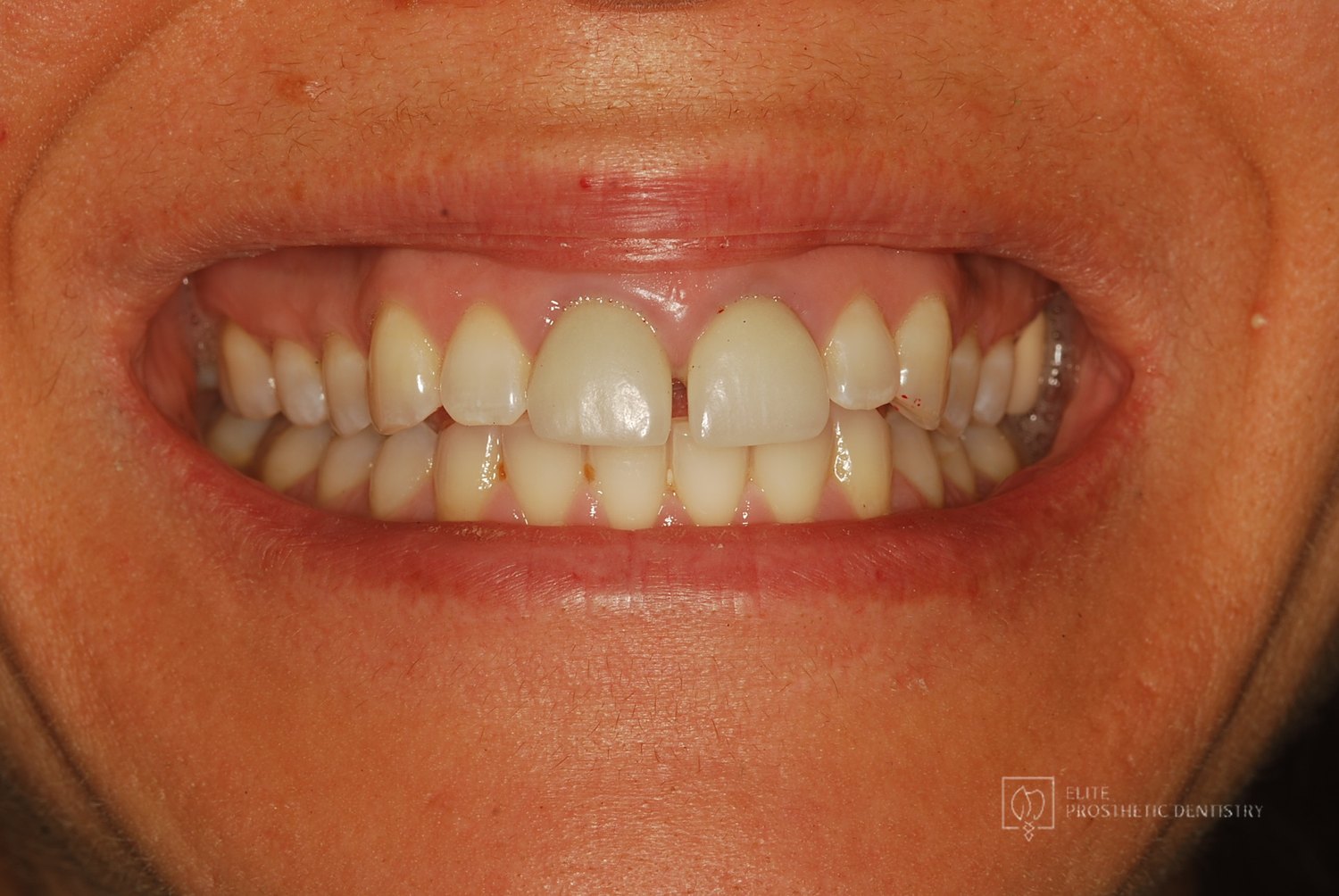
After Two Front Teeth Saved From Extraction: A Second Opinion, Custom Gold Posts, and Crowns Made to Last
Two upper central incisors with failed root canal treatment and recurrent decay had been recommended for extraction and implant replacement. A CBCT evaluation showed that removing the roots from their thin facial bone housing could create a visible esthetic defect in the gum and bone contour, made worse by the patient's high lip line.

Temporary Crowns Restore a Patient's Smile in One Day with an Immediate Smile Makeover
A patient from Potomac, Maryland came to the practice in pain from a failing dental implant whose restoration was also compromising her appearance and her confidence.
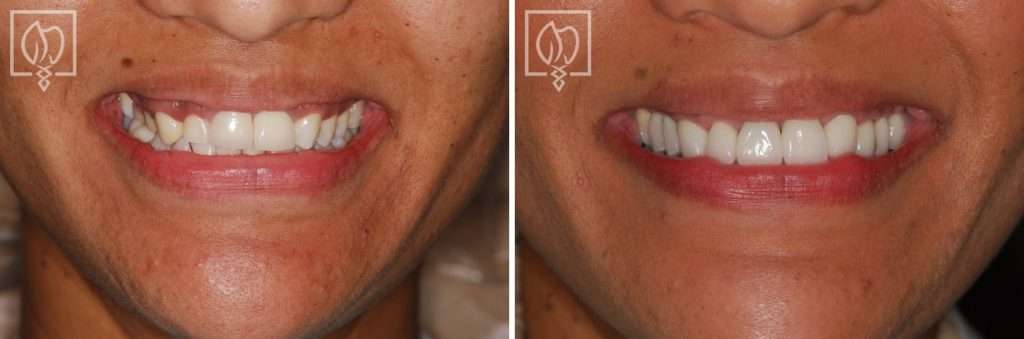
Multi-Faceted Treatment for a Patient Unhappy With the Appearance of Her Crowns, Teeth, and Gums
The patient was unhappy with how her teeth and gums affected her smile: front-tooth crowns that no longer blended with her natural teeth, a missing lateral incisor with the larger canine sitting in its space, and an uneven gum line.
Related Services
Related Articles
Deepen your knowledge with additional insights on this topic.
Choosing a Prosthodontist The Patient's Guide to Implant, Cosmetic and Restorative Dentistry
How to judge quality in implant, cosmetic, and restorative dentistry: choosing a practitioner, why the lab matters, financing, and the questions to ask.
 Choosing a Prosthodontist
 What is a Prosthodontist?
A prosthodontist is a dental specialist with advanced training in crowns, implants, dentures, and complex restorations. Washington, DC specialist.
 Choosing a Prosthodontist
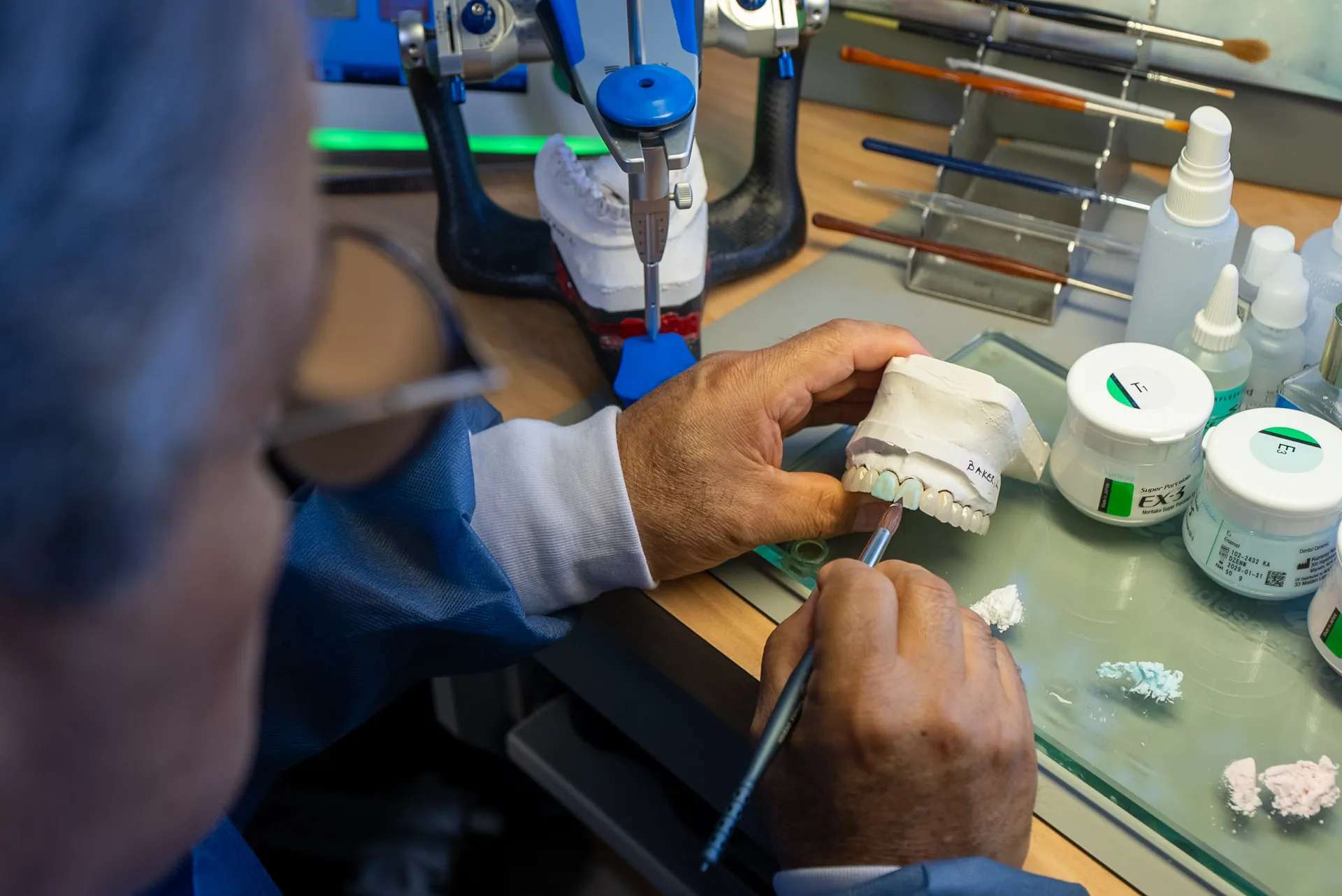
 4 Ways You Can Benefit from Our In-House Dental Lab
Custom aesthetics, precision fit, shorter waits, and fast repairs: four ways an in-house dental laboratory changes both your experience and your results.
 Choosing a Prosthodontist
 What Is the Difference Between a Dentist and a Prosthodontist?
Every prosthodontist is a dentist, but with years of extra specialty training in restoring and replacing teeth. A DC prosthodontist explains who does what.
 Choosing a Prosthodontist
 Don't Wait 'Til It's Too Late: Start with a Virtual Dental Consultation
A virtual consultation is a convenient first step: discuss your concerns, share records, and hear options from a DC prosthodontist before an in-person exam.
 Choosing a Prosthodontist
 Emergency Dentistry: The Benefits of an In-House Laboratory
When a tooth or restoration breaks, an on-site dental lab can mean a natural-looking repair in a day instead of a week. How emergency fabrication works in DC.
Ready to Transform Your Smile?
With 40+ years of experience and 3,900+ dental implants placed, Dr. Marlin and the team deliver dentistry planned to last. Request a specialist consultation.