
Correcting a Gummy Smile
Documented before-and-after view
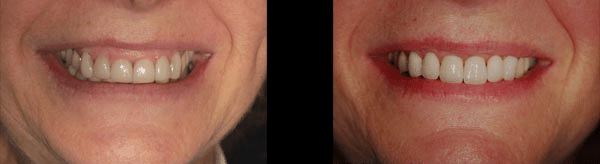
Correcting a gummy smile with surgical repositioning and custom crowns
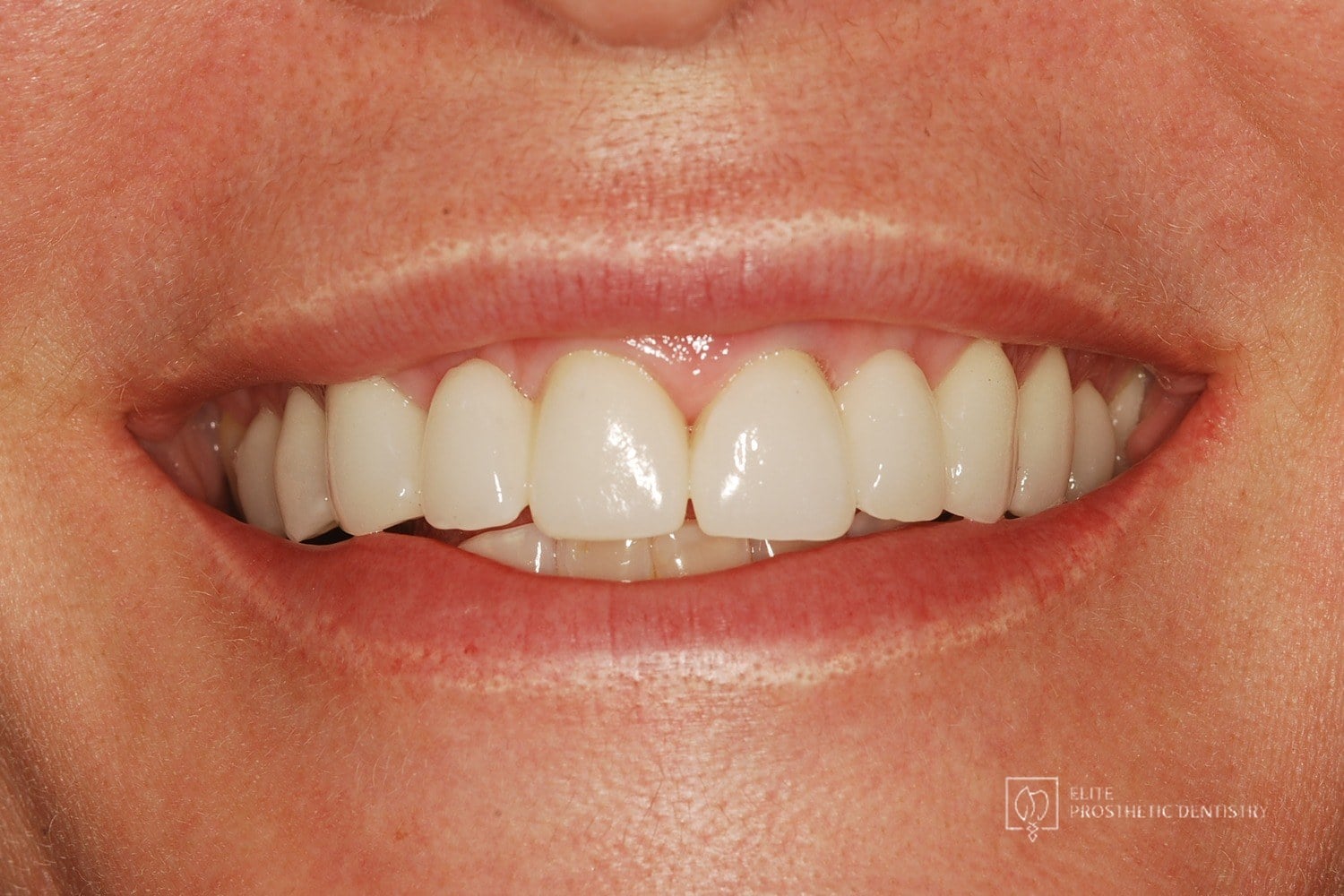
Gummy smile correction in Washington, DC. This documented case at Elite Prosthetic Dentistry treated excessive gingival display, a high gum line that made healthy teeth appear shorter than they actually were, by pairing surgical repositioning of the gum tissue with custom-crafted crowns of extended length. Treatment was planned and completed by Dr. Gerald Marlin, D.M.D., M.S.D., a prosthodontist focused on combining surgical and restorative planning for natural results.
Case at a Glance
- Treatment
- Surgical repositioning of the gum line combined with extended-length custom crowns
- Approach
- Coordinated surgical and restorative plan, fabricated in the in-house laboratory
The presenting condition
A gummy smile, where excess gingival tissue shows when smiling, is a common cosmetic concern. It does not indicate dental disease or pathology, but it can significantly affect a person’s confidence and willingness to smile freely, and modern cosmetic prosthodontics offers effective ways to address it.
This patient presented with a classic version of the condition. The amount of gum tissue visible when she smiled was disproportionate to the visible tooth structure. The high gum line made her teeth appear shorter than they actually were and created an unbalanced smile proportion, and the concern was affecting her self-confidence. The requirement she brought was specific: a more balanced, attractive smile that would still look natural against her facial features and lip line.
Clinical Findings
- →Excessive gingival display, out of proportion to the visible tooth structure
- →A high gum line that made the teeth appear shorter than their actual size
- →An unbalanced smile proportion affecting her self-confidence
- →The result had to preserve healthy gum tissue and harmonize with her facial features and lip line
Why this case required prosthodontic-level planning
The primary challenge was not whether the gum display could be reduced. It was how to reduce it while keeping the gum tissue healthy and producing a result that looked like it had always been there. Gum tissue is living architecture. Where the new gum line is placed, and what the restorations meeting it look like, determine whether the tissue stays healthy and stable over time.
That makes gummy smile correction a two-discipline problem. The surgical side changes where the tissue sits. The restorative side determines what the revealed teeth look like and whether their contours support the tissue around them. Planning the two together, against the patient’s lip line and facial proportions, is what separates a balanced long-term smile from a short-term reduction in gum display.
The decision behind the result: pairing surgery with restorative design instead of choosing one
The defining judgment in this case was to treat the correction as a combined surgical and restorative plan rather than picking a single procedure. Dr. Marlin recommended a comprehensive approach with two coordinated components.
First, surgical repositioning of the gingival tissue, a gum contouring procedure, carefully reshaped and elevated the gum line. That step immediately improved the visual proportions of the smile by revealing more of the tooth structure that had been covered.
Second, custom-crafted crowns were fabricated with extended length to complete the proportions the surgery had opened up. The crowns were designed to complement the newly repositioned gum line while maintaining biocompatible contours that would support healthy gum tissue over the long term. Either step alone would have moved the smile partway. Together they corrected the ratio itself, which is what single-approach solutions often cannot fully resolve.
The treatment plan
-
1
Evaluation of the smile proportions
The gum display, the visible tooth structure, and the patient's facial features and lip line were assessed together to define the target proportions before treatment.
-
2
Surgical repositioning of the gum line
The gingival tissue was carefully reshaped and elevated, reducing the excess display of gum tissue and immediately revealing more tooth structure when smiling.
-
3
Extended-length custom crowns
Custom-crafted crowns were fabricated with extended length, designed to complement the repositioned gum line while maintaining biocompatible contours that support healthy tissue.
-
4
In-house laboratory fabrication
The practice's in-house laboratory worked meticulously with Dr. Marlin on the crown dimensions, translucency, and color so the finished restorations would read as a harmonious, natural smile.
The outcome
The combination of surgical gum repositioning and cosmetic crown restoration transformed the patient’s smile into a balanced composition. The gingival tissue now frames the teeth in proportion, creating what dentists call an optimal gum-to-tooth ratio. The lengthened crowns appear natural and vibrant, and the softer, fuller smile line harmonizes with her facial features rather than competing with them.
Her renewed confidence shows in her willingness to smile openly. The case demonstrates what a prosthodontist’s combined surgical and restorative planning can resolve that a single-procedure approach might leave incomplete.
Result Highlights
- ✓A balanced, natural gum-to-tooth ratio
- ✓Gum tissue framing the teeth in proportion
- ✓Extended-length crowns that look natural and vibrant
- ✓A softer, fuller smile line in harmony with her facial features
- ✓Crown contours designed to keep the repositioned gum tissue healthy
Who this case may sound familiar to
This case tends to resonate with patients in a few recognizable situations:
- Your teeth are healthy, but they look short because of where your gum line sits.
- You have been offered a single quick procedure and wonder whether it will actually balance your smile.
- You want the gum position and the final restorations planned as one design, not two separate projects.
- You care that the result stays healthy and looks natural, not just that less gum shows.
- You would rather have the correction planned properly once than revisit it later.
If any of those describe where you are, a consultation with Dr. Marlin can establish the diagnostic picture and the specific options for your case.
Frequently asked questions
Is a gummy smile a sign of dental disease?
Usually not. Excess gingival display on its own does not indicate disease or pathology. It is a proportion concern, but it can still affect confidence significantly, and it deserves the same careful planning as any other treatment.
What does surgical gum repositioning involve?
The gingival tissue is carefully reshaped and repositioned so less gum shows when smiling. Done precisely, it immediately improves the visual proportion of the smile by revealing more of the tooth structure that was covered.
Why combine crowns with gum surgery?
Because the gum line and the teeth form one composition. Repositioning the tissue reveals more tooth, and extended-length crowns complete the proportion while being contoured to support the health of the new gum line. Either step alone can leave the smile only partly corrected.
How is gum health protected when the gum line is changed?
The tissue is reshaped conservatively, and the restorations that meet it are designed with contours the tissue can stay healthy against. Margins, materials, and crown shape all influence how the gum responds over time, which is why the surgical and restorative steps are planned together.
Why choose a prosthodontist for gummy smile correction?
A prosthodontist is trained to plan the smile as a system: gum line, tooth proportion, lip line, and restorations together. In combination cases like this one, that coordination is what produces a result that looks natural and holds up over time.
More about the work behind this case
This case pairs gummy smile correction with custom-crafted crowns within the practice’s broader cosmetic dentistry work. Evaluating each patient’s individual anatomy before recommending an approach, and controlling fabrication in the in-house laboratory, reflect the practice philosophy behind results designed to stay healthy as well as look natural.
Elite Prosthetic Dentistry treats patients from across the DMV including Bethesda, Chevy Chase, McLean, Arlington, Potomac, and Great Falls, with a record of out-of-area patients traveling to the practice for complex restorative care.
Related Services
Related Patient Success Stories
Explore similar patient success stories demonstrating our expertise in advanced prosthetic dentistry.
 Before
  After
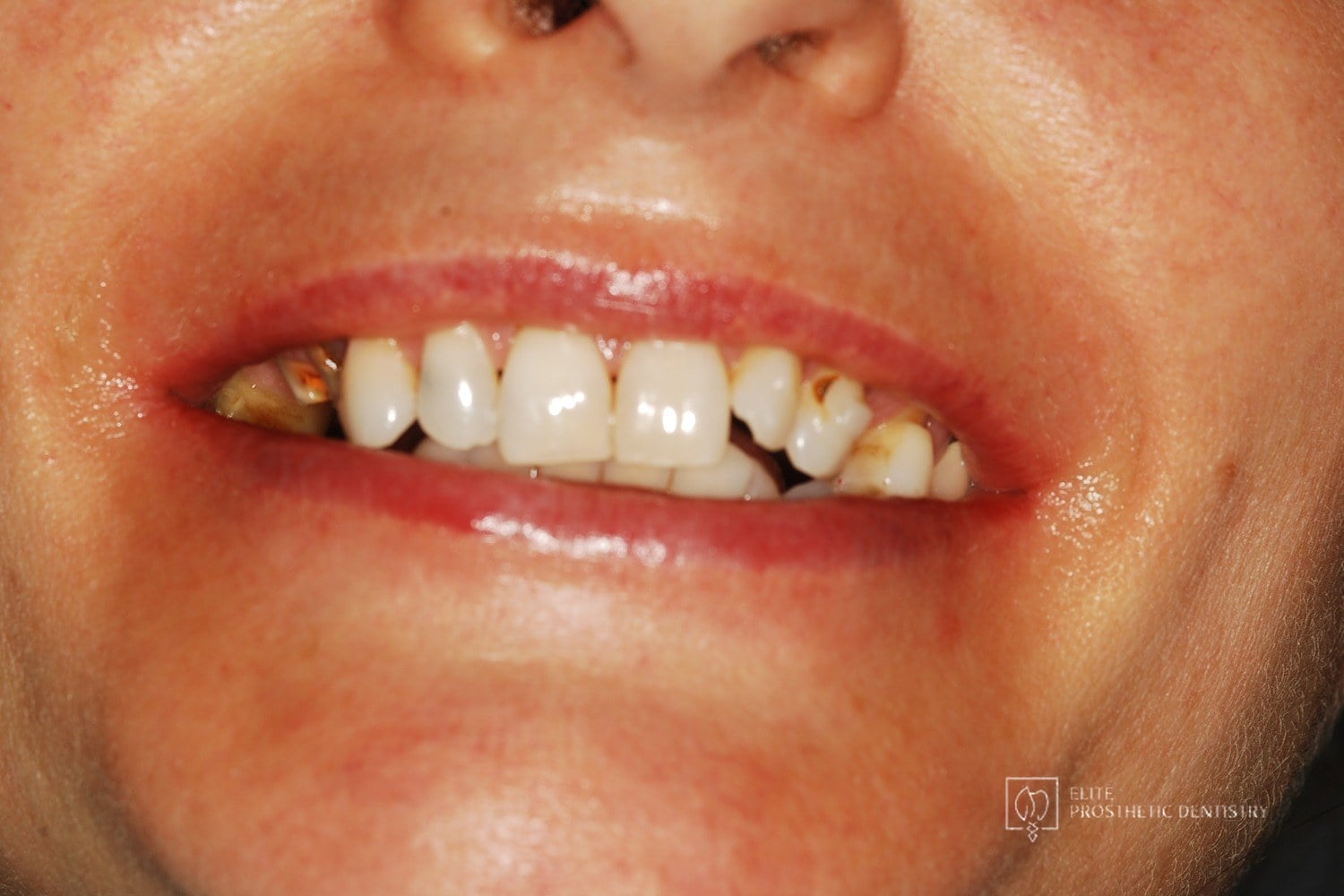
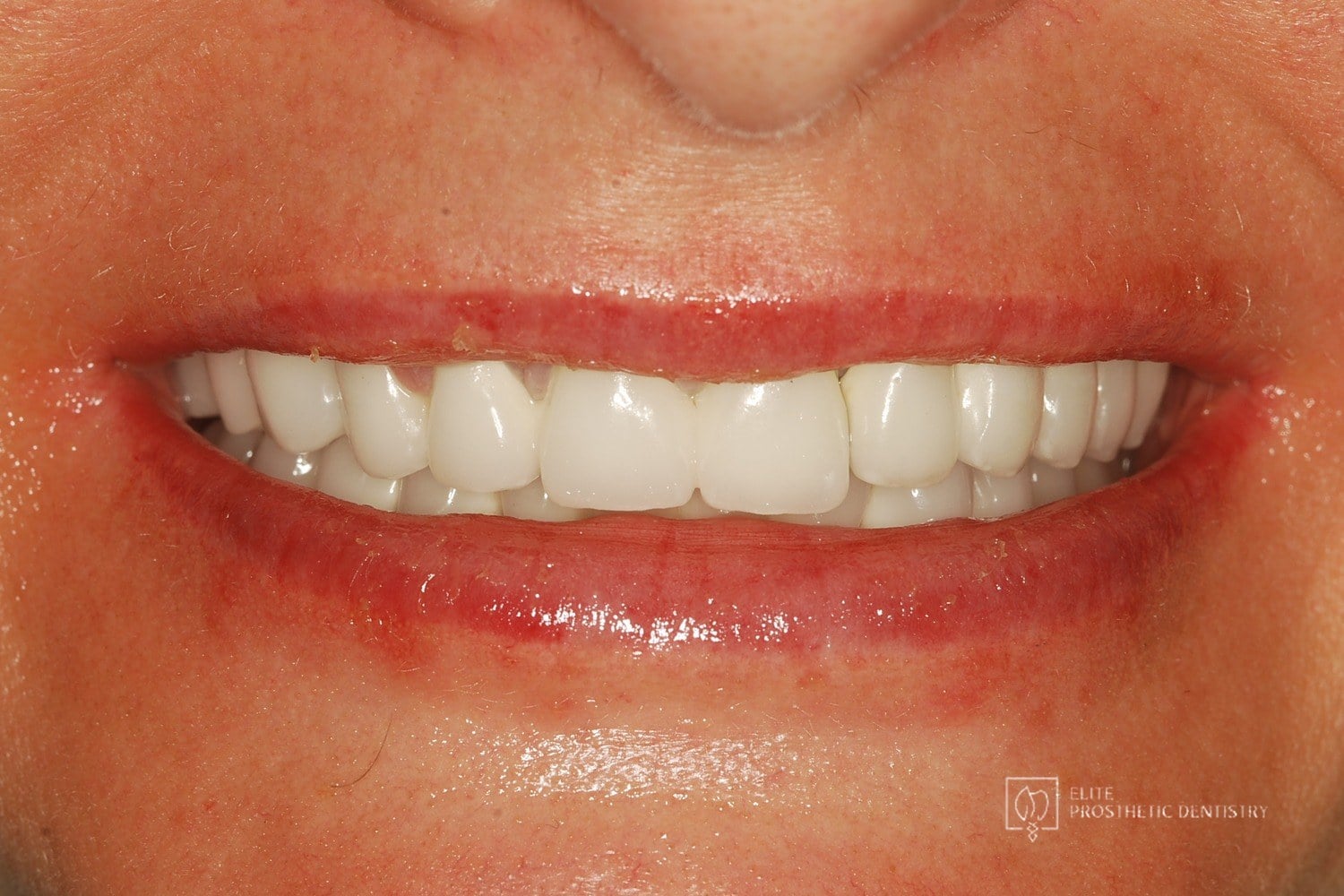
After How Aging, Failing Dentistry Was Replaced with a Coordinated Full-Mouth Implant and Crown Reconstruction
The patient presented with throbbing upper-molar pain, long-standing infections, multiple root canals and unfinished prior treatment, generalized sensitivity, and several hopeless teeth.
 Before
  After
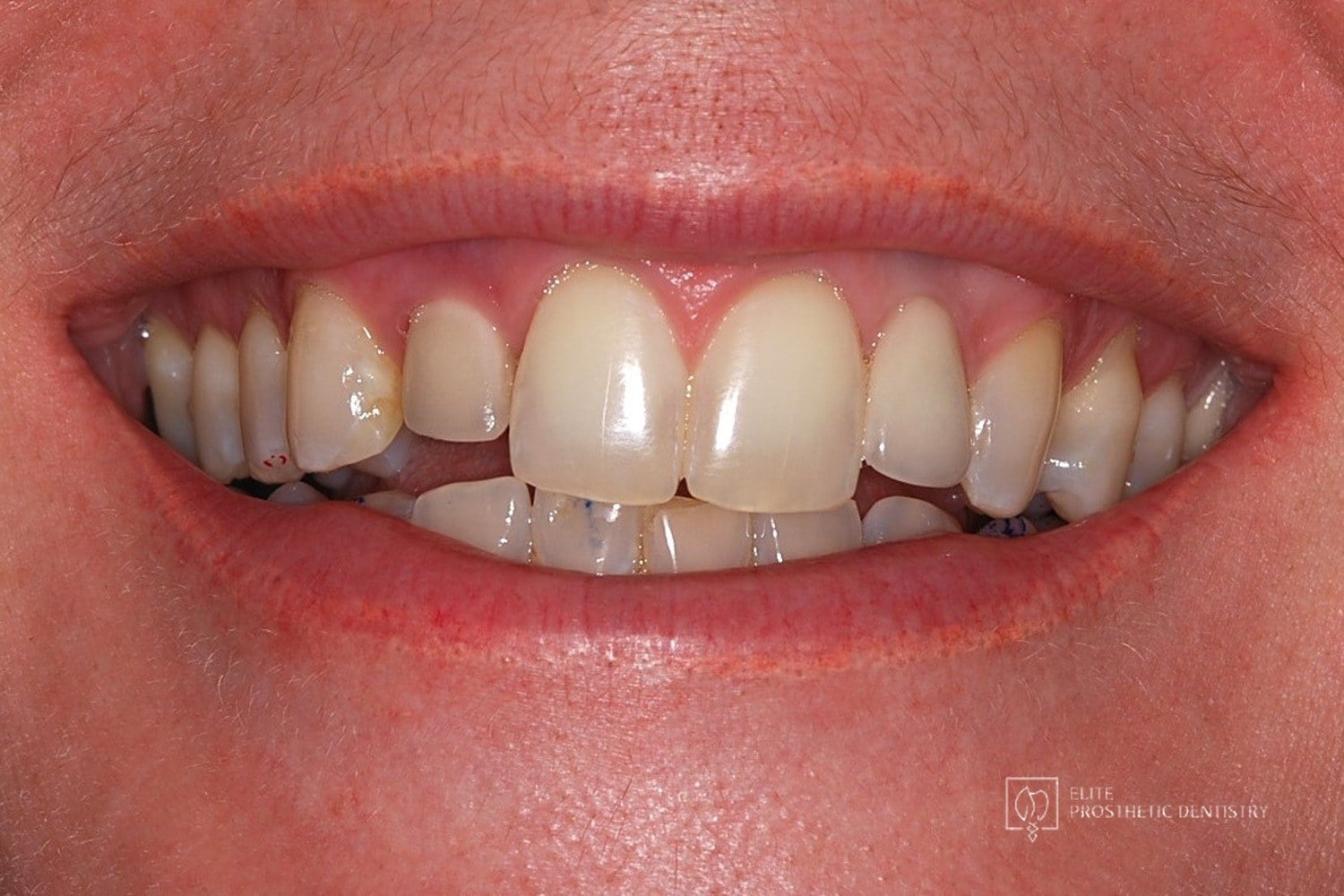
After How Failing Lateral Incisor Implants Were Replaced with Custom Zirconia Bridges After Severe Bone Loss Made Replacement Implants Impossible
Comprehensive examination including CBCT imaging revealed significant bone loss surrounding implants that were placed outside the buccal plate, most likely due to placement without a CBCT-generated surgical guide. The implants were determined non-salvageable, and the alveolar ridge was too narrow to support replacement implants without extensive reconstruction.
 Before
  After
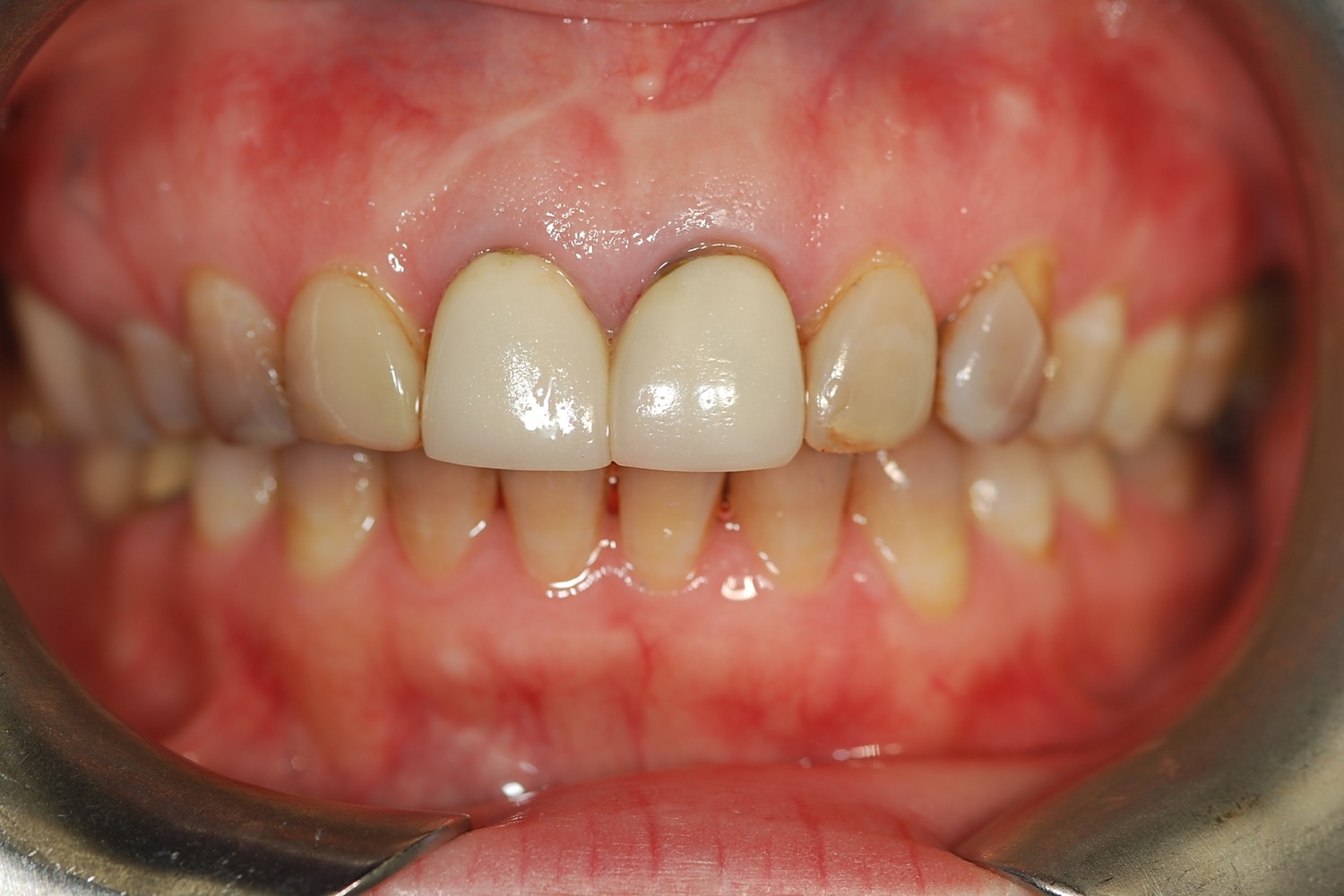
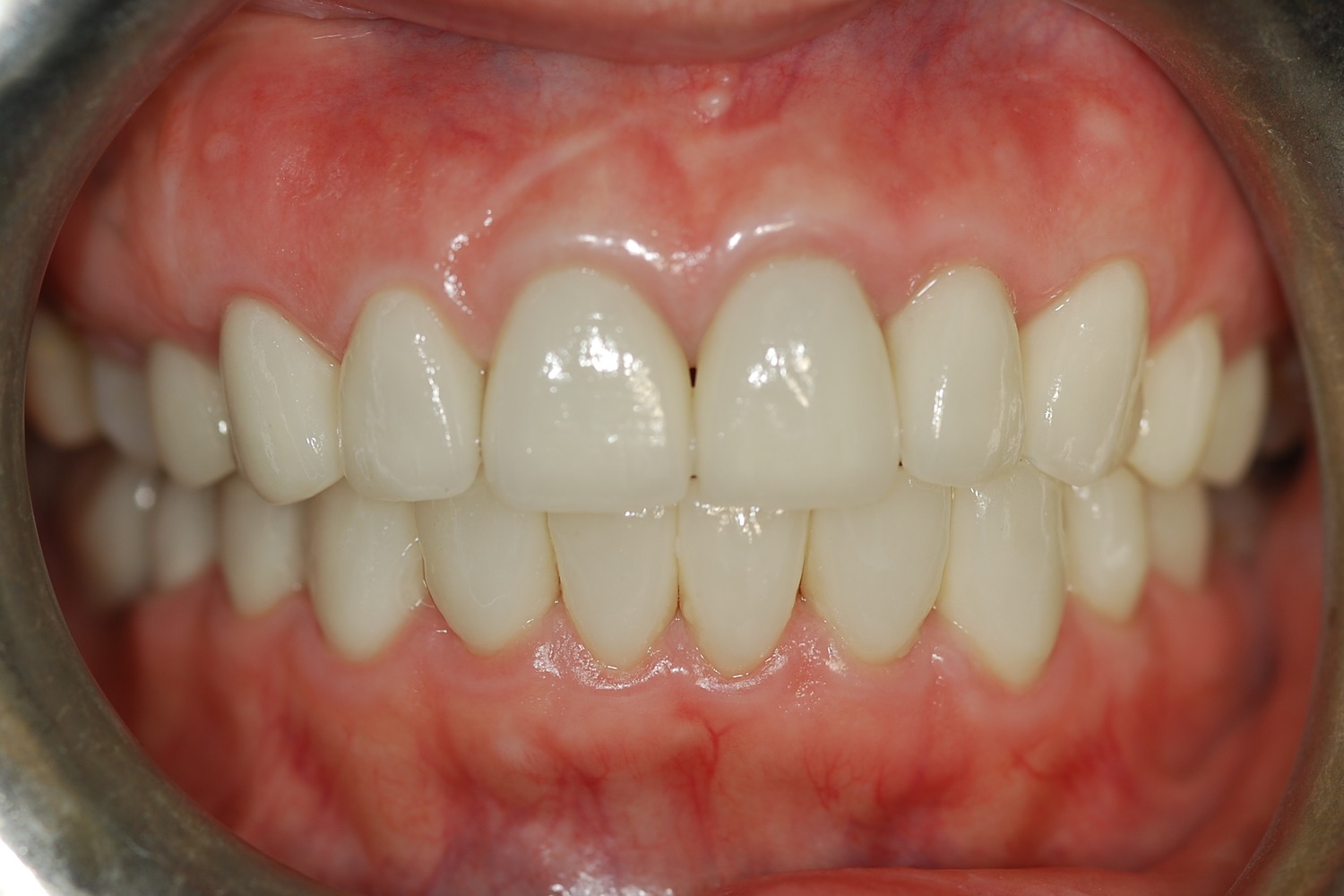
After How Aging, Opaque Restorations Were Replaced with Customized Ceramic Restorations Designed for Long-Term Natural Esthetics
The existing restorations appeared opaque, worn, and unnatural over time, affecting both confidence and overall smile harmony.