
Does Treating or Rehabilitating a Gummy Smile Require Surgery?
Gum tissue protects your teeth and the bone that supports them, so it is an essential part of oral health. But when the gums cover too much of the teeth, or the teeth are worn enough that the gums dominate the smile, the result is what dentists call excessive gingival display: a gummy smile. The question patients ask most is a practical one: does fixing it mean surgery?
The honest answer is: often, but not always. Here is how the options sort out.
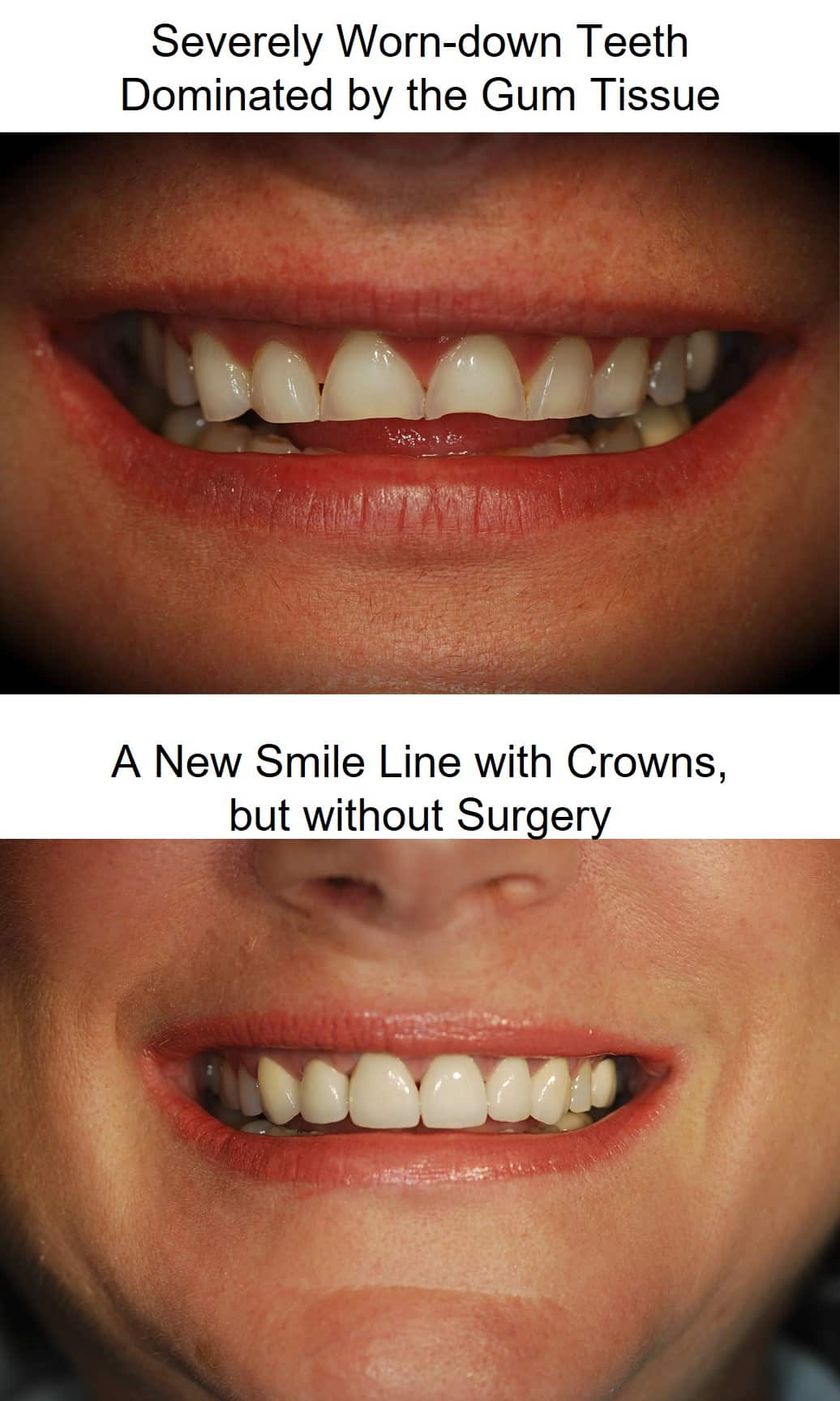
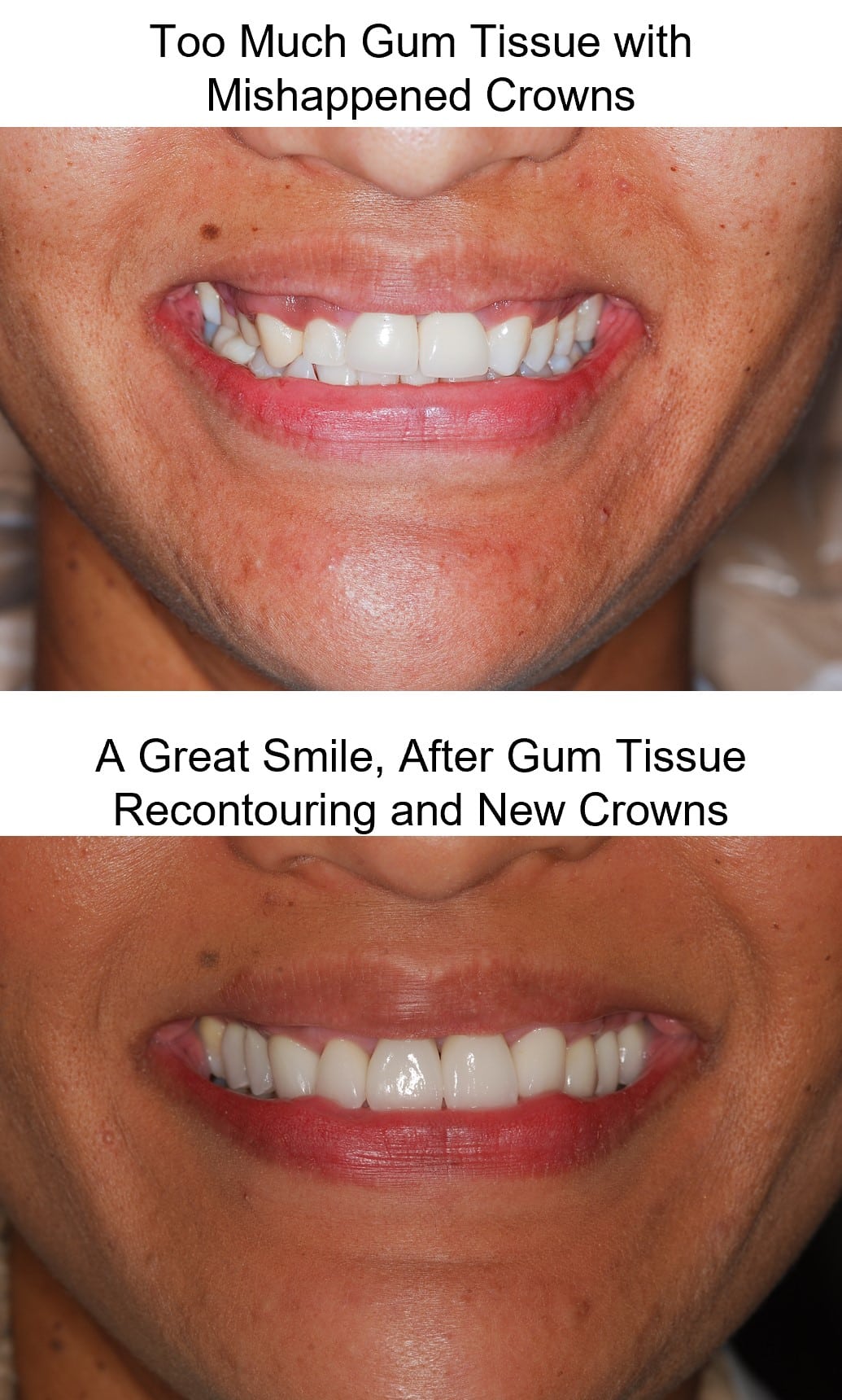
Surgery Is Not Indicated in Every Case
Reshaping the gum tissue surgically is a common and predictable technique, but it is not automatic. In some cases, crowns or veneers can restore the proportions of the teeth, and with them the balance of the smile, without any periodontal surgery at all. This tends to apply when the teeth are worn, short, or poorly restored, so the gums only appear dominant.
Other non-surgical routes exist for specific causes. Botulinum toxin injections have been used successfully when an overactive upper lip muscle lifts too high and exposes the gums; the limitation is that the effect lasts only a few months and must be repeated to maintain it [1], and it is not appropriate for every pattern of gingival display. Some patients also need orthodontic treatment, most often combined with other therapies as part of a comprehensive correction [2].
The point is that a gummy smile is a finding, not a diagnosis. The treatment follows the cause, which is why the process starts with figuring out whether the issue is the tissue, the teeth, the lip, or some combination. Our overview of how a gummy smile is fixed walks through how these pieces come together in a full plan.
What to Expect When Surgery Is the Right Call
When excess tissue really is the problem, gum surgery is a safe, well-established procedure. The simplest version is a gingivectomy, a minor procedure in which the excess tissue is removed and the gumline reshaped so more of the natural tooth shows [3].
A laser is typically used for the reshaping, which tends to mean less post-operative discomfort and faster healing, generally within a week to ten days. The procedure itself takes between one and two hours and is completed in a single visit. We describe the procedure side in more detail in gum contouring and reshaping.
Sedation is not necessary for every patient, but it is available for anyone who wants additional support staying relaxed, including IV sedation for longer or combined procedures.
Recovery Is Milder Than Most Patients Expect
Patients bracing for a difficult recovery after gum surgery are usually relieved. With laser contouring, discomfort is typically modest and managed with over-the-counter medication, and most people return to normal routines almost immediately. The practical guidance is simple: eat soft foods and avoid anything sharp or very hot for the first few days, brush gently around the treated areas, and follow the specific aftercare instructions you receive. The tissue settles into its new contour over the following days to weeks, which is also why final restorations, when they are part of the plan, wait until healing is complete.
One Prerequisite: Healthy Gums First
If you have gingivitis or a more advanced form of gum disease, it must be treated before gummy smile correction proceeds. Healthy tissue is necessary both to reduce the risk of complications and to get a stable result, since gum levels shift as inflammation resolves. There is a health dividend here too: excess tissue can trap bacteria and food, so correcting it often makes daily hygiene easier.
Get an Answer for Your Smile
Whether your gummy smile needs surgery is a question no article can settle, because it depends on what is causing yours. Dr. Gerald Marlin, a specialty-trained prosthodontist named a Washingtonian Top Dentist by his peers, most recently on the 2026 list, evaluates the tissue, the teeth, and the lip line together and designs the most conservative plan that will actually deliver a natural result. You can see what that looks like in our case study on correcting a gummy smile. Call 202-244-2101 or request a consultation at Elite Prosthetic Dentistry in Friendship Heights, Washington, DC.
Sources:
See How We Resolve These Problems
Our patient success stories show real cases and real results. Browse outcomes from a specialist prosthodontist with decades of experience and 3,900+ implants placed.
Key Takeaways
- ✓ Surgery is common in gummy smile treatment, but it is not required in every case.
- ✓ When tooth proportion is the real issue, crowns or veneers alone can rebalance the smile without periodontal surgery.
- ✓ Botulinum toxin injections can help when an overactive upper lip causes the gum display, though the effect wears off in months and must be repeated.
- ✓ When surgery is needed, a gingivectomy with laser contouring is typically a comfortable one-visit procedure with healing in about a week to ten days.
- ✓ Existing gum disease must be treated first; healthy tissue is a prerequisite for any gummy smile correction.
Frequently Asked Questions
Can a gummy smile be fixed without surgery?
Sometimes, yes. If the gum display comes from worn or short-looking teeth rather than truly excessive tissue, crowns or veneers can restore proportion without reshaping the gums. When an overactive lip muscle is the cause, botulinum toxin injections can reduce the display temporarily. The right answer depends on what is actually causing your gum show, which an evaluation determines.
What is the simplest surgery for a gummy smile?
A gingivectomy, in which excess gum tissue is removed and the gumline reshaped to reveal more of the natural tooth. It is a minor procedure, typically performed with a laser, which tends to mean less post-operative discomfort and faster healing, usually within a week to ten days.
How long does gum contouring surgery take?
The procedure itself generally takes between one and two hours, and it is completed in a single visit. Local anesthesia keeps you comfortable, and sedation options, including IV sedation, are available for patients who want additional support.
Do I need my gum disease treated before gummy smile correction?
Yes. Healthy gum tissue is a prerequisite. If you have gingivitis or a more advanced form of gum disease, it must be properly treated first, both to reduce the risk of complications and because tissue levels change as inflammation resolves.
Related Patient Success Stories
Explore similar patient success stories demonstrating our expertise in advanced prosthetic dentistry.
 Before
  After
After How Failing Lateral Incisor Implants Were Replaced with Custom Zirconia Bridges After Severe Bone Loss Made Replacement Implants Impossible
Comprehensive examination including CBCT imaging revealed significant bone loss surrounding implants that were placed outside the buccal plate, most likely due to placement without a CBCT-generated surgical guide. The implants were determined non-salvageable, and the alveolar ridge was too narrow to support replacement implants without extensive reconstruction.
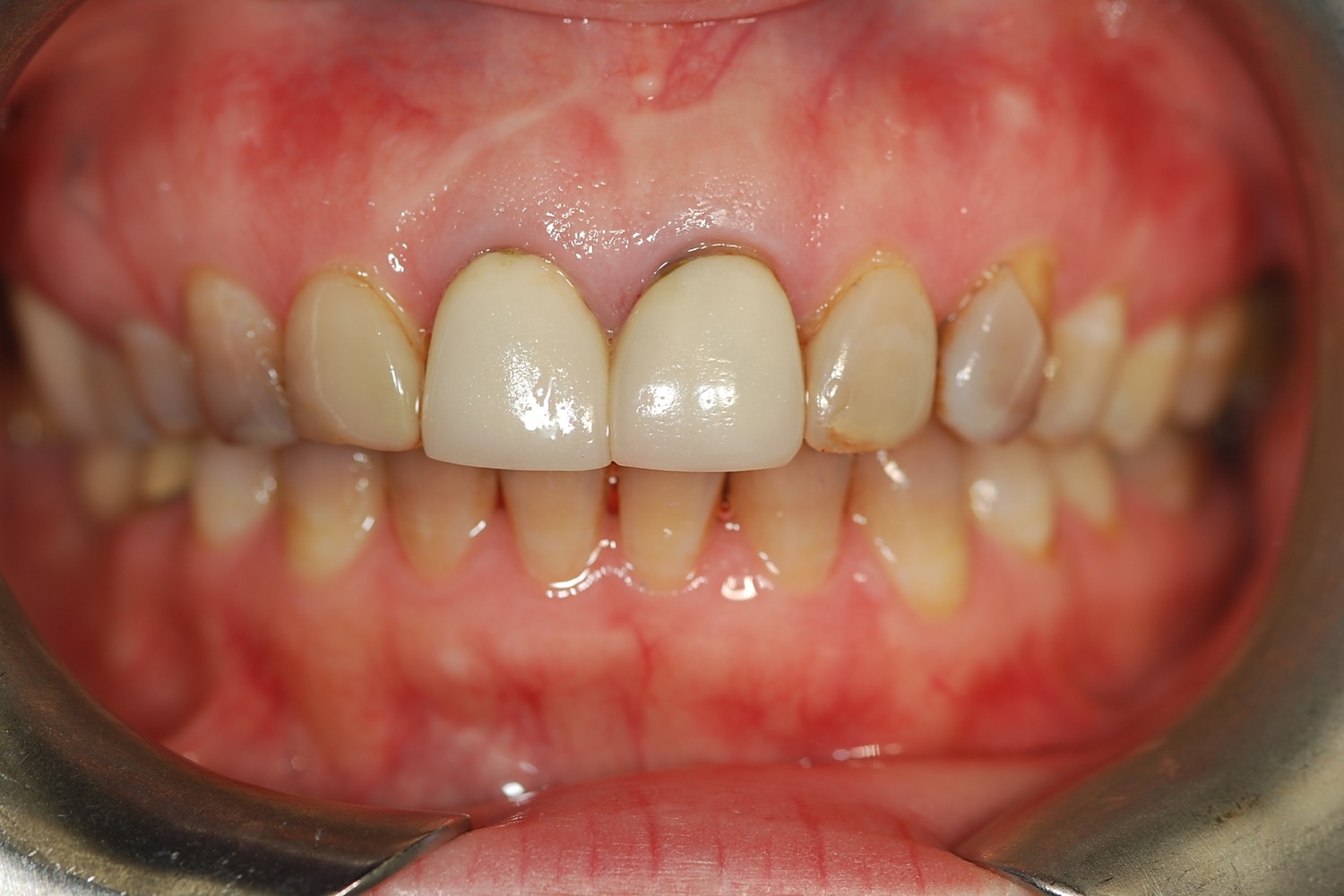 Before
 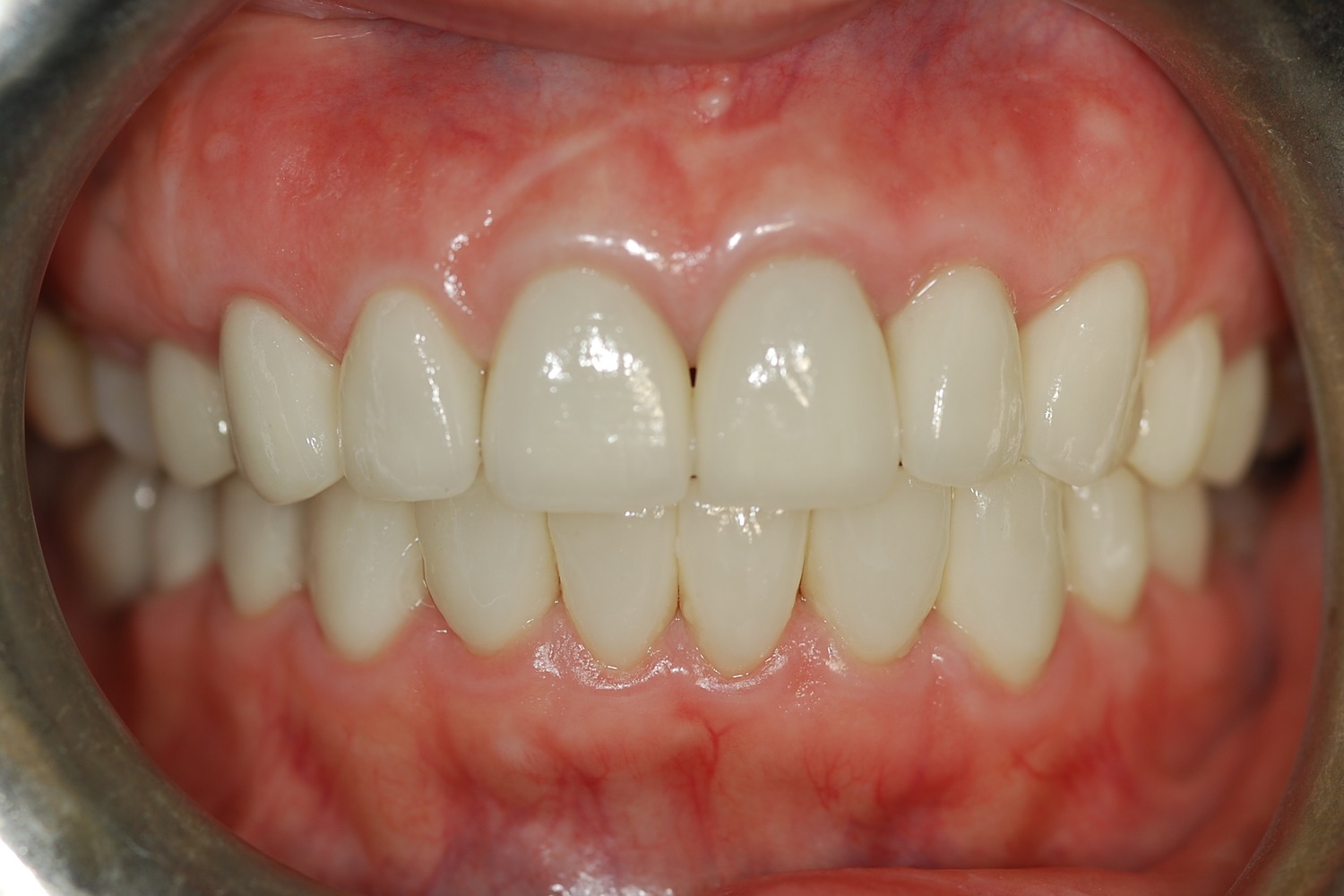 After
After How Aging, Opaque Restorations Were Replaced with Customized Ceramic Restorations Designed for Long-Term Natural Esthetics
The existing restorations appeared opaque, worn, and unnatural over time, affecting both confidence and overall smile harmony.

Temporary Crowns Restore a Patient's Smile in One Day with an Immediate Smile Makeover
A patient from Potomac, Maryland came to the practice in pain from a failing dental implant whose restoration was also compromising her appearance and her confidence.
Related Articles
Deepen your knowledge with additional insights on this topic.
 Cosmetic Dentistry
 Can My Tetracycline-Stained Teeth Be Made to Look Beautiful?
Tetracycline staining sits deep inside the tooth, so bleaching cannot fix it. See how translucent porcelain crowns create a bright, natural smile instead.
 Cosmetic Dentistry
 How Is a Gummy Smile Fixed?
From gum reshaping to custom crowns, a DC prosthodontist explains how a gummy smile is fixed, with a real patient transformation and healing timeline.
 Cosmetic Dentistry
 Discovering Cosmetic Dentistry Beyond Aesthetics
Cosmetic dentistry improves more than looks: easier hygiene, restored chewing function, and better long-term oral health. A DC prosthodontist explains.