
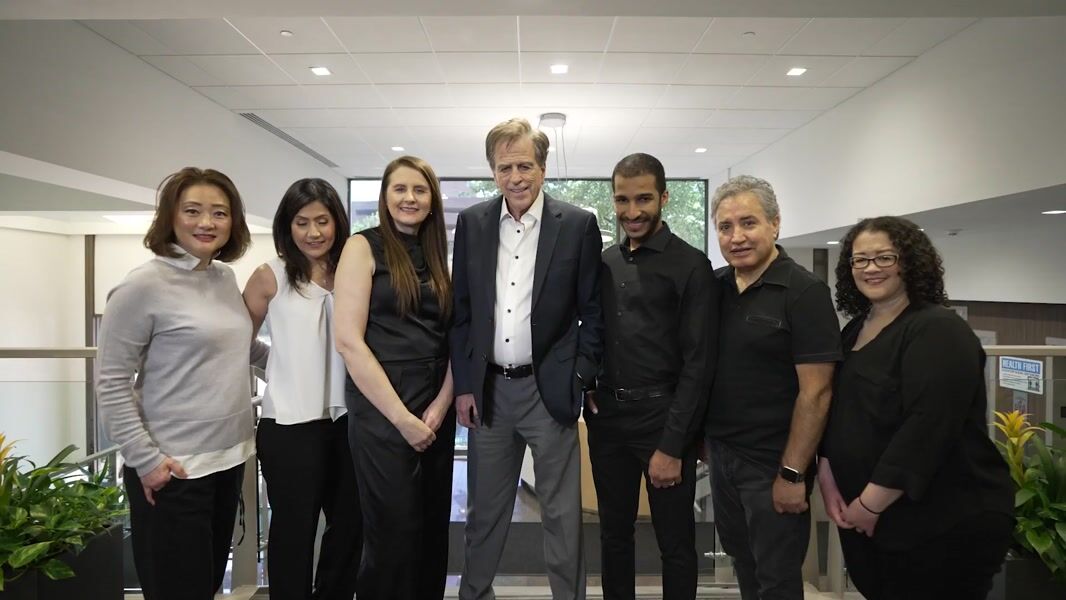
Cosmetic Dentistry in Chevy Chase, MD
Cosmetic dentistry in Chevy Chase. Compare veneers, crowns, bonding, and whitening approaches. Dr. Marlin evaluates options for your smile goals.
Chevy Chase patients seeking cosmetic dental improvement have several treatment options available. Each approach addresses smile concerns differently, with distinct advantages and considerations. Understanding the differences between whitening, bonding, veneers, and crown treatment enables informed decision-making aligned with individual goals.
Professional Whitening Versus At-Home Systems
Professional teeth whitening administered in Dr. Marlin’s office uses higher-concentration hydrogen peroxide formulations than over-the-counter products. The bleaching agent penetrates dental enamel, dissolving discoloration at the molecular level. Results become visible within one appointment, with effects continuing to intensify over several days as residual peroxide continues working.
At-home whitening systems, including custom tray formulations dispensed from the office, provide more gradual results. The lower concentration bleaching gel works slowly over weeks of use. Patients appreciate the convenience of home treatment and lower cost, though whitening proceeds more gradually and results may be less dramatic initially.
Professional whitening works best for extrinsic staining caused by food, beverages, and tobacco. At-home systems also address this surface discoloration but require sustained use over several weeks. Neither professional nor at-home whitening can address intrinsic discoloration originating from within the tooth structure. For internal staining, veneer or crown treatment is necessary.
Chevy Chase residents with primarily surface discoloration benefit most from professional whitening. The single-appointment approach delivers rapid results, ideal for patients preparing for special events or seeking quick smile enhancement. Combined with proper home maintenance, professional whitening results typically persist six to twelve months.
Composite Bonding Versus Veneer Treatment for Mild Imperfections
Composite bonding addresses small chips, minor discoloration, and slight gaps efficiently. Dr. Marlin applies tooth-colored resin material directly to the tooth, sculpting it to match adjacent teeth in shape and shade. The material is hardened with a special light, completing the restoration in a single appointment. Bonding is reversible; the material can be removed or modified without permanent tooth alteration.
Porcelain veneers provide a more durable approach to similar concerns. Veneers are thin porcelain shells bonded to the front tooth surface. They cover discoloration, mask chips, close gaps, and reshape slightly misaligned teeth. Unlike bonding, veneers are not easily reversed, but they last substantially longer and resist staining more effectively.
The choice between bonding and veneers depends on several factors. For a single small chip on one front tooth, bonding often suffices. For multiple teeth with similar concerns, or for patients desiring long-term durability, veneers provide superior results. Bonding appeals to cost-conscious patients seeking quick solutions or those unwilling to commit to permanent modifications. Veneers suit patients prioritizing longevity and esthetic control.
Veneers Versus Crowns for Comprehensive Transformation
Porcelain veneers mask the front surface of teeth, addressing discoloration, chips, gaps, and slight misalignment. Veneers require minimal tooth preparation because they cover only the visible front surface. A typical smile makeover involves veneers on six to eight front teeth. Dr. Marlin prepares teeth by removing a thin layer of surface enamel, then bonds porcelain shells to the prepared surfaces.
Dental crowns cover the entire tooth, addressing severe discoloration, extensive damage, large existing fillings, or compromised structural integrity. Crowns require removal of more tooth structure than veneers but provide maximum coverage and protection. For teeth compromised by decay, trauma, or endodontic treatment, crowns restore full function and esthetics.
Veneers preserve more tooth structure and are less invasive. They suit patients with primarily cosmetic concerns affecting front teeth surfaces. Crowns are necessary when structural integrity is compromised or when damage extends to all tooth surfaces.
All-Ceramic Crowns Versus Traditional Options
All-ceramic crowns provide optimal esthetics for front teeth because they allow light to penetrate and reflect through the material, mimicking natural tooth light transmission. The material resists staining and appears virtually identical to natural teeth upon close inspection.
Porcelain-fused-to-metal crowns combine ceramic aesthetics with metal substructure, providing strength for back teeth while maintaining appearance on front teeth. The metal base layer ensures durability for high-stress posterior teeth. Historically, a dark metal line sometimes appeared at the gum line, though modern fabrication techniques minimize this visibility.
Modern high-translucency multilayered zirconia delivers exceptional aesthetics for front teeth, premolars, and visible areas combined with superior strength. Today’s multilayered zirconia provides the natural light transmission, color depth, and surface character needed for highly visible aesthetic restorations. Lithium disilicate (e.max) is well-suited for back teeth, bruxism cases, and high-stress posterior positions.
For Chevy Chase patients, all-ceramic crowns for front teeth and high-strength materials for back teeth provide optimal balance between esthetics and function. Dr. Marlin discusses material options during consultation, considering tooth location, biting force, and patient preferences.
Rapid Treatment Sequences Versus Staged Planning
Some cosmetic cases are completed in one or two appointments. A simple whitening treatment, composite bonding, or single veneer placement occurs rapidly. Patients seeking quick solutions appreciate this efficiency.
Complex smile makeovers involving multiple veneers or crowns typically require staged planning. Teeth may require whitening first, completed weeks before veneer placement to ensure proper shade matching. Initial appointments involve tooth preparation and temporary restoration placement. Subsequent appointments, sometimes weeks later after laboratory fabrication, involve permanent restoration delivery and adjustment.
The staged approach allows careful planning and customization. Dr. Marlin controls timing to ensure each component integrates with others. Rushing complex cases risks suboptimal results. Patients prioritizing comprehensive excellence appreciate the staged process, while those prioritizing speed prefer simpler single-appointment solutions.
The Prosthodontic Advantage in Cosmetic Selection
General dentists offering cosmetic services apply their broader clinical experience to esthetic cases. Specialty-trained prosthodontists, however, complete three additional years of graduate training focused specifically on how teeth should look and function together. This specialized education covers color theory, material science, tooth morphology, and biomechanical principles governing long-term restoration success.
A prosthodontist’s cosmetic approach considers not just appearance but also how restorations integrate with overall bite mechanics, jaw movement, and long-term wear patterns. A veneer or crown that looks beautiful initially but interferes with proper bite function will cause problems years later. Prosthodontic training produces clinicians who design cosmetic restorations that remain beautiful and functional for decades.
Integrating Cosmetic Work with Overall Dental Health
Successful cosmetic dentistry depends on healthy underlying structure. Gum disease, untreated decay, or bone loss compromises any cosmetic restoration’s longevity. Before placing veneers or crowns, Dr. Marlin ensures gums are healthy, all decay is addressed, and bone support is adequate.
For Chevy Chase patients with existing health concerns, correcting these issues precedes cosmetic treatment. This integrated approach ensures cosmetic restorations are built on a healthy foundation and will perform reliably for years.
Choosing the Right Approach for Your Goals
Chevy Chase residents evaluating cosmetic options should consider their specific concerns, desired longevity, budget, and timeline. Professional whitening rapidly brightens discolored teeth economically. Composite bonding addresses isolated chips or gaps affordably in one appointment. Veneers provide durable, esthetic transformation of front teeth. Crowns comprehensively restore severely compromised teeth.
Dr. Marlin helps patients navigate these options, explaining advantages and limitations of each approach. He designs treatment plans aligned with your priorities and expectations, ensuring results that enhance your natural features and reflect your personal aesthetic preferences.
Schedule Your Consultation
The next step is the diagnostic consultation. From there, your specific case is evaluated and a treatment plan tailored to your situation is developed.
Frequently Asked Questions
How does porcelain veneer longevity compare to bonded composite?
Porcelain veneers typically last 15-20 years or longer with proper care, whereas composite bonding lasts 5-7 years before requiring touch-up or replacement. The porcelain material resists staining and wear significantly better than composite resin. For front teeth where appearance is paramount, veneers offer superior longevity.
Which treatment requires less tooth removal, veneers or crowns?
Veneers require minimal tooth preparation, typically removing only surface enamel. Crowns require removal of substantially more tooth structure because they encircle the entire tooth. When tooth structure can be preserved, veneers are the more conservative option.
Can professional whitening be combined with veneer treatment?
Professional whitening should occur before veneer placement, not after. Once veneers are placed, the natural teeth beneath cannot be whitened independently. Dr. Marlin whitens remaining natural teeth first, then shades veneers to match the brightened teeth. This ensures harmonious color across your entire smile.
Is bonding or veneer treatment better for closing a small tooth gap?
Both approaches work for small gaps. Bonding is faster and more reversible, accomplished in one appointment with minimal cost. Veneers provide greater durability and superior esthetic control, lasting considerably longer. The choice depends on the gap size, tooth position, and patient preferences regarding longevity versus reversibility.
What advantages does a prosthodontist's approach offer over general cosmetic dentistry?
Prosthodontists complete three additional years of specialty training in how teeth function and appear together. They design restorations considering bite mechanics, long-term wear patterns, and how cosmetic work integrates with overall dental health. This produces cosmetic restorations that remain beautiful and functional for decades rather than just looking good initially.
Related Patient Success Stories
Explore similar patient success stories demonstrating our expertise in advanced prosthetic dentistry.
 Before
  After
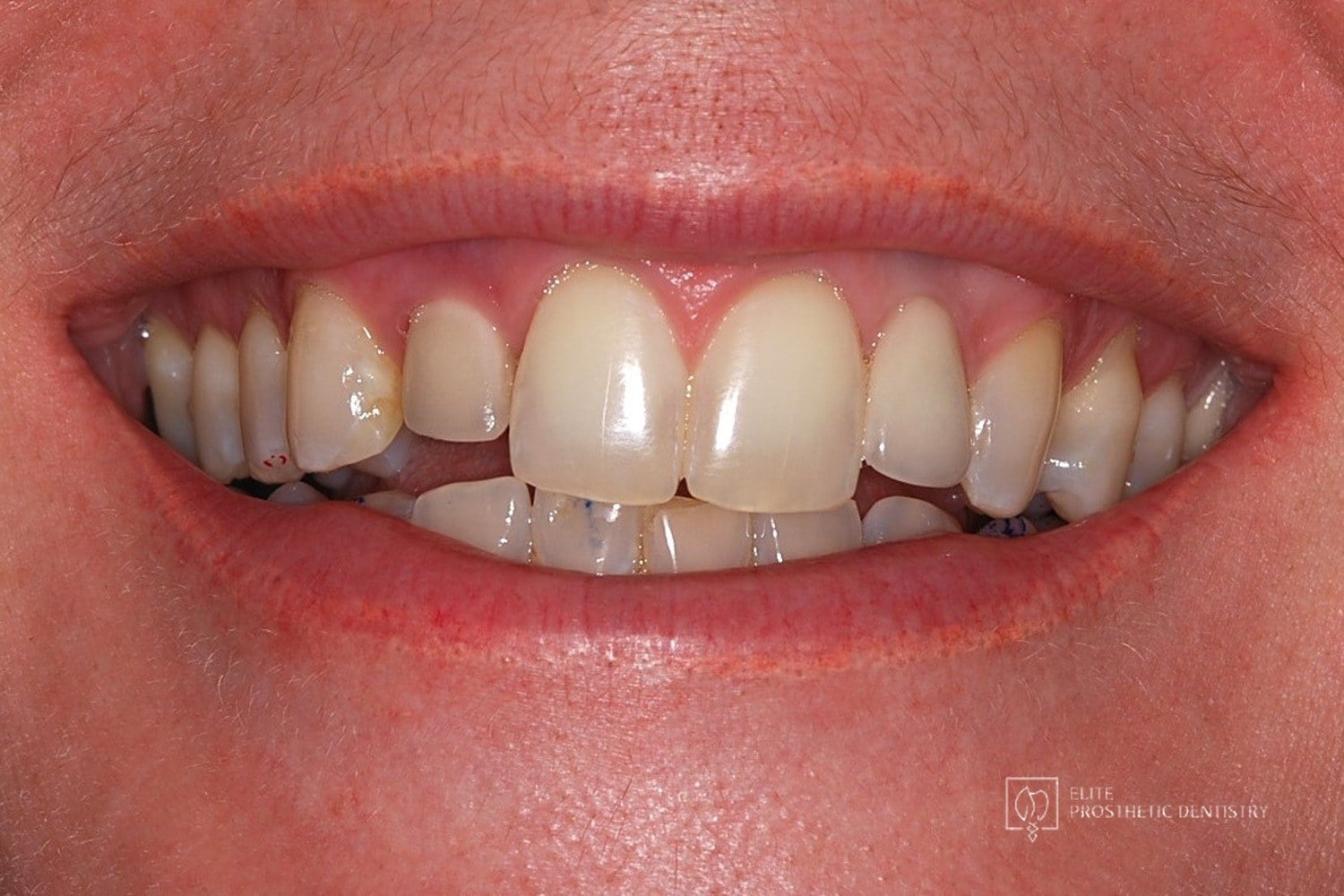
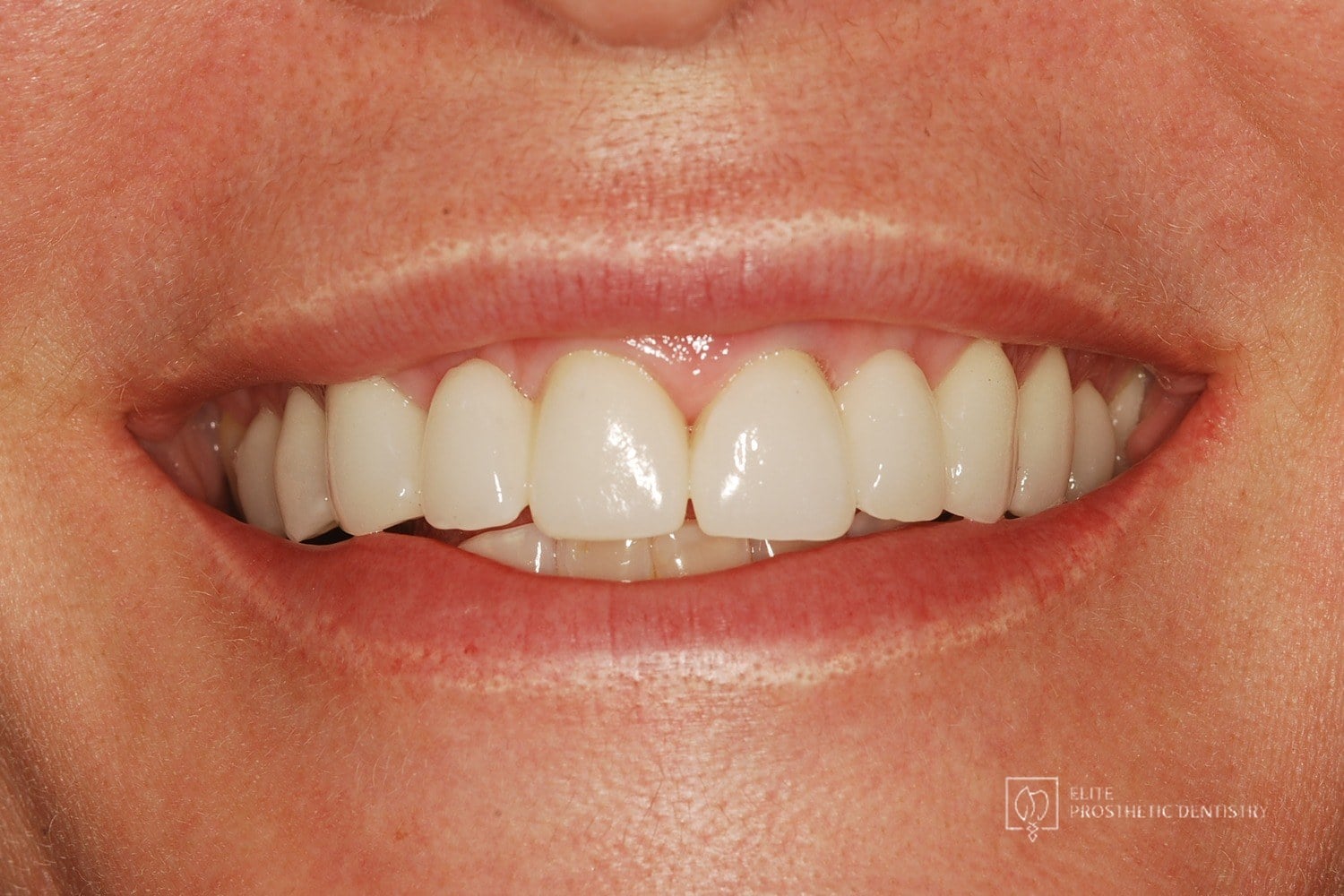
After How Failing Lateral Incisor Implants Were Replaced with Custom Zirconia Bridges After Severe Bone Loss Made Replacement Implants Impossible
Comprehensive examination including CBCT imaging revealed significant bone loss surrounding implants that were placed outside the buccal plate, most likely due to placement without a CBCT-generated surgical guide. The implants were determined non-salvageable, and the alveolar ridge was too narrow to support replacement implants without extensive reconstruction.
 Before
  After
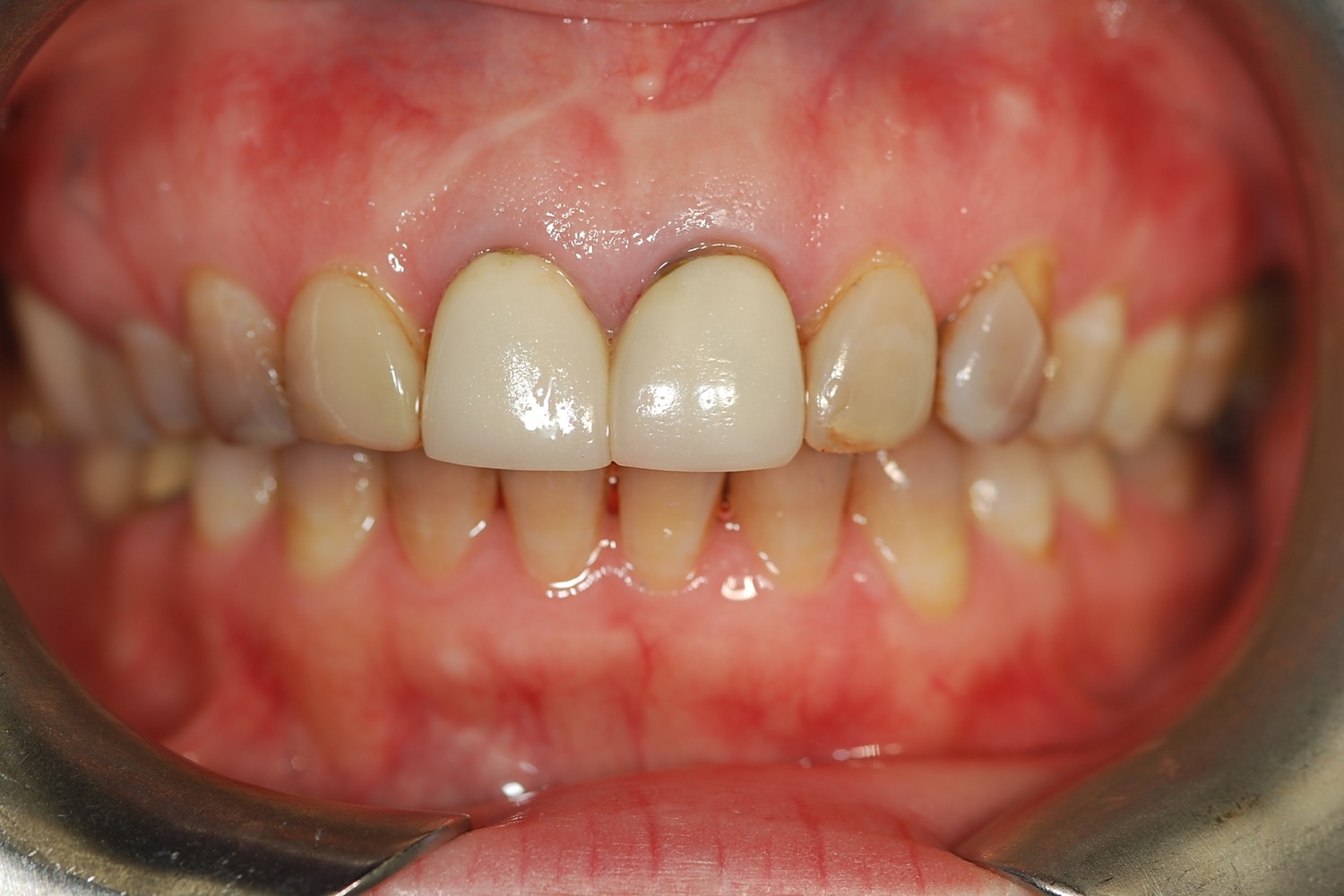
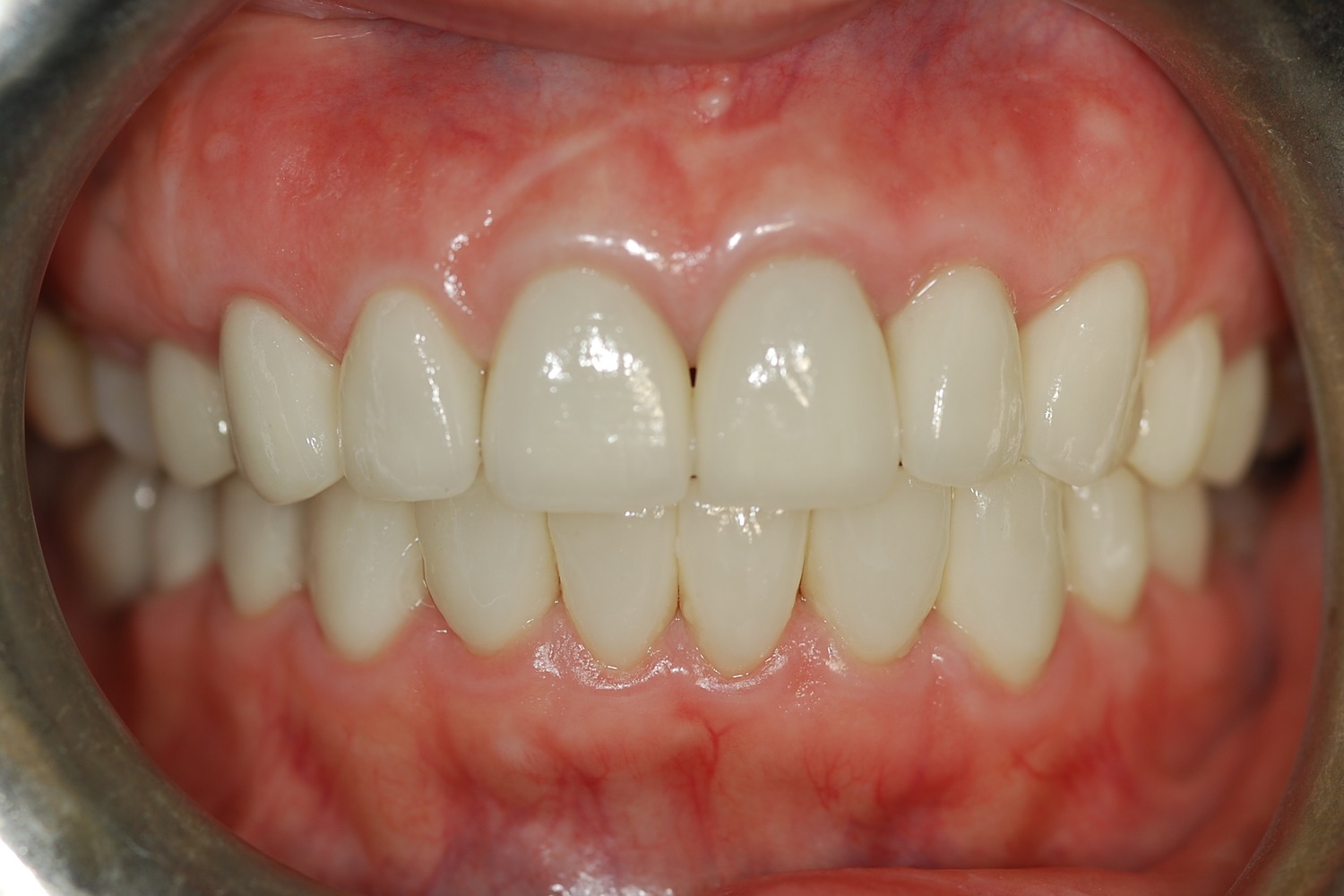
After How Aging, Opaque Restorations Were Replaced with Customized Ceramic Restorations Designed for Long-Term Natural Esthetics
The existing restorations appeared opaque, worn, and unnatural over time, affecting both confidence and overall smile harmony.

Temporary Crowns Restore a Patient's Smile in One Day with an Immediate Smile Makeover
A patient from Potomac, Maryland came to the practice in pain from a failing dental implant whose restoration was also compromising her appearance and her confidence.
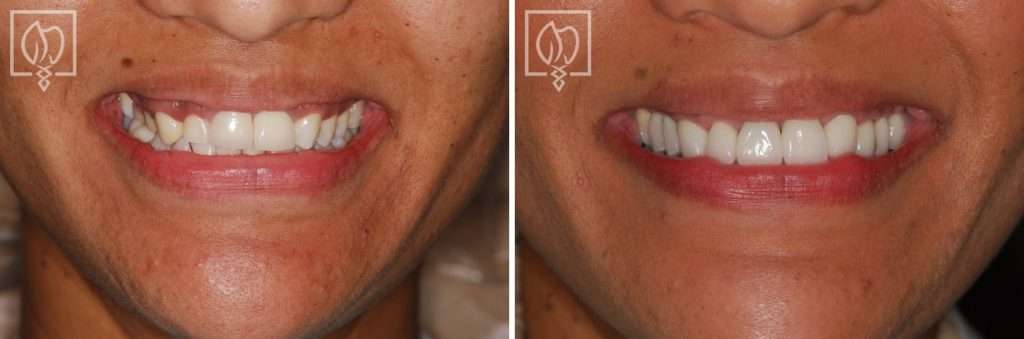
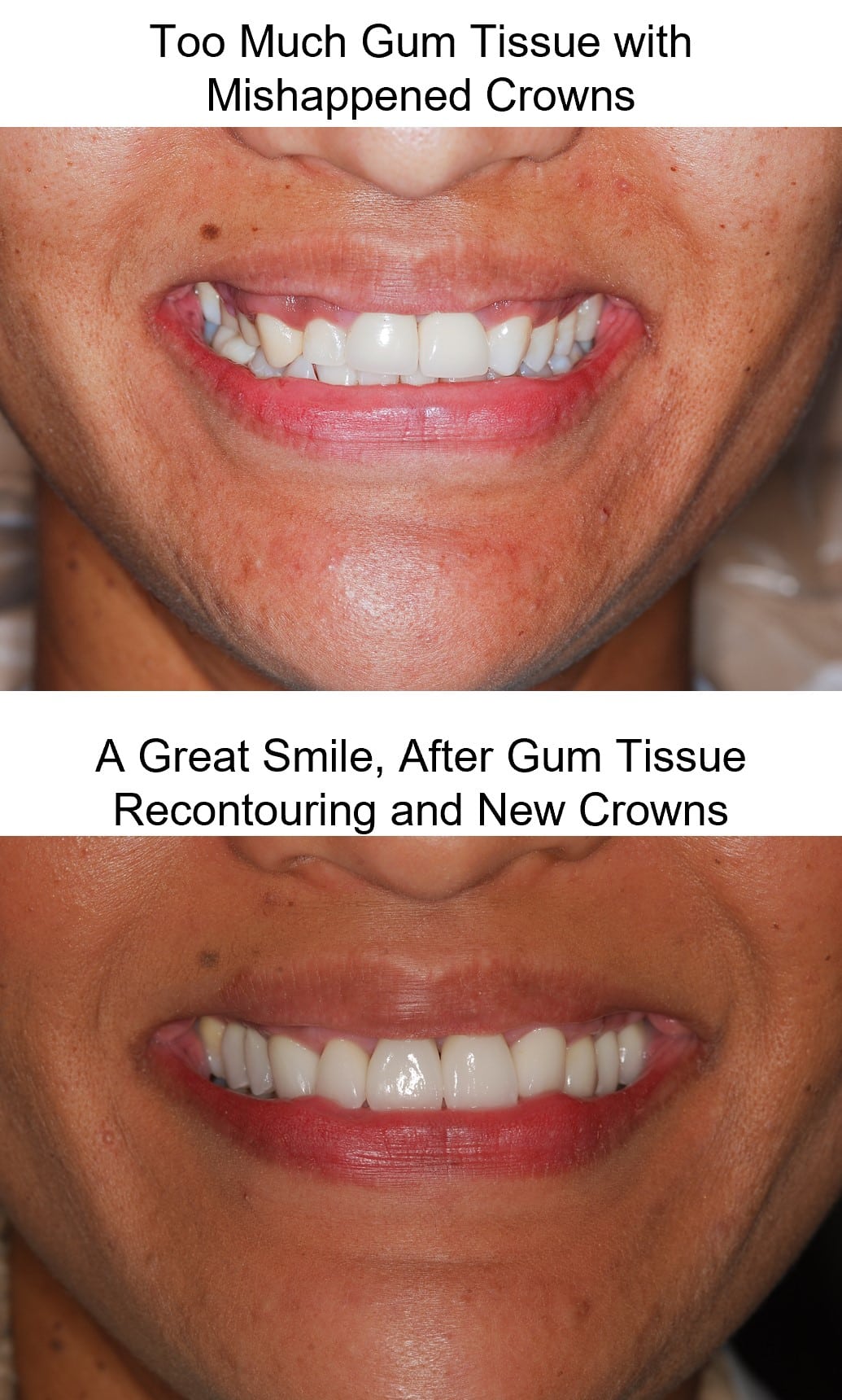
Multi-Faceted Treatment for a Patient Unhappy With the Appearance of Her Crowns, Teeth, and Gums
The patient was unhappy with how her teeth and gums affected her smile: front-tooth crowns that no longer blended with her natural teeth, a missing lateral incisor with the larger canine sitting in its space, and an uneven gum line.
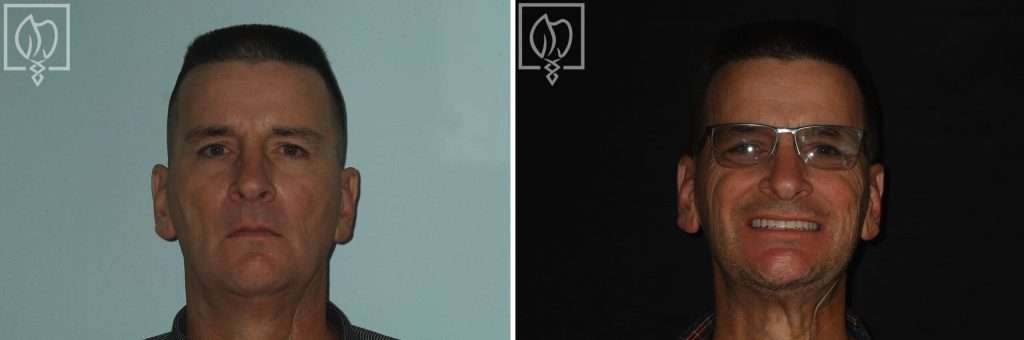
Treating a Collapsed Bite with a Complete Smile Makeover and New Dentures
The patient's bite had collapsed severely, changing his facial proportions and making him look much older than his age, while extensive underlying bone loss and dentures that no longer fit made chewing difficult and kept his teeth hidden when he smiled.
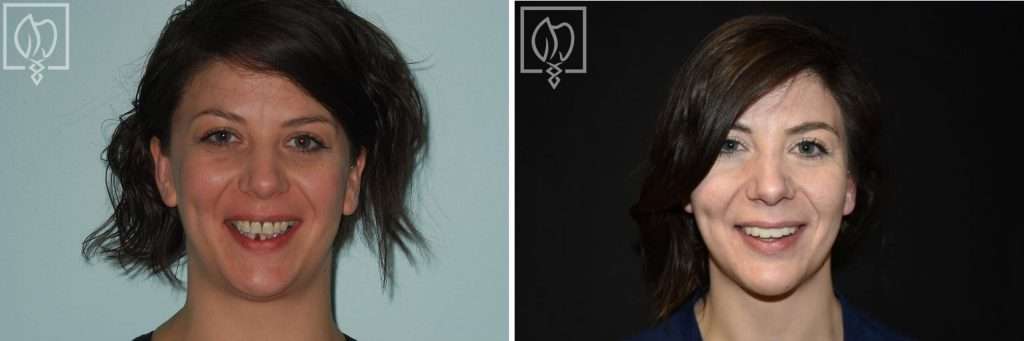
Salvaging Severely Broken-Down Upper and Lower Teeth from Gum and Bone Disease
The patient presented in distress at 34 with severe periodontal disease: two lower front teeth close to being lost and wide gaps opening between her upper and lower front teeth.
Related Articles
Deepen your knowledge with additional insights on this topic.
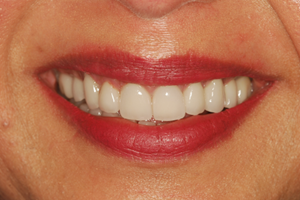 Cosmetic Dentistry
 Can My Tetracycline-Stained Teeth Be Made to Look Beautiful?
Tetracycline staining sits deep inside the tooth, so bleaching cannot fix it. See how translucent porcelain crowns create a bright, natural smile instead.
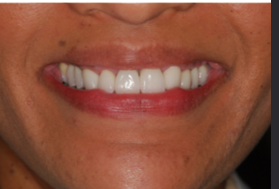 Cosmetic Dentistry
 How Is a Gummy Smile Fixed?
From gum reshaping to custom crowns, a DC prosthodontist explains how a gummy smile is fixed, with a real patient transformation and healing timeline.
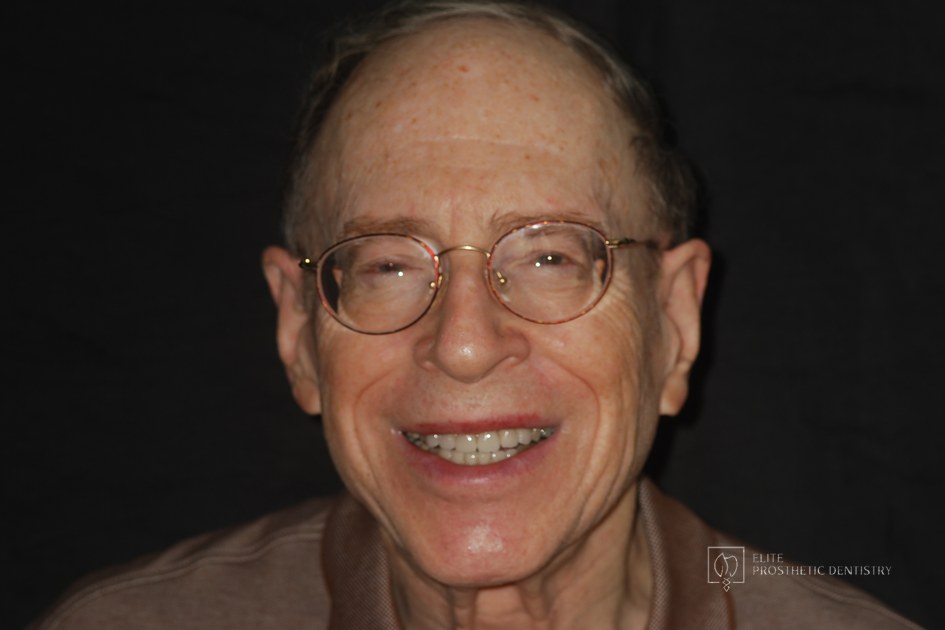 Cosmetic Dentistry
 Discovering Cosmetic Dentistry Beyond Aesthetics
Cosmetic dentistry improves more than looks: easier hygiene, restored chewing function, and better long-term oral health. A DC prosthodontist explains.
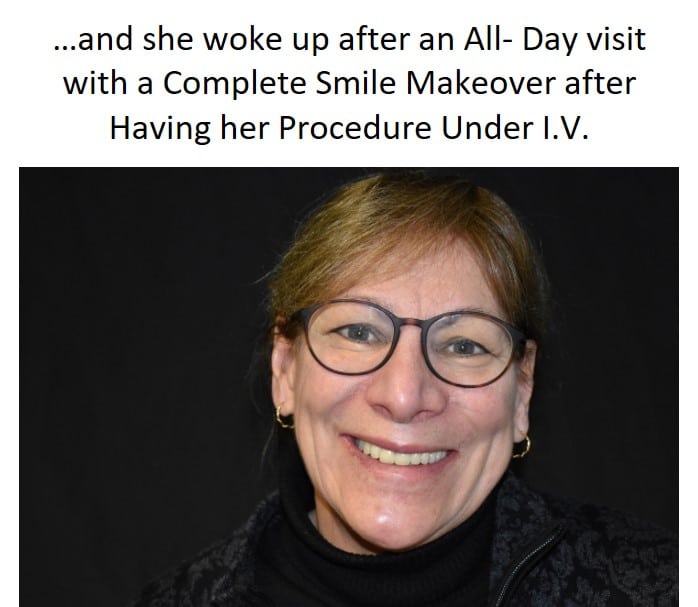 Cosmetic Dentistry
 Benefits of a Cosmetic Smile Makeover With Dental Sedation
Sedation lets longer smile makeover visits feel brief, eases anxiety, and may reduce soreness afterward. A DC prosthodontist explains the benefits.
 Cosmetic Dentistry
 Does Treating or Rehabilitating a Gummy Smile Require Surgery?
Not every gummy smile needs surgery. A DC prosthodontist explains restorative and other alternatives, and what to expect when gum surgery is the right call.
Cosmetic Dentistry Treatable Dental Conditions That Make Patients Self-Conscious About Their Smile
Discolored, worn, gapped, or missing teeth and gummy smiles are all treatable. A DC prosthodontist maps each common condition to its modern fix.
Deciding Who Should Treat You?
Our decision guide for Chevy Chase patients explains when implants, full mouth reconstruction, cosmetic work, or aging crowns and bridges call for a prosthodontist, and when another setting may serve you better.
Read the Chevy Chase decision guide →Our Services in Chevy Chase
Beyond Cosmetic Dentistry, Chevy Chase patients rely on Dr. Marlin for a full range of advanced dental care.
More services available in Chevy Chase:
Cosmetic Dentistry Near Chevy Chase
Dr. Marlin also provides cosmetic dentistry services for patients in these neighboring communities.
Getting Here from Chevy Chase
Elite Prosthetic Dentistry is conveniently located near Chevy Chase, MD.
From Chevy Chase center, travel south on Connecticut Avenue NW toward Friendship Heights. The practice is one Metro stop from Friendship Heights station.
Address:
4400 Jenifer Street NW, Suite 220
Washington, DC 20015
Phone: (202) 244-2101
Request a ConsultationRequest a Specialist Consultation from Chevy Chase
Chevy Chase residents come to Dr. Marlin for specialist prosthodontic care. With 3,900+ implants placed over 40+ years, evaluation, planning, and execution are handled with the depth complex cases require.