

TMJ Disorders and Treatment Questions in Chevy Chase
Answers to common TMJ questions. Symptoms, diagnosis, conservative treatment, and when surgery is considered. Chevy Chase TMJ specialist.
Your Comprehensive TMJ Questions Answered
You’re experiencing jaw pain, clicking, or limited opening. You have questions about what’s happening, why, and what you can do about it. This page addresses the most common questions patients ask about TMJ dysfunction, its causes, how it’s diagnosed and treated, and when specialist care or surgery might be needed.
Understanding the TMJ: Basic Anatomy and Function
The temporomandibular joint (TMJ) is the hinge connecting your lower jaw to your skull. You have two TMJs, one on each side, located just in front of your ears. The joint allows your jaw to open downward, move forward, and shift side to side during chewing, speaking, and yawning.
The joint comprises several components: bone surfaces (the temporal bone from the skull and the mandibular condyle from the lower jaw), cartilage covering the bone, a fibrocartilage disc that acts as a shock absorber, ligaments providing stability, and surrounding muscles controlling movement.
When functioning properly, all components work in harmony. The disc stays positioned correctly as you open and close your mouth. The muscles contract and relax smoothly. The joint surfaces move without friction.
When dysfunction occurs, this harmony breaks down. The disc may slip out of position. Muscles may be in spasm. The joint surfaces may not align properly. These disruptions create pain, clicking, limited opening, or other symptoms.
What Causes TMJ Dysfunction?
Multiple factors can trigger TMJ dysfunction. Muscle tension from stress or anxiety is extremely common. Many patients clench their teeth during stress, creating sustained muscle tension and abnormal jaw loading. Over time, this stress-related clenching destabilizes the joint.
Bite misalignment, where your upper and lower teeth don’t meet properly, creates asymmetrical stress on the TMJ. If your bite is off-center, one TMJ bears disproportionate load. Over months or years, this asymmetry can cause dysfunction.
Trauma, like a blow to the jaw, can directly damage TMJ structures or knock the disc out of position. Even minor trauma can initiate TMJ problems.
Poor posture, especially forward head posture from desk work or phone use, puts strain on jaw muscles and neck structures, indirectly affecting the TMJ.
Arthritis in the TMJ, while less common in younger patients, can develop gradually in older patients.
Habits like excessive gum chewing, nail biting, or pencil chewing create repetitive stress on the TMJ.
What Symptoms Suggest TMJ Dysfunction?
Pain in or near the jaw joint is the most common symptom. Some patients experience constant low-level ache. Others have sharp pain triggered by opening wide, chewing, or yawning.
Clicking or popping in the joint during opening, closing, or chewing is extremely common and sometimes resolves without treatment. However, if clicking is new or accompanied by pain, professional evaluation is appropriate.
Limited mouth opening (inability to open more than about 1 inch between your front teeth) suggests internal TMJ derangement or muscle restriction.
Jaw locking, where your jaw opens and becomes stuck, is a sign of disc displacement and warrants urgent evaluation.
Pain that radiates beyond the joint to the temples, cheeks, or ear may originate from the TMJ even though it doesn’t feel like joint pain.
Headaches, particularly at the temples or across the forehead, sometimes originate from TMJ muscle tension and clenching.
Ear pain without signs of ear infection (no fever, no drainage) may originate from the adjacent TMJ.
How Is TMJ Dysfunction Diagnosed?
Dr. Marlin begins with detailed history-taking. When did symptoms start? What activities trigger them? Have you had jaw trauma? Do you clench or grind your teeth? Does stress make symptoms worse?
Clinical examination involves palpating the TMJ, assessing jaw opening range, evaluating whether the joint moves smoothly or with clicking, and checking your bite alignment. Dr. Marlin asks you to demonstrate your symptoms, noting what triggers pain or clicking.
Imaging is used when clinical examination suggests structural problems. CBCT (cone beam CT) provides detailed 3D images of the TMJ joint allowing assessment of the joint surfaces and bone. Standard X-rays show limited detail. MRI is sometimes recommended if disc position needs detailed evaluation.
In many cases, clinical examination alone is sufficient to diagnose TMJ dysfunction and recommend treatment. Imaging is ordered when structural problems are suspected or if conservative treatment isn’t working.
Conservative Treatment: Your First Line of Defense
Conservative treatment is the first approach for nearly all TMJ dysfunction. Night guards, custom-made plastic appliances worn during sleep, prevent clenching and grinding stress on the TMJ and reduce muscle tension. They’re remarkably effective for stress-related TMJ problems.
Bite correction, modifying your bite to reduce asymmetrical stress, sometimes involves selective grinding of tooth surfaces or in some cases, orthodontics or restorations to correct underlying bite problems.
Physical therapy, prescribed jaw exercises, and stretching strengthen jaw muscles and improve joint mechanics. A physical therapist teaches you specific exercises tailored to your dysfunction.
Activity modification is important. Avoiding excessive jaw opening (large bites, wide yawning), eating soft foods temporarily, eliminating gum chewing and jaw habits, and using heat and ice support recovery.
Stress reduction through relaxation techniques, meditation, or counseling addresses the underlying stress-related clenching.
Most patients (80 to 90 percent) achieve significant improvement with conservative treatment. Surgery is rarely needed.
When Is TMJ Surgery Considered?
Surgery is reserved for situations where conservative treatment has failed and imaging shows structural damage likely to benefit from surgical intervention. Examples include severe disc displacement, joint degeneration, or internal derangement that conservative approaches can’t adequately address.
Arthroscopy (minimally invasive camera-guided surgery) is more common than open joint surgery. This procedure allows visualization of internal joint structures and correction of problems like disc displacement.
The decision to pursue surgery is made collaboratively between you, Dr. Marlin, and a TMJ specialist, ensuring that conservative options have been exhausted and that you understand the risks and benefits of surgery.
Can Correcting Your Bite Help TMJ Problems?
Yes. Bite-related TMJ dysfunction improves when underlying bite problems are corrected. If you’re missing teeth, if your bite is misaligned, or if restorations are poorly positioned, correcting these issues often reduces TMJ symptoms.
Dr. Marlin evaluates bite as part of TMJ assessment, ensuring that any TMJ treatment also addresses bite factors that may have contributed to your dysfunction.
Conveniently Located Near Chevy Chase
Elite Prosthetic Dentistry is just 3 to 5 minutes from Chevy Chase. On-site parking is available, and the Friendship Heights Metro station is 2 blocks away.
Elite Prosthetic Dentistry
4400 Jenifer Street NW, Suite 220
Washington, DC 20015
(202) 244-2101
[email protected]
For related care, see our pages on full mouth reconstruction and Tmj Specialist in Bethesda.
Frequently Asked Questions
How long does it typically take to resolve TMJ dysfunction with conservative treatment?
Many patients experience significant improvement within 4 to 8 weeks of starting night guard therapy and conservative treatment. Complete resolution may take 8 to 12 weeks. Some patients show improvement more quickly; others take longer depending on symptom severity and root cause.
If my night guard helps, do I have to wear it forever?
Not necessarily. Once symptoms resolve and underlying stress is managed, some patients successfully discontinue their night guard. Others find that wearing it several nights per week maintains their improvement. Dr. Marlin guides this decision based on your response to treatment.
Can TMJ dysfunction affect my overall health?
Untreated TMJ dysfunction and chronic jaw pain can affect your sleep, nutrition (if pain prevents normal chewing), and quality of life. Early treatment prevents progression and limits these impacts.
Is TMJ dysfunction more common in women or men?
TMJ dysfunction is diagnosed more frequently in women, though researchers debate whether this reflects true prevalence differences or differences in symptom reporting and healthcare-seeking behavior.
Can TMJ problems come back after they've been treated?
If underlying stress and habits return, TMJ symptoms may recur. However, most patients who maintain good stress management, avoid jaw habits, and use their night guard as recommended maintain their improvement long-term.
Schedule Your Consultation
The next step is the diagnostic consultation. From there, your specific case is evaluated and a treatment plan tailored to your situation is developed.
Frequently Asked Questions
What exactly is the TMJ and what does it do?
The temporomandibular joint (TMJ) is the hinge connecting your lower jaw to your skull, located just in front of each ear. It's a specialized joint allowing downward and forward movement during chewing, speaking, and yawning. The joint comprises bone surfaces, cartilage, a disc that acts as a shock absorber, ligaments for stability, and muscles for movement. TMJ dysfunction occurs when any component malfunctions.
Can stress and clenching cause TMJ problems?
Yes. Psychological stress often manifests as jaw clenching and teeth grinding. Over time, this sustained muscle tension and abnormal jaw loading stress the TMJ. Stress-related clenching is one of the most common causes of TMJ dysfunction. Stress reduction and night guard protection are effective treatments for stress-related TMJ problems.
Is TMJ dysfunction permanent, or can it improve?
Many patients experience significant or complete improvement with conservative treatment. Night guards, bite correction, physical therapy, and activity modification resolve TMJ symptoms in the majority of patients. Some patients have persistent symptoms despite treatment, but even these patients can usually achieve meaningful improvement through specialist intervention.
What does TMJ surgery involve and when is it considered?
Surgery is reserved for TMJ problems that don't respond to conservative treatment or where structural damage is severe. Arthroscopy (camera visualization and minimally invasive correction) is more common than open joint surgery. Surgery is considered only after conservative treatment has failed and imaging shows structural problems that will likely benefit from surgical correction.
Can night guards alone fix TMJ problems, or is additional treatment needed?
Night guards effectively manage clenching and grinding-related TMJ dysfunction in many patients. However, if underlying bite problems or muscle dysfunction exist, night guards alone may not fully resolve symptoms. Dr. Marlin may recommend additional treatment like bite correction, physical therapy, or other interventions based on the root cause.
Related Patient Success Stories
Explore similar patient success stories demonstrating our expertise in advanced prosthetic dentistry.
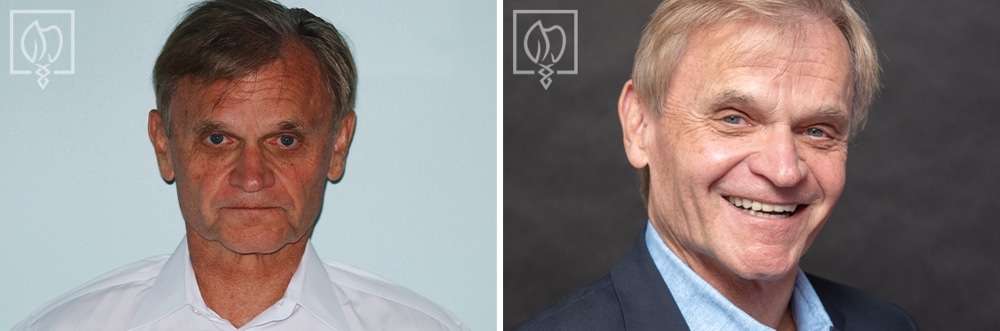
A Severe Teeth Grinder Has His Worn-Down Teeth Restored
Years of very severe grinding had worn down all of the patient's teeth and collapsed his bite height, aging his appearance in a way that clashed with his high-visibility professional life as a Washington, DC trial attorney.
 Before
  After
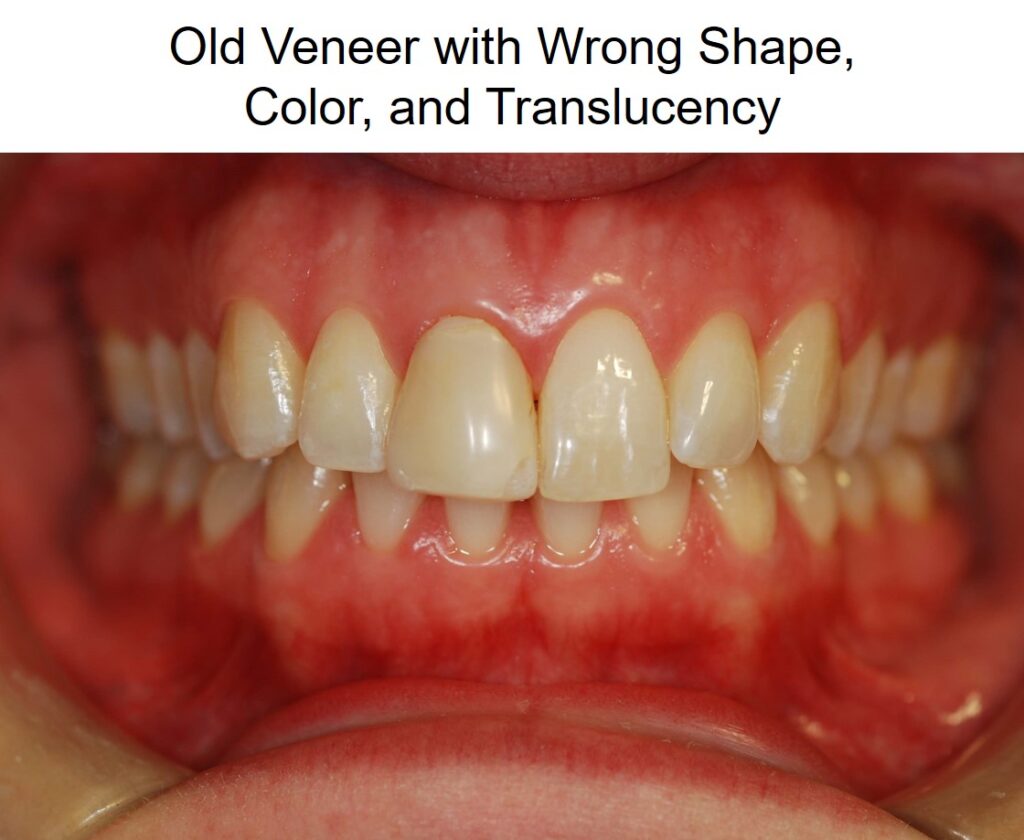
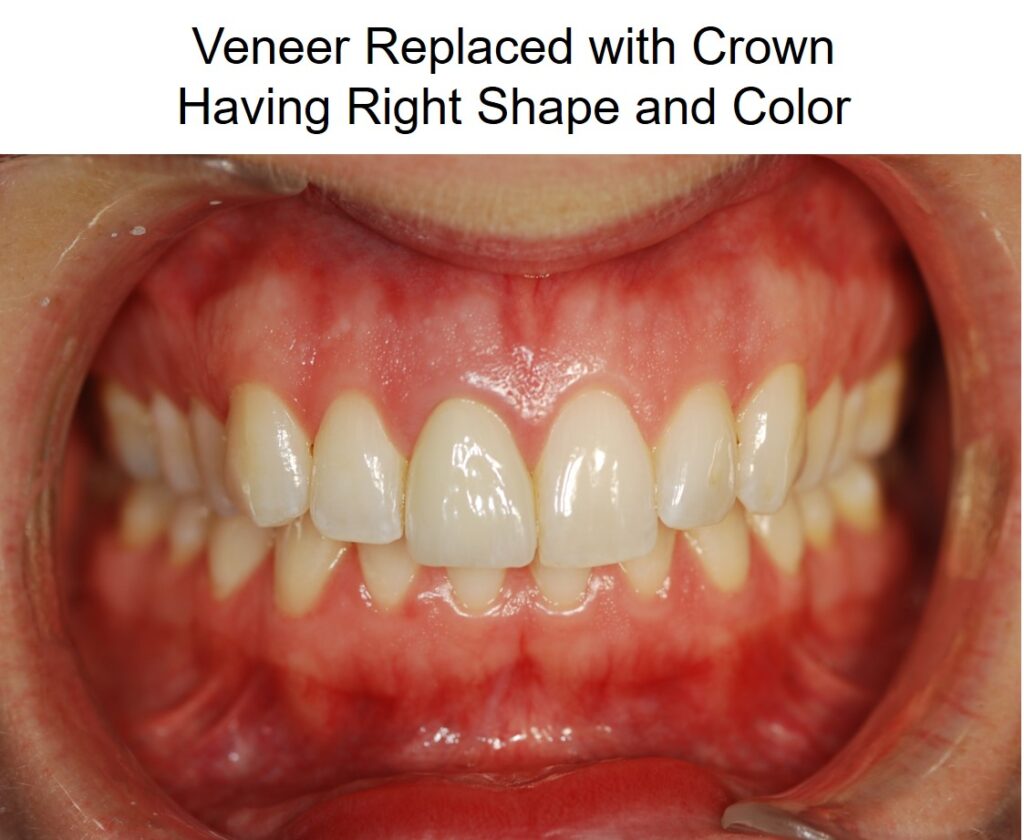
After Can Dental Crowns Closely Match My Existing Teeth Color and Shape?
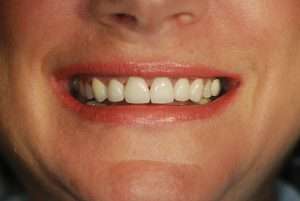
A crown planned for a single visible front tooth had to match the color, translucency, and shape of the surrounding natural teeth closely enough to go unnoticed in the smile.
 Before
  After
After Can Worn-Down Teeth Be Fixed or Do They Have to Be Replaced?
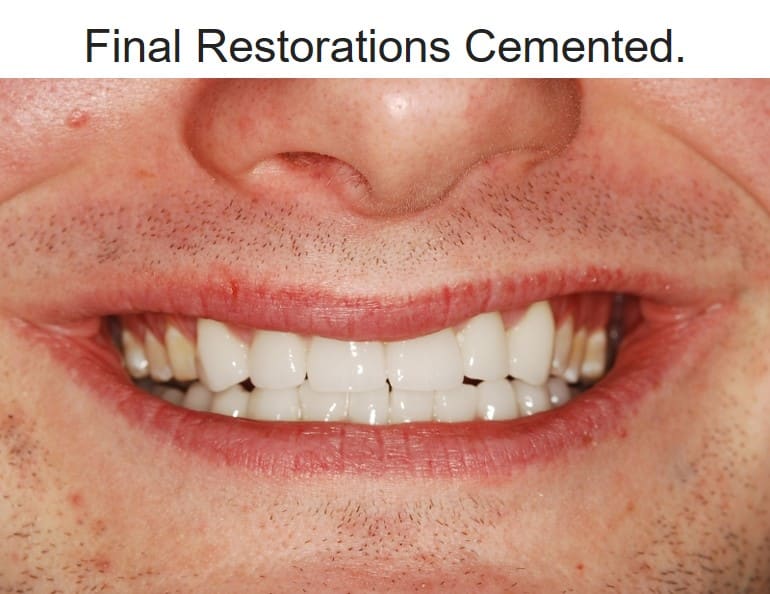
The patient presented with a severely worn dentition that was marring an otherwise great smile line.
Related Articles
Deepen your knowledge with additional insights on this topic.
 TMJ & Jaw Pain
 The Benefits of Early Diagnosis and Treatment of Bruxism (Teeth Grinding) in Children
Teeth grinding affects children as well as adults. Learn the signs of bruxism, why early diagnosis protects growing smiles, and how occlusal guards help.
 TMJ & Jaw Pain
 Can TMJ Be the Cause of Migraine or Severe Headaches?
Headache is one of the most common complaints in TMJ disorders. Learn how jaw dysfunction can contribute to head pain and how the connection is diagnosed.
 TMJ & Jaw Pain
 TMJ Disorders: Symptoms, Causes, and Treatment
What TMJ dysfunction is, the symptoms it causes from jaw pain to headaches and ear fullness, what drives it, and how a DC prosthodontist treats the cause.
 TMJ & Jaw Pain
 How Trigger Point Injections Relieve Pain from the TMJ Syndrome
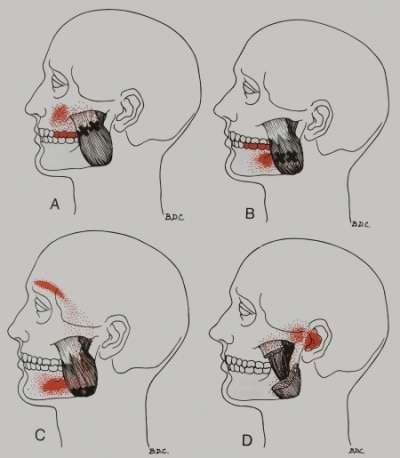
TMJ pain usually refers from muscle trigger points, not the joint. Learn what trigger points are and how injections interrupt the referred-pain cycle.
TMJ & Jaw Pain Trigger Point Injections to Treat TMJ/TMD: When They Are Used
When are trigger point injections the right TMJ treatment? Candidacy, what to expect, and why bite correction usually comes first. Washington, DC.
 TMJ & Jaw Pain
 5 Tips for Jaw Surgery Recovery
Practical tips for a smoother orthognathic jaw surgery recovery: rest, routine, swelling control, meal prep, and hydration, plus when to involve your dentist.
Deciding Who Should Treat You?
Our decision guide for Chevy Chase patients explains when implants, full mouth reconstruction, cosmetic work, or aging crowns and bridges call for a prosthodontist, and when another setting may serve you better.
Read the Chevy Chase decision guide →Our Services in Chevy Chase
Beyond TMJ Treatment, Chevy Chase patients rely on Dr. Marlin for a full range of advanced dental care.
More services available in Chevy Chase:
TMJ Treatment Near Chevy Chase
Dr. Marlin also provides tmj treatment services for patients in these neighboring communities.
Getting Here from Chevy Chase
Elite Prosthetic Dentistry is conveniently located near Chevy Chase, MD.
Chevy Chase patients drive south on Wisconsin Avenue to our Friendship Heights office at 4400 Jenifer Street NW, Suite 220. The drive takes 3 to 5 minutes. On-site parking is available.
Address:
4400 Jenifer Street NW, Suite 220
Washington, DC 20015
Phone: (202) 244-2101
Request a ConsultationRequest a Specialist Consultation from Chevy Chase
Chevy Chase residents come to Dr. Marlin for specialist prosthodontic care. With 3,900+ implants placed over 40+ years, evaluation, planning, and execution are handled with the depth complex cases require.