
Prosthodontic Specialty Training: How It Changes Treatment Decisions for Chevy Chase Patients
Learn how specialty-trained prosthodontist expertise translates into different clinical decisions for Chevy Chase patients with complex restorative needs.
Specialty-trained prosthodontists and general dentists often face the same clinical problems but reach different treatment decisions. For Chevy Chase patients evaluating treatment options, understanding how prosthodontic training changes those decisions clarifies whether specialty consultation would improve outcomes or confirm that the current plan is sound.
Prosthodontic specialty training focuses on tooth replacement and complex restoration. The three-year graduate program is concentrated, rigorous, and covers decision-making frameworks that general dentists encounter briefly or not at all. These frameworks produce different recommendations at critical junctures in a case.
Treatment Sequencing Decisions
When a patient requires bone grafting before implant placement, prosthodontists and general dentists may sequence the work differently. A general dentist might extract a failing tooth and immediately place a bone graft and implant in the same appointment. This consolidates treatment and saves appointments.
A prosthodontist may recommend a different sequence. Extract the tooth first. Allow the socket to heal. Assess the actual bone available after healing settles. Then decide whether bone grafting is needed and what amount is sufficient. This staged approach adds time but produces more predictable results because decisions are made with complete information rather than assumptions made at extraction time.
The choice between immediate and staged treatment reflects different risk profiles. Immediate placement consolidates appointments but commits to a grafting strategy based on the surgical appearance at extraction. Staged placement extends the timeline but allows decisions to be made with bone remodeling essentially complete.
Implant Position Planning
When multiple missing teeth need replacement, the options include multiple single implants, implant-supported bridges, or hybrid approaches combining implants and crowns on natural teeth.
A general dentist places implants in the positions where bone is available and surgery is straightforward. A prosthodontist places implants in the positions that allow the final restorations to look natural, function well, and distribute bite forces evenly across the restoration and the surrounding teeth.
This difference matters when bone shape is irregular. A general dentist working under time constraints places the implant where bone is easiest to work with. A prosthodontist may recommend bone grafting to the site where the implant should ideally go, requiring more initial work to achieve better long-term outcomes.
For Chevy Chase patients with limited bone or irregular anatomy, prosthodontic case planning often includes bone augmentation at sites where it creates better implant positioning. The result is a restoration that functions better and lasts longer.
Bite Force Analysis
Every restoration functions within the context of the patient’s bite forces and chewing patterns. Prosthodontists are trained to analyze bite mechanics systematically.
A patient with a heavy bite and a history of crown fractures has bite forces that exceed what standard restorations tolerate. A general dentist may replace the fractured crown with a similar design. A prosthodontist analyzes the bite, identifies that forces are concentrated on specific teeth, and redesigns the restorations to distribute forces more evenly or uses more durable materials in high-force areas.
Similarly, a patient whose lower jaw shifts to one side during chewing creates uneven force distribution. This shift is often visible but sometimes goes unaddressed because general dentists are focused on the specific failing restoration rather than the functional pattern causing failure. Prosthodontists identify these patterns and address the functional problem rather than just repairing the symptomatic restoration.
Tooth Preservation Decisions
When a tooth has failed and needs restoration or replacement, the decision tree depends on how many of the tooth’s original structure remains, whether the tooth has adequate bone support, and what competing restorative options are available.
A prosthodontist evaluates whether the natural tooth structure can be preserved with a crown or whether the damage is extensive enough that implant replacement produces better long-term outcomes. This analysis weighs the longevity of natural tooth structure, which is often substantial, against the predictability and function of an implant.
Natural teeth with adequate bone support and reasonable remaining structure are often worth preserving. The periodontal ligament, the specialized tissue anchoring natural teeth to bone, provides proprioceptive feedback that implants cannot replicate. For long-term function, preservation of natural tooth structure, when feasible, often outperforms replacement.
Cosmetic Design Frameworks
Chevy Chase patients increasingly seek cosmetic improvements as part of restorative treatment. Prosthodontists have formal training in the esthetic principles that govern how restorations look: tooth position relative to the face, gum contour, color, texture, and the relationship between tooth and lip shape.
General dentists understand these principles conceptually but often lack the systematic training to apply them predictably to complex cases. A prosthodontist designs cosmetic cases with attention to how teeth relate to facial proportions, how the gum line should contour, and how the restoration should function during speech and smiling.
This training produces cosmetic outcomes that appear more natural and age more gracefully. Restorations designed with this level of esthetic detail look like they belong in the smile, not like they were added to it.
Temporary Restoration Strategy
The temporary restoration that a patient wears during treatment may seem like a minor detail, but it shapes how the case unfolds.
A prosthodontist designs temporary restorations to function as a training tool. The shape and position of the temporary guides how the soft tissue will contour around the eventual final restoration. It allows the patient to adapt to the new bite position and form. It serves as a visual preview of the final result, allowing adjustments before the final restoration is placed irreversibly.
A general dentist may use temporary restorations primarily to maintain function, with less attention to using the temporary as a design tool. For complex cosmetic cases, this difference is significant.
Material Selection and Restoration Durability
Prosthodontic training emphasizes how material selection directly influences restoration longevity. Different materials have different performance profiles: porcelain-fused-to-metal restorations have a track record of decades of durability but may show metal lines at the gum margin over time. All-ceramic restorations offer superior esthetics and no metal discoloration but are slightly less forgiving of positioning errors. Zirconia restorations offer exceptional strength and esthetics but require specific precision in fabrication.
A prosthodontist analyzes the specific case demands, the patient’s bite forces, and the functional requirements of each tooth, then recommends materials that will predictably outlast less carefully selected options. For Chevy Chase patients with specific esthetic demands or functional challenges, this material analysis prevents costly re-treatment because the initial selection proved inappropriate for the patient’s long-term needs.
Long-Term Maintenance Planning
Prosthodontists design restorations with explicit attention to long-term maintenance requirements. A restoration that requires specialized cleaning techniques or frequent adjustment is flagged during planning as suboptimal, even if it produces good initial results.
This long-term perspective influences material selection, design choices, and which restorations are removable versus cemented. A removable restoration that can be adjusted without destroying the underlying tooth is preferred to a cemented restoration that cannot be accessed for maintenance.
For Chevy Chase patients who plan to remain in the area long-term and maintain care locally, prosthodontic attention to long-term maintainability produces restorations that remain stable and functional for decades.
Coordinating Multiple Failing Restorations
When a Chevy Chase patient has multiple restorations failing on similar timelines, the temptation is to repair them one by one as they fail. A prosthodontist views this pattern as a systems-level problem requiring coordinated planning rather than sequential repair.
If three crowns are failing and a bridge is loose, the prosthodontist assesses whether the failures are independent or whether they reflect an underlying bite problem. If one tooth is taking excessive force due to a bite shift, all the restorations around that tooth are at risk. Repairing them individually without addressing the bite problem means they will continue to fail. Addressing the bite problem through coordinated restorative treatment prevents cascading failures.
This coordinated approach sometimes requires rebuilding multiple teeth simultaneously or in a planned sequence, rather than waiting for each one to fail separately. While this requires more extensive planning, it prevents the repeated expense and disruption of sequential failure and repair.
Pattern Recognition and Predictive Planning
Prosthodontic training emphasizes pattern recognition in clinical situations. A prosthodontist evaluates a failing restoration not just as a single problem but as a symptom of system-level issues. Why is this particular tooth failing? Is it because the restoration itself is poorly designed, or is it because the underlying tooth structure is inadequate, or is it because bite forces are excessive and distributed unevenly?
This pattern recognition extends to predicting future problems. A patient whose bite has shifted slightly may not have obvious symptoms yet, but a prosthodontist recognizes that the shift will eventually stress multiple restorations. Rather than waiting for those restorations to fail, strategic intervention early prevents cascading failures later.
For Chevy Chase patients with dental histories spanning years or decades, this predictive perspective sometimes identifies opportunities to prevent problems that would otherwise surface gradually over the next five to ten years.
When to Consult a Prosthodontist
Chevy Chase patients benefit from prosthodontic consultation when facing complex decisions about implant placement, bite problems that have caused multiple restorations to fail, full mouth reconstruction, or significant cosmetic cases. Straightforward single-tooth replacement often does not require specialty consultation.
The consultation clarifies whether specialty expertise will materially change the treatment plan or whether the general dentist’s approach is sound. Either answer is valuable, as it provides confidence moving forward.
Location and Access
Dr. Marlin’s practice is at 4400 Jenifer Street NW, Suite 220, Friendship Heights, approximately three to five minutes south of Chevy Chase via Wisconsin Avenue. Building parking is available. The Friendship Heights Red Line Metro station is two blocks away.
Frequently Asked Questions
How does specialty training in prosthodontics affect implant position decisions?
Prosthodontists place implants based on the planned final restoration. They design the crown first, then position the implant to support that design optimally. Other providers may place the implant based on available bone and surgical convenience, then design the crown around the implant's final position. This prosthodontic-first sequencing produces more natural-looking, better-functioning restorations that require less manipulation of the restoration to compensate for implant positioning.
What does bite analysis training allow a prosthodontist to see that general dentists might miss?
Prosthodontists are trained to analyze bite forces, contact patterns, and force distribution across the entire mouth. They identify when one tooth is bearing excessive force relative to others, when the bite is shifting toward one side, and when the jaw joint or jaw muscles are being stressed by bite patterns. This analysis reveals why restorations fail and what systemic changes are needed to prevent failure. General dentists may not apply this systematic analysis to routine cases.
How do prosthodontists decide between crown and implant options differently?
When a tooth is failing, the choice is crown, implant, or extraction followed by replacement. Prosthodontists evaluate which option optimizes the function and longevity of surrounding teeth and restorations, not just the failing tooth itself. A crown that preserves a tooth but creates problematic bite forces might be rejected in favor of implant replacement. Alternatively, a tooth that could be preserved often is, because natural tooth structure frequently outperforms replacement options long-term.
Why would a prosthodontist recommend postponing implant placement in some cases?
Prosthodontists sometimes recommend delaying implant placement to address bite problems, align remaining teeth, or allow bone healing after extraction. Immediate implant placement may seem efficient, but placing an implant into a compromised bite setup sets it up for long-term failure. Staged treatment that addresses the system issues first produces implants that function reliably for decades.
What training allows prosthodontists to manage complex cosmetic cases more predictably?
Prosthodontic training covers tooth position, gum contour, shade matching, translucency gradation, and the interaction between tooth shape and how the restoration appears during speech and smiling. This detailed knowledge of esthetic principles allows prosthodontists to design cosmetic cases with high predictability. They identify subtle esthetic problems that general dentists might overlook and design solutions that account for how restorations age and how gum health affects appearance.
Related Patient Success Stories
Explore similar patient success stories demonstrating our expertise in advanced prosthetic dentistry.
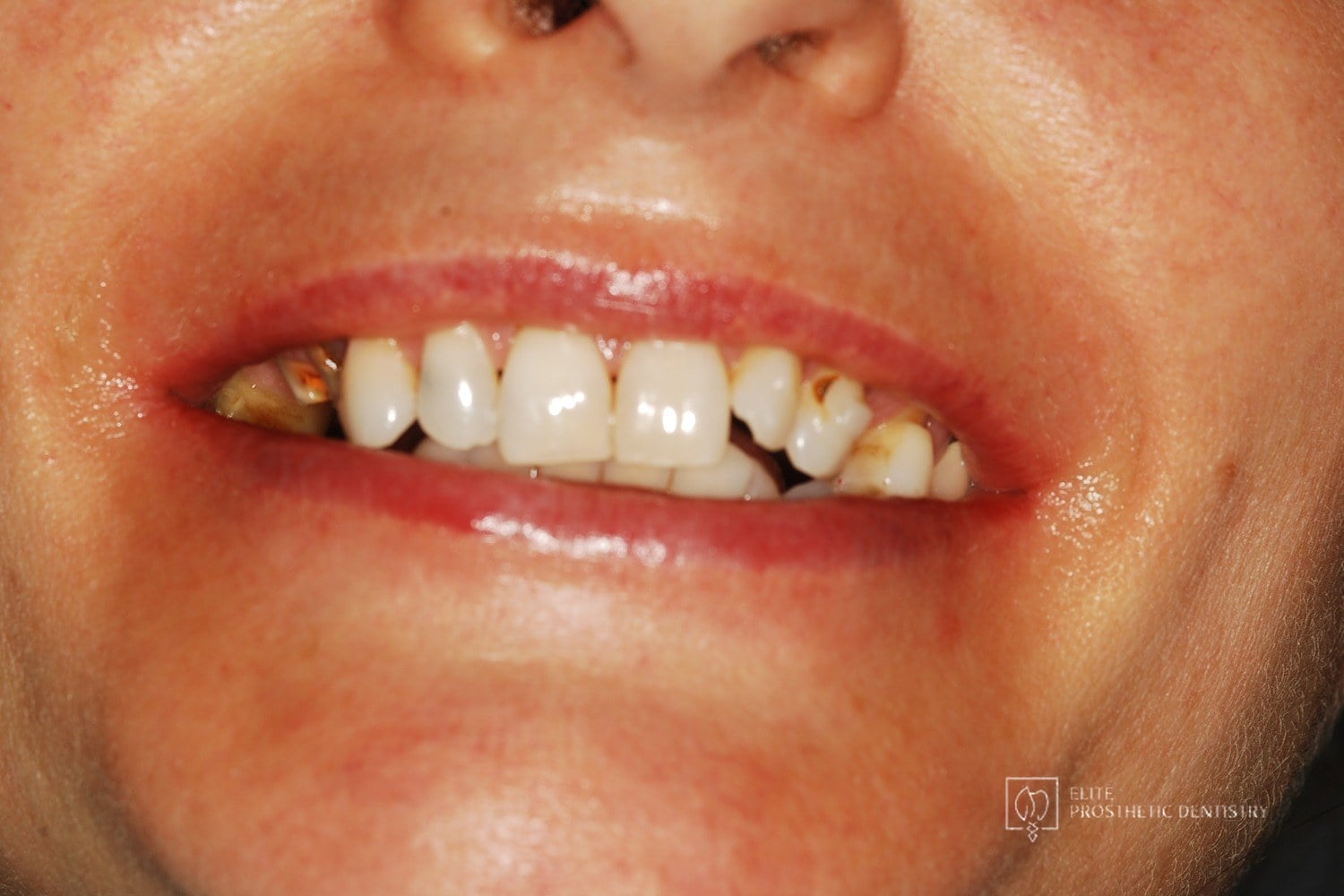 Before
 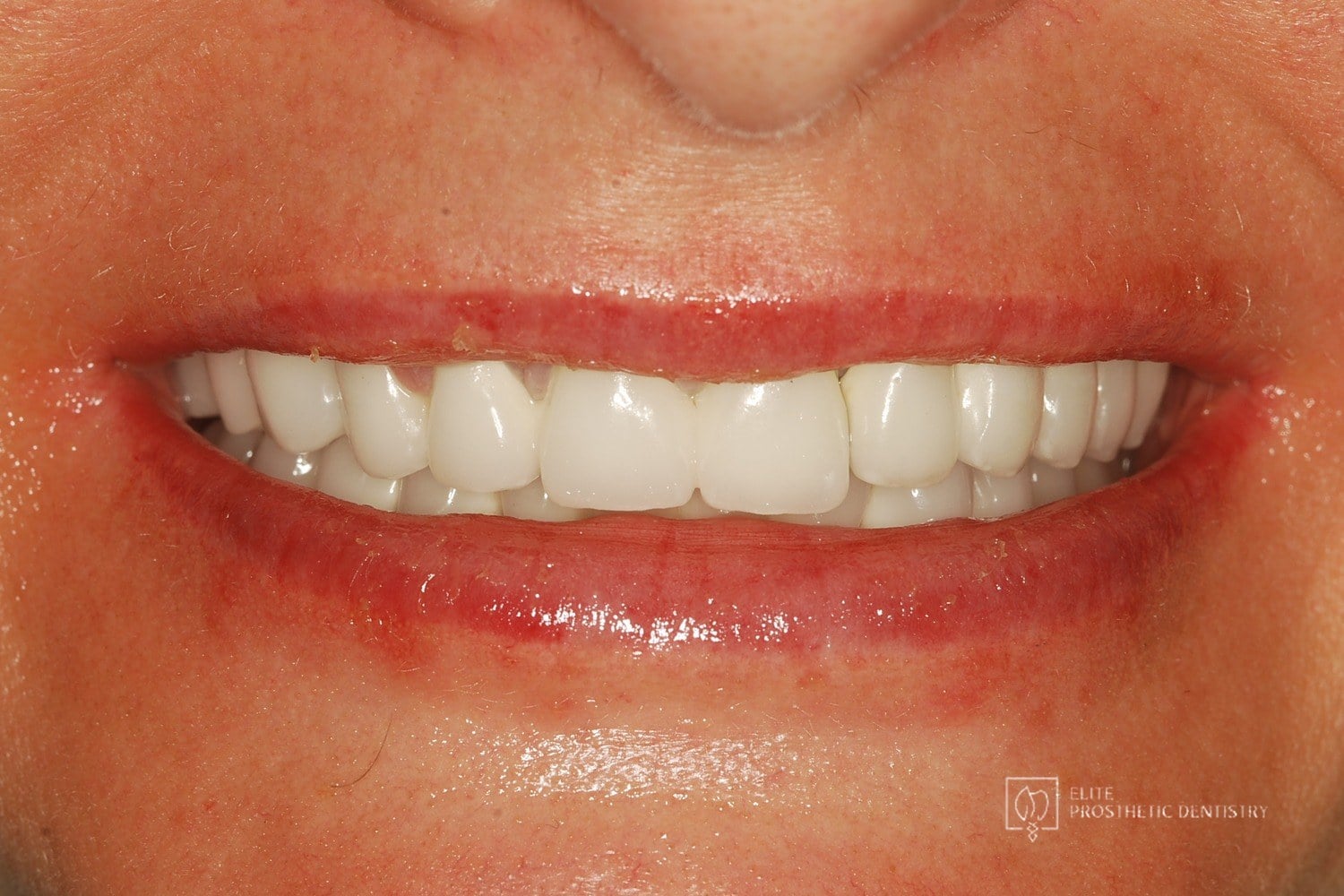 After
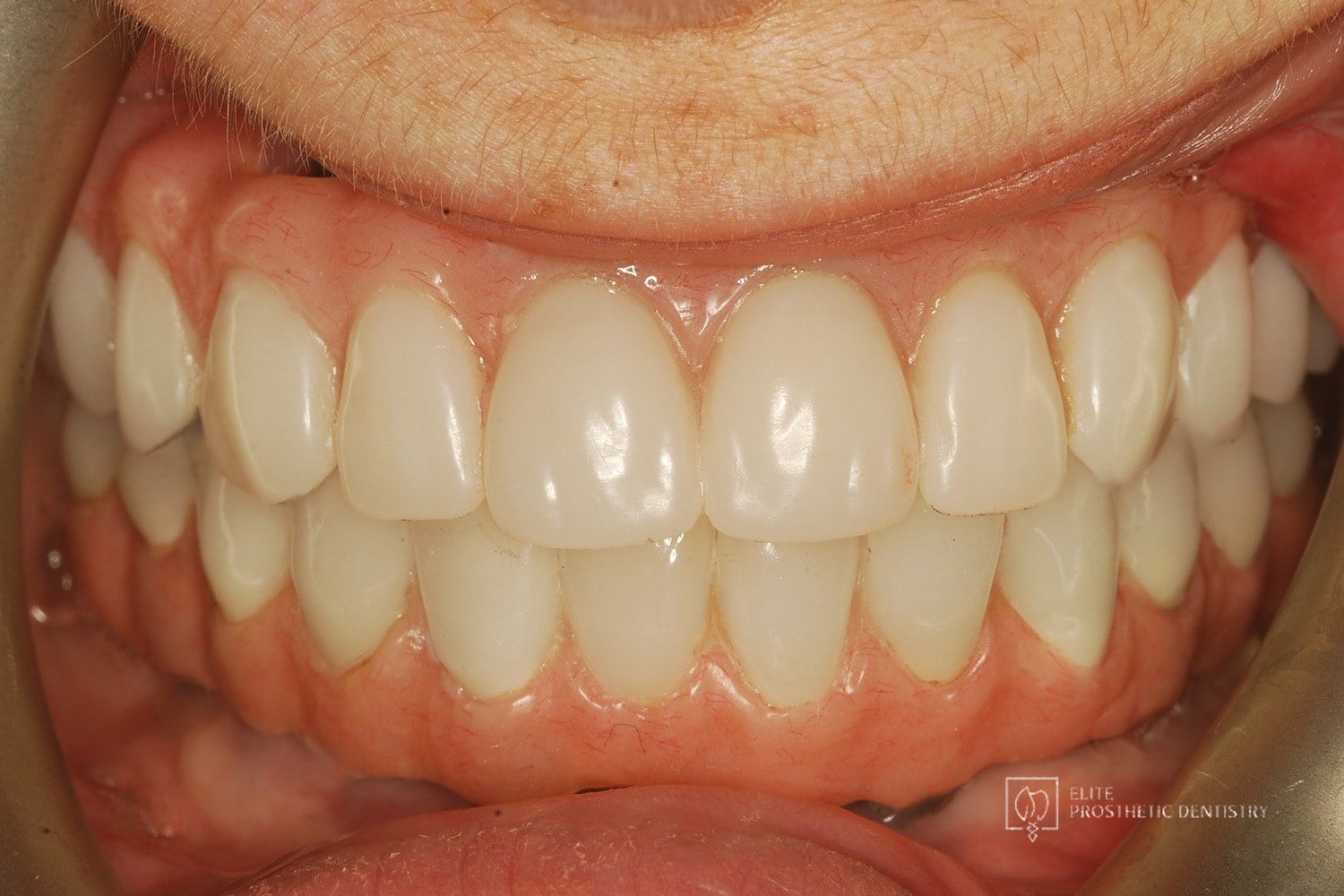
After How Aging, Failing Dentistry Was Replaced with a Coordinated Full-Mouth Implant and Crown Reconstruction
The patient presented with throbbing upper-molar pain, long-standing infections, multiple root canals and unfinished prior treatment, generalized sensitivity, and several hopeless teeth.
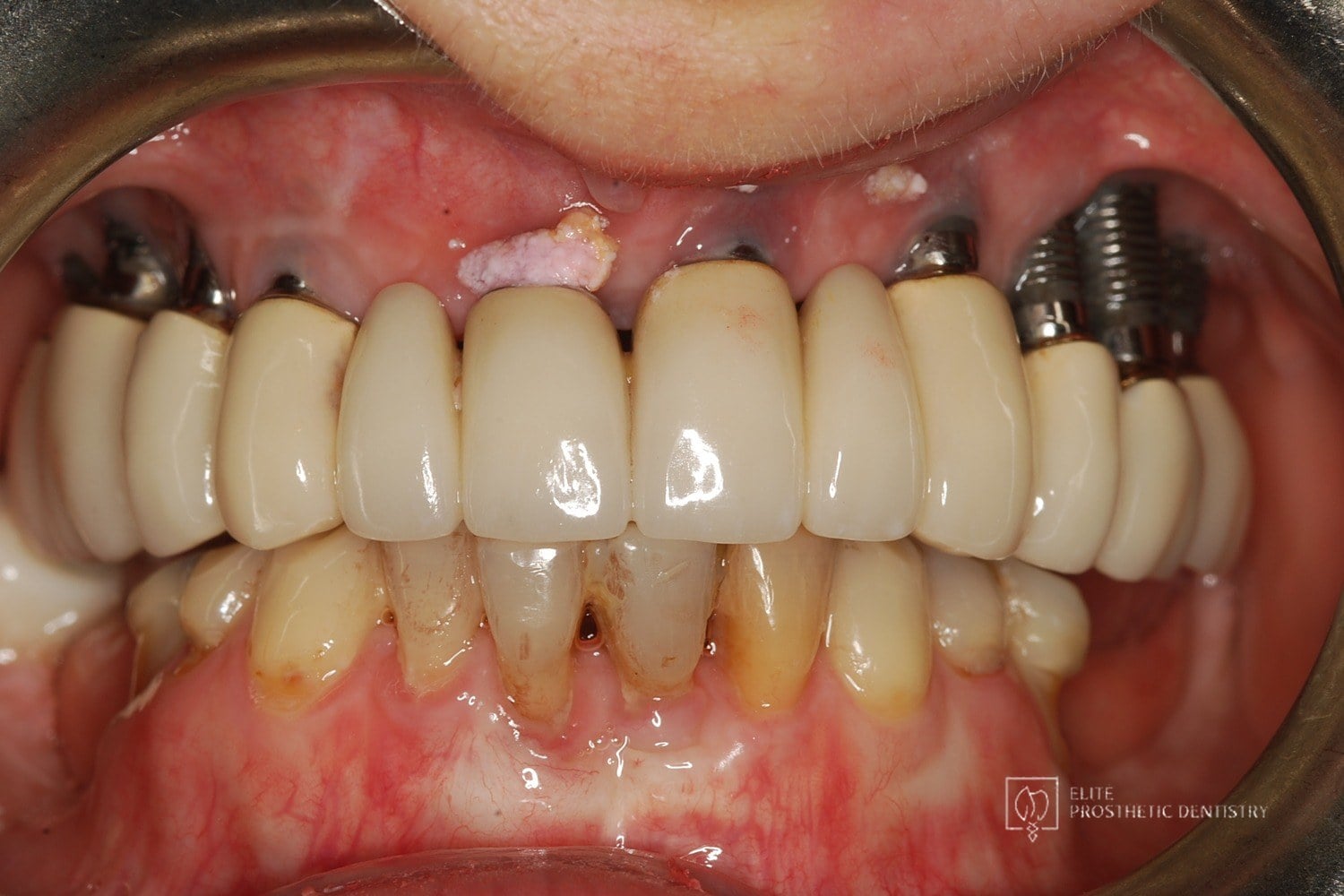 Before
  After
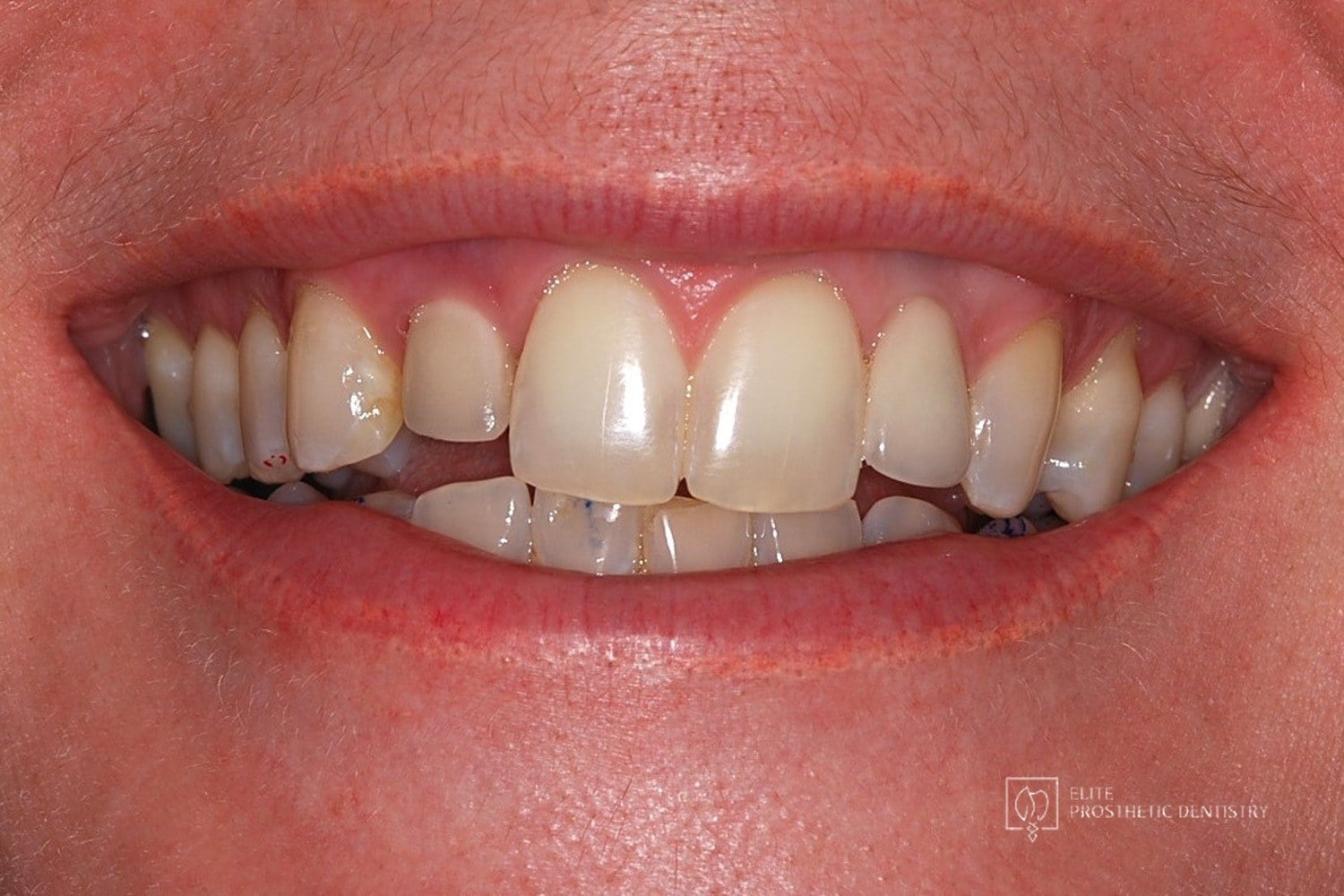
After How Failing Implants and Severe Bone Loss Were Rebuilt Into a Stable Full-Arch Implant Reconstruction
The patient presented with significant complications from previously placed implants, severe bone loss, failing posterior implants, and an unesthetic full-arch bridge. Both arches required full reconstruction, with the upper arch showing the most advanced bone loss and instability.
 Before
  After
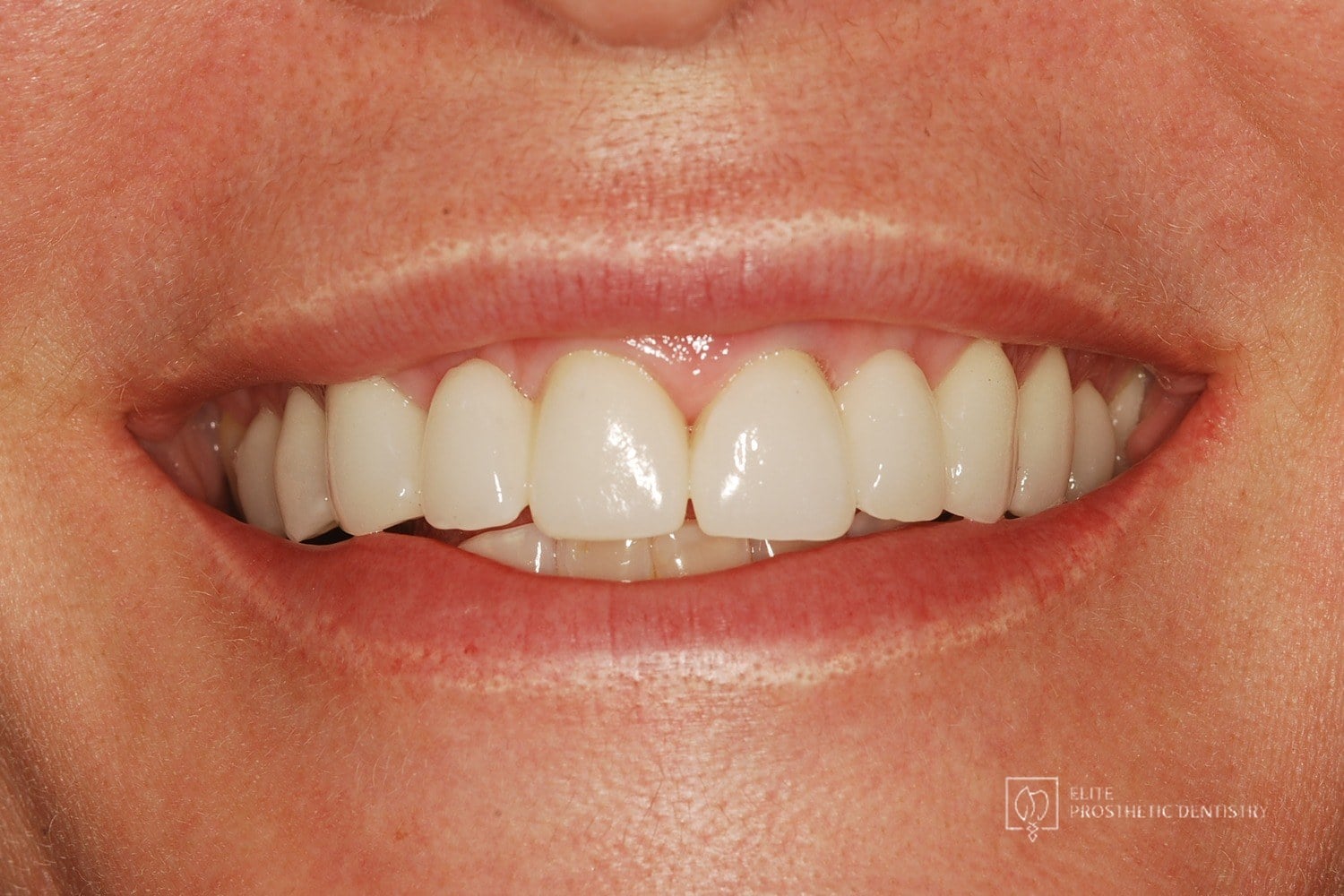
After How Failing Lateral Incisor Implants Were Replaced with Custom Zirconia Bridges After Severe Bone Loss Made Replacement Implants Impossible
Comprehensive examination including CBCT imaging revealed significant bone loss surrounding implants that were placed outside the buccal plate, most likely due to placement without a CBCT-generated surgical guide. The implants were determined non-salvageable, and the alveolar ridge was too narrow to support replacement implants without extensive reconstruction.
 Before
 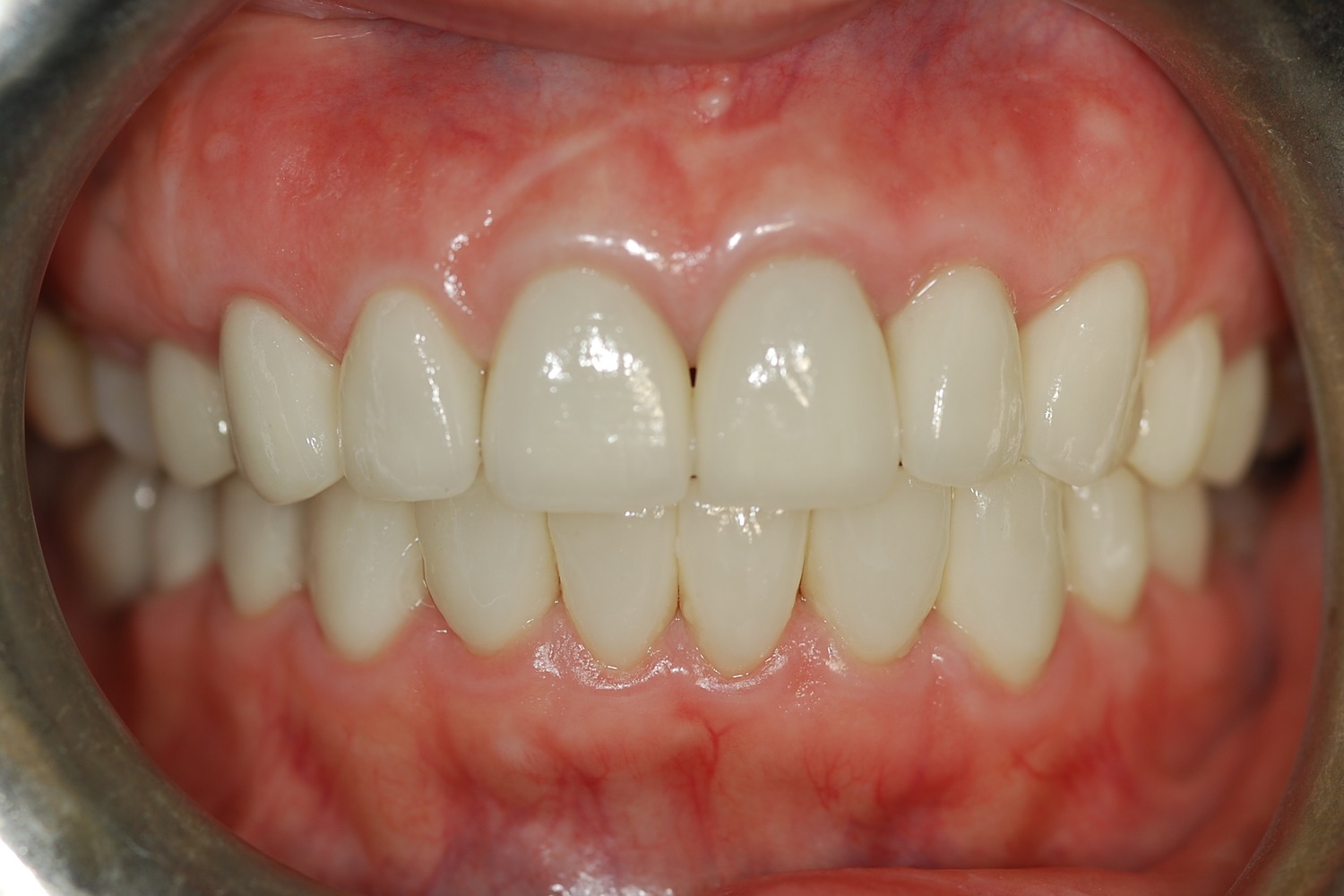 After
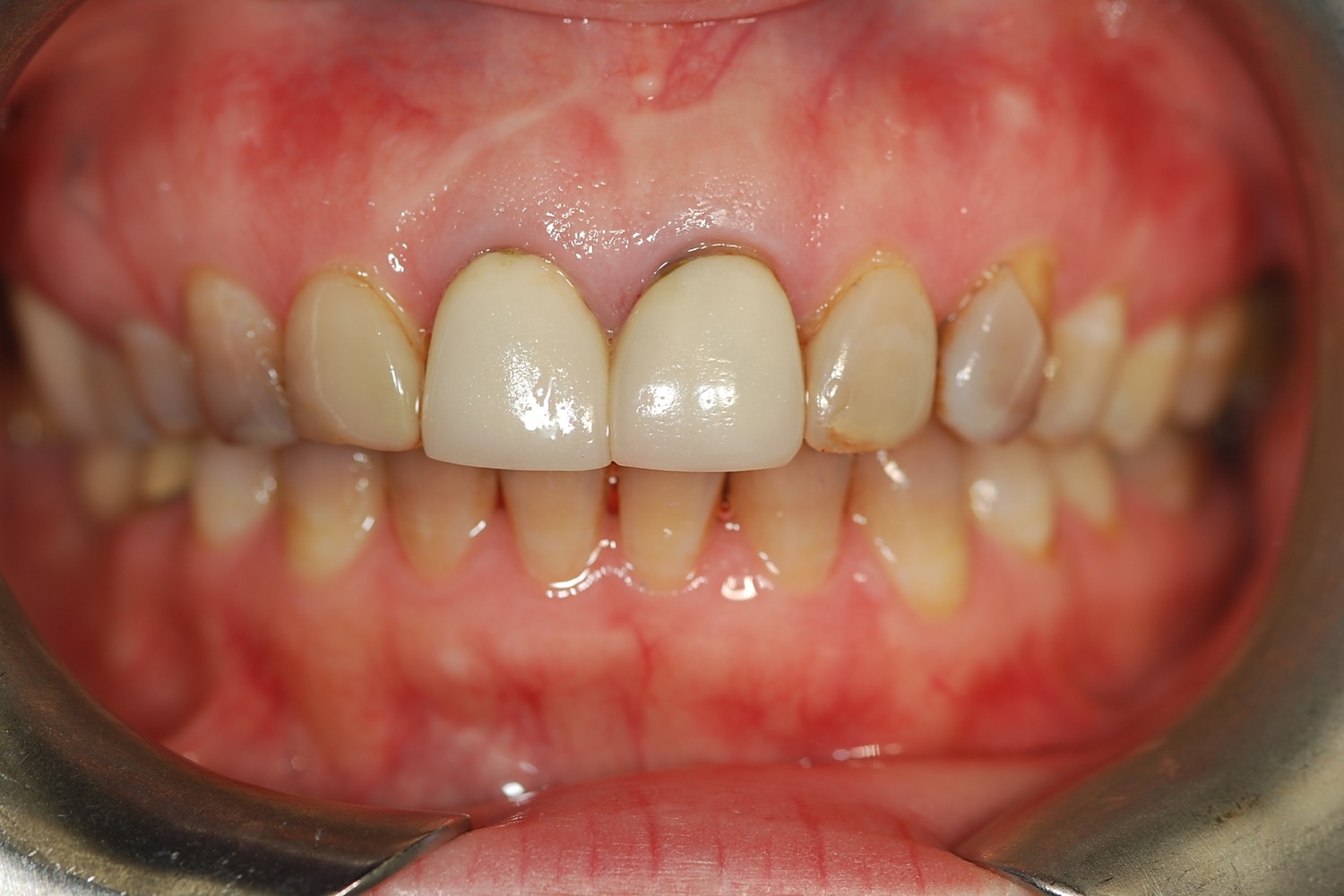
After How Aging, Opaque Restorations Were Replaced with Customized Ceramic Restorations Designed for Long-Term Natural Esthetics
The existing restorations appeared opaque, worn, and unnatural over time, affecting both confidence and overall smile harmony.
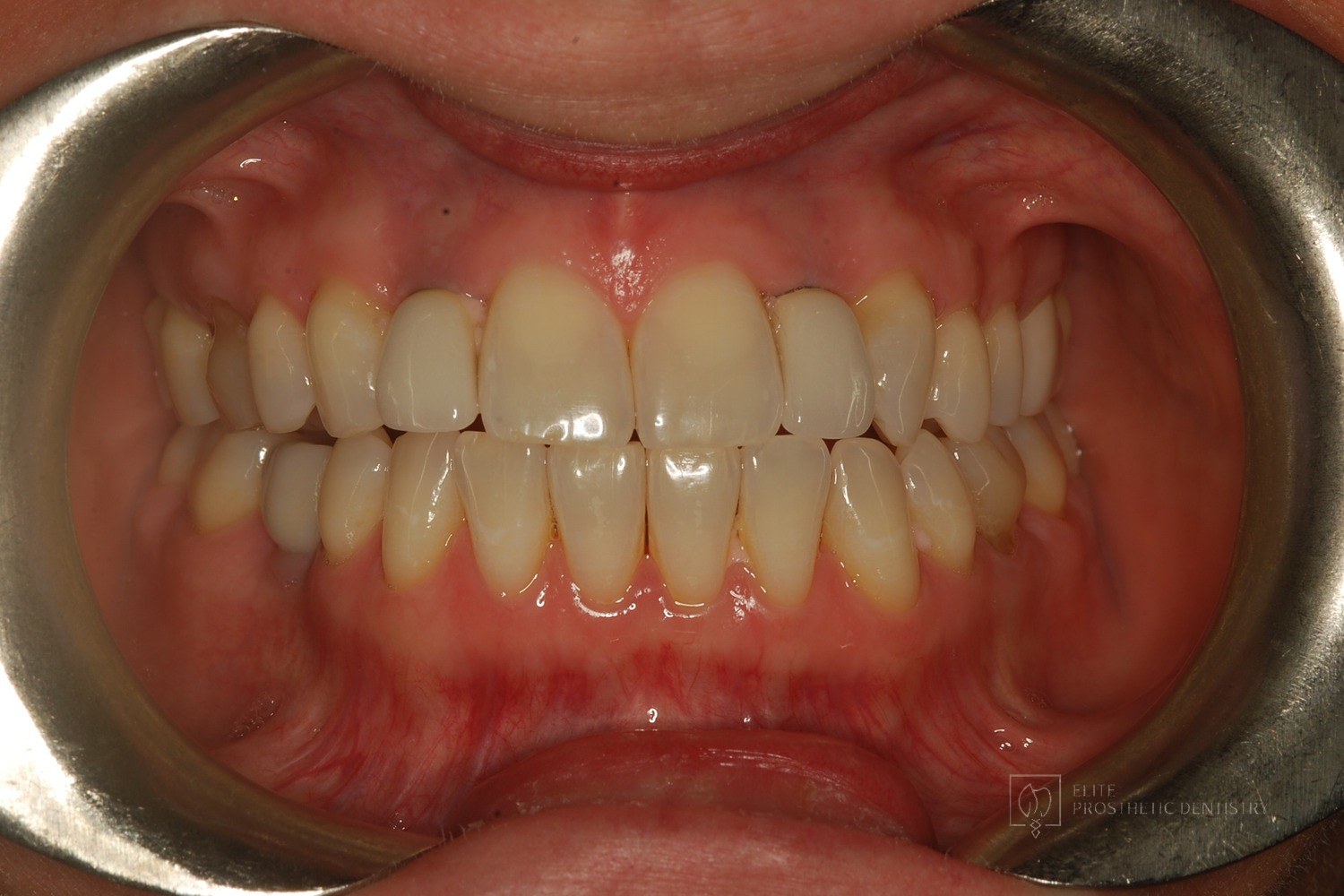 Before
 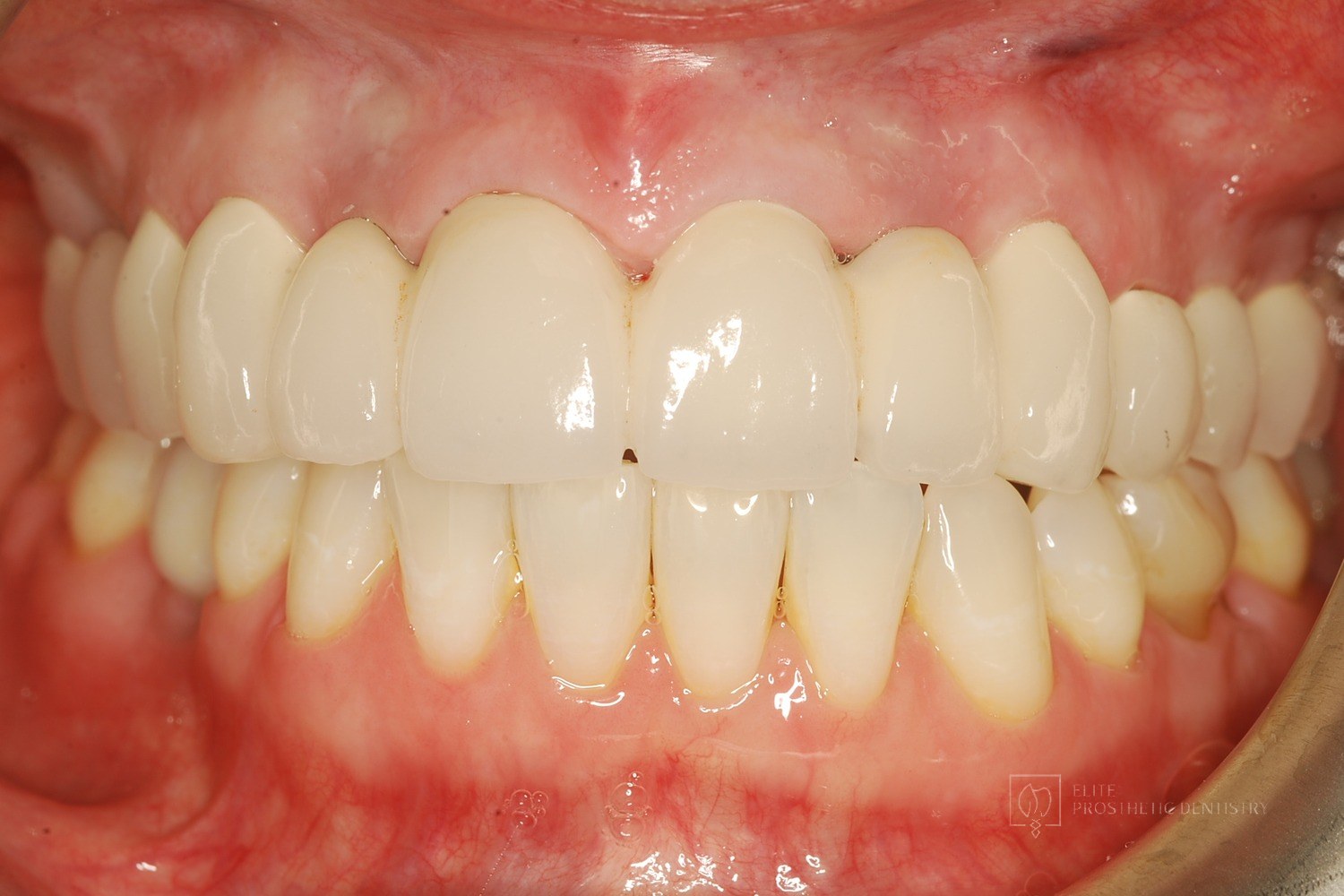 After
After How Older Implant Crowns Were Redesigned for a Better Bite and More Natural Appearance
The patient came in after years of living with implant-supported crowns placed more than twenty years earlier that no longer looked or functioned well. CBCT evaluation, reviewed with a radiologist colleague, showed the implants had been placed too far to the buccal in very thin bone and could not support a healthy long-term restoration.
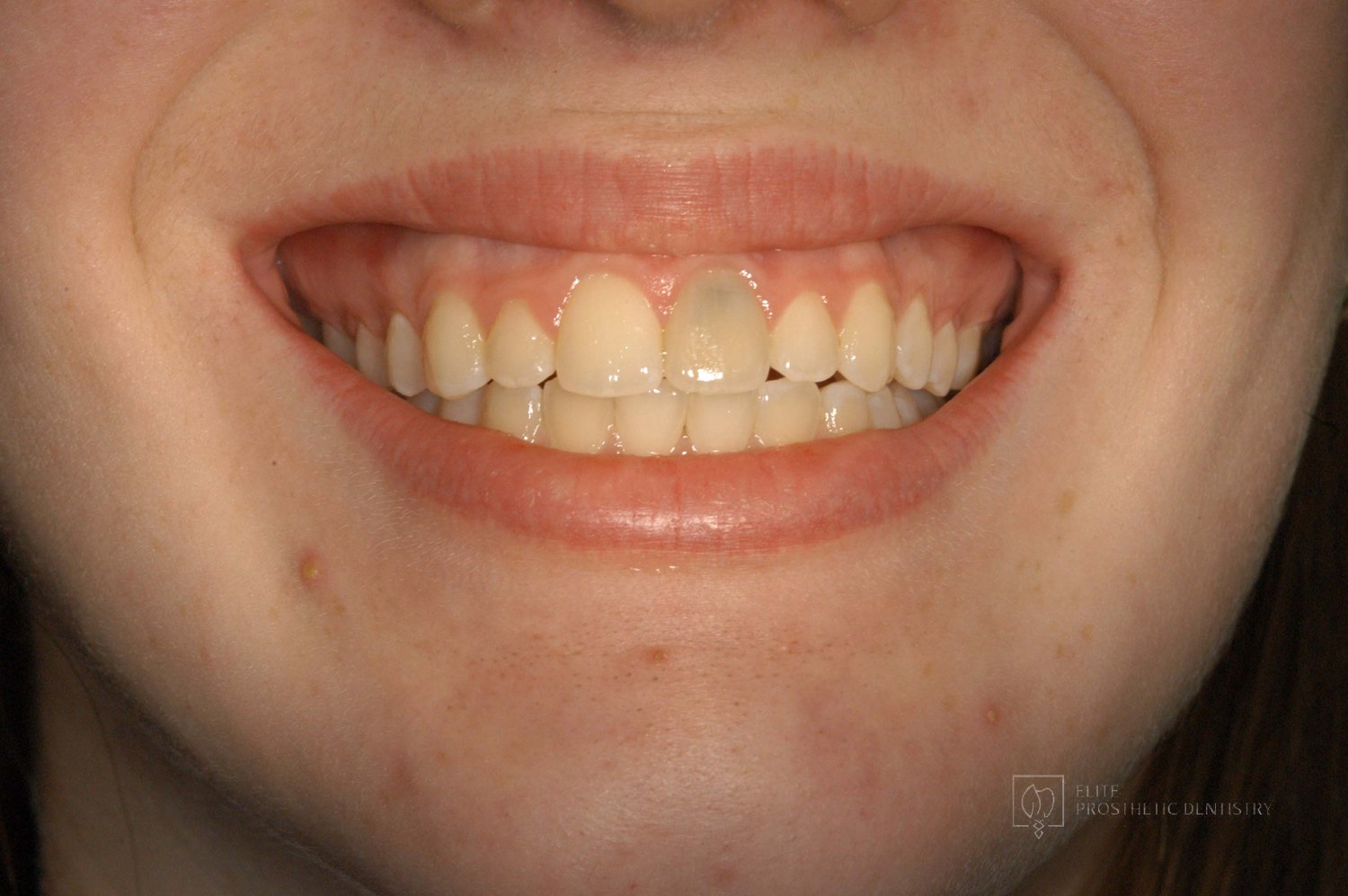 Before
  After
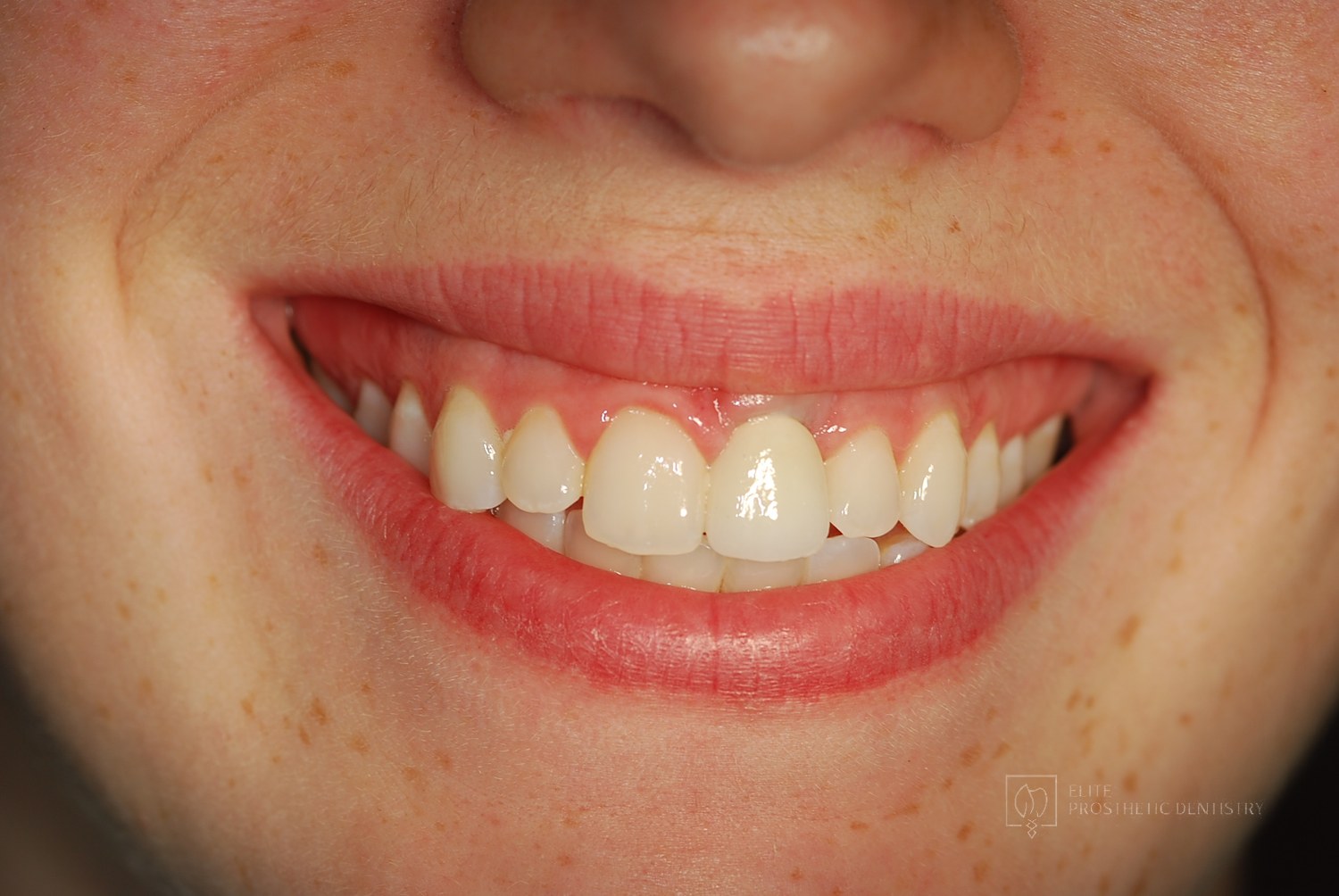
After How a Front Tooth Lost to Childhood Trauma Was Rebuilt with Bone Grafting and a Long-Lasting Implant
A teenager was referred by her father after earlier trauma left her upper left front tooth slowly failing from root resorption. She was still growing, so an immediate implant was the wrong move. The tooth had to be maintained to buy time, then replaced correctly once she reached skeletal maturity.
Related Articles
Deepen your knowledge with additional insights on this topic.
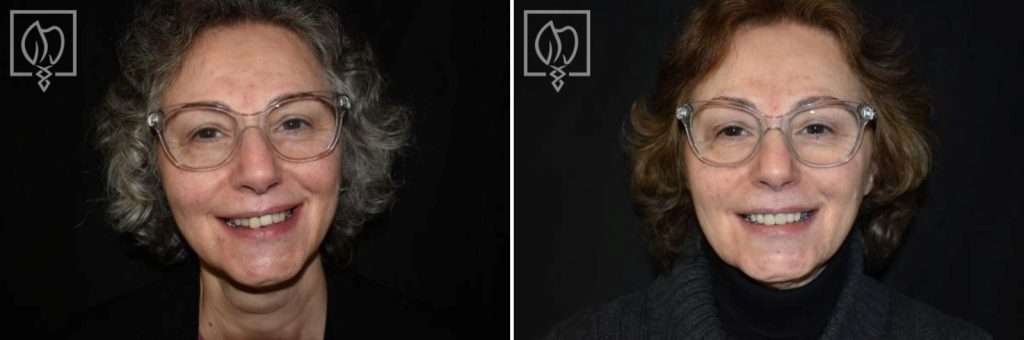 Choosing a Prosthodontist
 The Patient's Guide to Implant, Cosmetic and Restorative Dentistry
How to judge quality in implant, cosmetic, and restorative dentistry: choosing a practitioner, why the lab matters, financing, and the questions to ask.
 Choosing a Prosthodontist
 What is a Prosthodontist?
A prosthodontist is a dental specialist with advanced training in crowns, implants, dentures, and complex restorations. Washington, DC specialist.
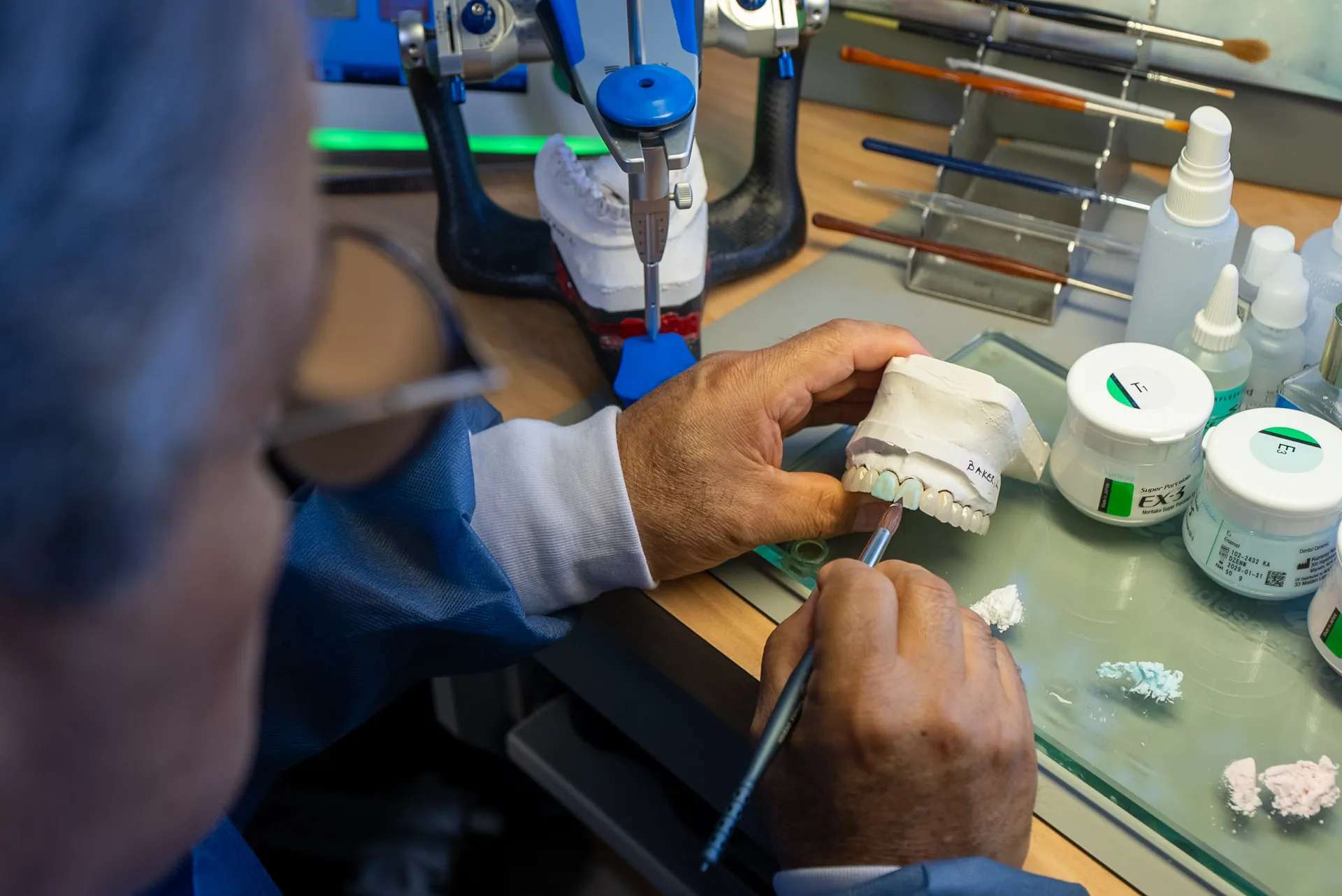 Choosing a Prosthodontist
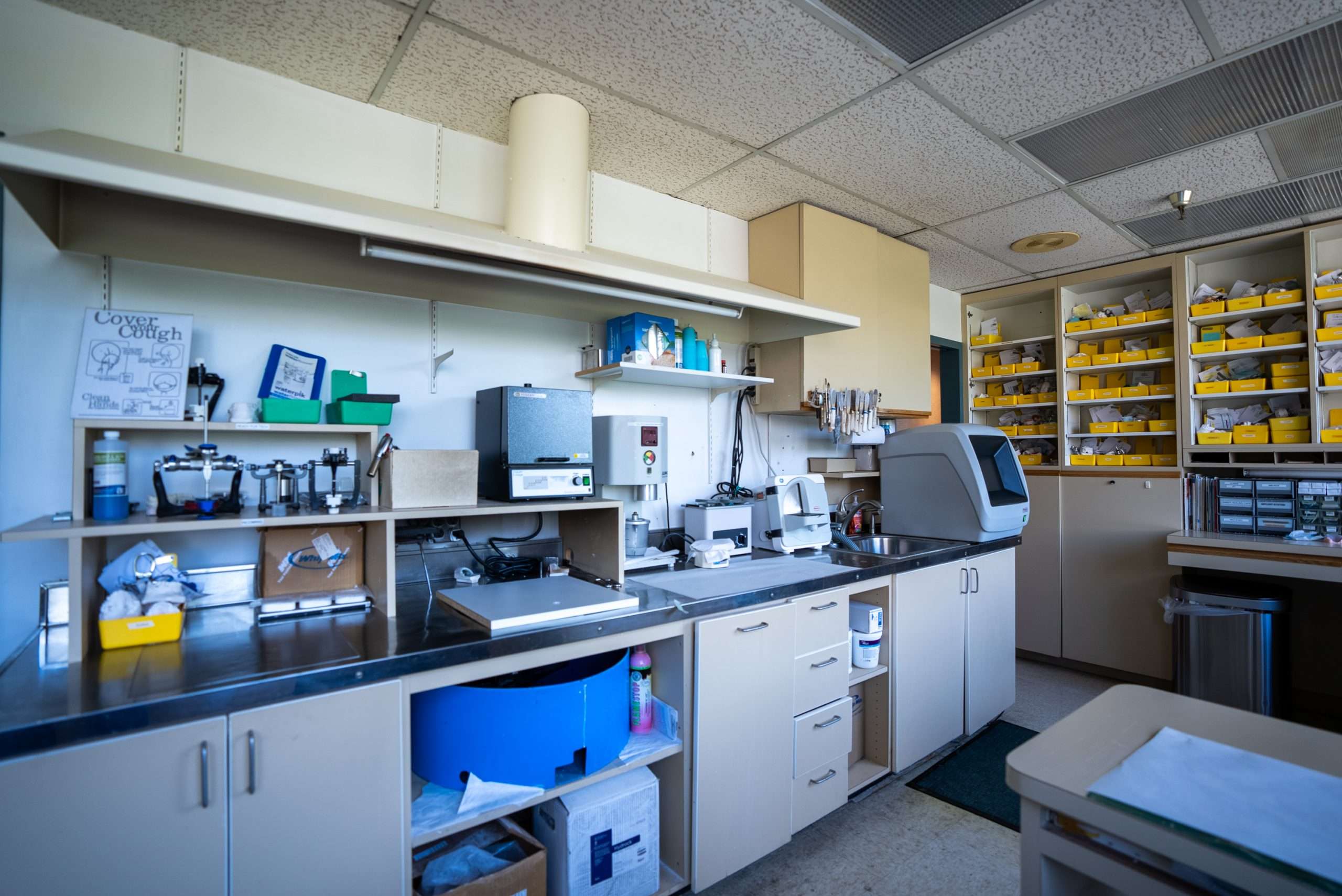
 4 Ways You Can Benefit from Our In-House Dental Lab
Custom aesthetics, precision fit, shorter waits, and fast repairs: four ways an in-house dental laboratory changes both your experience and your results.
 Choosing a Prosthodontist
 What Is the Difference Between a Dentist and a Prosthodontist?
Every prosthodontist is a dentist, but with years of extra specialty training in restoring and replacing teeth. A DC prosthodontist explains who does what.
 Choosing a Prosthodontist
 Don't Wait 'Til It's Too Late: Start with a Virtual Dental Consultation
A virtual consultation is a convenient first step: discuss your concerns, share records, and hear options from a DC prosthodontist before an in-person exam.
 Choosing a Prosthodontist
 Emergency Dentistry: The Benefits of an In-House Laboratory
When a tooth or restoration breaks, an on-site dental lab can mean a natural-looking repair in a day instead of a week. How emergency fabrication works in DC.
Deciding Who Should Treat You?
Our decision guide for Chevy Chase patients explains when implants, full mouth reconstruction, cosmetic work, or aging crowns and bridges call for a prosthodontist, and when another setting may serve you better.
Read the Chevy Chase decision guide →Our Services in Chevy Chase
Beyond prosthodontics, Chevy Chase patients rely on Dr. Marlin for a full range of advanced dental care.
prosthodontics Near Chevy Chase
Dr. Marlin also provides prosthodontics services for patients in these neighboring communities.
Getting Here from Chevy Chase
Elite Prosthetic Dentistry is conveniently located near Chevy Chase, MD.
Chevy Chase patients drive south on Wisconsin Avenue to our Friendship Heights office at 4400 Jenifer Street NW, Suite 220, just south of the Maryland/DC border. Building parking is available.
Address:
4400 Jenifer Street NW, Suite 220
Washington, DC 20015
Phone: (202) 244-2101
Request a ConsultationRequest a Specialist Consultation from Chevy Chase
Chevy Chase residents come to Dr. Marlin for specialist prosthodontic care. With 3,900+ implants placed over 40+ years, evaluation, planning, and execution are handled with the depth complex cases require.