
Should You Wear Your Dental Night Guard During the Day?
If you have a night guard for bruxism, better known as teeth grinding, you already know its job: protecting your smile from chips, cracks, and worn-down teeth while you sleep, and shielding the jaw joints from overload. But what about the other sixteen hours, when plenty of people silently clench through meetings, traffic, and deadlines?
The direct answer: you usually should not wear your bulky night guard during the day, but if you are a daytime clencher, a smaller, discreet daytime appliance may serve you well. Here is how to tell which camp you are in and what actually works.
Daytime vs. Nighttime Grinding
Nighttime bruxism happens beyond your awareness and often announces itself only through morning symptoms: jaw stiffness, headaches, and teeth that ache on waking. Daytime clenching, called diurnal bruxism, is different in character. It is typically semi-voluntary, meaning you may catch yourself doing it, and it consists mostly of silent clenching rather than audible grinding. It is strongly linked to daily stressors at home and work [1], and research suggests it may be more common than its nighttime counterpart [2].
Both varieties injure the same structures: enamel, restorations, jaw muscles, and the temporomandibular joints. The signs of significant bruxism include sensitive teeth, damaged crowns and other restorations, unusual wear, jaw stiffness, headaches, gum recession, and clicking joints [3]. If several of those sound familiar, our overview of TMJ symptoms, causes, and treatment will help you connect the dots.
The Case for a Dedicated Daytime Appliance
Night guards are made for sleep, so comfort during conversation was never in the design brief. Wearing one at your desk is possible but awkward, and most people quit within days, leaving their teeth unprotected exactly when their stress peaks.
The better tool is a smaller custom guard or splint made for daytime wear: easy to place and remove, far less visible, and much more compatible with speaking and daily function. A well-designed daytime appliance can:
- Prevent grinding damage to teeth and restorations
- Reduce muscle tension around the jaw joints
- Ease the headaches associated with bruxism
- Relieve jaw stiffness and limited range of motion
- Help you avoid restorative work you would otherwise eventually need
There is also a quieter benefit: awareness. Because daytime clenching is semi-voluntary, an appliance that makes each episode noticeable helps you consciously release and, over weeks, retrain the habit. Most patients who need a daytime guard do not need it forever; the appliance is a bridge to a broken habit. At Elite Prosthetic Dentistry we custom craft occlusal guards for both daytime and nighttime wear, matched to your bite and your habits.
When the Guard Is Not the Whole Answer
An important caveat: appliances protect teeth, but they do not correct the reason your muscles are overworking. If you wear your guard faithfully and still wake with headaches, jaw fatigue, or tooth sensitivity, the underlying bite deserves evaluation. A malocclusion, or even a single restoration that prevents even contact, can keep the clenching cycle running no matter how good the guard is. That evaluation, and the cause-first sequence that follows it, is described in how Dr. Marlin provides long-lasting TMJ therapy.
And if years of grinding have already shortened or flattened your teeth, protection alone cannot give that structure back. Rebuilding is possible, and often transformative, as we explain in how severely worn teeth are repaired.
Protect Your Smile Around the Clock
Whether you need a nighttime guard, a discreet daytime appliance, or an honest evaluation of why your jaw muscles never rest, Dr. Gerald Marlin, a specialty-trained prosthodontist with 40+ years of experience, will match the solution to the cause. Call 202-244-2101 or request an appointment at Elite Prosthetic Dentistry in Friendship Heights, Washington, DC.
Sources
See How We Resolve These Problems
Our patient success stories show real cases and real results. Browse outcomes from a specialist prosthodontist with decades of experience and 3,900+ implants placed.
Key Takeaways
- ✓ Daytime clenching (diurnal bruxism) is common, usually silent, and linked to daily stress, and it damages teeth just as nighttime grinding does.
- ✓ You generally do not need to wear a bulky night guard during the day. A smaller, discreet daytime appliance is the better tool when one is needed.
- ✓ A daytime guard also works as a habit interrupter: it makes you aware of clenching so you can consciously stop.
- ✓ Most daytime-guard wearers do not need the appliance long-term once the habit is broken.
- ✓ If symptoms persist despite faithful guard wear, the bite itself deserves specialist evaluation; appliances protect teeth but do not correct malocclusion.
Frequently Asked Questions
Can I wear my night guard during the day?
You can, but you usually should not need to. Night guards are built relatively bulky for sleep, which makes speaking and normal function awkward. If you clench during waking hours, a smaller custom daytime guard or splint is more comfortable, less visible, and better tolerated, while providing the same protection.
What is daytime bruxism?
Diurnal bruxism is clenching or grinding during waking hours, typically silent clenching rather than audible grinding, and strongly associated with concentration and daily stress at work or home. Many people are unaware they do it until symptoms appear or a dentist spots the wear patterns on their teeth.
How do I know if I clench my teeth during the day?
Check yourself right now: are your teeth touching? At rest they should be slightly apart. Recurring jaw stiffness, facial muscle soreness, headaches, tooth sensitivity, and damaged restorations are other signs. Because daytime clenching is semi-voluntary, simply noticing it is the first step toward stopping.
Will a daytime guard stop my clenching habit?
It helps in two ways: it physically protects the teeth, and it makes each clenching episode noticeable so you can consciously release. Many patients retrain the habit and stop needing the daytime appliance altogether. Persistent symptoms despite guard wear signal that the underlying bite should be evaluated.
Related Patient Success Stories
Explore similar patient success stories demonstrating our expertise in advanced prosthetic dentistry.
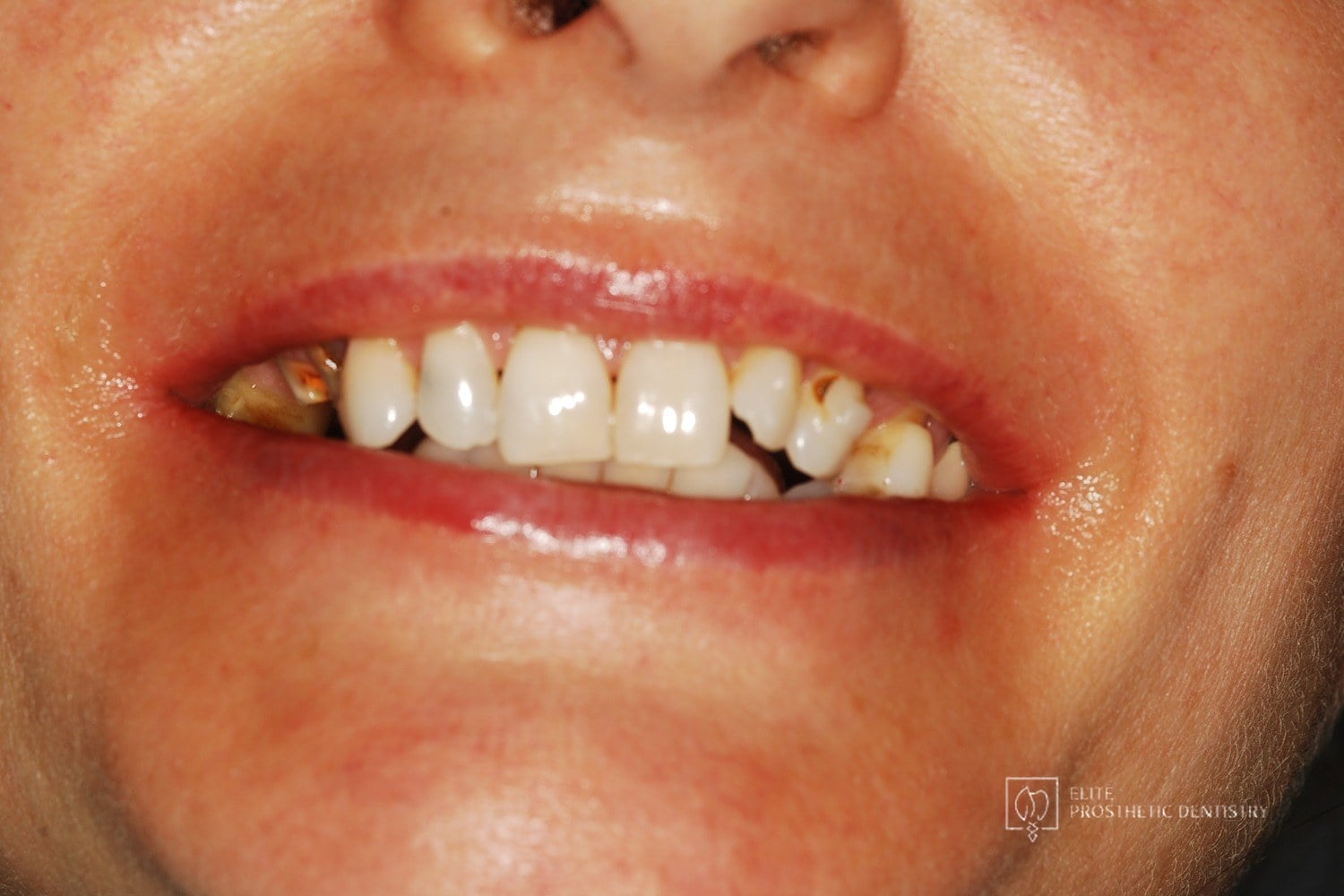 Before
 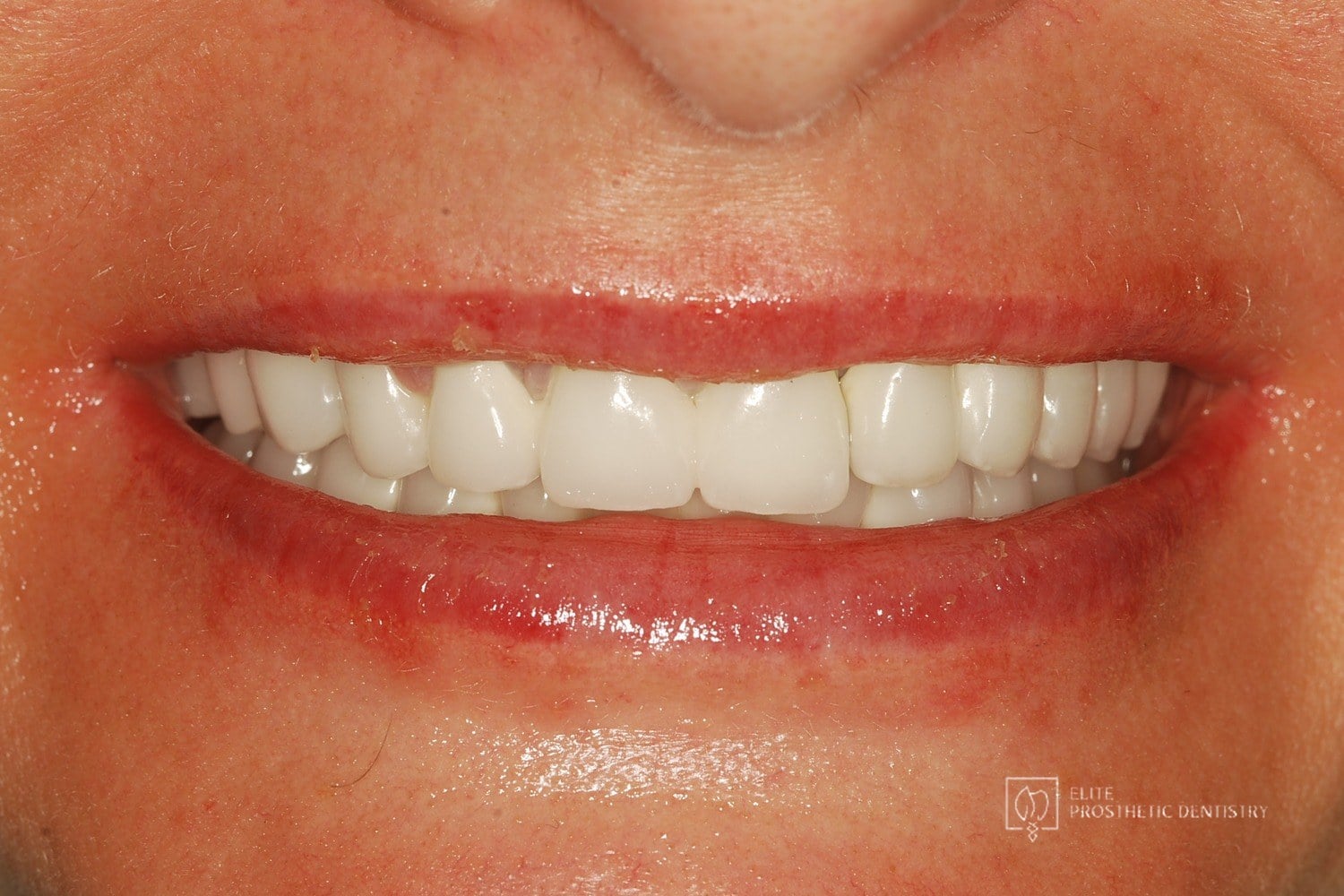 After
After How Aging, Failing Dentistry Was Replaced with a Coordinated Full-Mouth Implant and Crown Reconstruction
The patient presented with throbbing upper-molar pain, long-standing infections, multiple root canals and unfinished prior treatment, generalized sensitivity, and several hopeless teeth.
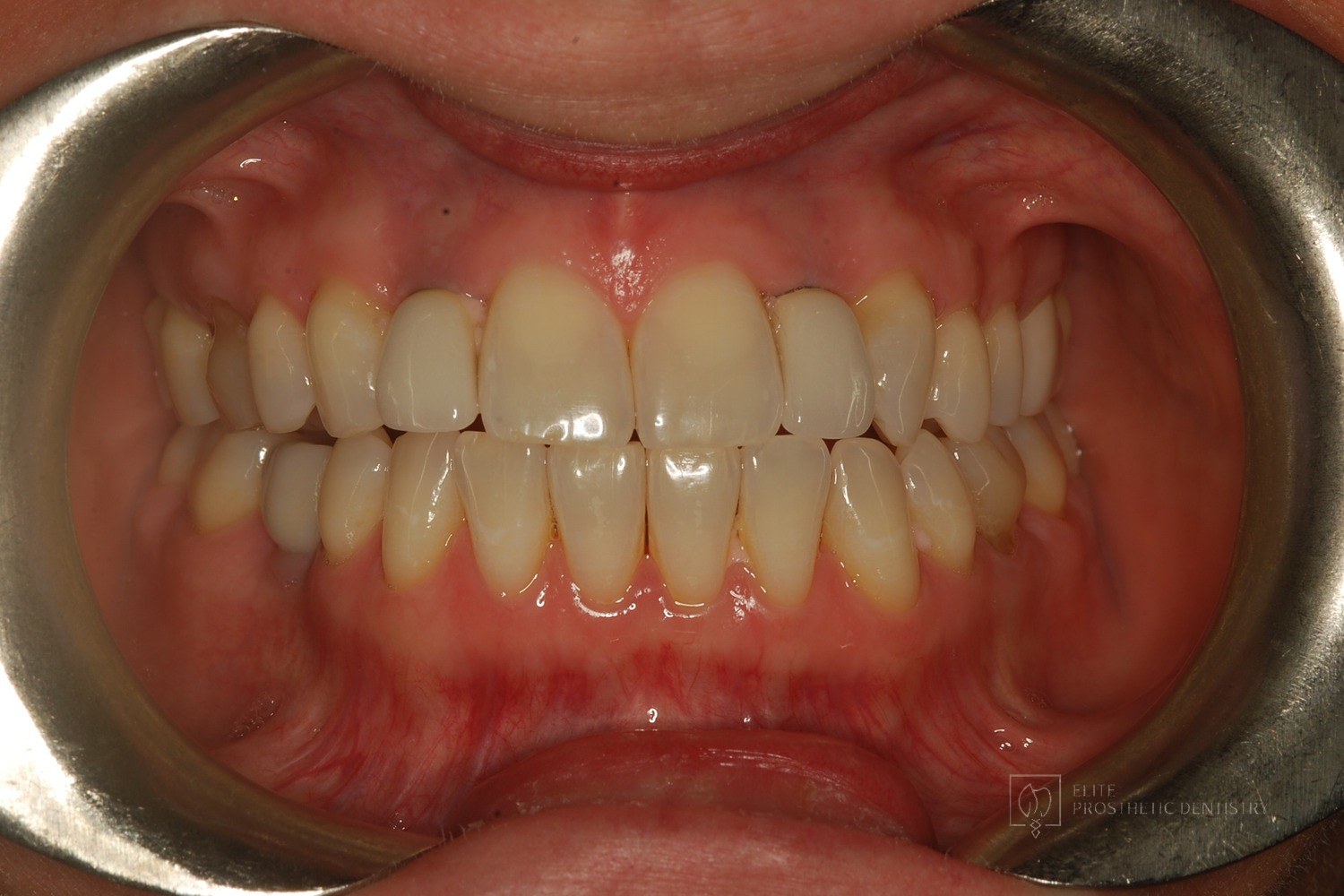 Before
 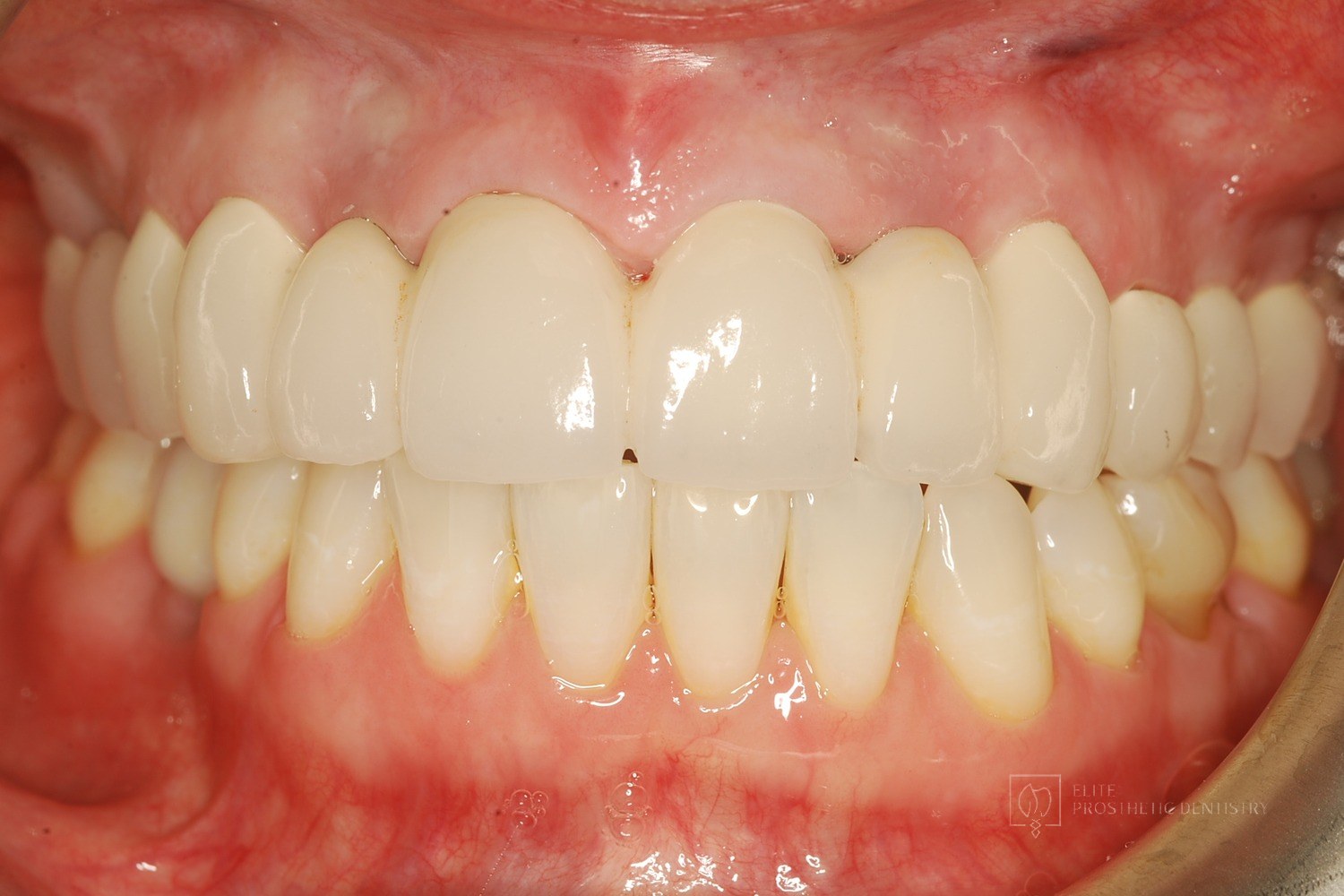 After
After How Older Implant Crowns Were Redesigned for a Better Bite and More Natural Appearance
The patient came in after years of living with implant-supported crowns placed more than twenty years earlier that no longer looked or functioned well. CBCT evaluation, reviewed with a radiologist colleague, showed the implants had been placed too far to the buccal in very thin bone and could not support a healthy long-term restoration.
 Before
  After
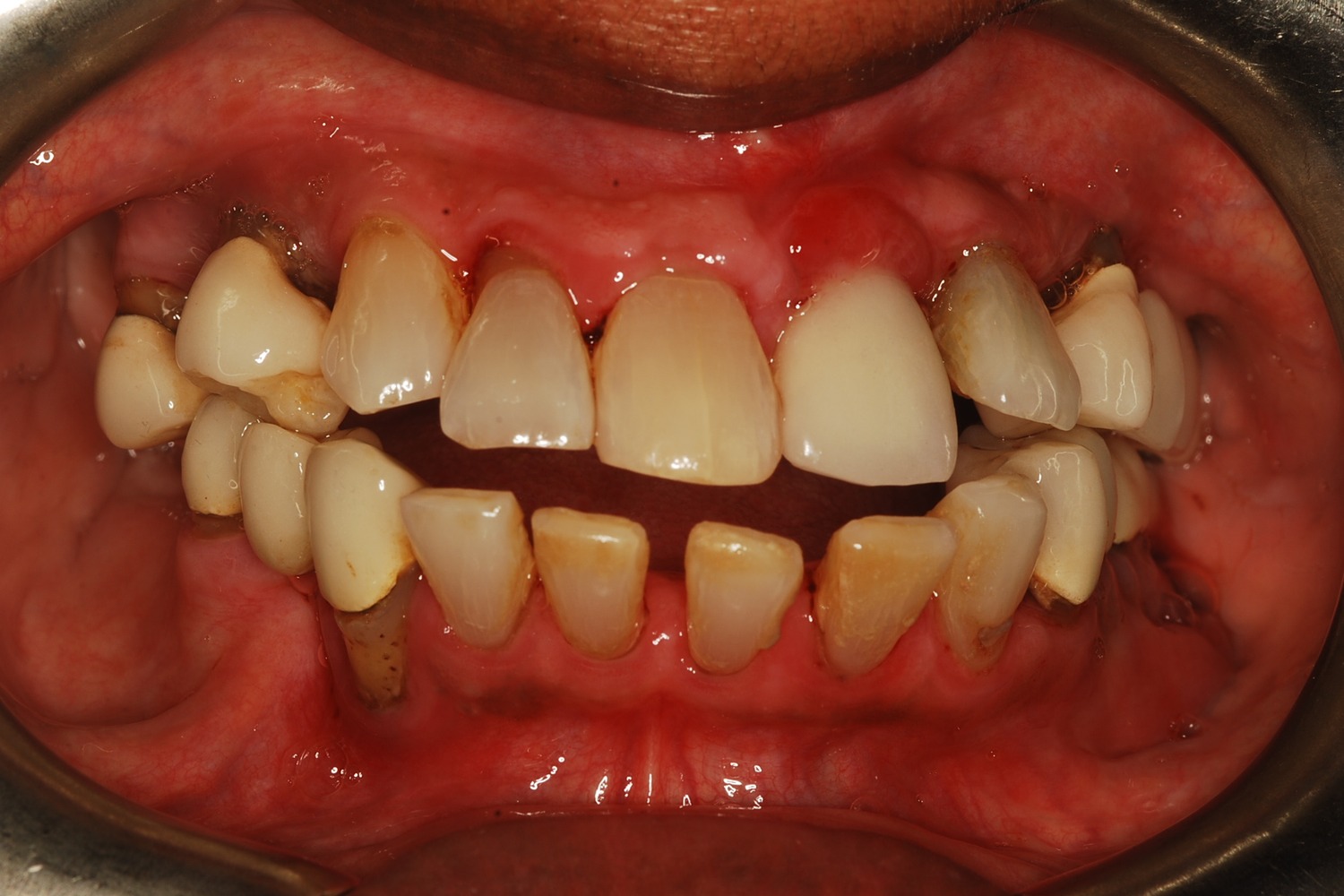
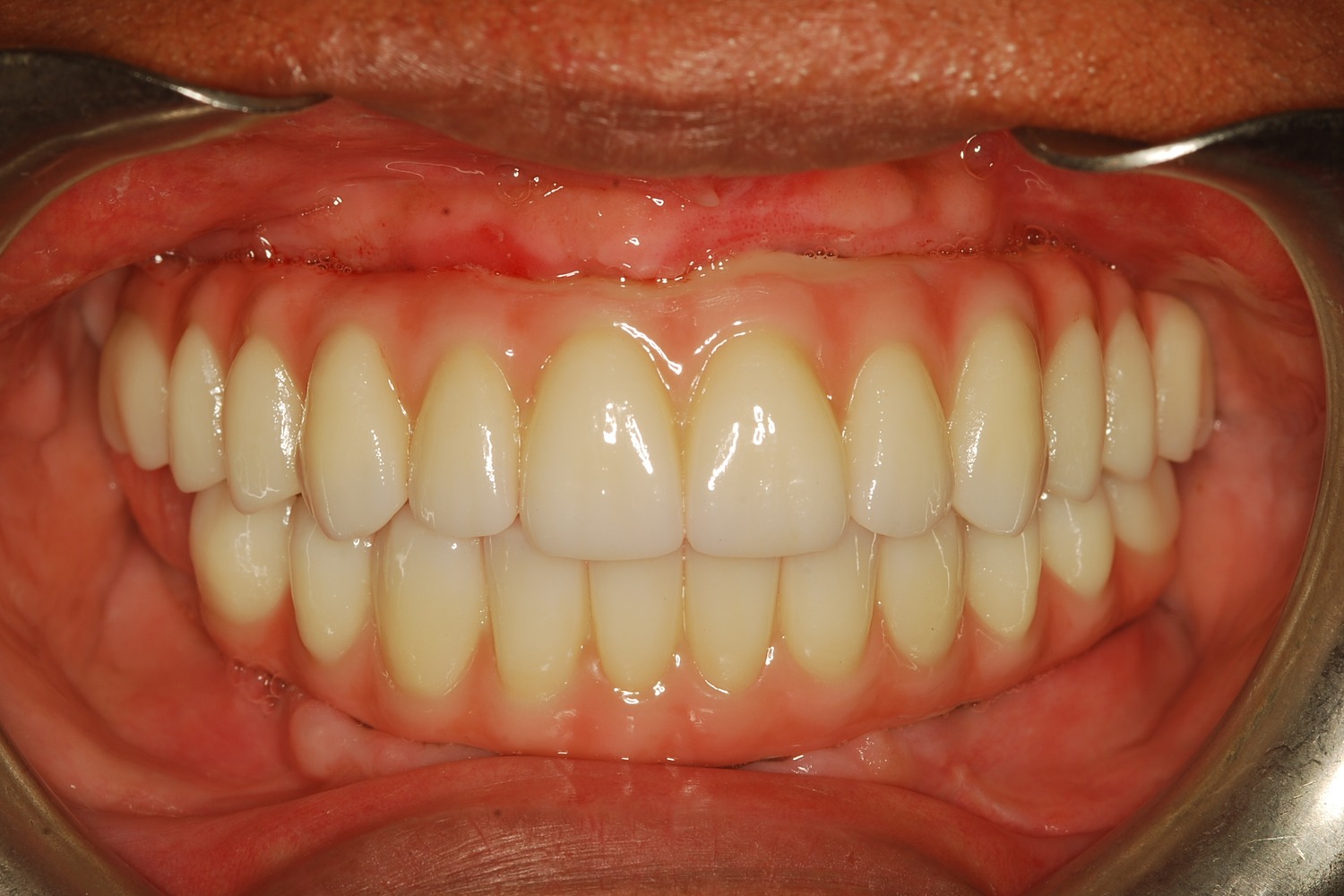
After How Severe Bone Loss and Bite Dysfunction Were Rebuilt with All-on-6 Implants and a Milled Zirconia Hybrid Prosthesis
The patient presented with severe bone loss, advanced periodontal disease, malocclusion, and a dysfunctional bite that required full-arch rebuilding.
Related Articles
Deepen your knowledge with additional insights on this topic.
 Full Mouth Reconstruction
 When Jaw Surgery Fails: How Prosthodontic Care Helped a Patient Rebuild Her Smile
After a failed jaw surgery and multiple revisions, a preservation-based prosthodontic plan rebuilt this patient's bite and smile without more surgery.
 Full Mouth Reconstruction
 How Can I Have My Severely Worn Teeth Repaired?
Severely worn teeth can be fully rebuilt with custom crowns, not veneers. How a DC prosthodontist restores ground-down smiles, with a real case example.
 Full Mouth Reconstruction
 How Long Does a Full Mouth Reconstruction Take?
Most full mouth reconstructions take three months to a year, staged in phases. What drives the timeline and how an in-house lab compresses it. DC.