
Suffering from TMJ? Why Your Dentist Is Best Positioned to Treat It
If you suffer from TMJ disorder, with symptoms like jaw pain, headaches, and a clicking or popping jaw, the provider best positioned to treat it is probably not who you would first guess. It is your dentist, and specifically a dentist trained deeply in occlusion: how your teeth meet, guide, and load the jaw system. That is the daily science of the prosthodontist. Dr. Gerald Marlin, a specialty-trained prosthodontist with more than 3,900 dental implants placed over a career of more than 40 years, brings exactly that training to TMJ patients in Washington, DC.
TMD Is a Bite Problem Wearing a Pain Costume
The temporomandibular joints do not operate in isolation. They are one corner of a triangle whose other corners are the chewing muscles and the teeth, and the three function, or dysfunction, together. Your bite is not a single position: the jaw closes, slides sideways, protrudes, and chews through a range of movements, each with its own contact patterns. Dentists spend years studying these relationships because every crown, bridge, and denture must live inside them.
When bite relationships are disrupted, the consequences ripple through the system. Teeth shift, muscles develop bracing patterns, and the joints absorb abnormal forces. A clinician who understands those mechanics can trace the symptoms back to their mechanical source, which is the difference between managing TMD and resolving it.
The Diagnostic Advantages of Dental Training
A dentist evaluating TMD has tools and evidence no other provider sees.
Your teeth are a flight recorder. Grinding and clenching leave physical records: flattened cusps, worn edges, chips, and asymmetrical wear facets that map exactly how your jaw moves and where forces concentrate. Fractured teeth and failing restorations often mark the overload zones.
The bite can be examined directly. Through intraoral examination, a dentist assesses how your teeth contact in multiple jaw positions, identifies premature contacts and interferences, palpates the muscles for tenderness and trigger points, evaluates joint sounds and range of motion, and correlates all of it. Advanced imaging, including cone beam CT, adds a three-dimensional view of the joints when needed.
The gums tell on the bite too. Excessive force on individual teeth from a poor bite can produce localized bone loss and periodontal damage. Recognizing bite trauma as a driver of localized periodontal disease, and treating the underlying occlusion, is part of stabilizing the whole system.
Treatment Matched to the Actual Cause
Because TMD rarely involves the joint alone, treatment plans are built on the whole system. Options include a carefully fabricated occlusal appliance that positions the jaw more physiologically; occlusal equilibration, the precise adjustment of bite contacts that force the jaw into an abnormal position; orthodontic correction when the overall tooth relationship is the problem; and prosthodontic rehabilitation, restoring worn, damaged, or missing teeth so the rebuilt bite supports healthy function. For muscle pain that persists once the bite is stabilized, trigger point injection therapy addresses the remaining component. The full sequence is described in how Dr. Marlin provides long-lasting TMJ therapy.
What should not happen is a formulaic appliance for every patient regardless of cause. As our article on TMJ and neuromuscular pain illustrates, superficially similar cases can have entirely different sources, and honest diagnosis sometimes means concluding the jaw is only part of the story.
Where Specialty Experience Pays Off
Dr. Marlin’s more than 40 years of clinical practice have been spent inside exactly this system: complex bites, worn dentitions, and full-mouth reconstructions where the occlusion must be engineered to protect the joints and muscles for decades. Implant dentistry deepens that expertise further, because implants tolerate no error in bite forces. This is the knowledge base TMD diagnosis draws on.
If you are experiencing jaw pain, clicking, headaches, or the other signatures of TMJ disorder, start with an evaluation by someone trained on the system that drives it. Call 202-244-2101 or request an appointment with Dr. Marlin at Elite Prosthetic Dentistry in Friendship Heights, Washington, DC.
See How We Resolve These Problems
Our patient success stories show real cases and real results. Browse outcomes from a specialist prosthodontist with decades of experience and 3,900+ implants placed.
Key Takeaways
- ✓ TMJ dysfunction is inseparable from the bite. The clinicians trained most deeply in occlusion, how teeth meet and function, are dentists, and prosthodontists most of all.
- ✓ Dentists hold diagnostic advantages no one else has: reading tooth wear patterns, evaluating bite contacts in multiple jaw positions, and correlating them with muscle and joint findings.
- ✓ Your teeth record your jaw's behavior. Flattened cusps, chips, and asymmetrical wear map exactly where abnormal forces are concentrated.
- ✓ Treatment options span from occlusal appliances and precise bite adjustment to orthodontics and restorative rehabilitation, matched to the actual cause.
- ✓ Physicians rule out other conditions; the bite-driven core of TMD is dental territory.
Frequently Asked Questions
Should I see a doctor or a dentist for TMJ pain?
Both can play roles, in order. A physician helps rule out other medical causes when symptoms are new, severe, or atypical. For diagnosing and treating the dysfunction itself, a dentist trained in occlusion is best positioned, because TMD is fundamentally about how teeth, muscles, and joints work together, which is dental training's home ground.
What can a dentist see that other providers cannot?
The evidence written on your teeth. Wear facets, flattened cusps, chips, and asymmetrical patterns record how your jaw actually moves and where abnormal forces concentrate. Combined with bite analysis in multiple jaw positions, muscle palpation, joint evaluation, and imaging such as CBCT, this gives a dentist a diagnostic picture unavailable in a medical office.
What treatments can a prosthodontist offer for TMJ disorder?
Depending on the cause: a custom occlusal appliance that positions the jaw more physiologically, occlusal equilibration to remove interfering bite contacts, orthodontic correction for significant misalignment, restorative rehabilitation when teeth are worn or damaged, and trigger point injection therapy for persistent muscle pain. The plan follows the diagnosis, not a formula.
Why does bite alignment matter so much for TMJ?
Because the joints, muscles, and teeth operate as one system. When teeth meet unevenly, the jaw deflects and the muscles brace against the interference thousands of times a day, producing tension, trigger points, and abnormal joint loading. Correcting the bite removes the mechanical driver, which is why alignment sits at the center of durable TMD treatment.
Related Patient Success Stories
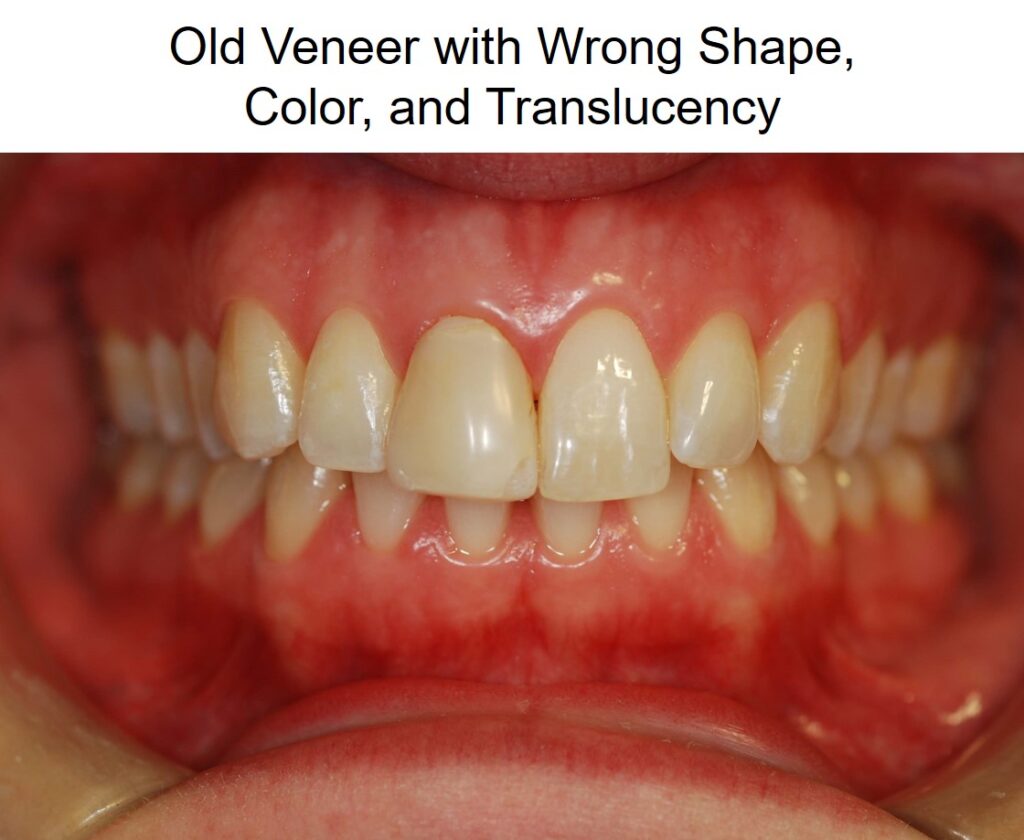
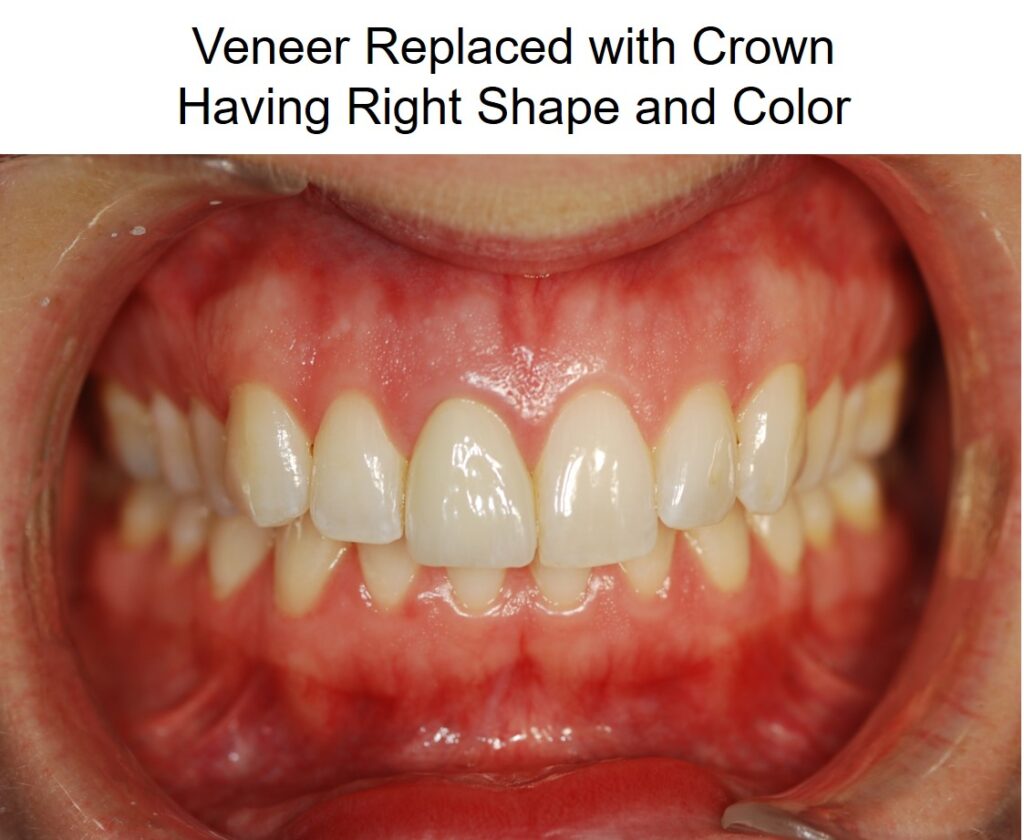
Explore similar patient success stories demonstrating our expertise in advanced prosthetic dentistry.
Related Articles
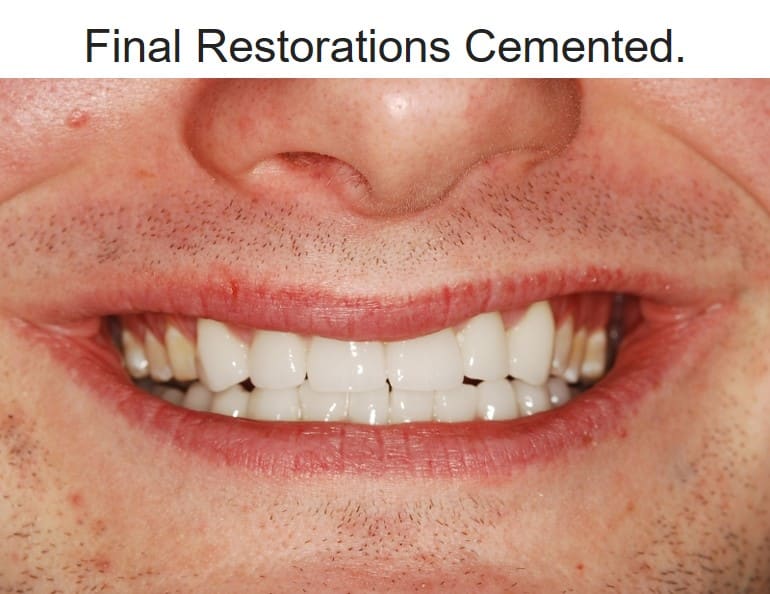
Deepen your knowledge with additional insights on this topic.
 TMJ & Jaw Pain
 The Benefits of Early Diagnosis and Treatment of Bruxism (Teeth Grinding) in Children
Teeth grinding affects children as well as adults. Learn the signs of bruxism, why early diagnosis protects growing smiles, and how occlusal guards help.
 TMJ & Jaw Pain
 Can TMJ Be the Cause of Migraine or Severe Headaches?
Headache is one of the most common complaints in TMJ disorders. Learn how jaw dysfunction can contribute to head pain and how the connection is diagnosed.
 TMJ & Jaw Pain
 TMJ Disorders: Symptoms, Causes, and Treatment
What TMJ dysfunction is, the symptoms it causes from jaw pain to headaches and ear fullness, what drives it, and how a DC prosthodontist treats the cause.