
Rebuilding a Ruined Implant Site with Severely Damaged Bone: The Three-Stage Protocol
Even after a failed implant and significant bone loss, it is usually possible to rebuild the ridge into a healthy foundation for a new implant. The method is not mysterious, but it is strict: thorough infection control, biologically sound bone augmentation with growth factors, and precise CBCT-based planning of the future implant position. This article walks through that three-stage protocol as we performed it for a real patient, with the clinical images to match. If you are still weighing whether your own implant can be rescued at all, start with our overview of whether a failing implant can be saved or repaired.
The Starting Point: A Severely Compromised Ridge
Our patient arrived with a ridge in serious trouble. A previous implant had been inserted with a perforation of the bone, a large infection had followed, and the bone had continued breaking down after the implant was removed. A new implant was about to be placed directly into the damaged site, without rebuilding the bone first, an approach that would have risked massive reinfection and could have rendered the area inoperable for any future implant.
The site needed rehabilitation, not another occupant. Here is the protocol, stage by stage.
Stage 1: Debridement, Because Nothing Heals in an Infected Field
Under oral sedation for comfort, every trace of infected tissue and contamination was meticulously removed from the site. This stage is the least glamorous and the most decisive: graft material placed into a contaminated field fails, and an implant placed into one fails worse. Only a verifiably clean site earns the next stage.
Stage 2: Ridge Augmentation with Growth-Factor-Enhanced Bone
The defect was then rebuilt using particulated bone graft combined with a biological growth factor. The particles scaffold the missing anatomy while the growth factor recruits the body’s own bone-forming cells, reestablishing the proper width and density of the ridge, not merely filling the hole. Over the following months, the graft matured into solid, living bone.
Stage 3: CBCT-Based, Prosthetic-Driven Planning
With the ridge restored, the new implant was planned virtually on a CBCT scan before any surgery, positioned for the prosthetically ideal outcome: the exact location, angle, and depth that the final crown and healthy gum architecture require. The scan also confirmed what the eye cannot: adequate graft density and no residual infection. Placement then followed the plan with guided precision.
The result: a hopeless site converted into a healthy, implant-ready ridge with a very good prognosis, and a final restoration that looks and functions naturally.
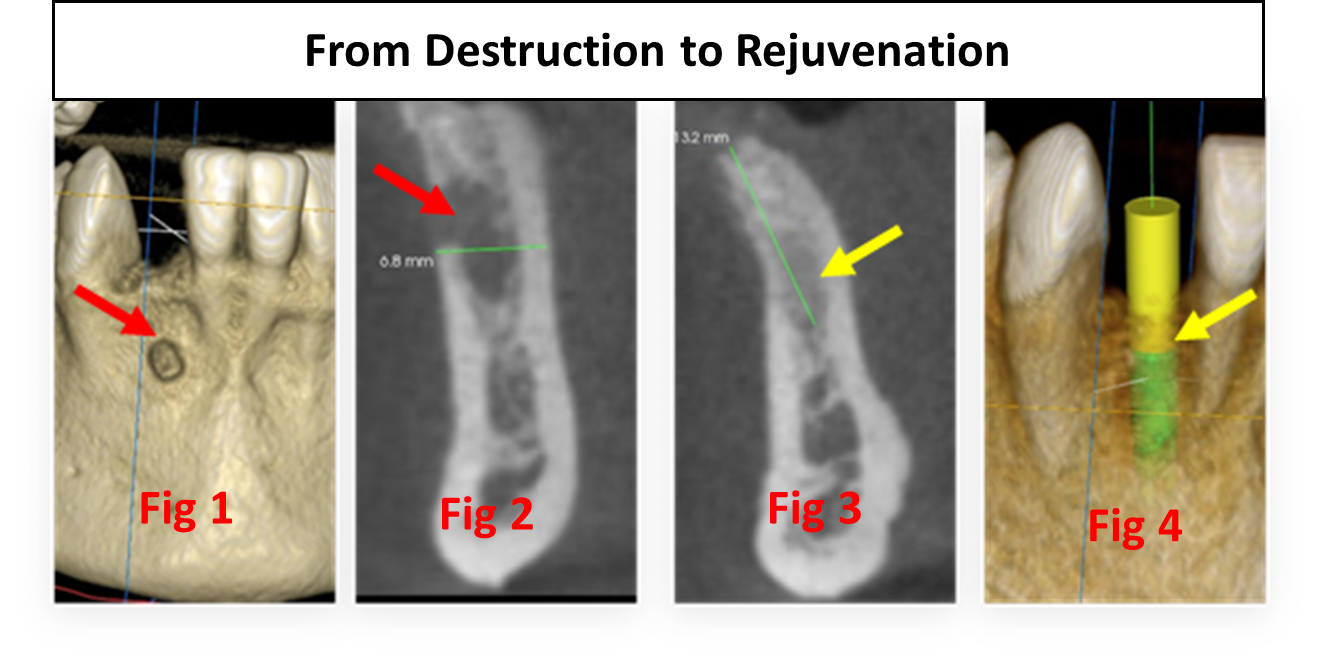
Composite image summarizing the rejuvenation of a ruined implant site with severely damaged bone
Why This Order Cannot Be Shuffled
Each stage exists to make the next one safe. Infection control without augmentation leaves a clean but unusable ridge. Augmentation without infection control feeds the graft to the bacteria. And placement without prosthetic-driven planning squanders the rebuilt bone on a guess. The same logic, applied at smaller scale, governs every implant salvage we perform, from outside-wall defects to full site rebuilds after placement-related damage.
Additional Case Images
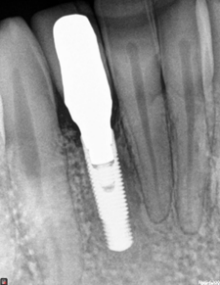
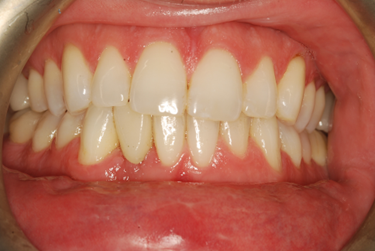
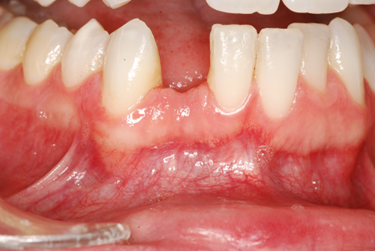
Extra views from this case for readers who want more clinical detail. These are not the primary figure set.
If Your Implant Site Has Been Written Off
A damaged ridge is an engineering problem with a known solution, not a life sentence. Dr. Gerald Marlin, a specialty-trained prosthodontist with more than 3,900 dental implants placed, rebuilds compromised sites using exactly this protocol. Call 202-244-2101 or book a consultation at Elite Prosthetic Dentistry in Friendship Heights, Washington, DC, for an honest assessment of what your site needs.
See How We Resolve These Problems
Our patient success stories show real cases and real results. Browse outcomes from a specialist prosthodontist with decades of experience and 3,900+ implants placed.
Key Takeaways
- ✓ Even after a failed implant and significant bone loss, the ridge can usually be rebuilt into a healthy foundation for a new implant.
- ✓ The protocol has three non-negotiable stages: complete debridement of infected tissue, ridge augmentation with growth-factor-enhanced bone, and CBCT-based prosthetic-driven planning.
- ✓ Skipping stage one is the classic error; an implant placed into a still-infected site risks reinfection and further, sometimes permanent, bone loss.
- ✓ The graft restores both the width and the density the future implant requires, not just the volume.
- ✓ Planning is crown-first: the implant position is chosen for the final restoration and gum architecture, then executed with a guide.
Frequently Asked Questions
Can a ruined implant site be rebuilt?
Yes, in most cases. After thorough debridement removes all infected tissue, ridge augmentation using bone particles combined with growth factors can restore the width and density the site lost. Once the graft matures, the rebuilt ridge can support a precisely planned new implant with a very good prognosis.
What happens if an implant is placed without rebuilding the bone first?
The risks are serious: reinfection of the site and additional bone loss, which can consume so much of the ridge that future implant placement becomes impossible anywhere in the area. Rebuilding first protects both the new implant and your remaining options.
What materials are used to rebuild the ridge?
We use particulated bone graft material combined with a biological growth factor. The particles scaffold the defect while the growth factor stimulates your own bone-forming cells, reestablishing proper ridge width and density for long-term stability.
Why is CBCT planning so important in these cases?
A rebuilt site leaves no margin for guesswork. CBCT-based virtual planning maps the ideal implant position, angle, and depth inside the new bone before surgery, working backward from where the final crown must sit. It also verifies that the graft has matured properly and that no residual infection remains.
Related Patient Success Stories
Explore similar patient success stories demonstrating our expertise in advanced prosthetic dentistry.
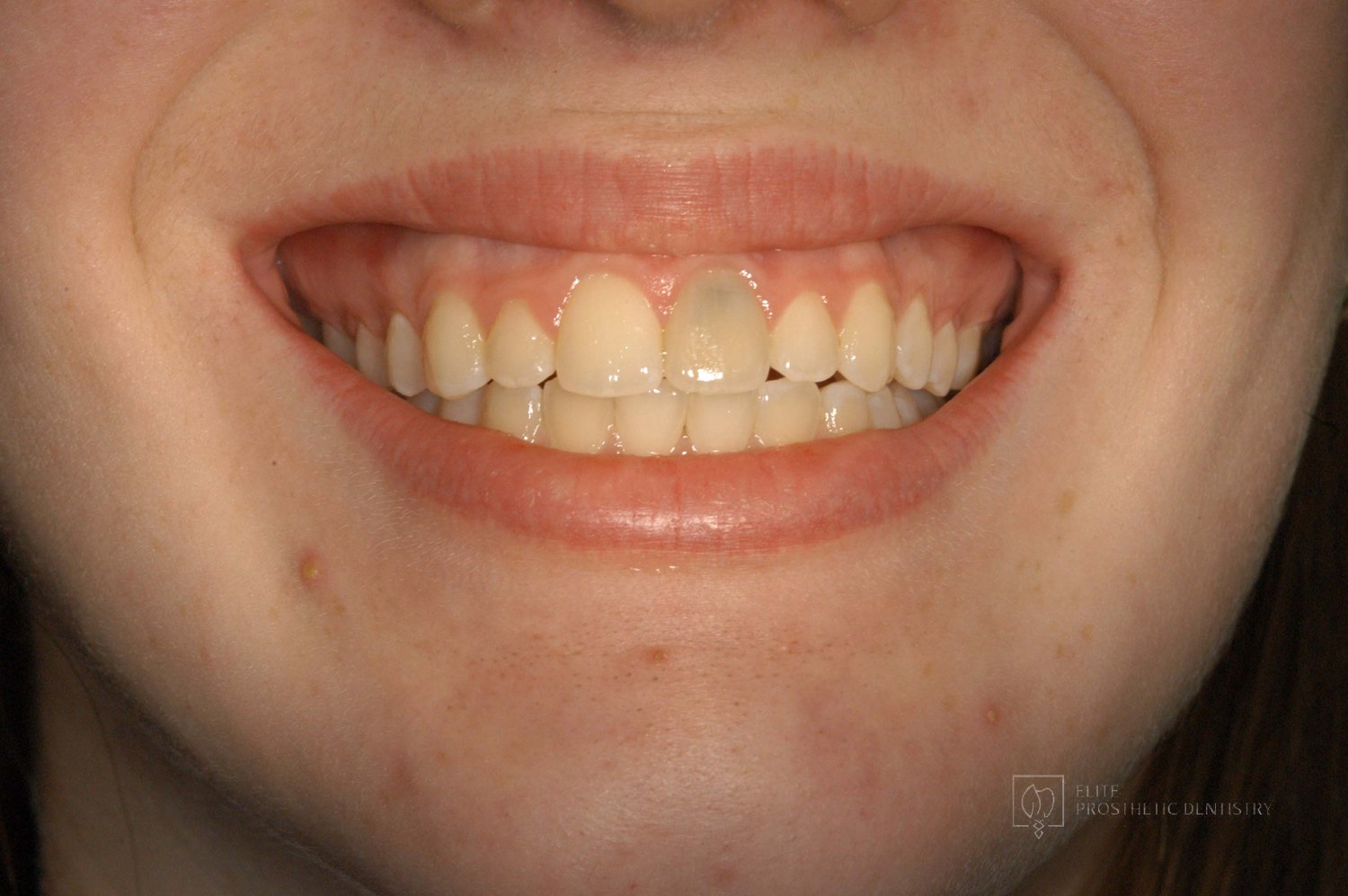 Before
 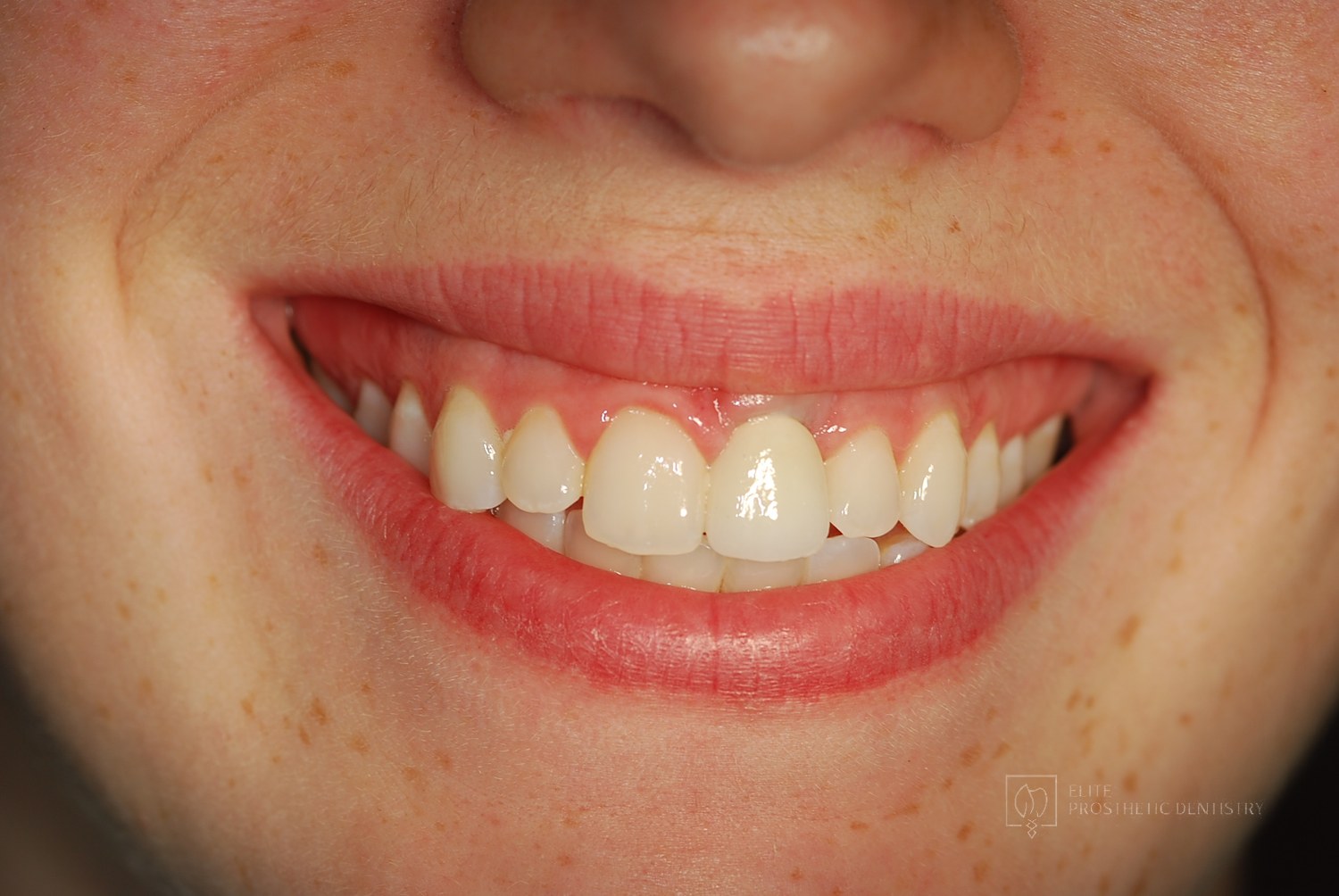 After
After How a Front Tooth Lost to Childhood Trauma Was Rebuilt with Bone Grafting and a Long-Lasting Implant
A teenager was referred by her father after earlier trauma left her upper left front tooth slowly failing from root resorption. She was still growing, so an immediate implant was the wrong move. The tooth had to be maintained to buy time, then replaced correctly once she reached skeletal maturity.
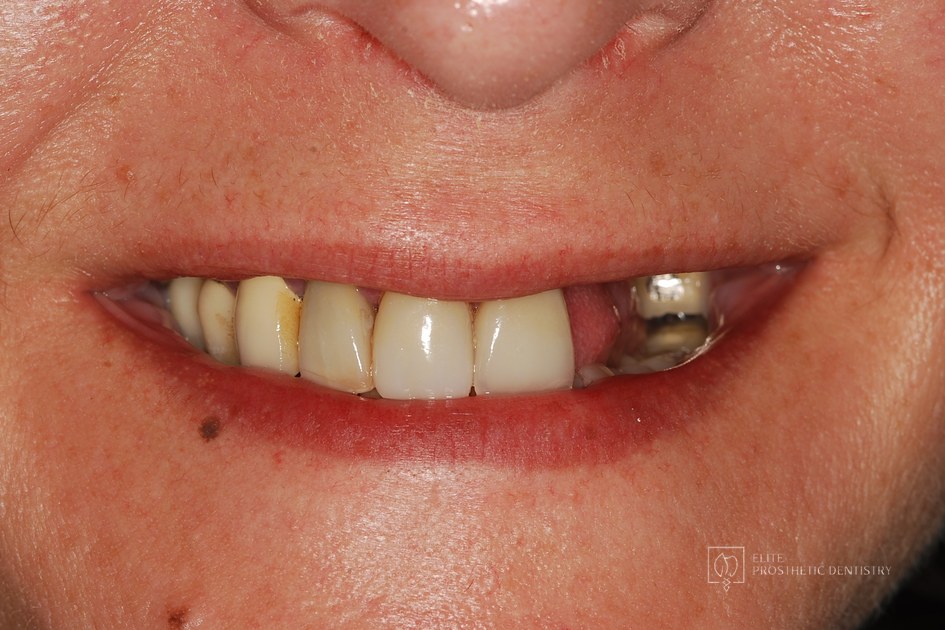 Before
 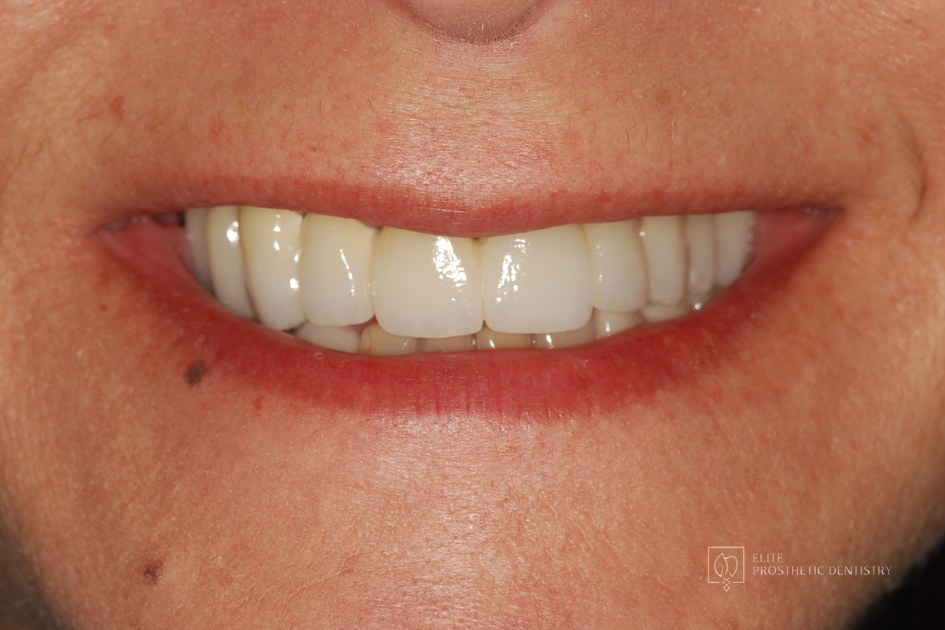 After
After Implant Supported Reconstruction: Failing Bridgework and Missing Back Teeth Rebuilt with Coordinated Specialist Care
Referred by another dental specialist with severe bone resorption on the upper left, multiple broken-down lower teeth requiring extraction, and failing lower back teeth that had left the bite without solid support. No single procedure, and no provider working in isolation, could rebuild a situation this interconnected.
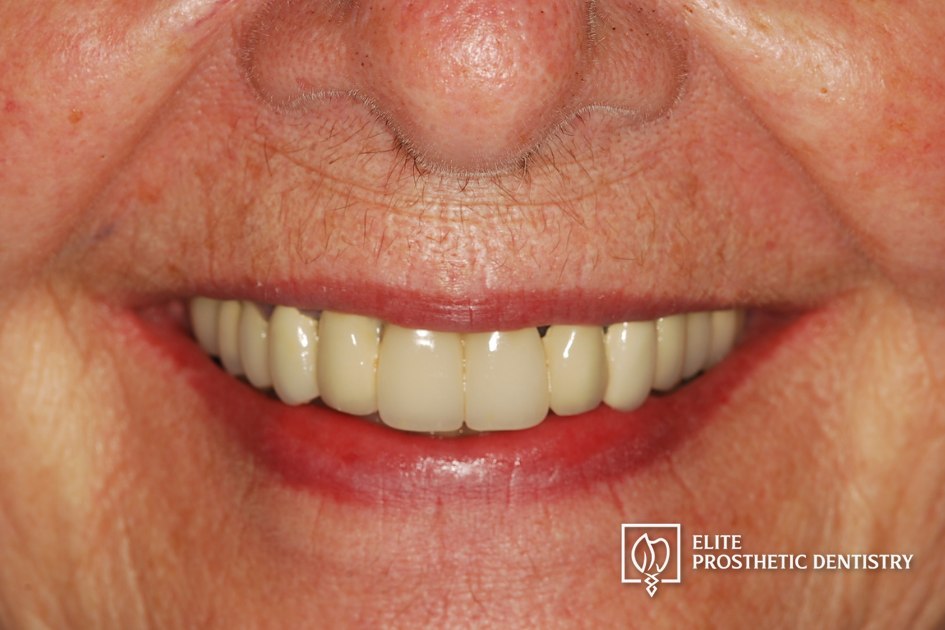 Before
 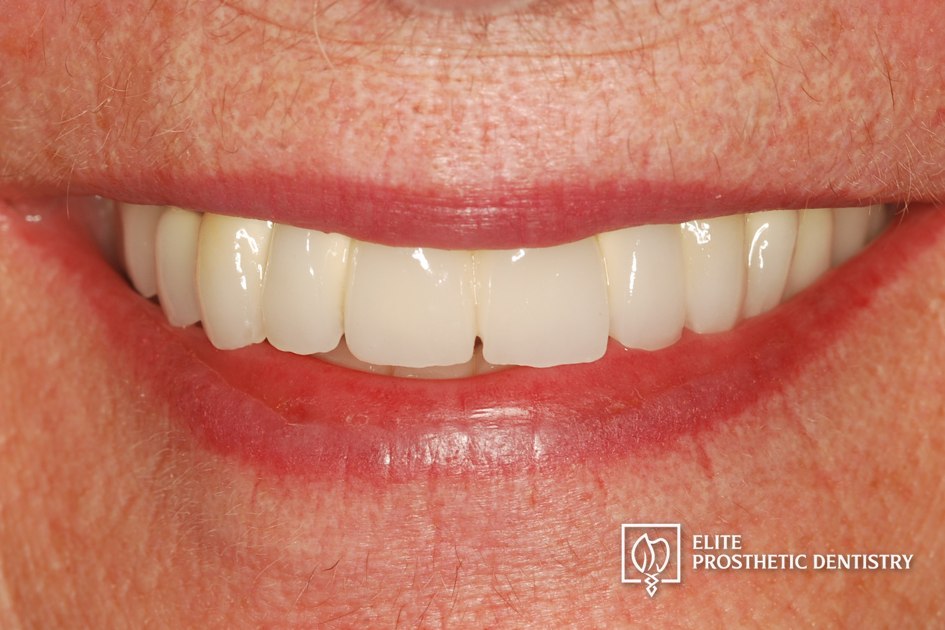 After
After How a Loose Upper Bridge and Aging Crowns Were Rebuilt with Staged Implant Reconstruction
A patient referred by her general dentist after years of aging dentistry no longer holding up. A loose upper bridge and crowns more than twenty years old, combined with the effects of advanced periodontal disease and severely compromised tooth abutments, required a staged surgical and restorative plan delivered with comfort planning at the same time.
Related Articles
Deepen your knowledge with additional insights on this topic.
Bone Grafting & Surgical Rebuilding a Ruined Implant Site with Severely Damaged Bone: The Three-Stage Protocol
Debridement, growth-factor grafting, CBCT-guided planning: the step-by-step protocol that turns a severely damaged implant site into a healthy ridge.
 Bone Grafting & Surgical
 What Is Ridge Augmentation Bone Grafting?
Ridge augmentation rebuilds a jaw ridge too narrow or angled for an implant. See real measurements from planning to precise placement. Washington DC.
 Bone Grafting & Surgical
 What Is a Partial (Internal) Sinus Lift?
A partial (internal) sinus lift adds bone at a single implant site through the implant preparation itself, often with the implant placed the same visit.