
What Is Ridge Augmentation Bone Grafting?
Ridge augmentation is a bone grafting procedure that rebuilds the alveolar ridge, the arch of bone that holds your teeth, when it has become too narrow, too short, or too angled to support a dental implant. Where a sinus lift solves a height problem in the upper back jaw, ridge augmentation restores the width and geometry of the ridge itself, anywhere in the mouth.
The goal is not simply more bone. It is bone in the right shape and orientation, so the implant can be placed where the tooth belongs rather than where the leftover anatomy dictates.
Why Ridge Shape Matters as Much as Ridge Size
After a tooth is lost, the ridge does not shrink evenly. It narrows, and it often collapses inward at an angle. A ridge can retain respectable height and still be unusable, because an implant driven into a thin, slanted ridge ends up tilted, and a tilted implant makes a proper crown impossible.
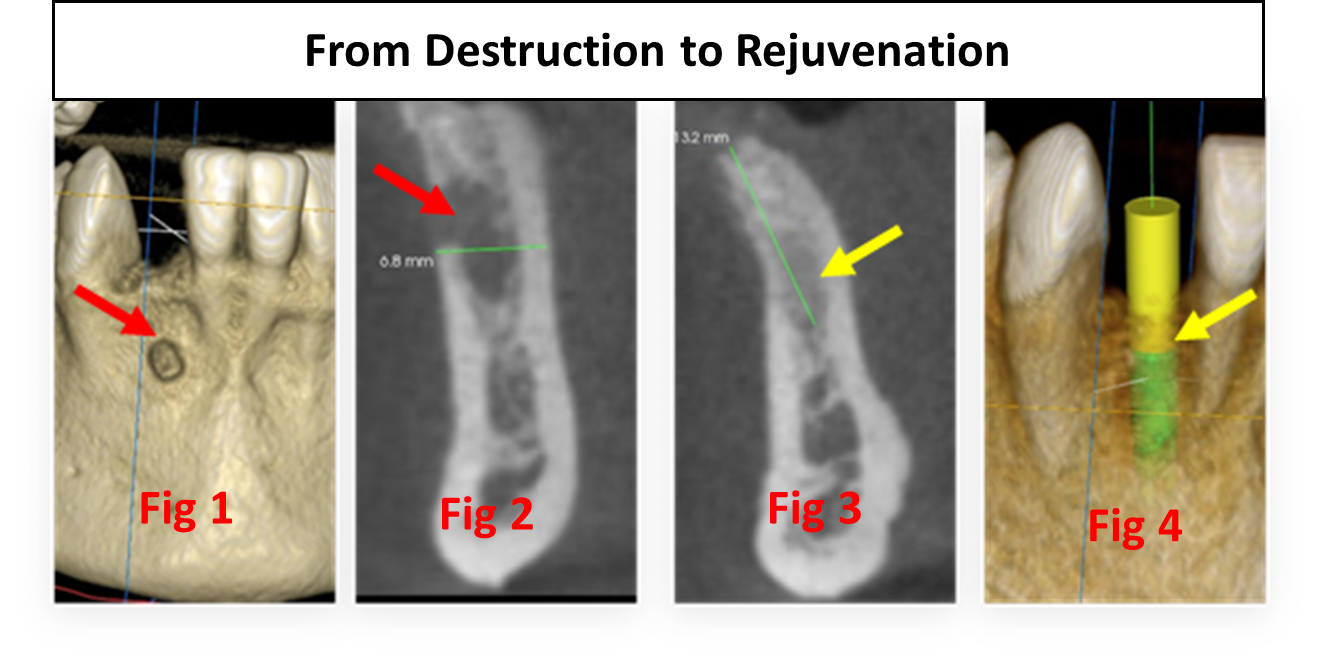
The case below shows exactly that situation. The patient’s ridge measured just 5.6 mm wide and sloped at 45 degrees (Figs. 1 and 2). At that angle, any implant would have been unrestorable: mechanically present, but useless as a foundation for a tooth.
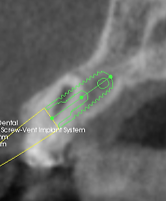
Fig. 1: Atrophied 5.6 mm Ridge at a Severe Angle with Implant Being Unrestorable
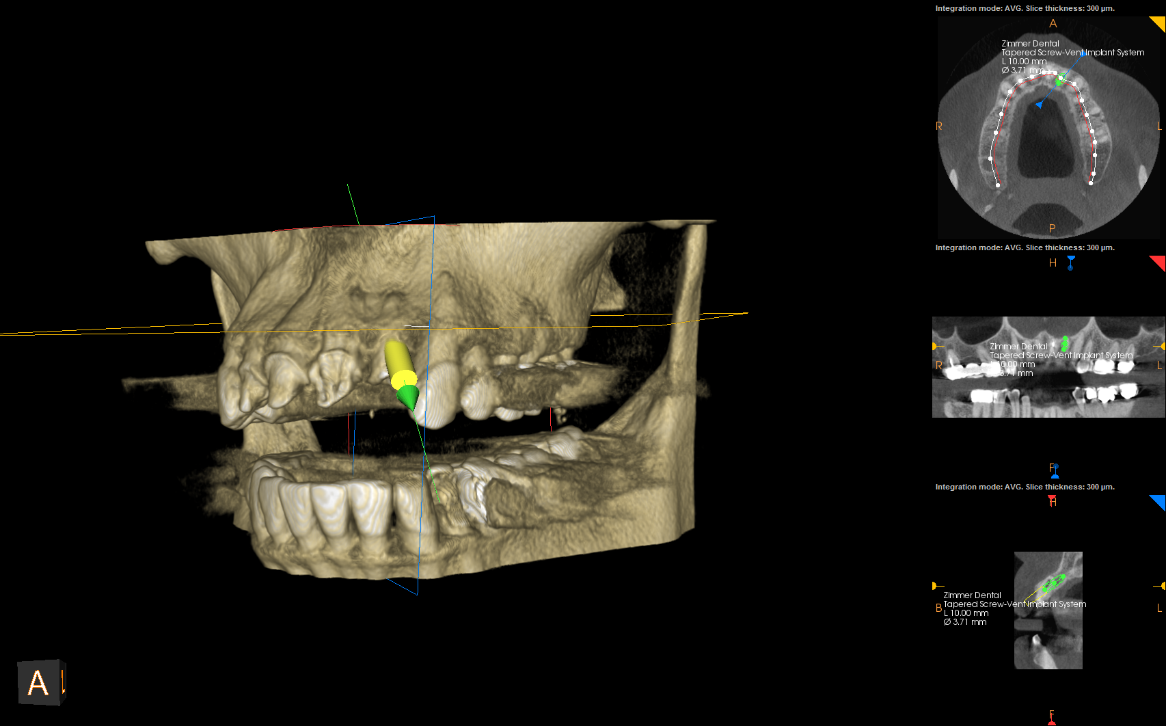
Fig. 2: At 45 Degrees, Implant Is Unrestorable
How Ridge Augmentation Rebuilds the Site
Treatment began with the failing tooth being gently extracted, using an atraumatic technique that preserves every bit of adjacent bone. Bone graft material was then placed to rebuild the ridge in three dimensions. Over the following months, the graft matured into living bone: the ridge widened from 5.6 mm to 10.8 mm, and the effective implant angle improved from 45 degrees to 20 degrees (Fig. 3).
With the ridge rejuvenated, the implant was planned digitally and placed in its ideal position beneath a temporary crown (Fig. 4). That is the whole point of the procedure in one image: the implant sits where the tooth needs it, centered in solid bone.
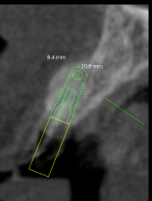
Fig. 3: Bone Graft Widens the Ridge to 10.8 mm, Implant Angle Is Now 20 Degrees
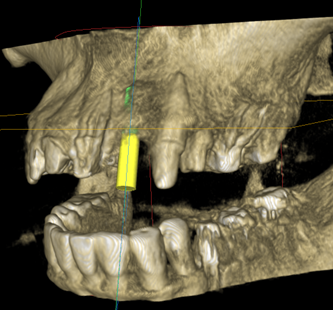
Fig. 4: Precise Implant Placement in Ideal Position Now Possible
Where This Fits in the Bigger Picture
Ridge augmentation is one member of a family of grafting procedures, each matched to a specific kind of bone loss. Our overview of bone grafting for dental implants explains how grafts turn deficient sites into strong ones, and the sinus lift covers the upper back jaw specifically. The common thread is sequencing: rebuild first, verify the foundation, then place the implant with guided precision.
Healing typically runs 4 to 6 months before the implant is placed, and in select cases with enough native bone, grafting and implant placement can be combined in one procedure. Either way, the decision is made from measurements on a 3D scan, not optimism.
An Honest Foundation, Built Once
Whether you lost a tooth years ago and the ridge has quietly collapsed, or you are planning ahead to replace failing dentistry before it forces an emergency, the principle is the same: an implant is only as good as the bone around it. Dr. Gerald Marlin, a specialty-trained prosthodontist with more than 3,900 dental implants placed, rebuilds and restores these sites with restorations crafted in our in-house laboratory.
If you have been told your ridge is too thin for an implant, get a second measurement before you settle for less. Call 202-244-2101 or request a consultation at Elite Prosthetic Dentistry in Friendship Heights, Washington, DC.
See How We Resolve These Problems
Our patient success stories show real cases and real results. Browse outcomes from a specialist prosthodontist with decades of experience and 3,900+ implants placed.
Key Takeaways
- ✓ Ridge augmentation rebuilds the width, height, and angulation of a jaw ridge that has shrunk after tooth loss, creating a foundation an implant can actually use.
- ✓ A ridge can be tall enough yet still fail an implant by being too narrow or angled; geometry matters as much as volume.
- ✓ In the case shown, grafting widened a 5.6 mm ridge to 10.8 mm and corrected a 45 degree angle to 20 degrees, turning an unrestorable site into an ideal one.
- ✓ Grafted ridges typically mature for 4 to 6 months before implant placement, with the implant position planned digitally in advance.
- ✓ The payoff is an implant placed where the tooth belongs, not where leftover bone dictates.
Frequently Asked Questions
Why is ridge augmentation necessary before some implants?
Because an implant must sit inside solid bone, centered and correctly angled. When the ridge is too narrow or slants sharply, an implant either cannot be placed or ends up at an angle that ruins the crown above it. Augmentation restores proper dimensions so the implant can be positioned for stability, aesthetics, and long-term success.
How long does ridge augmentation take to heal?
The grafted ridge typically matures for 4 to 6 months before an implant is placed. During that period your body replaces the graft material with new living bone. The exact timing depends on the size of the defect and your individual healing.
Is ridge augmentation painful?
Most patients find it far more comfortable than expected. The procedure is performed under local anesthesia, with sedation options available, and postoperative soreness is usually minimal and short-lived.
Can the implant be placed at the same time as the ridge graft?
Sometimes. If the implant can achieve sufficient primary stability in the existing bone, grafting and placement can be combined. When the ridge is severely deficient, the graft matures first and the implant follows months later. The 3D scan and planning software make that determination before anything is scheduled.
Related Patient Success Stories
Explore similar patient success stories demonstrating our expertise in advanced prosthetic dentistry.
 Before
  After
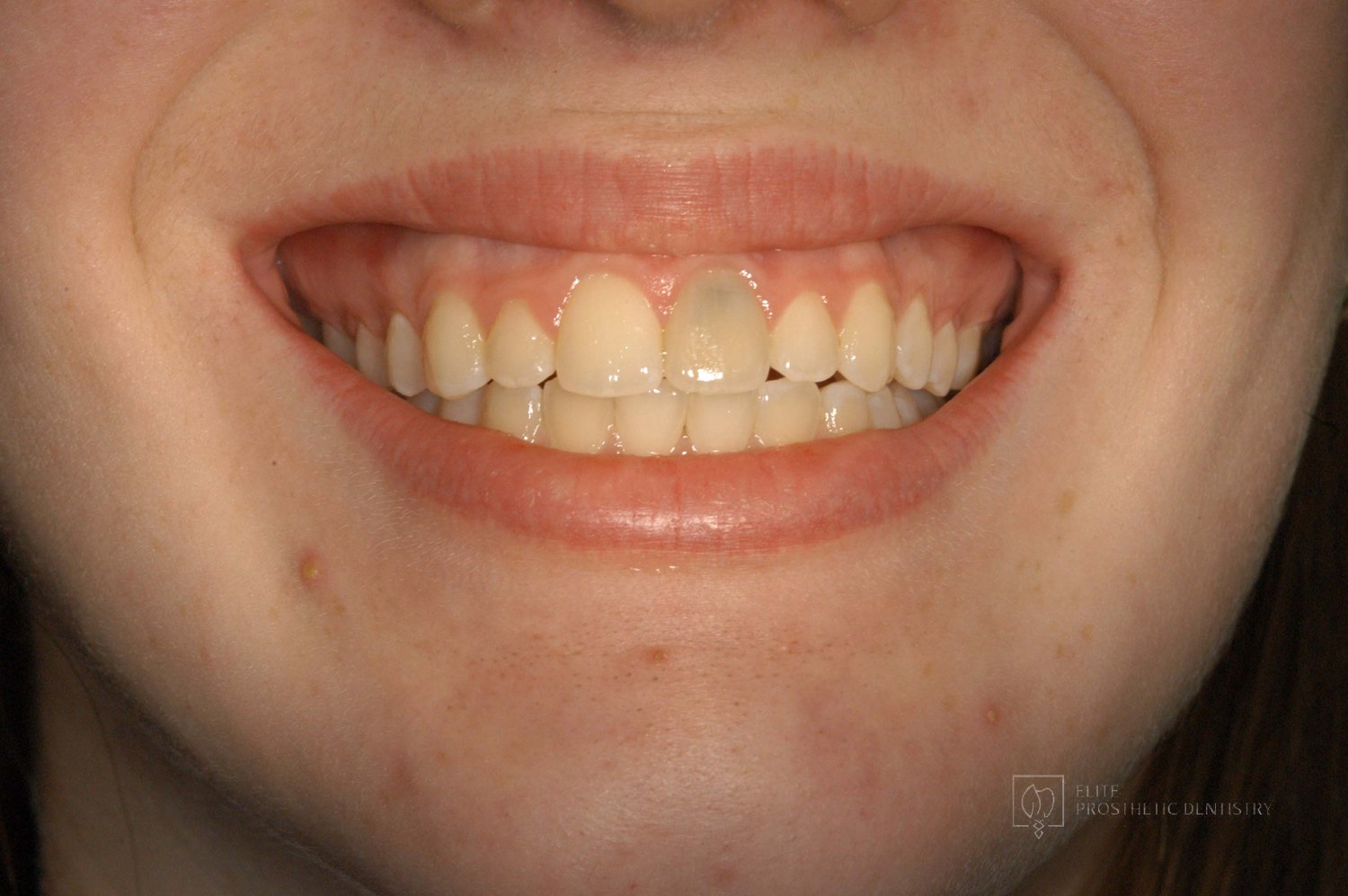
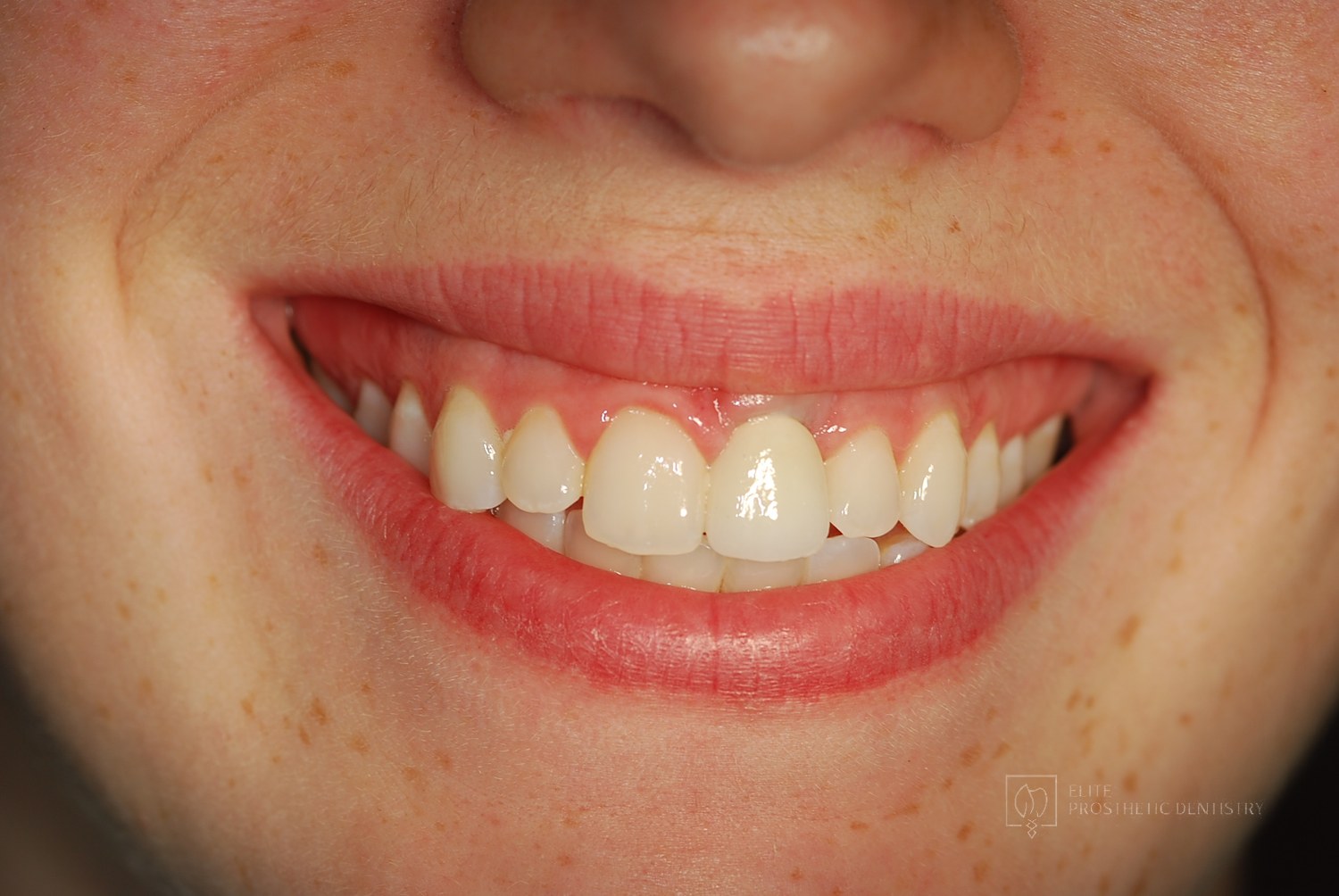
After How a Front Tooth Lost to Childhood Trauma Was Rebuilt with Bone Grafting and a Long-Lasting Implant
A teenager was referred by her father after earlier trauma left her upper left front tooth slowly failing from root resorption. She was still growing, so an immediate implant was the wrong move. The tooth had to be maintained to buy time, then replaced correctly once she reached skeletal maturity.
 Before
  After
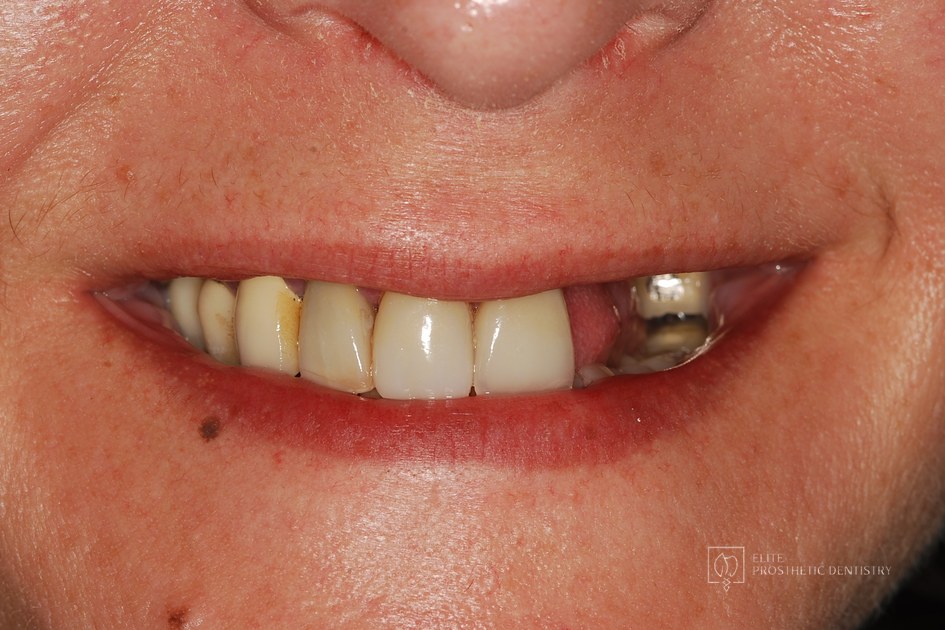
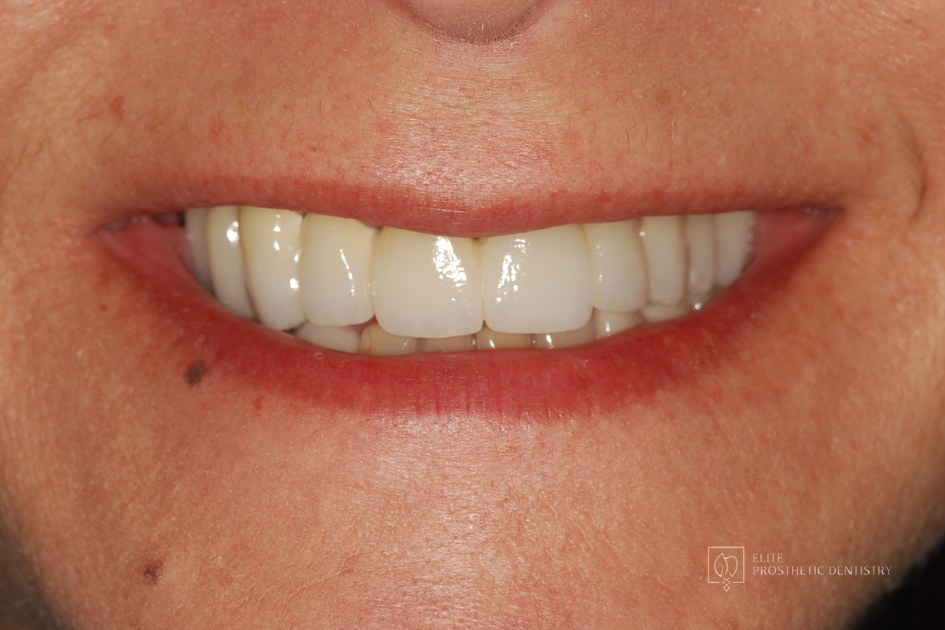
After Implant Supported Reconstruction: Failing Bridgework and Missing Back Teeth Rebuilt with Coordinated Specialist Care
Referred by another dental specialist with severe bone resorption on the upper left, multiple broken-down lower teeth requiring extraction, and failing lower back teeth that had left the bite without solid support. No single procedure, and no provider working in isolation, could rebuild a situation this interconnected.
 Before
  After
After How a Loose Upper Bridge and Aging Crowns Were Rebuilt with Staged Implant Reconstruction
A patient referred by her general dentist after years of aging dentistry no longer holding up. A loose upper bridge and crowns more than twenty years old, combined with the effects of advanced periodontal disease and severely compromised tooth abutments, required a staged surgical and restorative plan delivered with comfort planning at the same time.
Related Articles
Deepen your knowledge with additional insights on this topic.
 Bone Grafting & Surgical
 Rebuilding a Ruined Implant Site with Severely Damaged Bone: The Three-Stage Protocol
Debridement, growth-factor grafting, CBCT-guided planning: the step-by-step protocol that turns a severely damaged implant site into a healthy ridge.
Bone Grafting & Surgical What Is Ridge Augmentation Bone Grafting?
Ridge augmentation rebuilds a jaw ridge too narrow or angled for an implant. See real measurements from planning to precise placement. Washington DC.
 Bone Grafting & Surgical
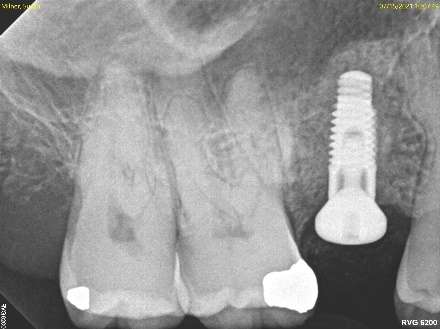
 What Is a Partial (Internal) Sinus Lift?
A partial (internal) sinus lift adds bone at a single implant site through the implant preparation itself, often with the implant placed the same visit.