
Are Mini Dental Implants Permanent?
Are mini dental implants permanent? The candid answer: they can be, provided they are asked to do the right job. Mini dental implants are narrower than standard implants, designed for sites that cannot support a conventional fixture, and their durability depends less on the hardware than on the role it is assigned. This article covers the longevity question specifically; for the fuller introduction to what minis are and how they are placed, see what mini dental implants are.
Because minis require less bone for adequate support, patients who have lost bone to tooth loss or osteoporosis may qualify for them without a bone graft. That accessibility is their signature advantage, and it comes with trade-offs worth understanding before you choose.
Mini Implants Play Two Roles: Permanent and Deliberately Temporary
As permanent fixtures, mini implants anchor prostheses in areas that could not otherwise hold a standard implant, most commonly providing retention for an overdenture, where they add meaningful stability for patients with missing teeth [1]. For a long-suffering denture wearer, the day the appliance stops moving is memorable.
As temporaries, minis solve a different problem elegantly: the awkward months during staged treatment. While a bone graft matures ahead of standard implant placement, mini implants can anchor an overdenture so you never go weeks or months without stable teeth [2]. In these cases the minis serve for several months up to a year, then step aside for the definitive restoration.
The role should be declared in the treatment plan from the start. A mini implant doing a temporary’s job permanently, or vice versa, is a plan that was never finished.
The Honest Durability Conversation
With permanent minis, patients gain immediate stability for a denture prosthesis, a shorter and less invasive procedure, and generally lower cost. Sedation dentistry is available regardless of procedure length if you would like the extra comfort.
But one limitation deserves plain language: mini implants are not meant to support individual crowns. They are anchoring devices for overdenture retention. And while they deliver most of the benefits of traditional implants, published research suggests they may not last as long [3]. When a site can hold a conventional implant, or can be grafted so that it can, the conventional route is usually the more durable investment. That is the same reasoning we apply across every restoration we build: done correctly once beats redone repeatedly.
The Decision Is Anatomical, Not Promotional
Whether minis fit your situation comes down to measurable things: your bone volume and density, what prosthesis you need anchored, your timeline, and your budget. A 3D scan and an honest conversation settle it quickly. Sometimes minis are exactly right; sometimes they are a compromise you would regret; often they are the ideal bridge inside a larger staged plan.
Dr. Gerald Marlin, a specialty-trained prosthodontist with more than 3,900 dental implants placed, works with mini and conventional implants alike, which means the recommendation you get reflects your anatomy rather than a preference for one product. Call 202-244-2101 or schedule a consultation at Elite Prosthetic Dentistry in Friendship Heights, Washington, DC, and find out which design your smile actually calls for.
Sources:
See How We Resolve These Problems
Our patient success stories show real cases and real results. Browse outcomes from a specialist prosthodontist with decades of experience and 3,900+ implants placed.
Key Takeaways
- ✓ Mini dental implants can serve as either permanent anchors or deliberately temporary ones, and the plan should declare which role they are playing.
- ✓ Their proper permanent job is overdenture retention, not supporting individual crowns.
- ✓ Because they need less bone, minis can sometimes be placed without grafting in jaws that could not hold a standard implant.
- ✓ Published evidence suggests minis may not match the long-term durability of conventional implants, a trade-off that belongs in the decision.
- ✓ As temporaries, minis keep you smiling and chewing during grafting or healing, then hand off to the definitive restoration.
Frequently Asked Questions
Are mini dental implants a permanent solution?
They can be, in the right role. As permanent fixtures, mini implants anchor and stabilize overdentures, especially in jaws with limited bone. What they are not designed to do is support individual crowns the way standard implants do, and the published evidence suggests they may not last as long as conventional implants. Whether that trade-off makes sense depends on your bone, goals, and budget.
How long do mini dental implants last?
Well-placed minis retaining an overdenture can serve for many years with good hygiene and maintenance. That said, research indicates their long-term durability may fall short of standard implants, which is why we treat them as one tool among several rather than a universal substitute. When a site can support a conventional implant, the conventional implant is usually the more durable investment.
Why would anyone choose a mini implant over a regular one?
Three honest reasons: less bone is required, so some patients avoid grafting; the procedure is shorter and less invasive; and the cost is generally lower. For denture wearers who mainly want their appliance to stop moving, minis can deliver meaningful stability quickly. The trade-off is long-term robustness.
What does it mean to use mini implants as temporaries?
During staged treatment, such as bone grafting that must mature before standard implants are placed, mini implants can anchor an overdenture for several months up to a year. You keep a stable, presentable smile through the healing phases, and the minis hand off to the definitive restoration when it is ready.
Related Patient Success Stories
Explore similar patient success stories demonstrating our expertise in advanced prosthetic dentistry.
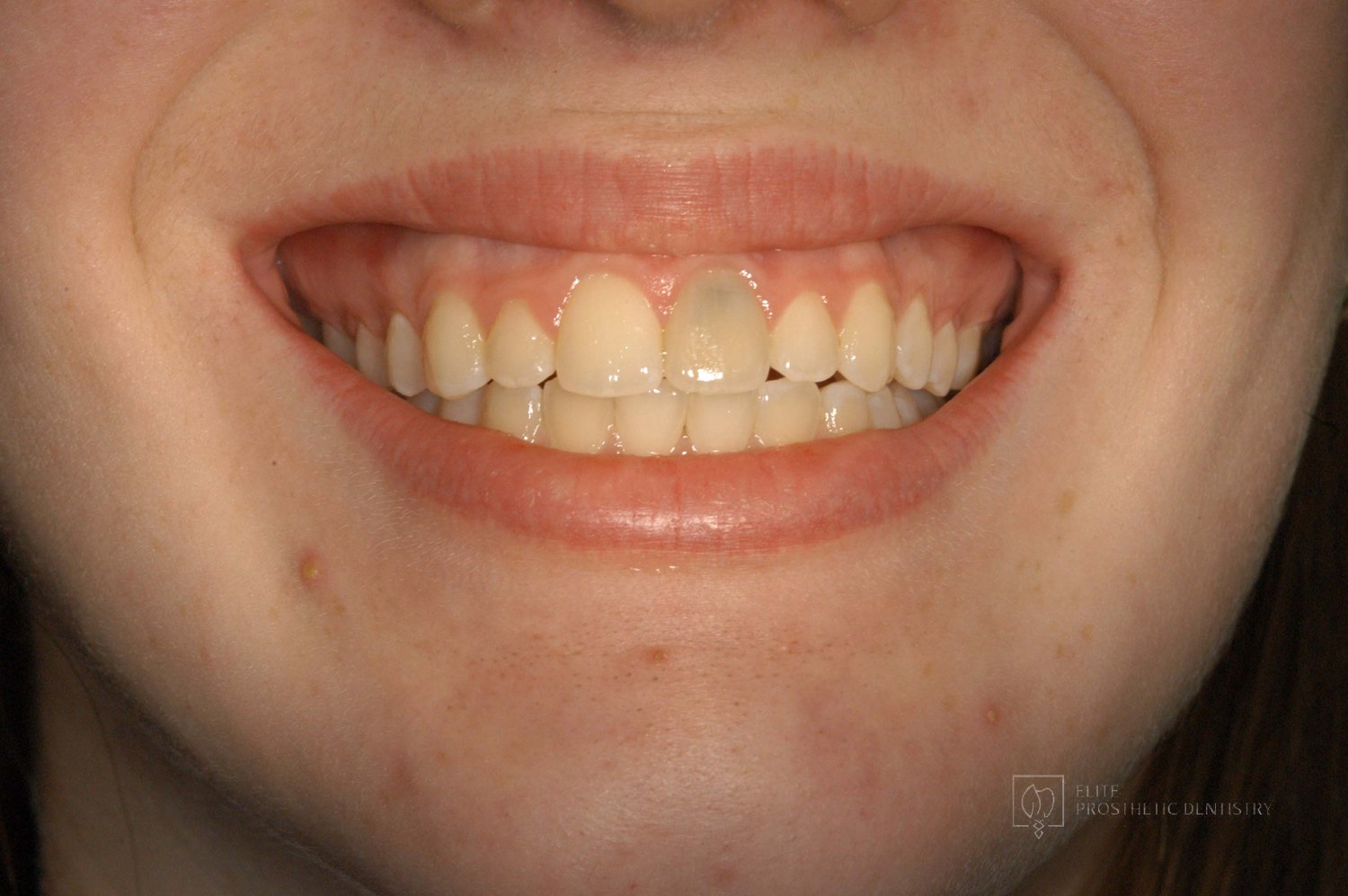 Before
 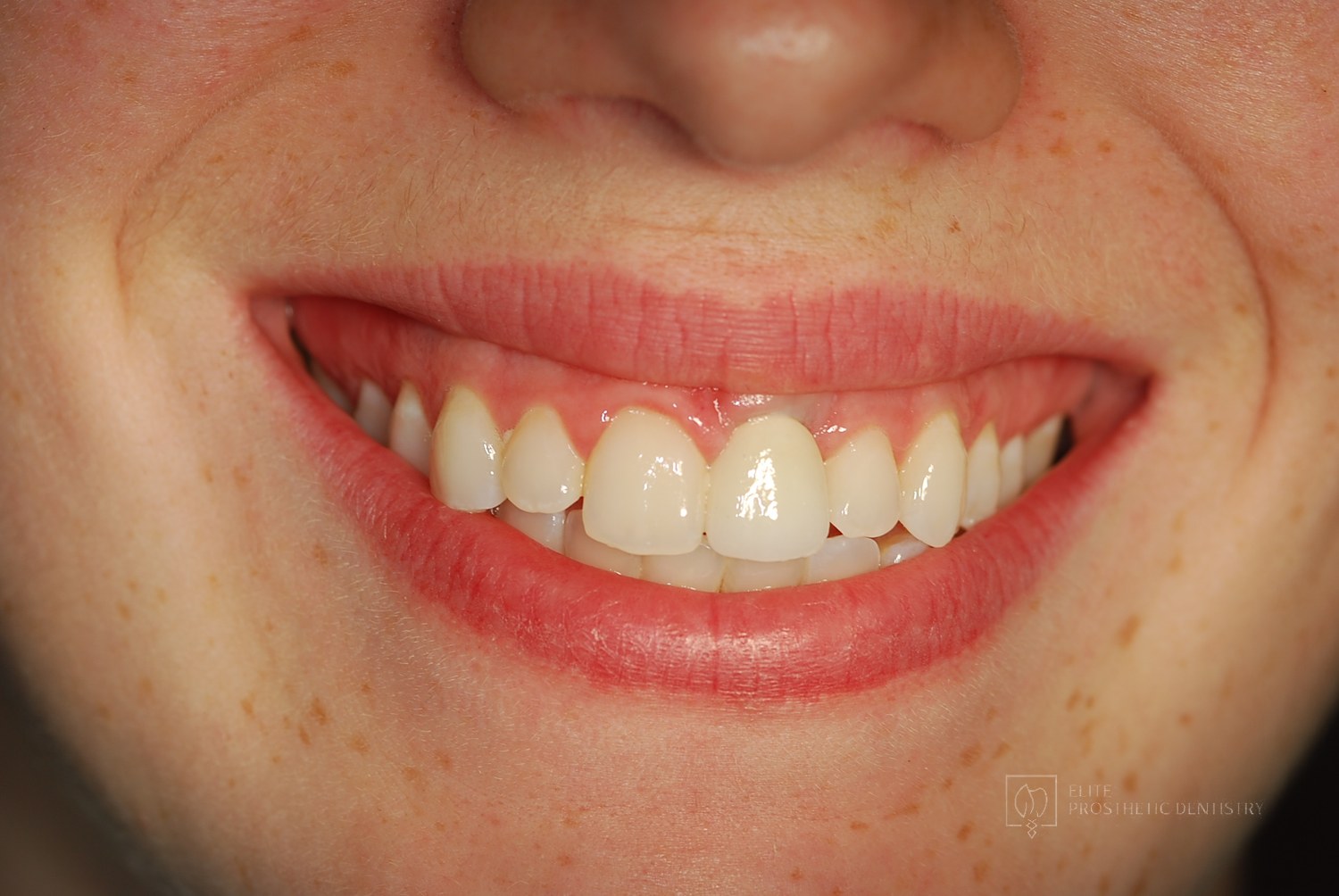 After
After How a Front Tooth Lost to Childhood Trauma Was Rebuilt with Bone Grafting and a Long-Lasting Implant
A teenager was referred by her father after earlier trauma left her upper left front tooth slowly failing from root resorption. She was still growing, so an immediate implant was the wrong move. The tooth had to be maintained to buy time, then replaced correctly once she reached skeletal maturity.
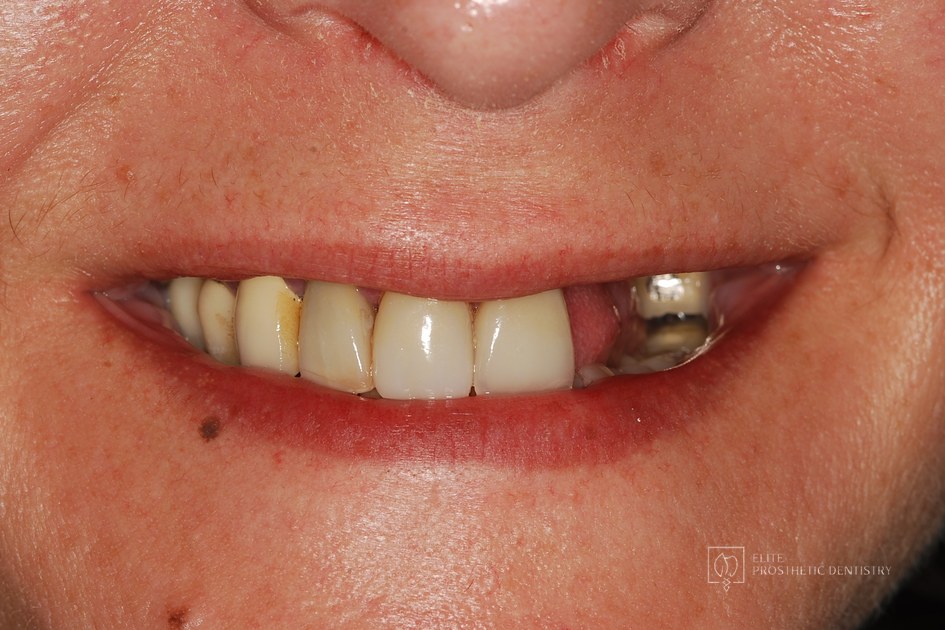 Before
 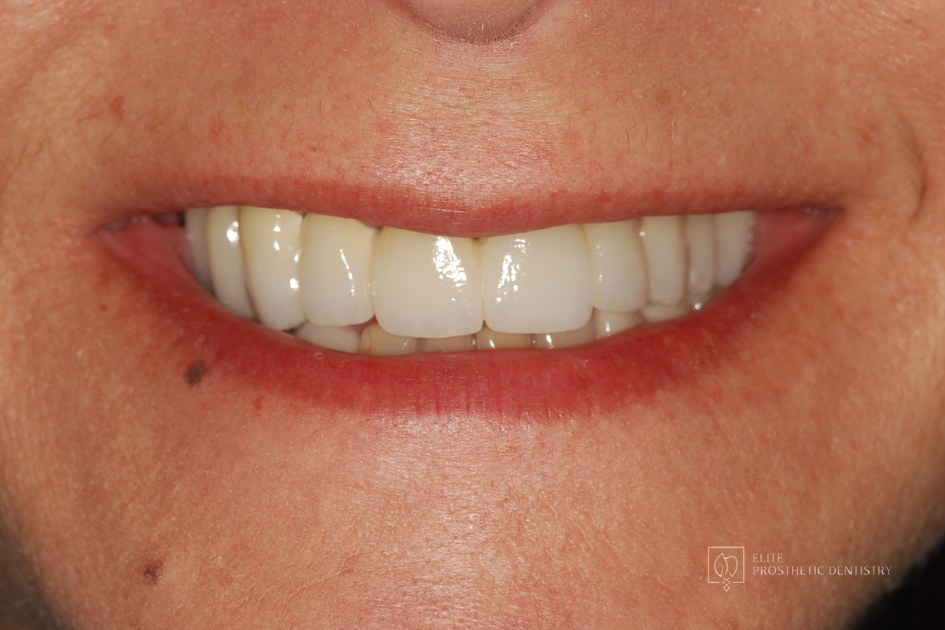 After
After Implant Supported Reconstruction: Failing Bridgework and Missing Back Teeth Rebuilt with Coordinated Specialist Care
Referred by another dental specialist with severe bone resorption on the upper left, multiple broken-down lower teeth requiring extraction, and failing lower back teeth that had left the bite without solid support. No single procedure, and no provider working in isolation, could rebuild a situation this interconnected.
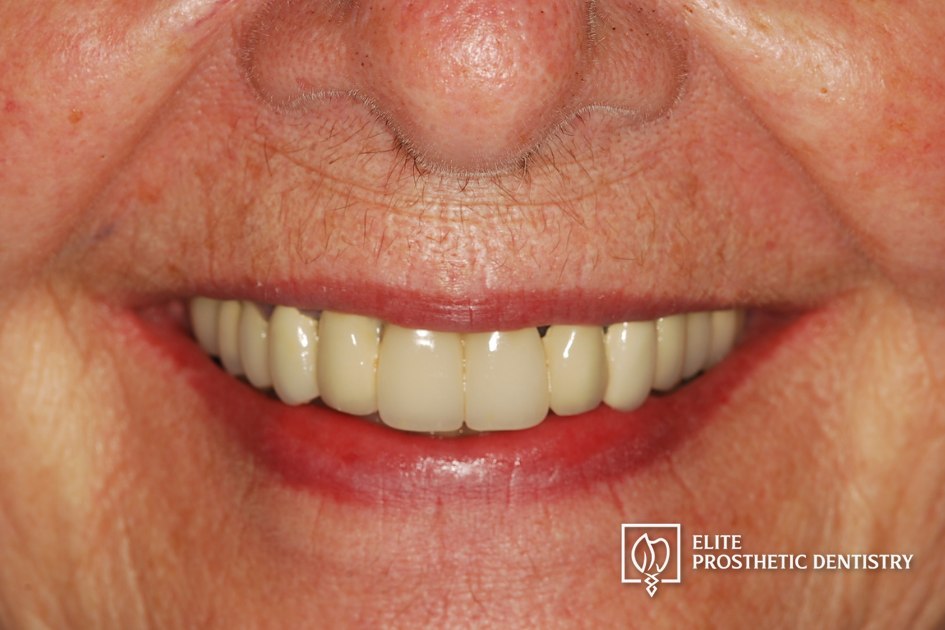 Before
 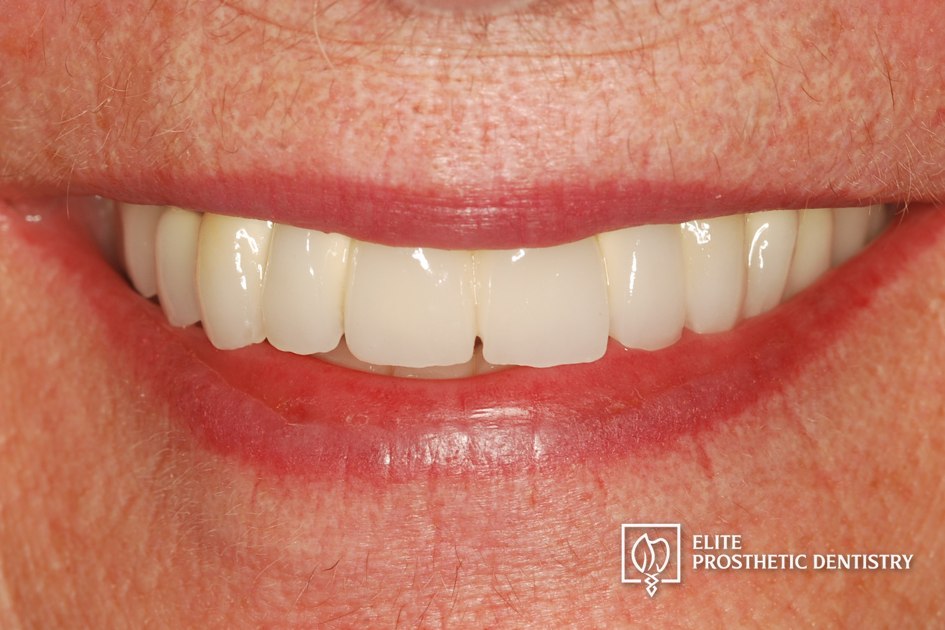 After
After How a Loose Upper Bridge and Aging Crowns Were Rebuilt with Staged Implant Reconstruction
A patient referred by her general dentist after years of aging dentistry no longer holding up. A loose upper bridge and crowns more than twenty years old, combined with the effects of advanced periodontal disease and severely compromised tooth abutments, required a staged surgical and restorative plan delivered with comfort planning at the same time.
Related Articles
Deepen your knowledge with additional insights on this topic.
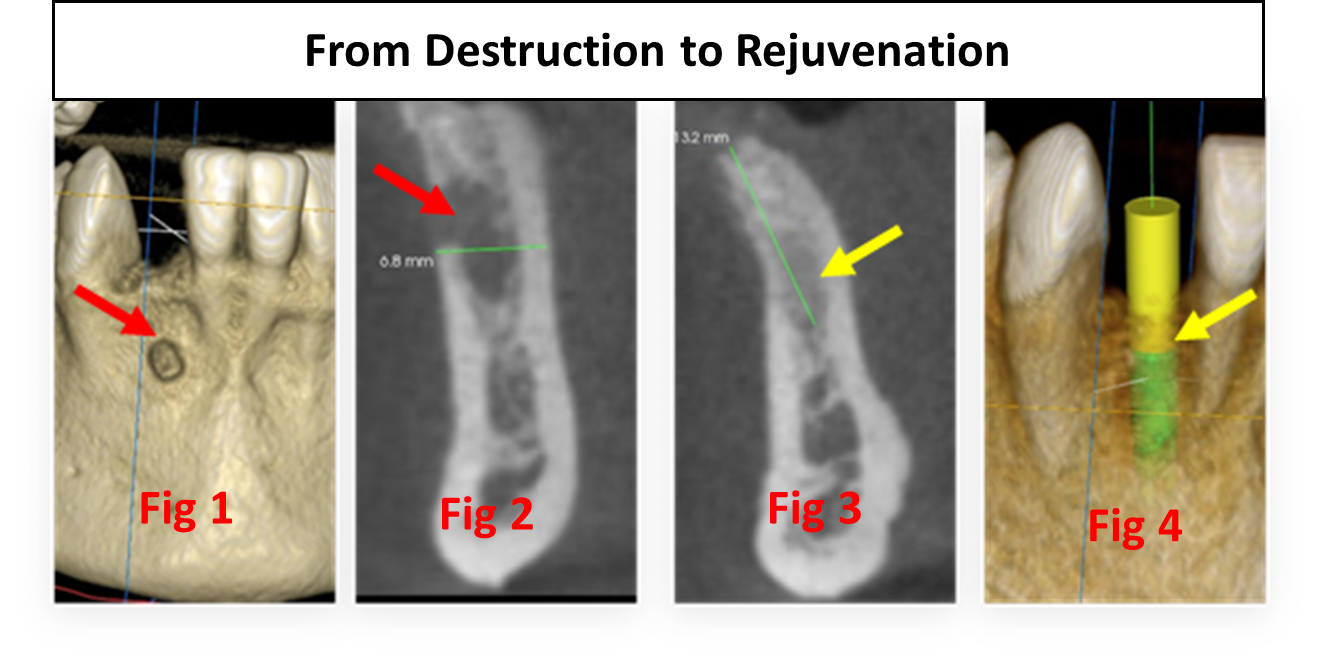 Bone Grafting & Surgical
 Rebuilding a Ruined Implant Site with Severely Damaged Bone: The Three-Stage Protocol
Debridement, growth-factor grafting, CBCT-guided planning: the step-by-step protocol that turns a severely damaged implant site into a healthy ridge.
 Bone Grafting & Surgical
 What Is Ridge Augmentation Bone Grafting?
Ridge augmentation rebuilds a jaw ridge too narrow or angled for an implant. See real measurements from planning to precise placement. Washington DC.
 Bone Grafting & Surgical
 What Is a Partial (Internal) Sinus Lift?
A partial (internal) sinus lift adds bone at a single implant site through the implant preparation itself, often with the implant placed the same visit.