
5 Reasons You Shouldn't Wait for Your Dental Implant
You know you need a dental implant, but life keeps moving the appointment down the list. That hesitation is human, and it is worth understanding what quietly happens at the site of a missing tooth while you wait. A gap is not a stable situation. It is a slow process, and time works against you in five specific ways.
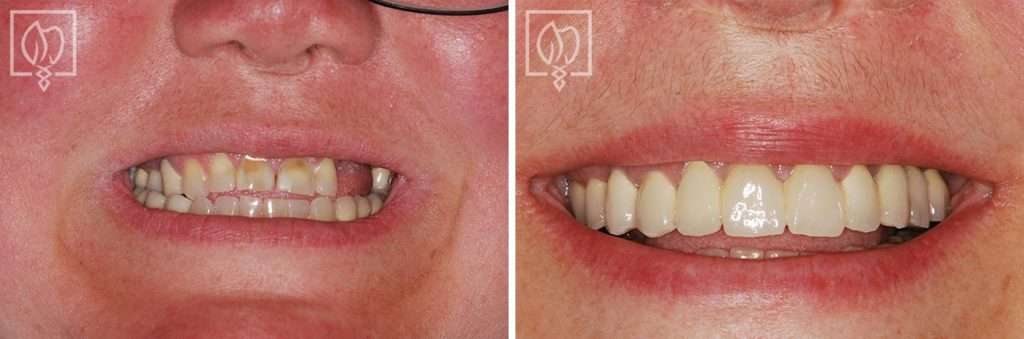
Severe bone loss rebuilt with grafting and implants in our practice. See the full case
1. Your Remaining Teeth Start Moving
Teeth hold each other in place. Remove one and the neighbors begin tipping and rotating into the space, while the opposing tooth over-erupts, growing into the gap from above or below. The result is a bite that no longer meshes correctly, teeth that are harder to clean, and new decay and gum problems in crowded, tilted areas. What began as a single-tooth problem becomes an orthodontic and restorative one, and correcting drifted teeth before an implant adds time and expense that early action would have avoided.
2. Your Jawbone Shrinks Without the Tooth
Bone stays strong by being used. A tooth root transmits chewing forces into the jaw, and that stimulation maintains bone volume. When the root is gone, the body begins resorbing the unused bone within months.
This matters because an implant needs adequate bone to anchor in. Wait long enough and the site that could once accept an implant directly now requires bone grafting first, an added procedure with added healing time. Timing, more than any other factor, decides whether your implant is a straightforward placement or a staged rebuild.
3. Bone Loss Eventually Shows in Your Face
The jawbone supports your lips and cheeks. Significant resorption, especially from multiple missing teeth, lets the lower face lose height and the cheeks and lips lose support, an appearance change most people read as premature aging. Replacing the tooth root with an implant preserves the bone that preserves the face.
4. A Gap Can Change How You Speak
Front teeth in particular shape how you pronounce many sounds. A missing tooth can introduce a lisp or whistle that becomes one more reason to talk less and smile less in meetings and photographs.
5. You Stop Feeling Like Yourself
Patients tell us this one matters most. A visible gap changes behavior: covering your mouth, smiling with closed lips, calculating angles in photos. An implant restored with a custom crown from our in-house laboratory looks and functions like a natural tooth. No one needs to know it is there, including, eventually, you, because you stop thinking about it.
Waiting Is a Decision. Make It a Planned One.
None of this is meant to rush you. Some patients have sound reasons to sequence treatment around health, work, or finances, and implants are not the right answer for every situation. The difference between waiting well and waiting badly is a plan: an examination and 3D imaging to document your bone today, honest guidance on how urgent your particular site is, and a timeline you control. That is a decision-driven approach, and it is how Dr. Gerald Marlin has planned implant treatment across more than 3,900 dental implants placed over a career of more than 40 years.
If you have been putting off an implant conversation, learn what your starting point actually is. Call 202-244-2101 or request a consultation at Elite Prosthetic Dentistry in Friendship Heights, Washington, DC. Understanding your options costs you nothing but the visit, and it turns waiting from a risk into a choice.
See How We Resolve These Problems
Our patient success stories show real cases and real results. Browse outcomes from a specialist prosthodontist with decades of experience and 3,900+ implants placed.
Key Takeaways
- ✓ A missing tooth is not a stable situation. Neighboring teeth drift into the gap and opposing teeth over-erupt, creating bite problems that cost more to fix later.
- ✓ Jawbone begins shrinking soon after a tooth is lost because the root no longer stimulates it. The longer you wait, the more likely grafting is needed before an implant.
- ✓ Bone loss eventually shows in the face, and a missing tooth can affect speech.
- ✓ Delay narrows your options and raises complexity. Acting while bone is intact keeps treatment simpler and more predictable.
- ✓ Waiting deliberately is fine when it is a plan. Drifting is what turns a one-implant problem into a reconstruction.
Frequently Asked Questions
How long can I wait after losing a tooth to get an implant?
There is no single deadline, but bone loss begins within months of losing a tooth, and neighboring teeth start drifting on their own schedule. Many patients can still receive an implant years later, sometimes with grafting first. The honest answer is that every year of delay tends to add steps, cost, and healing time.
What happens if I never replace a missing tooth?
The area does not simply stay the same. Adjacent teeth tip and rotate into the gap, the opposing tooth over-erupts, bite forces redistribute unevenly, and the jawbone in the area shrinks. Some patients tolerate this for years; others develop chewing, decay, or bite problems that are far more involved to correct than the original gap.
Can I still get an implant if I have already lost bone?
Usually, yes. Bone grafting can rebuild a deficient site before or during implant placement. It adds a stage and healing time, which is exactly why acting before major bone loss keeps treatment simpler.
Is it ever reasonable to delay an implant?
Yes, with planning. Health events, finances, and life timing are real. The key is making delay a managed decision: an evaluation to document your bone, a plan for preserving the site, and a timeline, rather than letting the site deteriorate unmonitored.
Related Patient Success Stories
Explore similar patient success stories demonstrating our expertise in advanced prosthetic dentistry.
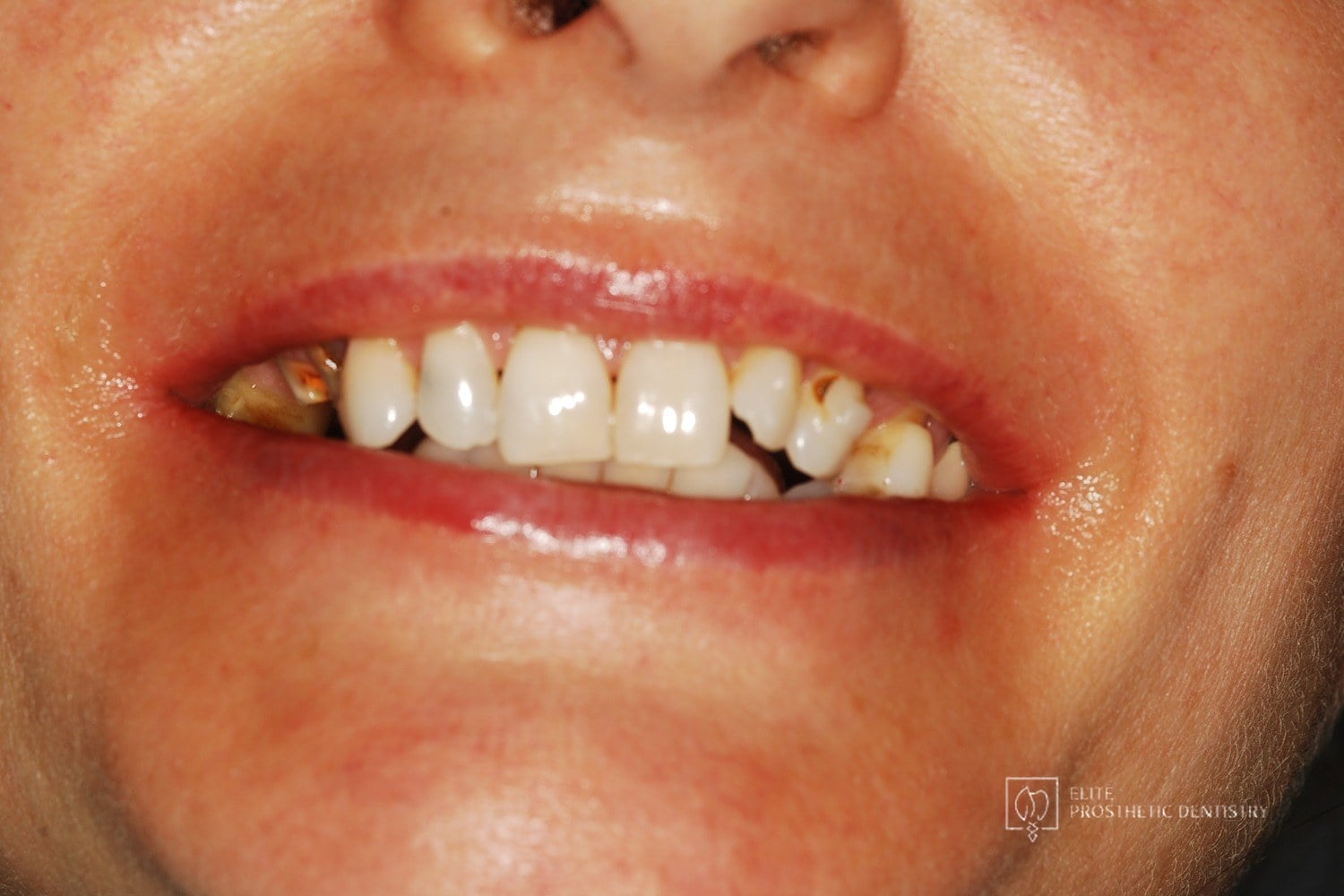 Before
 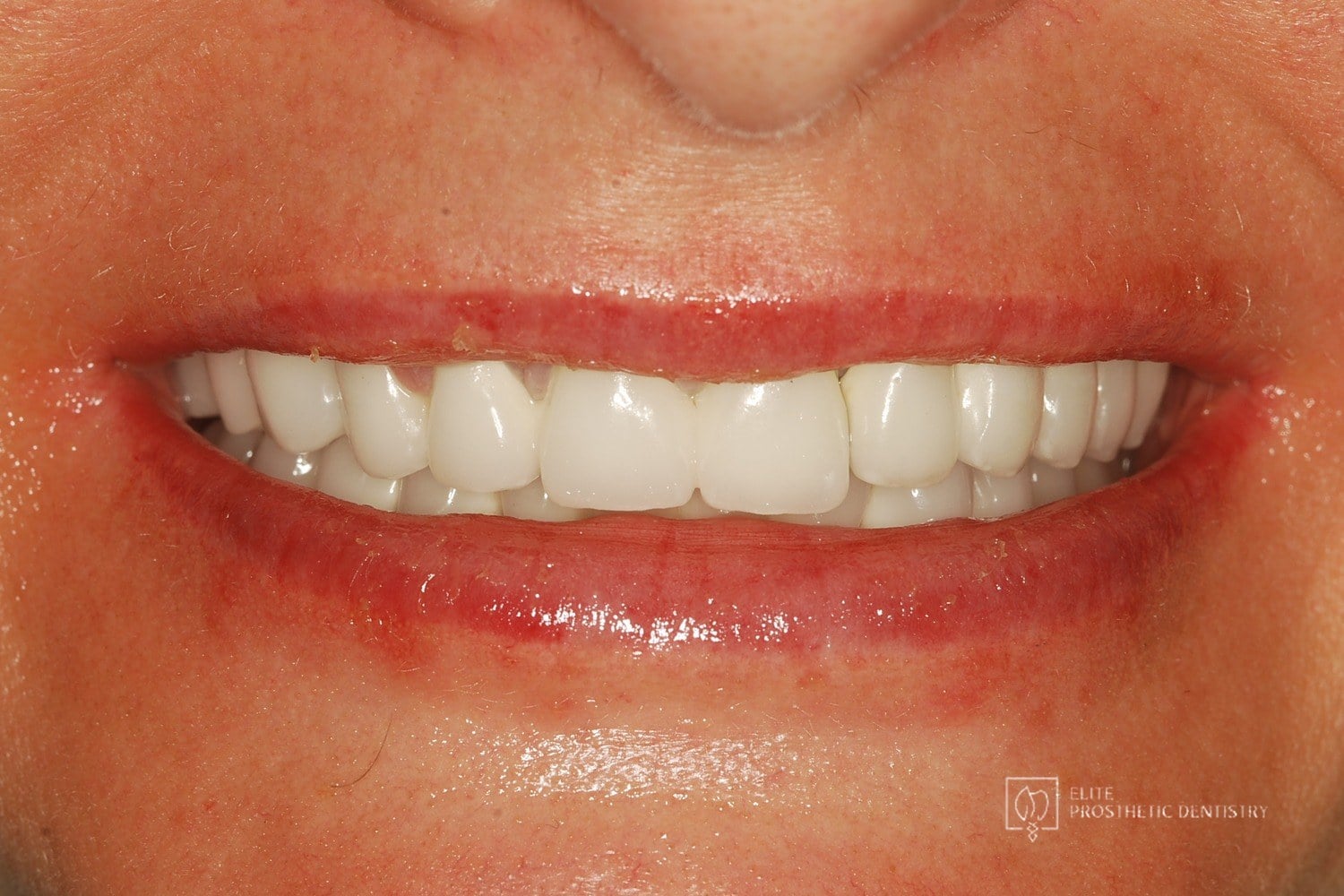 After
After How Aging, Failing Dentistry Was Replaced with a Coordinated Full-Mouth Implant and Crown Reconstruction
The patient presented with throbbing upper-molar pain, long-standing infections, multiple root canals and unfinished prior treatment, generalized sensitivity, and several hopeless teeth.
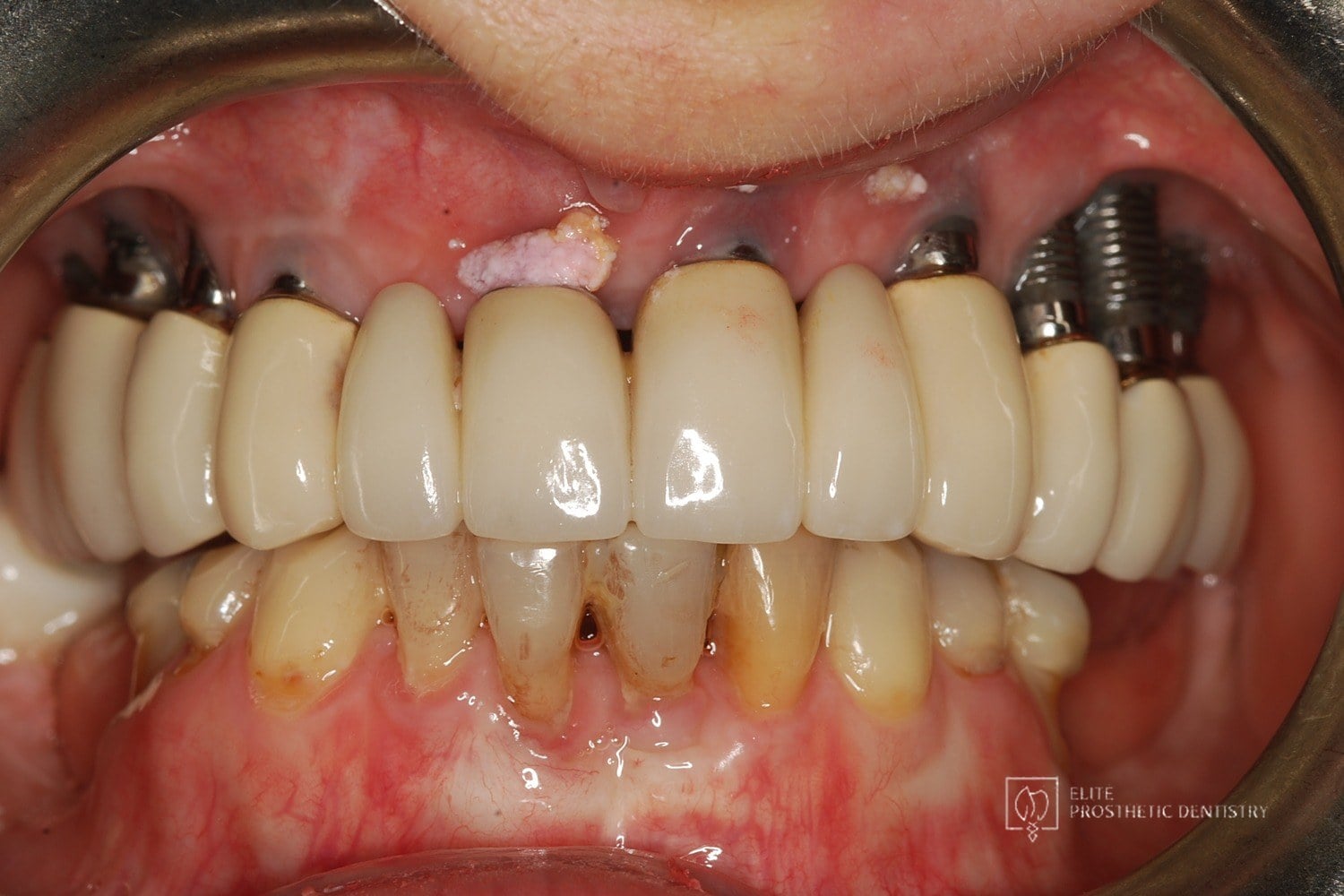 Before
 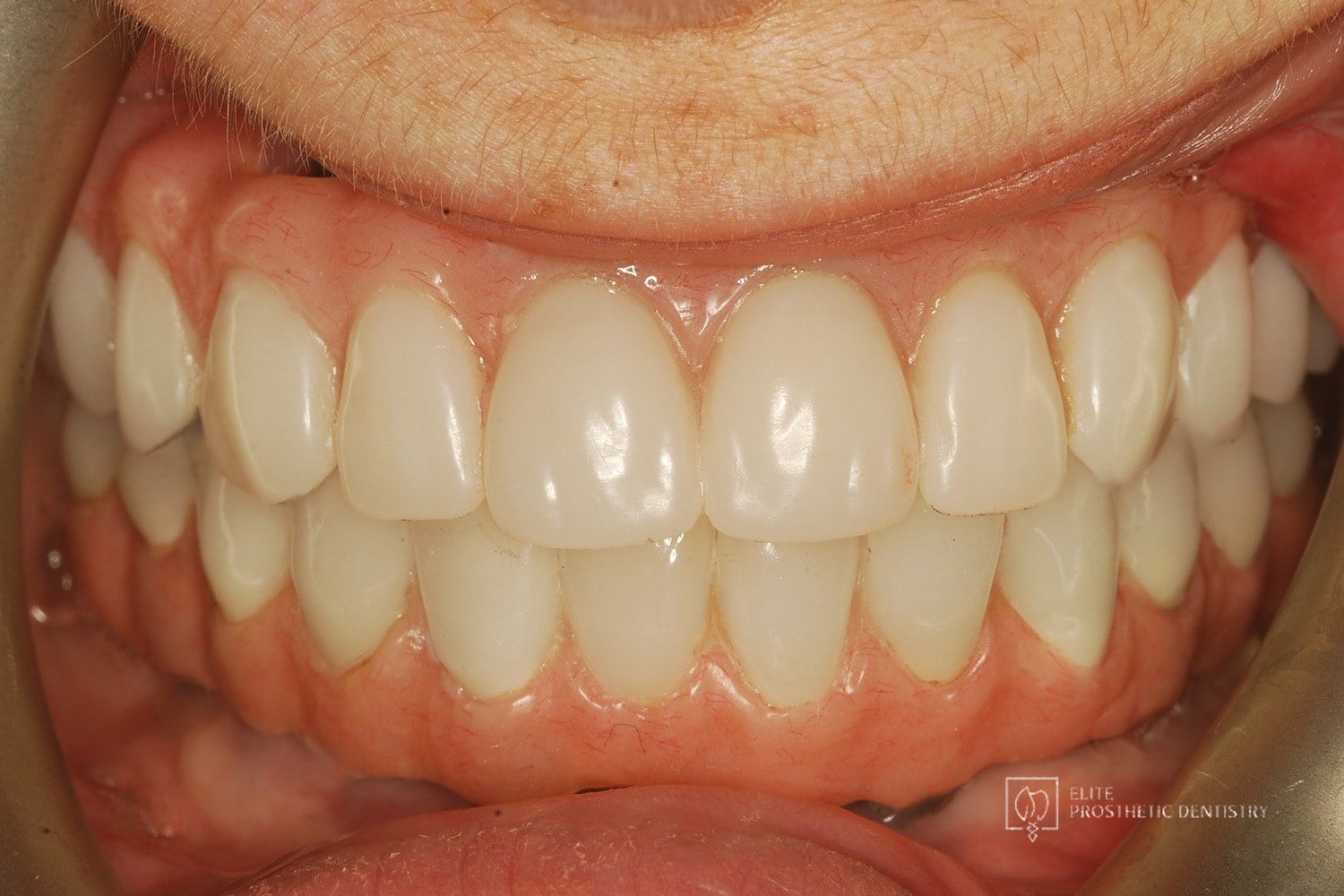 After
After How Failing Implants and Severe Bone Loss Were Rebuilt Into a Stable Full-Arch Implant Reconstruction
The patient presented with significant complications from previously placed implants, severe bone loss, failing posterior implants, and an unesthetic full-arch bridge. Both arches required full reconstruction, with the upper arch showing the most advanced bone loss and instability.
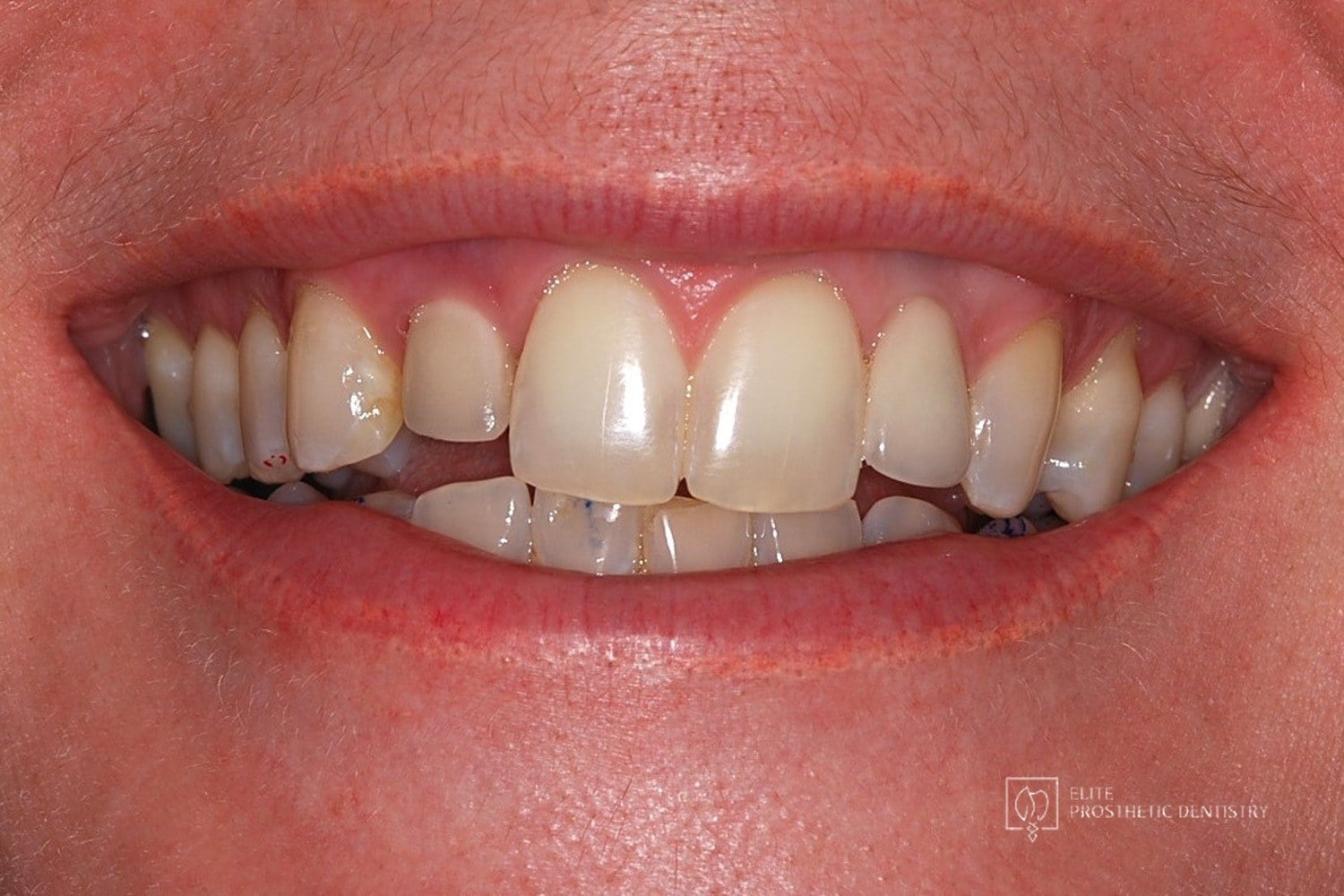 Before
 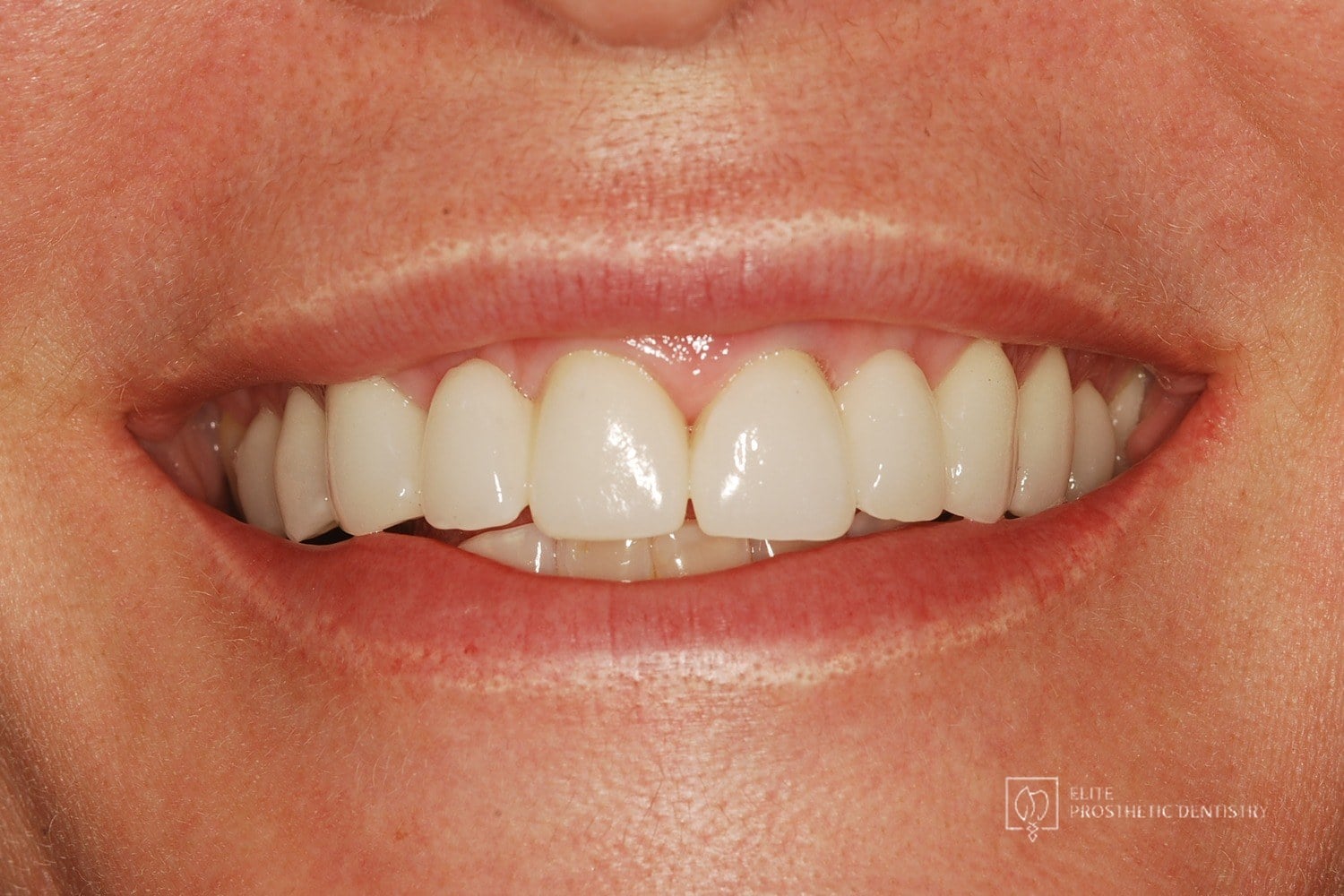 After
After How Failing Lateral Incisor Implants Were Replaced with Custom Zirconia Bridges After Severe Bone Loss Made Replacement Implants Impossible
Comprehensive examination including CBCT imaging revealed significant bone loss surrounding implants that were placed outside the buccal plate, most likely due to placement without a CBCT-generated surgical guide. The implants were determined non-salvageable, and the alveolar ridge was too narrow to support replacement implants without extensive reconstruction.
Related Articles
Deepen your knowledge with additional insights on this topic.
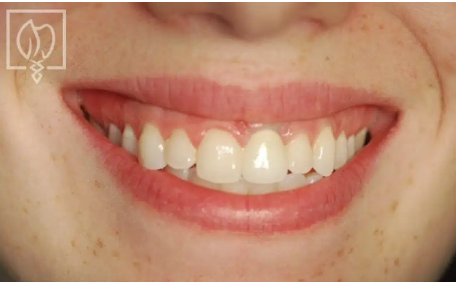 Dental Implants
 If a Single Front Tooth Is Replaced with an Implant, Can It Look Natural?
Yes. See the four steps, with real case photos, that make a single front tooth implant indistinguishable from the natural tooth beside it. Washington, DC.
 Dental Implants
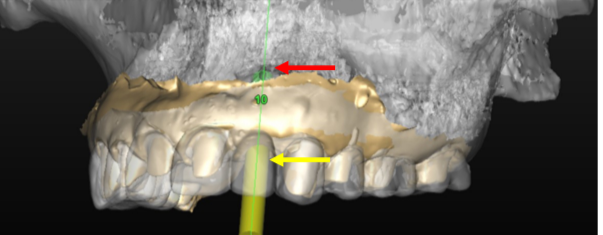
 What Is Precision Implant Placement (PIP)?
Precision Implant Placement plans each implant virtually on a CBCT scan, then delivers it with a custom surgical guide. See the three steps with real images.
 Dental Implants
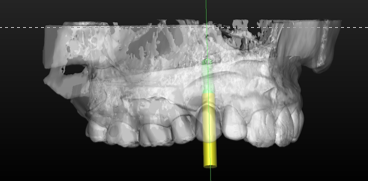
 What Is the Ideal Surgical Guide for Precision Implant Placement?
Not all surgical guides are equal. The gold standard is CBCT-based: planned virtually in 3D, 3D printed, and seated on your teeth. A DC prosthodontist explains.