
Veneers: The Doorway to a Successful Smile
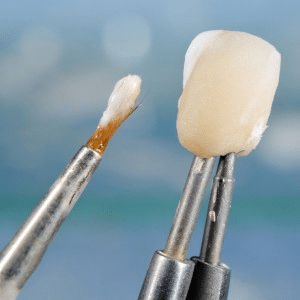
For minor imperfections on otherwise healthy front teeth, veneers offer one of the best trades in dentistry: a dramatically improved smile for minimal invasiveness and a modest time investment. They are the doorway through which many patients first enter cosmetic dentistry, and understanding what they are, and who they suit, tells you whether that door is yours.
What Veneers Are
Veneers are thin layers of porcelain, custom made and bonded over the front surface of the teeth to improve their durability and appearance. Bonded correctly to sound enamel, a veneer offers strength and resilience similar to natural tooth structure, while porcelain’s translucency lets it pass for enamel in a way no other material quite matches.
The process is refreshingly simple from the patient’s side. First we analyze your smile to identify where veneers would genuinely improve it. Then the teeth are prepared conservatively, records are taken, and your veneers are custom fabricated. Finally, they are bonded to your teeth, and the transformation is complete, typically within a few weeks of starting.
Who Veneers Are For
Veneers are ideal for correcting imperfections caused by one or more of the following:
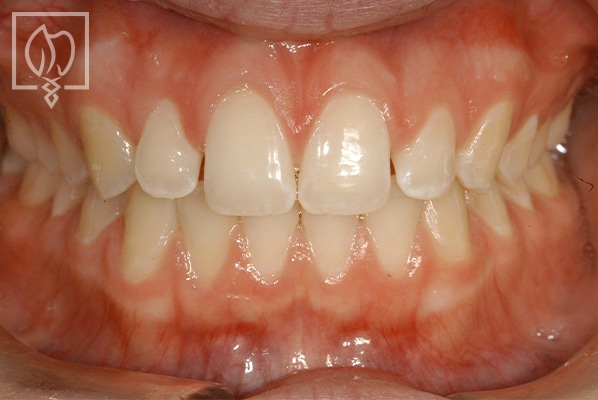
- Discolored teeth, whether from certain medications, smoking, excessive fluoride during childhood, or darkening after root canal treatment
- Worn-down teeth with shortened or flattened edges
- Broken or chipped teeth where the damage is cosmetic rather than structural
- Gaps between teeth that bother you when you smile
- Misaligned or uneven teeth within a modest range
The common thread: the tooth itself is fundamentally sound, and the correction needed lives on its visible surface. Our article on the four aesthetic improvements veneers deliver explores each of these in more depth.
Who Veneers Are Not For
Honesty about limits is what separates a good veneer practice from a veneer sales office. Teeth that are very dark respond poorly to a thin shell; teeth weakened by large fillings or fractures need the structural coverage of a crown; significant misalignment is orthodontic territory; and very deep discoloration or heavy grinding change the calculus too. When patients ask us to compare options, we walk through the same reasoning we published in when veneers are not as good as crowns.
None of this diminishes veneers. It just means candidacy is a genuine clinical question, decided tooth by tooth, and the examination that answers it is the single most valuable step in the whole process. If you are preparing for that conversation, our pre-consultation guide to veneers covers the questions worth asking.
What Happens Between Preparation and Placement
One practical detail reassures most candidates: you are never left with unfinished teeth. After conservative preparation, temporary coverage protects the prepared surfaces and keeps your smile presentable while your veneers are fabricated, typically a matter of a couple of weeks. At the placement visit, each veneer is tried in and evaluated against your neighboring teeth before it is bonded, so nothing becomes permanent until the fit and the look are right.
Once bonded, veneers become part of your daily life almost immediately: normal eating, normal speech, normal brushing and flossing, with a few sensible precautions around very hard foods that we cover in our veneer care guide.
Why Fabrication Quality Decides the Result
Two veneers with identical prescriptions can look entirely different depending on who made them. At Elite Prosthetic Dentistry, veneers are handcrafted in our in-house laboratory, where the technician works directly with Dr. Marlin, and with you at the chair, matching color and translucency to your natural teeth rather than interpreting a code from a form. That collaboration is why our veneers read as teeth, not dental work.
The payoff for choosing well and fabricating well is longevity: veneers that stay beautiful for many years with nothing more exotic than good daily hygiene and regular checkups. The smile improves; the maintenance barely changes.
Step Through the Doorway
If gaps, chips, stains, or uneven edges have been keeping your smile guarded, find out whether veneers are your answer. Call 202-244-2101 or set up a veneer consultation with Dr. Gerald Marlin, specialty-trained prosthodontist, at Elite Prosthetic Dentistry in Friendship Heights, Washington, DC. We will examine your smile, tell you plainly whether you are a good candidate, and show you what your successful smile could look like.
See How We Resolve These Problems
Our patient success stories show real cases and real results. Browse outcomes from a specialist prosthodontist with decades of experience and 3,900+ implants placed.
Key Takeaways
- ✓ Veneers are thin porcelain layers bonded to the front of the teeth, offering strength and resilience similar to natural enamel.
- ✓ They suit discoloration, worn or chipped edges, small gaps, and minor unevenness on structurally sound front teeth.
- ✓ Treatment is straightforward: smile analysis, conservative preparation, fabrication, and bonding, typically within a few weeks.
- ✓ Candidacy is a real question: enamel quality, tooth color, gum health, and bite habits all factor into whether veneers will succeed.
- ✓ For imperfections beyond a veneer's reach, crowns or a broader plan deliver the better long-term result.
Frequently Asked Questions
What exactly are dental veneers?
Veneers are thin layers of porcelain custom made to cover the front surface of a tooth, improving its color, shape, and overall appearance. Bonded properly to sound enamel, they take on strength and resilience similar to natural tooth structure while looking convincingly like it.
What problems do veneers fix?
The classic list: discoloration from certain medications, smoking, excess fluoride during development, or root canal treatment; worn-down or chipped teeth; small gaps; and minor misalignment or unevenness. The common thread is a structurally sound tooth needing a cosmetic correction on its visible face.
How do I find out if I am a candidate for veneers?
Through an examination. Your dentist evaluates the enamel available for bonding, the underlying color of your teeth, your gum health, and habits like grinding. Good candidates get a confident yes; borderline cases deserve a conversation about crowns or other alternatives rather than a forced fit.
How many visits do veneers take?
Typically two clinical visits after the consultation: one to prepare the teeth conservatively and take records, and one to bond the finished veneers, with fabrication time in between. The result is a transformed smile within a few weeks, not months.
Related Patient Success Stories
Explore similar patient success stories demonstrating our expertise in advanced prosthetic dentistry.
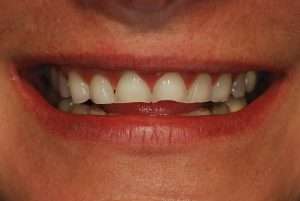 Before
 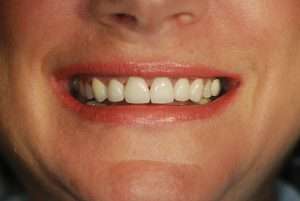 After
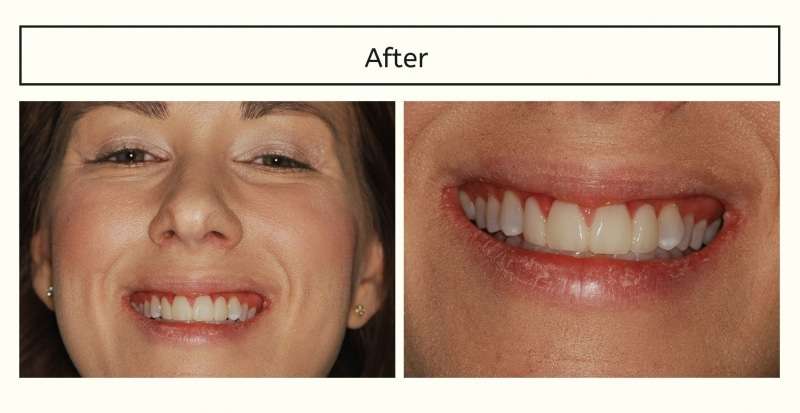
After Can Worn-Down Teeth Be Fixed or Do They Have to Be Replaced?
The patient presented with a severely worn dentition that was marring an otherwise great smile line.
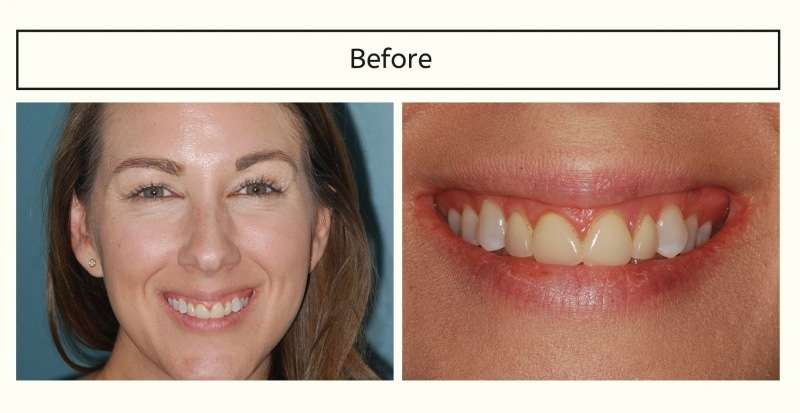 Before
  After
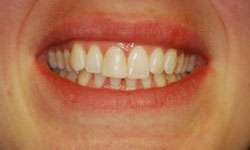
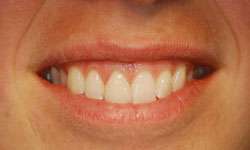
After The Immediate Gummy Smile Makeover
Self-conscious about her gummy smile line and wearing veneers that were not the optimal size or shape for her smile, the patient needed a natural-looking result on a tight timeline before her wedding.
 Before
  After
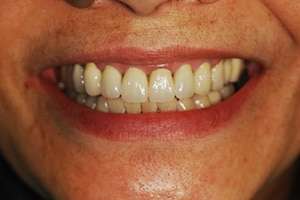
After The Single Anterior Crown
A veneer on one upper front tooth no longer matched its natural neighbor in shape, color, or translucency, and its contours were irritating the gum tissue around it.
Related Articles
Deepen your knowledge with additional insights on this topic.
 Porcelain Veneers
 Revealing the Process: An In-Depth Look at Veneer Teeth Prep
About half a millimeter of enamel, one careful appointment: a DC prosthodontist walks through veneer tooth preparation and why precision decides the result.
 Porcelain Veneers
 Why Do Some Dental Veneers Chip?
Grinding, bite problems, hard foods, and bonding errors are the usual causes of chipped veneers. A DC prosthodontist explains prevention and repair.
Porcelain Veneers The Most Common Misconceptions About Veneers
Too fake, too fragile, too damaging, too expensive? A DC prosthodontist corrects the five most common misconceptions about porcelain veneers.