
Why Do Some Dental Veneers Chip?
Dental veneers are a remarkably versatile restoration for gapped, worn, discolored, chipped, or uneven teeth: strong, stain-resistant, and natural-looking. But strong is not indestructible. Although veneers last for many years when properly designed, applied, and maintained, they are not entirely impervious to damage [1], and the chip is their most common injury.
So what actually chips a veneer, what should you do in the first hour after it happens, and how do you keep it from happening again? Here is the full picture.
What Chips a Veneer
Porcelain, the standard veneer material, delivers natural-looking results and excellent longevity [2], but like any ceramic it can fracture under intense pressure or abnormal wear. In practice, the pressure comes from a short list of sources:
- Grinding and clenching. Bruxism subjects veneers to forces far beyond normal chewing, concentrated exactly where porcelain is thinnest.
- Bite problems. A misaligned bite loads some teeth abnormally with every meal, and a veneer on one of those teeth wears and chips ahead of schedule. If you have bite misalignment, TMJ pain, or a grinding history, those problems should be treated before veneers are placed, and in some such cases custom crowns are the more durable choice.
- Hard foods and hard habits. Biting ice, hard candy, and nut shells, or using teeth as tools for nail biting, pen chewing, and package opening, causes a large share of entirely preventable chips.
- Placement and bonding issues. A veneer positioned or bonded imprecisely carries stress it was never designed for, and the chip that follows is a symptom rather than the disease. This mechanical side of failure is covered fully in why veneers fail.
Can a Chipped Veneer Be Fixed?
Yes, and the sooner the better. If your veneer chips, save any fragments and see your dentist promptly; each case is different, but as a general rule small chips can be repaired while larger fractures call for replacement. Waiting invites further damage, both to the remaining porcelain and to the tooth underneath, and a chipped front tooth is exactly the kind of visible flaw veneers exist to prevent.
At Elite Prosthetic Dentistry, repair versus replacement is a diagnosis, not a coin flip. Dr. Gerald Marlin, a specialty-trained prosthodontist, evaluates why the chip happened before deciding how to fix it, because a replacement veneer placed into the same force problem will meet the same fate.
What to Do in the First Hour After a Chip
A few immediate steps protect both the veneer and the tooth. Retrieve and save any porcelain fragments in a small container; reattachment is sometimes possible, and the pieces help us assess the fracture either way. Stop chewing on that side of your mouth, and if a sharp edge is irritating your lip or tongue, a small piece of orthodontic wax from any pharmacy can cover it temporarily. Then call the office rather than waiting to see whether it gets worse; chips do not heal, and the exposed area is more vulnerable than it was.
Prevention Starts Before Placement
The most effective chip prevention happens before a veneer ever touches a tooth. Careful planning screens for the risk factors, grinding, bite misalignment, destructive habits, and either resolves them or designs around them [3]. A night guard protects the investment of patients who grind; bite adjustment keeps forces distributed where they belong.
Design and fabrication carry the other half. Our veneers are custom crafted with our in-house laboratory technicians, engineered for your bite as well as your appearance, so beauty and durability are built in together. After placement, the routine maintenance in our veneer care guide, gentle cleaning, sensible eating, regular checkups, keeps small problems from becoming chips at all.
Chipped Veneer? Do Not Ignore It
A chipped veneer undermines the very confidence it was placed to create, and it only gets worse untreated. If your veneer is chipped or damaged, call 202-244-2101 or schedule a consultation at Elite Prosthetic Dentistry in Friendship Heights, Washington, DC. We will repair or replace the veneer, fix the reason it chipped, and get your smile back.
Sources:
See How We Resolve These Problems
Our patient success stories show real cases and real results. Browse outcomes from a specialist prosthodontist with decades of experience and 3,900+ implants placed.
Key Takeaways
- ✓ Porcelain is durable but not invincible; chips happen under intense pressure or abnormal wear.
- ✓ Grinding and bite misalignment are the leading culprits, which is why they should be treated before veneers are placed.
- ✓ Hard foods and using teeth as tools, nail biting, pen chewing, ice crunching, cause a large share of preventable chips.
- ✓ Small chips can often be repaired; larger ones usually mean replacement, so see your dentist promptly either way.
- ✓ The best chip prevention happens before placement: planning that screens for risk factors and designs the veneer for your bite.
Frequently Asked Questions
Why did my veneer chip?
The usual causes are mechanical: grinding or clenching, a bite that loads the veneer abnormally, biting hard items like ice, hard candy, or nut shells, habits such as nail biting or pen chewing, or a placement and bonding issue built in when the veneer was made. Identifying which one applies matters, because it determines whether a repair will hold.
Can a chipped veneer be repaired, or does it need replacing?
It depends on the size and location of the damage. Small chips can often be repaired; larger fractures generally require a replacement veneer. Either way, see your dentist promptly, and bring any porcelain fragments with you. Waiting risks further damage to the veneer and the tooth beneath it.
Should grinding be treated before getting veneers?
Yes. Untreated bruxism, and untreated bite misalignment or TMJ problems, put veneers under forces they are not designed to carry. Resolving those issues first, and protecting the result with a night guard where needed, is standard in careful planning. For heavy grinders, crowns may be recommended as the more durable option.
How do I prevent my veneers from chipping?
Three habits cover most of it: never use your teeth as tools, chew very hard foods with your back teeth or avoid them, and wear your night guard if grinding is part of your picture. Add regular checkups so early wear is caught before it becomes a chip.
Related Patient Success Stories
Explore similar patient success stories demonstrating our expertise in advanced prosthetic dentistry.
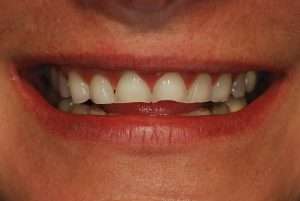 Before
 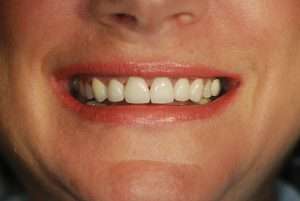 After
After Can Worn-Down Teeth Be Fixed or Do They Have to Be Replaced?
The patient presented with a severely worn dentition that was marring an otherwise great smile line.
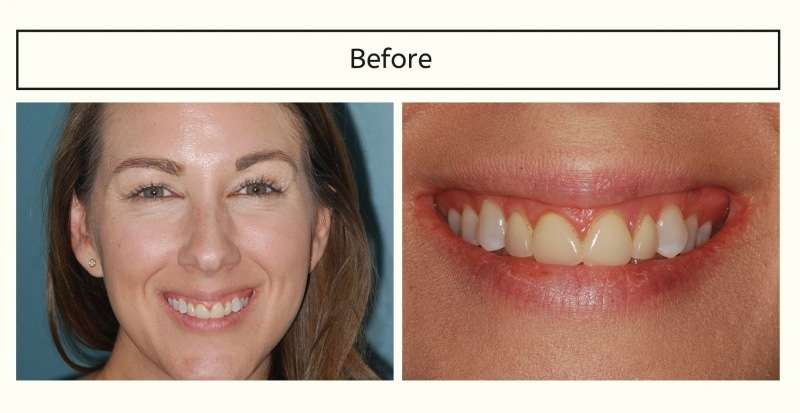 Before
 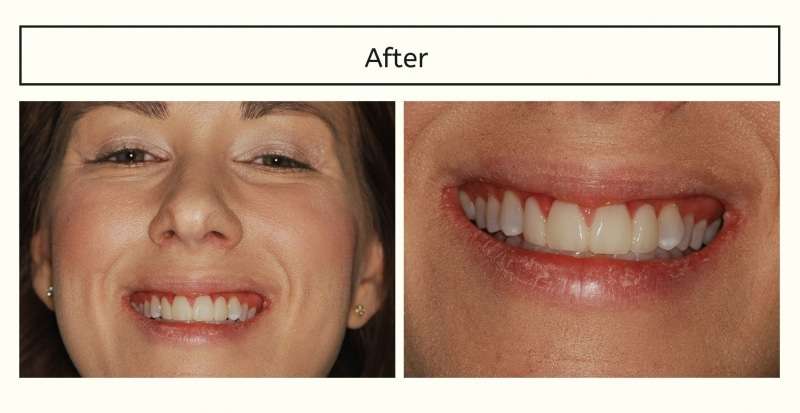 After
After The Immediate Gummy Smile Makeover
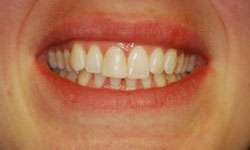
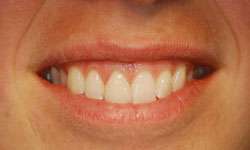
Self-conscious about her gummy smile line and wearing veneers that were not the optimal size or shape for her smile, the patient needed a natural-looking result on a tight timeline before her wedding.
 Before
  After
After The Single Anterior Crown
A veneer on one upper front tooth no longer matched its natural neighbor in shape, color, or translucency, and its contours were irritating the gum tissue around it.
Related Articles
Deepen your knowledge with additional insights on this topic.
 Porcelain Veneers
 Revealing the Process: An In-Depth Look at Veneer Teeth Prep
About half a millimeter of enamel, one careful appointment: a DC prosthodontist walks through veneer tooth preparation and why precision decides the result.
 Porcelain Veneers
 Why Do Some Dental Veneers Chip?
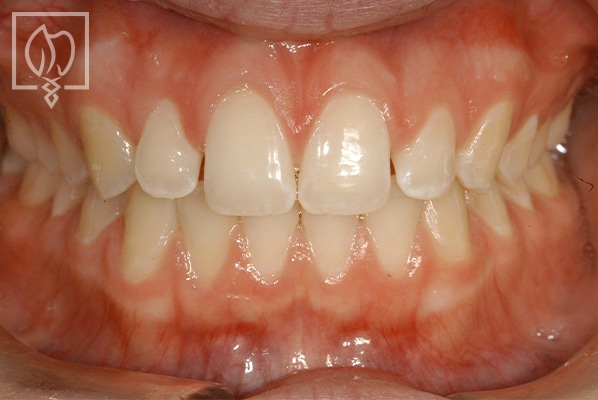
Grinding, bite problems, hard foods, and bonding errors are the usual causes of chipped veneers. A DC prosthodontist explains prevention and repair.
Porcelain Veneers The Most Common Misconceptions About Veneers
Too fake, too fragile, too damaging, too expensive? A DC prosthodontist corrects the five most common misconceptions about porcelain veneers.