
Common Reasons Why a Dental Veneer Fails
Dental veneers are one of the most reliable treatments in cosmetic dentistry: thin porcelain shells bonded over your natural teeth, preserving the tooth while transforming its appearance. Studies report success rates around 91 percent [1], which is excellent, and which still leaves the obvious question: what goes wrong in the cases that fail?
The answer is usefully specific. Veneer failures cluster around four mechanical causes, and understanding them tells you both how to prevent failure and what to fix when it happens. This article covers the causes; if your veneer has already failed and you are weighing what comes next, our companion piece on what to do when a veneer fails covers the replacement decisions.
1. Placement Precision
A veneer is a precision part. How it is positioned determines how it meets the opposing teeth in every bite, and small placement errors create abnormal wear patterns that concentrate stress on porcelain edges. Over time, that stress becomes the chips and cracks that take veneers out of service.
This is the least visible failure cause because it is built in on day one and shows up years later. It is also why provider experience measurably affects veneer longevity [2], and why complex cosmetic work rewards specialist training: a prosthodontist plans veneer position against your whole bite, not just the tooth in isolation.
2. Decay Under or Around the Veneer
Veneers transform the front of a tooth; they do not immunize the rest of it. The underlying tooth can still develop cavities, particularly at the margins where porcelain meets enamel, and decay that advances far enough can force removal of the veneer. If it reaches the pulp, root canal treatment enters the picture.
Two defenses matter here. Before treatment, any existing decay or gum disease must be resolved; placing a veneer on a compromised tooth builds failure into the case. After treatment, ordinary diligence, brushing, flossing, and regular hygiene visits, protects the tooth that carries your veneer. Our veneer care guide covers the full routine.
3. Inadequate Bonding
The bond between veneer and enamel is what turns a fragile shell into a functional tooth surface, and bonding quality is well established as central to veneer success [3]. When bonding falls short, whether from technique, contamination during placement, or inadequate tooth preparation, the veneer loosens, feels bulky or uncomfortable, and eventually fails.
A telltale sign is space appearing between the gum tissue and the veneer edge. A properly prepared, properly bonded veneer sits flush and feels like your own tooth; anything else warrants a look.
4. Teeth Grinding
Bruxism is porcelain’s natural enemy. Grinding generates immense forces, and untreated grinders are typically poor veneer candidates: the pressure loosens, cracks, and chips restorations that would otherwise last well over a decade [4].
The good news is that grinding is manageable. The bite can be adjusted so the veneers are not loaded too heavily, and a custom night guard shields them while you sleep. When grinding is severe, the honest recommendation may be crowns instead, which carry force differently. Chipping specifically, the most common visible symptom of force problems, gets its own examination in why some veneers chip.
Failure Versus Normal Aging
Not every imperfection means failure. Veneers age the way fine restorations do: microscopically at the margins, gradually in surface luster, and in step with the natural teeth around them. What distinguishes failure is function and progression: looseness, discomfort, visible gaps at the gumline, cracks, or chips that change how the veneer meets its neighbors. Aging is monitored at regular checkups; failure gets treated. Knowing the difference saves patients both needless worry and dangerous delay.
Failing Veneers Are Fixable
Loose, uncomfortable, or damaged veneers are not something to live with, and not something to feel stuck with. Whether yours need rebonding, repair, or replacement, the underlying cause can be diagnosed and corrected so the next set does not repeat the story. Dr. Gerald Marlin, a specialty-trained prosthodontist, plans veneer work with our in-house laboratory precisely to control the variables that decide longevity. Call 202-244-2101 or schedule a consultation at Elite Prosthetic Dentistry in Friendship Heights, Washington, DC.
Sources:
See How We Resolve These Problems
Our patient success stories show real cases and real results. Browse outcomes from a specialist prosthodontist with decades of experience and 3,900+ implants placed.
Key Takeaways
- ✓ Veneers succeed at high rates, with studies reporting around 91 percent success, but the failures cluster around four identifiable causes.
- ✓ Placement precision determines how a veneer wears; small errors compound into chips, cracks, and premature replacement.
- ✓ The tooth under a veneer can still decay, and decay at the margins is a leading route to failure.
- ✓ Bonding is the make-or-break step: a poorly bonded veneer feels bulky, loosens, and fails early.
- ✓ Untreated grinding overloads porcelain; managing bite forces and wearing a night guard protects the investment.
Frequently Asked Questions
What causes dental veneers to fail?
Four causes account for most failures: imprecise placement that leads to abnormal wear, decay or infection in the tooth underneath, inadequate bonding between veneer and enamel, and untreated teeth grinding that overloads the porcelain. Each is largely preventable with careful planning, skilled execution, and sensible maintenance.
Can the tooth under a veneer get a cavity?
Yes. The veneer covers only the front surface, so the rest of the tooth, and especially the margins where veneer meets enamel, remains vulnerable to decay. Extensive decay can force removal of the veneer, and if it reaches the pulp, root canal treatment. Daily hygiene and regular checkups protect the tooth that carries the veneer.
How do I know if my veneer is failing?
Warning signs include a veneer that feels loose, bulky, or uncomfortable, visible space opening between the veneer and your gumline, chips or cracks, and new sensitivity. None of these are normal. A veneer in good order feels secure and looks natural, so anything less deserves prompt evaluation.
Can I get veneers if I grind my teeth?
Often yes, but only with the grinding managed. Untreated bruxism generates forces that crack and loosen porcelain, so the plan must compensate: adjusting how your bite loads the veneers and protecting them with a custom night guard. In heavy grinders, crowns may be the more durable choice, which is part of honest treatment planning.
Related Patient Success Stories
Explore similar patient success stories demonstrating our expertise in advanced prosthetic dentistry.
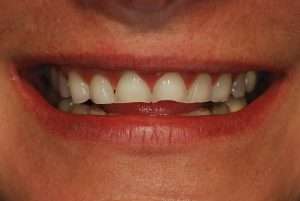 Before
 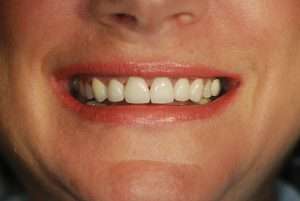 After
After Can Worn-Down Teeth Be Fixed or Do They Have to Be Replaced?
The patient presented with a severely worn dentition that was marring an otherwise great smile line.
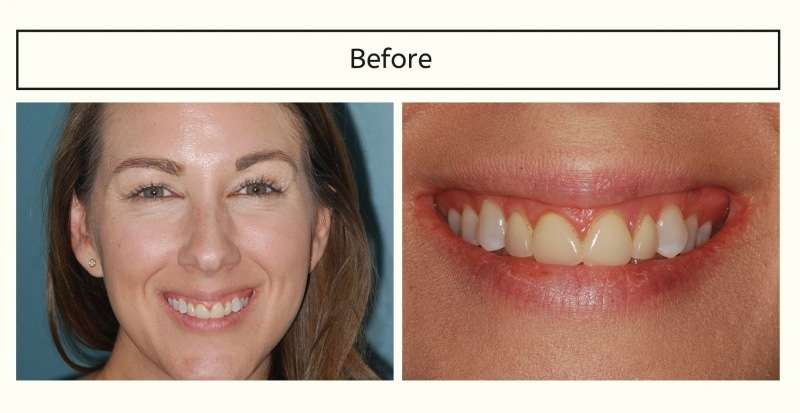 Before
 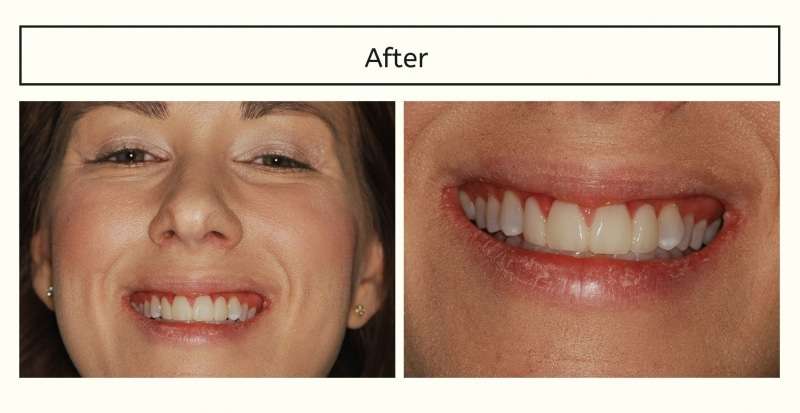 After
After The Immediate Gummy Smile Makeover
Self-conscious about her gummy smile line and wearing veneers that were not the optimal size or shape for her smile, the patient needed a natural-looking result on a tight timeline before her wedding.
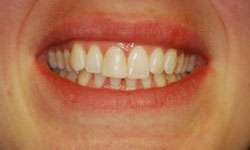 Before
 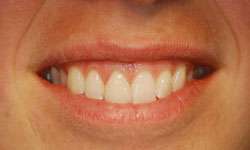 After
After The Single Anterior Crown
A veneer on one upper front tooth no longer matched its natural neighbor in shape, color, or translucency, and its contours were irritating the gum tissue around it.
Related Articles
Deepen your knowledge with additional insights on this topic.
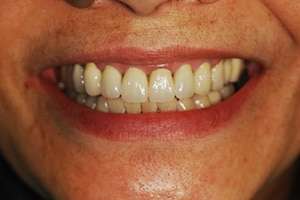 Porcelain Veneers
 Revealing the Process: An In-Depth Look at Veneer Teeth Prep
About half a millimeter of enamel, one careful appointment: a DC prosthodontist walks through veneer tooth preparation and why precision decides the result.
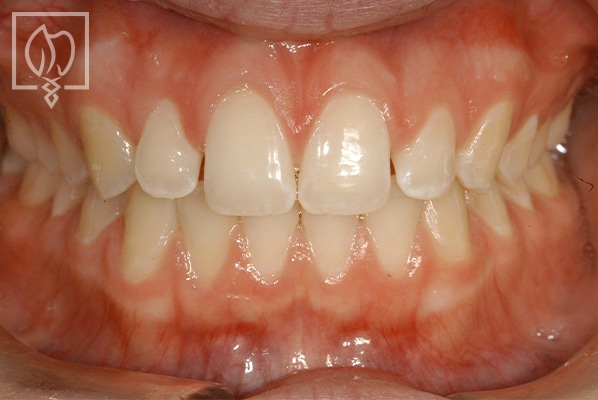 Porcelain Veneers
 Why Do Some Dental Veneers Chip?
Grinding, bite problems, hard foods, and bonding errors are the usual causes of chipped veneers. A DC prosthodontist explains prevention and repair.
Porcelain Veneers The Most Common Misconceptions About Veneers
Too fake, too fragile, too damaging, too expensive? A DC prosthodontist corrects the five most common misconceptions about porcelain veneers.