
Take Care of Your Veneers: The Complete Care Guide
Congratulations on your new veneers: your smile is finally exactly the way you want it. Now the goal is keeping it that way, and the good news is that porcelain veneers are low-maintenance as investments go. They are not, however, zero-maintenance. Here is the complete care routine that keeps veneers looking as good as the day they were placed, for years and years.
Keep Them Clean, Gently
Veneers require the same kind of care your natural teeth do, with an emphasis on gentleness. Brush twice a day for at least two minutes, floss daily, and drink plenty of water in between. Choose a non-abrasive fluoride toothpaste and a soft-bristled toothbrush so you do not scratch or dull the porcelain surface, and skip aggressive scrubbing, which wears at veneer edges over time.
A useful mental model: fine china, not everyday dishware. Porcelain is durable, but abrasive products and rough handling are its enemies. An electric toothbrush on a gentle mode is actually a fine choice, delivering consistent, effective cleaning without the excess pressure of enthusiastic manual brushing.
Manage Stains, for the Sake of Your Natural Teeth
Here is the subtlety most veneer owners miss: porcelain barely stains, but the natural teeth beside your veneers absolutely do. To keep the whole smile matched and uniformly bright, moderate the classic stain culprits: red wine, coffee, black tea, curry, berries, and tomato sauce. You do not need to give them up; just practice moderation, rinse your mouth with water after consuming them, and if you have had something acidic, wait about 30 minutes before brushing.
If your natural teeth do drift darker over the years, professional whitening can bring them back in line with the veneers; the correction runs in that direction because the porcelain shade is fixed.
Watch That Bite
Do not bite directly into hard foods: nuts, ice cubes, popcorn kernels, and hard candies are the classic causes of chipped veneers. Modern porcelain is strong, but it is not designed for cracking hard objects, and neither, frankly, are natural teeth. If you love crunchy foods, chew them with your back teeth or cut hard items into smaller pieces first.
The same physics applies at night. If you grind or clench, tell us: bite force is one of the common reasons veneers chip or fail before their time, and a fitted night guard is cheap protection. For the fuller picture of what actually takes veneers out of service, see why dental veneers fail.
One practical note for travelers: if a veneer problem surfaces while you are away from home, avoid chewing on it and see a local dentist for temporary stabilization if needed, but have the definitive repair done by the practice that knows your case and made your restorations.
Keep Your Dental Visits
Mark your checkups in the calendar with the same seriousness as a best friend’s birthday. Regular professional cleanings remove the buildup that dulls the appearance of any smile, veneered or not, and the examination lets us spot early signs of trouble, bonding wear, hairline chips, gum changes, while they are still minor. Problems caught early are adjustments; problems caught late are replacements.
Know the Early Warning Signs
Between checkups, your own attention is the first line of defense. Call promptly if a veneer starts to feel rough at an edge, if you notice a hairline line or small chip, if floss begins catching or shredding at one spot, or if a tooth under a veneer becomes newly sensitive to temperature. None of these necessarily means trouble, but each is worth a look, and every one of them is easier to address early than after months of wear have compounded it.
A Long Life for a Beautiful Investment
Cared for this way, veneers commonly serve for a decade or two, a value story we cover in our veneer Q&A. The formula is not complicated: gentle daily cleaning, sensible eating habits, stain moderation for the natural teeth, and regular professional eyes on everything.
Elite Prosthetic Dentistry has been fabricating and maintaining fine restorations from our in-house laboratory since 1985, and we take the long view of every smile we build. To schedule your checkup and cleaning, or to ask Dr. Marlin anything about caring for your veneers, call 202-244-2101 or book an appointment at our Friendship Heights office in Washington, DC.
See How We Resolve These Problems
Our patient success stories show real cases and real results. Browse outcomes from a specialist prosthodontist with decades of experience and 3,900+ implants placed.
Key Takeaways
- ✓ Veneers need the same daily care as natural teeth: gentle brushing twice a day with non-abrasive fluoride toothpaste and a soft brush, plus daily flossing.
- ✓ Treat them like fine china, not everyday dishware: abrasive pastes and aggressive scrubbing dull porcelain over time.
- ✓ Porcelain resists stains, but your natural teeth do not; moderating coffee, red wine, and tea keeps the whole smile matched.
- ✓ Do not bite hard objects: ice, popcorn kernels, nuts, and hard candy are the classic veneer chippers.
- ✓ Regular professional cleanings and checkups catch small problems before they become repairs or replacements.
Frequently Asked Questions
How do you clean porcelain veneers?
Exactly like well-treated natural teeth: brush twice a day for at least two minutes with a soft-bristled brush and a non-abrasive fluoride toothpaste, floss daily, and drink water through the day. An electric toothbrush on a gentle setting works well because it cleans consistently without heavy pressure.
What foods should I avoid with veneers?
Avoid biting directly into very hard items: ice cubes, popcorn kernels, nuts, and hard candies can chip porcelain. Staining foods and drinks like coffee, red wine, tea, curry, berries, and tomato sauce will not stain the veneers themselves but do stain your natural teeth, so enjoy them in moderation and rinse with water afterward.
Can I use whitening toothpaste on veneers?
Better not to. Many whitening pastes are abrasive, and abrasives dull the polished porcelain surface over time without whitening it, since porcelain does not bleach. A standard non-abrasive fluoride toothpaste protects both the veneers and the teeth behind them.
How often should veneers be checked by a dentist?
Keep your regular hygiene schedule, typically every six months unless your dentist advises otherwise. Professional cleanings remove buildup that affects appearance, and the examination catches early signs of bonding wear, chipping, or gum changes while they are still simple to address.
Do I need a night guard with veneers?
If you grind or clench your teeth, quite possibly. Grinding concentrates enormous force on porcelain edges and is one of the common reasons veneers chip or fail early. Ask at your checkup; a properly fitted guard is inexpensive insurance for the investment in your smile.
Related Patient Success Stories
Explore similar patient success stories demonstrating our expertise in advanced prosthetic dentistry.
 Before
  After
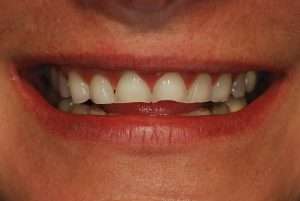
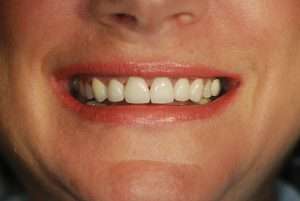
After Can Worn-Down Teeth Be Fixed or Do They Have to Be Replaced?
The patient presented with a severely worn dentition that was marring an otherwise great smile line.
 Before
  After
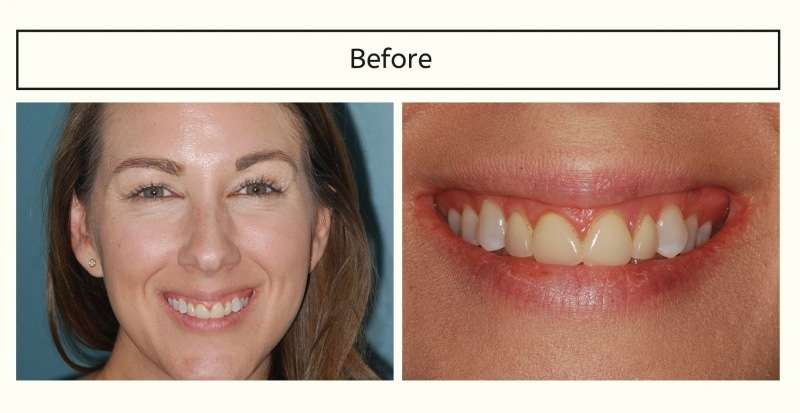
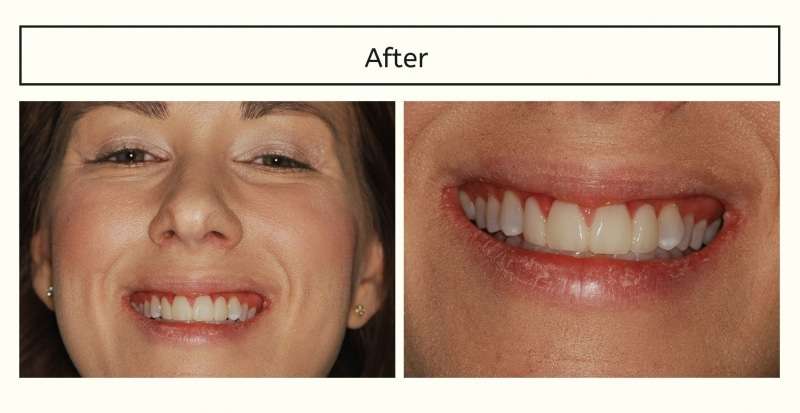
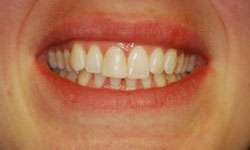
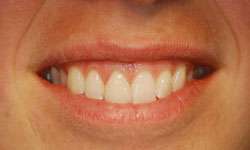
After The Immediate Gummy Smile Makeover
Self-conscious about her gummy smile line and wearing veneers that were not the optimal size or shape for her smile, the patient needed a natural-looking result on a tight timeline before her wedding.
 Before
  After
After The Single Anterior Crown
A veneer on one upper front tooth no longer matched its natural neighbor in shape, color, or translucency, and its contours were irritating the gum tissue around it.
Related Articles
Deepen your knowledge with additional insights on this topic.
 Porcelain Veneers
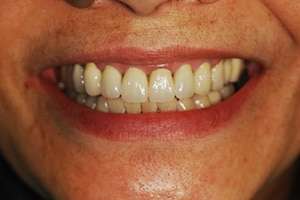
 Revealing the Process: An In-Depth Look at Veneer Teeth Prep
About half a millimeter of enamel, one careful appointment: a DC prosthodontist walks through veneer tooth preparation and why precision decides the result.
 Porcelain Veneers
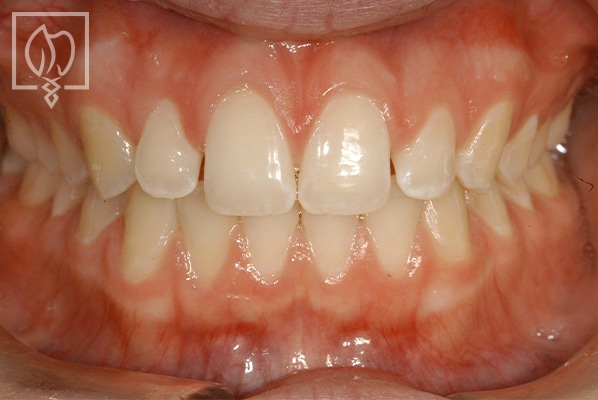
 Why Do Some Dental Veneers Chip?
Grinding, bite problems, hard foods, and bonding errors are the usual causes of chipped veneers. A DC prosthodontist explains prevention and repair.
Porcelain Veneers The Most Common Misconceptions About Veneers
Too fake, too fragile, too damaging, too expensive? A DC prosthodontist corrects the five most common misconceptions about porcelain veneers.