
4 Foods That Cause Dental Emergencies
Every week we see patients whose dental emergency began with a snack. A bite lands on something harder than enamel, and the result is a cracked tooth, a lost filling, or a broken crown. If the damage is already done, our emergency dental care page explains what to do next. If it is not, here are the four foods that cause an outsized share of the trouble, and how to enjoy them without a repair bill.
Popcorn
The husks wedge between teeth and under the gumline, where they can trigger painful inflammation and even an abscess, so floss after popcorn as a matter of habit. The real menace, though, is the unpopped kernel hiding in a handful. Bite down on one at full force and a cusp or an older filling can give way. Eat popcorn in smaller amounts and chew deliberately so a kernel never catches you by surprise.
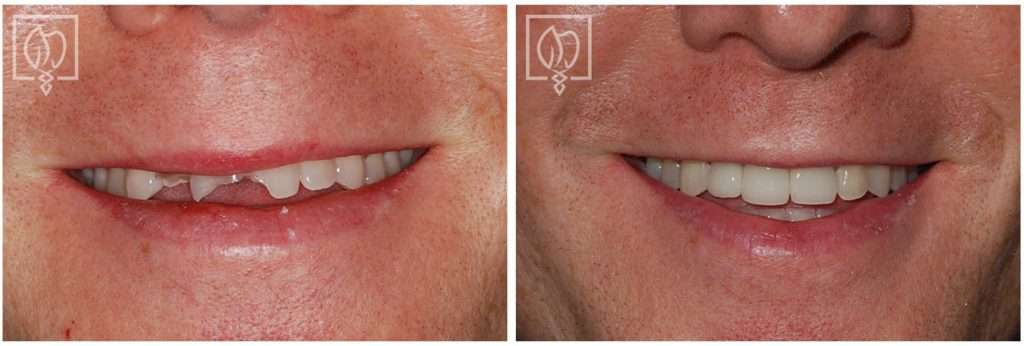
An emergency aesthetic repair from a completed case in our practice. See the full case
Almonds
Nutritious, yes, and also a regular cause of chips, cracks, and fractured cusps, because a whole almond concentrates a lot of force on a small spot. Slivered or sliced almonds deliver the same nutrition with a fraction of the risk, and the same logic applies to other very hard nuts and hard candies.
Caramel and Other Sticky Candies
Soft is not the same as safe. Caramels, taffy, and similar chewy candies grip your teeth and pull as you chew, and that pull is exactly what loosens fillings and lifts crowns, especially older restorations whose cement or margins have begun to age. If you indulge, do it sparingly, and treat any tug you feel on dental work as a signal to have it checked before it fails outright.
Ice
Chewing ice feels harmless because it melts, but mechanically you are grinding something rock-hard against enamel. Ice chewing cracks teeth outright and creates the microscopic craze lines that grow into fractures later. Let it melt, or skip it. A persistent urge to chew ice is also worth mentioning at your next visit, since it sometimes accompanies other issues.
A Few More Worth Naming
Four foods do the most damage, but they have accomplices. Hard crusty breads and bagels concentrate force much like a whole almond. Bones in meat and fish, and the pits hiding in olives and cherries, break teeth when a bite lands wrong. Hard candies and lollipops invite a crunch that enamel loses. Corn on the cob and sticky dried fruits such as raisins and dates both pull at dental work. The common thread is either unexpected hardness or a grip that tugs on restorations, so the same defenses apply: slow down, chew deliberately, and know where the hard surprises hide.
Protecting Teeth That Are Already Vulnerable
These foods rarely break a pristine tooth. They break the tooth with the large twenty-year-old filling, the crown with the aging margin, the enamel thinned by nighttime grinding. If you grind or clench, wear your nightguard; grinding multiplies the risk from every food on this list. And if you know a filling or crown is old, having it evaluated before it fails lets you plan the fix on your schedule instead of during an emergency. Should the worst happen to a front tooth, our guide on broken front teeth walks through exactly what to do.
None of this means giving up foods you enjoy. It means eating the risky ones with a little awareness: smaller bites, slower chewing, and a habit of checking that a filling or crown still feels solid. A cracked tooth is rarely worth the handful of popcorn that caused it, and most of these emergencies are avoidable with nothing more than attention.
If a snack gets the better of a tooth, call 202-244-2101 right away, or request an appointment at Elite Prosthetic Dentistry in Friendship Heights, Washington, DC. Prompt attention usually keeps a small break from becoming a bigger one.
See How We Resolve These Problems
Our patient success stories show real cases and real results. Browse outcomes from a specialist prosthodontist with decades of experience and 3,900+ implants placed.
Key Takeaways
- ✓ A large share of cracked teeth, lost fillings, and broken crowns trace to four everyday foods: popcorn, whole almonds, sticky caramels, and ice.
- ✓ The danger is usually the surprise, an unpopped kernel or a hidden pit, so slower, more deliberate chewing prevents most of these injuries.
- ✓ Sticky candies pull at fillings and crowns, and teeth already weakened by grinding or old restorations are the most vulnerable.
- ✓ If something cracks or comes loose, prompt care protects the tooth. Waiting lets decay and fracture lines spread.
Frequently Asked Questions
What should I do if I crack a tooth on food?
Stop chewing on that side, rinse with warm water, and save any broken piece or dislodged restoration. Then call promptly rather than waiting for pain to decide for you. A cracked tooth or lost crown exposes softer inner structure that decays and fractures further, and early treatment usually means simpler treatment.
Which foods most often break teeth?
The repeat offenders are unpopped popcorn kernels, whole almonds and other hard nuts, hard candies, ice, and sticky caramels and taffy that grab onto fillings and crowns. Bones, olive pits, and crusty breads cause their share as well. Teeth with large older fillings and patients who grind their teeth are most at risk.
Can sticky candy really pull out a filling or crown?
Yes. Caramels, taffy, and similar candies grip restorations as you chew, and if a filling or crown already has a worn or slightly open margin, the sticky pull can dislodge it outright. If dental work comes out, keep it, avoid chewing in that area, and have it evaluated quickly. The exposed tooth is vulnerable in the meantime.
Related Patient Success Stories
Explore similar patient success stories demonstrating our expertise in advanced prosthetic dentistry.
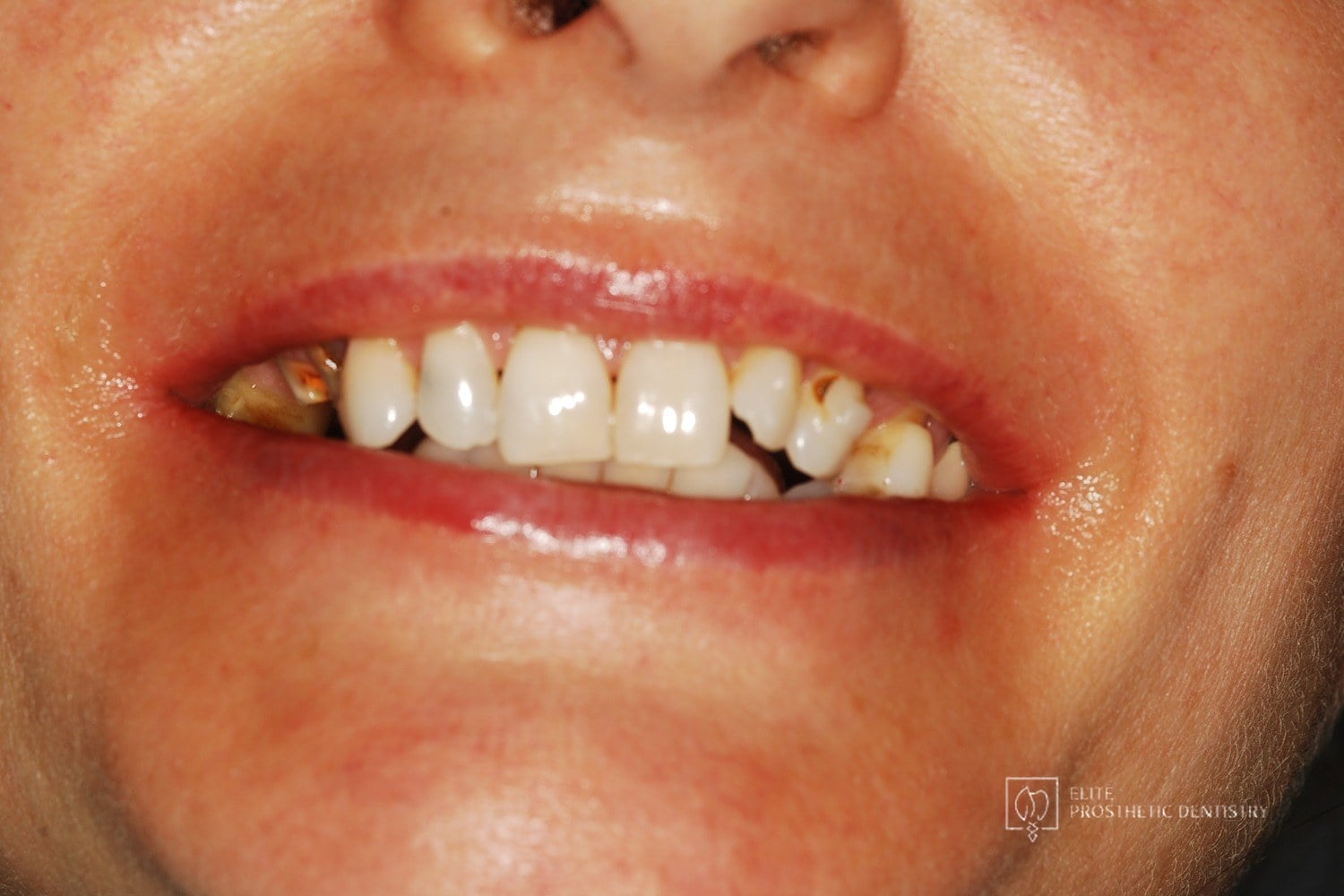 Before
 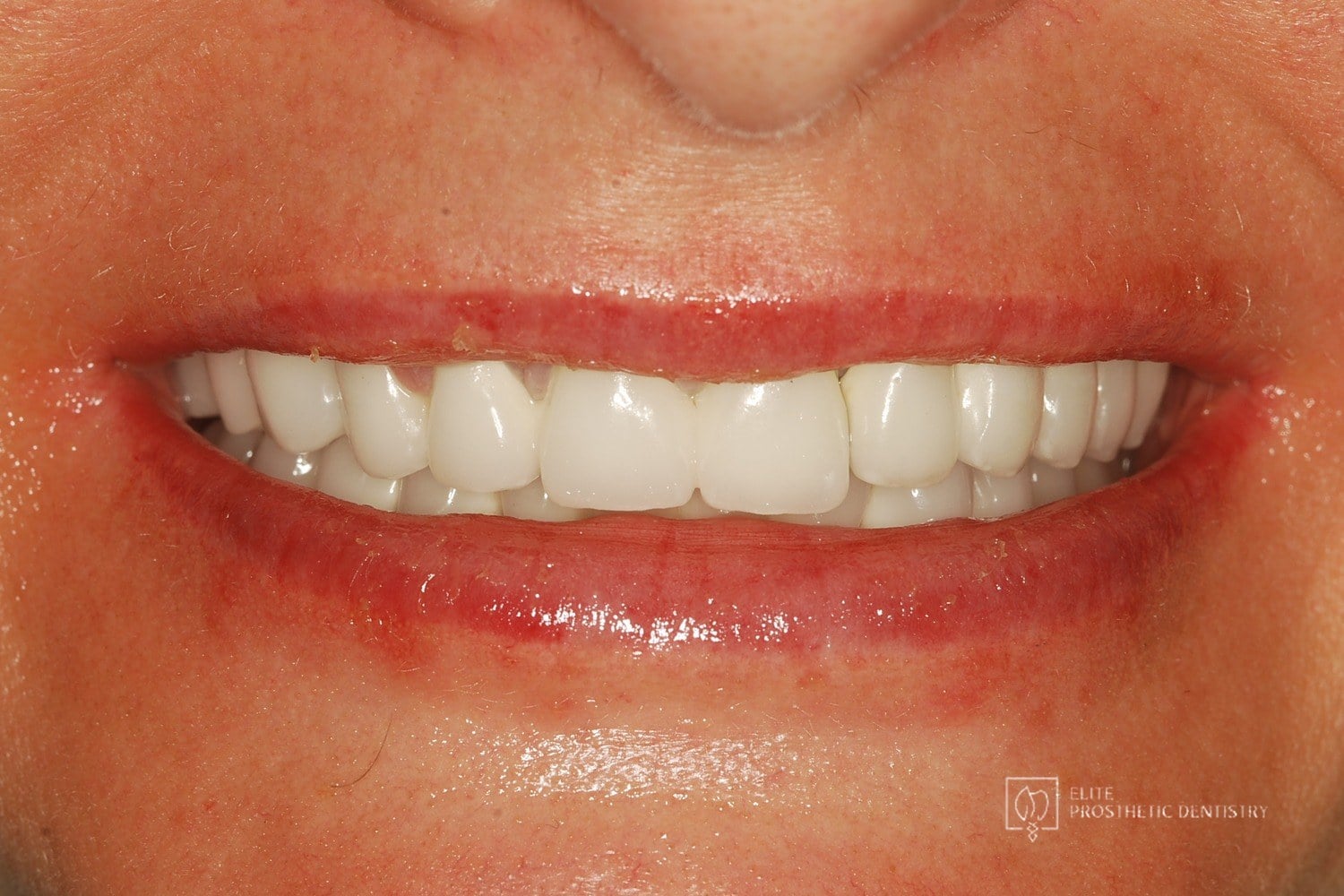 After
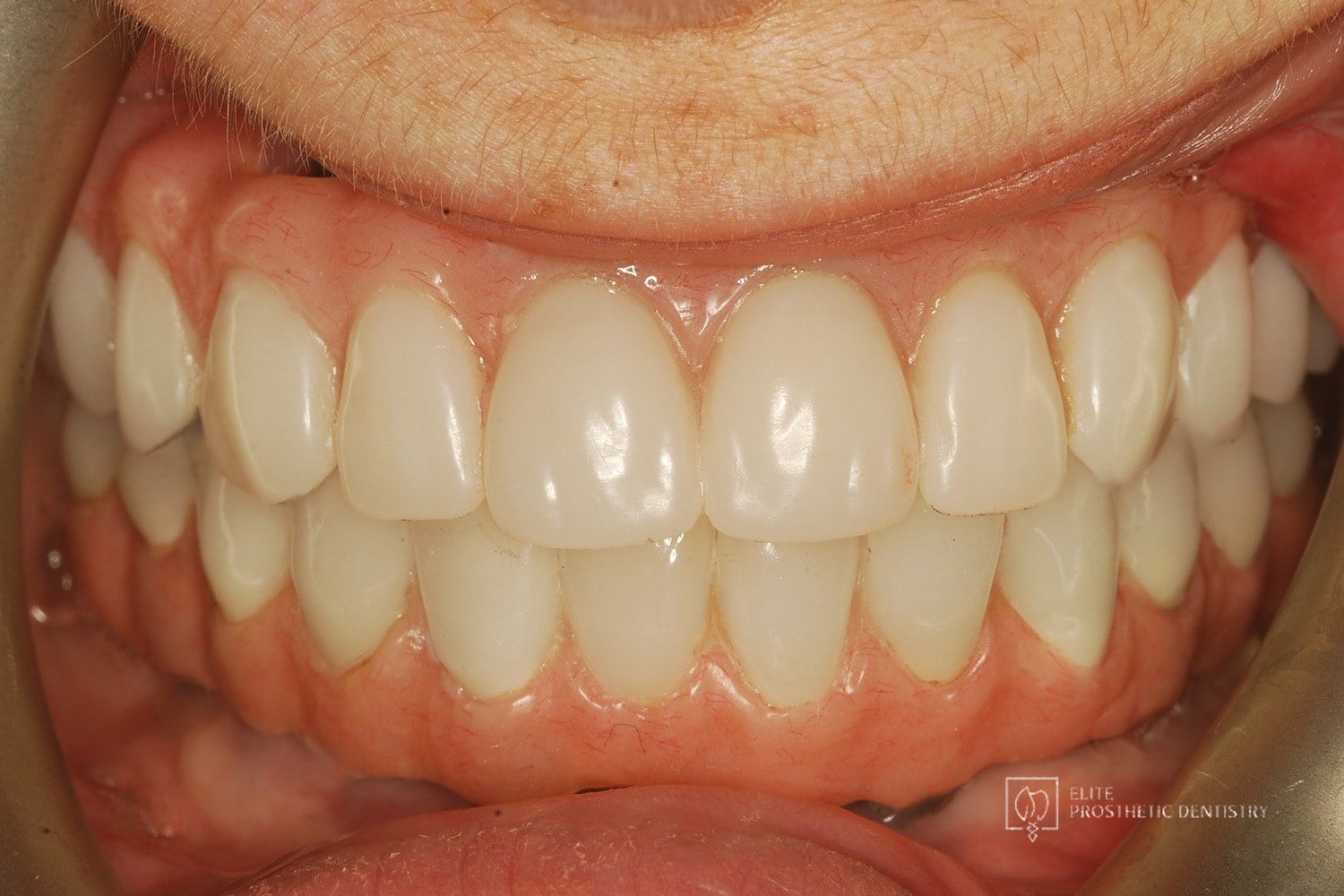
After How Aging, Failing Dentistry Was Replaced with a Coordinated Full-Mouth Implant and Crown Reconstruction
The patient presented with throbbing upper-molar pain, long-standing infections, multiple root canals and unfinished prior treatment, generalized sensitivity, and several hopeless teeth.
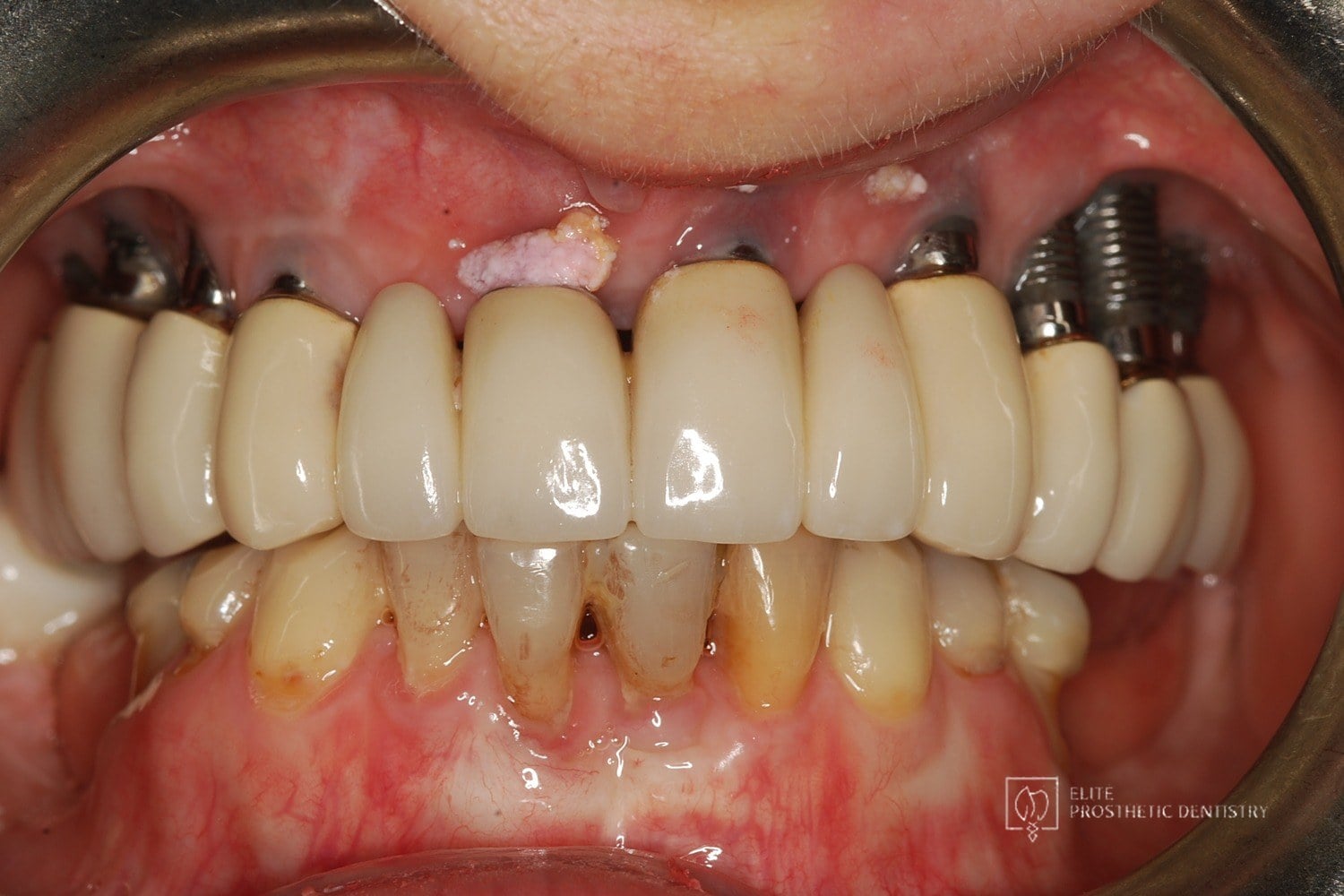 Before
  After
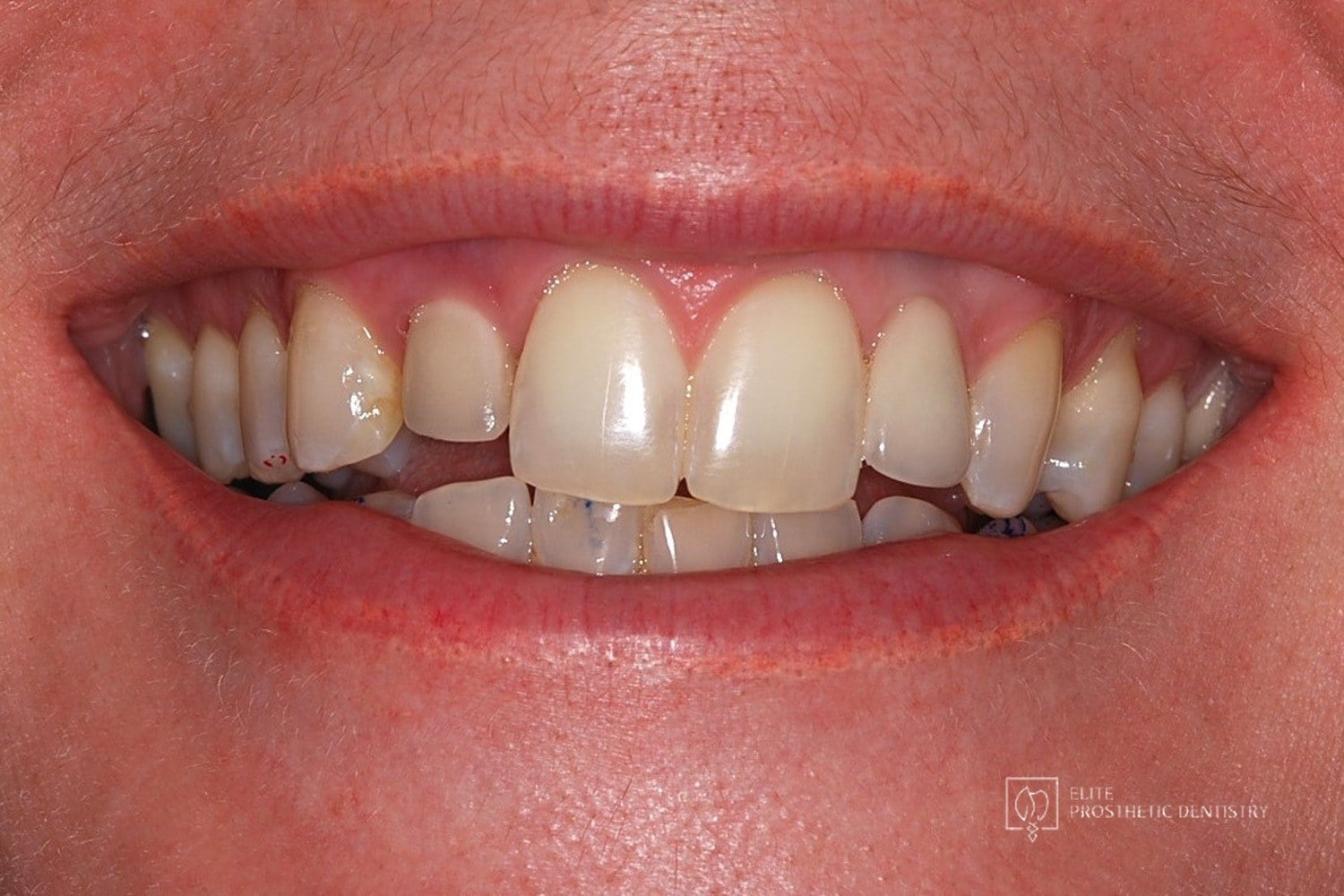
After How Failing Implants and Severe Bone Loss Were Rebuilt Into a Stable Full-Arch Implant Reconstruction
The patient presented with significant complications from previously placed implants, severe bone loss, failing posterior implants, and an unesthetic full-arch bridge. Both arches required full reconstruction, with the upper arch showing the most advanced bone loss and instability.
 Before
  After
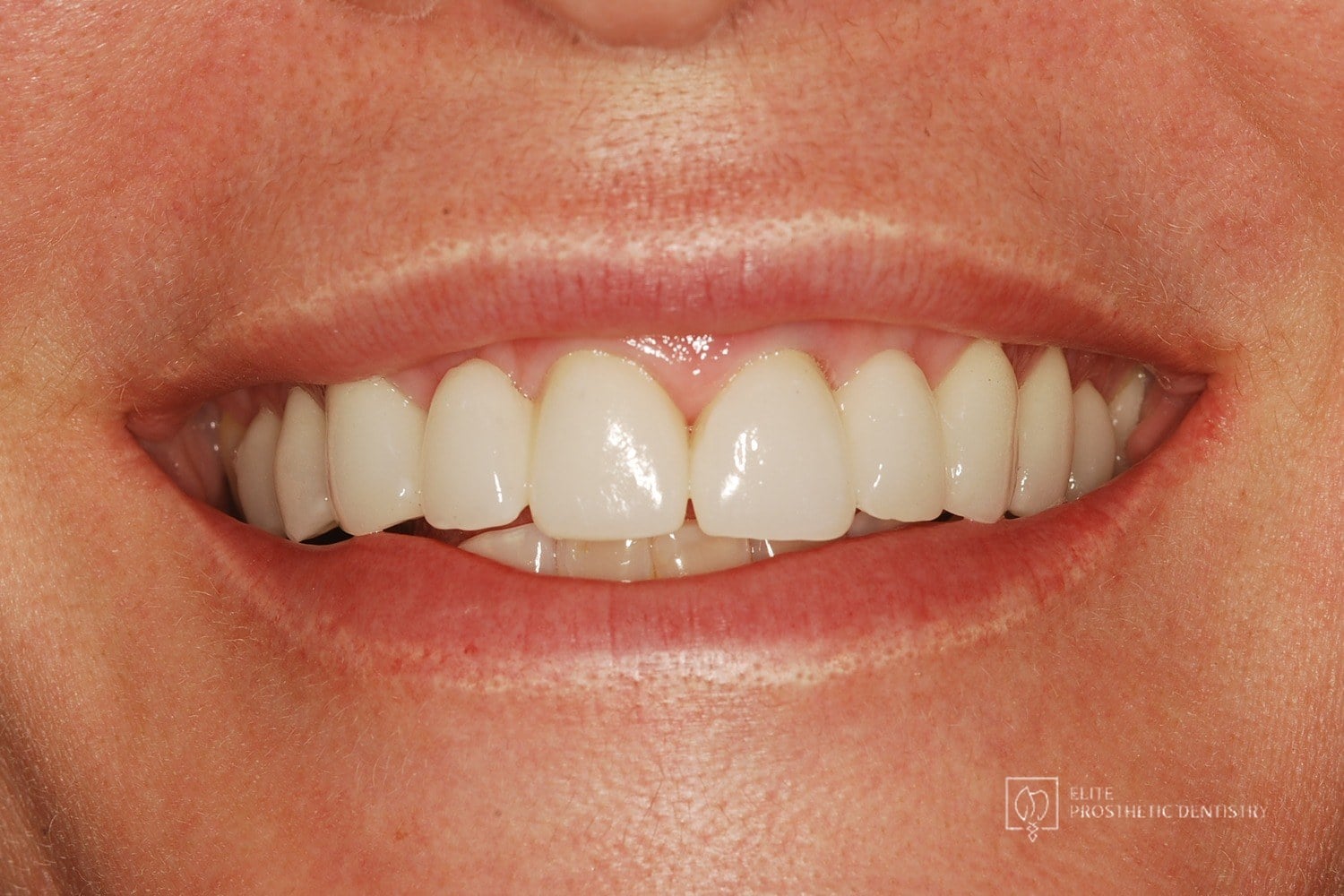
After How Failing Lateral Incisor Implants Were Replaced with Custom Zirconia Bridges After Severe Bone Loss Made Replacement Implants Impossible
Comprehensive examination including CBCT imaging revealed significant bone loss surrounding implants that were placed outside the buccal plate, most likely due to placement without a CBCT-generated surgical guide. The implants were determined non-salvageable, and the alveolar ridge was too narrow to support replacement implants without extensive reconstruction.
Related Articles
Deepen your knowledge with additional insights on this topic.
 Oral Health & Prevention
 Common Misconceptions About Gum (Periodontal) Disease: Myths vs. Facts
Bleeding gums are normal? Only older adults get gum disease? A DC prosthodontist corrects eight common myths about periodontal disease signs and treatment.
 Oral Health & Prevention
 Understanding Palatal Obturators for Openings in the Roof of the Mouth
A palatal obturator seals an opening in the roof of the mouth from cleft palate, surgery, or trauma. A DC prosthodontist explains how they work and their care.
 Oral Health & Prevention
 Dental Hygiene Care Is Not a 'One-Size-Fits-All' Process
The right hygiene routine depends on your gums, your risk factors, and your dental work. A DC prosthodontist explains why personalized hygiene care matters.