
Common Misconceptions About Gum (Periodontal) Disease: Myths vs. Facts
Gum disease, also called periodontal disease, affects almost half of American adults over the age of 30 [1]. Despite being that common, it is surrounded by misconceptions, and those misconceptions keep people from preventing it, spotting it, and treating it in time. Here are the myths we hear most often, corrected.
Myth #1: Gum Disease Only Affects the Gums
Gum disease is a chronic bacterial infection, and the gums are only where it starts. Left untreated, the infection progresses into the underlying bone, and bone loss is what ultimately loosens and costs you teeth. Research has also linked periodontal disease to systemic conditions including heart disease, diabetes, and respiratory problems [2].
Myth #2: Poor Hygiene Is the Only Cause
Hygiene is the biggest controllable factor, but not the only one. Genetics, hormonal changes, smoking, certain medications, and conditions like diabetes all raise risk [3].
There is also a cause most patients never hear about: dental work itself. Crowns and veneers that are contoured too square leave no room for the gum tissue to hold a natural shape with normal blood circulation, and they create ledges that are nearly impossible to keep clean. Properly designed restorations respect the gumline; poorly shaped ones quietly work against it. Good personalized hygiene helps, but it cannot fully compensate for contours that trap plaque.
Myth #3: Dental Implants Cannot Get Gum Disease
Dental implants replace tooth roots, and the crowns they carry replace tooth shapes. Bacteria adhere to all of it, exactly as they do to natural teeth. Left undisturbed, that biofilm inflames the gum around the implant and can eventually destroy the supporting bone, a condition called peri-implant disease. Implant restorations need the same daily hygiene as teeth, and they need to be correctly fabricated with natural, cleanable contours in the first place.
Myth #4: Most Gum Disease Is Not Serious
In its advanced stages, gum disease produces painful abscesses, loose teeth, and tooth loss [4], and the research linking it to systemic health keeps growing. Nothing about that is minor. Prompt treatment protects both your smile and your overall health.
Myth #5: Only Older People Get It
Risk rises with age because damage accumulates, but gum disease occurs at every age, including in young adults. Hygiene habits, genetics, smoking, and health conditions matter at 25 just as they do at 65.
Myth #6: Bleeding Gums Are Normal
Healthy gums do not bleed. Bleeding during brushing or flossing is the most visible early sign of gum inflammation, and it deserves an evaluation, not a shrug. Early detection is what keeps treatment simple.
Myth #7: Treatment Is Painful and Optional
Neither. Treating gum disease early keeps the intervention minimal, and even gingivitis warrants attention because stopping the disease early is dramatically easier than managing it late. When deeper cleaning is needed, scaling and root planing can arrest mild to moderate disease [5]; local anesthesia keeps you comfortable during the procedure, and soreness afterward is typically mild and short-lived. For patients who want extra support relaxing through their visit, we offer sedation dentistry.
Myth #8: Good Brushing Will Make Established Gum Disease Go Away
Once the infection is established, brushing and flossing more will not clear it, because tartar below the gumline can only be removed professionally. Home care keeps disease from returning; it does not treat active infection. If your gum disease is advanced, we will refer you to a periodontist for specialized care.
Signs worth acting on include bleeding gums, a persistent bad taste, gum recession, lingering bad breath, and tender or red tissue. With prompt treatment, gum disease can be brought under control, and everything built on your gums, teeth and restorations alike, is better for it.
Do Not Ignore the Signs
If you are noticing any of these warning signs, or it is simply time for a thorough examination, call 202-244-2101 or request an appointment with Elite Prosthetic Dentistry in Friendship Heights, Washington, DC. Our hygiene program is built around catching exactly these problems early.
Sources:
- https://www.cdc.gov/oralhealth/conditions/periodontal-disease.html
- https://www.perio.org/for-patients/gum-disease-information/gum-disease-and-other-diseases/
- https://www.nidcr.nih.gov/health-info/gum-disease#causes
- https://www.ncbi.nlm.nih.gov/books/NBK560625/
- https://www.mouthhealthy.org/en/all-topics-a-z/scaling-and-root-planing
See How We Resolve These Problems
Our patient success stories show real cases and real results. Browse outcomes from a specialist prosthodontist with decades of experience and 3,900+ implants placed.
Key Takeaways
- ✓ Gum disease affects nearly half of American adults over 30, and it damages far more than gums: untreated, it destroys the bone that holds teeth and implants.
- ✓ Bleeding gums are never normal. They are an early warning sign, and early gingivitis can still be reversed with proper care.
- ✓ Hygiene is not the only factor. Genetics, smoking, medications, diabetes, hormones, and poorly contoured dental work all contribute.
- ✓ Established gum disease does not resolve with brushing alone. It requires professional treatment, and advanced cases belong with a periodontist.
Frequently Asked Questions
Are bleeding gums normal?
No. Healthy gums do not bleed during brushing or flossing. Bleeding indicates inflammation, usually the early stage of gum disease called gingivitis. Caught at that stage, it can be reversed with professional cleaning and consistent home care, which is exactly why bleeding should prompt an evaluation rather than be ignored.
Can gum disease go away on its own with better brushing?
Once gum disease is established, home care alone cannot resolve it. Plaque that has calcified into tartar below the gumline must be professionally removed, often with scaling and root planing. Improved brushing and flossing are essential to keep it from returning, but the active infection needs professional treatment first.
Can dental implants get gum disease?
The implant itself cannot decay, but the gum and bone around it can become infected in a condition called peri-implant disease. It behaves much like periodontal disease around natural teeth and can ultimately cost you the implant, so implant crowns need the same daily hygiene and professional monitoring as teeth.
Related Patient Success Stories
Explore similar patient success stories demonstrating our expertise in advanced prosthetic dentistry.
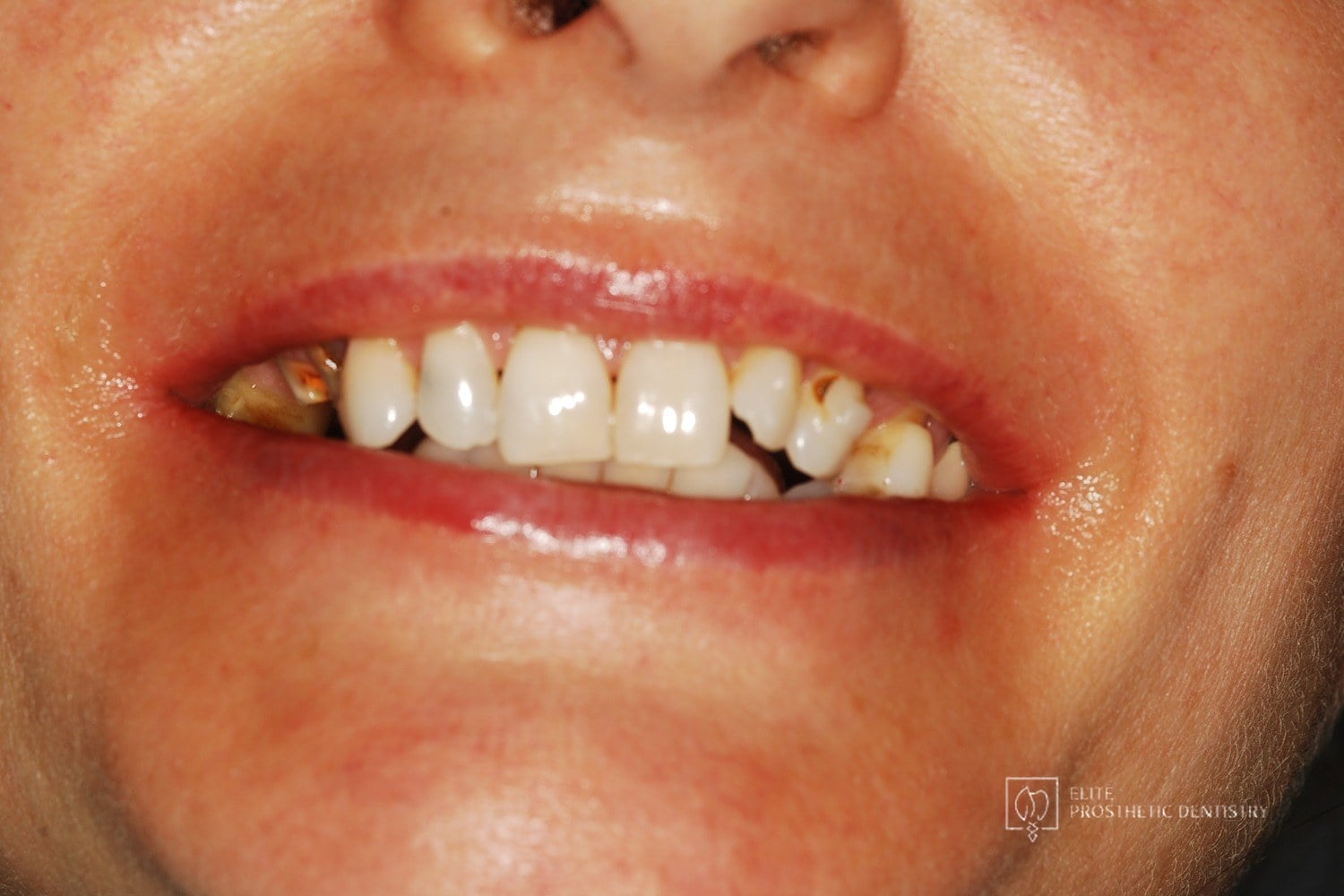 Before
 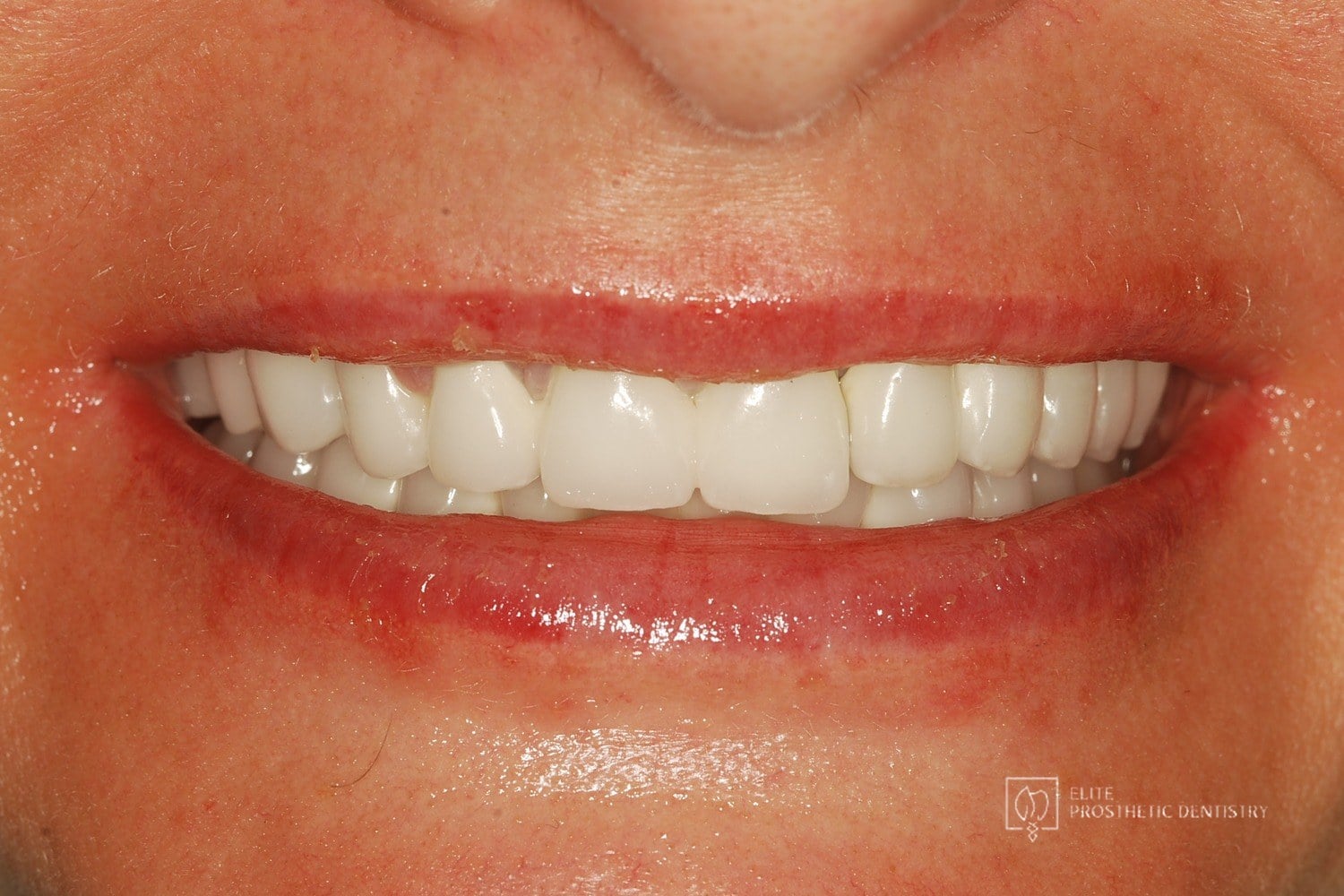 After
After How Aging, Failing Dentistry Was Replaced with a Coordinated Full-Mouth Implant and Crown Reconstruction
The patient presented with throbbing upper-molar pain, long-standing infections, multiple root canals and unfinished prior treatment, generalized sensitivity, and several hopeless teeth.
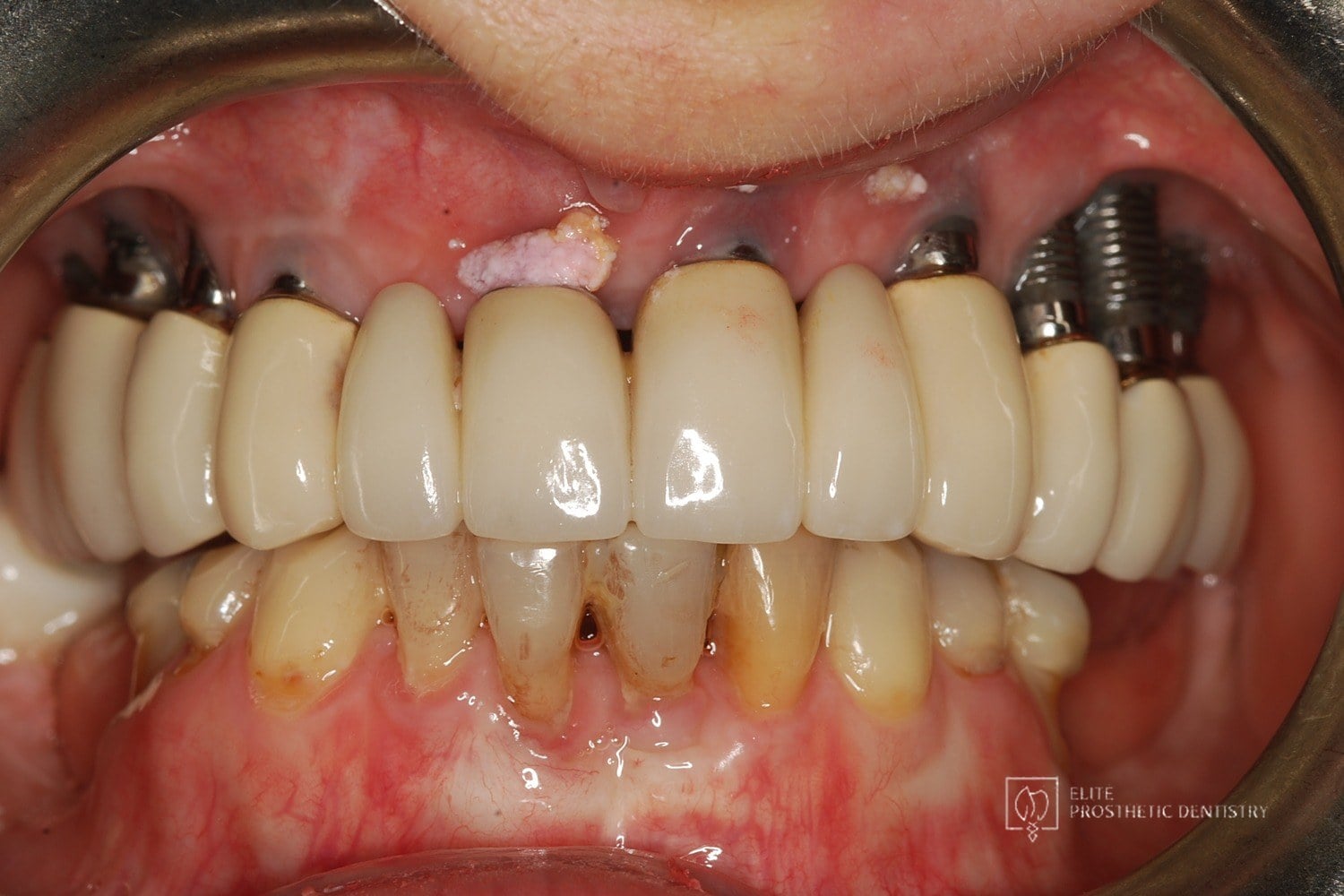 Before
 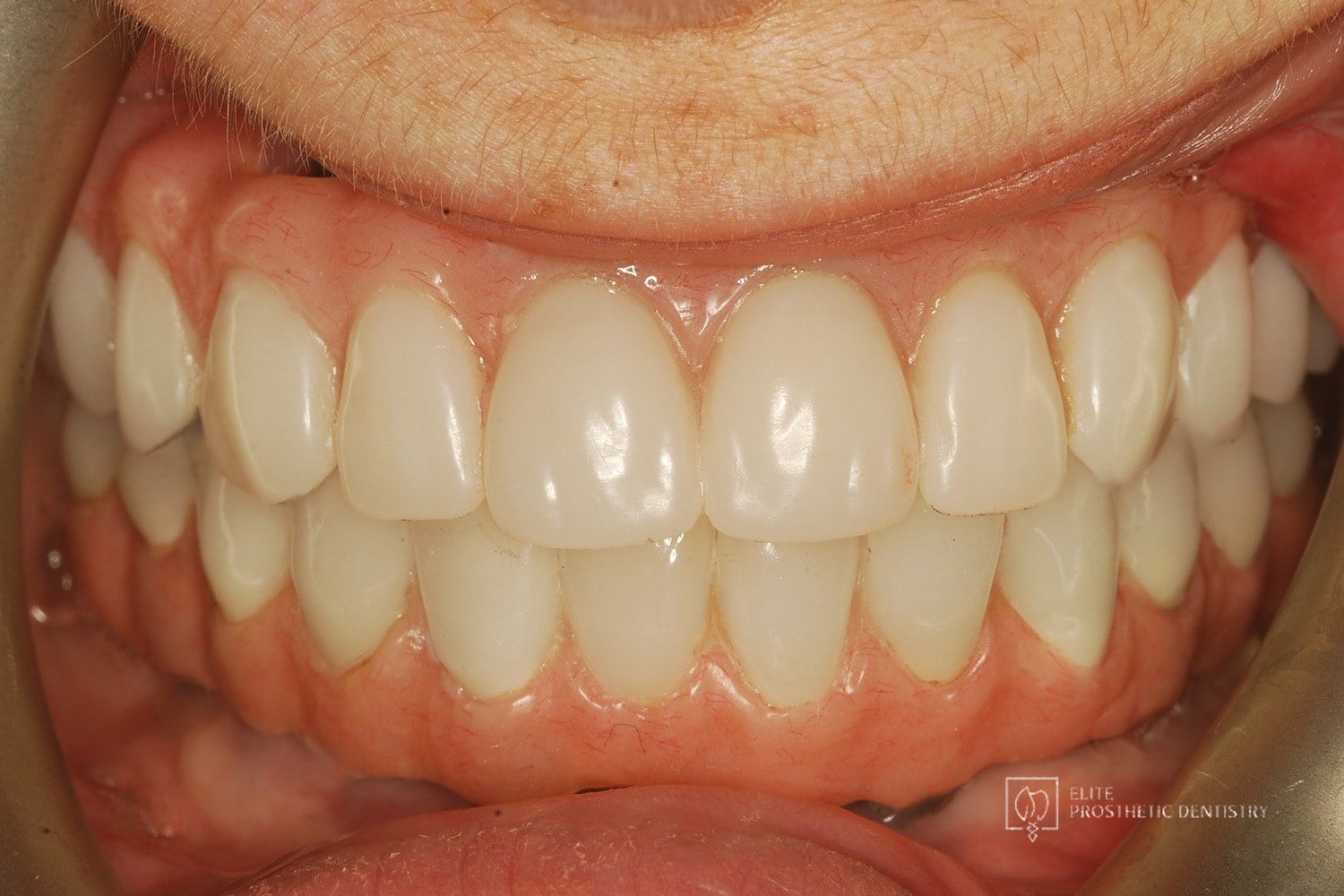 After
After How Failing Implants and Severe Bone Loss Were Rebuilt Into a Stable Full-Arch Implant Reconstruction
The patient presented with significant complications from previously placed implants, severe bone loss, failing posterior implants, and an unesthetic full-arch bridge. Both arches required full reconstruction, with the upper arch showing the most advanced bone loss and instability.
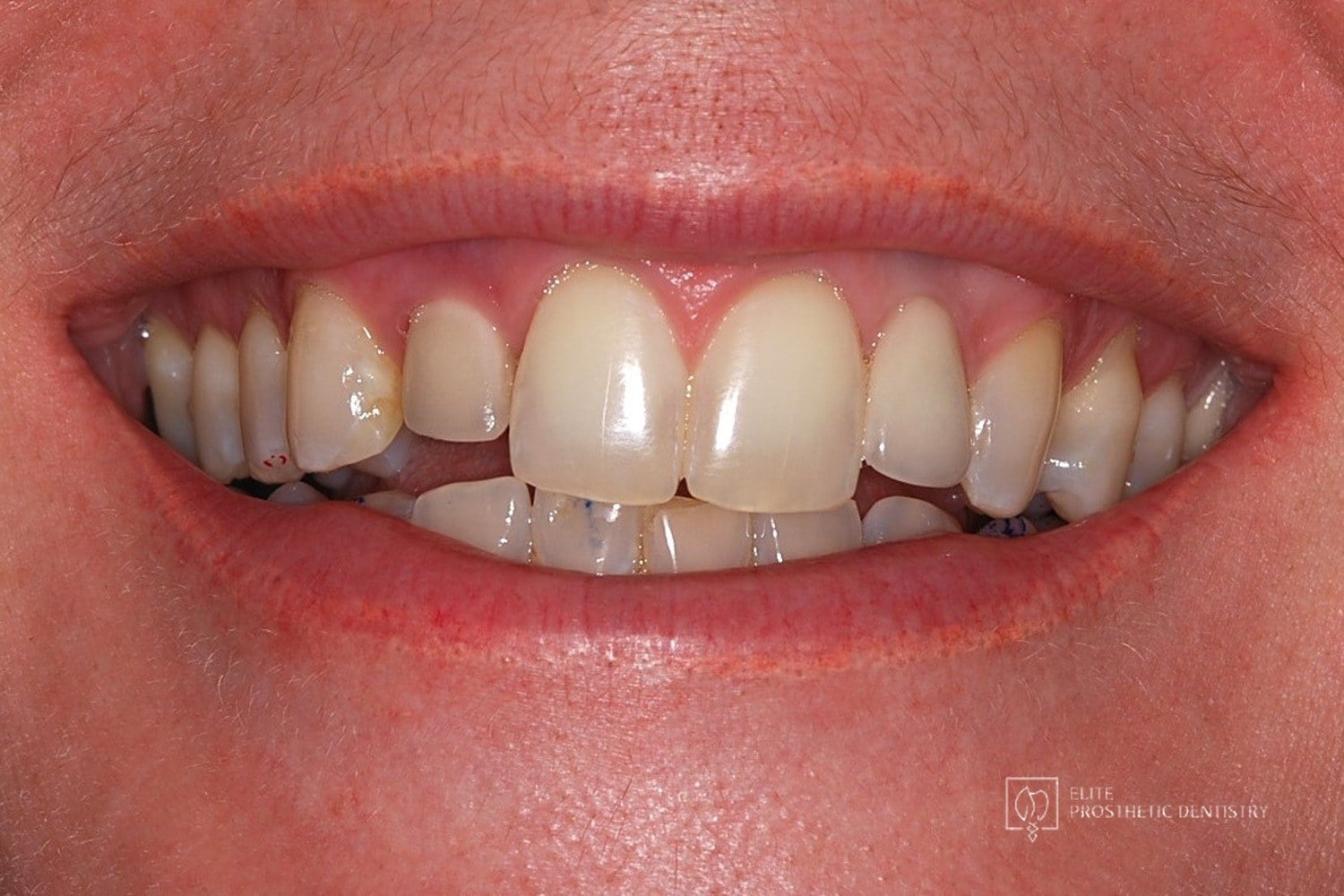 Before
 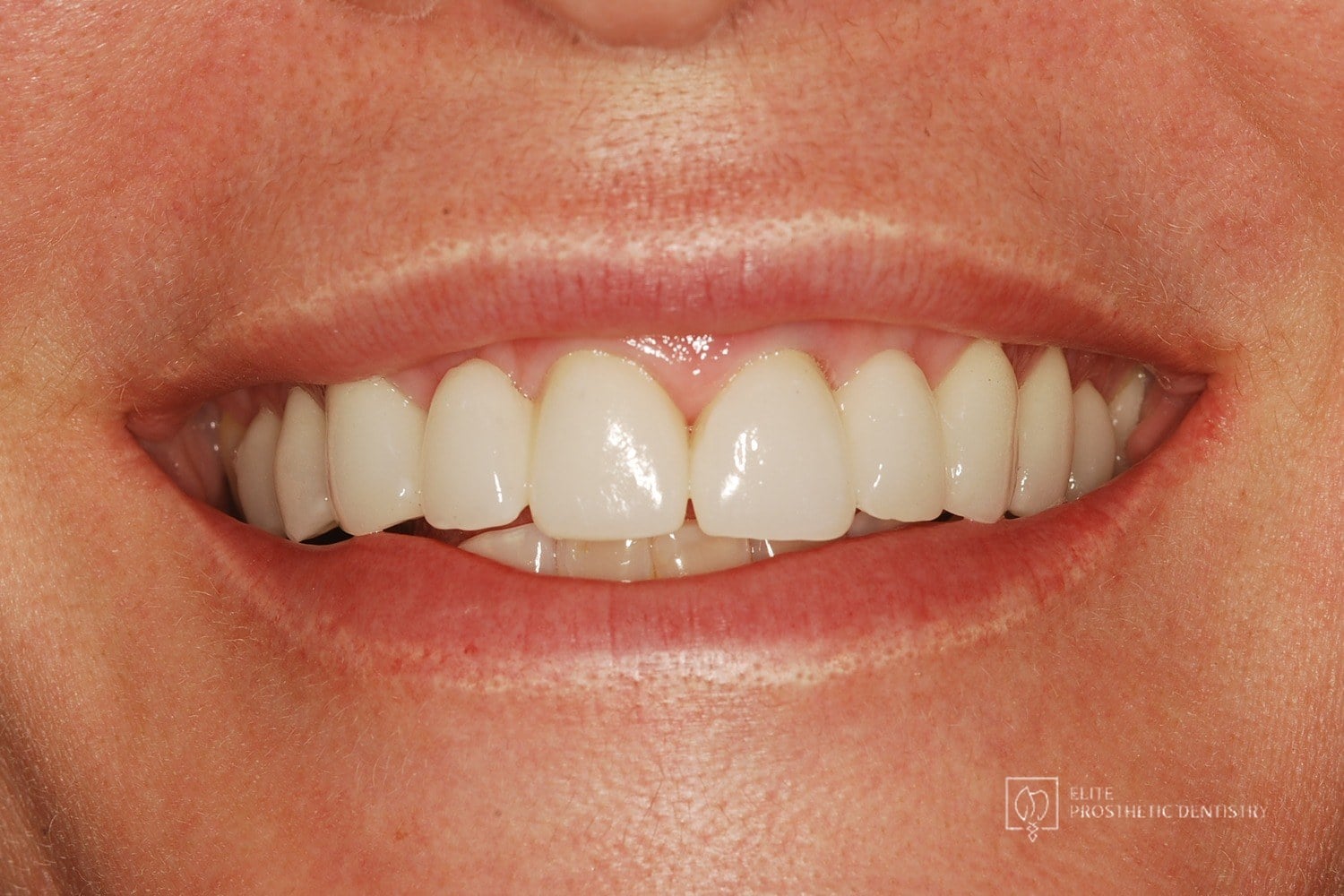 After
After How Failing Lateral Incisor Implants Were Replaced with Custom Zirconia Bridges After Severe Bone Loss Made Replacement Implants Impossible
Comprehensive examination including CBCT imaging revealed significant bone loss surrounding implants that were placed outside the buccal plate, most likely due to placement without a CBCT-generated surgical guide. The implants were determined non-salvageable, and the alveolar ridge was too narrow to support replacement implants without extensive reconstruction.
Related Articles
Deepen your knowledge with additional insights on this topic.
 Oral Health & Prevention
 Common Misconceptions About Gum (Periodontal) Disease: Myths vs. Facts
Bleeding gums are normal? Only older adults get gum disease? A DC prosthodontist corrects eight common myths about periodontal disease signs and treatment.
 Oral Health & Prevention
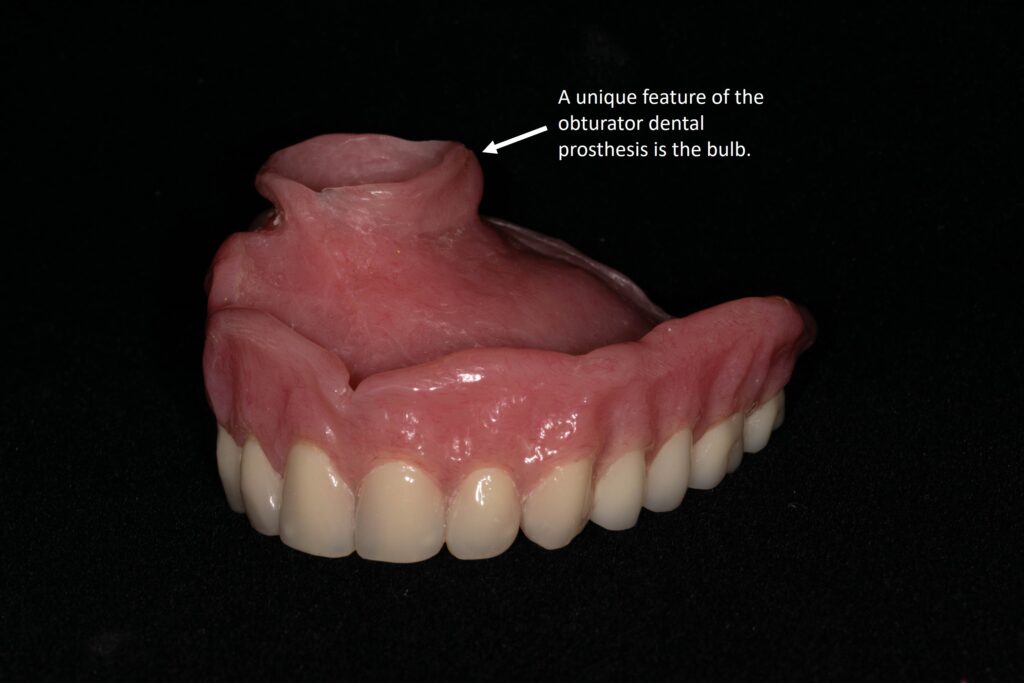
 Understanding Palatal Obturators for Openings in the Roof of the Mouth
A palatal obturator seals an opening in the roof of the mouth from cleft palate, surgery, or trauma. A DC prosthodontist explains how they work and their care.
 Oral Health & Prevention
 Dental Hygiene Care Is Not a 'One-Size-Fits-All' Process
The right hygiene routine depends on your gums, your risk factors, and your dental work. A DC prosthodontist explains why personalized hygiene care matters.