
Treating Advanced Tooth Enamel Erosion
When Erosion Moves From Prevention to Treatment
Enamel erosion is quiet in its early stages, but it does not stay quiet. As the enamel layer thins, the tooth’s appearance and function change in ways that eventually become hard to ignore, and at that point the conversation shifts from prevention to restoration.
The visible progression follows the anatomy. Beneath enamel lies dentin, which is naturally yellower, so as enamel wears away, teeth look increasingly yellow. In advanced erosion the biting edges can become so thin that they turn translucent, sometimes taking on a faint bluish or gray cast at the tips. Teeth may look shorter, feel newly sensitive to hot and cold, and begin to chip along worn edges. Each of these is a sign the protective layer is running low.
Why Erosion Cannot Simply Be Reversed
The defining fact about enamel is that it contains no living cells, so it cannot regenerate. Your body can remineralize enamel that is still present, which is why fluoride and saliva help early on, but structure that has already dissolved away is gone. This is what separates erosion from a cavity: decay is a bacterial process that drills into a spot, while erosion is a chemical wearing-away of the whole surface. Once it is advanced, the only way to rebuild the tooth is to replace what was lost.
How Advanced Erosion Is Restored
Treatment is matched to how much enamel remains and how the tooth is functioning.
For milder loss, dental bonding can rebuild worn areas and edges, restoring shape and reducing sensitivity with a conservative approach. For teeth that are significantly thinned, sensitive, or at real risk of fracture, dental crowns cover and protect the remaining tooth, restoring both strength and appearance; a well-made crown returns the tooth to full function and can serve for many years. In cases driven by appearance on front teeth with adequate underlying structure, veneers may be appropriate. The right option is chosen after an examination that weighs the extent of erosion, the forces on the tooth, and your goals.
Two considerations guide the choice between them. The first is how much sound tooth structure remains: bonding conserves tooth but suits smaller repairs, while a crown covers and protects a tooth that has lost significant structure or is prone to cracking. The second is the bite. Erosion often changes how teeth meet, and rebuilding worn teeth without accounting for the bite invites the new restorations to chip or wear in turn. A careful evaluation of how your teeth come together is part of planning durable treatment, particularly when erosion is widespread across many teeth rather than confined to one or two.
Treatment Only Lasts If the Cause Is Controlled
Here is the point that determines whether restorative work succeeds: restorations replace structure, but they do nothing to stop the acids that caused the erosion in the first place. If acid reflux, a high-acid diet, dry mouth, or nighttime grinding continues unchecked, those same forces keep working on the remaining natural tooth and around the new dental work. Durable treatment always pairs restoration with addressing the source, reducing acidic food and drink, managing reflux with your physician, protecting against grinding with a nightguard, and keeping fluoride and hygiene consistent. Our companion article on the causes and prevention of enamel erosion covers that groundwork.
If your teeth are looking thinner, more yellow, or newly sensitive, an evaluation will tell you where things stand and what will help. Eroded teeth are more prone to sensitivity, decay, and fracture, so earlier is easier. Call 202-244-2101 or request an appointment with Dr. Gerald Marlin at Elite Prosthetic Dentistry in Friendship Heights, Washington, DC.
See How We Resolve These Problems
Our patient success stories show real cases and real results. Browse outcomes from a specialist prosthodontist with decades of experience and 3,900+ implants placed.
Key Takeaways
- ✓ As enamel erodes, teeth look yellower as dentin shows through, and severely thinned edges can even take on a translucent bluish cast.
- ✓ Because enamel cannot regenerate, advanced erosion is treated by restoring the tooth, not by regrowing the lost surface.
- ✓ Restorative options range from bonding for milder cases to crowns when teeth are significantly weakened or at risk of fracture.
- ✓ Treatment must pair with controlling the cause, whether reflux, diet, dry mouth, or grinding, or new restorations face the same acids.
Frequently Asked Questions
What does severe enamel erosion look like?
As enamel thins, the yellower dentin underneath shows through, so teeth look increasingly yellow. In advanced cases the biting edges become so thin they can appear translucent or bluish, and teeth may look shorter, feel more sensitive, and chip or wear at the edges. These are signs the protective layer is running low and the tooth needs evaluation.
How is eroded enamel treated?
Since enamel cannot grow back, treatment restores the tooth with new material. Milder cases may be handled with dental bonding, while teeth that are significantly thinned, sensitive, or at risk of fracture are often restored with crowns that cover and protect the remaining structure. The right choice depends on how much enamel is lost and why.
Will treating erosion fix the underlying problem?
No, and this is essential to understand. Restorations replace lost structure, but they do not stop the acids that caused the erosion. Lasting success requires addressing the cause too, whether that is acid reflux, a high-acid diet, dry mouth, or nighttime grinding. Otherwise the same forces continue to affect the remaining natural tooth and the new dental work.
Related Patient Success Stories
Explore similar patient success stories demonstrating our expertise in advanced prosthetic dentistry.
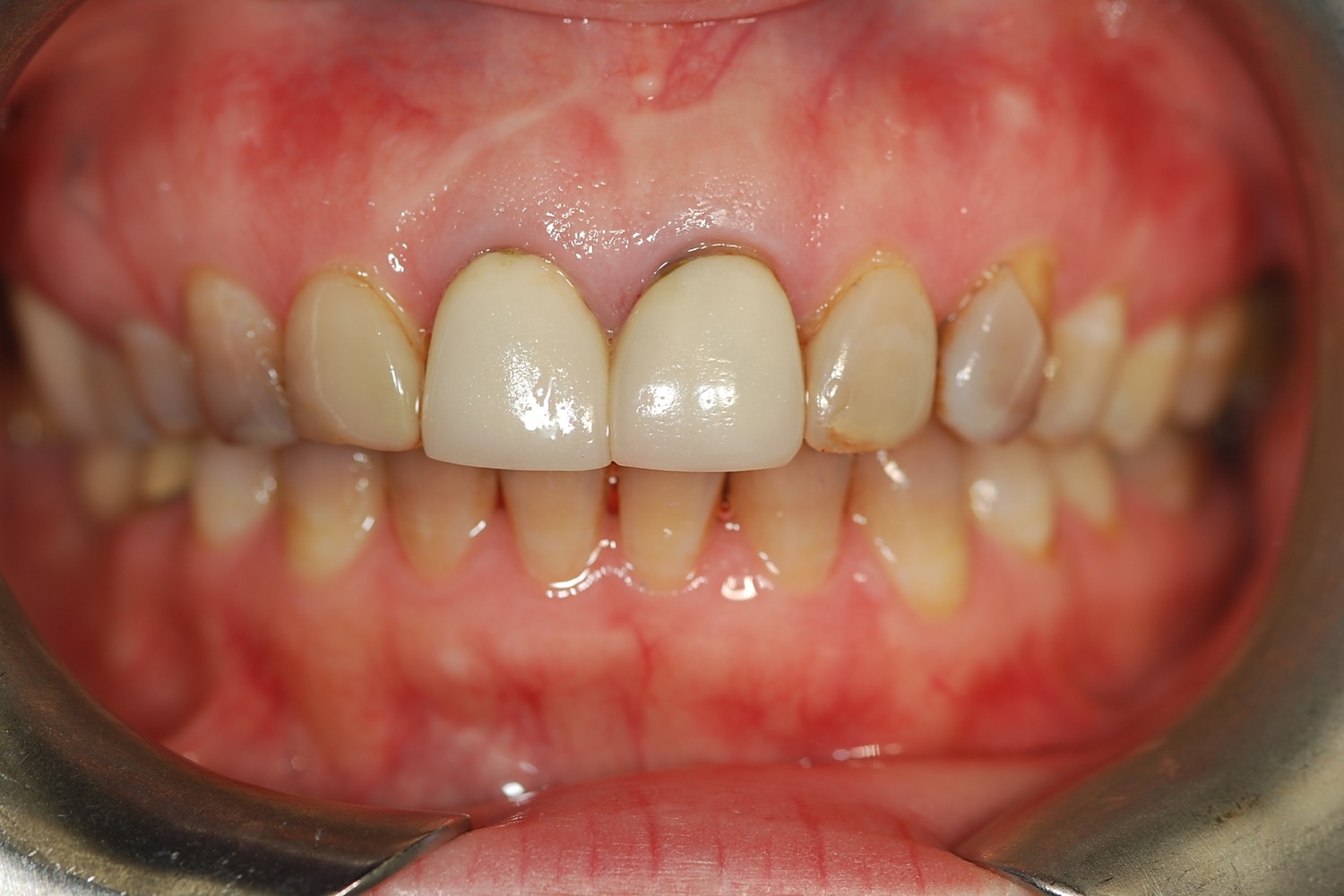 Before
 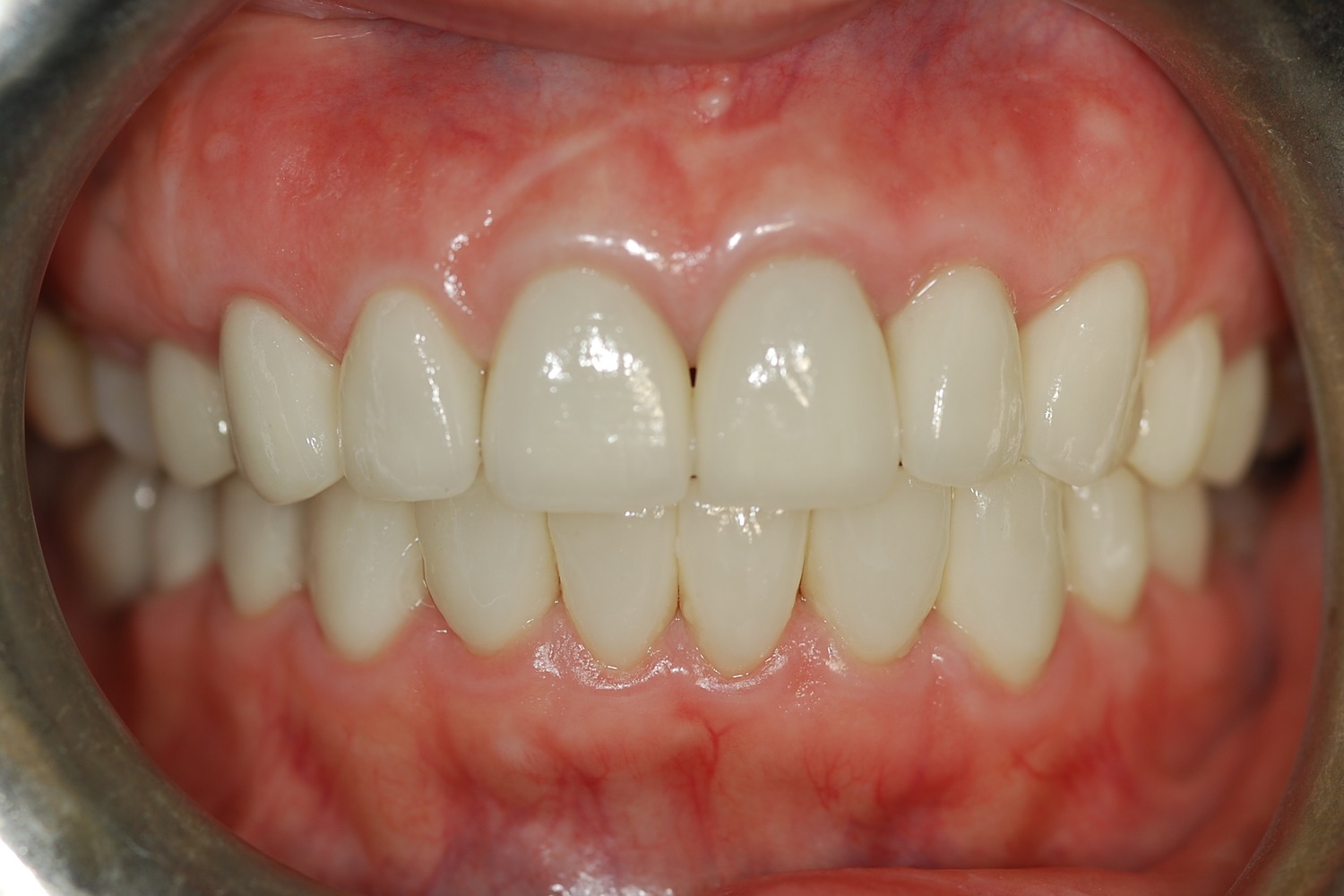 After
After How Aging, Opaque Restorations Were Replaced with Customized Ceramic Restorations Designed for Long-Term Natural Esthetics
The existing restorations appeared opaque, worn, and unnatural over time, affecting both confidence and overall smile harmony.
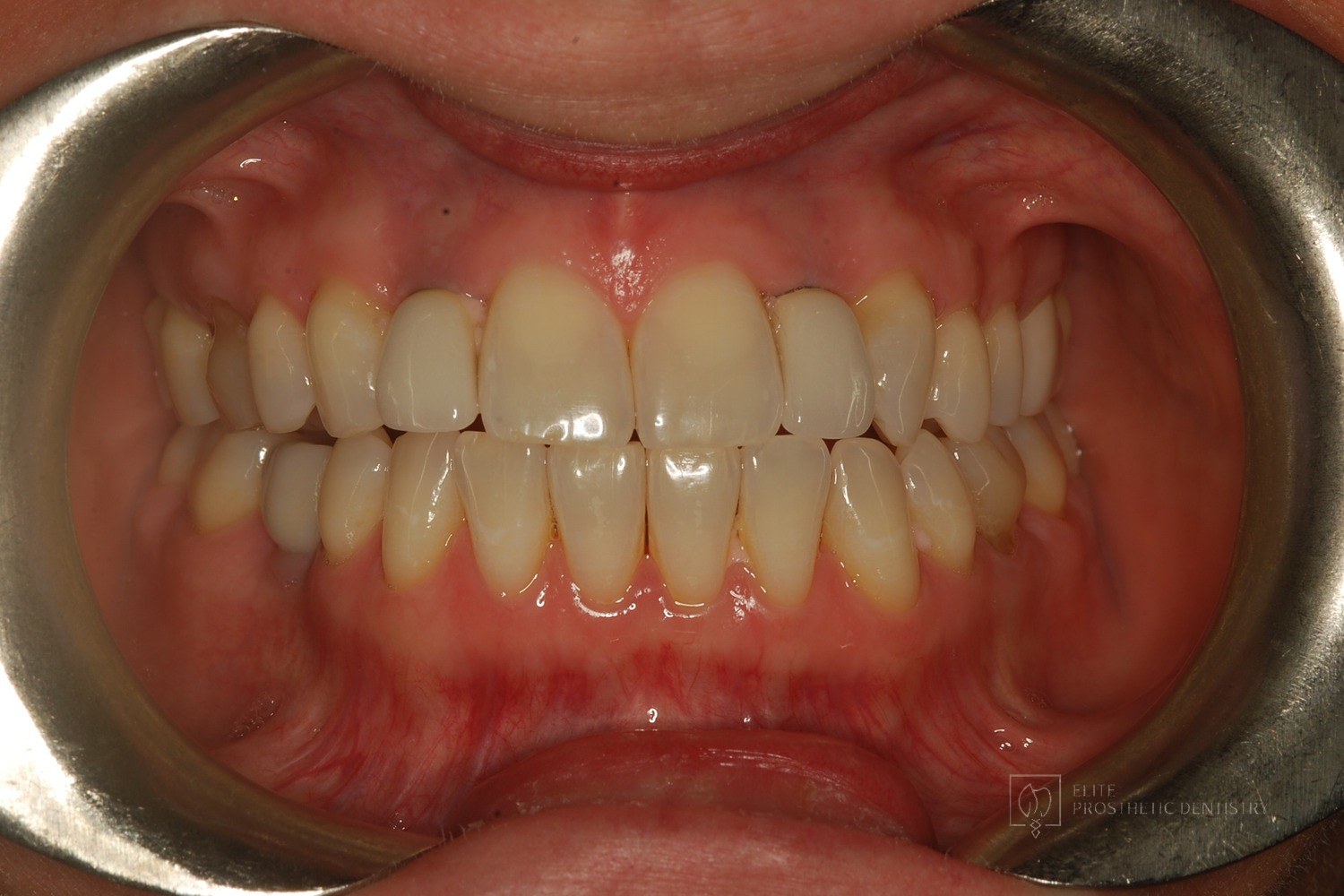 Before
 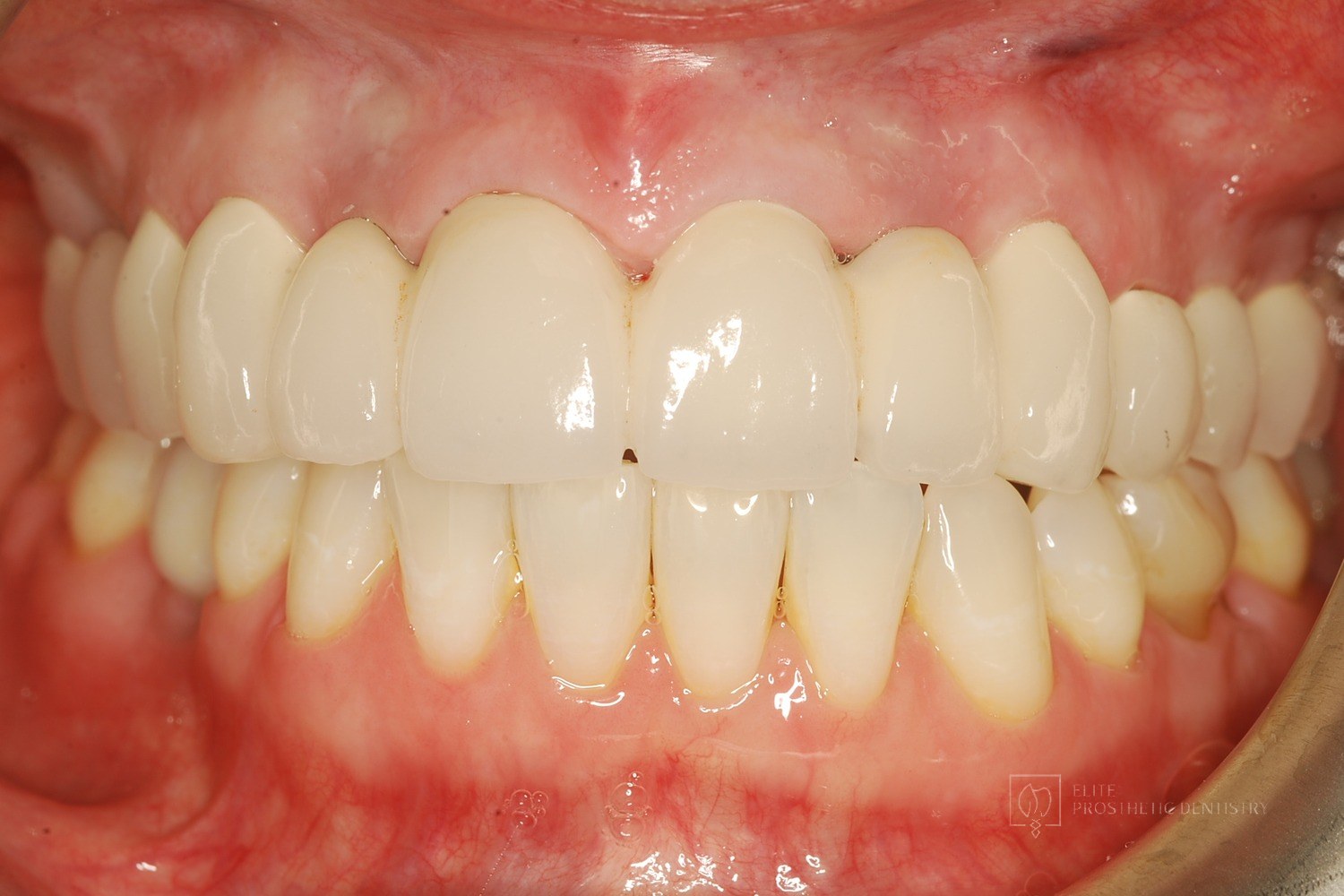 After
After How Older Implant Crowns Were Redesigned for a Better Bite and More Natural Appearance
The patient came in after years of living with implant-supported crowns placed more than twenty years earlier that no longer looked or functioned well. CBCT evaluation, reviewed with a radiologist colleague, showed the implants had been placed too far to the buccal in very thin bone and could not support a healthy long-term restoration.
 Before
  After
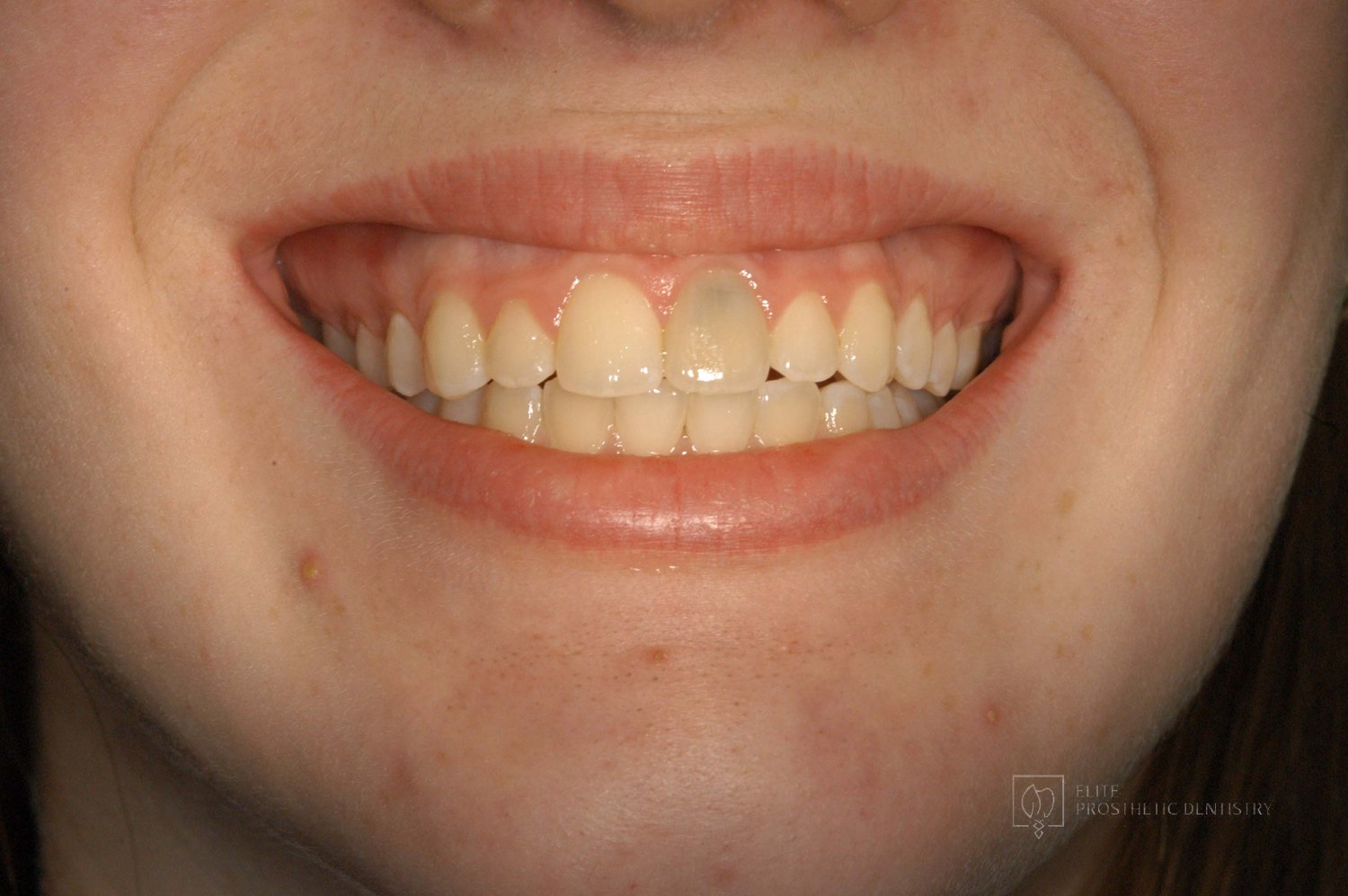
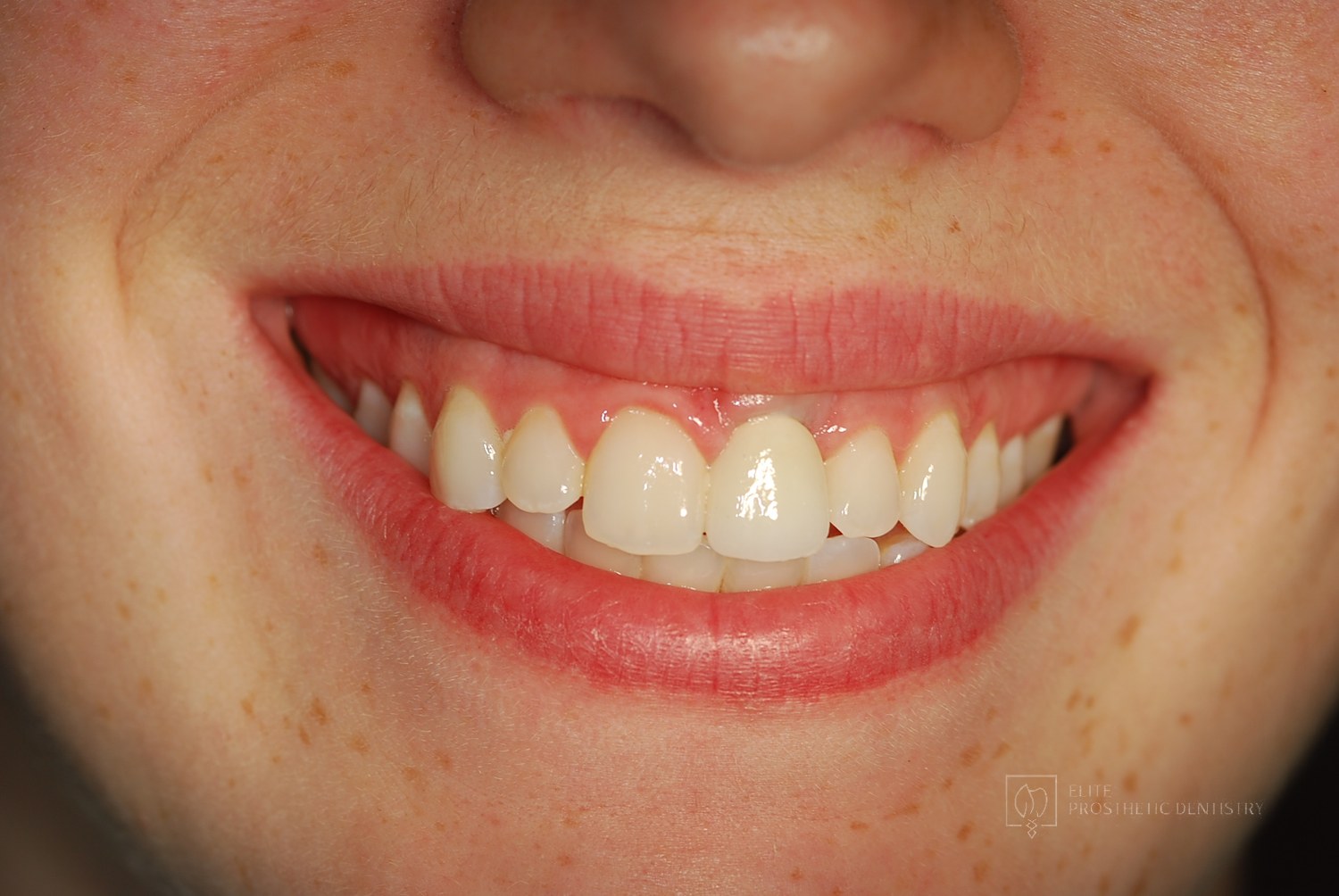
After How a Front Tooth Lost to Childhood Trauma Was Rebuilt with Bone Grafting and a Long-Lasting Implant
A teenager was referred by her father after earlier trauma left her upper left front tooth slowly failing from root resorption. She was still growing, so an immediate implant was the wrong move. The tooth had to be maintained to buy time, then replaced correctly once she reached skeletal maturity.
Related Articles
Deepen your knowledge with additional insights on this topic.
 Oral Health & Prevention
 Common Misconceptions About Gum (Periodontal) Disease: Myths vs. Facts
Bleeding gums are normal? Only older adults get gum disease? A DC prosthodontist corrects eight common myths about periodontal disease signs and treatment.
 Oral Health & Prevention
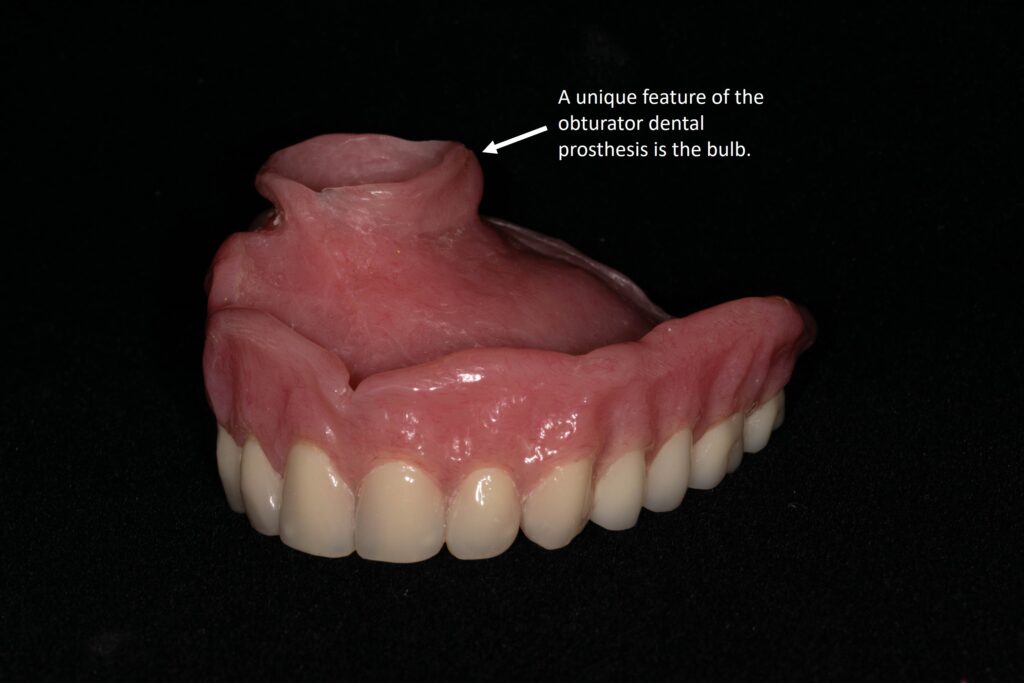
 Understanding Palatal Obturators for Openings in the Roof of the Mouth
A palatal obturator seals an opening in the roof of the mouth from cleft palate, surgery, or trauma. A DC prosthodontist explains how they work and their care.
 Oral Health & Prevention
 Dental Hygiene Care Is Not a 'One-Size-Fits-All' Process
The right hygiene routine depends on your gums, your risk factors, and your dental work. A DC prosthodontist explains why personalized hygiene care matters.