
Tips for Winter Tooth Sensitivity
Worn enamel, exposed dentin, gum recession, cavities, or a cracked tooth can all produce the sharp, fleeting ache dentists call dentin hypersensitivity, better known as sensitive teeth. Living with it is challenging any time of year, and winter tends to make it worse: cold air and cold drinks are exactly the temperature triggers that set sensitive teeth off.
Here is what causes it and what actually helps.
What Causes Tooth Sensitivity?
Sensitivity comes down to exposed dentin. Beneath your enamel lies dentin, a layer threaded with microscopic tubules that lead toward the nerve. When enamel wears thin or the gum recedes and uncovers the root, those tubules transmit hot, cold, and acidic sensations straight to the nerve. Common triggers and causes include:
- Worn enamel from acidic foods or aggressive brushing
- Gum recession that exposes the root surface
- Cracked, chipped, or broken teeth
- Worn-down fillings or crowns
- Grinding or clenching, especially at night
- Alcohol-based mouth rinses
- Acid reflux (GERD) bathing teeth in stomach acid
If you already have one of these conditions and are living with recurring sensitivity, do not wait it out. And if sensitivity appears without an obvious cause, treat it as a signal: it often points to a problem worth catching early.
How to Ease Sensitivity Through Winter
Several simple measures help mild cases. Brush twice a day with a soft-bristled or electric toothbrush, using gentle pressure; hard scrubbing wears enamel and exposes more dentin. Switch to a desensitizing toothpaste and use it consistently, since these products build their effect over several weeks rather than overnight. Ease off acidic foods and drinks, and skip alcohol-based rinses that can aggravate exposed dentin. In cold air, breathing through your nose rather than your mouth spares your teeth a direct blast of cold. And if you grind, a nightguard protects against a major driver of both sensitivity and enamel wear. A consistent hygiene and prevention routine also helps head off the enamel wear and gum recession that lead to sensitivity in the first place.
Why Cold Weather Makes It Worse
Sensitivity is a year-round condition that winter simply amplifies, and it helps to understand why. Exposed dentin carries tiny fluid-filled tubules that respond to temperature changes, and cold is one of the strongest triggers. Step outside into frigid air, breathe through your mouth, or sip an iced drink, and that cold reaches the nerve quickly through any area where enamel is thin or the root is exposed. Rapid swings matter too: moving from a heated room into the cold, or alternating hot coffee with cold air, stresses sensitive teeth more than a steady temperature would. Small adjustments help, such as breathing through your nose in the cold, letting cold drinks warm slightly, and covering the lower face with a scarf on the coldest days.
When Sensitivity Needs Professional Attention
Home measures manage mild, general sensitivity well. But sensitivity that is chronic, worsening, concentrated on a single tooth, or accompanied by pain on biting deserves an examination, because those patterns suggest something specific: a cracked tooth, deep decay, a failing restoration, or meaningful gum recession. Only a professional can pinpoint the cause and match it to the right treatment, which may range from a prescription-strength toothpaste to addressing the underlying tooth problem directly.
At Elite Prosthetic Dentistry, we see many sensitivity cases and receive referrals for the more complex ones. When a tooth is significantly worn, cracked, or compromised, restorative solutions can both relieve the sensitivity and protect the tooth:
- Dental crowns: Also called caps, crowns cover a tooth damaged by wear, trauma, or decay. Ours are crafted in our in-house laboratory, which lets Dr. Gerald Marlin control their fit, shape, and shade precisely; crowns from our lab have lasted 35 years and more.
- Inlays and onlays: These conservative restorations rebuild damaged chewing surfaces and cusps when a full crown is not required.
The goal is always to treat the cause, not just quiet the symptom.
Get to the Root of Your Sensitivity
If sensitive teeth are making winter miserable, or making it hard to enjoy food and drink year-round, an evaluation is the fastest path to relief. Call 202-244-2101 or request an appointment with Dr. Gerald Marlin at Elite Prosthetic Dentistry in Friendship Heights, Washington, DC.
See How We Resolve These Problems
Our patient success stories show real cases and real results. Browse outcomes from a specialist prosthodontist with decades of experience and 3,900+ implants placed.
Key Takeaways
- ✓ Tooth sensitivity happens when dentin, the layer beneath enamel, becomes exposed, and winter's cold air and drinks make it flare.
- ✓ Common causes include worn enamel, gum recession, cracked teeth, worn fillings or crowns, aggressive brushing, and grinding.
- ✓ Gentle brushing with a soft brush, desensitizing toothpaste, and avoiding acidic foods help many mild cases at home.
- ✓ Persistent or worsening sensitivity is a signal, not just a nuisance, and it deserves an examination to find the underlying cause.
Frequently Asked Questions
Why are my teeth more sensitive in winter?
Sensitivity occurs when the dentin beneath your enamel is exposed, and its tiny tubules transmit temperature to the nerve. Cold winter air and cold drinks are strong temperature triggers, so teeth that are mildly sensitive year-round can become noticeably worse in the cold months. Breathing through your nose in cold air and using desensitizing toothpaste can both help.
How can I reduce tooth sensitivity at home?
Brush gently with a soft-bristled or electric toothbrush, use a desensitizing toothpaste consistently for several weeks, avoid acidic foods and alcohol-based rinses that expose dentin, and do not brush immediately after acidic food or drink. If you grind your teeth, ask about a nightguard. These steps ease many mild cases, but persistent sensitivity needs professional evaluation.
When should I see a dentist about sensitive teeth?
If sensitivity is chronic, worsening, focused on one tooth, or paired with pain when biting, see a dentist promptly. Those patterns can indicate a cracked tooth, deep decay, a failing filling or crown, or significant gum recession, all of which are easier to treat early. Only a professional can identify the cause and recommend the right solution.
Related Patient Success Stories
Explore similar patient success stories demonstrating our expertise in advanced prosthetic dentistry.
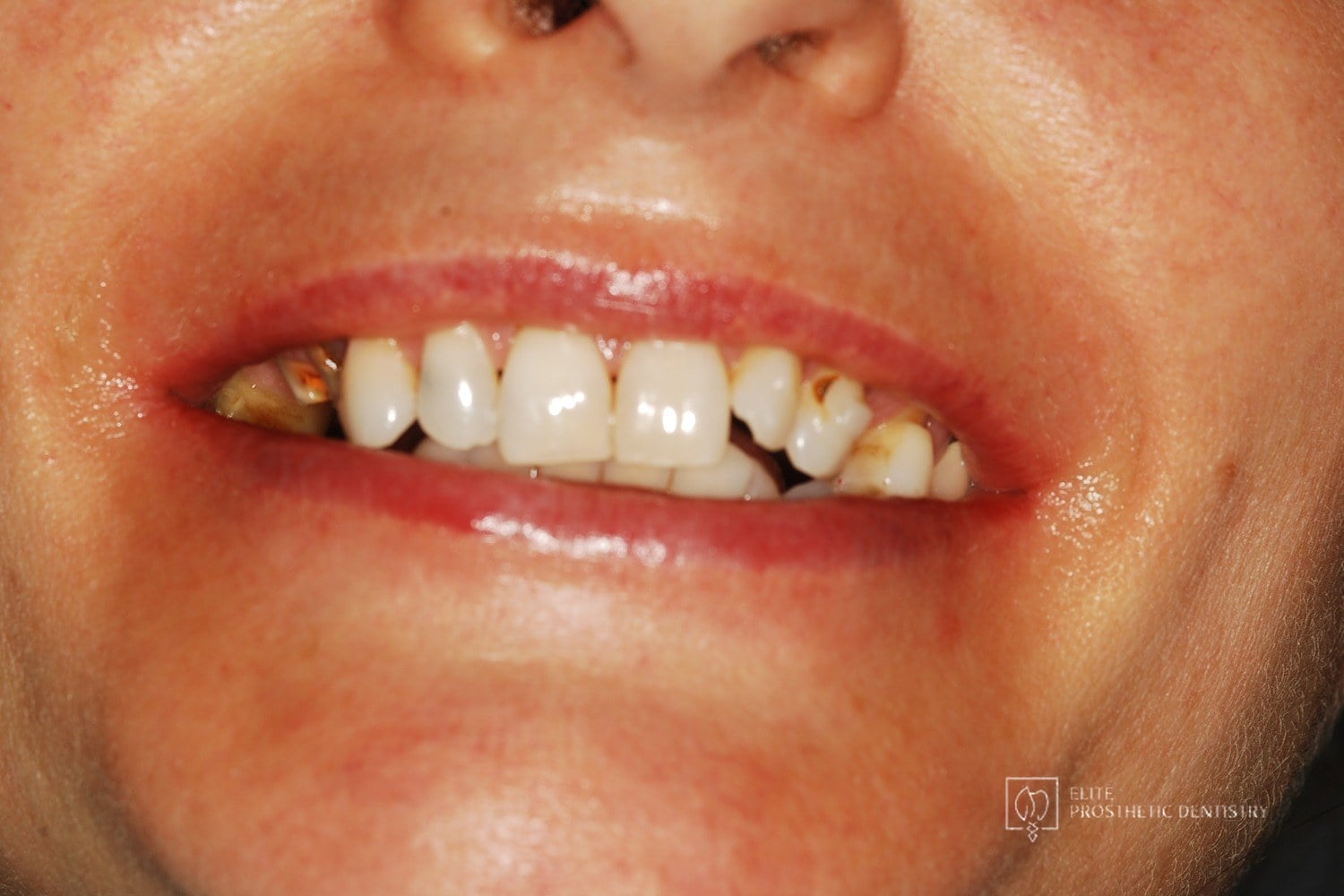 Before
 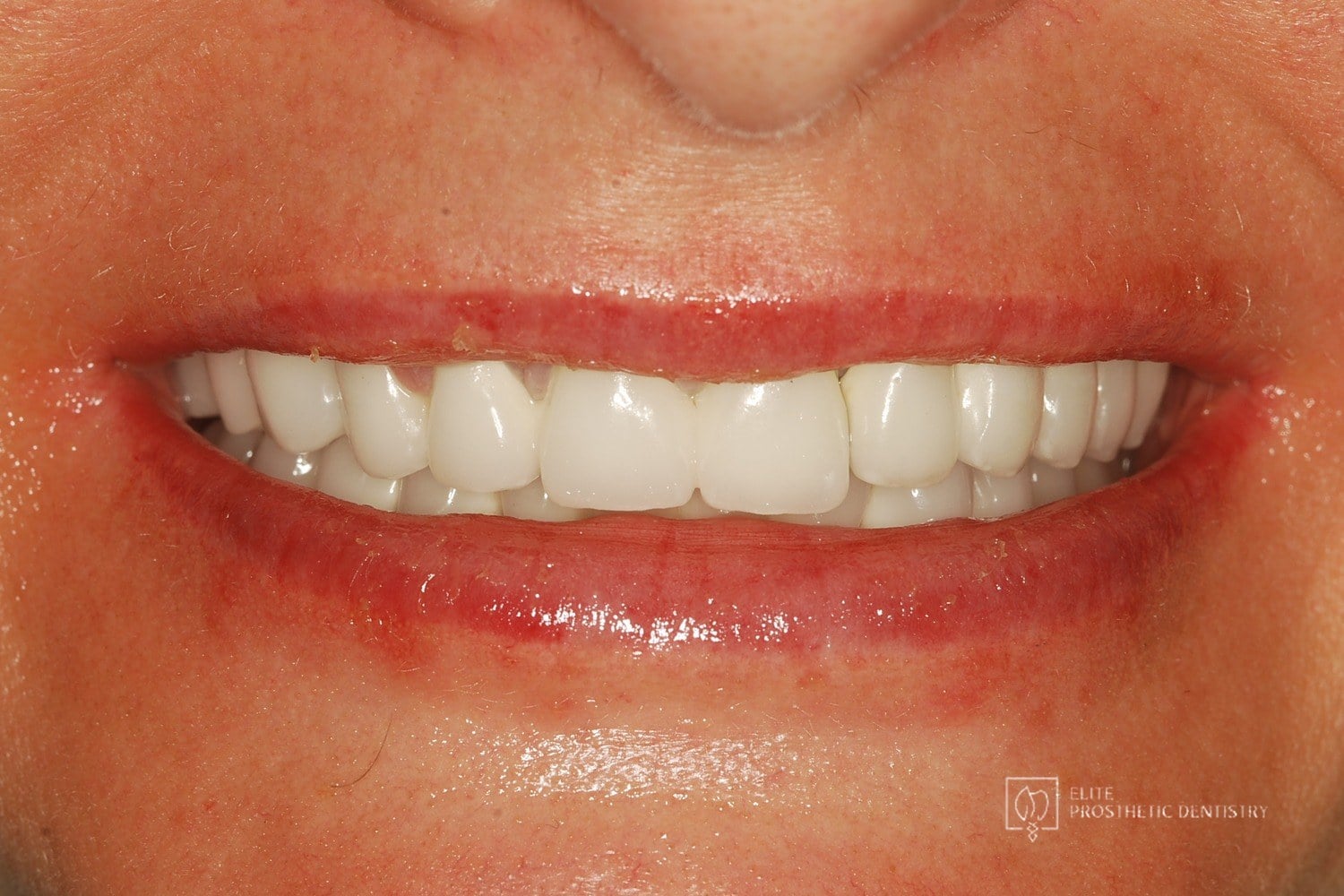 After
After How Aging, Failing Dentistry Was Replaced with a Coordinated Full-Mouth Implant and Crown Reconstruction
The patient presented with throbbing upper-molar pain, long-standing infections, multiple root canals and unfinished prior treatment, generalized sensitivity, and several hopeless teeth.
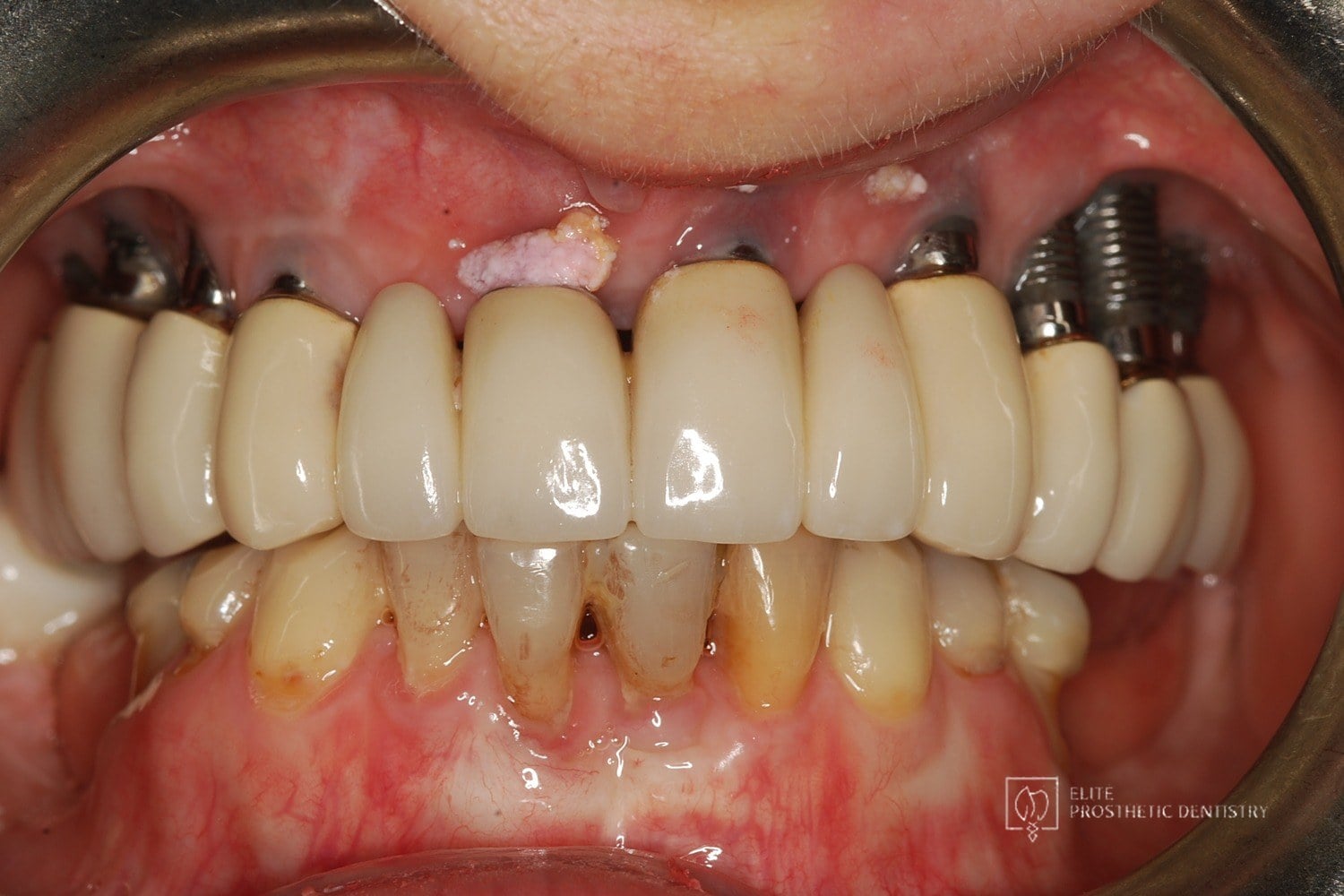 Before
 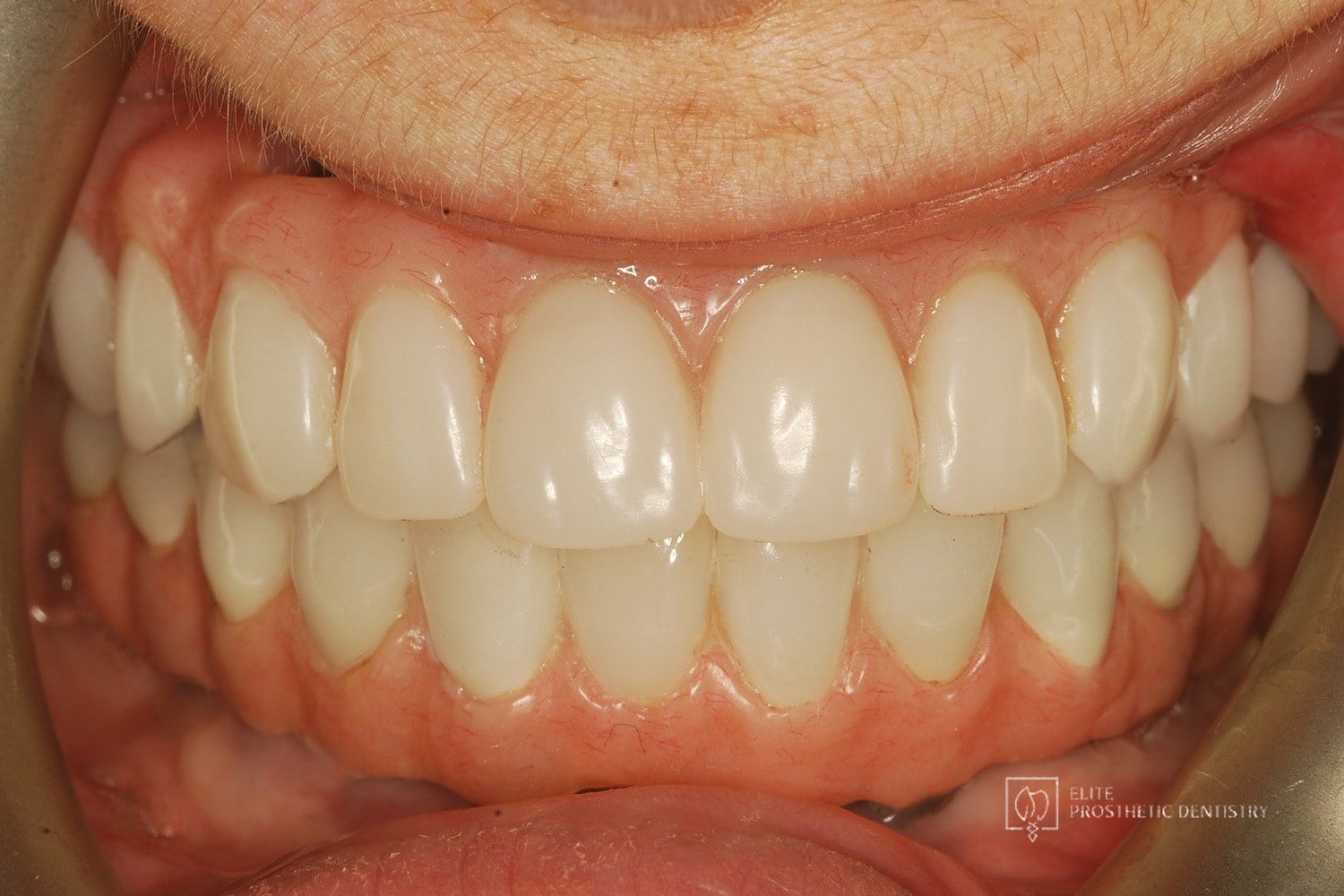 After
After How Failing Implants and Severe Bone Loss Were Rebuilt Into a Stable Full-Arch Implant Reconstruction
The patient presented with significant complications from previously placed implants, severe bone loss, failing posterior implants, and an unesthetic full-arch bridge. Both arches required full reconstruction, with the upper arch showing the most advanced bone loss and instability.
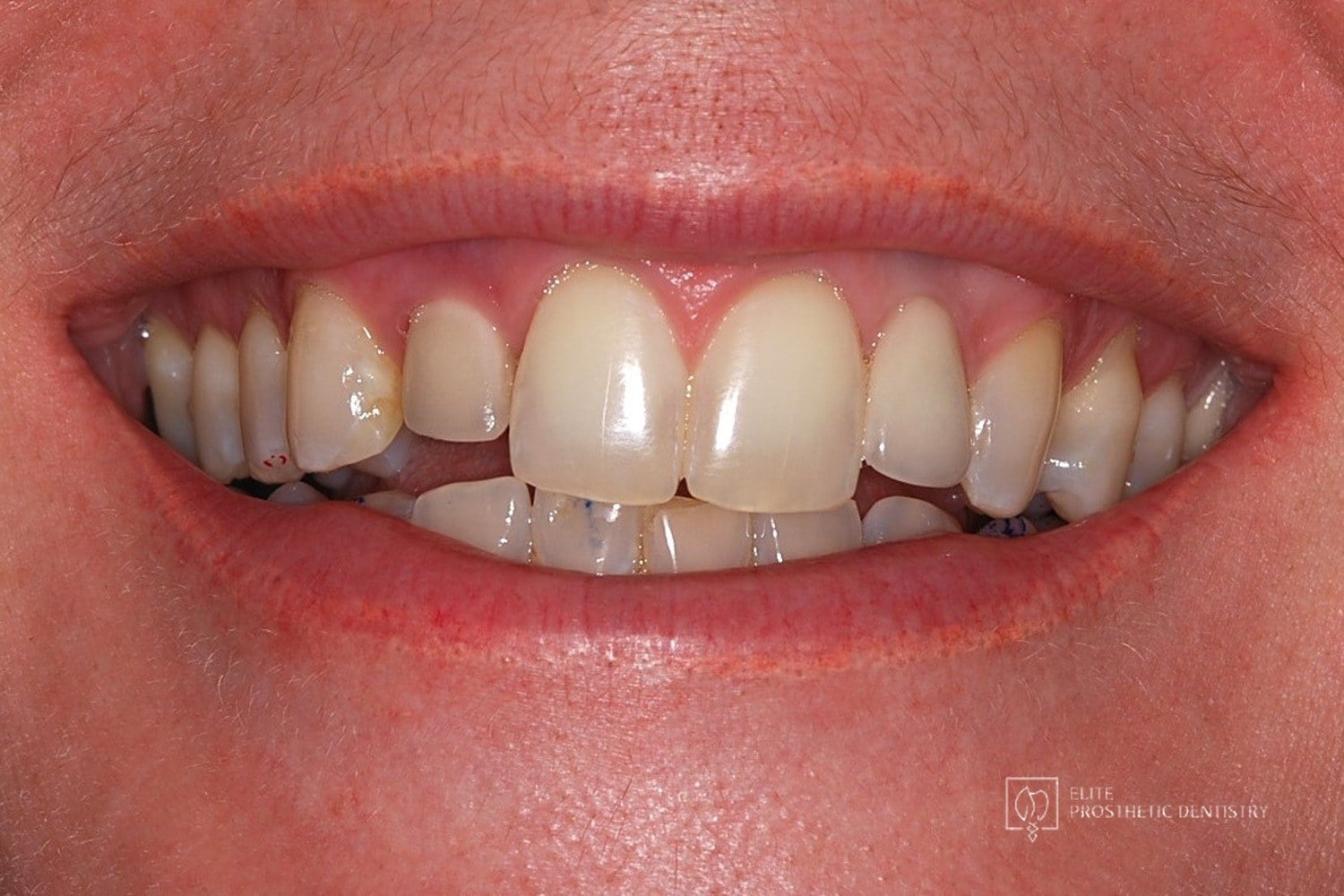 Before
 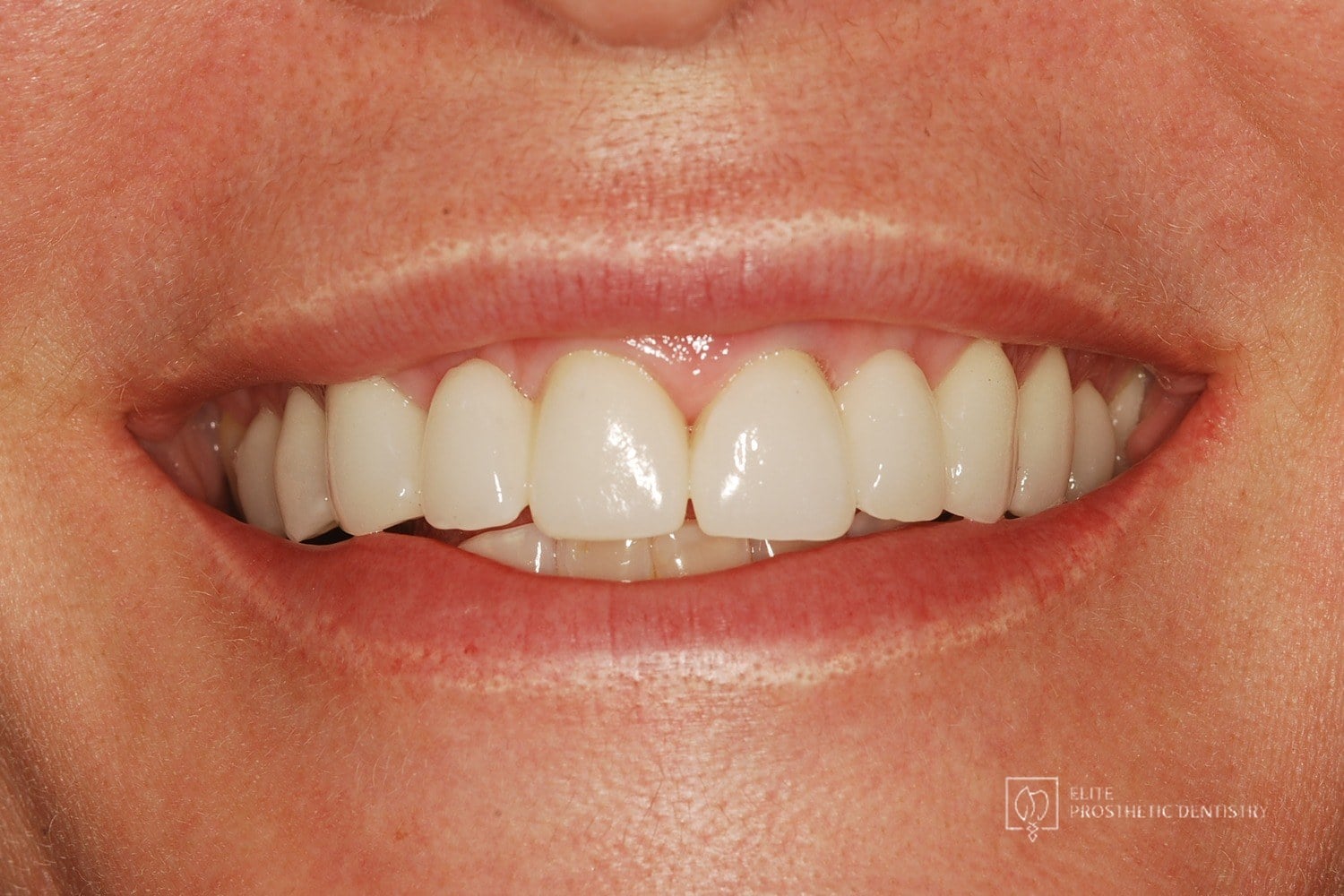 After
After How Failing Lateral Incisor Implants Were Replaced with Custom Zirconia Bridges After Severe Bone Loss Made Replacement Implants Impossible
Comprehensive examination including CBCT imaging revealed significant bone loss surrounding implants that were placed outside the buccal plate, most likely due to placement without a CBCT-generated surgical guide. The implants were determined non-salvageable, and the alveolar ridge was too narrow to support replacement implants without extensive reconstruction.
Related Articles
Deepen your knowledge with additional insights on this topic.
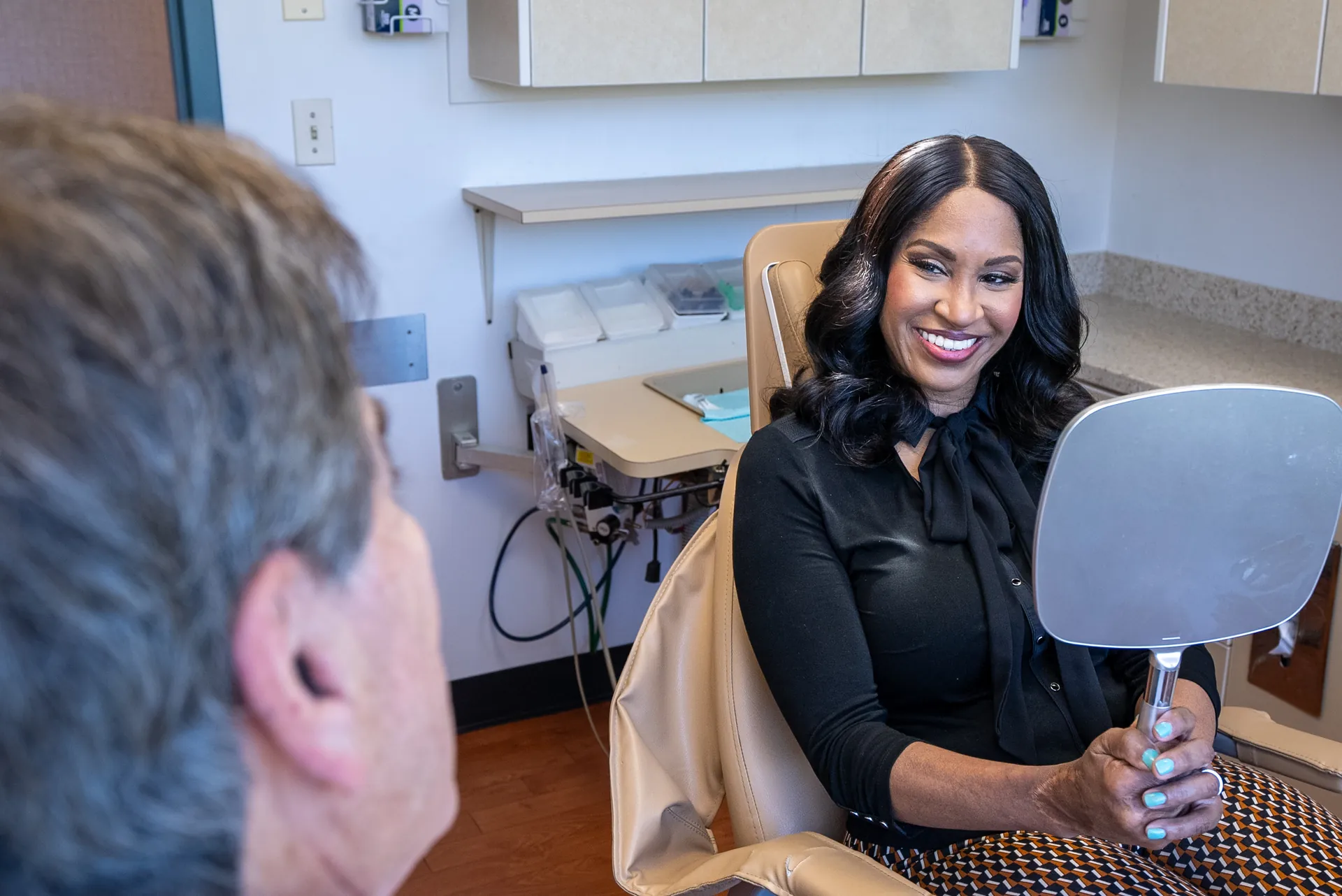 Oral Health & Prevention
 Common Misconceptions About Gum (Periodontal) Disease: Myths vs. Facts
Bleeding gums are normal? Only older adults get gum disease? A DC prosthodontist corrects eight common myths about periodontal disease signs and treatment.
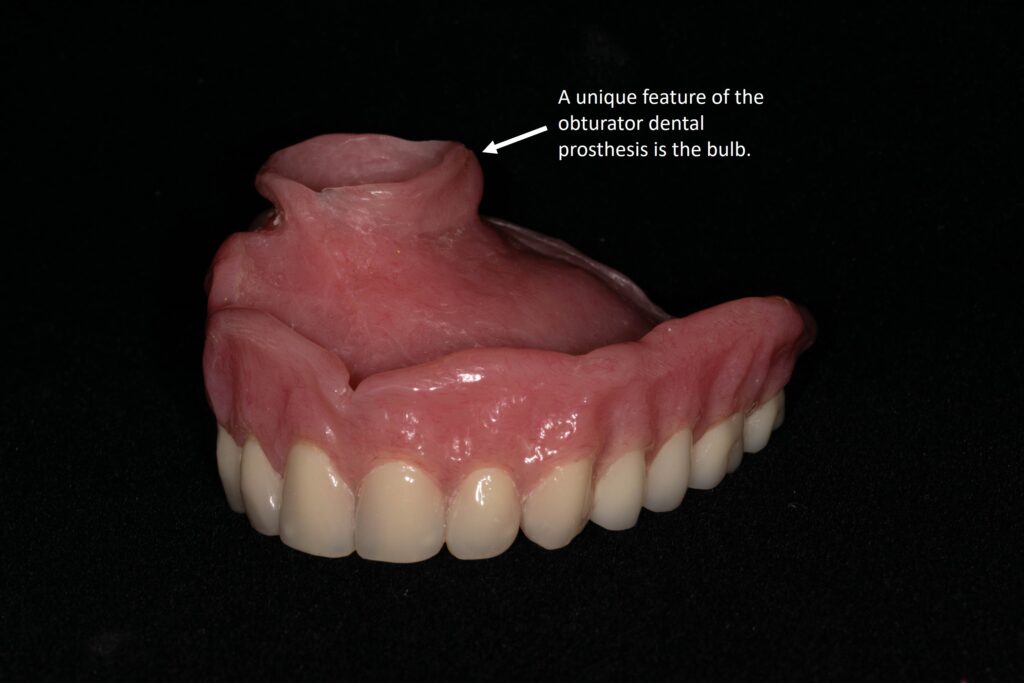 Oral Health & Prevention
 Understanding Palatal Obturators for Openings in the Roof of the Mouth
A palatal obturator seals an opening in the roof of the mouth from cleft palate, surgery, or trauma. A DC prosthodontist explains how they work and their care.
 Oral Health & Prevention
 Dental Hygiene Care Is Not a 'One-Size-Fits-All' Process
The right hygiene routine depends on your gums, your risk factors, and your dental work. A DC prosthodontist explains why personalized hygiene care matters.