
Tooth Enamel Erosion: Causes and Prevention
Enamel is the hardest substance in the human body, harder than bone. It is also, in one crucial way, more fragile: it contains no living cells, which means that once it erodes, it cannot grow back. Bone heals and skin regenerates, but lost enamel is simply lost. Understanding what wears it away, and how to protect it, is one of the higher-value things you can learn about your own teeth.

What Erosion Actually Is
Every time you eat, your enamel faces a brief acid challenge. Bacteria convert sugars and starches into acid, and many foods, including healthy ones, are acidic themselves. That acid pulls minerals out of enamel. Between meals, saliva reverses the process, redepositing minerals and re-hardening the surface. In a balanced mouth these two forces roughly cancel out.
Erosion is what happens when the balance tips toward acid: when exposures are frequent, when saliva is scarce, or when acid arrives from sources other than food. Unlike a cavity, which bacteria drill into a specific spot, erosion is a chemical wearing-down of the whole surface.
The Main Causes
Diet. The biggest driver is frequent acid and sugar: sodas, sports and energy drinks, citrus, wine, and sugary or starchy snacks. Frequency matters more than amount, so sipping a soda over an hour is worse than drinking it quickly, because it keeps the acid attack going.
Medical factors. Some causes have nothing to do with diet. Acid reflux (GERD) bathes teeth in stomach acid, dry mouth removes saliva’s protective buffering, and frequent vomiting, from illness or other causes, is highly corrosive to enamel. Certain acidic medications and supplements, including chewable vitamin C and aspirin, contribute as well. If you suspect a medical cause, talk with your physician; do not stop any prescribed medication on your own.
Mechanical wear. Aggressive brushing and grinding physically wear enamel, and they do the most damage when the enamel is already acid-softened.
Erosion Is Not the Same as a Cavity
It is worth drawing this distinction clearly, because it changes how you prevent the problem. A cavity is bacterial: specific bacteria colonize a spot, ferment sugar into acid, and bore a hole into the tooth. Erosion is chemical and diffuse: acid from food, drink, or the stomach dissolves enamel broadly across the surfaces it touches. That is why erosion often shows up as smooth, shallow, cupped-out areas or thinning edges rather than the discrete dark spots of decay, and why fighting it relies less on targeting bacteria and more on managing acid and giving saliva time to work. Many people have both processes at once, which is one more reason regular examinations matter: the two look different and are prevented in somewhat different ways.
How to Protect Your Enamel
The good news is that prevention is straightforward and effective.
Give saliva time to do its job. After acidic food or drink, rinse with water and wait about 20 to 30 minutes before brushing, because brushing softened enamel accelerates its loss. Use a fluoride toothpaste twice a day; fluoride strengthens enamel and helps remineralize early damage. Keep acidic and sugary items to mealtimes rather than grazing on them, and make water your default drink so you are rinsing rather than re-acidifying. If you grind your teeth, a nightguard protects against mechanical wear. And keep regular checkups, where we can catch erosion early and address underlying causes such as dry mouth.
When Enamel Is Already Gone
Because enamel cannot regenerate, significant loss is treated by replacing the protective layer, not regrowing it. Early on, prevention and monitoring may be all that is needed. When erosion has thinned or weakened teeth to the point of sensitivity, fracture risk, or decay, restorations such as bonding or dental crowns rebuild the tooth and shield what remains. The companion article on treating advanced enamel erosion covers that restorative side.
To have your enamel evaluated, or to get ahead of a cause like reflux or grinding, call 202-244-2101 or request an appointment at Elite Prosthetic Dentistry in Friendship Heights, Washington, DC.
See How We Resolve These Problems
Our patient success stories show real cases and real results. Browse outcomes from a specialist prosthodontist with decades of experience and 3,900+ implants placed.
Key Takeaways
- ✓ Enamel is the hardest substance in the body, but acid dissolves it, and unlike bone it cannot regenerate because it contains no living cells.
- ✓ The main drivers are dietary acids and sugars, plus medical causes such as acid reflux, dry mouth, and frequent vomiting.
- ✓ Saliva remineralizes enamel between meals, so do not brush for about 20 to 30 minutes after acidic foods, when enamel is temporarily softened.
- ✓ Fluoride, a lower-acid diet, water after meals, and regular checkups are the core of prevention. Lost enamel is replaced, not restored, by dentistry.
Frequently Asked Questions
Can tooth enamel grow back?
No. Enamel contains no living cells, so once it is lost it cannot regenerate the way bone or skin can. Your body can remineralize and strengthen enamel that is still present, which is why fluoride and saliva matter, but structure that has already eroded away is gone for good. That is why prevention and early attention are so important.
What foods and habits cause enamel erosion?
Frequent exposure to acids and sugars is the main culprit: sodas, citrus, sports and energy drinks, wine, and starchy or sugary snacks that bacteria convert to acid. Medical causes include acid reflux, dry mouth, and frequent vomiting, and aggressive brushing accelerates wear. Frequency matters more than quantity, so constant sipping and grazing are especially damaging.
Should I brush right after eating or drinking something acidic?
Wait about 20 to 30 minutes. Right after acidic food or drink, enamel is temporarily softened, and brushing immediately can wear it away faster. Rinse with water instead to help neutralize the acid, then brush once your saliva has had time to let the enamel re-harden.
Related Patient Success Stories
Explore similar patient success stories demonstrating our expertise in advanced prosthetic dentistry.
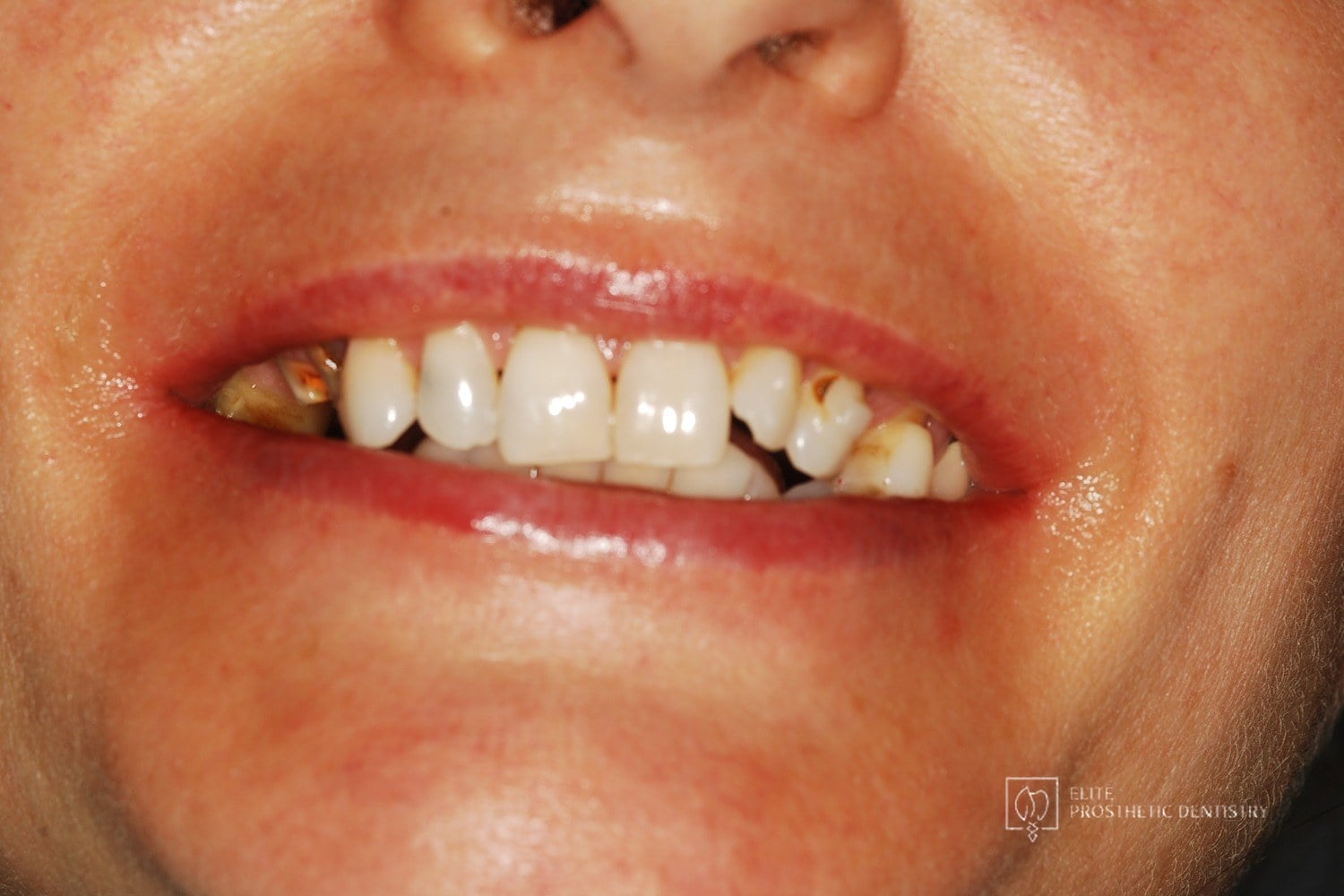 Before
 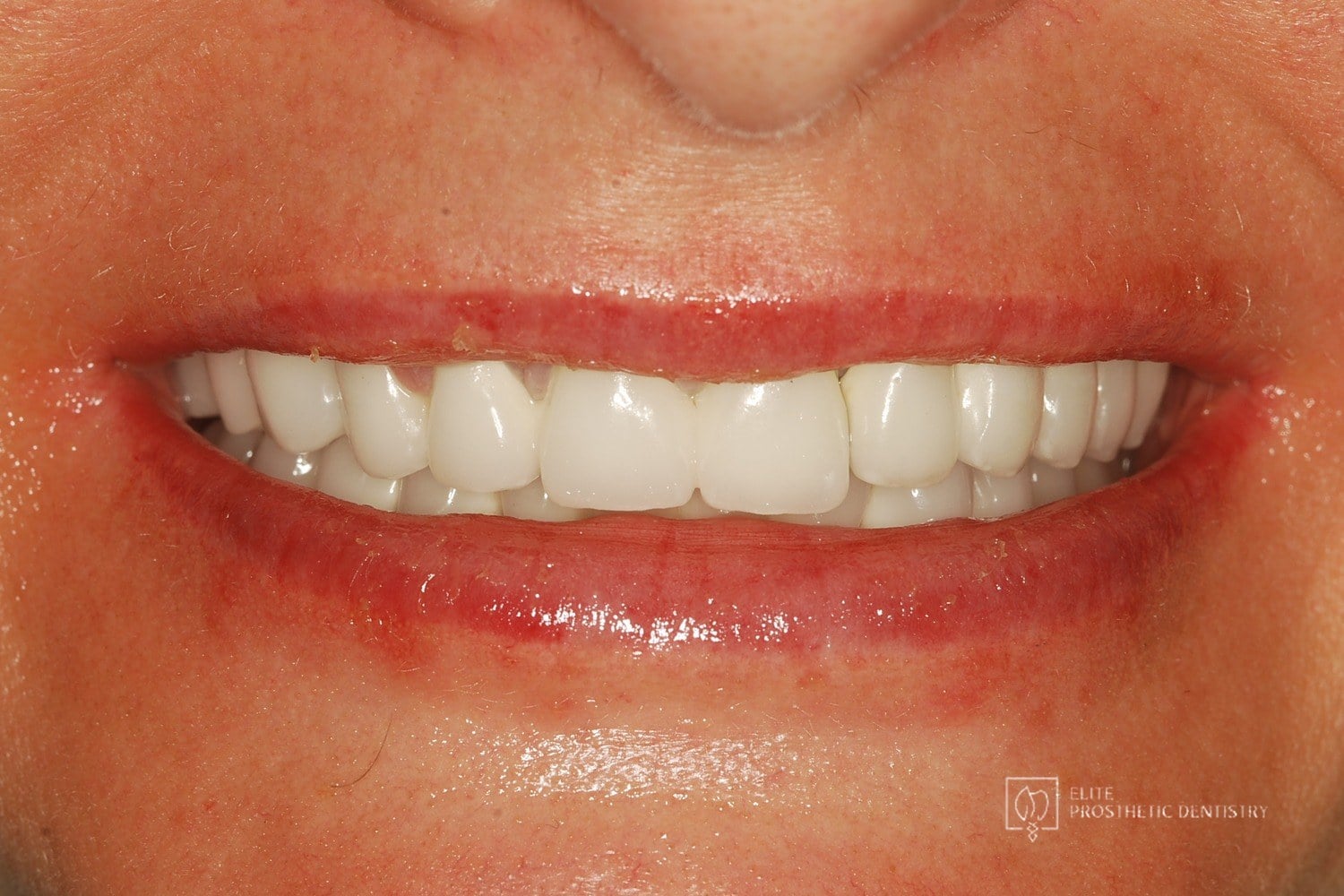 After
After How Aging, Failing Dentistry Was Replaced with a Coordinated Full-Mouth Implant and Crown Reconstruction
The patient presented with throbbing upper-molar pain, long-standing infections, multiple root canals and unfinished prior treatment, generalized sensitivity, and several hopeless teeth.
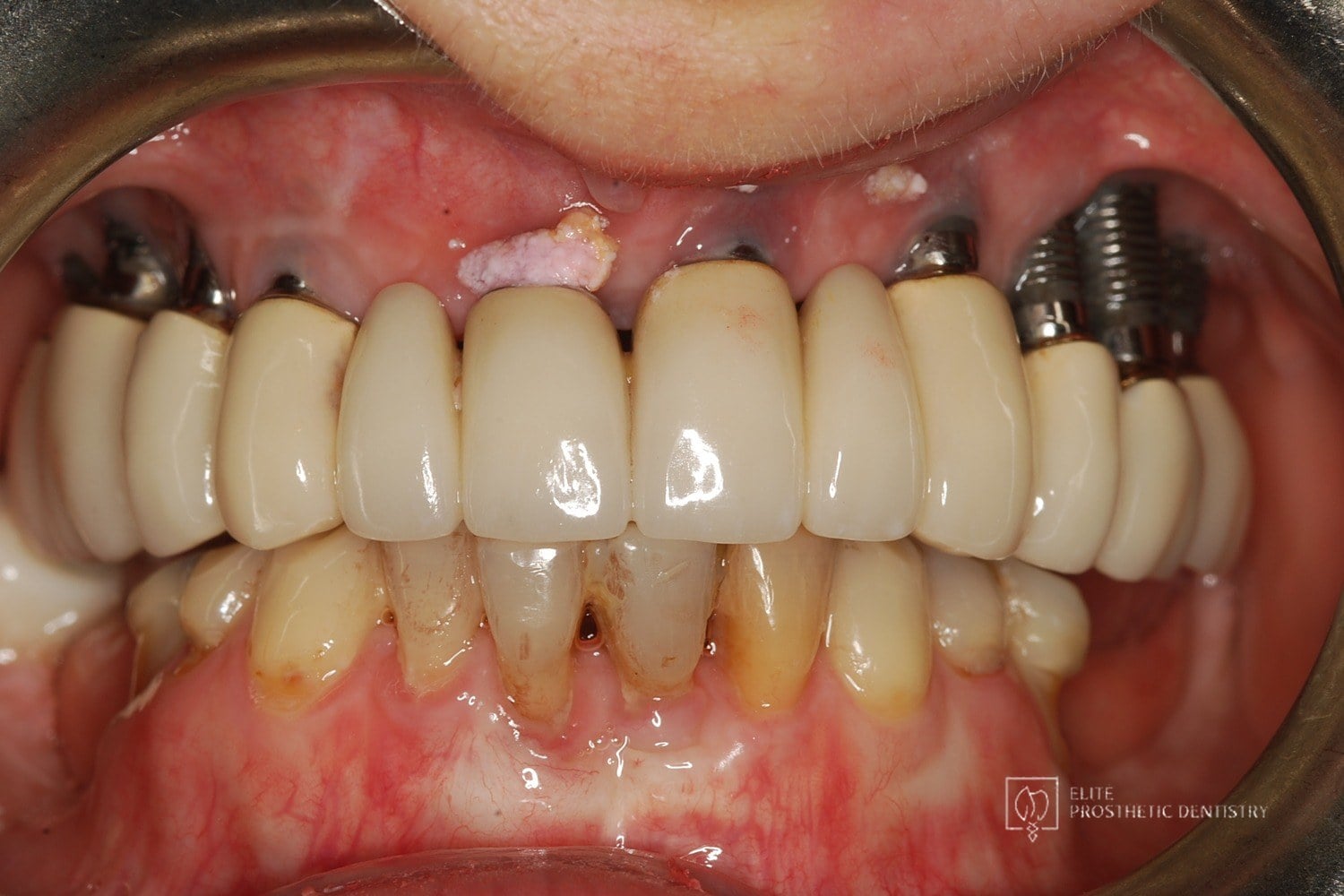 Before
 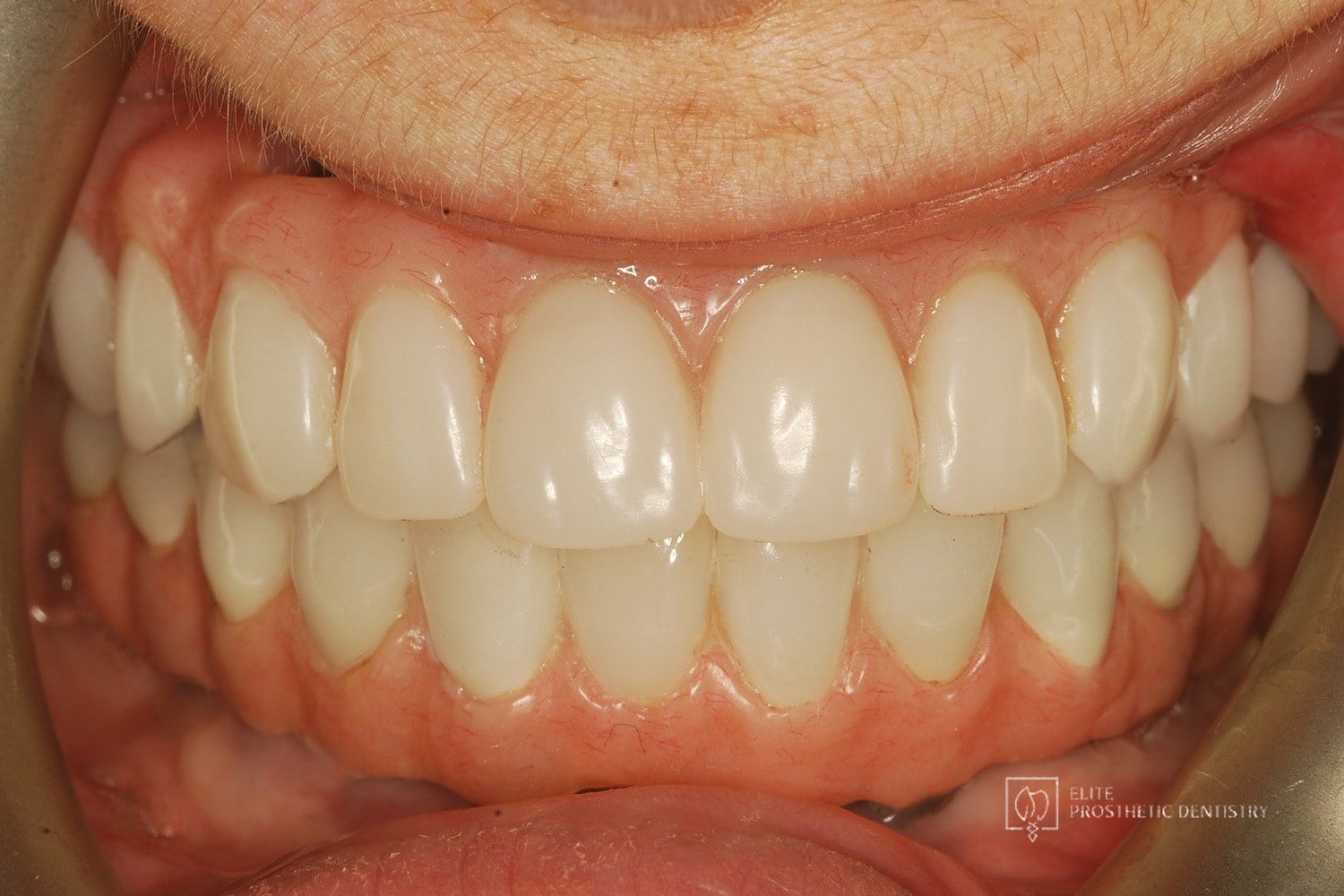 After
After How Failing Implants and Severe Bone Loss Were Rebuilt Into a Stable Full-Arch Implant Reconstruction
The patient presented with significant complications from previously placed implants, severe bone loss, failing posterior implants, and an unesthetic full-arch bridge. Both arches required full reconstruction, with the upper arch showing the most advanced bone loss and instability.
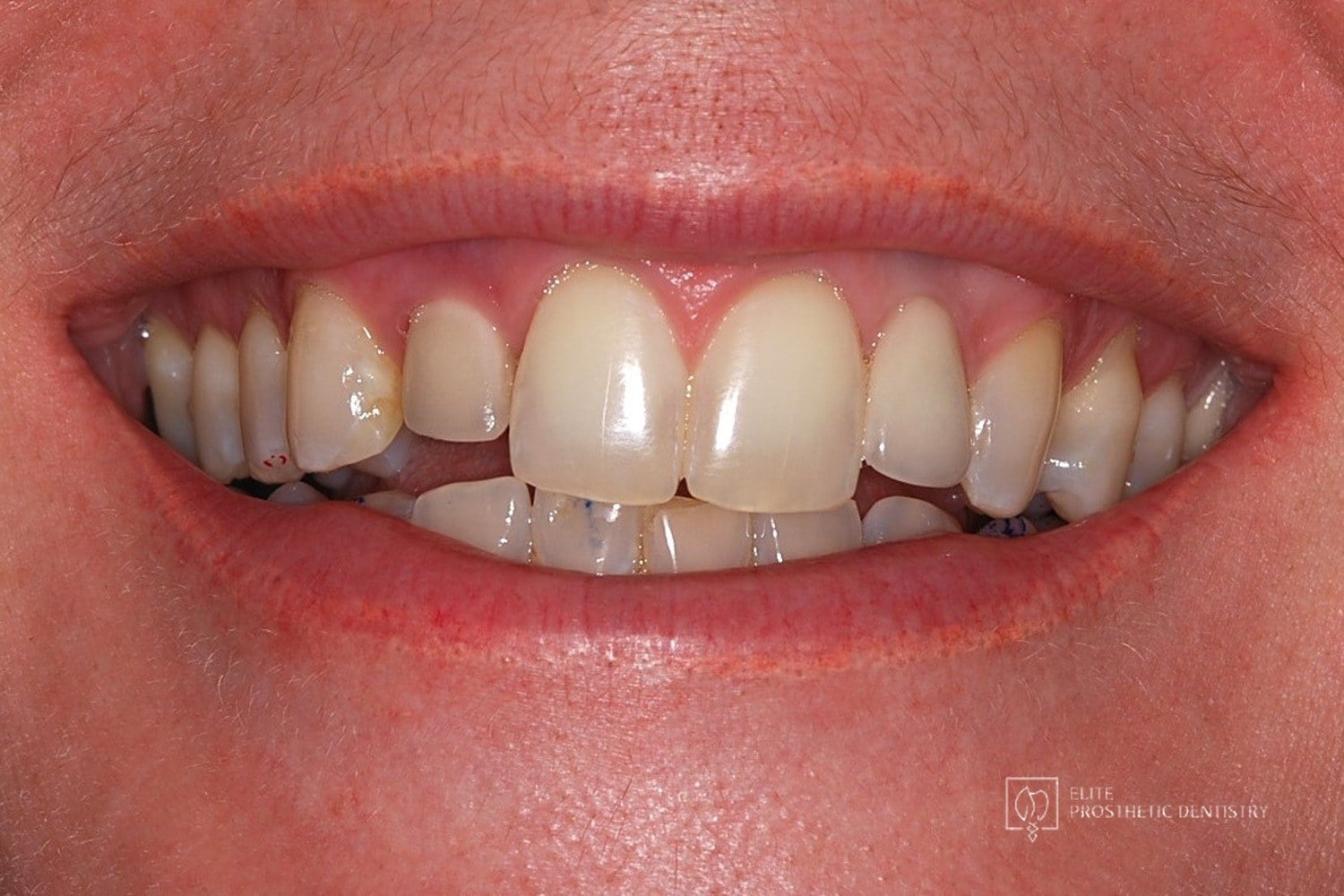 Before
 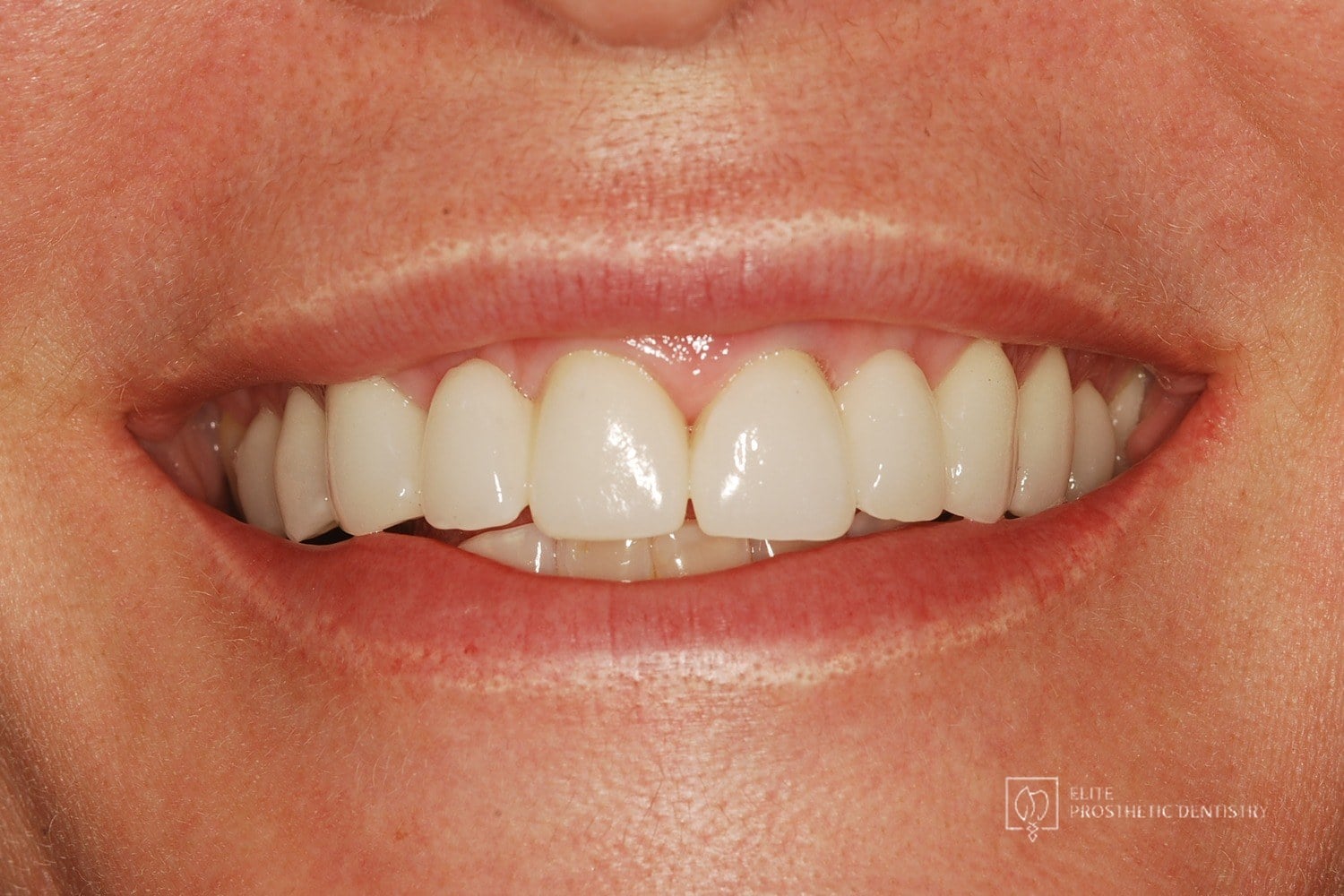 After
After How Failing Lateral Incisor Implants Were Replaced with Custom Zirconia Bridges After Severe Bone Loss Made Replacement Implants Impossible
Comprehensive examination including CBCT imaging revealed significant bone loss surrounding implants that were placed outside the buccal plate, most likely due to placement without a CBCT-generated surgical guide. The implants were determined non-salvageable, and the alveolar ridge was too narrow to support replacement implants without extensive reconstruction.
Related Articles
Deepen your knowledge with additional insights on this topic.
 Oral Health & Prevention
 Common Misconceptions About Gum (Periodontal) Disease: Myths vs. Facts
Bleeding gums are normal? Only older adults get gum disease? A DC prosthodontist corrects eight common myths about periodontal disease signs and treatment.
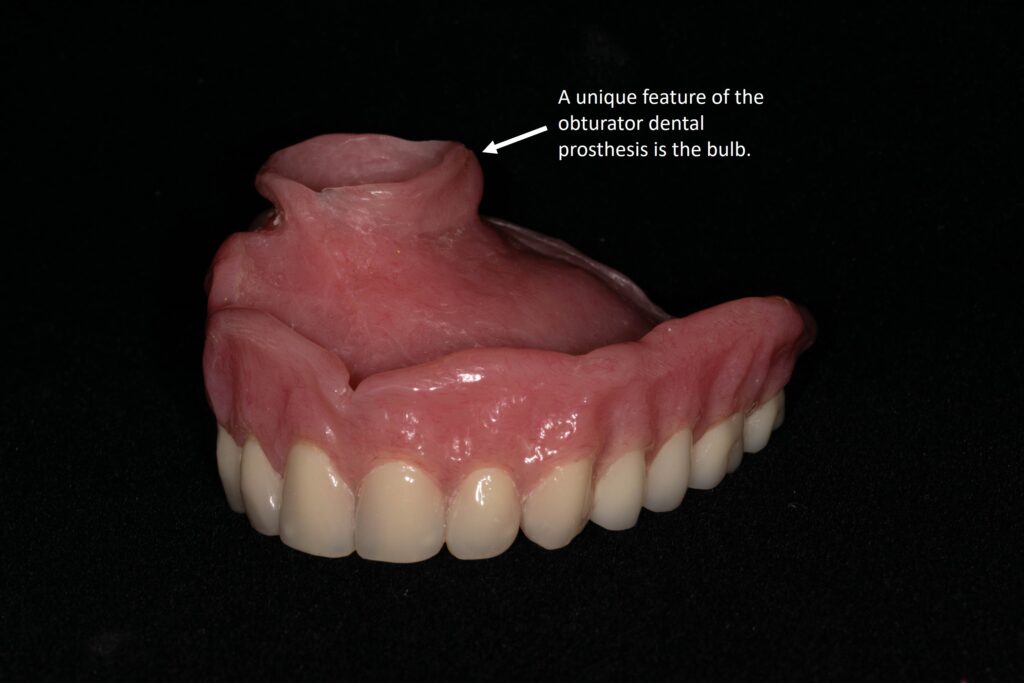 Oral Health & Prevention
 Understanding Palatal Obturators for Openings in the Roof of the Mouth
A palatal obturator seals an opening in the roof of the mouth from cleft palate, surgery, or trauma. A DC prosthodontist explains how they work and their care.
 Oral Health & Prevention
 Dental Hygiene Care Is Not a 'One-Size-Fits-All' Process
The right hygiene routine depends on your gums, your risk factors, and your dental work. A DC prosthodontist explains why personalized hygiene care matters.