
Oral Health and Pregnancy: What Expectant Mothers Should Know
Protecting Your Smile While Expecting
Pregnancy changes your body in profound ways, and your mouth is not exempt. Shifting hormones, changing eating patterns, increased blood volume, and altered immune function all create a new environment for your teeth and gums. The reassuring news is that with a little awareness and steady care, you can keep your oral health strong through pregnancy and give your baby a healthy start too.
How Pregnancy Affects Your Gums
During pregnancy, levels of estrogen and progesterone rise dramatically. These hormones are essential for your baby, but they also make gum tissue more vascular and more reactive to the bacteria in plaque. That is why many women notice gum changes during pregnancy even if they have never had gum problems before. Saliva composition can shift as well, which may modestly raise cavity risk, though that increase is preventable with good care.
Pregnancy Gingivitis
A significant share of pregnant women develop pregnancy gingivitis, a mild form of gum disease in which the gums become red, swollen, tender, and prone to bleeding during brushing or flossing. The bleeding can be alarming, but it reflects the hormonal effect on gum tissue rather than a failure of your hygiene.
Managing it still matters. Untreated gingivitis can progress to periodontitis, a more serious form involving bone loss, and research has associated untreated periodontal disease in pregnancy with adverse outcomes including preterm birth and low birth weight. For that reason, Dr. Marlin may recommend more frequent professional cleanings during pregnancy, sometimes every three months, to keep bacterial plaque in check. Our guide to keeping your gums healthy covers the daily routine that supports this.
Keeping Up Your Routine
The foundation does not change: brush at least twice daily with a soft brush and fluoride toothpaste, gently cleaning the gumline, and floss every day, which matters even more when gums are inflammation-prone. Because pregnancy cravings often trend sweet, be mindful about frequent snacking on sugary foods; when you do indulge, keep it to mealtimes rather than grazing, so your teeth face fewer separate acid attacks. And keep your regular dental visits, letting your team know you are pregnant so your care can be adjusted.
Dental X-Rays and Treatment
Many expectant mothers worry about X-rays. In fact, dental X-rays use very low radiation, and with a leaded apron over the abdomen and a thyroid collar, exposure is negligible; digital X-rays reduce it further still. If you have a toothache, a broken tooth, or another problem that needs imaging, do not avoid it out of fear, because untreated dental infection is the greater risk. Many routine procedures are comfortably performed during pregnancy, often in the second trimester. If you have existing cavities or gum problems, pregnancy is a good time to address them with a plan tailored to your safety.
Managing Morning Sickness
Frequent vomiting exposes teeth to highly corrosive stomach acid. If you experience morning sickness, protect your enamel by rinsing afterward with a baking soda solution, about one teaspoon in eight ounces of water, swished thoroughly to neutralize the acid. Do not brush immediately, since the acid temporarily softens enamel and brushing can then wear it away; wait at least 30 minutes.
Nutrition for Two Smiles
Your nutrition supports your baby’s developing teeth, which begin forming as early as the third month of pregnancy. A diet with adequate calcium and phosphorus, vitamin D, vitamin A, vitamin C, and protein supports healthy tooth and gum development, and limiting sugary snacks benefits both your cavity risk and your child’s future eating patterns.
A Healthy Start
The habits you build now, and the dental health you model, shape your child’s relationship with oral care for years. We are glad to care for expectant mothers and to tailor a plan to your pregnancy. To schedule, call 202-244-2101 or request an appointment at Elite Prosthetic Dentistry in Friendship Heights, Washington, DC.
See How We Resolve These Problems
Our patient success stories show real cases and real results. Browse outcomes from a specialist prosthodontist with decades of experience and 3,900+ implants placed.
Key Takeaways
- ✓ Pregnancy hormones make gum tissue more reactive to plaque, so many women develop pregnancy gingivitis even with good hygiene.
- ✓ Keeping up brushing, daily flossing, and professional cleanings, sometimes more frequently, is the core of protecting your oral health while expecting.
- ✓ Dental X-rays with proper shielding are considered safe in pregnancy, and untreated dental infection carries more risk than a shielded X-ray.
- ✓ Rinse with a baking soda solution after morning sickness and wait before brushing, since stomach acid temporarily softens enamel.
Frequently Asked Questions
Is it safe to go to the dentist while pregnant?
Yes. Routine dental care, including cleanings and examinations, is safe and encouraged during pregnancy, and many routine procedures are comfortably done in the second trimester. Untreated dental infection poses more risk to you and your baby than treatment does. Always tell your dental team you are pregnant so your care can be tailored appropriately.
What is pregnancy gingivitis?
Pregnancy gingivitis is a common, mild form of gum disease driven by hormonal changes that make gum tissue more reactive to plaque. Gums may look red and swollen and bleed when brushing or flossing, even in women with good hygiene. It is manageable with consistent home care and professional cleanings, and controlling it helps prevent progression to more serious gum disease.
Are dental X-rays safe during pregnancy?
When needed, yes. Dental X-rays deliver very low radiation, and with a leaded apron and thyroid collar the exposure to your abdomen is negligible. Modern digital X-rays lower it further. If you have a dental emergency or a problem that needs imaging to diagnose, the benefit of proper diagnosis outweighs the minimal risk. Discuss any concerns with your dentist.
Related Patient Success Stories
Explore similar patient success stories demonstrating our expertise in advanced prosthetic dentistry.
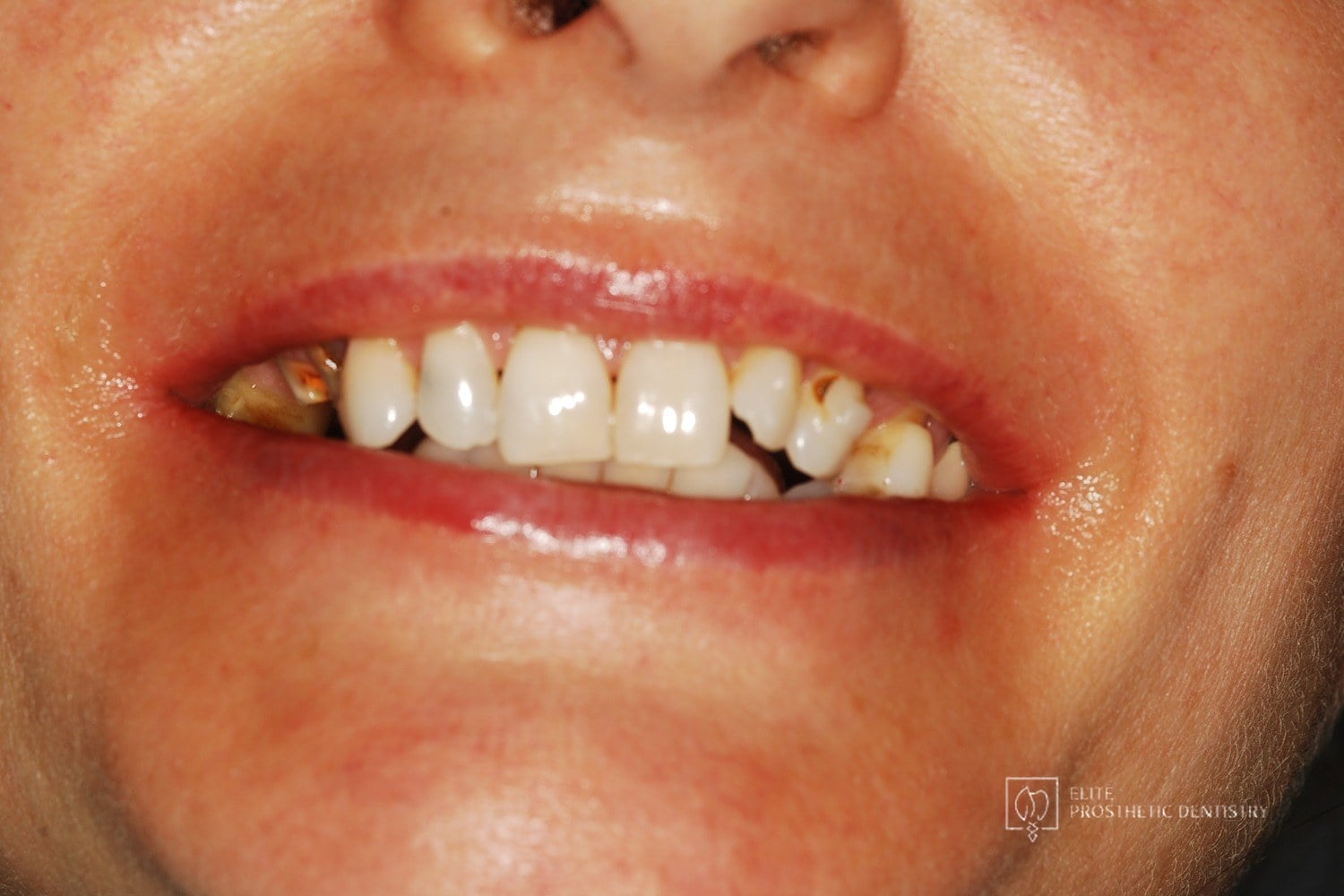 Before
 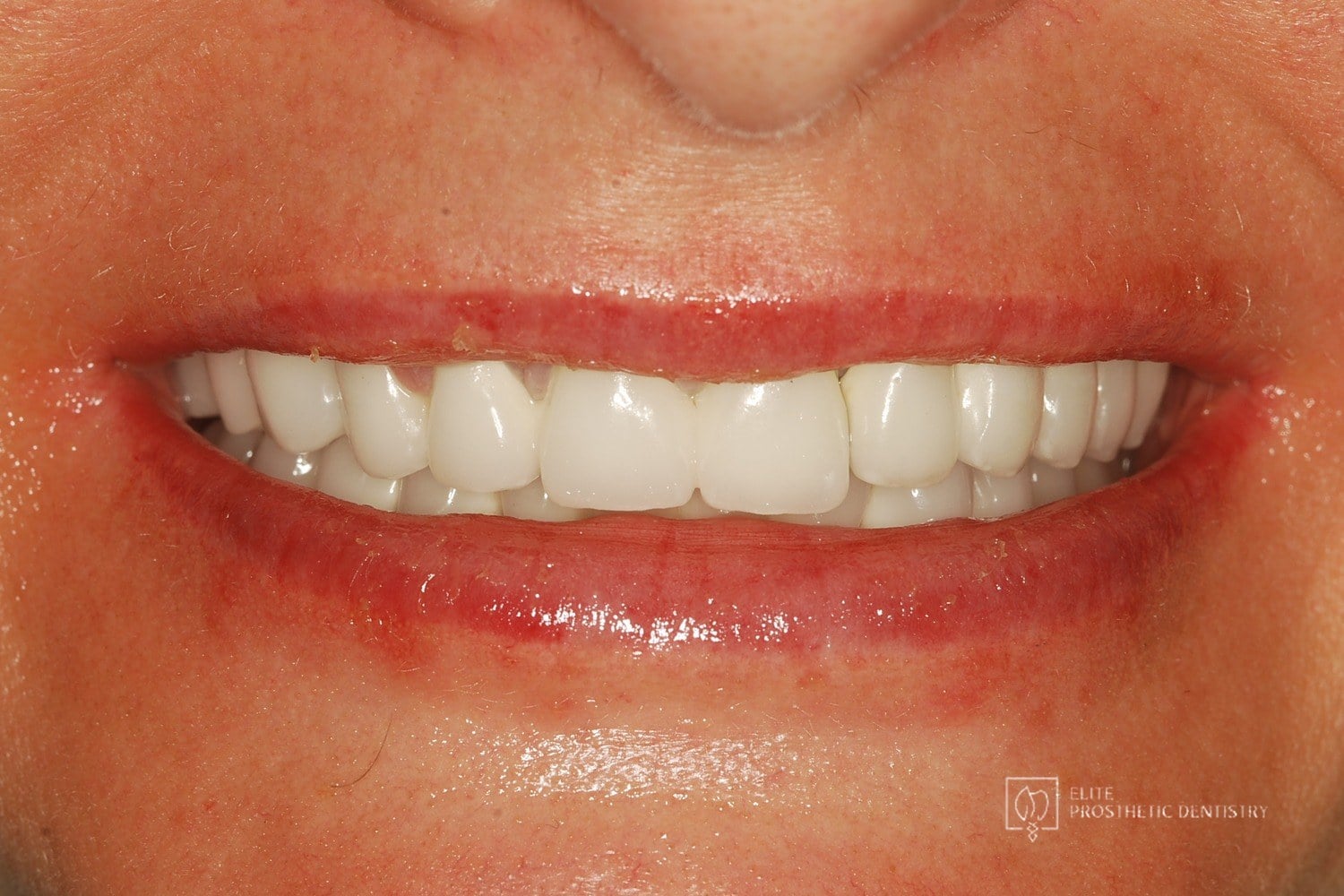 After
After How Aging, Failing Dentistry Was Replaced with a Coordinated Full-Mouth Implant and Crown Reconstruction
The patient presented with throbbing upper-molar pain, long-standing infections, multiple root canals and unfinished prior treatment, generalized sensitivity, and several hopeless teeth.
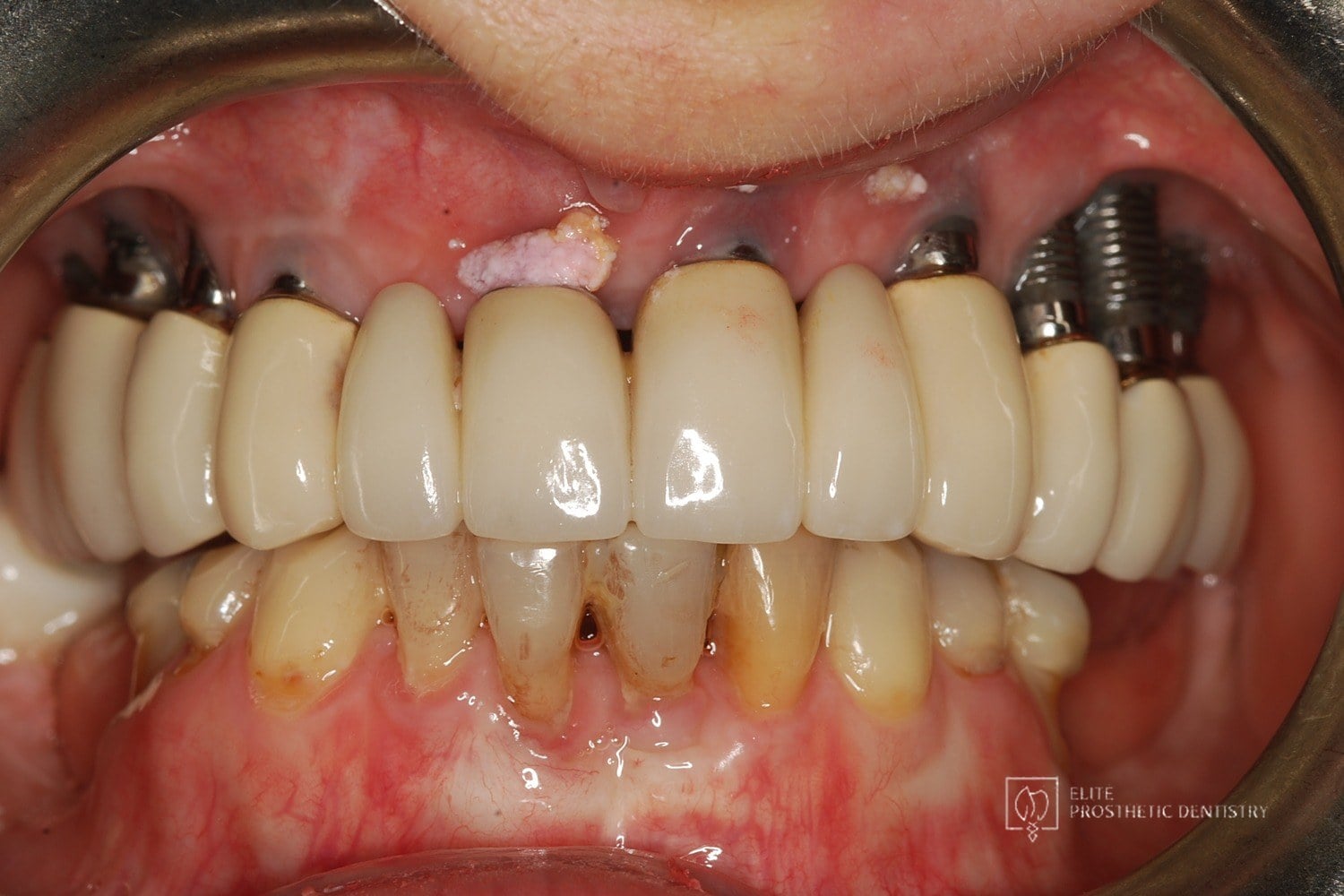 Before
 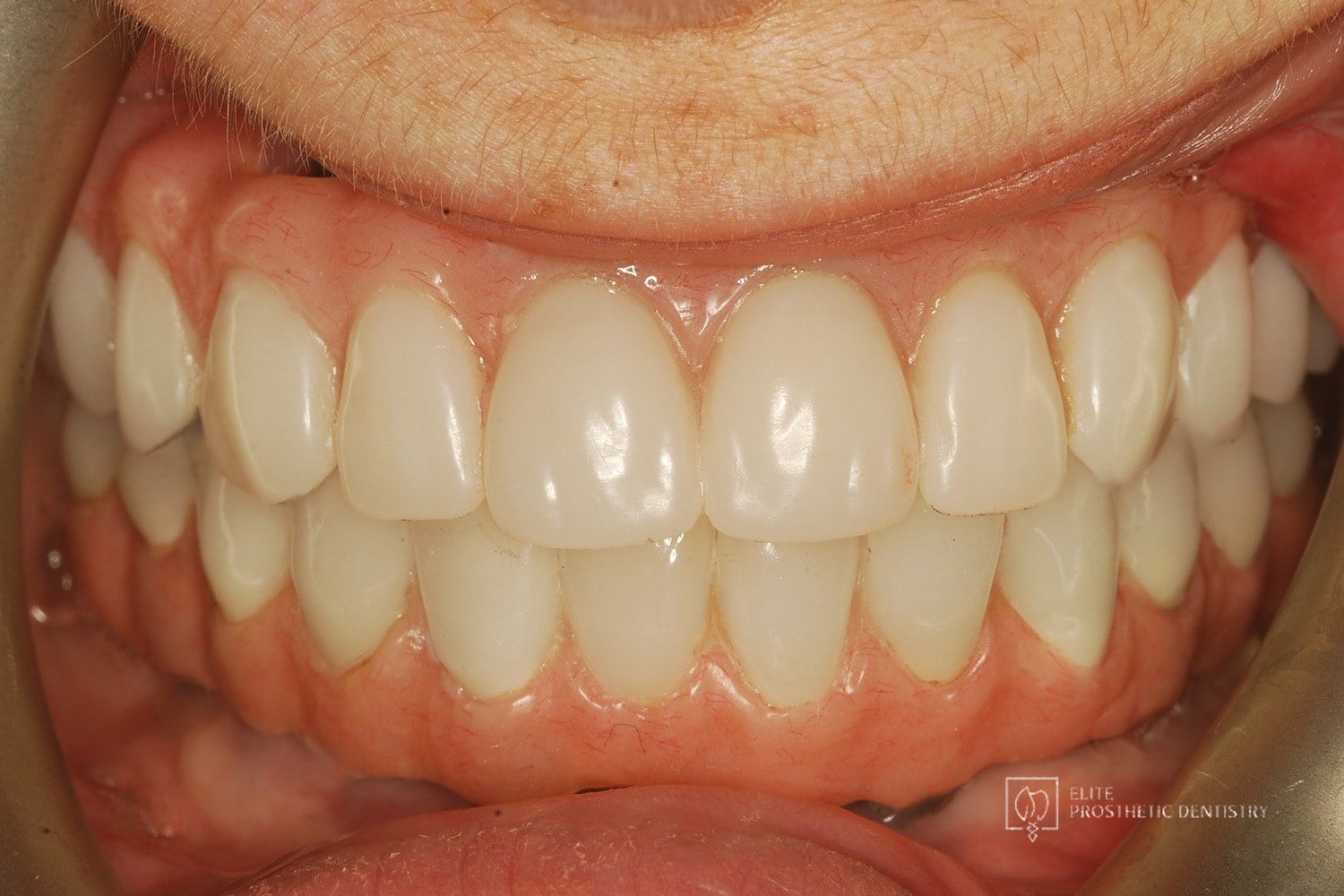 After
After How Failing Implants and Severe Bone Loss Were Rebuilt Into a Stable Full-Arch Implant Reconstruction
The patient presented with significant complications from previously placed implants, severe bone loss, failing posterior implants, and an unesthetic full-arch bridge. Both arches required full reconstruction, with the upper arch showing the most advanced bone loss and instability.
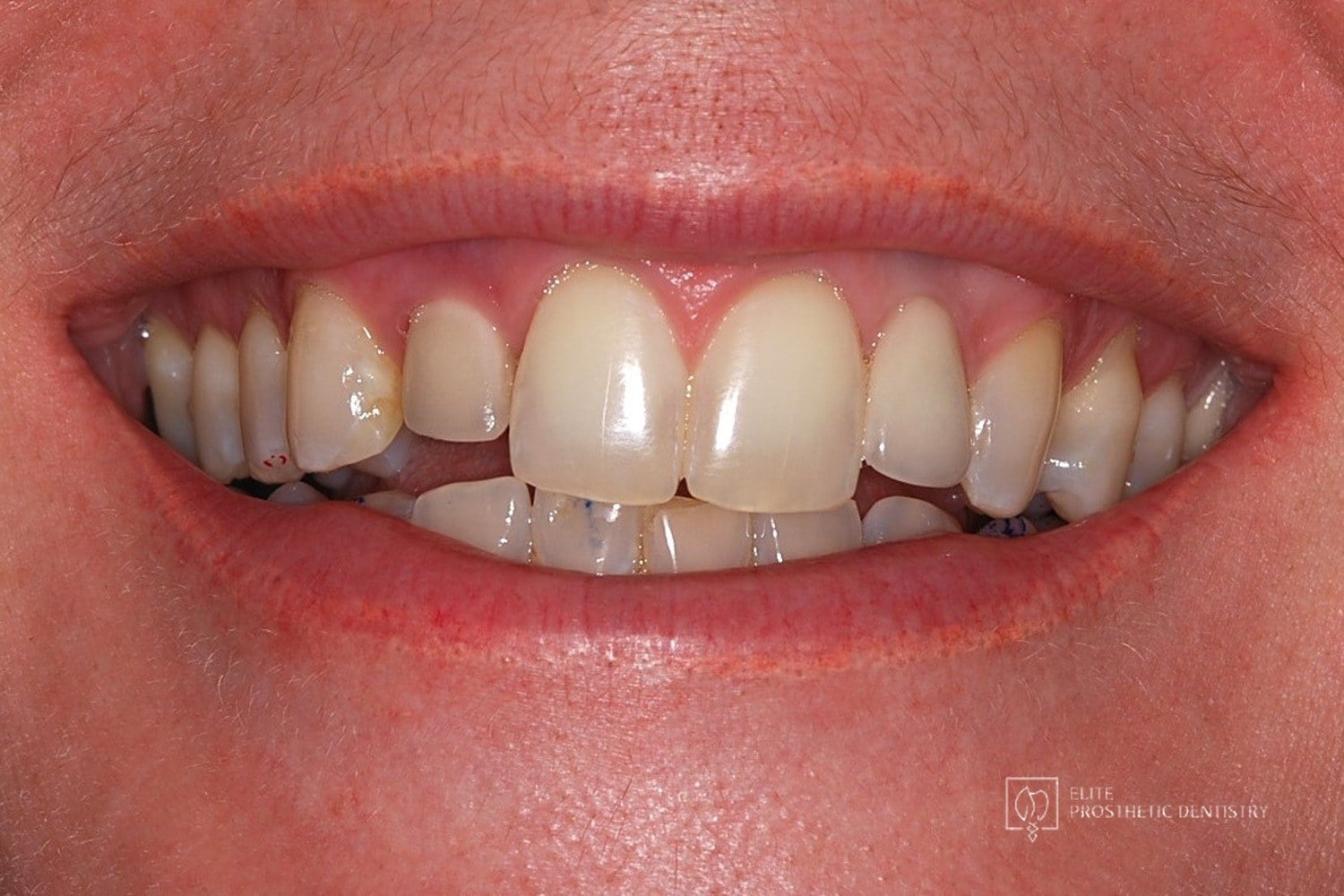 Before
 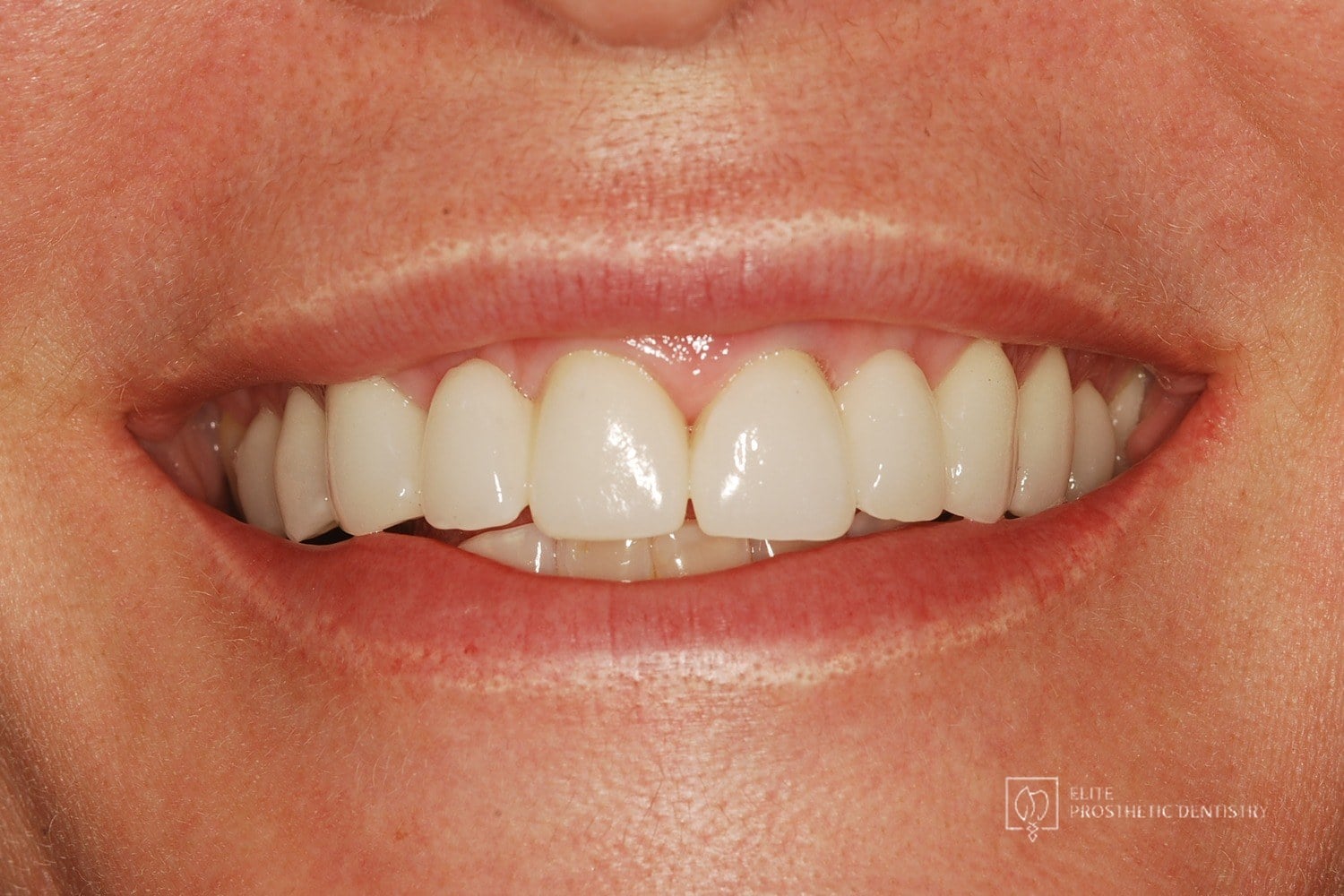 After
After How Failing Lateral Incisor Implants Were Replaced with Custom Zirconia Bridges After Severe Bone Loss Made Replacement Implants Impossible
Comprehensive examination including CBCT imaging revealed significant bone loss surrounding implants that were placed outside the buccal plate, most likely due to placement without a CBCT-generated surgical guide. The implants were determined non-salvageable, and the alveolar ridge was too narrow to support replacement implants without extensive reconstruction.
Related Articles
Deepen your knowledge with additional insights on this topic.
 Oral Health & Prevention
 Common Misconceptions About Gum (Periodontal) Disease: Myths vs. Facts
Bleeding gums are normal? Only older adults get gum disease? A DC prosthodontist corrects eight common myths about periodontal disease signs and treatment.
 Oral Health & Prevention
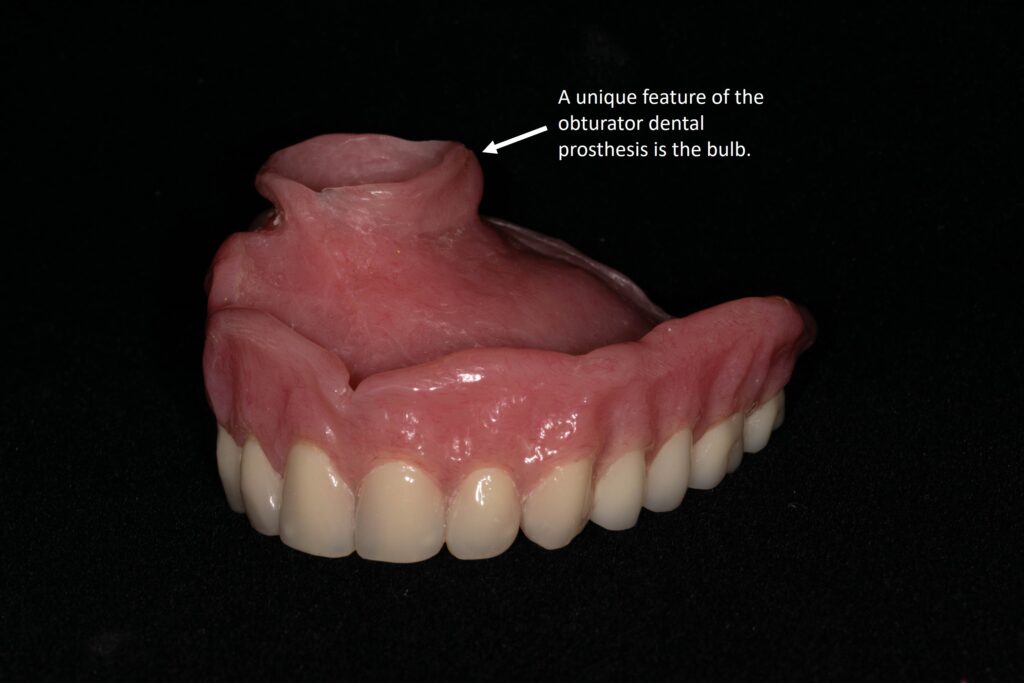
 Understanding Palatal Obturators for Openings in the Roof of the Mouth
A palatal obturator seals an opening in the roof of the mouth from cleft palate, surgery, or trauma. A DC prosthodontist explains how they work and their care.
 Oral Health & Prevention
 Dental Hygiene Care Is Not a 'One-Size-Fits-All' Process
The right hygiene routine depends on your gums, your risk factors, and your dental work. A DC prosthodontist explains why personalized hygiene care matters.