
How to Keep Your Gums Healthy Every Day
Healthy gums are pink, firm, and quiet. They do not bleed when you brush, they do not ache, and they hold your teeth, and any dentistry attached to them, securely in place. Keeping them that way does not require exotic products. It requires a short routine done well, every day.
1) Clean Between Your Teeth Once a Day
Flossing is the step most people skip, and it is the one aimed most directly at your gums. The spaces between teeth are where plaque sits undisturbed, and the gum tissue between teeth is where inflammation usually begins. Floss once daily, curving the strand around each tooth and sliding gently just below the gumline. If floss frustrates you, interdental brushes or a water flosser are worthy alternatives. The evidence behind this habit is stronger than headlines sometimes suggest, as we explain in Yes, You Still Have to Floss.
2) Brush Twice, and Aim at the Gumline
Brushing twice a day is familiar advice, but technique decides whether it protects your gums. Hold the brush at roughly 45 degrees to the gumline and use short, gentle strokes so the bristles clean the junction where tooth meets tissue. Scrubbing harder does not clean better; over time it wears away the very tissue you are trying to protect. An antiseptic mouthwash can supplement this routine by reducing bacteria in places brush and floss miss, but it never replaces the mechanical cleaning.
3) Use the Right Toothpaste
Choose a fluoride toothpaste carrying the ADA Seal of Acceptance. The seal means the product has been independently evaluated for safety and effectiveness, and fluoride strengthens teeth against the acid that plaque bacteria produce. Beyond that, the differences between brands matter far less than how consistently you use them.
4) Keep Regular Professional Cleanings
However disciplined your home care, some plaque escapes and calcifies into tartar, which only professional instruments can remove. Regular hygiene visits clear that buildup and, just as important, put trained eyes on your gum tissue. Early gum disease is usually symptomless and easy to miss; caught at an examination, it is also very manageable. Early gingivitis can be reversed with proper care, which is precisely why finding it early matters. For a fuller prevention playbook, see our 10 tips to prevent gum disease.
Know the Early Warning Signs
Part of keeping gums healthy is noticing when they are not. Healthy tissue is pink and firm and stays quiet; trouble announces itself in small ways that are easy to rationalize away. Watch for gums that bleed when you brush or floss, look red or puffy rather than pink, feel tender, or seem to be pulling back from the teeth so that teeth look longer. Persistent bad breath and a lingering bad taste belong on the same list. None of these is normal, and none is a reason to panic either; each is simply a signal to have your gums looked at while the problem is still small. The reassuring pattern in gum health is that early attention almost always means simple treatment.
A quick note on bleeding, since it worries people most: if you have just restarted flossing after a lapse, a few days of mild bleeding as the tissue recovers is expected. Bleeding that continues past a week of gentle daily cleaning is the kind worth an examination.
Your Gums Hold More Than Your Teeth
Here is the part patients often overlook: gum health determines the lifespan of dental work, not just natural teeth. The margins of crowns and bridges sit at the gumline, where inflamed tissue invites trouble, and dental implants depend entirely on the health of the gum and bone around them. A few careful minutes a day protects everything you have invested in your smile.
If your gums bleed, feel tender, or simply have not been looked at in a while, it may be time for an examination. Call 202-244-2101 or request an appointment with Elite Prosthetic Dentistry in Friendship Heights, Washington, DC.
See How We Resolve These Problems
Our patient success stories show real cases and real results. Browse outcomes from a specialist prosthodontist with decades of experience and 3,900+ implants placed.
Key Takeaways
- ✓ Healthy gums come from a short, repeatable daily routine: brush twice, clean between teeth once, rinse as a supplement, and keep professional cleanings.
- ✓ Healthy gum tissue is pink, firm, and does not bleed. Bleeding during brushing or flossing is an early warning, not a normal event.
- ✓ Fluoride toothpaste with the ADA Seal of Acceptance covers what most people need. Technique and consistency matter more than premium products.
- ✓ Gums are the foundation for everything in your mouth, including crowns, bridges, and implants. Daily gum care protects that dentistry too.
Frequently Asked Questions
What does a healthy gum care routine look like?
Brush twice a day with fluoride toothpaste, angling the bristles toward the gumline. Clean between your teeth once a day with floss or interdental brushes. Use an antiseptic rinse as a supplement if you like, and keep professional cleanings so tartar never accumulates. That routine covers the essentials for most adults.
How can I tell if my gums are healthy?
Healthy gums are pink rather than red, feel firm rather than puffy, hug the teeth closely, and do not bleed when you brush or floss. Bleeding, swelling, persistent bad breath, or gums pulling away from the teeth are signs it is time for a professional evaluation.
Is bleeding while flossing normal?
No. Mild bleeding can appear for a few days when you restart flossing after a lapse, but gums in good health do not bleed under normal cleaning. If bleeding continues beyond a week of consistent, gentle daily flossing, schedule an examination rather than waiting it out.
Related Patient Success Stories
Explore similar patient success stories demonstrating our expertise in advanced prosthetic dentistry.
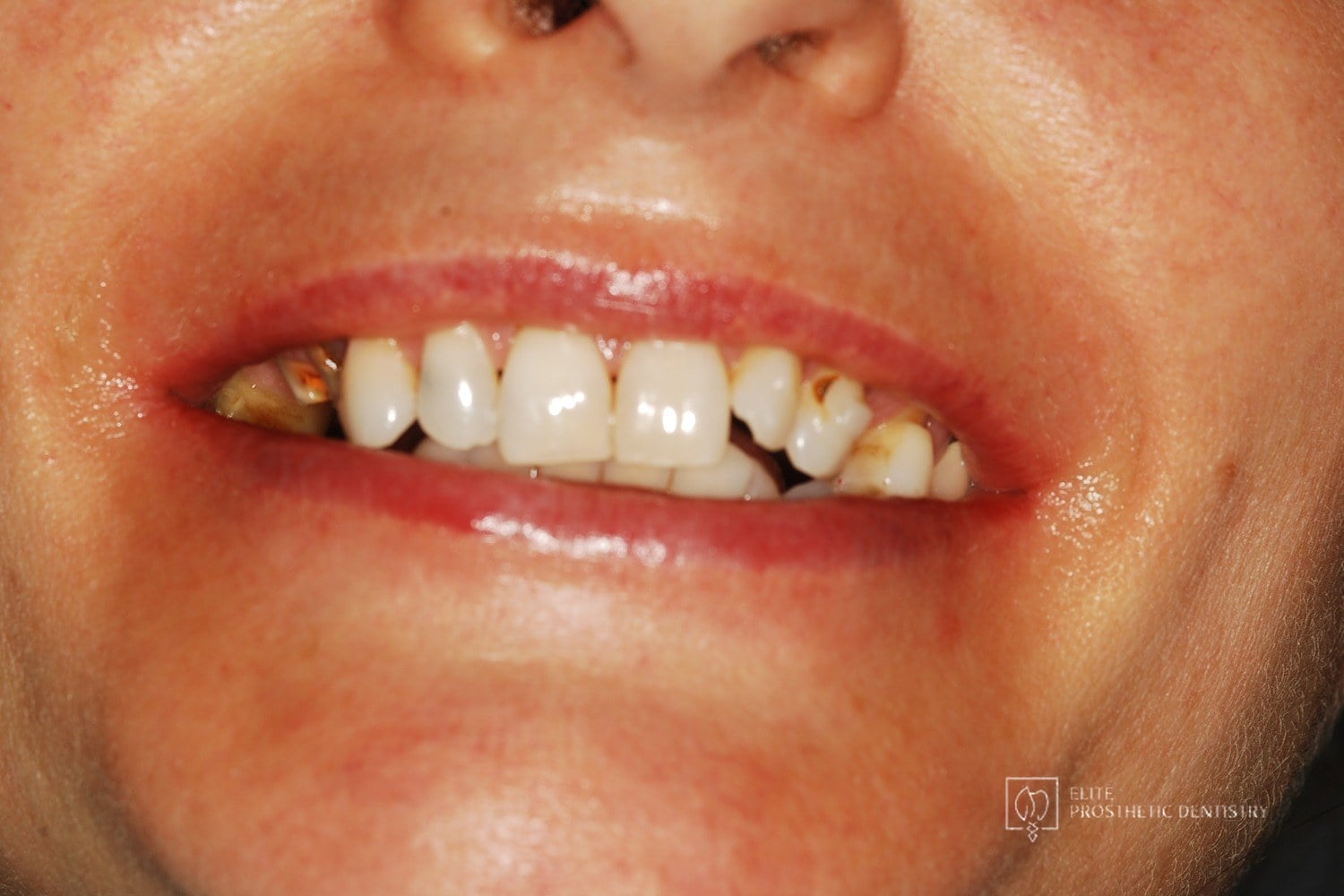 Before
 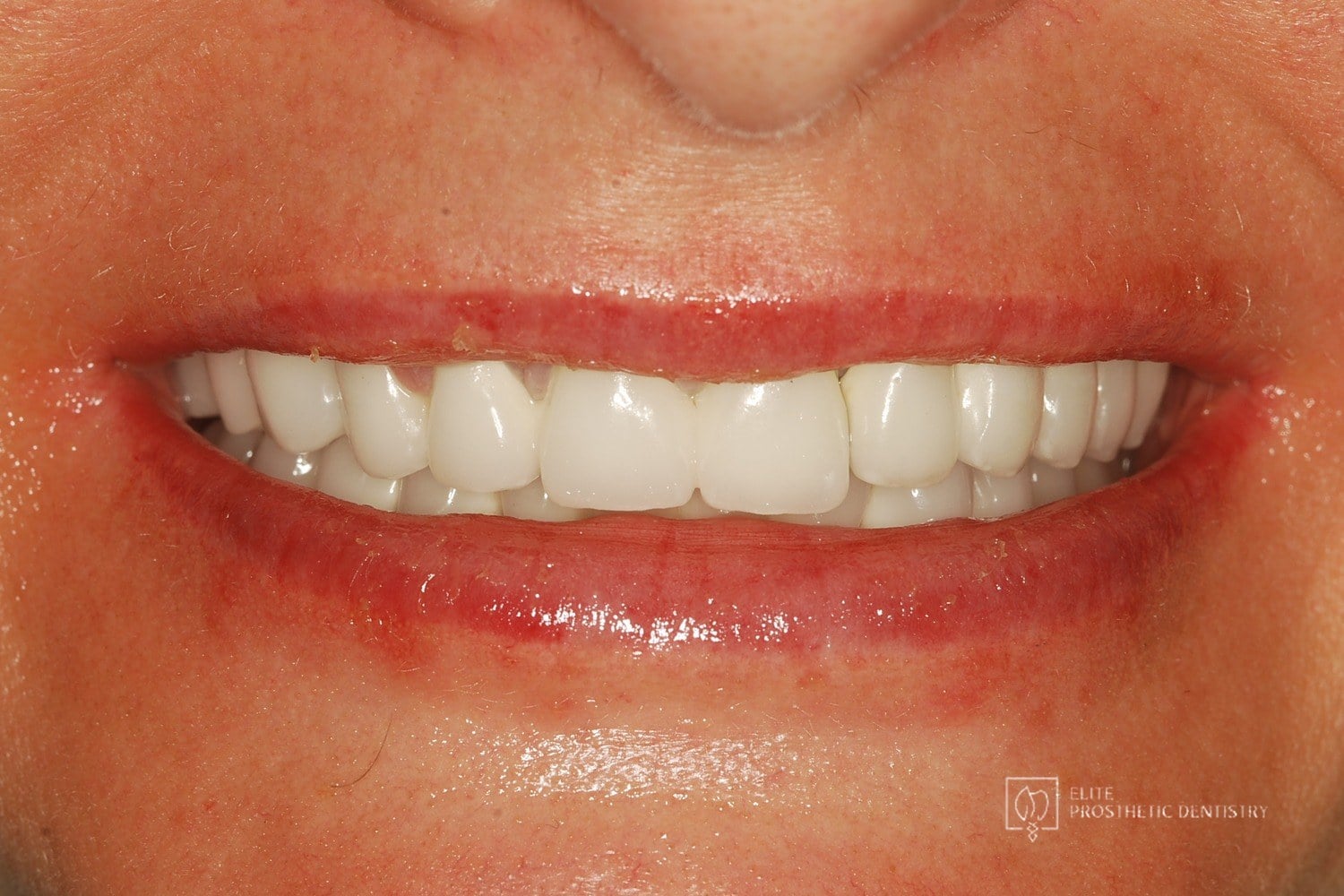 After
After How Aging, Failing Dentistry Was Replaced with a Coordinated Full-Mouth Implant and Crown Reconstruction
The patient presented with throbbing upper-molar pain, long-standing infections, multiple root canals and unfinished prior treatment, generalized sensitivity, and several hopeless teeth.
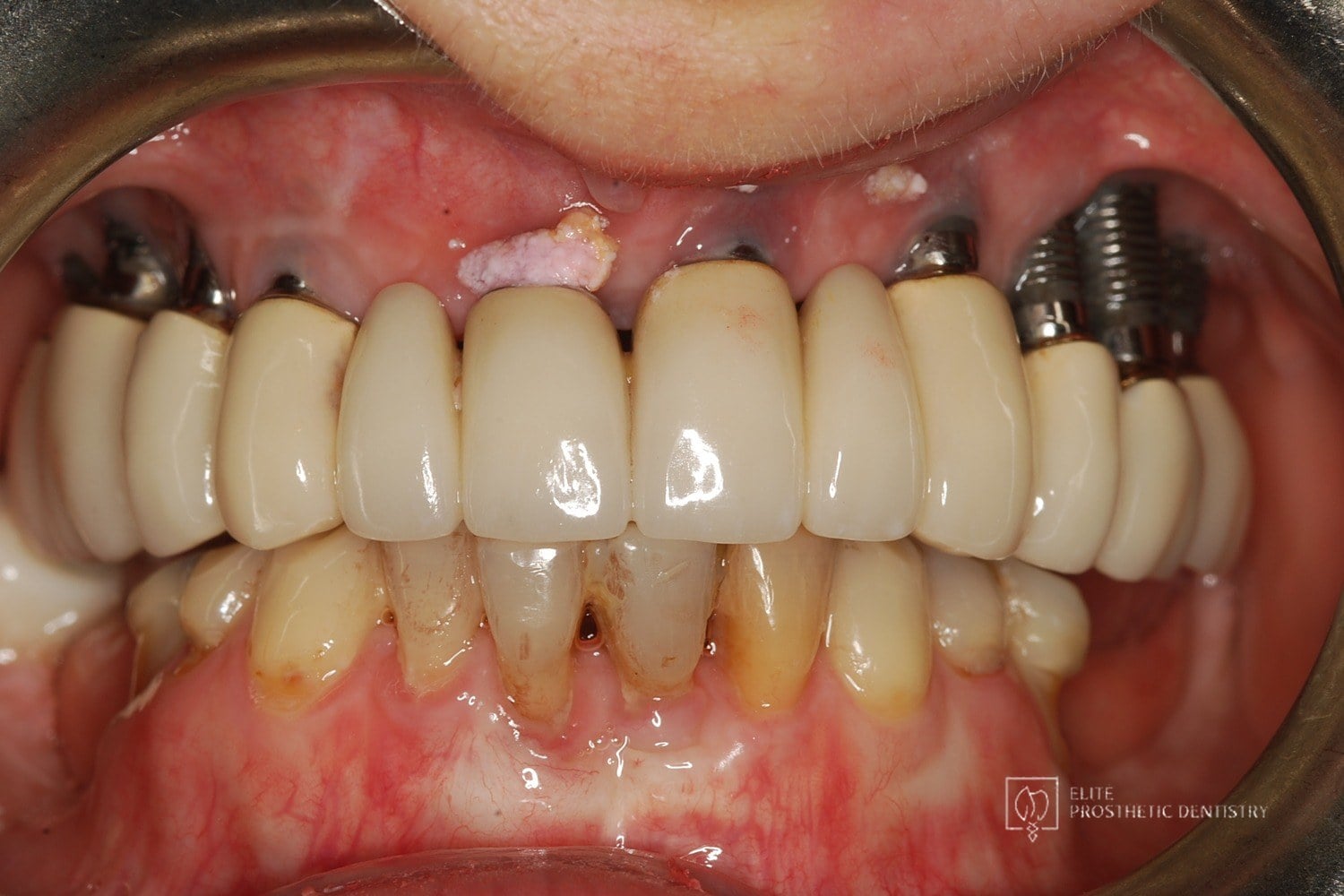 Before
 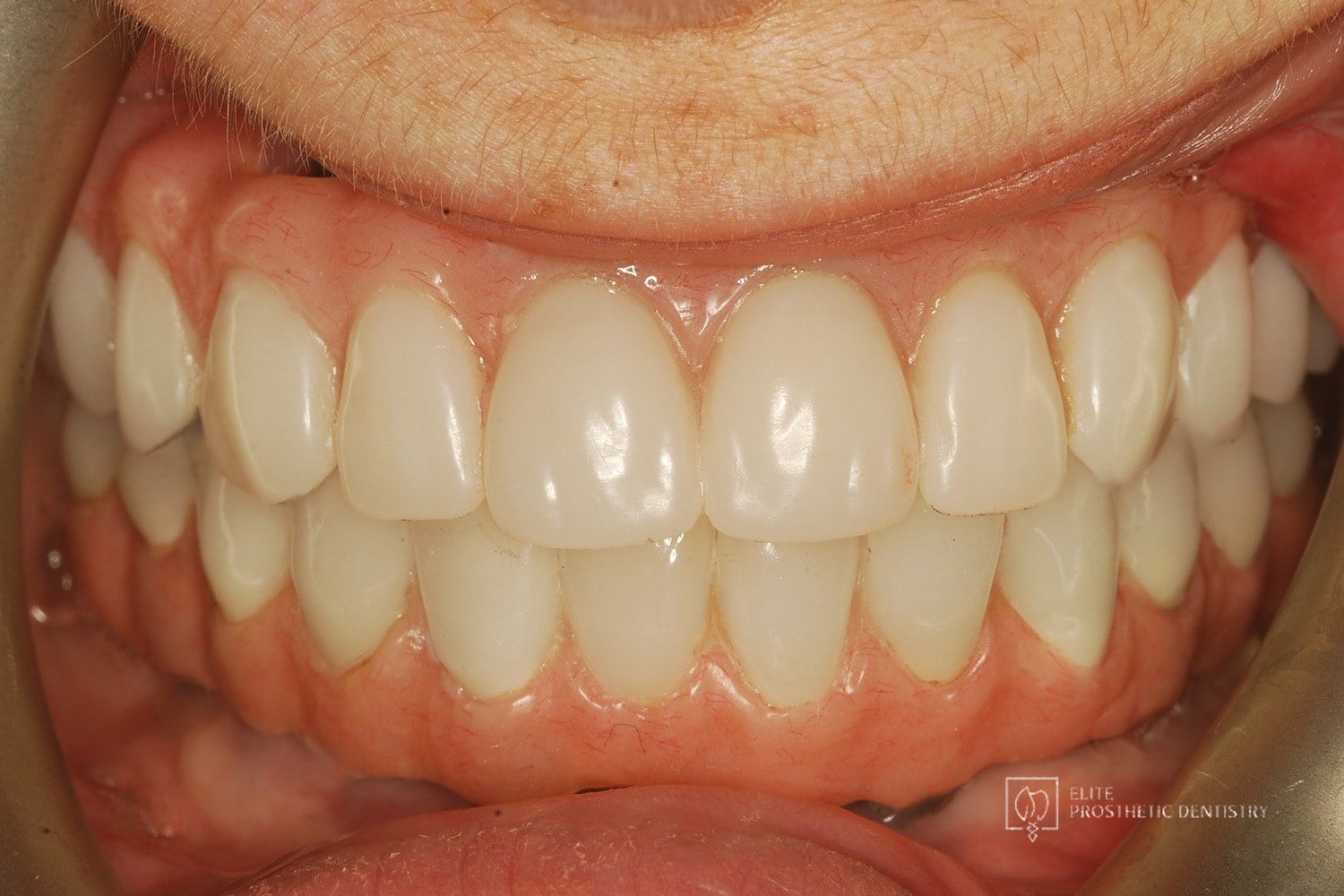 After
After How Failing Implants and Severe Bone Loss Were Rebuilt Into a Stable Full-Arch Implant Reconstruction
The patient presented with significant complications from previously placed implants, severe bone loss, failing posterior implants, and an unesthetic full-arch bridge. Both arches required full reconstruction, with the upper arch showing the most advanced bone loss and instability.
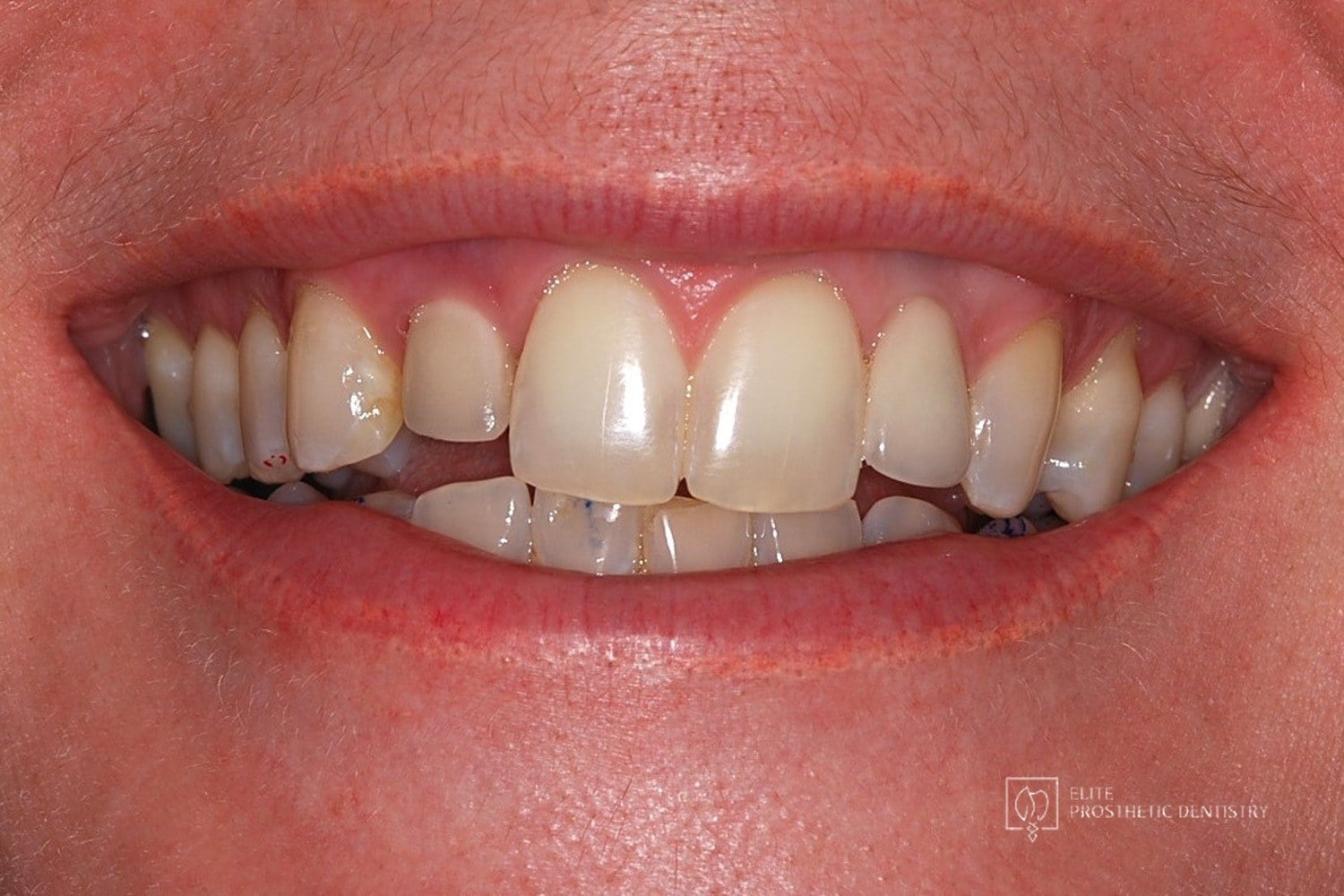 Before
 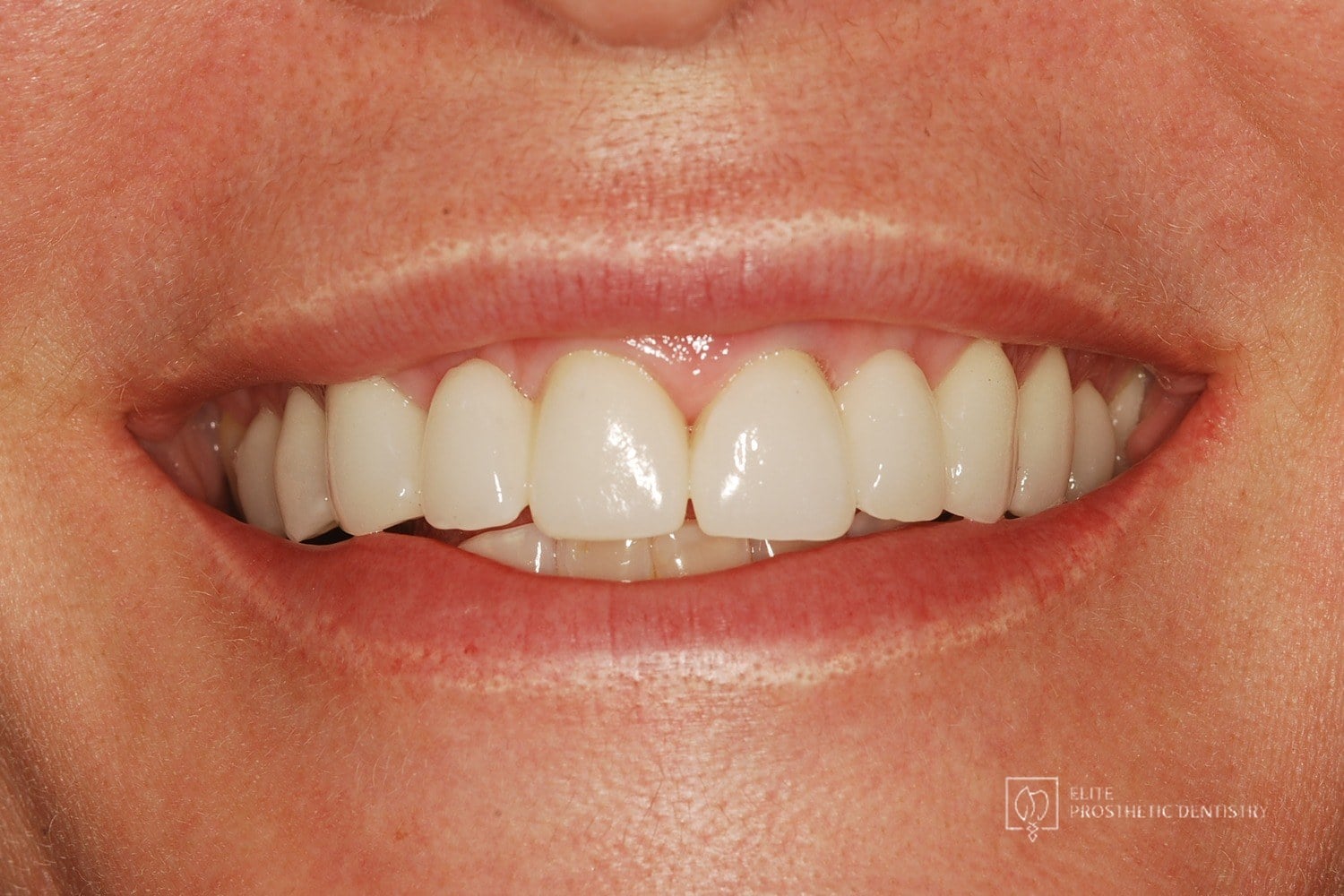 After
After How Failing Lateral Incisor Implants Were Replaced with Custom Zirconia Bridges After Severe Bone Loss Made Replacement Implants Impossible
Comprehensive examination including CBCT imaging revealed significant bone loss surrounding implants that were placed outside the buccal plate, most likely due to placement without a CBCT-generated surgical guide. The implants were determined non-salvageable, and the alveolar ridge was too narrow to support replacement implants without extensive reconstruction.
Related Articles
Deepen your knowledge with additional insights on this topic.
 Oral Health & Prevention
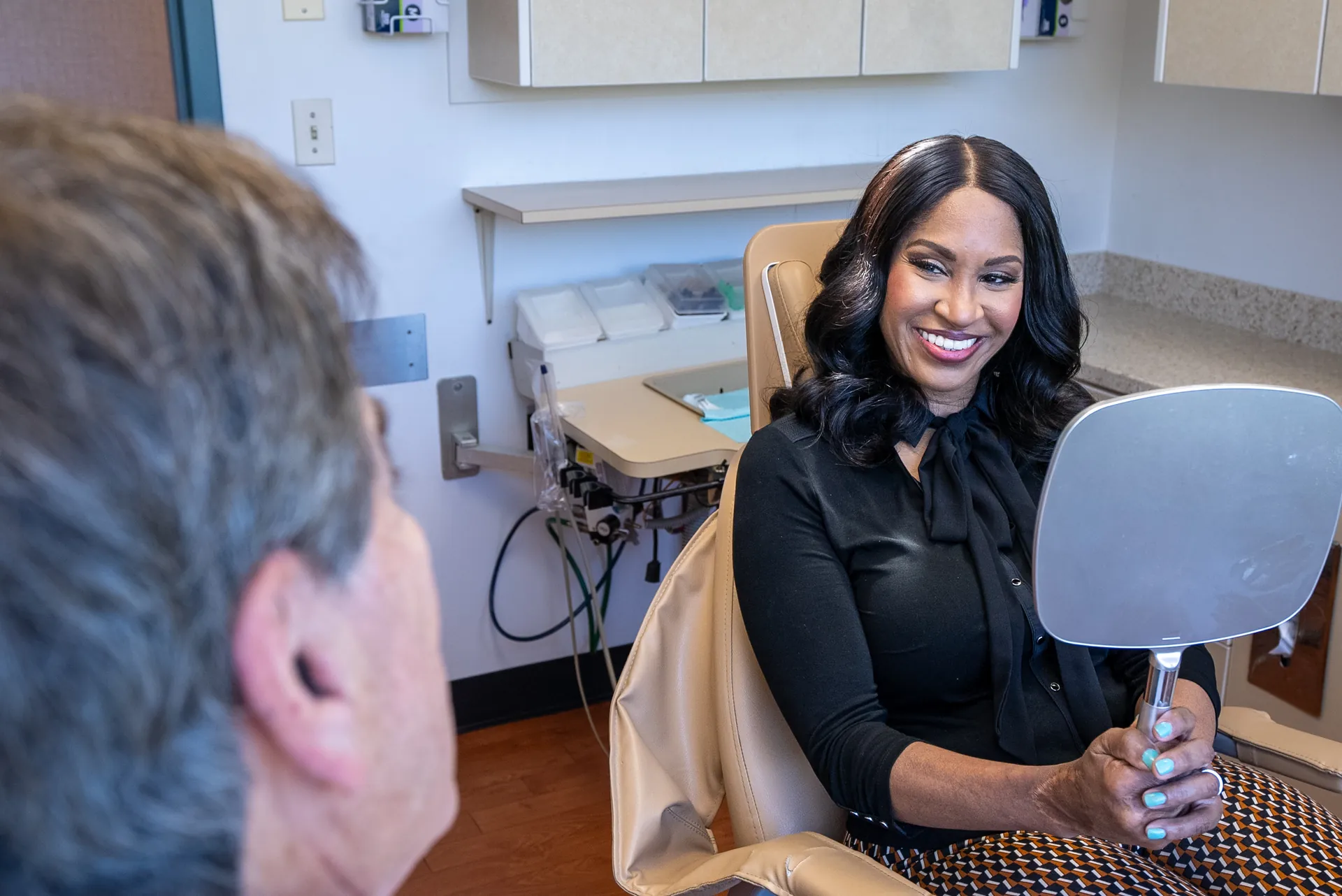
 Common Misconceptions About Gum (Periodontal) Disease: Myths vs. Facts
Bleeding gums are normal? Only older adults get gum disease? A DC prosthodontist corrects eight common myths about periodontal disease signs and treatment.
 Oral Health & Prevention
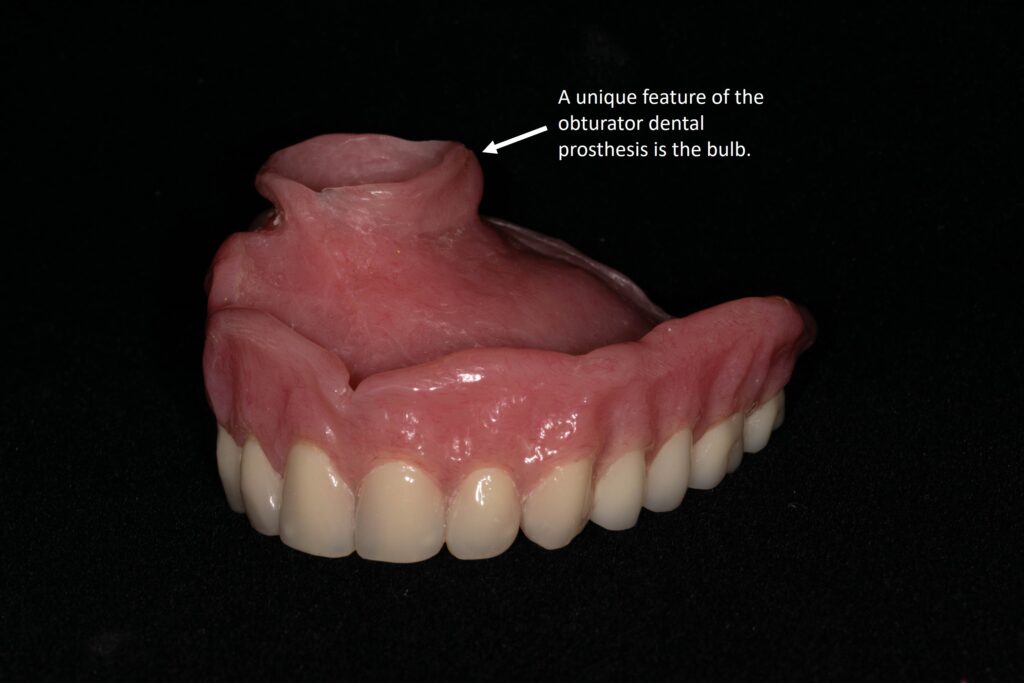
 Understanding Palatal Obturators for Openings in the Roof of the Mouth
A palatal obturator seals an opening in the roof of the mouth from cleft palate, surgery, or trauma. A DC prosthodontist explains how they work and their care.
 Oral Health & Prevention
 Dental Hygiene Care Is Not a 'One-Size-Fits-All' Process
The right hygiene routine depends on your gums, your risk factors, and your dental work. A DC prosthodontist explains why personalized hygiene care matters.