
Yes, You Still Have to Floss. Here Is Why.
A few years ago, the Associated Press published an article claiming there was “little proof that flossing works.” The story spread quickly, and plenty of people took it as permission to drop the habit. The problem is that the conclusion rested on weak studies of a slow disease, and abandoning flossing on that basis is a mistake that can eventually cost you teeth.
What Those Studies Actually Showed
The AP reviewed the published clinical trials on flossing and found them unimpressive, which is true as far as it goes. Some trials lasted only two weeks. One examined about 25 people after a single use of floss. The AP itself acknowledged the evidence it reviewed was weak at best.
Here is the catch: gum disease and interproximal cavities take months and years to develop. A two-week trial cannot detect a disease that has not had time to appear. Wayne Aldredge, then president of the American Academy of Periodontology, made exactly this point when he called gum disease “a very slow disease” and noted that meaningful studies would need to follow people long term. Judging floss by a two-week trial is like judging a retirement plan by its first paycheck deduction.
So the honest summary is not “flossing fails.” It is “high-quality long-term trials are scarce, and the short trials we have cannot answer the question.” Those are very different statements.
The Case That Does Not Need a Headline
Set the studies aside and look at the mechanism, because it is directly observable. When you floss, material comes off your teeth: food debris and bacterial biofilm. Those bacteria metabolize sugars into acids that demineralize enamel, and they inflame the gum tissue they sit against. The tight surfaces between teeth are exactly where a toothbrush cannot reach, and they are among the most common places cavities and gum disease begin.
Floss is simply the tool shaped for that job, the same way a brush is shaped for the outer surfaces and a tongue scraper for the tongue. A complete routine uses each tool for what it alone can do, backed by professional cleanings for the tartar no home tool removes.
Technique Is Half the Battle
Dr. Aldredge made a second point that deserves more attention than it got: most people floss incorrectly. A vigorous back-and-forth sawing motion irritates the gum and misses the plaque at the gumline. Effective flossing curves the strand around each tooth in a C-shape and slides gently up and down, dipping just below the gumline, with a clean section of floss for each space. Before concluding floss does not work for you, make sure you are using it the way it is designed to be used. Our hygiene team happily demonstrates at any visit.
The Long Game, and What Is Riding on It
Compare a consistent flosser with a non-flosser after ten or twenty years and the differences are not subtle: fewer cavities between teeth, healthier gum tissue, less recession and bone loss, more natural teeth still in service. As a prosthodontist, I would add one more line to that ledger: the dentistry lasts longer too. The margins of crowns and bridges live at the gumline, and the tissue around dental implants can develop peri-implant infection when biofilm goes undisturbed. Patients who clean between their teeth daily protect both their teeth and everything we build on them. Our guides to daily gum care and implant home care pick up that thread.
So yes, you still have to floss. Not because a headline says so, but because the biology never changed.
If your gums bleed when you floss, or it is simply time for a cleaning and examination, call 202-244-2101 or request an appointment with Elite Prosthetic Dentistry in Friendship Heights, Washington, DC.
See How We Resolve These Problems
Our patient success stories show real cases and real results. Browse outcomes from a specialist prosthodontist with decades of experience and 3,900+ implants placed.
Key Takeaways
- ✓ The famous headlines claiming flossing was unproven were based on short, small studies of a disease that takes years to develop. Weak studies are not evidence that flossing fails.
- ✓ Gum disease and cavities between teeth develop slowly where a toothbrush cannot reach. Flossing is the tool built for exactly those surfaces.
- ✓ Technique decides results. A gentle up-and-down motion curved against each tooth cleans the gumline; sawing back and forth mostly irritates it.
- ✓ Over years, consistent flossers keep more teeth, healthier gums, and more of their dental work. That is the timescale on which the habit pays.
Frequently Asked Questions
Did studies really show that flossing does not work?
No. A widely publicized review found the existing studies were weak, some lasting only two weeks or testing a single use of floss. Gum disease develops over months and years, so short trials cannot capture flossing's benefit. Absence of long-term trials is not evidence that flossing fails, and the biological case for cleaning between teeth remains strong.
What happens if I stop flossing?
Plaque accumulates undisturbed between your teeth, calcifies into tartar that home care cannot remove, and inflames the gum tissue. Over months and years that process can progress from gingivitis to periodontitis, with bone loss, loose teeth, and decay on the surfaces between teeth. The changes are slow and mostly symptomless until they are advanced.
Do I still need to floss if I have crowns or implants?
Yes, arguably more than ever. The margins of crowns and bridges sit at the gumline where plaque collects, and the tissue around dental implants can develop peri-implant disease if biofilm is left undisturbed. Daily cleaning between teeth is part of protecting that investment. Floss, interdental brushes, or a water flosser all work.
Related Patient Success Stories
Explore similar patient success stories demonstrating our expertise in advanced prosthetic dentistry.
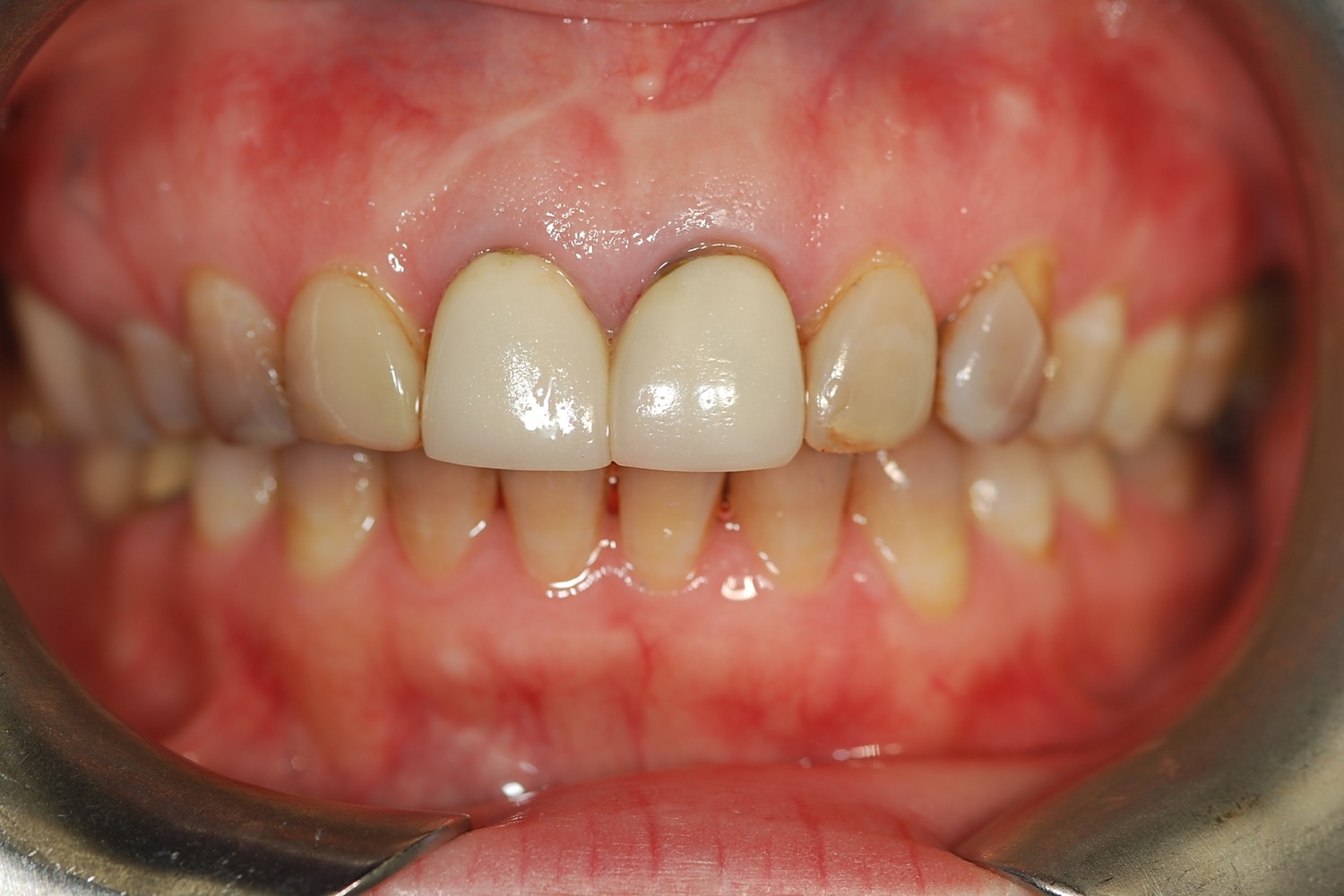 Before
 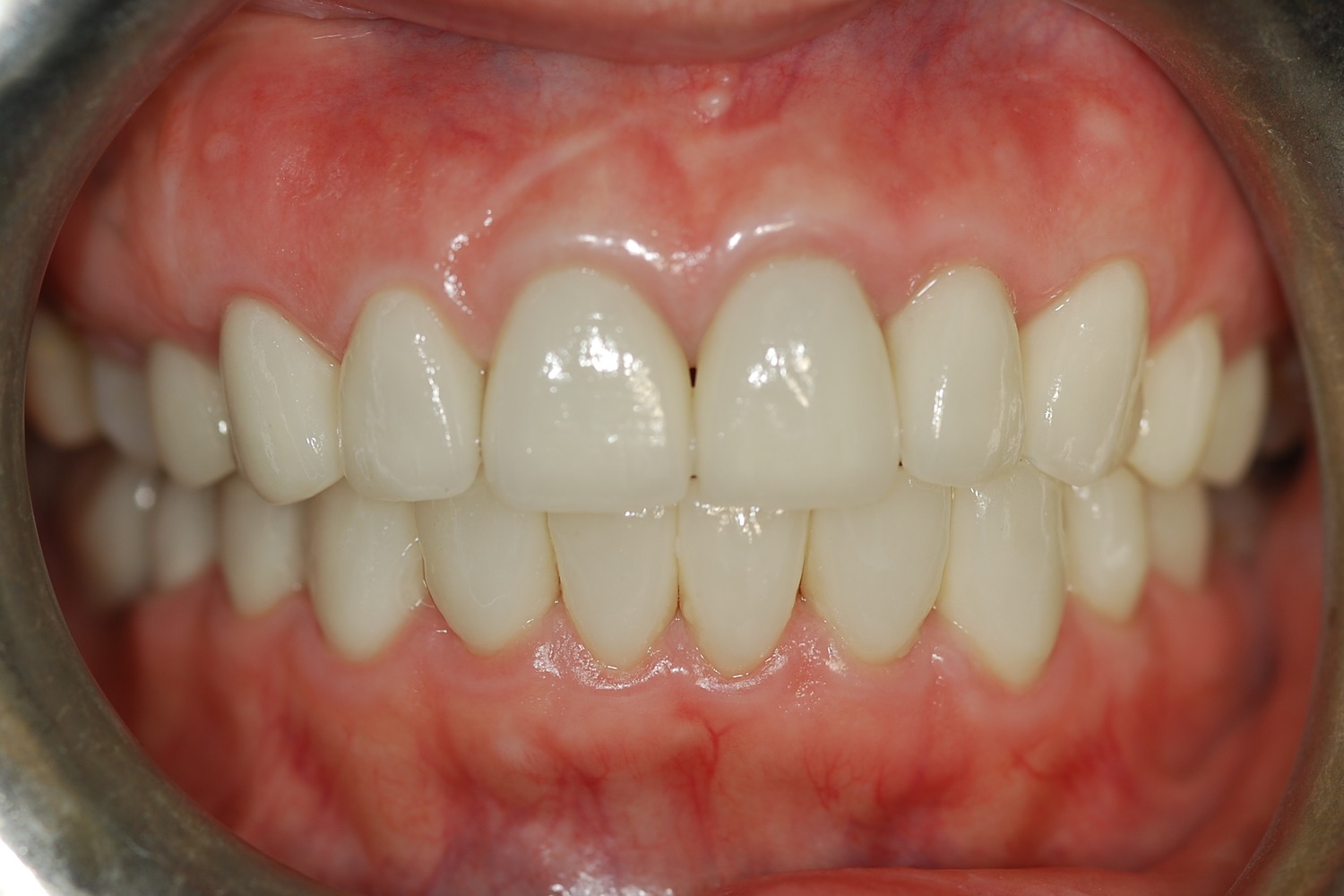 After
After How Aging, Opaque Restorations Were Replaced with Customized Ceramic Restorations Designed for Long-Term Natural Esthetics
The existing restorations appeared opaque, worn, and unnatural over time, affecting both confidence and overall smile harmony.
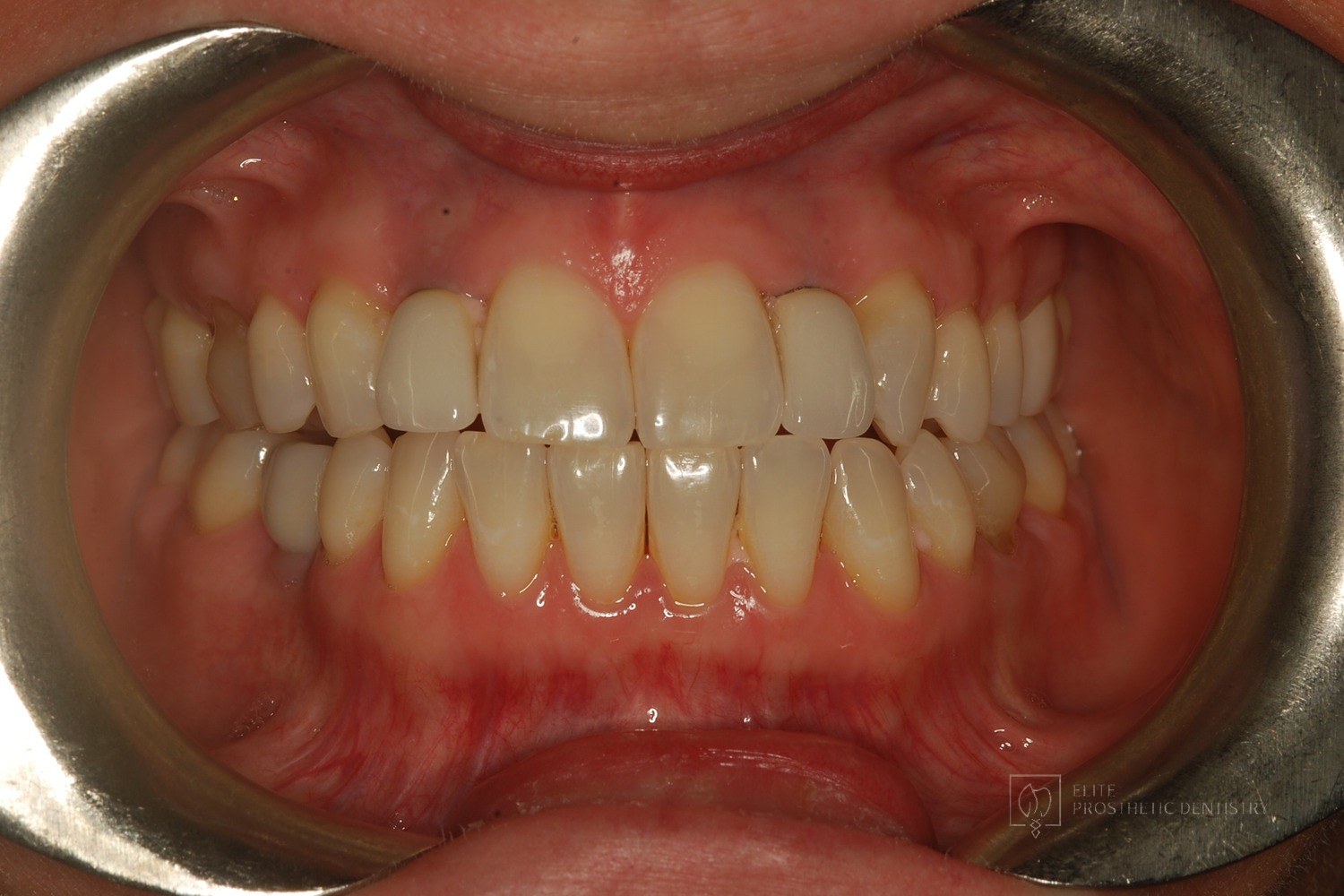 Before
 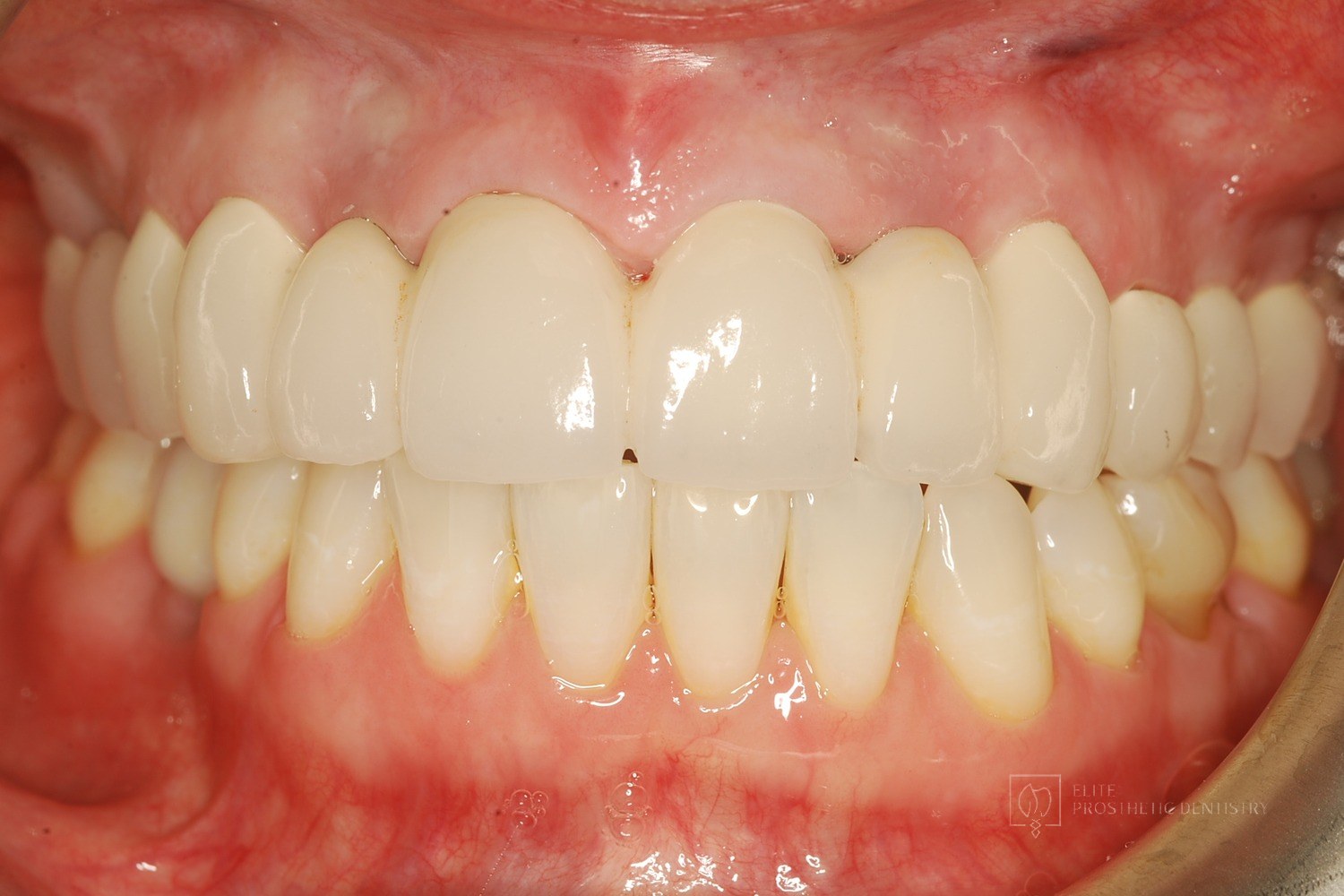 After
After How Older Implant Crowns Were Redesigned for a Better Bite and More Natural Appearance
The patient came in after years of living with implant-supported crowns placed more than twenty years earlier that no longer looked or functioned well. CBCT evaluation, reviewed with a radiologist colleague, showed the implants had been placed too far to the buccal in very thin bone and could not support a healthy long-term restoration.
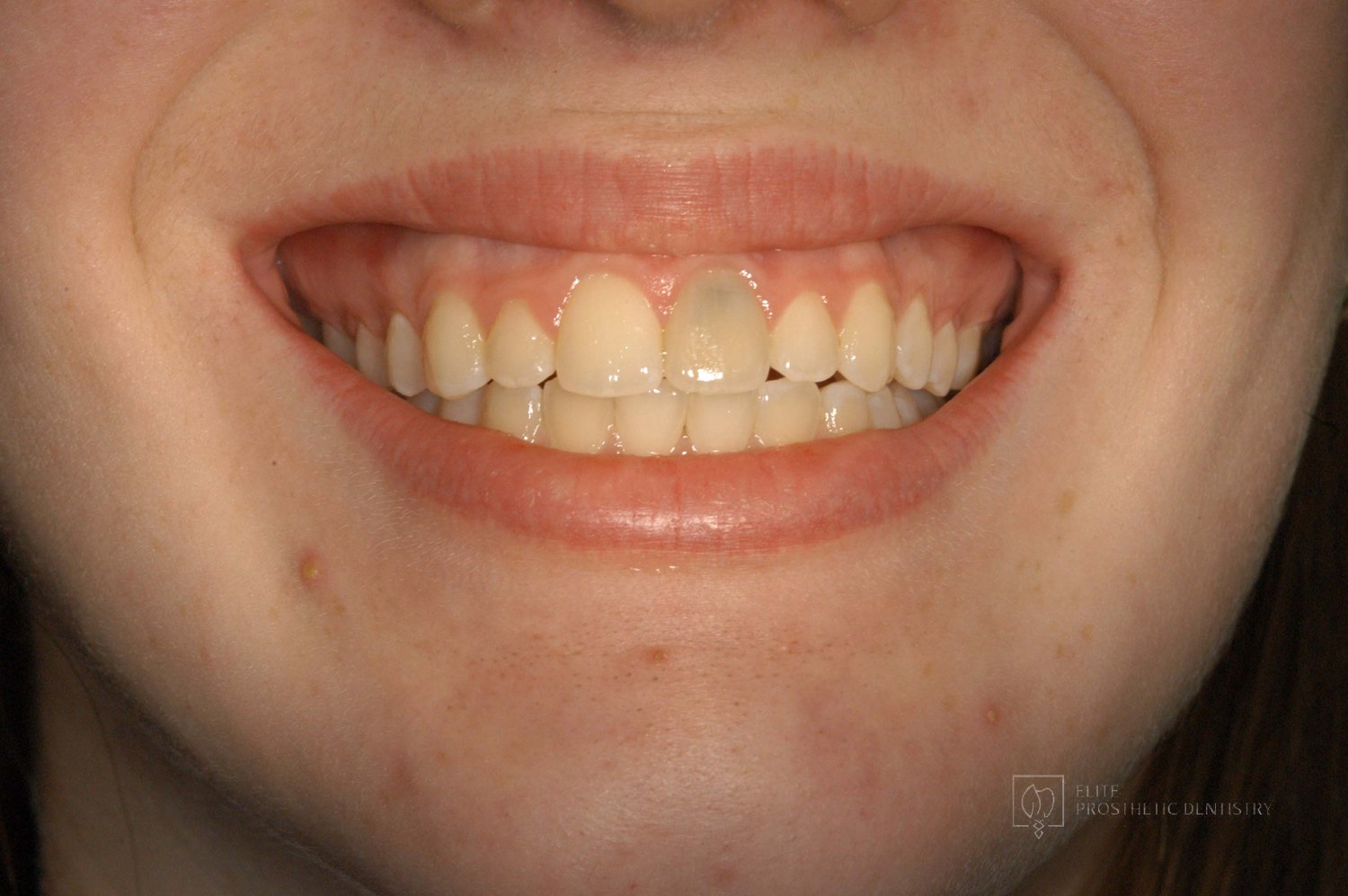 Before
 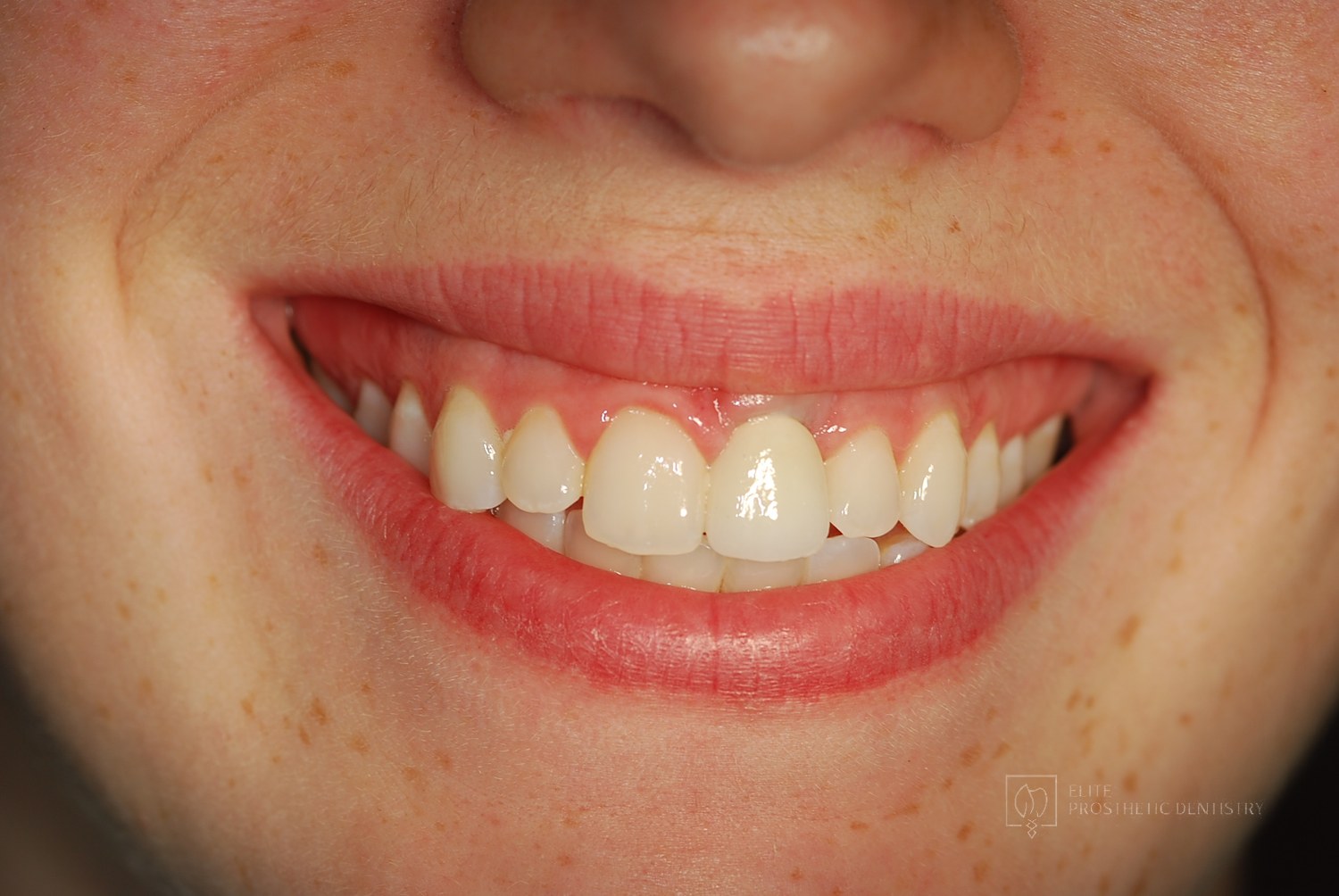 After
After How a Front Tooth Lost to Childhood Trauma Was Rebuilt with Bone Grafting and a Long-Lasting Implant
A teenager was referred by her father after earlier trauma left her upper left front tooth slowly failing from root resorption. She was still growing, so an immediate implant was the wrong move. The tooth had to be maintained to buy time, then replaced correctly once she reached skeletal maturity.
Related Articles
Deepen your knowledge with additional insights on this topic.
 Oral Health & Prevention
 Common Misconceptions About Gum (Periodontal) Disease: Myths vs. Facts
Bleeding gums are normal? Only older adults get gum disease? A DC prosthodontist corrects eight common myths about periodontal disease signs and treatment.
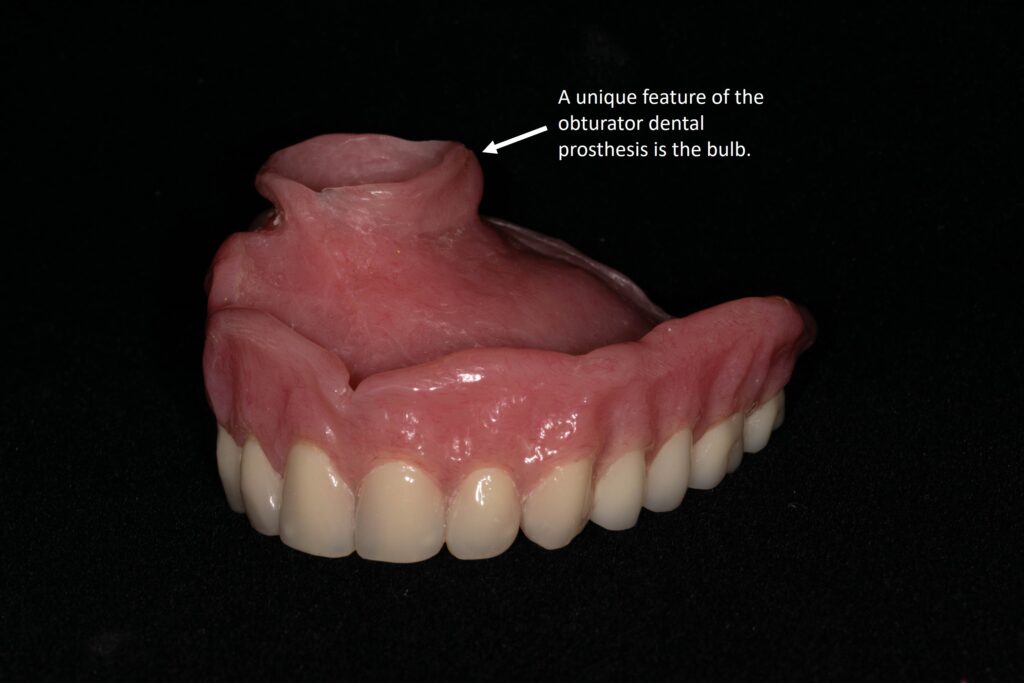 Oral Health & Prevention
 Understanding Palatal Obturators for Openings in the Roof of the Mouth
A palatal obturator seals an opening in the roof of the mouth from cleft palate, surgery, or trauma. A DC prosthodontist explains how they work and their care.
 Oral Health & Prevention
 Dental Hygiene Care Is Not a 'One-Size-Fits-All' Process
The right hygiene routine depends on your gums, your risk factors, and your dental work. A DC prosthodontist explains why personalized hygiene care matters.