
5 Myths About Teeth Whitening, and What Is Actually True
Teeth whitening collects more myths than almost any other dental treatment. Some of those myths push people into over-whitening at home. Others scare patients away from professional teeth whitening that would serve them well. Here are the five we correct most often at Elite Prosthetic Dentistry, and what is actually true.
Myth 1: Drugstore Kits Work Just as Well as the Dentist
The gels a dentist uses contain a significantly higher concentration of the active whitening ingredient than anything available over the counter, so they produce a more noticeable change in less time. Just as important is the delivery. Custom trays made from molds of your own teeth hold the gel in precise contact with every tooth surface and keep it off your gums. One-size-fits-all trays and strips do neither.
The third difference is judgment. Teeth are rarely a uniform color; most people have a few teeth darker than their neighbors. Supervised whitening can address the darker teeth first so the final result is even. A kit from the drugstore cannot make that call. For a fuller comparison, see our article on why professional whitening outperforms store-bought products.
Myth 2: Whitening Damages Your Enamel
This is the most persistent myth, and it is false. Whitening works by temporarily opening the microscopic pores of the tooth so peroxide can reach stains where they sit, whether they came from coffee, tea, red wine, smoking, or simple aging. That sounds more dramatic than it is. The pores close again after treatment, and the enamel structure is not removed or permanently altered.
What some patients do experience is temporary sensitivity. It typically fades on its own within days, and we can adjust the gel strength, the schedule, and your home care to keep you comfortable throughout.
Myth 3: You Can Never Drink Coffee or Red Wine Again
The restriction is real but short. For the first several days after whitening, while the pores in the enamel remain open, teeth pick up stain more easily, so we ask you to hold off on dark beverages and strongly colored foods. After that window closes, normal life resumes.
Moderation still helps your results last longer. Drinking through a straw, rinsing with water after coffee or wine, and scheduling an occasional touch-up will keep the shade you paid for. If you are unclear on what whitening actually does versus a stain-removing cleaning, our piece on teeth bleaching versus teeth whitening sorts out the terminology.
Myth 4: Whitening Works on Every Tooth
Bleach only changes natural tooth structure. Crowns, veneers, bonding, and fillings keep the color they were made with, which is why whitening should always be sequenced before new restorations are matched, never after. This matters especially for patients updating older dental work: whiten first, then have the aging crowns or veneers remade to suit the brighter smile.
Deep intrinsic stains are the other exception. Discoloration built into the tooth itself, from tetracycline exposure in childhood or from trauma, does not respond to bleaching gel. Those smiles usually need restorations rather than whitening, which we explain in when whitening is not enough and in our article on tetracycline-stained teeth.
Myth 5: The Whiter, the Better
White is the absence of color, and pushing teeth too far erases the translucency that makes enamel look alive. Over-whitened teeth read flat and chalky, and once translucency is lost to excessive bleaching it cannot be recovered. This is the quiet risk of unsupervised strip use: the lighter teeth whiten first, the user keeps going to catch the darker ones up, and the whole smile ends up opaque.
The goal is a bright shade that still behaves like a natural tooth in the light. That takes control of the process, not just more bleach.
Get the Facts Before You Whiten
Myths persist because whitening sits in the strange territory between cosmetics and dentistry, and the marketing rarely helps. The facts are friendlier than the folklore: supervised whitening is effective, enamel-safe, and controllable.
Whitening is a simple treatment when it is planned by someone who understands tooth color. Dr. Gerald Marlin, a specialty-trained prosthodontist, will evaluate your teeth, tell you honestly whether whitening or another approach will get you the smile you want, and supervise the process from start to finish. Call 202-244-2101 or request an appointment at Elite Prosthetic Dentistry in Friendship Heights, Washington, DC.
See How We Resolve These Problems
Our patient success stories show real cases and real results. Browse outcomes from a specialist prosthodontist with decades of experience and 3,900+ implants placed.
Key Takeaways
- ✓ Professional whitening uses stronger formulas, custom-fitted trays, and supervision, which drugstore products cannot match.
- ✓ Properly supervised whitening does not damage enamel. Temporary sensitivity is common and manageable.
- ✓ The coffee and red wine restriction lasts days, not forever. After the first several days you can return to normal habits in moderation.
- ✓ Whitening only changes natural tooth structure. Crowns, veneers, and fillings keep their color, and deep intrinsic stains do not respond to bleach.
- ✓ Whiter is not automatically better. Over-whitened teeth lose translucency and look chalky, and that loss cannot be reversed.
Frequently Asked Questions
Does teeth whitening damage your enamel?
No. Whitening performed or supervised by a dentist does not harm enamel. The peroxide gel temporarily opens microscopic pores in the tooth so stains can be lifted from within, and those pores close again after treatment. Some patients notice short-term sensitivity, which typically resolves on its own and can be managed with the right products and pacing.
Is professional whitening really better than store-bought kits?
Yes, for three reasons. Professional gels are stronger than anything sold over the counter, custom trays hold the gel precisely against your teeth instead of leaking onto your gums, and a dentist controls the process so darker teeth catch up to lighter ones rather than the whole smile being bleached blindly.
How long after whitening do I need to avoid coffee and wine?
Usually just the first several days. The pores in your enamel remain open immediately after treatment, so dark foods and drinks can stain more easily during that window. Once the pores close, you can enjoy coffee and red wine again in moderation, ideally rinsing with water afterward.
Will whitening lighten my crowns or veneers?
No. Bleaching gel only changes natural tooth structure. Porcelain and composite restorations hold their original color, which is why we whiten first and match new restorations to the brighter result. If your smile includes older crowns or veneers, the whitening plan needs to account for them from the start.
Can teeth be whitened too much?
Yes. Teeth that are over-whitened lose their natural translucency and take on a flat, chalky look, and that translucency cannot be recovered once it is gone. This happens most often with unsupervised strip use. A carefully controlled professional process stops at a bright shade that still looks like a real tooth.
Related Patient Success Stories
Explore similar patient success stories demonstrating our expertise in advanced prosthetic dentistry.
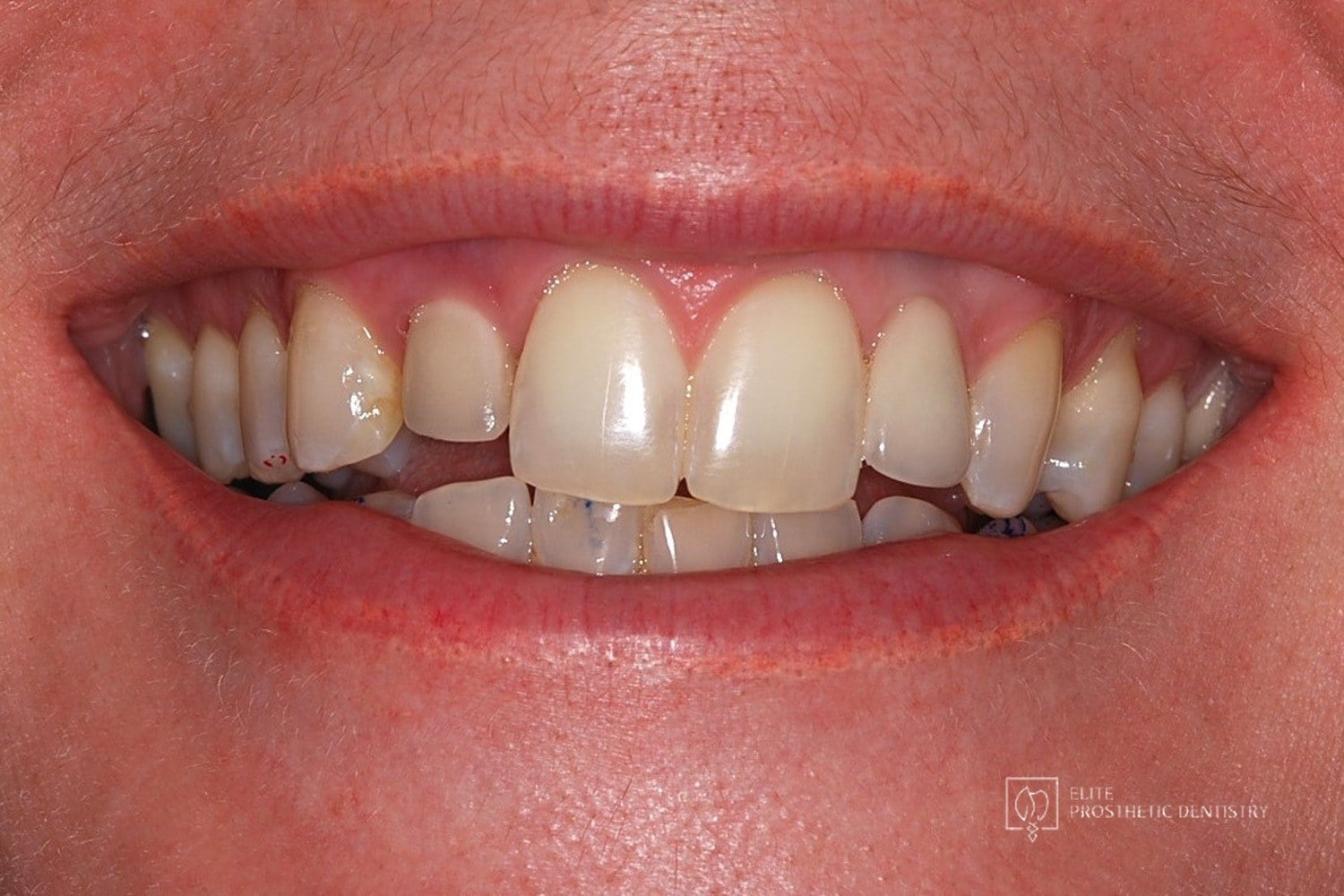 Before
 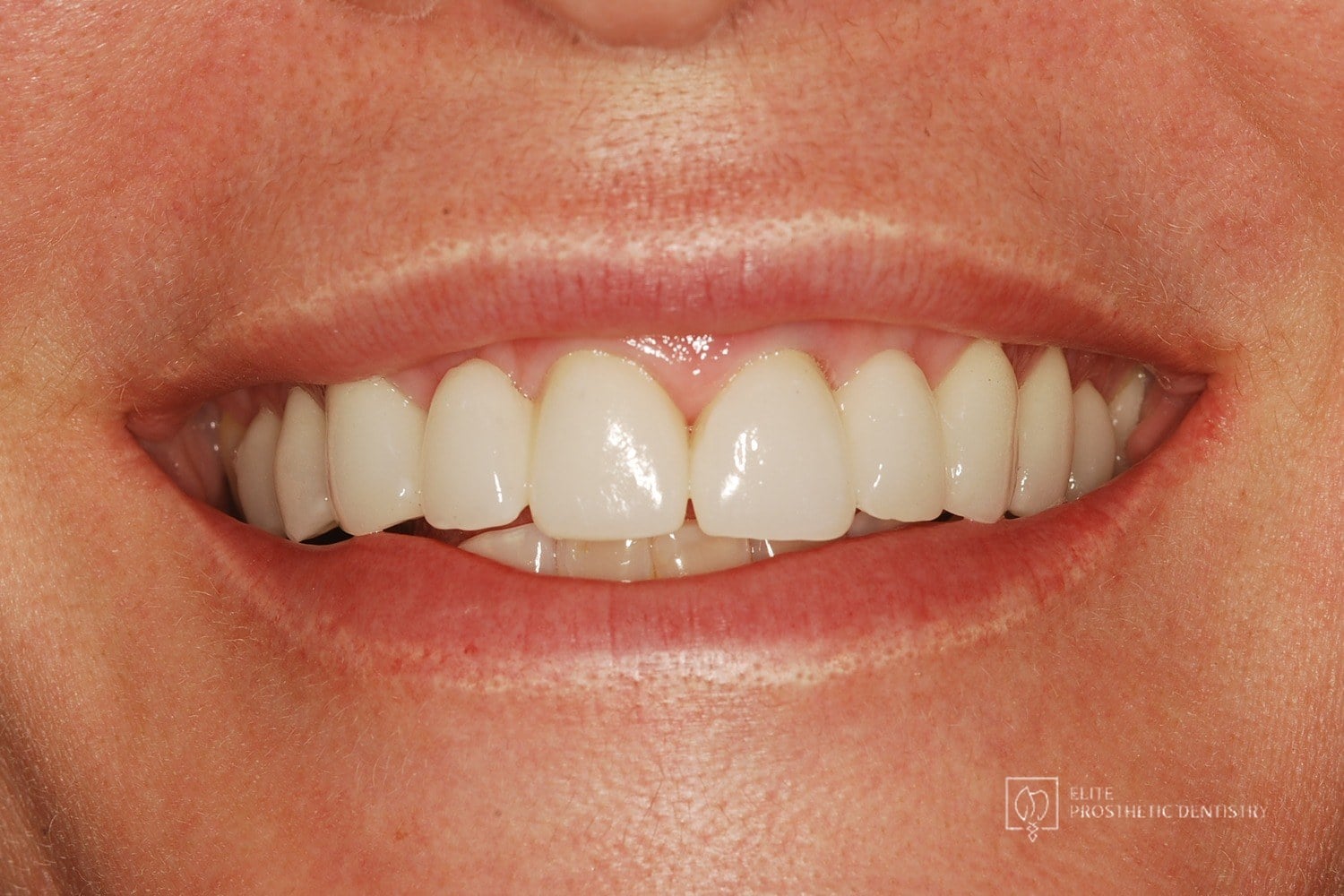 After
After How Failing Lateral Incisor Implants Were Replaced with Custom Zirconia Bridges After Severe Bone Loss Made Replacement Implants Impossible
Comprehensive examination including CBCT imaging revealed significant bone loss surrounding implants that were placed outside the buccal plate, most likely due to placement without a CBCT-generated surgical guide. The implants were determined non-salvageable, and the alveolar ridge was too narrow to support replacement implants without extensive reconstruction.
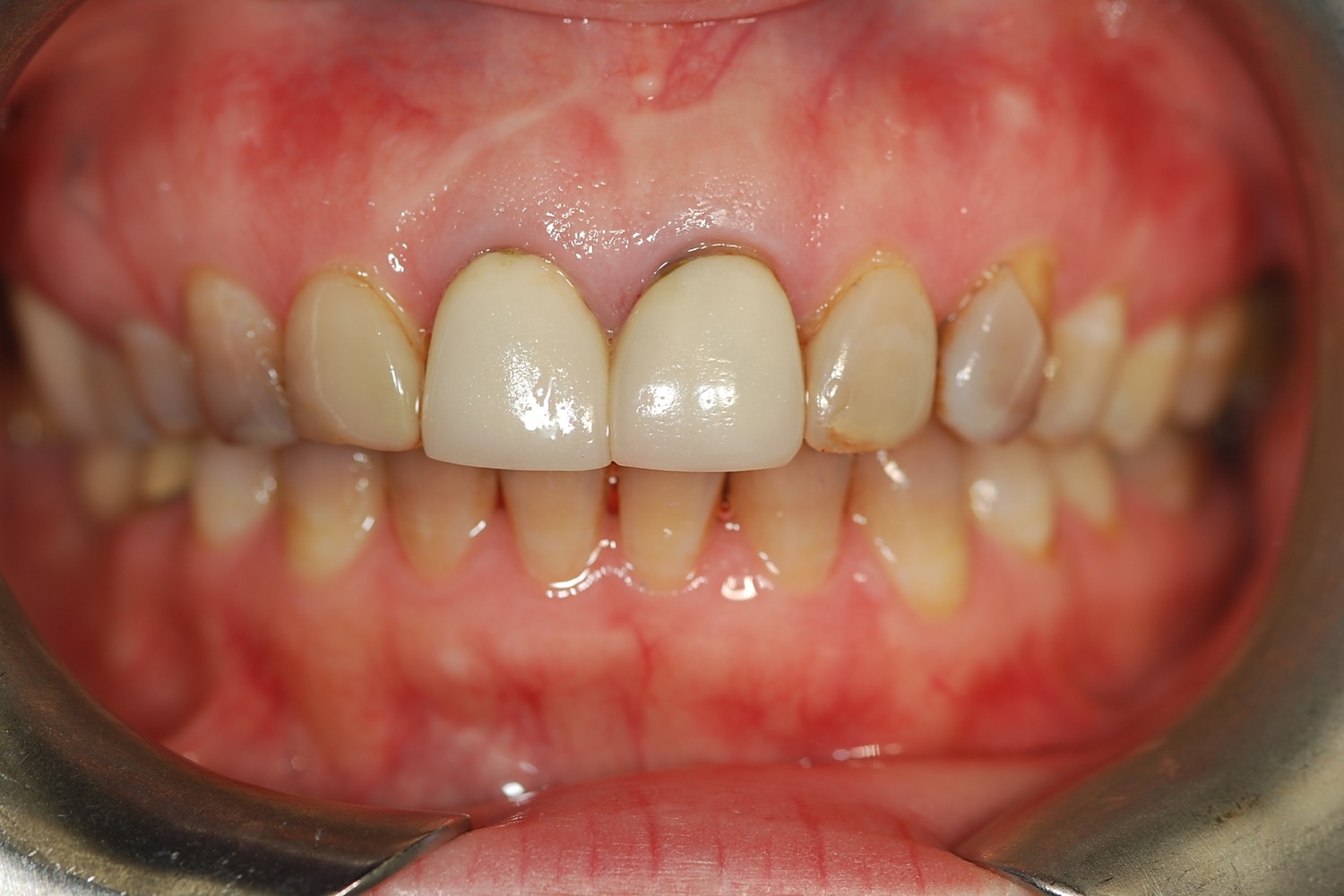 Before
 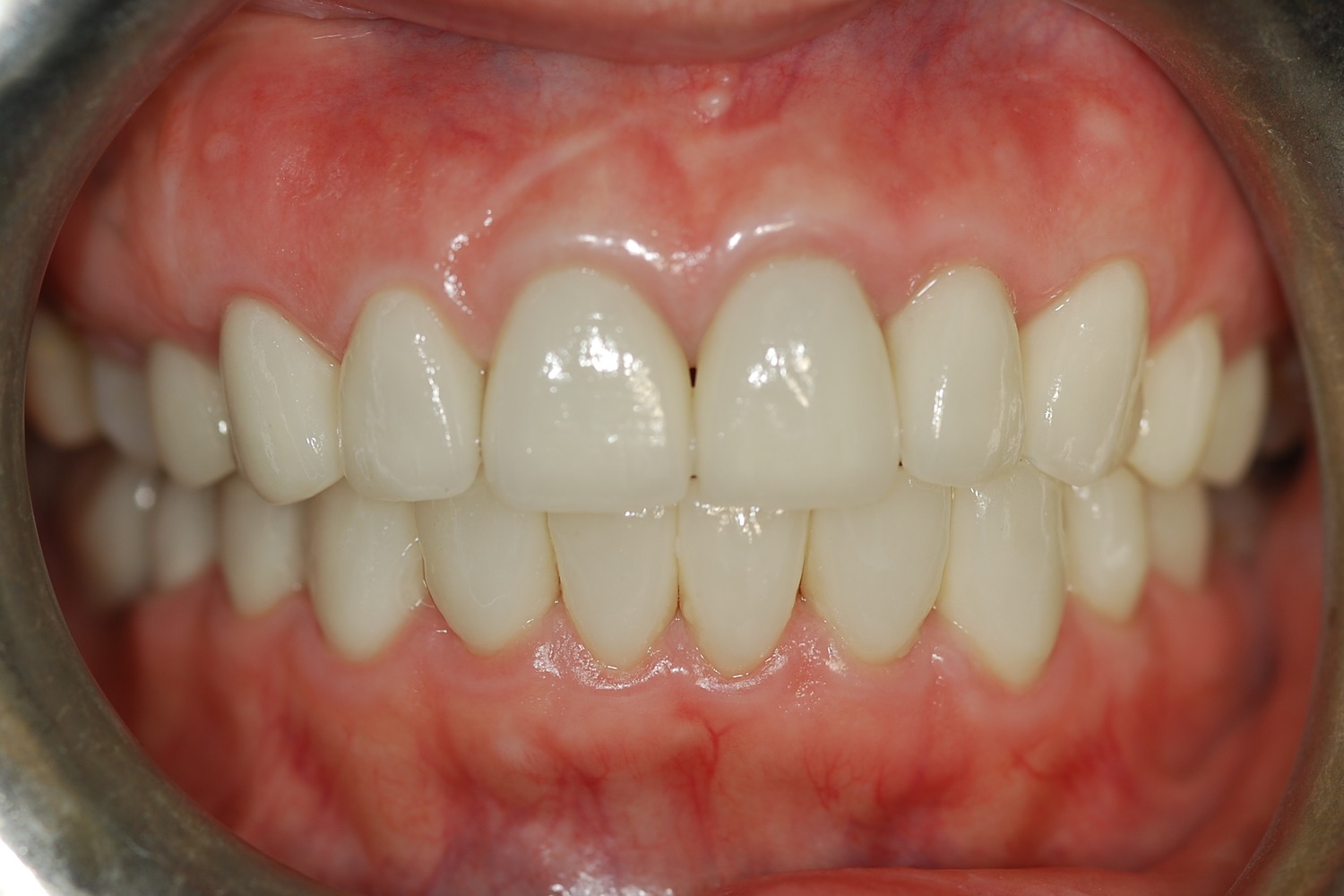 After
After How Aging, Opaque Restorations Were Replaced with Customized Ceramic Restorations Designed for Long-Term Natural Esthetics
The existing restorations appeared opaque, worn, and unnatural over time, affecting both confidence and overall smile harmony.
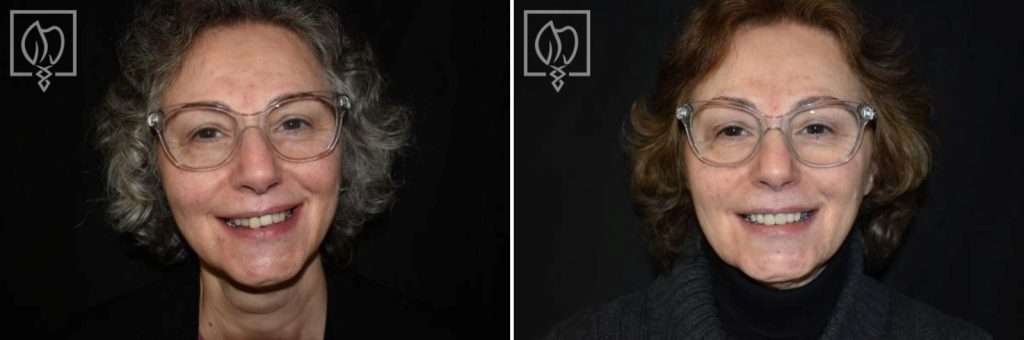
Temporary Crowns Restore a Patient's Smile in One Day with an Immediate Smile Makeover
A patient from Potomac, Maryland came to the practice in pain from a failing dental implant whose restoration was also compromising her appearance and her confidence.
Related Articles
Deepen your knowledge with additional insights on this topic.
 Cosmetic Dentistry
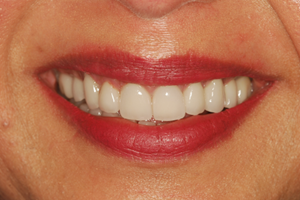
 Can My Tetracycline-Stained Teeth Be Made to Look Beautiful?
Tetracycline staining sits deep inside the tooth, so bleaching cannot fix it. See how translucent porcelain crowns create a bright, natural smile instead.
 Cosmetic Dentistry
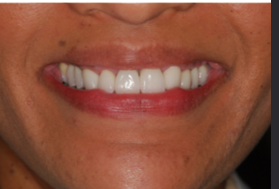
 How Is a Gummy Smile Fixed?
From gum reshaping to custom crowns, a DC prosthodontist explains how a gummy smile is fixed, with a real patient transformation and healing timeline.
 Cosmetic Dentistry
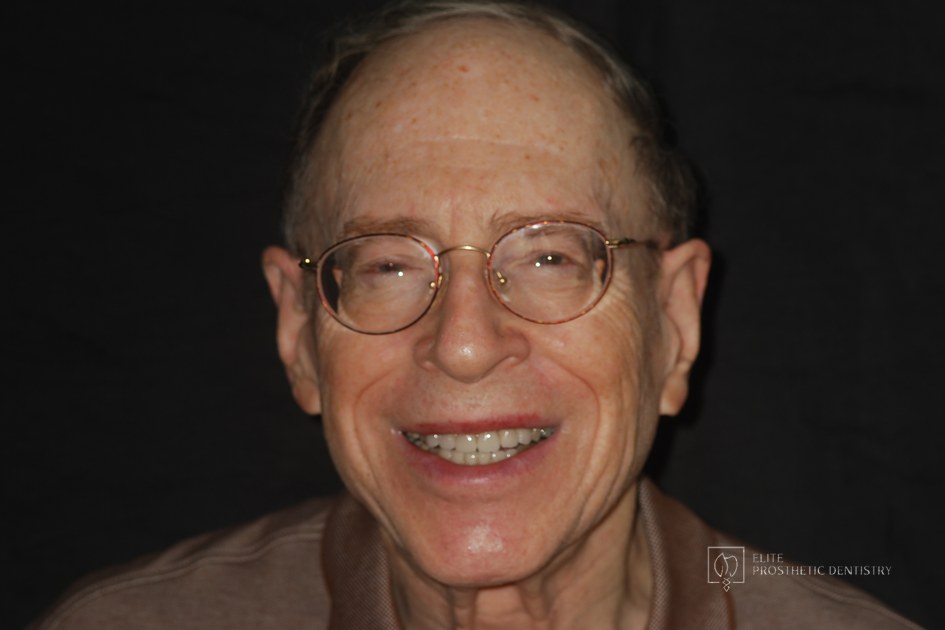
 Discovering Cosmetic Dentistry Beyond Aesthetics
Cosmetic dentistry improves more than looks: easier hygiene, restored chewing function, and better long-term oral health. A DC prosthodontist explains.