
Why Professional Teeth Whitening Beats Store-Bought Kits
A bright smile changes how you carry yourself, and there is no shortage of products promising one. But when you strip away the packaging, professional teeth whitening differs from the drugstore version in three ways that decide the outcome: the strength of the gel, the fit of the tray, and the judgment applied to your particular teeth. The third one is the difference people rarely hear about, and it matters most.
Your Two Professional Options
Professional whitening at Elite Prosthetic Dentistry takes one of two forms:
- Chairside whitening delivers its result in just one or two visits, with Dr. Marlin controlling the whitening process from start to finish.
- Take-home professional kits offer the convenience of whitening on your own schedule with custom-fitted trays, along with visits for Dr. Marlin’s evaluation and input as your shade changes.
For either path, the starting point is an evaluation of the condition and color of your teeth, so the method fits the case rather than the other way around. If you want a primer on what the treatment actually does, start with teeth bleaching versus teeth whitening.
The Problem With Whitening Strips
We recommend against commercially sold whitening strips, and the reason is subtle. Strips whiten the lighter teeth first. Most people, watching their smile become uneven, keep applying them until the darker teeth catch up. By the time that happens, the rest of the teeth are over-whitened and opaque. Once translucency has been lost to excessive whitening, it cannot be recovered, and a smile without translucency looks chalky rather than bright.
This is not a scare story about peroxide. It is a control problem. The same chemistry that works beautifully under supervision works against you when every tooth gets the same dose regardless of where it started.
Why Discoloration Is Not One Problem
Teeth discolor for different reasons, and the reason determines the fix.
Extrinsic discoloration affects the outer surfaces: coffee, tea, red wine, and smoking are the usual suspects, with tobacco adding a brownish cast over time. These stains sit where professional cleaning and whitening can reach them, so they respond well. Sometimes a deeper professional cleaning and polishing alone makes a visible difference before any gel is applied.
Intrinsic discoloration comes from inside the tooth: tetracycline’s effect on developing teeth in childhood, certain medications, excess fluoride during development, trauma, aging, or genetics. Bleach cannot reliably fix what is built into the tooth structure. Those cases usually call for restorations instead, which we explain in when whitening is not enough. The same is true of existing crowns and veneers, which hold their manufactured color; patients updating older dental work should whiten first, then match the new restorations to the brighter shade.
Whitening as an Art
Look closely at almost any smile and you will find some teeth darker than their neighbors. Applied uniformly, whitening gel preserves that unevenness at a brighter level. So we treat whitening selectively, brightening the darker teeth first so the whole smile arrives at an even shade together. That is the practical meaning of supervision: not someone watching you wear a tray, but someone making tooth-by-tooth decisions a kit cannot make.
It also means knowing when to stop. The goal is a natural brightness with the color and translucency of a healthy tooth, not the flattest, whitest white the chemistry can produce. For the persistent misconceptions we hear about all of this, see our teeth whitening myths article.
Comfort and Sensitivity, Managed
The most common concern about whitening, temporary sensitivity, is also the most manageable. Under supervision, gel strength and wear time are tuned to your teeth, gums are protected during chairside treatment, and the schedule can be paced or paused if your teeth react. Most patients complete treatment with little or no sensitivity at all, and what does occur typically resolves within days. That responsiveness is something no boxed product can offer, because a box cannot examine you.
Start With an Honest Evaluation
Before you invest in any whitening, find out whether your discoloration will actually respond to it. Dr. Gerald Marlin, a specialty-trained prosthodontist, will assess your teeth, recommend chairside treatment, a supervised take-home kit, or a restorative alternative, and tell you plainly what each can achieve. Call 202-244-2101 or request an appointment at Elite Prosthetic Dentistry in Friendship Heights, Washington, DC. Our office sits near the Friendship Heights Metro station, convenient for patients across DC, Bethesda, Chevy Chase, and Arlington.
See How We Resolve These Problems
Our patient success stories show real cases and real results. Browse outcomes from a specialist prosthodontist with decades of experience and 3,900+ implants placed.
Key Takeaways
- ✓ Professional whitening comes in two forms: chairside treatment in one or two visits, or dentist-supervised take-home kits with custom trays.
- ✓ Commercial whitening strips lighten the lighter teeth first, tempting people to keep going until the whole smile is over-whitened and opaque.
- ✓ Translucency lost to excessive whitening cannot be recovered, which is why supervision matters more than strength.
- ✓ Most smiles have some teeth darker than others. Whitening done well is selective, brightening the darker teeth first so the result is even.
- ✓ Surface stains respond to whitening; deep intrinsic stains and existing dental work do not, and need a different plan.
Frequently Asked Questions
Why is professional teeth whitening better than over-the-counter products?
Three reasons: the gel is significantly stronger, the trays are custom-molded so the gel stays on your teeth and off your gums, and a dentist manages the sequence so darker teeth catch up to lighter ones. Store products apply one strength to every tooth blindly, which is how smiles end up uneven or over-whitened.
Are whitening strips bad for your teeth?
The bigger risk is aesthetic. Strips whiten the lighter teeth first, and most people keep using them until the darker teeth catch up. By then the rest of the smile is over-whitened and opaque, and translucency lost to excessive bleaching cannot be recovered. We recommend against unsupervised strip use for exactly this reason.
How many visits does professional whitening take?
Chairside whitening typically delivers its result in one or two visits. Take-home professional kits work on your schedule over a couple of weeks, with the dentist evaluating your progress. Which approach suits you depends on your teeth, your timeline, and how much control your case needs.
Will whitening work on my discoloration?
It depends on the cause. External stains from coffee, tea, wine, or smoking respond well. Intrinsic discoloration from tetracycline exposure, certain childhood factors, or trauma generally does not, and crowns, veneers, and fillings never change color. An evaluation identifies which category your smile falls into before you spend anything on whitening.
Related Patient Success Stories
Explore similar patient success stories demonstrating our expertise in advanced prosthetic dentistry.
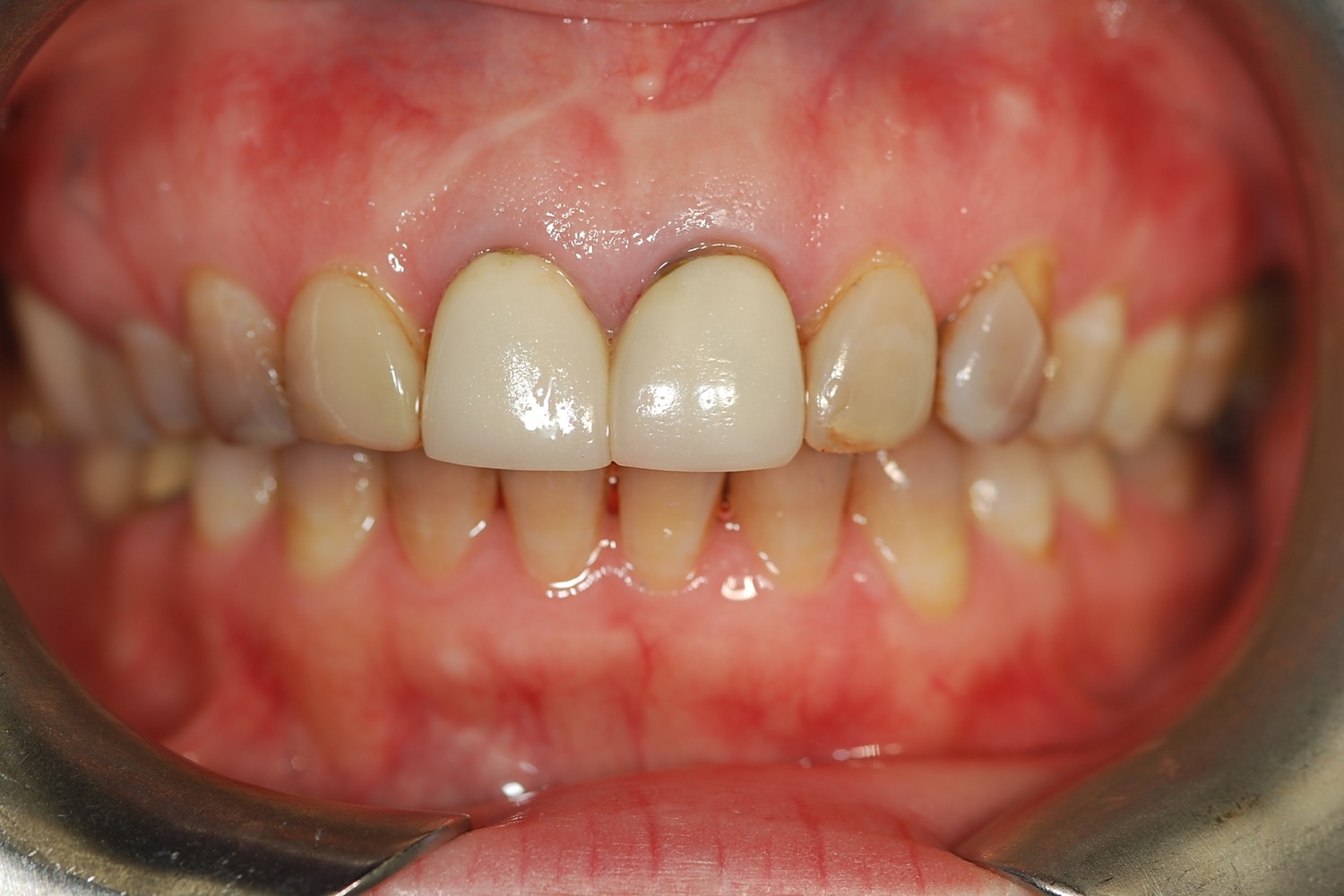 Before
 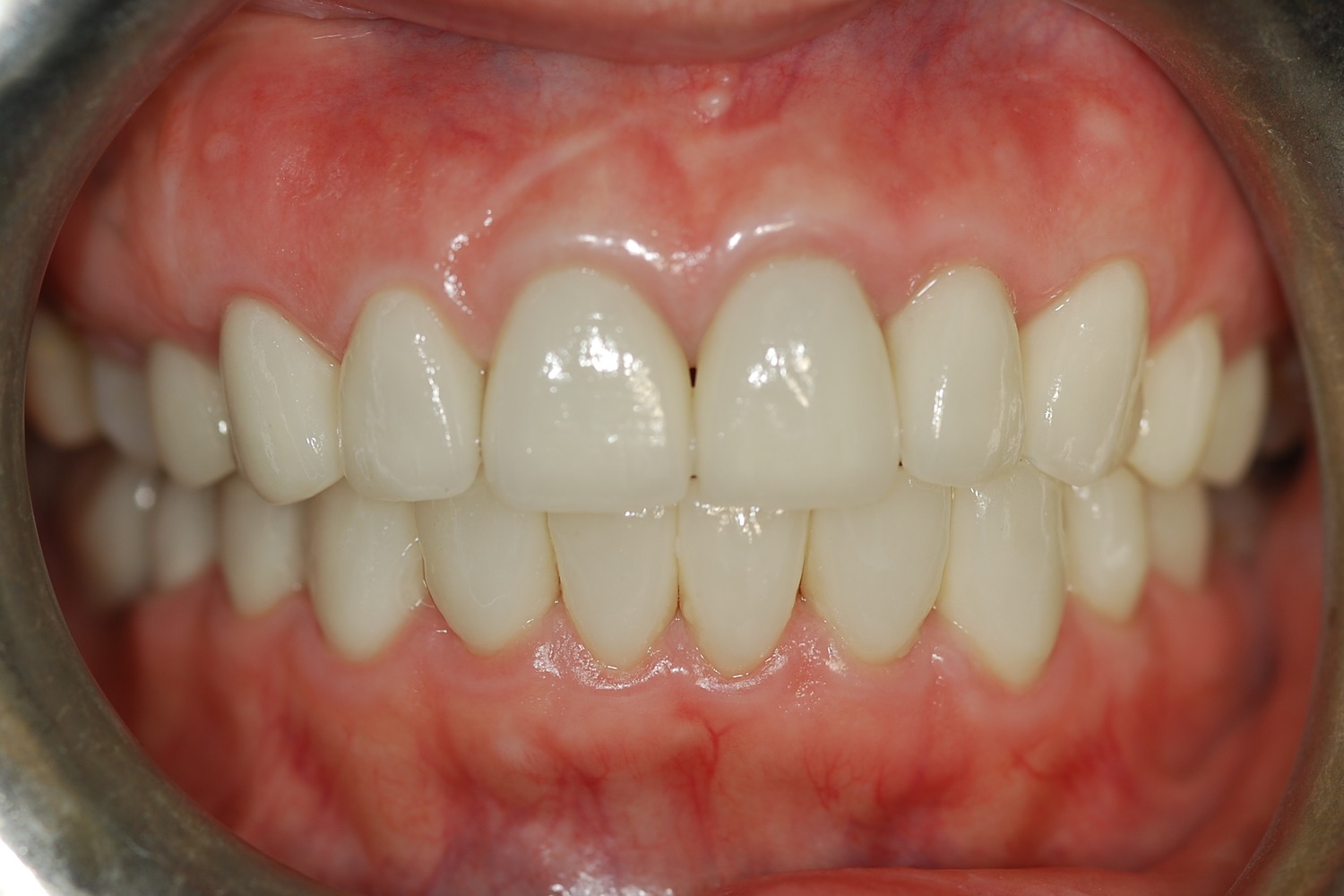 After
After How Aging, Opaque Restorations Were Replaced with Customized Ceramic Restorations Designed for Long-Term Natural Esthetics
The existing restorations appeared opaque, worn, and unnatural over time, affecting both confidence and overall smile harmony.

Temporary Crowns Restore a Patient's Smile in One Day with an Immediate Smile Makeover
A patient from Potomac, Maryland came to the practice in pain from a failing dental implant whose restoration was also compromising her appearance and her confidence.
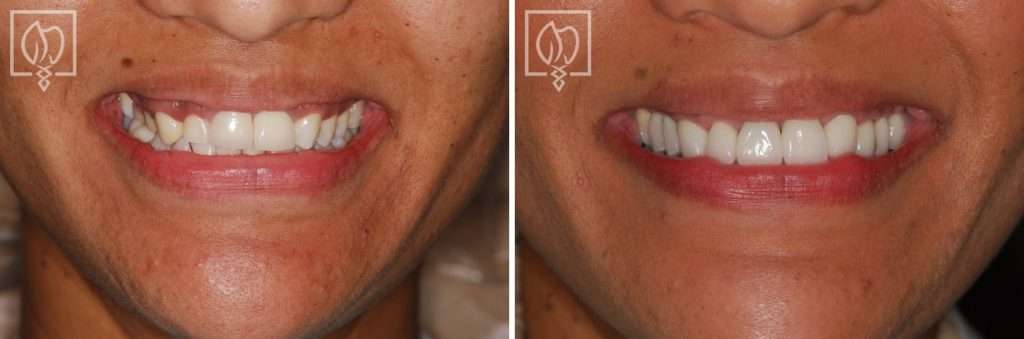
Multi-Faceted Treatment for a Patient Unhappy With the Appearance of Her Crowns, Teeth, and Gums
The patient was unhappy with how her teeth and gums affected her smile: front-tooth crowns that no longer blended with her natural teeth, a missing lateral incisor with the larger canine sitting in its space, and an uneven gum line.
Related Articles
Deepen your knowledge with additional insights on this topic.
 Cosmetic Dentistry
 Can My Tetracycline-Stained Teeth Be Made to Look Beautiful?
Tetracycline staining sits deep inside the tooth, so bleaching cannot fix it. See how translucent porcelain crowns create a bright, natural smile instead.
 Cosmetic Dentistry
 How Is a Gummy Smile Fixed?
From gum reshaping to custom crowns, a DC prosthodontist explains how a gummy smile is fixed, with a real patient transformation and healing timeline.
 Cosmetic Dentistry
 Discovering Cosmetic Dentistry Beyond Aesthetics
Cosmetic dentistry improves more than looks: easier hygiene, restored chewing function, and better long-term oral health. A DC prosthodontist explains.