
Infection Control: How We Keep Dental Care Safe
Why Infection Control Deserves Your Attention
Infection control is not a regulatory checkbox. It is a foundational safety practice that protects patients and clinical staff from disease transmission and protects surgical outcomes from postoperative infection. It has been a cornerstone of Elite Prosthetic Dentistry since the practice’s earliest years, including the adoption of autoclavable, sterilized handpieces back when many offices still only disinfected them. That distinction matters, and it is worth explaining.
The mouth is a challenging environment: hundreds of bacterial species, procedures that contact blood and saliva, and patients whose health conditions or medications leave them more vulnerable to infection. Rigorous protocols are what make modern dentistry as safe as it is.
The Standards Behind the Protocols
Our infection control program follows evidence-based standards from three federal agencies. CDC guidelines govern hand hygiene, personal protective equipment, sterilization methods, and surface disinfection. OSHA standards protect clinical staff from occupational exposure to bloodborne pathogens. The EPA oversees the disinfectants and chemical sterilants we use and how they are handled and disposed of.
These agencies continuously update their recommendations as evidence evolves, and we treat the updates as improvements to adopt, not burdens to absorb. We document our adherence and periodically audit our actual day-to-day practice against our written protocols.
Gloves, Masks, and Clean Hands
Every clinical team member uses fresh gloves for every patient, and we stock non-latex gloves because latex allergy is increasingly common among patients and clinicians alike. Masks are matched to the level of aerosol a procedure generates, and for surgical cases, including dental implant placement and bone grafting, the team adds face shields or protective eyewear.
Underneath all of it is the least glamorous, most important habit in healthcare: hand hygiene. Thorough washing with disinfectant soap happens before gloving, after de-gloving, and after any potential exposure, every time, without exception.
Surfaces, Disposables, and Barriers
Between patients, every surface that gloved hands, saliva, or instruments may have touched is disinfected with EPA-approved products: chair, light handles, handpiece stands, counters. Treatment areas are designed with smooth, non-porous surfaces so disinfection actually reaches everywhere. Items designed for single use, such as suction tips and air/water syringe tips, are used once and discarded, and surgical cases use sterile pre-packaged instruments with disposable barriers on the surgical field.
Sterilization: The Heart of the System
Every instrument that enters a patient’s mouth is sterilized before use. No exceptions, and that includes high-speed and low-speed handpieces, scalers, mirrors, and every hand instrument. Our high-pressure steam autoclaves kill bacteria, viruses, and spores using validated parameters for time, temperature, and pressure. Instruments are wrapped to maintain sterility until they are opened at the chair, and every load is documented in a sterilization log.
Handpieces deserve a special word. For years, some offices only disinfected handpieces between patients because older equipment could not tolerate autoclaving. Disinfection is not sterilization. Our early commitment to fully autoclavable handpieces eliminated that gap, and it remains a good example of the difference between meeting a minimum and doing the thing properly.
Trained People, Not Just Written Rules
Protocols only work when the whole team runs them instinctively. Every team member completes comprehensive infection-control orientation, participates in continuing education as CDC, OSHA, and EPA guidance evolves, and works within a culture where the protocols are simply how things are done.
None of this is visible from the waiting room, which is exactly why it deserves explaining. The steps that most protect you, sterilization cycles, sterile packaging, single-use disposables, are the ones you never see happen. Informed patients are empowered patients, and we would rather you ask than wonder. If you have questions about how we sterilize, disinfect, and protect you during care, ask at your next visit, call 202-244-2101, or request an appointment at Elite Prosthetic Dentistry in Friendship Heights, Washington, DC.
See How We Resolve These Problems
Our patient success stories show real cases and real results. Browse outcomes from a specialist prosthodontist with decades of experience and 3,900+ implants placed.
Key Takeaways
- ✓ Infection control protects patients and staff alike, and in a well-run office it follows written protocols based on CDC, OSHA, and EPA standards.
- ✓ Every instrument that enters a patient's mouth, including handpieces, is steam-sterilized in an autoclave between patients, with each cycle logged.
- ✓ Fresh gloves, appropriate masks, disciplined hand hygiene, single-use disposables, and surface disinfection between patients are the visible layer of the system.
- ✓ Patients are entitled to ask how their dental office sterilizes instruments. A good office welcomes the question.
Frequently Asked Questions
How are dental instruments sterilized between patients?
Reusable instruments, including dental handpieces, are cleaned and then processed in a high-pressure steam autoclave, which kills bacteria, viruses, and spores using validated combinations of heat, steam, pressure, and time. Instruments are wrapped to preserve sterility until use, and each sterilization load is documented in a log.
What infection control standards do dental offices follow?
Reputable offices follow CDC guidelines for hand hygiene, protective equipment, sterilization, and surface disinfection, OSHA standards protecting staff from bloodborne pathogens, and EPA rules governing disinfectants. These are evidence-based national standards, and a well-run practice documents its adherence and retrains its team as guidance evolves.
Is it okay to ask my dentist about their sterilization procedures?
Absolutely, and the response tells you something. Sterilization practice is a patient-safety matter, and an office that takes it seriously will answer specifically: autoclave use, sterilization logs, single-use disposables, and surface disinfection protocols. We welcome these questions at any visit.
Related Patient Success Stories
Explore similar patient success stories demonstrating our expertise in advanced prosthetic dentistry.
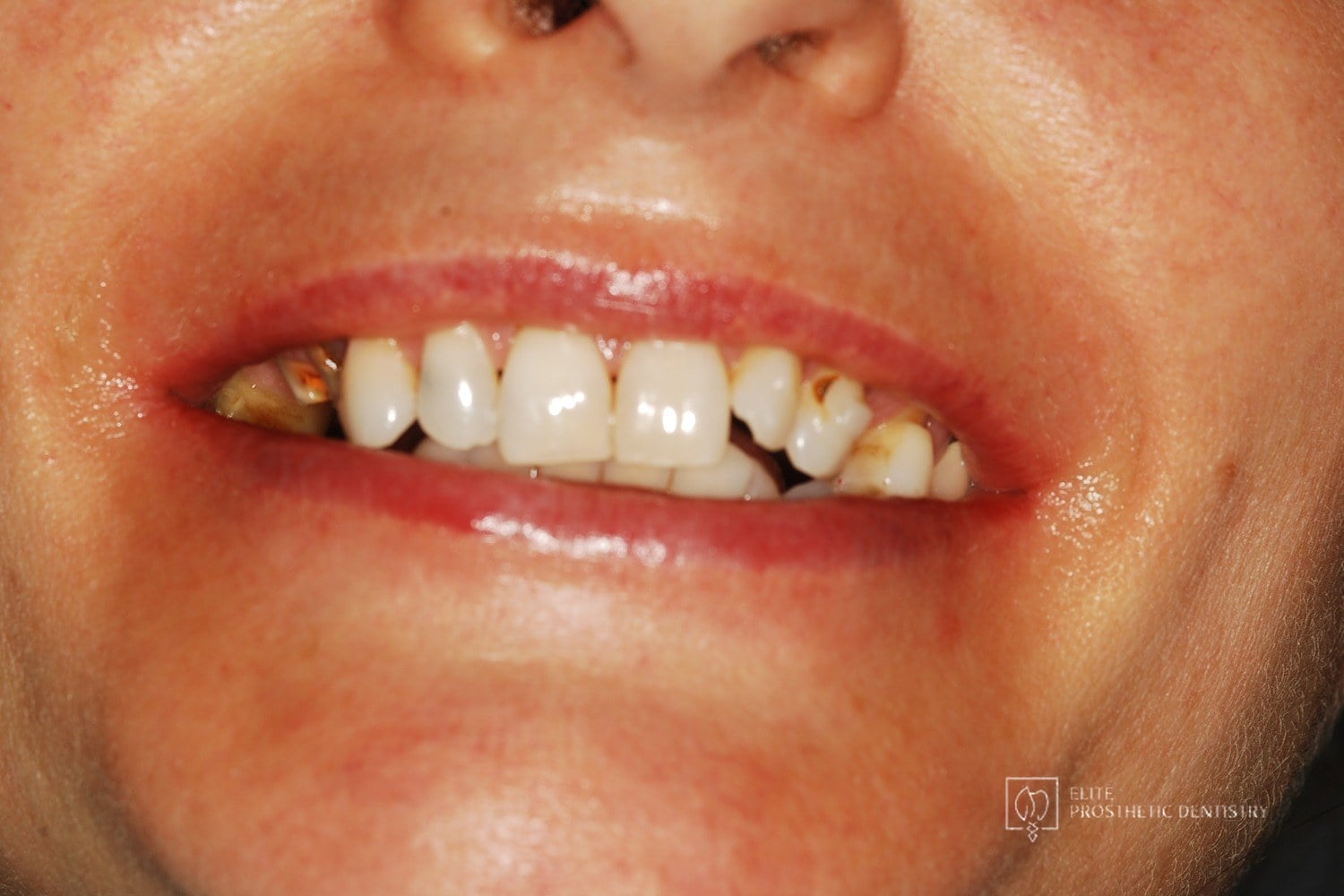 Before
 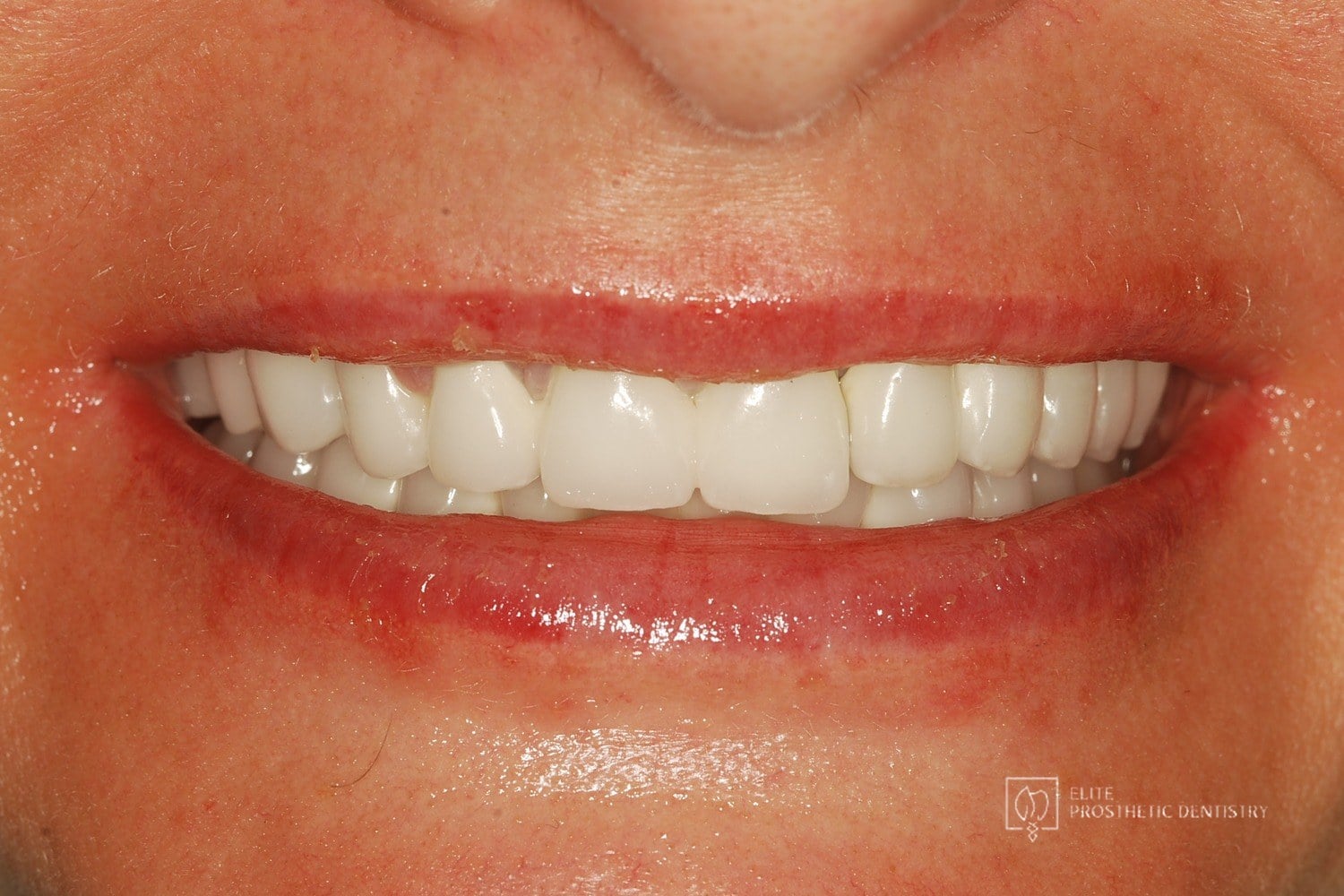 After
After How Aging, Failing Dentistry Was Replaced with a Coordinated Full-Mouth Implant and Crown Reconstruction
The patient presented with throbbing upper-molar pain, long-standing infections, multiple root canals and unfinished prior treatment, generalized sensitivity, and several hopeless teeth.
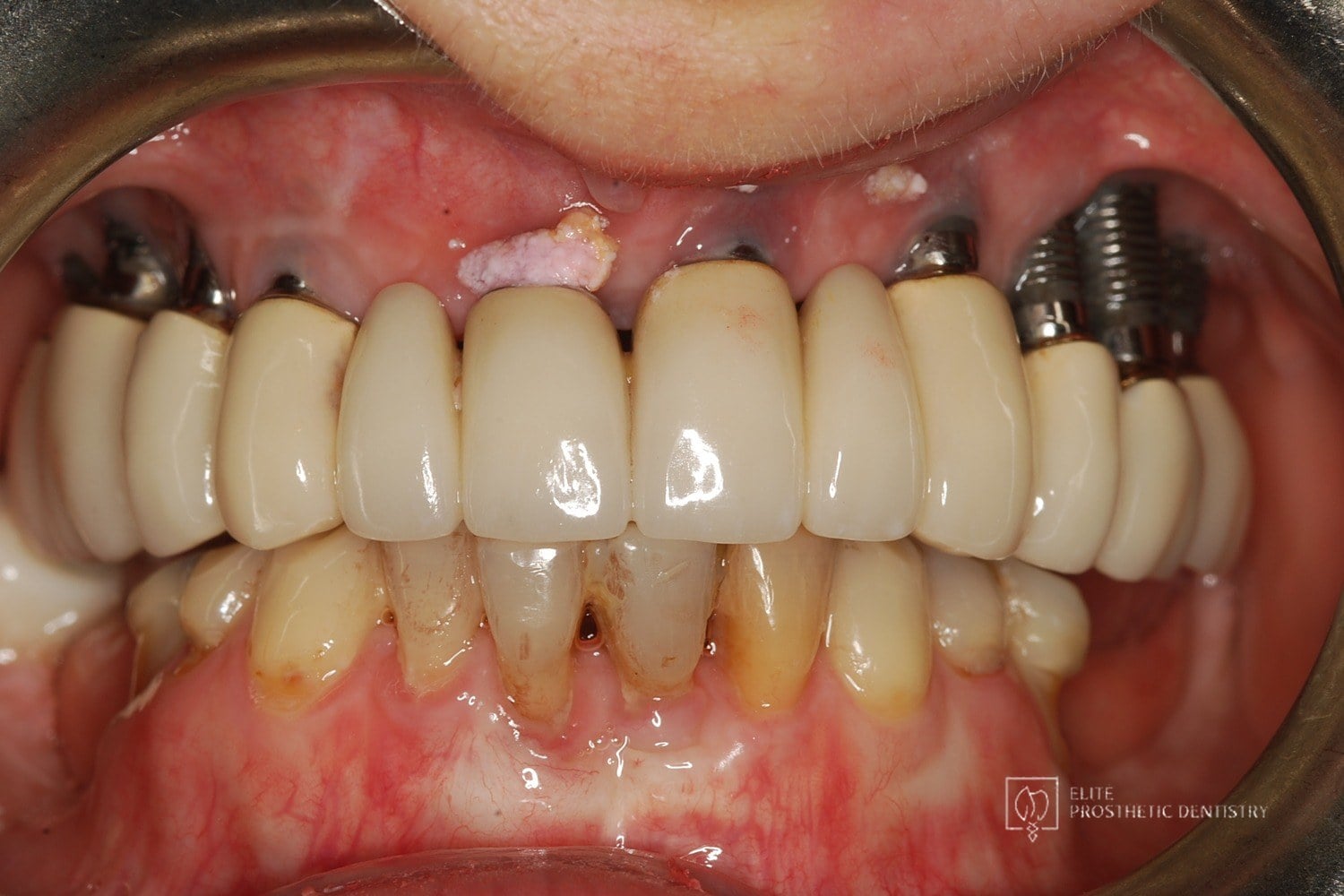 Before
 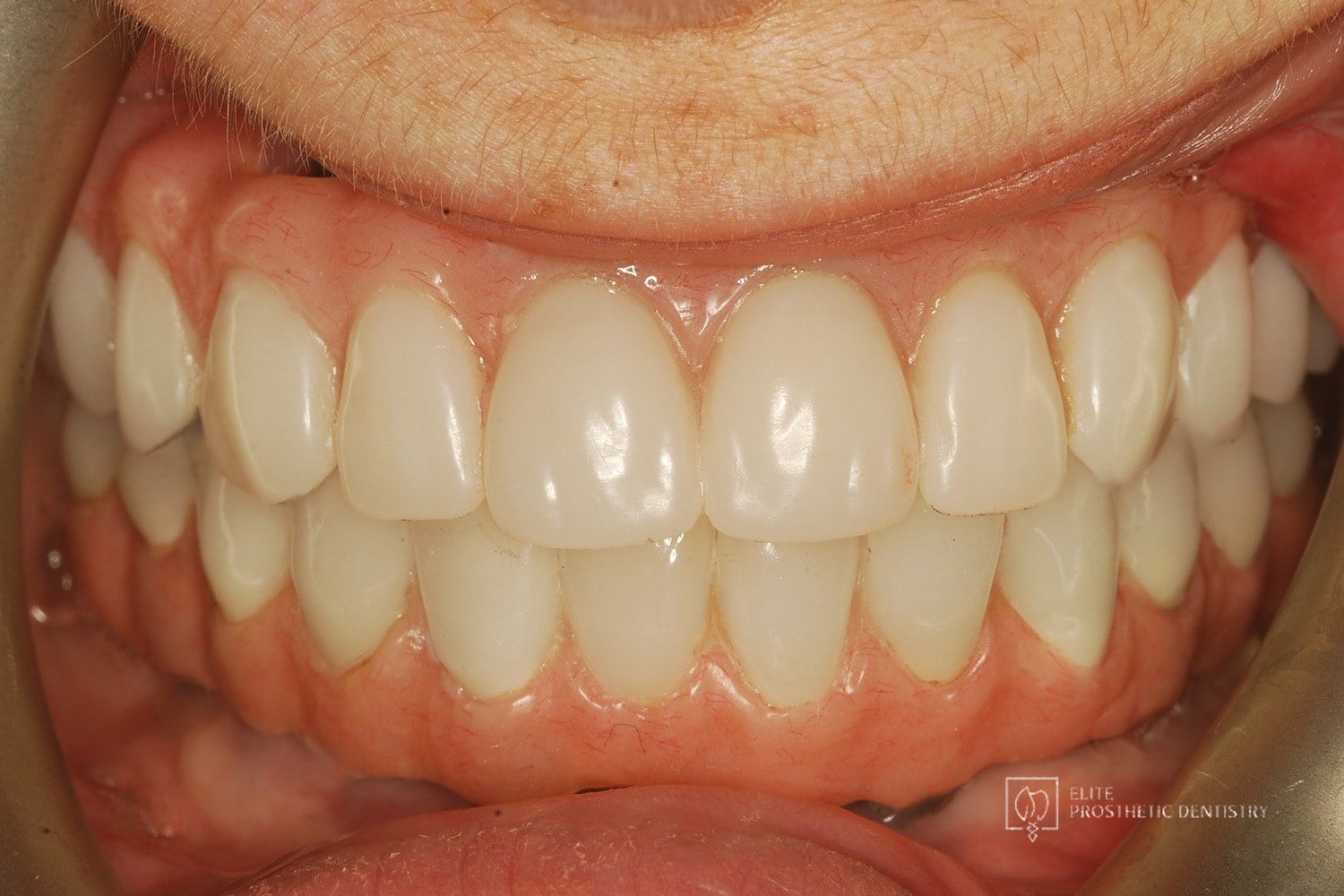 After
After How Failing Implants and Severe Bone Loss Were Rebuilt Into a Stable Full-Arch Implant Reconstruction
The patient presented with significant complications from previously placed implants, severe bone loss, failing posterior implants, and an unesthetic full-arch bridge. Both arches required full reconstruction, with the upper arch showing the most advanced bone loss and instability.
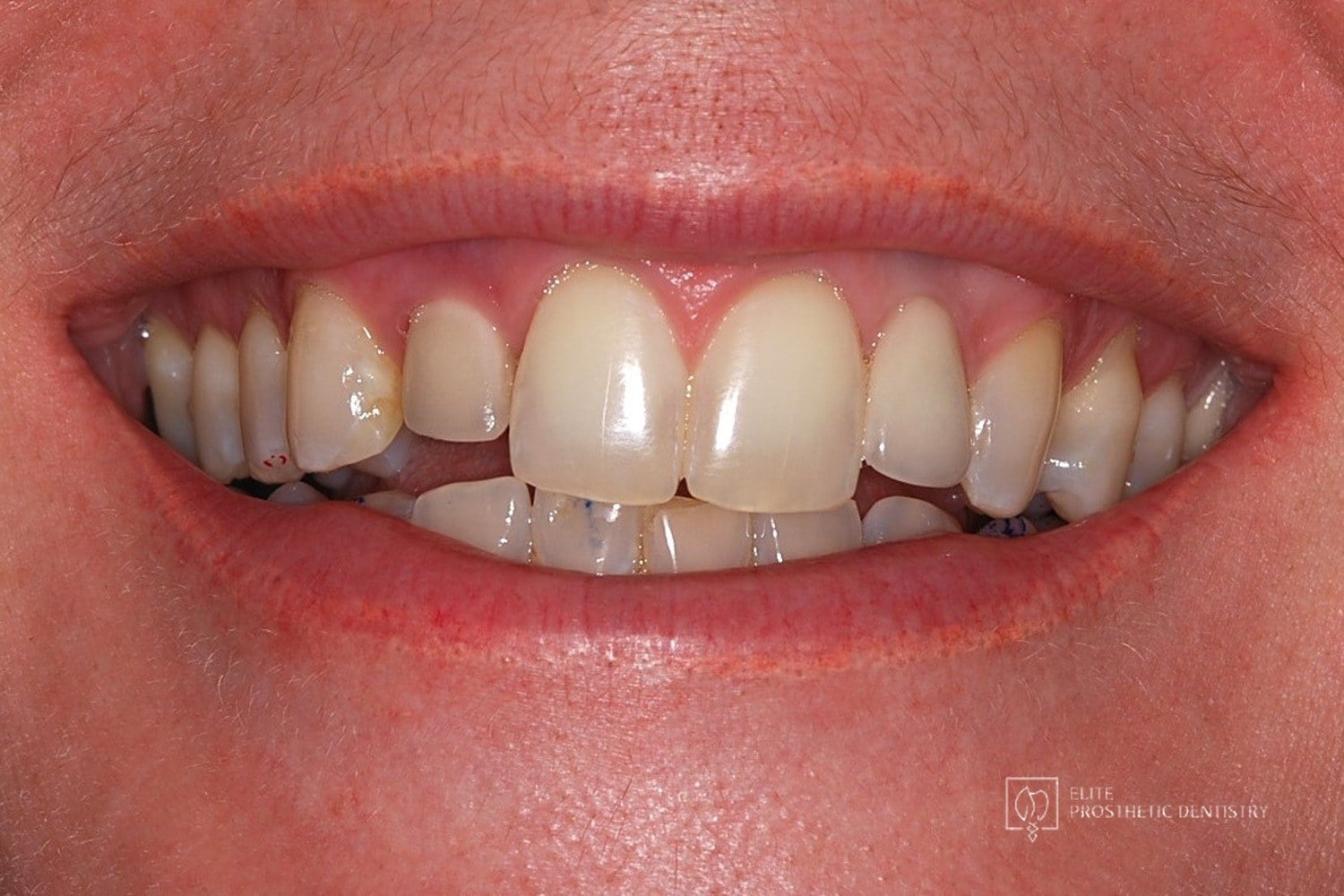 Before
 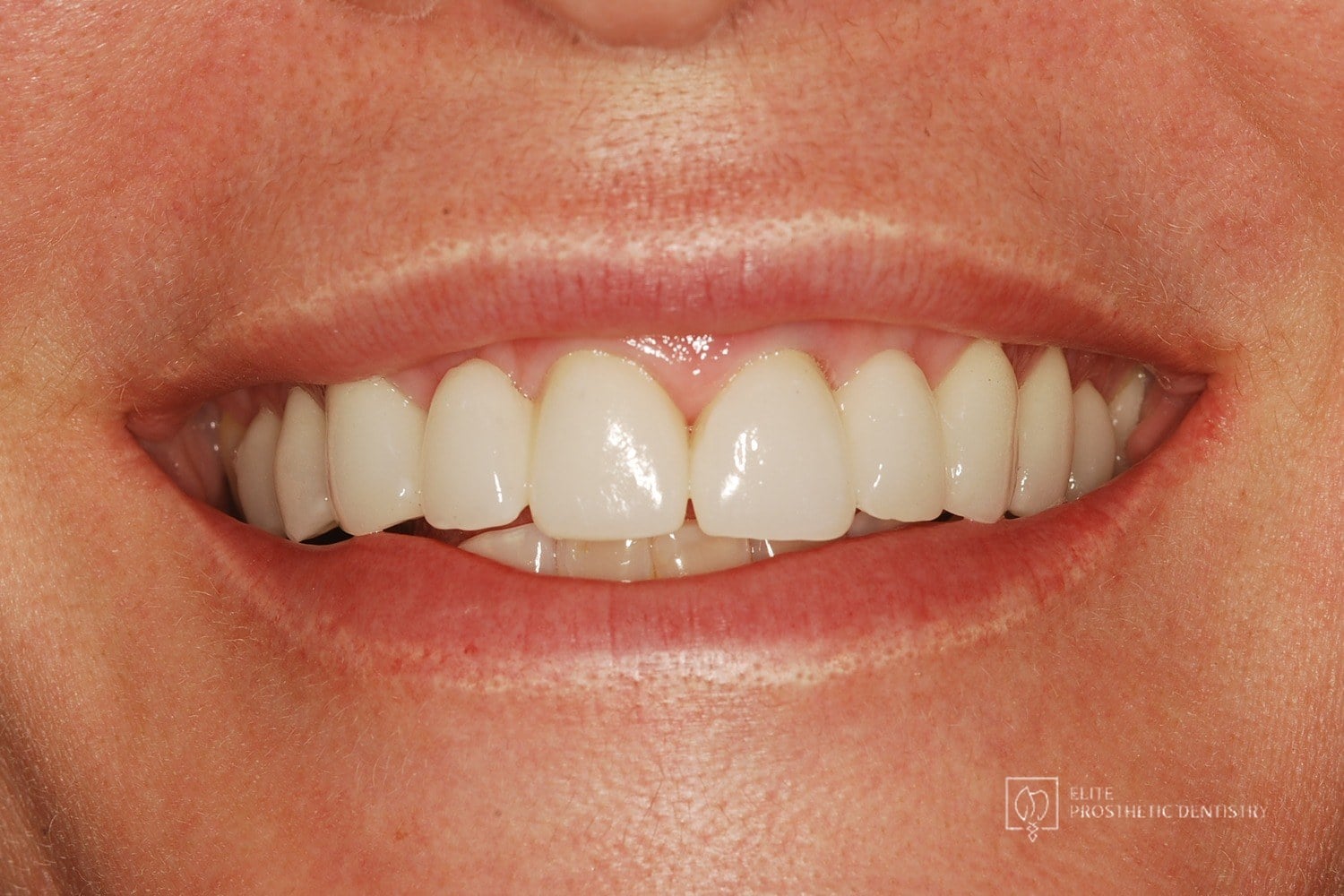 After
After How Failing Lateral Incisor Implants Were Replaced with Custom Zirconia Bridges After Severe Bone Loss Made Replacement Implants Impossible
Comprehensive examination including CBCT imaging revealed significant bone loss surrounding implants that were placed outside the buccal plate, most likely due to placement without a CBCT-generated surgical guide. The implants were determined non-salvageable, and the alveolar ridge was too narrow to support replacement implants without extensive reconstruction.
Related Articles
Deepen your knowledge with additional insights on this topic.
 Oral Health & Prevention
 Common Misconceptions About Gum (Periodontal) Disease: Myths vs. Facts
Bleeding gums are normal? Only older adults get gum disease? A DC prosthodontist corrects eight common myths about periodontal disease signs and treatment.
 Oral Health & Prevention
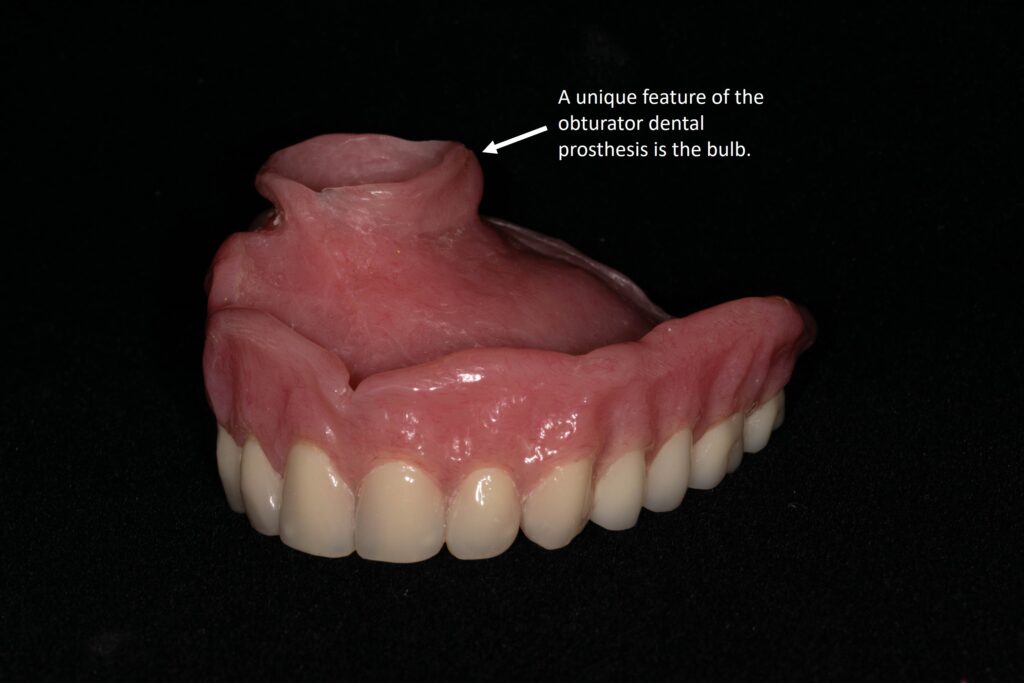
 Understanding Palatal Obturators for Openings in the Roof of the Mouth
A palatal obturator seals an opening in the roof of the mouth from cleft palate, surgery, or trauma. A DC prosthodontist explains how they work and their care.
 Oral Health & Prevention
 Dental Hygiene Care Is Not a 'One-Size-Fits-All' Process
The right hygiene routine depends on your gums, your risk factors, and your dental work. A DC prosthodontist explains why personalized hygiene care matters.