
Can TMJ Be the Cause of Migraine or Severe Headaches?
Temporomandibular joint dysfunction, commonly known as TMJ or TMD, can be as mild as a low-grade ache in the jaw or intrusive enough to disrupt your life with severe head pain. Here is the short answer to the question in the title: TMJ dysfunction can contribute to severe headaches, and headache is in fact one of the most common complaints among people with temporomandibular disorders [1]. But the relationship is a contribution, not a simple cause-and-effect, and understanding the difference is what gets patients properly diagnosed.
A detail that surprises many people: despite the name, the pain of TMJ dysfunction usually does not originate in the joints themselves. It most often arises from trigger points, small hyperirritable areas within the chewing muscles, which either hurt locally or refer pain to the jaws, head, neck, ears, and even the eyes. That referral pattern is why a problem in your bite can be experienced as a headache.
Headaches vs. TMJ-Related Headaches
How do you know whether your head pain has a jaw component? People whose headaches relate to TMJ dysfunction almost always have companion symptoms:
- Clicking or popping noises when moving the jaw
- Muscle pain or tenderness around the joints, located just in front of the ears
- Difficulty opening the mouth fully, or limited jaw movement
- Earaches, ear fullness, or changes in hearing without an ear infection
The absence of these signs does not completely rule out a jaw contribution, but their presence makes evaluation well worth your time. For a fuller symptom picture, see our overview of TMJ symptoms, causes, and treatment.
Why Jaw Dysfunction Can Influence Head Pain
The mechanics run through muscle and nerve. When the bite is misaligned, the jaw muscles overwork through thousands of daily closures and develop tense, painful trigger points that refer pain upward, a pattern documented in the myofascial pain literature and explained in our article on how trigger point injections relieve TMJ pain.
The trigeminal nerve is the second pathway. This major cranial nerve supplies sensation to the face and drives the chewing muscles, and irritation in its territory can be felt across the forehead, temples, and around the eyes. Jaw misalignment is the most frequent root cause we find, but prior jaw injury and overuse through grinding can also set off the cycle, producing tense muscles and tension-type head pain [2].
For people who already suffer migraines, TMJ dysfunction can be an aggravating factor: an additional, mechanical source of pain layered onto a neurological condition. Treating the jaw does not cure migraine disease, and no honest clinician will promise that. What it can do is remove one contributor, and many patients experience real relief when that happens.
Diagnosis and Treatment
Diagnosis begins with a comprehensive examination by a dentist experienced in temporomandibular disorders: palpation of the muscles for trigger points, analysis of how your teeth contact, evaluation of joint sounds and range of motion, and, when indicated, imaging such as a CT scan to assess the joints [3].
Treatment then follows the findings rather than a formula. Depending on the cause, it may include correcting bite misalignment, replacing dental crowns or restorations that prevent even contact, a custom occlusal appliance to protect against nighttime clenching, and trigger point therapy for persistent muscle pain. Severe cases involving worn or damaged teeth may call for restorative reconstruction to reestablish a stable bite.
At Elite Prosthetic Dentistry, Dr. Marlin uses detailed diagnostics to identify the true source of each patient’s pain, an approach built over 40+ years of treating TMJ disorders. If you suffer severe headaches, especially with any of the jaw symptoms above, call 202-244-2101 or request an appointment at our Friendship Heights office in Washington, DC to find out whether your jaw is part of the problem.
Sources
See How We Resolve These Problems
Our patient success stories show real cases and real results. Browse outcomes from a specialist prosthodontist with decades of experience and 3,900+ implants placed.
Key Takeaways
- ✓ Headache is one of the most common complaints among people with temporomandibular joint disorders, yet many sufferers never connect the two.
- ✓ Despite the name, TMJ pain most often arises from trigger points in the jaw muscles rather than from the joints themselves, and that pain refers to the head, ears, and eyes.
- ✓ TMJ-related head pain almost always travels with other clues: jaw clicking, muscle tenderness, limited opening, or ear symptoms.
- ✓ TMJ dysfunction can contribute to headaches and may worsen pain in people already prone to migraines; it is a contributor to evaluate, not a guaranteed explanation.
- ✓ Diagnosis starts with a comprehensive exam of the bite, muscles, and joints, sometimes with advanced imaging.
Frequently Asked Questions
Can TMJ dysfunction cause migraines?
TMJ dysfunction does not cause migraine disease, which is a neurological condition, but the two can interact. Jaw muscle trigger points and irritation around the trigeminal nerve can produce head pain that mimics migraine, and people already prone to migraines may experience worse or more frequent pain when TMJ dysfunction is also present. Evaluation of both is the sensible path.
What does a TMJ headache feel like?
Typically a pressure or aching pain at the temples, over the eyes, or across the forehead, often accompanied by jaw fatigue, clicking, ear fullness, or facial muscle tenderness. It is frequently worse in the morning after nighttime grinding or later in the day after heavy jaw use. The companion jaw symptoms are the biggest clue.
How do doctors tell if headaches are coming from the jaw?
Through a comprehensive examination by a dentist experienced in TMJ disorders: palpating the jaw muscles for tender trigger points, evaluating how the teeth contact, checking joint sounds and range of motion, and sometimes imaging such as a CT scan. When findings line up, treating the jaw component and observing the response helps confirm the connection.
What is the treatment if my headaches are TMJ-related?
Treatment targets the cause identified in your exam. That may mean correcting bite misalignment, replacing restorations that interfere with even contact, a custom occlusal appliance to stop nighttime overloading, and trigger point therapy for persistent muscle knots. Many patients experience meaningful relief of jaw-related head pain once the underlying dysfunction is corrected.
Related Patient Success Stories
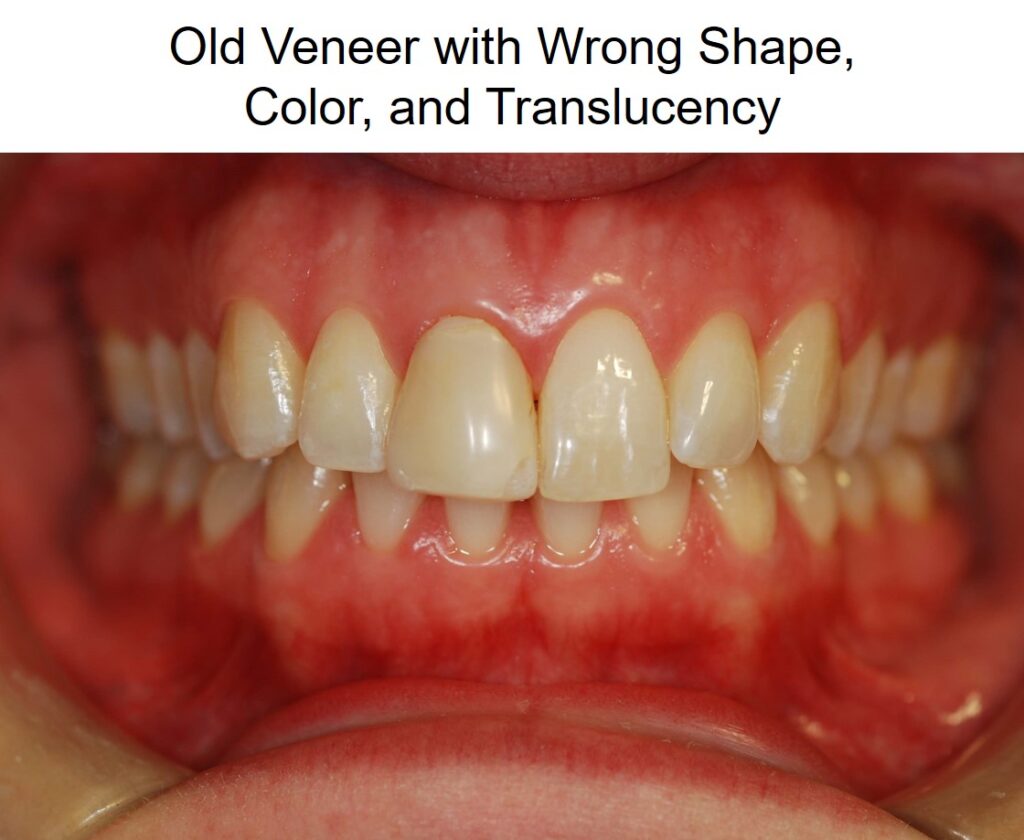
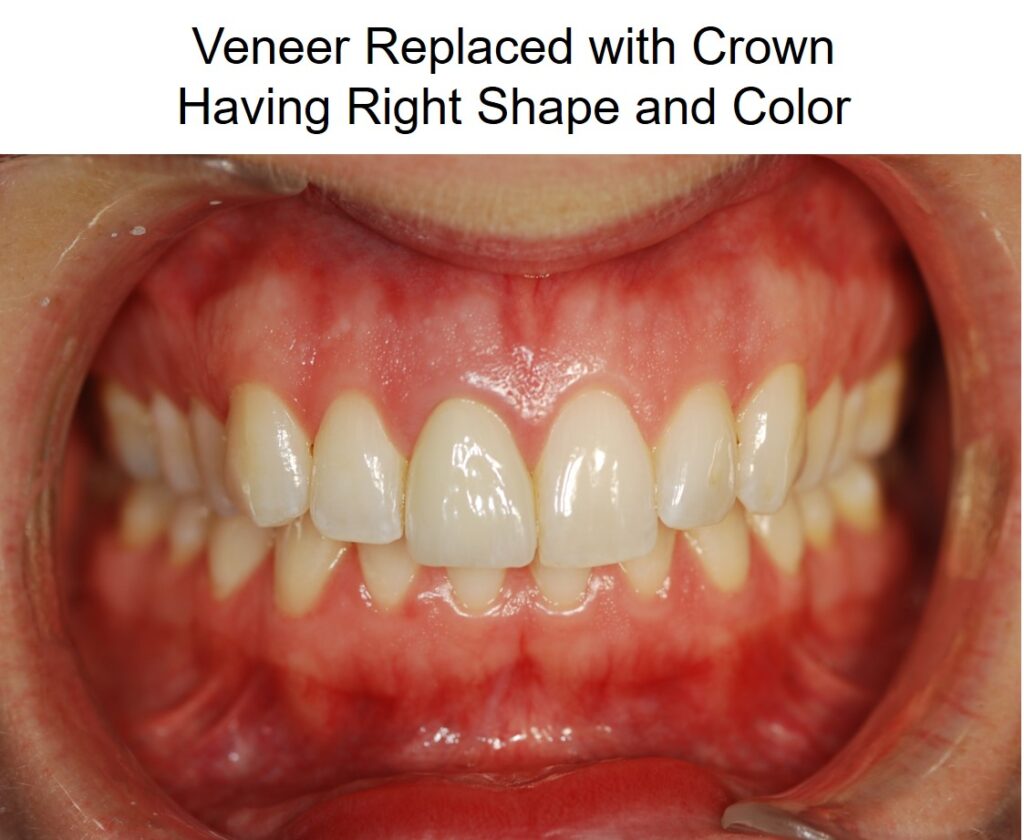
Explore similar patient success stories demonstrating our expertise in advanced prosthetic dentistry.
Related Articles
Deepen your knowledge with additional insights on this topic.
 TMJ & Jaw Pain
 The Benefits of Early Diagnosis and Treatment of Bruxism (Teeth Grinding) in Children
Teeth grinding affects children as well as adults. Learn the signs of bruxism, why early diagnosis protects growing smiles, and how occlusal guards help.
 TMJ & Jaw Pain
 Can TMJ Be the Cause of Migraine or Severe Headaches?
Headache is one of the most common complaints in TMJ disorders. Learn how jaw dysfunction can contribute to head pain and how the connection is diagnosed.
 TMJ & Jaw Pain
 TMJ Disorders: Symptoms, Causes, and Treatment
What TMJ dysfunction is, the symptoms it causes from jaw pain to headaches and ear fullness, what drives it, and how a DC prosthodontist treats the cause.