
5 Tips for Jaw Surgery Recovery
Orthognathic surgery, better known as corrective jaw surgery, realigns an improper bite or jaw position, and the recovery is a project of its own. One rule sits above everything that follows: your oral surgeon’s instructions are the authority for your specific case. The tips below are practical support for the weeks of healing, not a substitute for the guidance of the team that performed your procedure.
1. Get Plenty of Rest
Healing is work your body does while you are doing nothing, so genuine rest is not laziness; it is treatment. Plan for real downtime in the first weeks, and stock up on low-effort entertainment: books, shows, puzzles, anything that keeps you contentedly still. The time passes faster, and your body spends its energy where it is needed.
2. Keep a Gentle Routine
Rest does not mean drifting. Keeping a regular schedule, consistent sleep, meals, medications, and light activity, helps you feel human while you recover. As your surgeon clears you for mobility, short daily walks are excellent: they support circulation and mood without taxing the healing bones.
3. Manage Swelling with Ice and Heat
Expect facial swelling to peak during the first week, then subside steadily. Used as your surgeon directs, cold compresses in the early days blunt the swelling, and alternating heat later eases stiffness and discomfort. Keep a spare ice pack in the freezer so a cold one is always ready, and sleep with your head elevated while swelling is at its worst.
4. Prep Meals Before Surgery
You will not feel like cooking, and your diet will be restricted to liquids and soft foods at first. Preparing meals ahead of your procedure is the single highest-payoff bit of planning you can do. Smoothies, soups, and homemade blended meals freeze well and let you stay nourished with minimal effort. Healing consumes real energy, so treat calories and protein as part of your medicine.
5. Stay Hydrated
Hydration supports every part of recovery, and it is easy to neglect when drinking takes effort. Keep a water bottle within reach and sip continually through the day rather than relying on thirst to remind you.
After the Healing: Do Not Forget the Bite
Here is the step many patients never hear about. Jaw surgery repositions the foundation, but teeth still have to meet correctly in the new alignment for the result to feel right and last. After your surgeon clears you, a prosthodontic evaluation can confirm that your bite contacts are even and stable, and address anything that fights the correction: interferences, worn or damaged teeth, or restorations built for the old jaw position. Patients whose grinding contributed to their jaw problems can read how we protect the result in should you wear your dental night guard during the day, and our overview of TMJ symptoms, causes, and treatment explains how bite and joint health interact.
Recovery can feel long, but it ends with a healthier, more functional jaw, and it is worth protecting that outcome for the decades that follow. In the rare situations where surgical results do not hold, restorative solutions still exist; our article on when jaw surgery fails tells one patient’s story.
For a bite evaluation after jaw surgery, or help deciding whether your jaw symptoms need surgical or non-surgical care, contact Dr. Gerald Marlin, a specialty-trained prosthodontist in Washington, DC with 40+ years of experience. Call 202-244-2101 or request an appointment at our Friendship Heights office.
See How We Resolve These Problems
Our patient success stories show real cases and real results. Browse outcomes from a specialist prosthodontist with decades of experience and 3,900+ implants placed.
Key Takeaways
- ✓ Your surgeon's individual instructions always come first. These tips supplement them; they never replace them.
- ✓ Rest is treatment: the body heals fastest when you give it genuine downtime in the first weeks after orthognathic surgery.
- ✓ Swelling peaks in the first week. Alternating ice and heat as your surgeon directs keeps it, and your discomfort, in check.
- ✓ Prepping soft, nutritious meals before surgery removes the biggest daily friction of recovery.
- ✓ After healing, the bite deserves attention: prosthodontic evaluation confirms the corrected jaw position is supported by how your teeth actually meet.
Frequently Asked Questions
How long does jaw surgery recovery take?
Initial healing, when swelling and diet restrictions dominate, typically spans the first several weeks, while complete bone healing takes months. Your surgeon will give you a timeline specific to your procedure, and it is worth following conservatively: rushing back to normal chewing or exertion is the most common self-inflicted setback.
What should I eat after jaw surgery?
Follow the diet your surgeon prescribes, which generally progresses from liquids to soft foods over weeks. Smoothies, soups, and blended meals prepared before surgery make the early phase far easier. Prioritize protein and calories: healing is metabolically expensive, and under-eating slows it noticeably.
How do I reduce swelling after jaw surgery?
Cold compresses during the first days, then alternating heat as your surgeon directs, keep swelling and stiffness manageable. Sleeping with your head elevated helps too. Swelling normally peaks within the first week and then declines steadily; sudden new swelling, fever, or worsening pain warrants a prompt call to your surgical team.
Why see a prosthodontist after jaw surgery?
Orthognathic surgery repositions the jaws, but the teeth still have to meet correctly in the new position. A prosthodontic evaluation after healing confirms the bite is stable and comfortable, and addresses interferences or worn, damaged teeth that could strain the corrected alignment. It protects the investment the surgery made.
Related Patient Success Stories
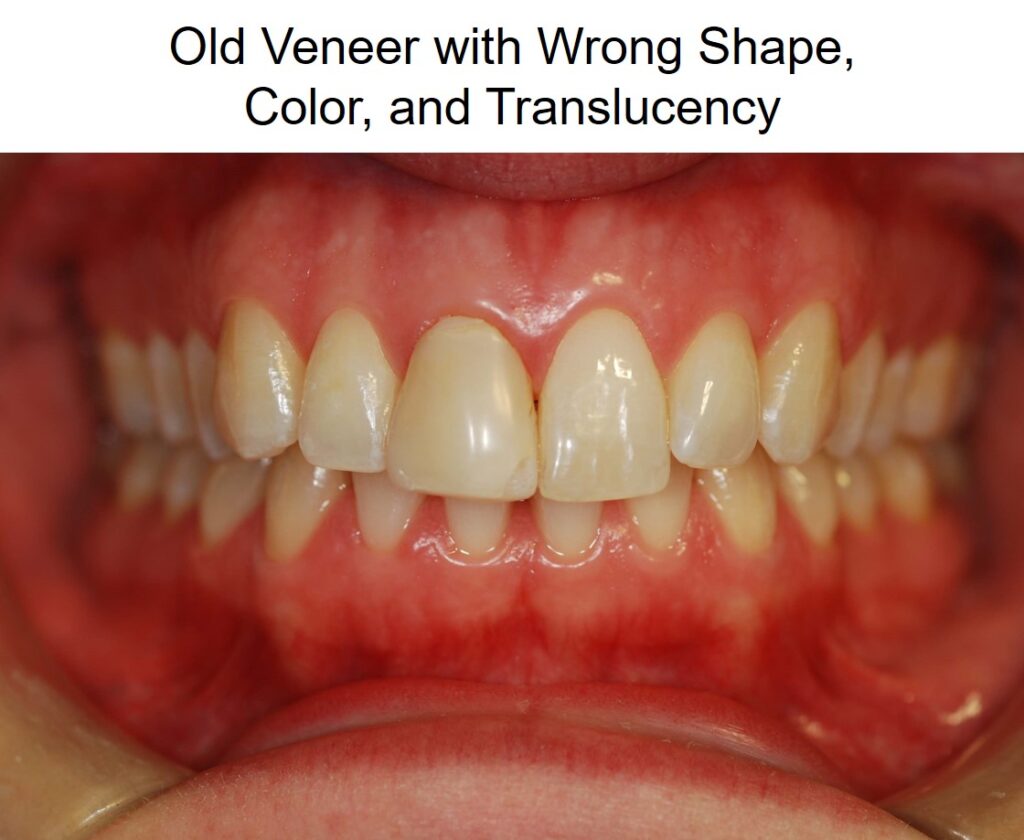
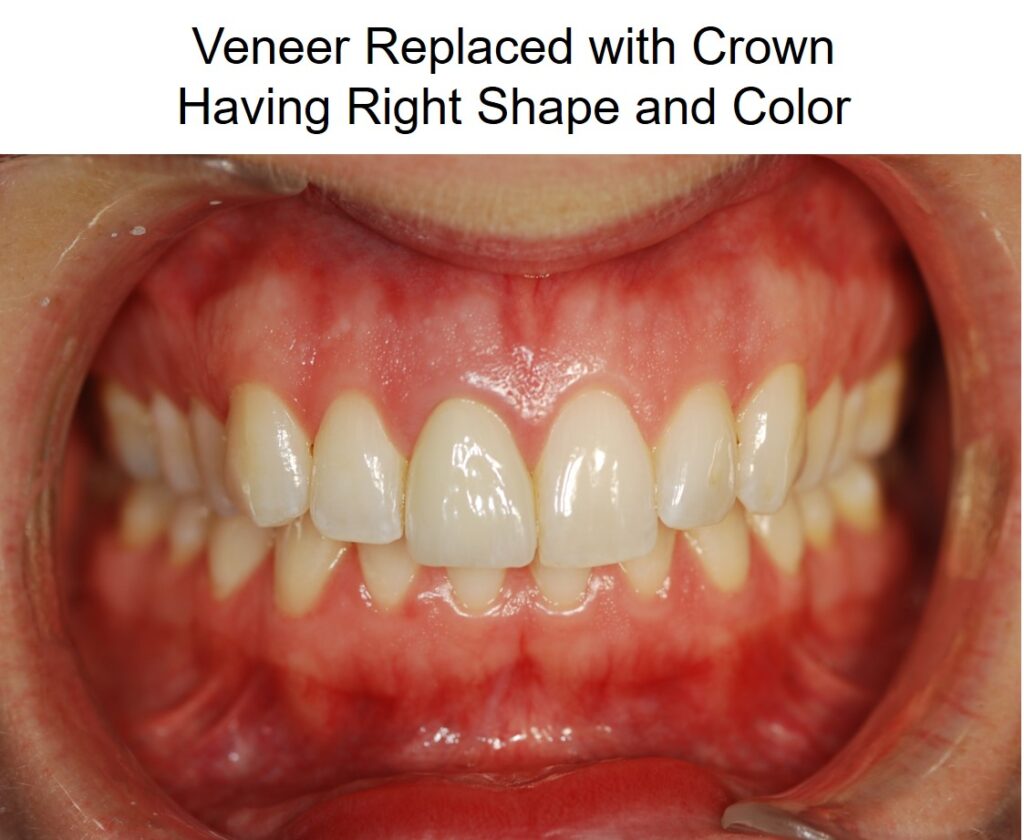
Explore similar patient success stories demonstrating our expertise in advanced prosthetic dentistry.
Related Articles
Deepen your knowledge with additional insights on this topic.
 TMJ & Jaw Pain
 The Benefits of Early Diagnosis and Treatment of Bruxism (Teeth Grinding) in Children
Teeth grinding affects children as well as adults. Learn the signs of bruxism, why early diagnosis protects growing smiles, and how occlusal guards help.
 TMJ & Jaw Pain
 Can TMJ Be the Cause of Migraine or Severe Headaches?
Headache is one of the most common complaints in TMJ disorders. Learn how jaw dysfunction can contribute to head pain and how the connection is diagnosed.
 TMJ & Jaw Pain
 TMJ Disorders: Symptoms, Causes, and Treatment
What TMJ dysfunction is, the symptoms it causes from jaw pain to headaches and ear fullness, what drives it, and how a DC prosthodontist treats the cause.