
How Trigger Point Injections Relieve Pain from the TMJ Syndrome
We have treated TMJ and TMD (temporomandibular joint dysfunction) patients for decades, and one lesson towers over the rest: the pain usually is not coming from where it hurts. Localized or referred pain in the head and neck can grind on for years, with the sufferer bouncing between providers, because the true source, trigger points in the jaw muscles, was never on anyone’s list. Our TMJ treatment page covers the condition broadly; this article explains the mechanism, and why a precisely placed injection can relieve pain that nothing else touched.
What Trigger Points Are
A trigger point is a small knot of contracted muscle fibers that has become hyperirritable. In the classic reference on the subject, Myofascial Pain and Dysfunction: The Trigger Point Manual, Dr. Janet Travell and Dr. David Simons mapped how each muscle’s trigger points refer pain in predictable patterns, frequently to locations far from the knot itself.
The jaw system is fertile ground for them. There are at least five muscles of mastication on each side, and any of them can develop trigger points when chronically overworked, most commonly because an uneven bite forces the muscles to brace and compensate through thousands of closures a day.
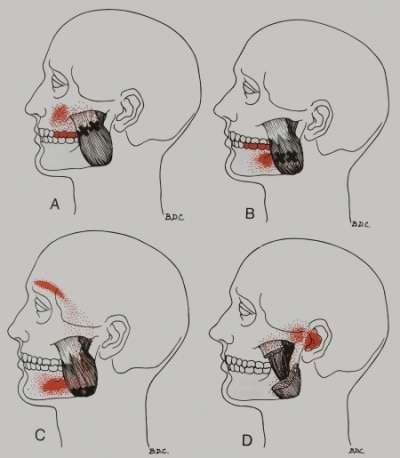
Why the Pain Shows Up in Strange Places
Referred pain is what makes this condition so deceptive. Trigger points in the jaw muscles can produce:
- A severe, gnawing jaw ache, chronic or acute
- Diffuse pain over the eye or in the temples near the hairline
- Symptoms that mimic a tooth needing root canal treatment
- Ear pain with stuffiness or a sense of diminished hearing
- Discomfort around the eyes, sometimes with visual disturbance
Some of this pain can mimic migraine headache, which is why patients with stubborn “migraines” and coexisting jaw symptoms deserve a muscle evaluation, a connection we examine in can TMJ be the cause of migraine or severe headaches. The broader lesson, that most “TMJ pain” is muscular rather than joint pain, is illustrated with real cases in TMJ and neuromuscular pain.
How the Injections Interrupt the Cycle
Trigger point injection therapy places a fine needle directly into the knot, releasing the contracted band and breaking the self-sustaining cycle of contraction and pain. When the muscle lets go, its referred symptoms can subside as well, which is why relief is sometimes felt in the temple or ear rather than at the injection site.
The sophistication is in the diagnosis as much as the needle. The clinician must identify which muscle, and which point within it, is generating a given referral pattern, and that requires detailed training in the referral maps. Dr. Marlin wrote his prosthodontic master’s thesis on TMJ therapy and was personally trained in trigger point injection of the jaw muscles by Dr. Janet Travell herself.
Injections Within a Complete Plan
An injection relieves the knot; it does not fix what tied it. Durable treatment pairs muscle therapy with correction of the underlying cause. In Dr. Marlin’s sequence, a detailed diagnostic workup comes first, followed by precision bite adjustment and replacement of any defective restorations that keep the muscles overworking, with injections deployed where muscular pain persists. When and for whom injections make sense is covered in the companion article, trigger point injections to treat TMJ/TMD.
You do not have to keep living with TMJ or migraine-like pain that no one can locate. Call 202-244-2101 or request an appointment with Dr. Marlin at Elite Prosthetic Dentistry in Friendship Heights, Washington, DC, and start with a diagnosis that looks in the right place.
See How We Resolve These Problems
Our patient success stories show real cases and real results. Browse outcomes from a specialist prosthodontist with decades of experience and 3,900+ implants placed.
Key Takeaways
- ✓ Trigger points are hyperirritable knots within the jaw muscles that refer pain to distant sites: the temples, over the eyes, the ears, even individual teeth.
- ✓ At least five pairs of chewing muscles can harbor trigger points, which is why TMJ pain patterns are so varied and so often misattributed.
- ✓ Trigger point injections release the knot directly, interrupting the referred-pain cycle in a way that medication and rest often cannot.
- ✓ Injections work best as part of a sequence that also corrects the bite problem overworking the muscles in the first place.
- ✓ Dr. Marlin was personally trained in the technique by Dr. Janet Travell, who wrote the definitive text on myofascial pain.
Frequently Asked Questions
What is a trigger point?
A small, hyperirritable knot of contracted fibers within a muscle. In the jaw system, trigger points form when muscles are chronically overworked, commonly by an uneven bite or grinding. They hurt locally when pressed, and characteristically refer pain to other locations: the temples, the forehead, the ear, or individual teeth.
How do trigger point injections work?
A fine needle is placed precisely into the trigger point to release the contracted band of muscle, interrupting the pain cycle at its source. Relief of referred symptoms can follow as the muscle relaxes. Precision matters: the clinician must know the referral maps of each jaw muscle to find and treat the true source.
Can trigger points really make my teeth or ears hurt?
Yes. Referred pain from jaw muscle trigger points can convincingly mimic a toothache, including symptoms that feel endodontic, and can produce ear pain, stuffiness, or diminished hearing with a healthy ear. This referral behavior is well documented and explains why some patients see several specialists before the muscle source is found.
Do trigger point injections fix TMJ disorder permanently?
They relieve the muscular component, often dramatically, but lasting results depend on removing what created the trigger points. If an uneven bite keeps overworking the muscles, knots tend to return. That is why injections are sequenced with bite correction and, when needed, replacement of defective restorations.
Related Patient Success Stories
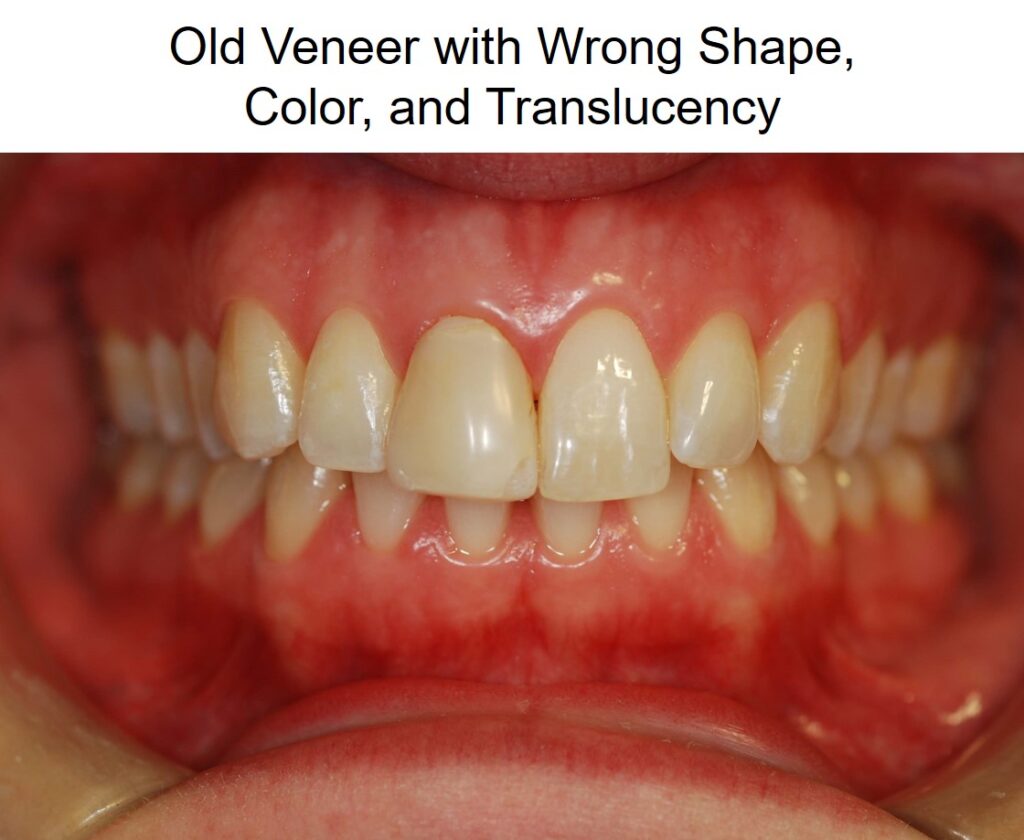
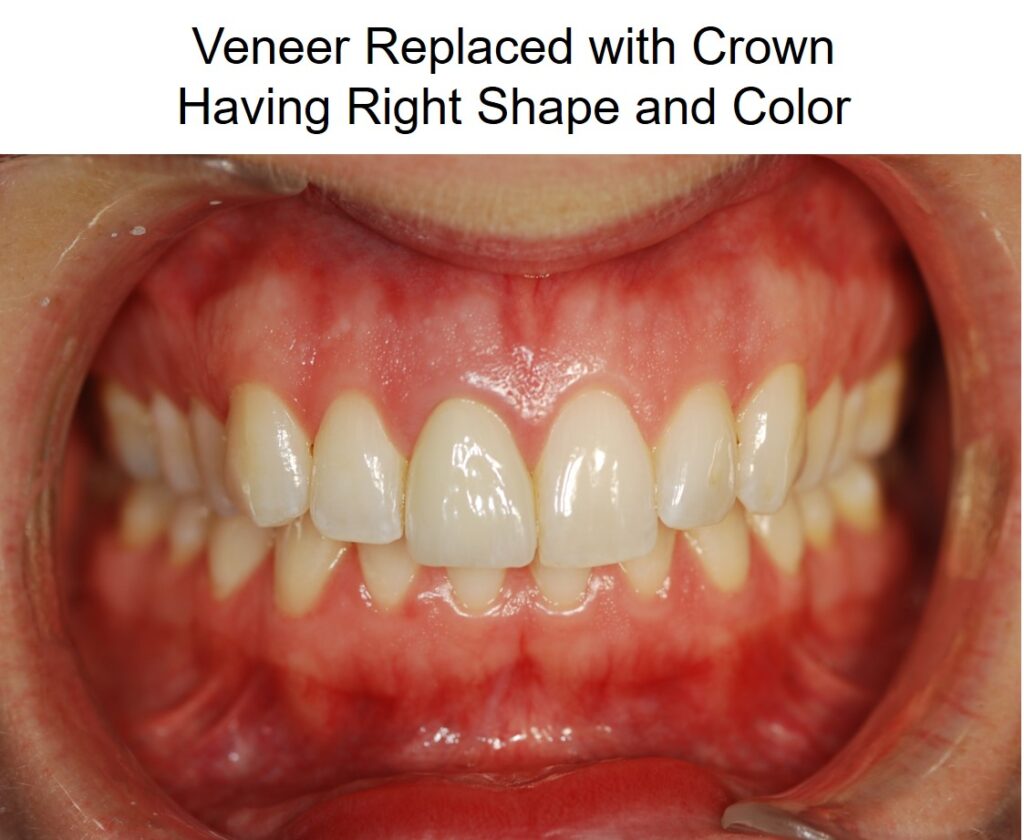
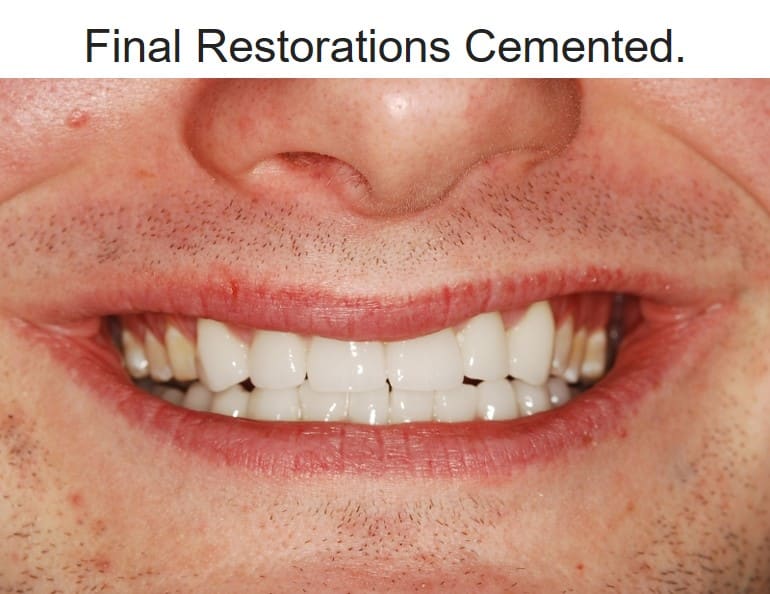
Explore similar patient success stories demonstrating our expertise in advanced prosthetic dentistry.
Related Articles
Deepen your knowledge with additional insights on this topic.
 TMJ & Jaw Pain
 The Benefits of Early Diagnosis and Treatment of Bruxism (Teeth Grinding) in Children
Teeth grinding affects children as well as adults. Learn the signs of bruxism, why early diagnosis protects growing smiles, and how occlusal guards help.
 TMJ & Jaw Pain
 Can TMJ Be the Cause of Migraine or Severe Headaches?
Headache is one of the most common complaints in TMJ disorders. Learn how jaw dysfunction can contribute to head pain and how the connection is diagnosed.
 TMJ & Jaw Pain
 TMJ Disorders: Symptoms, Causes, and Treatment
What TMJ dysfunction is, the symptoms it causes from jaw pain to headaches and ear fullness, what drives it, and how a DC prosthodontist treats the cause.