
Treating Congenitally Missing Teeth in a Teenager with Dental Implants
The Challenge
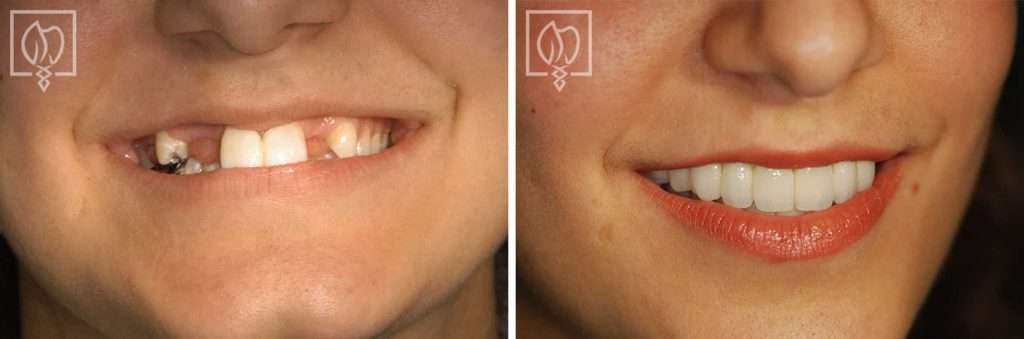
A 16-year-old patient from McLean, Virginia, presented with a condition where she was congenitally missing several teeth, meaning they were missing from birth. She was referred to Elite Prosthetic Dentistry by her orthodontist, who had made significant progress with her orthodontic treatment but recognized that dental implants would be necessary to replace the missing teeth and complete her smile restoration.
In addition to the missing teeth, the patient had a collapsed bite, meaning her upper and lower teeth did not meet properly. This created both functional and aesthetic challenges. Her profile and smile line needed to be enhanced to create proper facial proportions and a natural appearance.
Treatment Approach
The patient’s orthodontist wanted the Elite Prosthetic Dentistry team to take over her case and provide a comprehensive cosmetic smile makeover to replace her missing teeth and establish proper bite relationships. We performed a comprehensive evaluation including three-dimensional imaging and virtual implant planning to develop the optimal treatment approach.
Because the patient’s bite was collapsed but her facial growth had not been completed, we initially recommended that we wait until her dentition was fully established before placing implants. This ensured that the implants would be placed in the proper positions relative to her final facial and dental proportions.
At age 18, after her growth and development had stabilized, we began the implant placement phase. First, we evaluated whether she had sufficient bone volume. Because some areas had limited bone from the congenitally missing teeth, we performed bone grafting procedures to build up the bone in the deficient areas.
Once the bone grafts had integrated (typically 4 to 6 months), we inserted multiple dental implants in precisely calculated positions. Using advanced surgical planning and guides, each implant was positioned to support the final crown at the optimal angle and depth for both function and aesthetics.
After a healing period of 3 to 6 months, we restored the implants with custom, durable, and natural-looking dental crowns. Our in-house laboratory team hand-crafted each crown to match her natural tooth color, shape, and translucency perfectly.
Results
The implant-supported crowns filled in the gaps created by the congenitally missing teeth and restored proper bite relationships. The patient achieved a fully functional and beautiful smile with proper vertical dimensions and facial proportions. Each implant-supported crown is individually crafted to blend seamlessly with her natural teeth.
Why Congenitally Missing Teeth Matter
Congenitally missing teeth present unique challenges because they affect not just the teeth themselves but also bone development and facial growth. A prosthodontist’s expertise in working with orthodontists and managing the timing of implant placement ensures optimal results that last for decades with proper care.

watch: Dr. Marlin Discusses a Case of a Young Teenage Patient with Congenitally Missing Teeth
Today, the patient is a very happy international lawyer and can smile confidently with her new teeth. She can speak, chew, and interact professionally without any concerns about her smile or teeth. Her successful treatment demonstrates how a comprehensive, phased approach to implant dentistry can transform the smile of a young adult with congenitally missing teeth.
Related Patient Success Stories
Explore similar patient success stories demonstrating our expertise in advanced prosthetic dentistry.
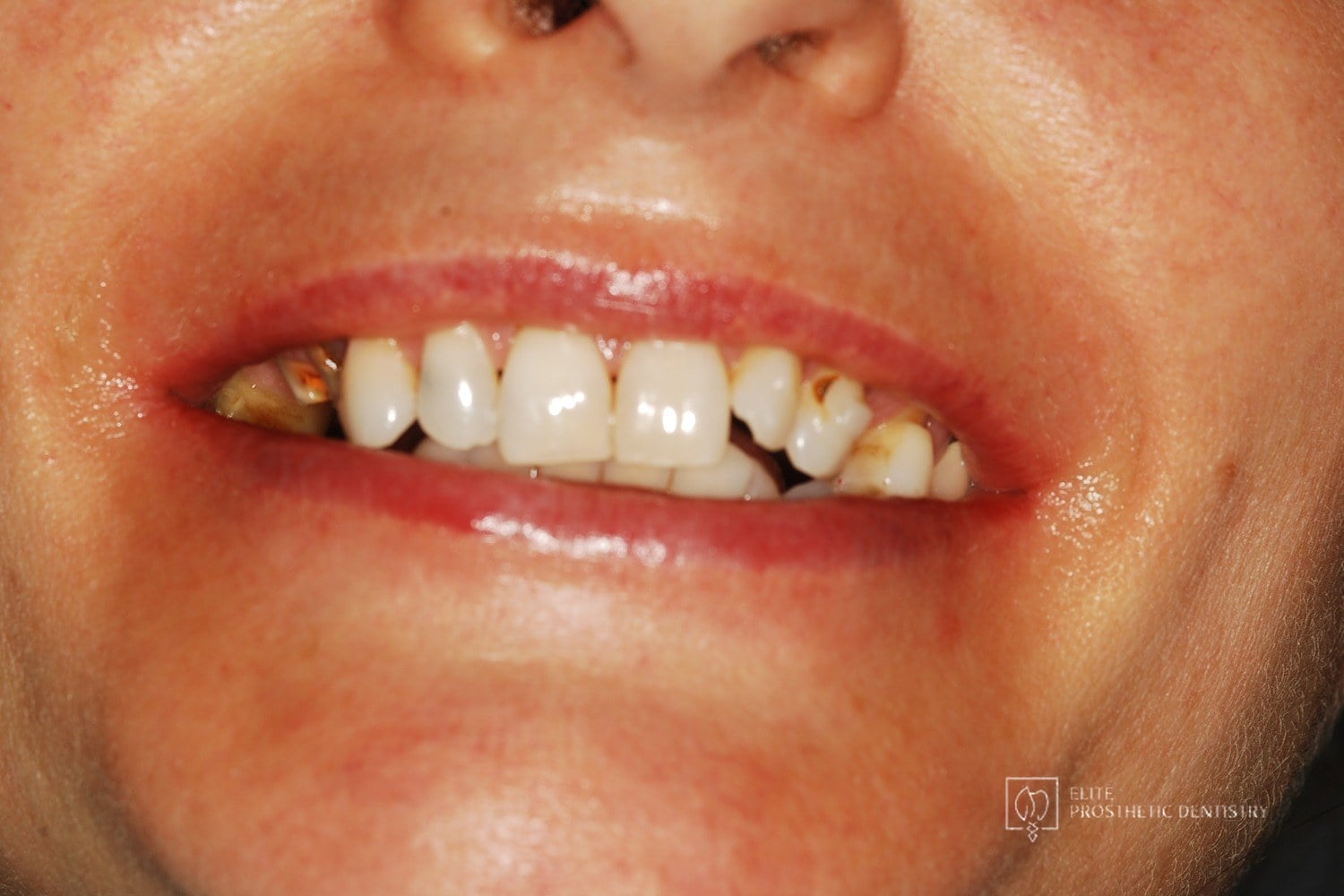 Before
 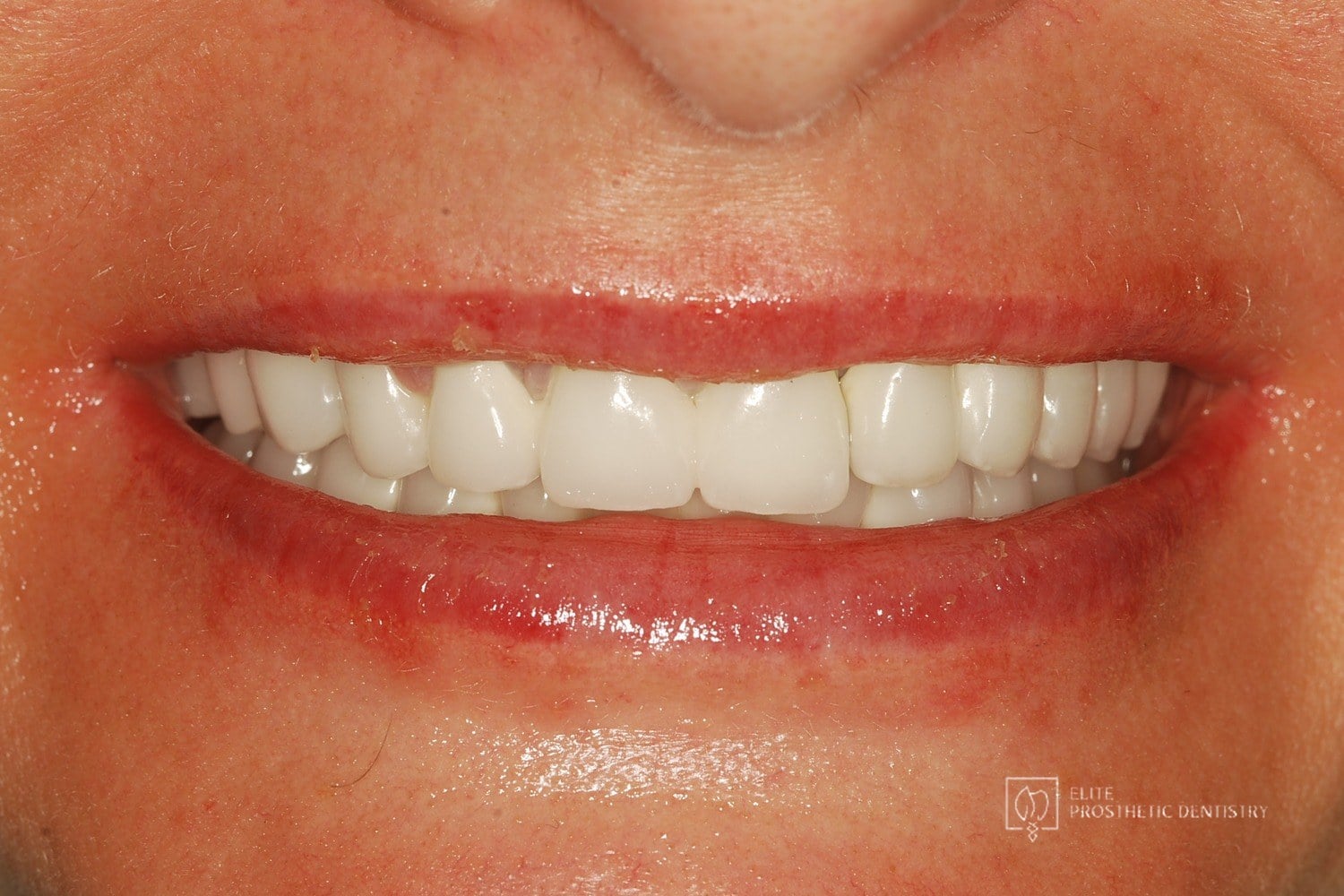 After
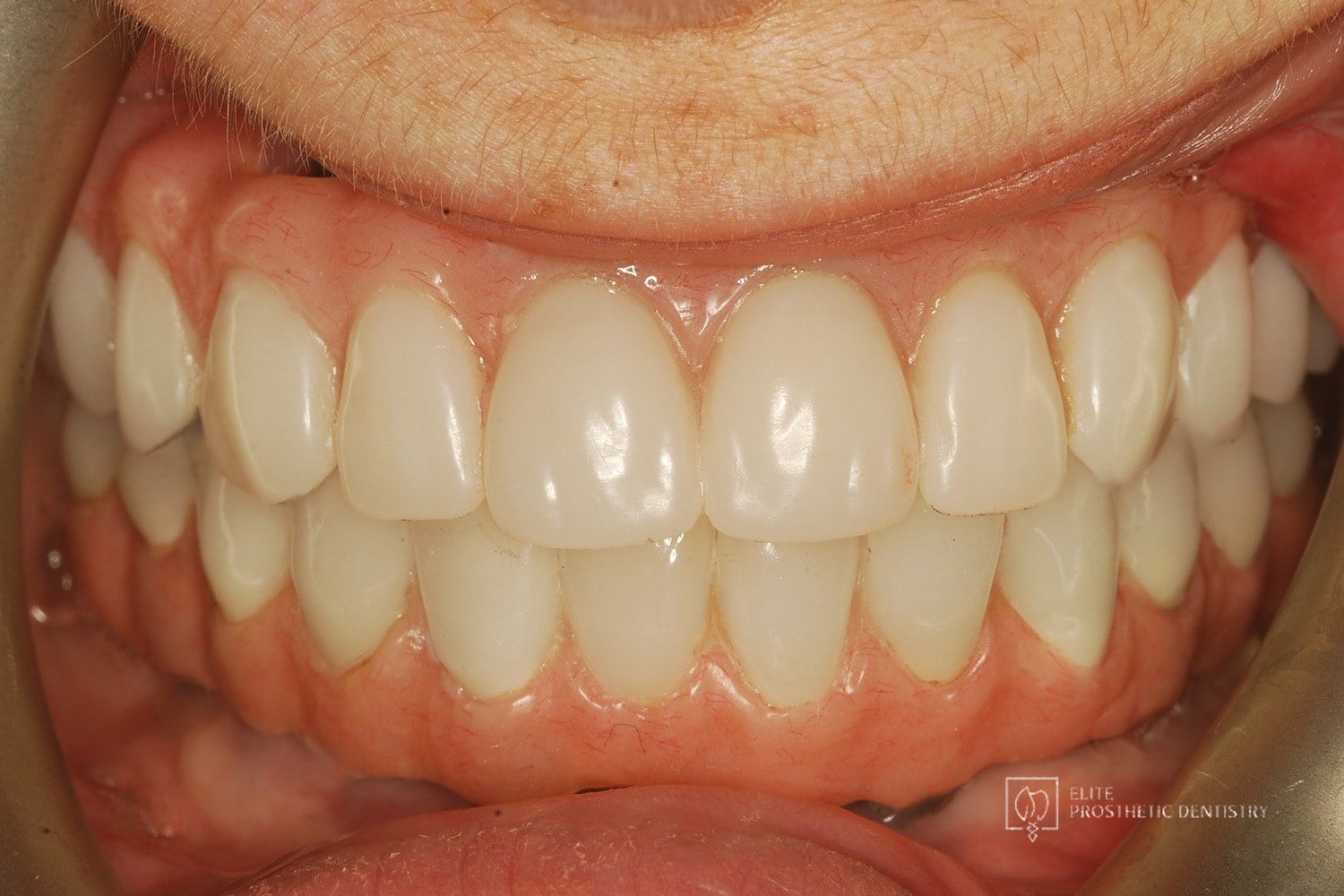
After How Aging, Failing Dentistry Was Replaced with a Coordinated Full-Mouth Implant and Crown Reconstruction
The patient presented with throbbing upper-molar pain, long-standing infections, multiple root canals and unfinished prior treatment, generalized sensitivity, and several hopeless teeth.
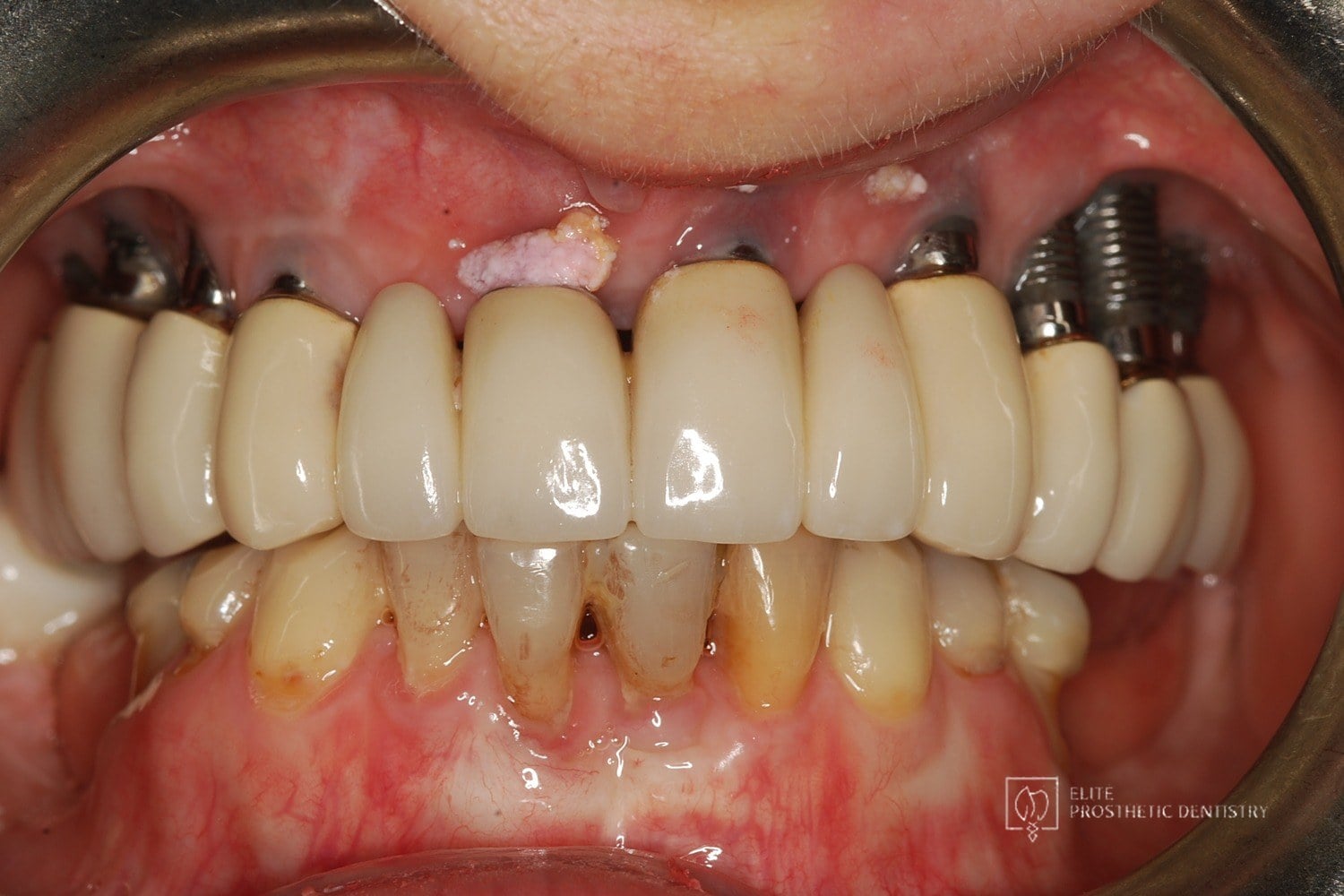 Before
  After
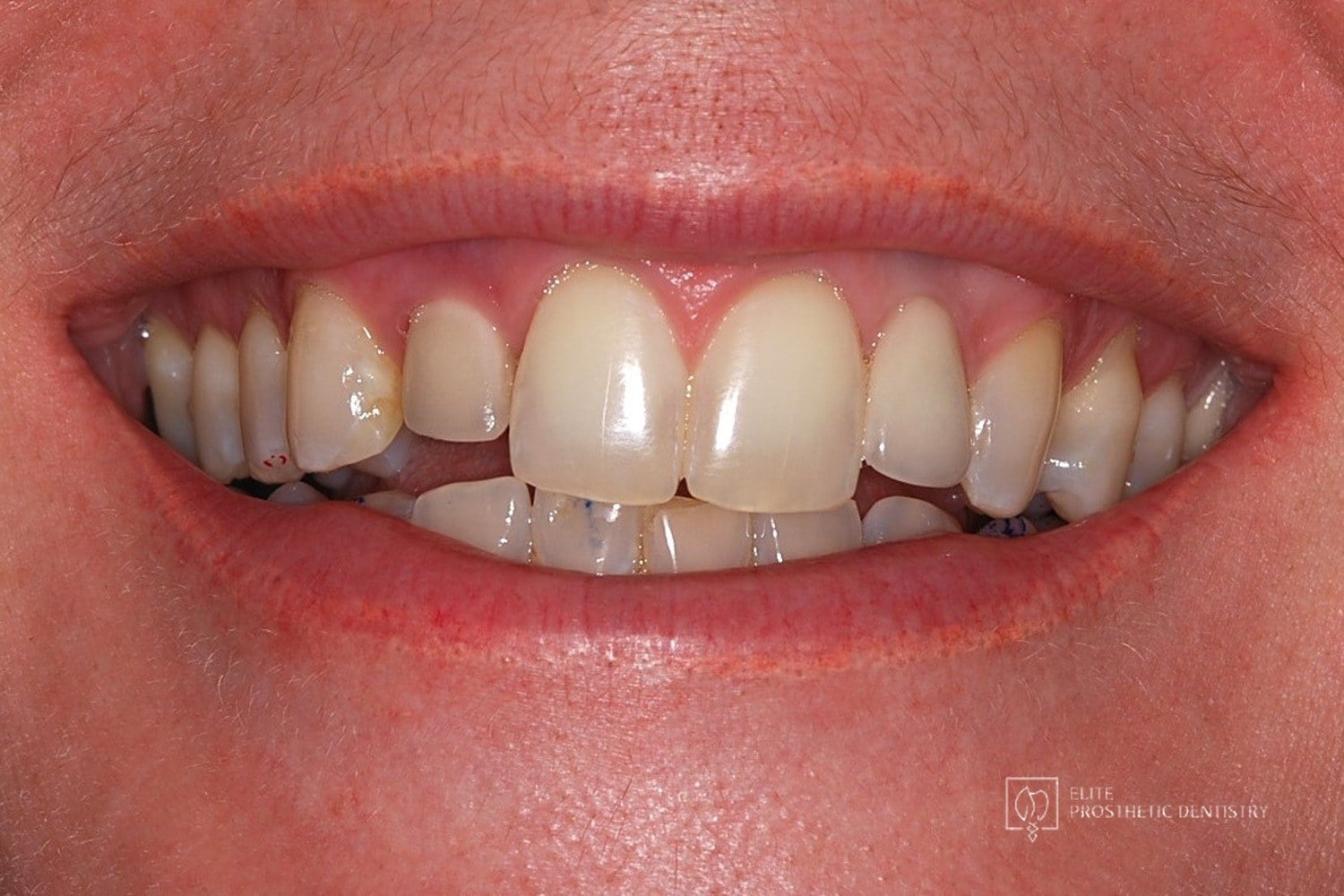
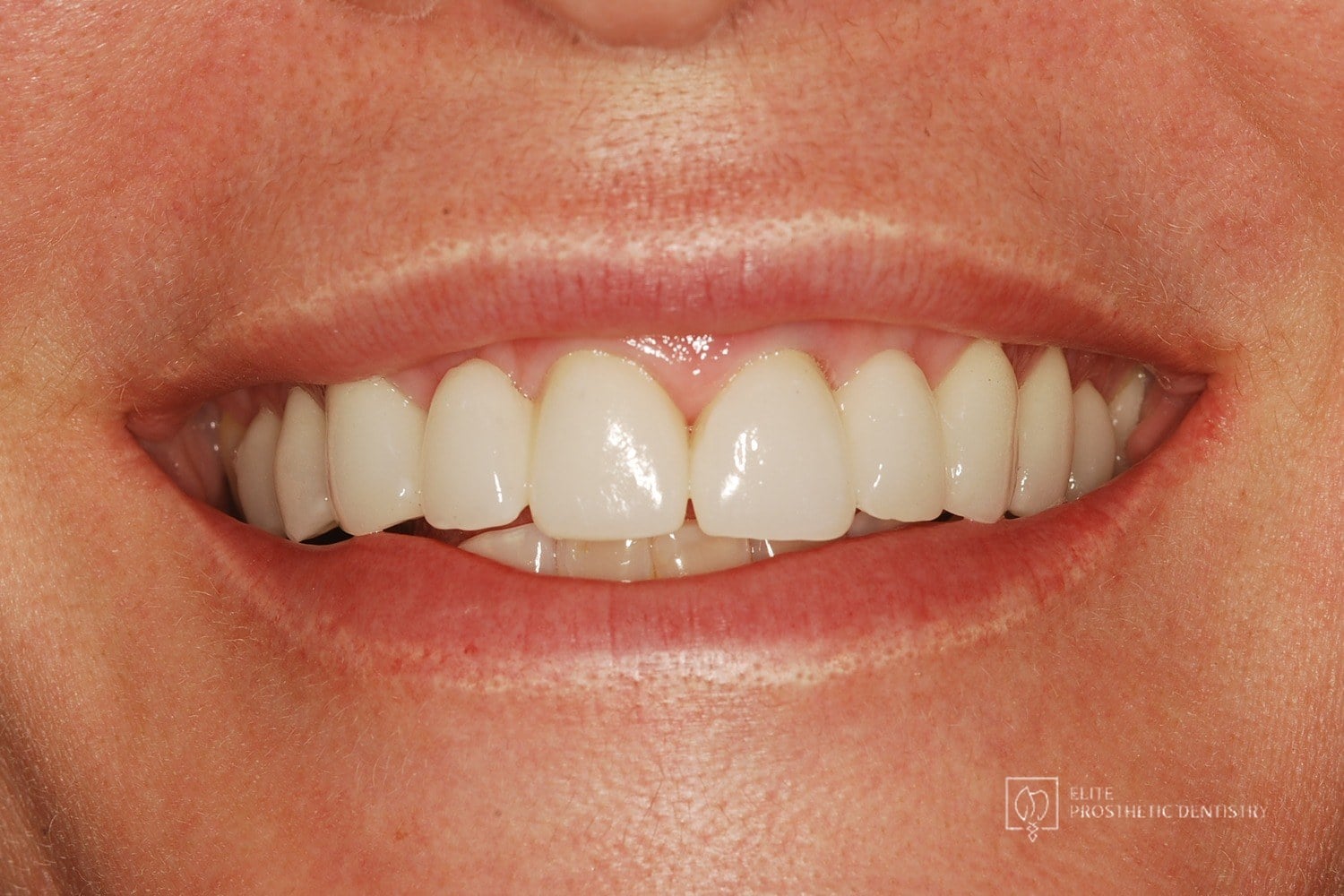
After How Failing Implants and Severe Bone Loss Were Rebuilt Into a Stable Full-Arch Implant Reconstruction
The patient presented with significant complications from previously placed implants, severe bone loss, failing posterior implants, and an unesthetic full-arch bridge. Both arches required full reconstruction, with the upper arch showing the most advanced bone loss and instability.
 Before
  After
After How Failing Lateral Incisor Implants Were Replaced with Custom Zirconia Bridges After Severe Bone Loss Made Replacement Implants Impossible
Comprehensive examination including CBCT imaging revealed significant bone loss surrounding implants that were placed outside the buccal plate, most likely due to placement without a CBCT-generated surgical guide. The implants were determined non-salvageable, and the alveolar ridge was too narrow to support replacement implants without extensive reconstruction.