
Dentures in Kensington, MD
Custom dentures in Kensington by Dr. Marlin. Comprehensive answers to denture questions about fit, care, adjustment, eating, and lifespan.
Denture patients benefit from understanding comprehensive answers to common questions. Kensington patients frequently ask about denture care, eating abilities, adjustment timelines, and lifespan. Dr. Marlin addresses these questions directly, providing realistic expectations and practical guidance.
Dentures represent time-honored tooth replacement solutions enabling functional restoration following tooth loss. Modern denture design and materials have improved significantly, creating restorations appearing natural and functioning comfortably for most patients.
What You Need to Know About Adjustment
Most Kensington patients adjust to dentures within 2 to 4 weeks. During this period, eating and speaking require conscious attention. Your mouth learns proper tongue positioning around your denture.
Initially, avoid very hard foods. Stick to soft foods and gradually progress to harder textures. Most patients develop proper eating technique within weeks, enabling normal diet enjoyment.
Understanding Denture Retention and Fit
Denture retention depends on proper fit and development of suction between the denture base and your gum tissues. Well-fitted dentures provide excellent retention without adhesive. However, some patients prefer denture adhesive providing additional security, particularly during eating or speaking.
Your denture should feel secure without excessive pressure areas. Minor pressure spots respond to quick adjustments. Report any discomfort immediately so adjustments can prevent tissue damage.
Daily Care Requirements
Denture care is straightforward. Remove your dentures after meals and at night. Brush them with a soft brush and denture-specific cleaner. Never use regular toothpaste, which is too abrasive.
Soak your dentures overnight in denture cleaning solution. This keeps them moist and prevents warping. Clean your gum tissues and remaining natural teeth daily. Remove dentures for several hours daily to allow tissues to rest.
Eating Technique and Adaptation
Eating with dentures requires learning proper technique. Chew slowly, distributing bite pressure evenly on both sides of your mouth. This prevents denture movement and promotes stability.
Cut foods into small pieces. Avoid very hard foods like nuts or hard candy that might break dentures. Avoid extremely sticky foods like caramel that might dislodge dentures. Most Kensington patients adapt within weeks and enjoy normal eating comfortably.
Speaking and Pronunciation
Speaking with dentures feels different initially. Your tongue must learn proper positioning around the denture. Pronunciation may feel slightly unusual at first.
Practice speaking by reading aloud. Most patients regain normal speech within days to weeks as mouth muscles adapt. Your dentures look naturally rendered, and others typically cannot tell you’re wearing removable restorations.
How Long Dentures Typically Last
Well-made custom dentures typically function 5 to 8 years before significant wear necessitates replacement. Some dentures last longer with minimal changes. Bone resorption gradually changes denture fit, requiring periodic adjustments and eventually complete replacement.
Proper care extends denture lifespan. Regular professional adjustments and maintenance keep dentures in optimal condition. Dr. Marlin recommends periodic check-up appointments monitoring your denture fit and bone changes.
Bone Resorption: Understanding Long-Term Changes
Following tooth loss, your jawbone naturally resorbs as it’s no longer stimulated by tooth roots. This resorption gradually changes denture fit. Your denture may loosen over time, requiring adjustments or relines.
Relines add material to your denture base, compensating for bone changes. Relines can usually be done in-office without extensive disruption to your schedule.
Implant-supported dentures prevent significant bone loss by maintaining bone stimulation through implants, enabling longer denture lifespan without replacement.
Denture Adjustments During Adaptation
New dentures require several adjustments during the first weeks. Pressure areas develop where dentures contact tissues. These respond well to minor adjustments that relieve discomfort and prevent tissue damage.
Dr. Marlin makes these adjustments promptly. Don’t avoid your dentures due to minor discomfort. Adjustments enable successful adaptation and prevent problems.
Managing Common Denture Challenges
Some patients experience challenges with retention, particularly for lower complete dentures where retention is more challenging. Dr. Marlin discusses solutions including denture adhesive or implant-supported alternatives if conventional dentures prove unsatisfactory.
Some patients experience sore spots. These respond well to adjustments. Some patients experience initial speech difficulty. These concerns typically resolve quickly with practice.
Proper Denture Storage
Store your dentures in water or denture solution overnight. Never store them dry, as they will warp. Keep them in a safe place away from children and pets. Use a denture cup with a label identifying them as yours.
Never put dentures in extremely hot water, which warps acrylic material. Use room-temperature water or denture solution for soaking and cleaning.
The Role of Your Remaining Teeth
If you have remaining natural teeth, their health affects your overall dental success. Brush remaining teeth daily with regular toothpaste. Floss between remaining teeth. Visit your dentist regularly for cleanings and evaluations.
Preserve your remaining teeth through excellent care. Remaining teeth can support implants if you eventually transition from dentures to implant-supported restorations.
Lifestyle Considerations
Dentures are completely removable, enabling you to take them out for situations where you prefer not to wear them. Some patients remove dentures for certain social situations. This flexibility appeals to many patients.
Dentures are removable for daily cleaning and nighttime storage. This removable nature represents an advantage for patients preferring non-surgical tooth replacement.
Why Quality Matters
Custom dentures fabricated by Dr. Marlin differ fundamentally from mass-produced options. His specialty-trained prosthodontic expertise and on-site laboratory provide rigorous quality control. His personal design and supervision focus on attention to detail in the pursuit of excellent fit, comfort, and appearance.
Getting Here from Kensington
From Kensington, drive south on Connecticut Avenue NW toward Chevy Chase and Friendship Heights. Our office is at 4400 Jenifer Street NW, Suite 220, Washington, DC 20015, approximately 15 minutes away. Red Line Metro access provides public transit alternative.
Schedule Your Denture Consultation
If you have questions about dentures, want to explore options, or are ready to begin treatment, schedule a consultation with Dr. Marlin.
Call (202) 244-2101 or visit our office to discuss your denture questions and treatment options comprehensively.
For related care, see our pages on dental implants and Dentures in Chevy Chase.
Frequently Asked Questions
What is the difference between full dentures and partial dentures?
Full dentures replace all upper or lower teeth when none remain, resting entirely on gum ridge for support. Partial dentures replace some missing teeth while remaining natural teeth provide mechanical support through clasps. Partial dentures typically function more stably than complete teeth replacements.
How do I know if dentures are the right choice for me?
Dentures are appropriate when you've lost multiple teeth and bone is insufficient for implants, when health conditions contraindicate surgery, when you prefer removable restorations, or when budget constraints limit other options. Dr. Marlin evaluates your situation and recommends the best approach.
What is the most challenging aspect of wearing dentures?
Most patients find the initial adaptation period challenging, though it typically lasts 2 to 4 weeks. Eating and speaking feel different initially. Proper care and consistent wear accelerates adaptation. Dr. Marlin provides guidance and adjustment appointments easing the transition.
Can I eat all the same foods I ate with natural teeth?
Most foods are manageable with well-fitting dentures, though very hard or sticky foods should be avoided to prevent damage or dislodgement. Your biting force with dentures is less than with natural teeth, so some dietary modifications may be necessary. Most Kensington patients adapt and enjoy normal eating within weeks.
Why should I choose Dr. Marlin for my dentures?
Dr. Marlin brings specialty-trained prosthodontic expertise and decades of denture fabrication experience. His on-site laboratory ensures quality control and rapid communication during fabrication. He personally designs every denture, ensuring superior fit, comfort, and natural appearance.
Related Patient Success Stories
Explore similar patient success stories demonstrating our expertise in advanced prosthetic dentistry.
 Before
  After
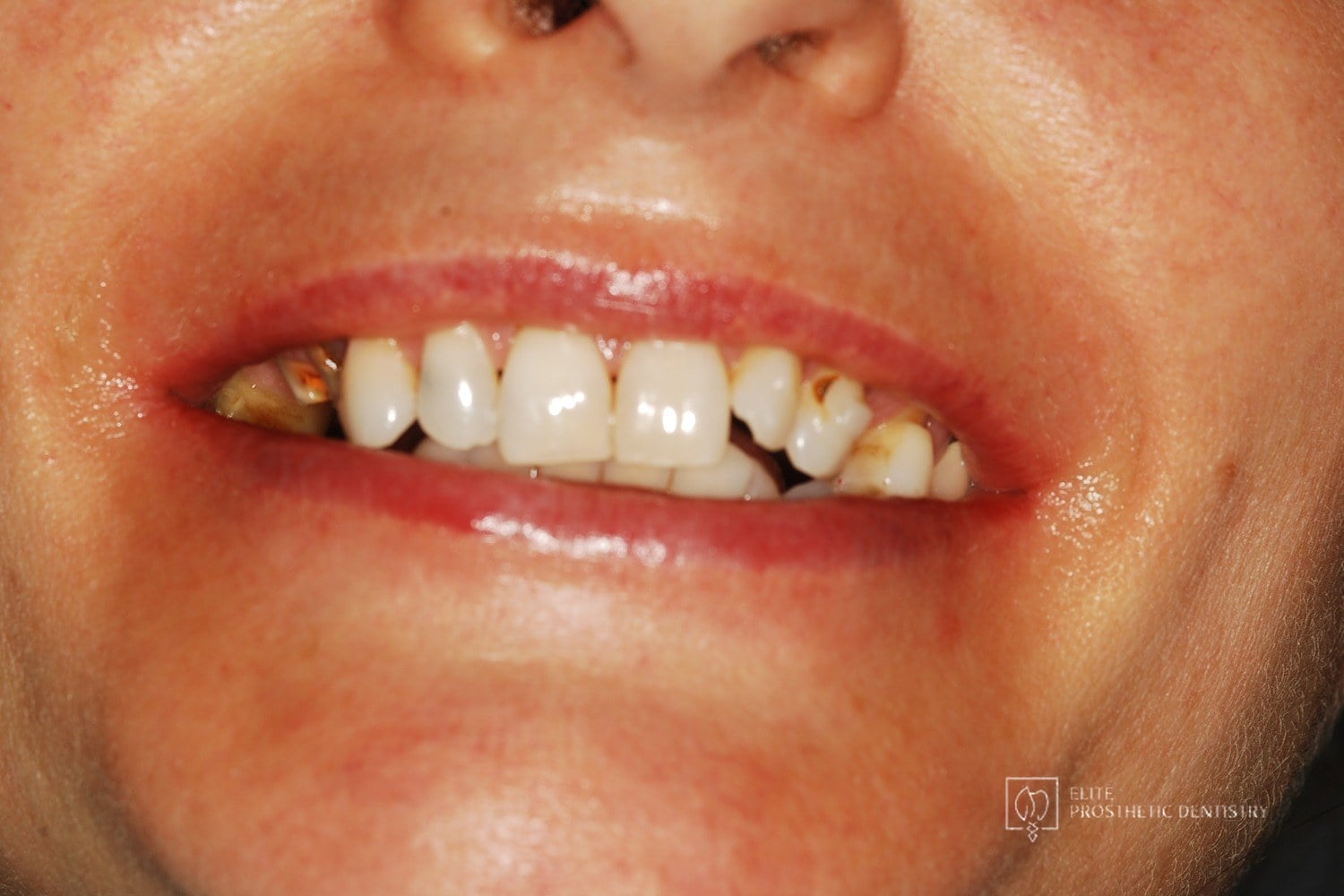
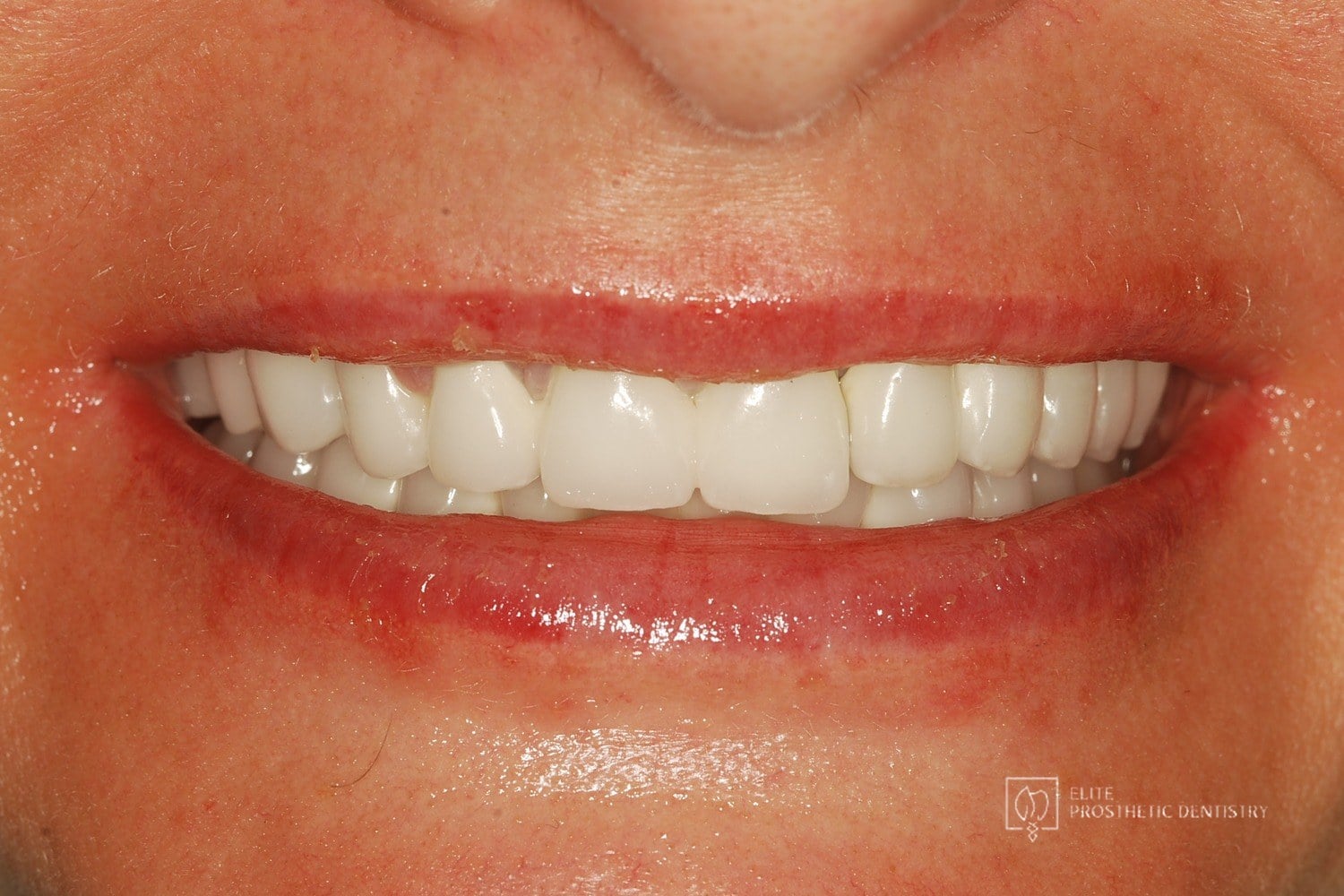
After How Aging, Failing Dentistry Was Replaced with a Coordinated Full-Mouth Implant and Crown Reconstruction
The patient presented with throbbing upper-molar pain, long-standing infections, multiple root canals and unfinished prior treatment, generalized sensitivity, and several hopeless teeth.
 Before
  After
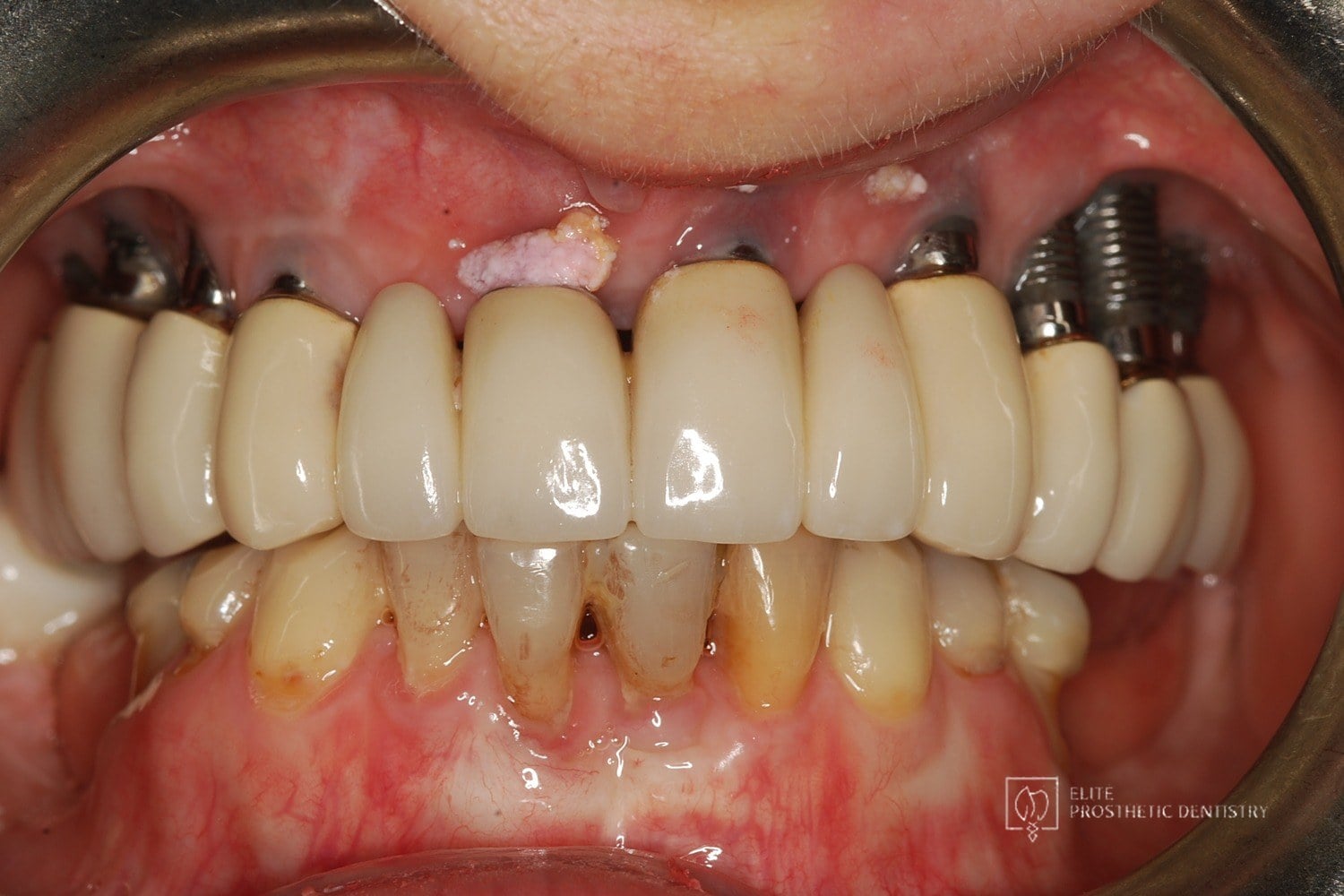
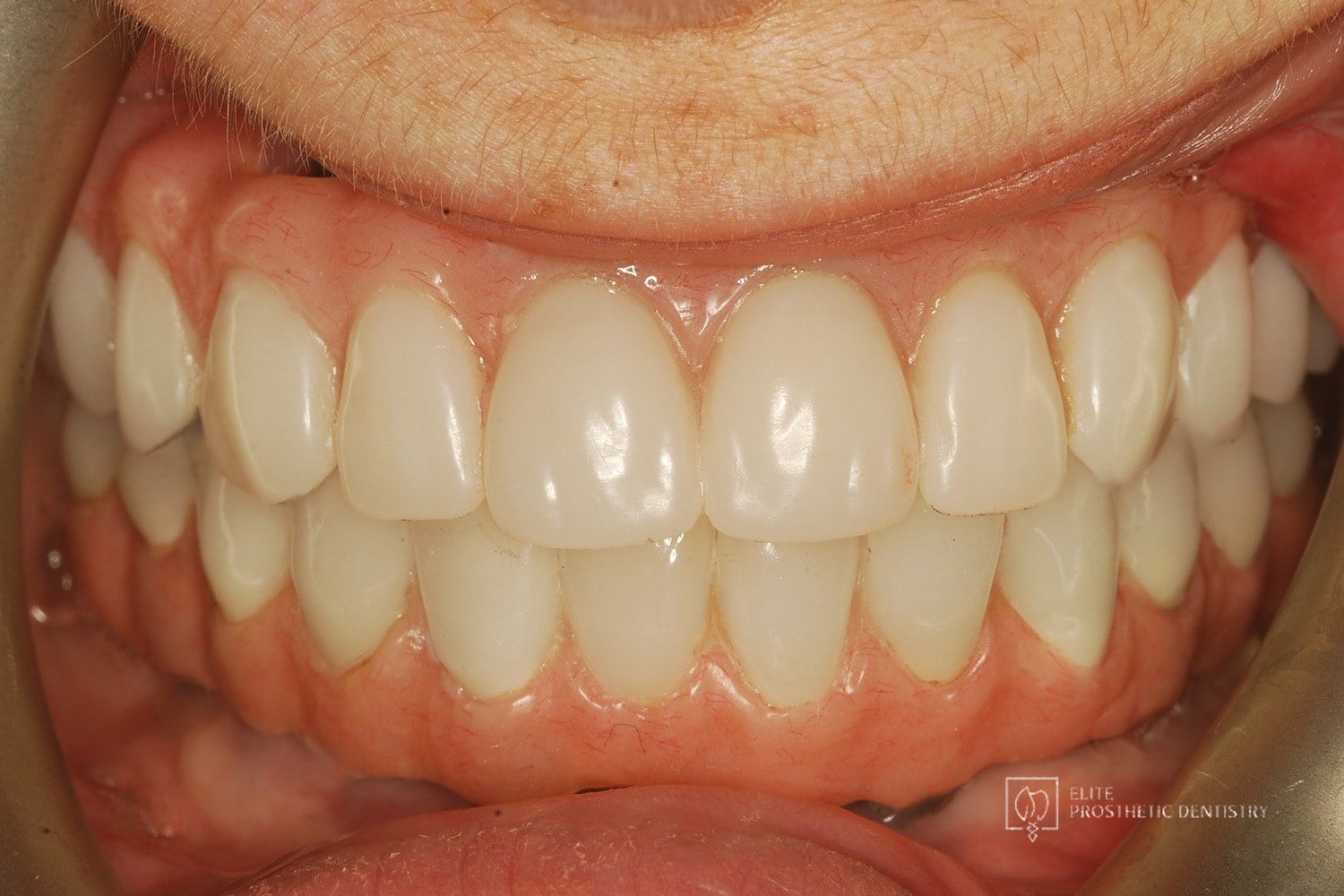
After How Failing Implants and Severe Bone Loss Were Rebuilt Into a Stable Full-Arch Implant Reconstruction
The patient presented with significant complications from previously placed implants, severe bone loss, failing posterior implants, and an unesthetic full-arch bridge. Both arches required full reconstruction, with the upper arch showing the most advanced bone loss and instability.
 Before
  After
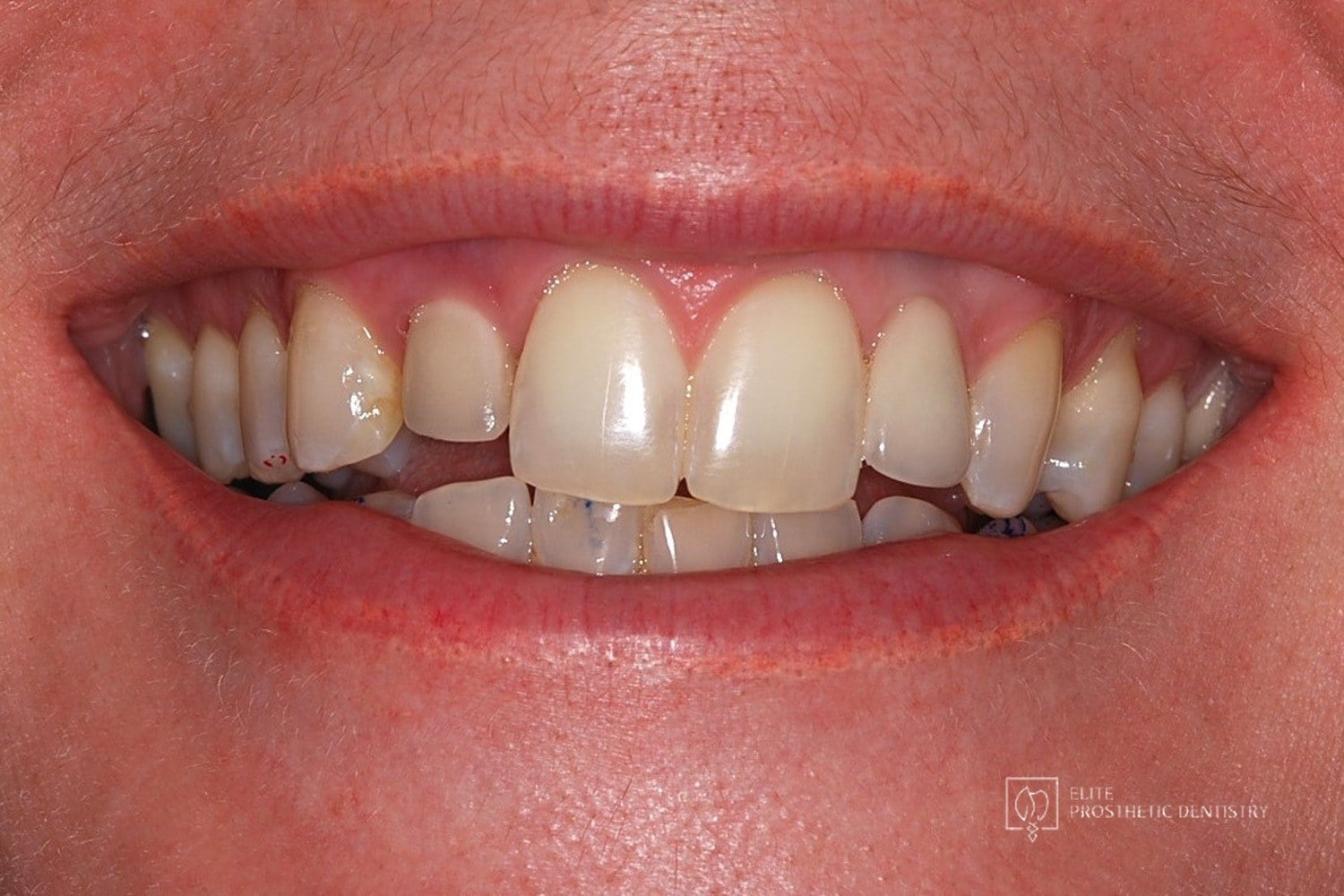
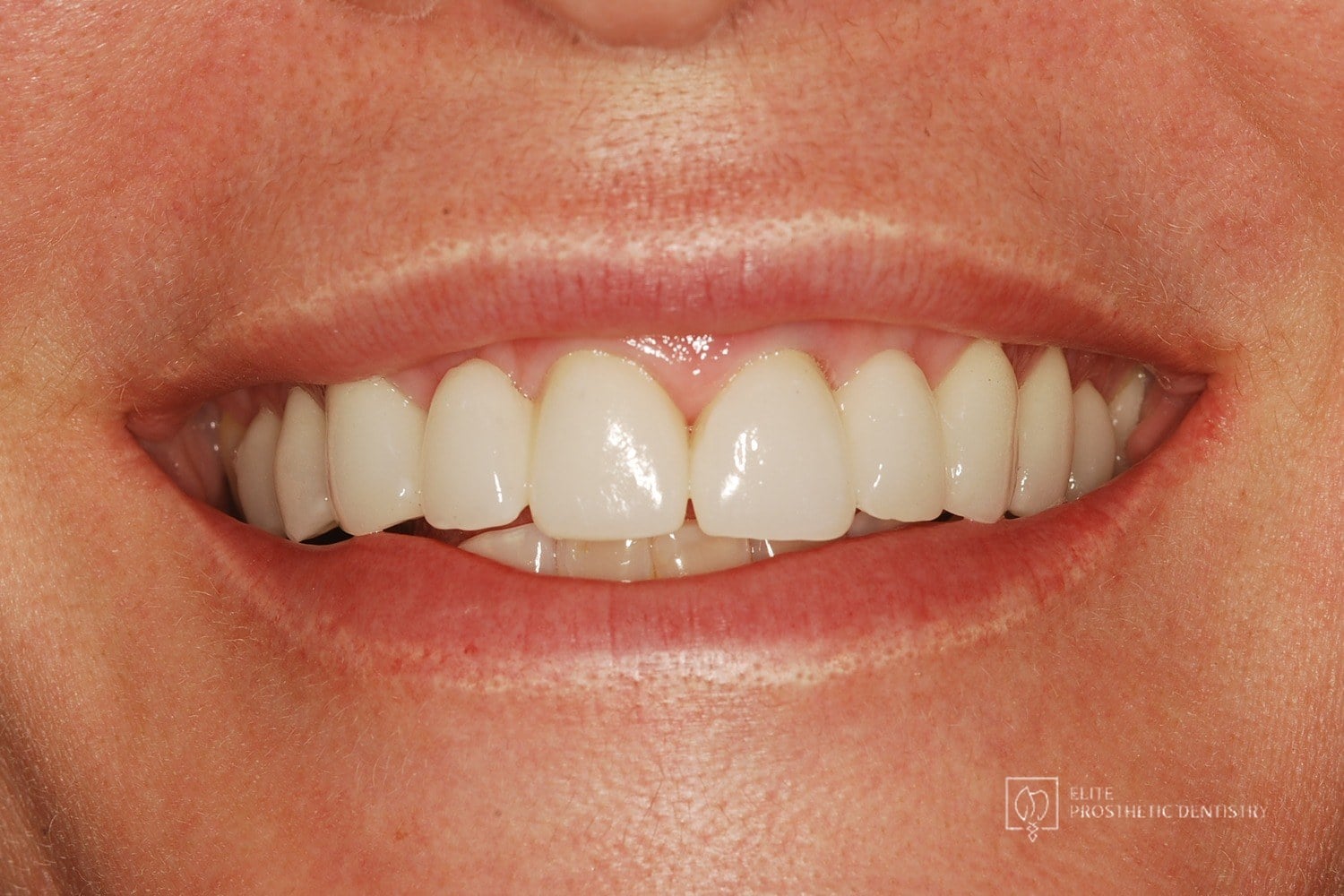
After How Failing Lateral Incisor Implants Were Replaced with Custom Zirconia Bridges After Severe Bone Loss Made Replacement Implants Impossible
Comprehensive examination including CBCT imaging revealed significant bone loss surrounding implants that were placed outside the buccal plate, most likely due to placement without a CBCT-generated surgical guide. The implants were determined non-salvageable, and the alveolar ridge was too narrow to support replacement implants without extensive reconstruction.
 Before
  After
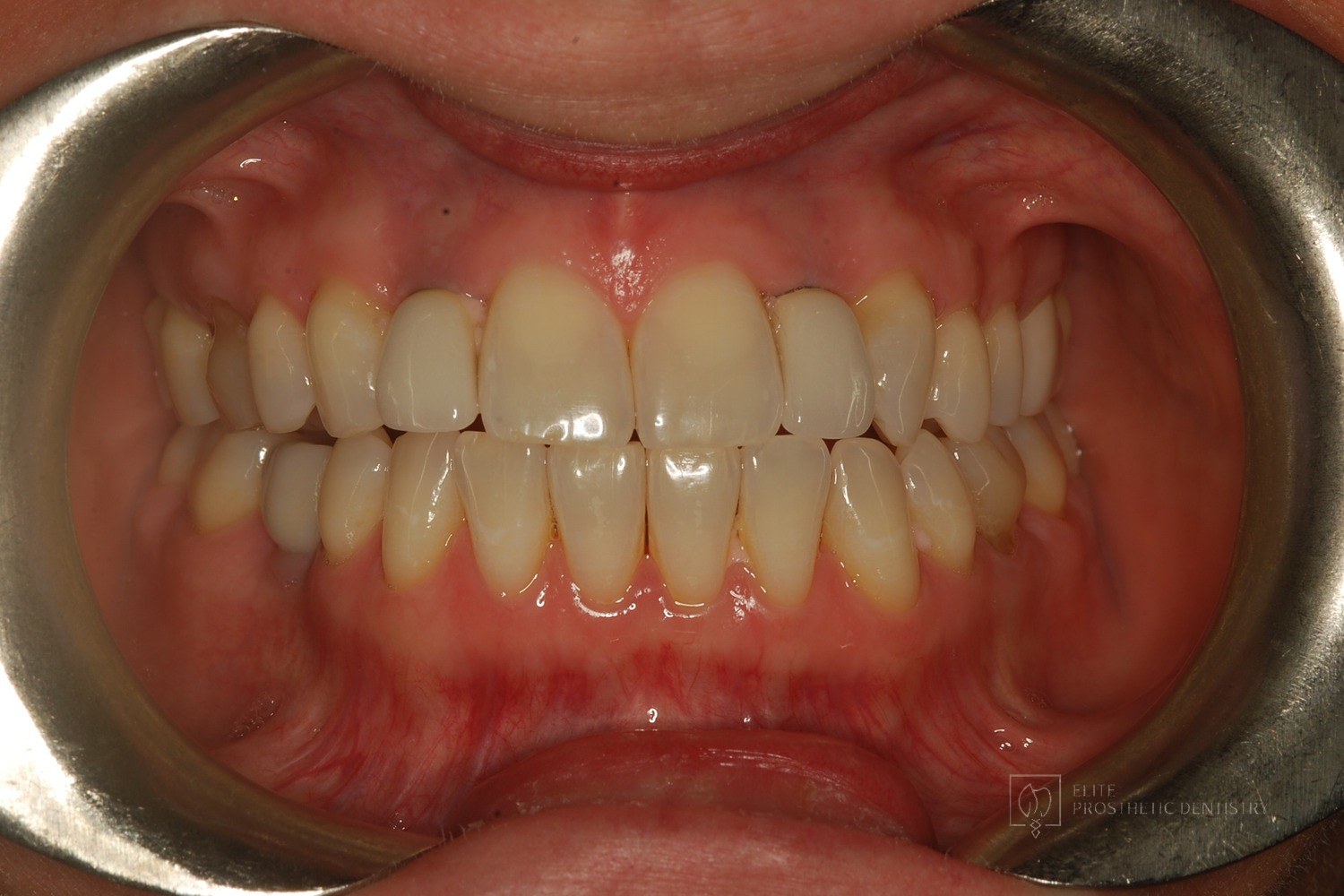
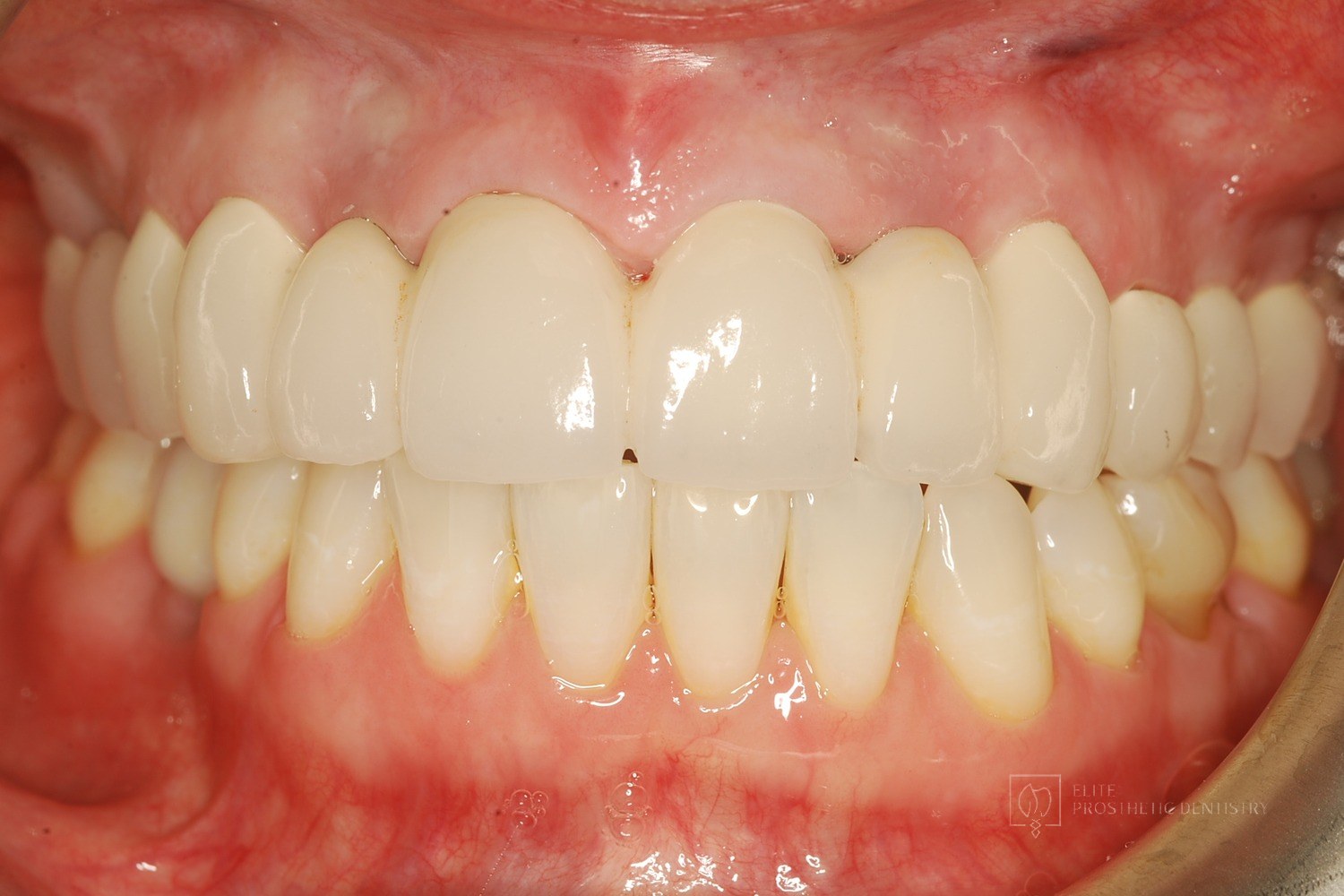
After How Older Implant Crowns Were Redesigned for a Better Bite and More Natural Appearance
The patient came in after years of living with implant-supported crowns placed more than twenty years earlier that no longer looked or functioned well. CBCT evaluation, reviewed with a radiologist colleague, showed the implants had been placed too far to the buccal in very thin bone and could not support a healthy long-term restoration.
 Before
  After
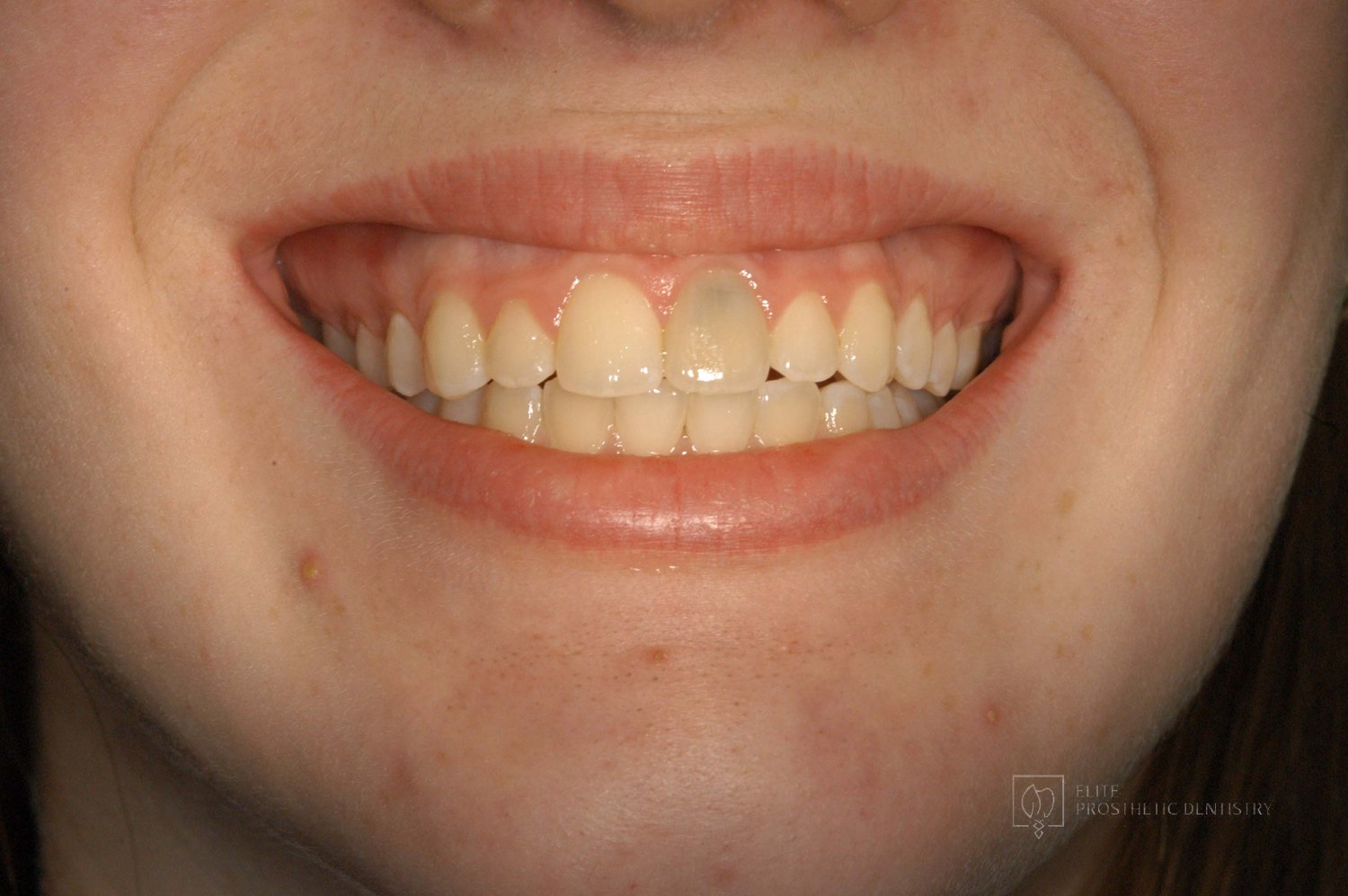
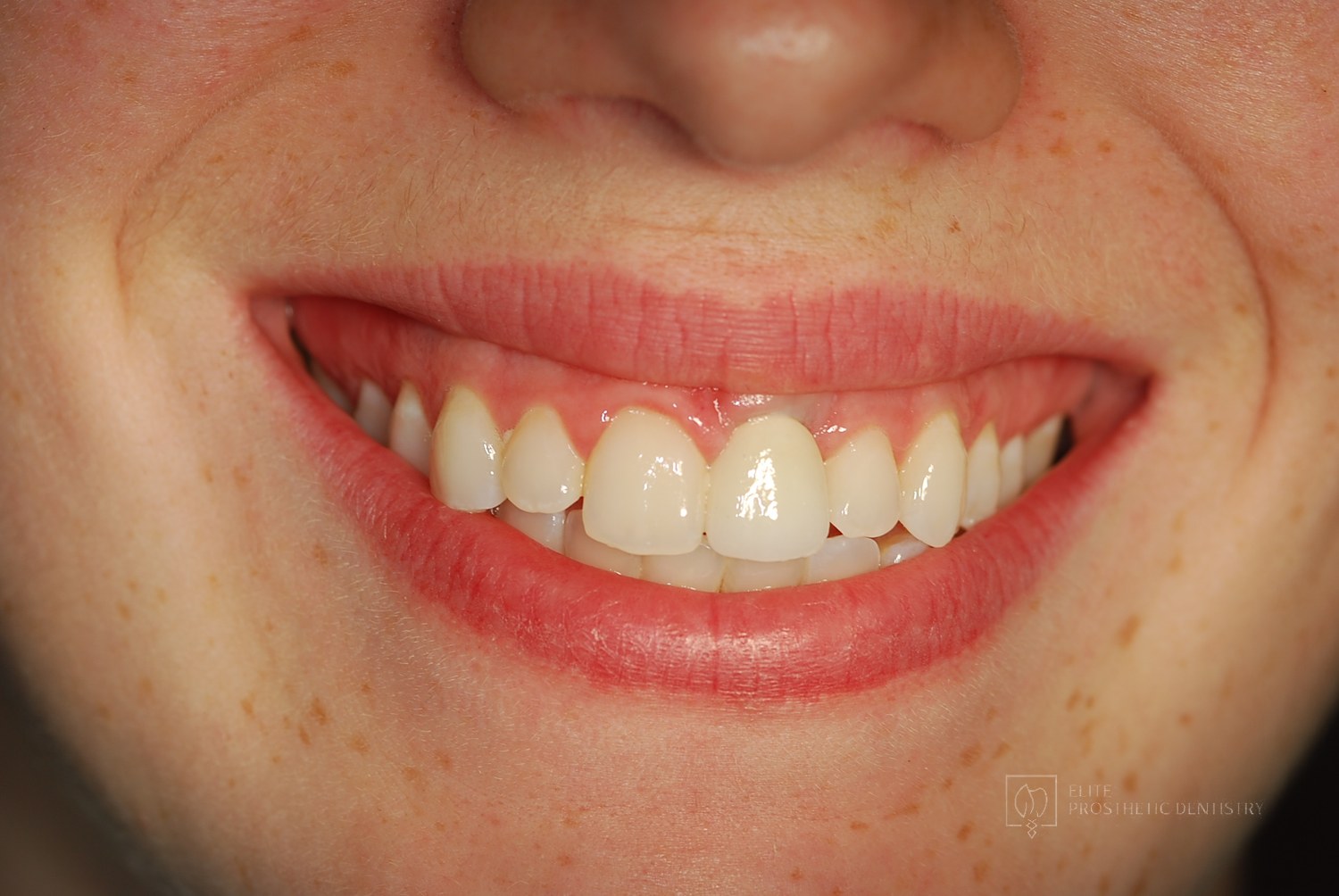
After How a Front Tooth Lost to Childhood Trauma Was Rebuilt with Bone Grafting and a Long-Lasting Implant
A teenager was referred by her father after earlier trauma left her upper left front tooth slowly failing from root resorption. She was still growing, so an immediate implant was the wrong move. The tooth had to be maintained to buy time, then replaced correctly once she reached skeletal maturity.
 Before
  After
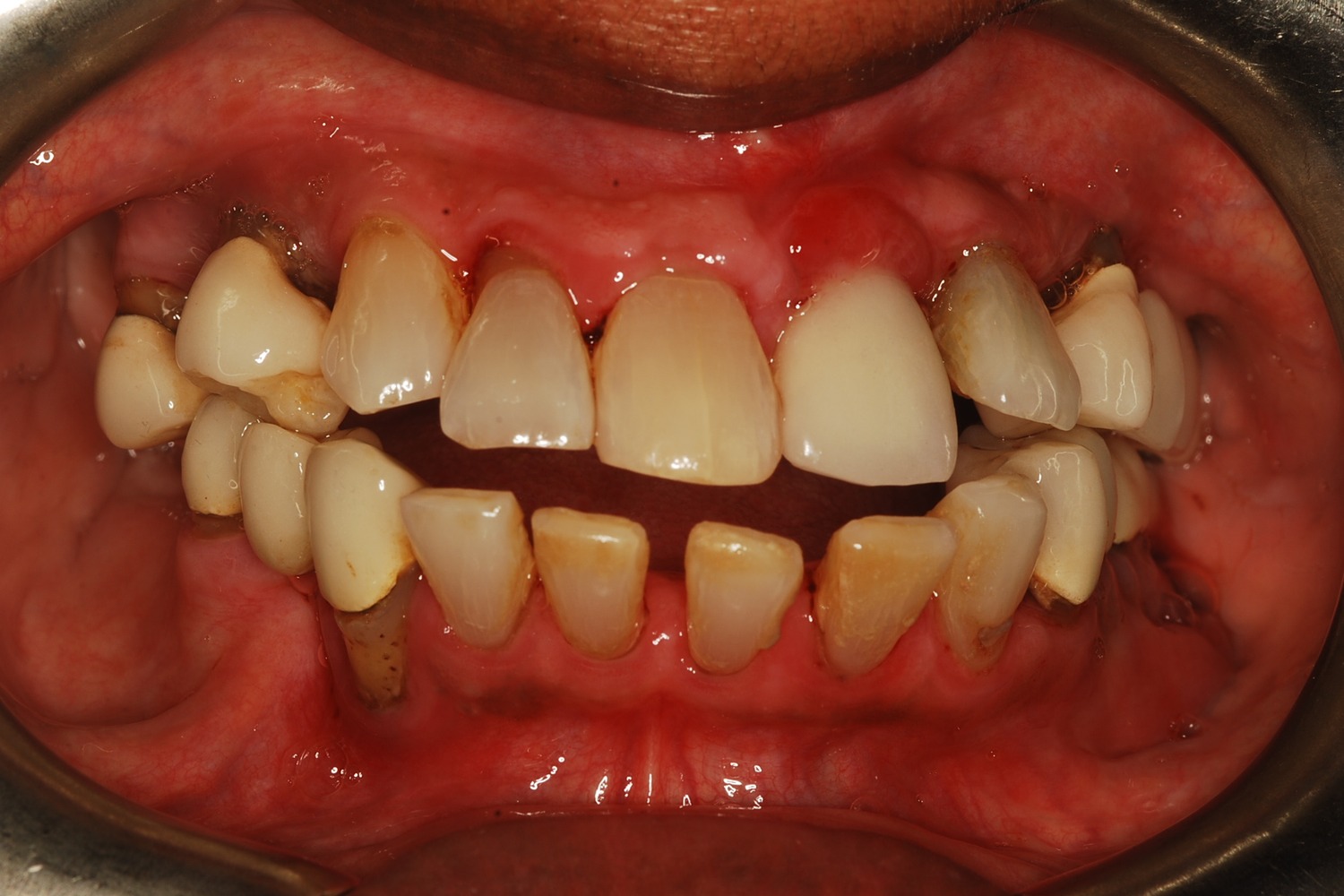
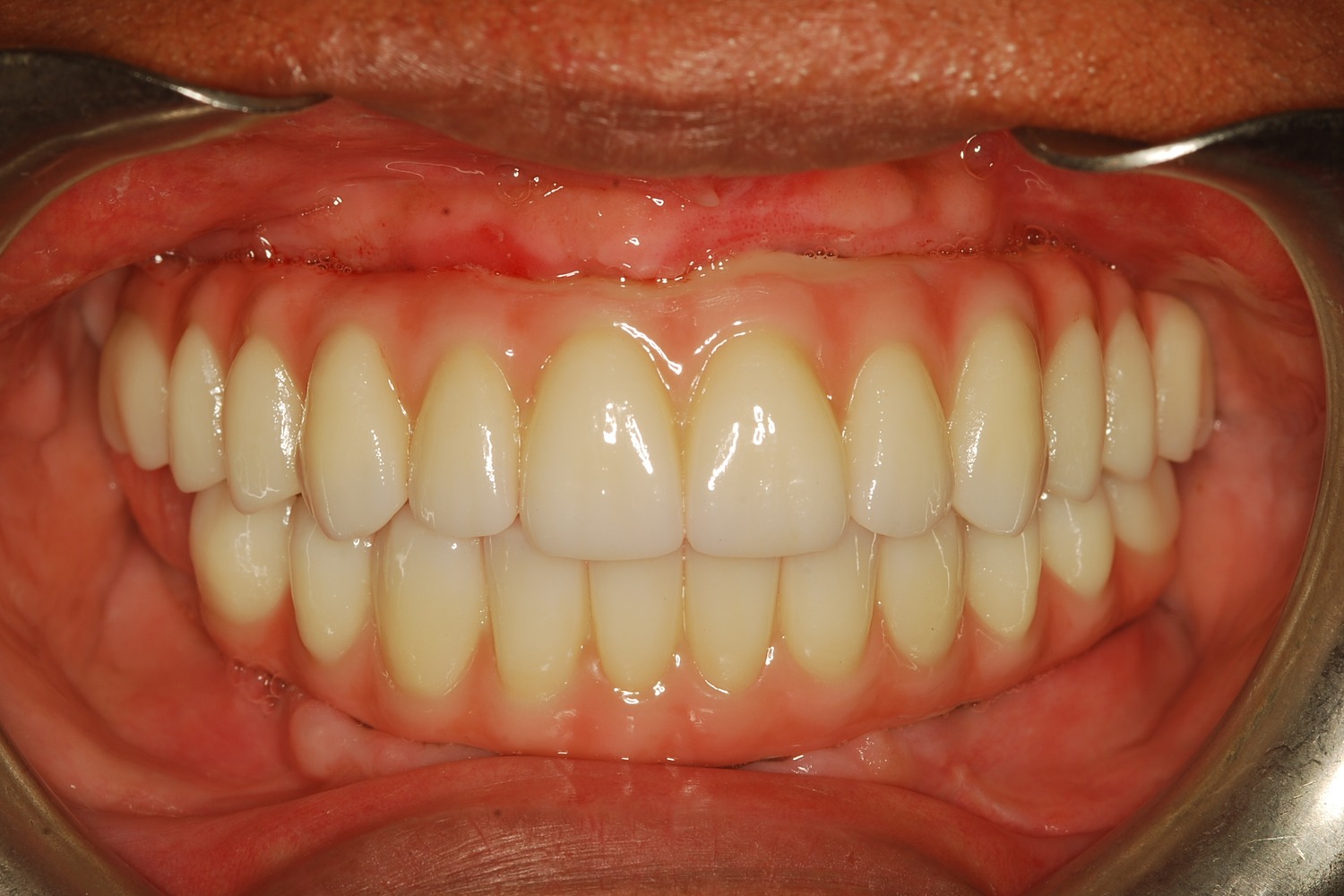
After How Severe Bone Loss and Bite Dysfunction Were Rebuilt with All-on-6 Implants and a Milled Zirconia Hybrid Prosthesis
The patient presented with severe bone loss, advanced periodontal disease, malocclusion, and a dysfunctional bite that required full-arch rebuilding.
Related Articles
Deepen your knowledge with additional insights on this topic.
Our Services in Kensington
Beyond Dentures, Kensington patients rely on Dr. Marlin for a full range of advanced dental care.
Getting Here from Kensington
Elite Prosthetic Dentistry is conveniently located near Kensington, MD.
Drive south on Connecticut Avenue NW through Chevy Chase to our Friendship Heights office near the DC-Maryland border.
Address:
4400 Jenifer Street NW, Suite 220
Washington, DC 20015
Phone: (202) 244-2101
Request a ConsultationRequest a Specialist Consultation from Kensington
Kensington residents come to Dr. Marlin for specialist prosthodontic care. With 3,900+ implants placed over 40+ years, evaluation, planning, and execution are handled with the depth complex cases require.