
Sedation Dentistry Safety and Recovery in Great Falls
Is sedation dentistry safe? FAQ about monitoring, fasting, recovery, and transportation for Great Falls patients. Dr. Marlin explains every step.
Your Questions About Sedation Dentistry Answered
You’ve decided sedation dentistry is right for you. Now you have questions: Is it truly safe? What happens before, during, and after? When can you drive? What if you feel nauseous? This page addresses the most common patient questions about the sedation dentistry experience, safety protocols, and recovery expectations.
Is Sedation Dentistry Safe?
Yes. Sedation dentistry is safe when administered by trained professionals using appropriate protocols. Serious complications are rare, particularly in dental settings where anesthesia providers have specialized training and vital sign monitoring equipment is continuously operational.
Pre-operative screening identifies patients at higher risk due to medical conditions like heart disease, sleep apnea, or respiratory disorders. For these patients, sedation may still be safe but may require modification or closer monitoring. Patients with pregnancy, uncontrolled diabetes, severe liver disease, or other major conditions may not be suitable candidates for sedation, and Dr. Marlin will discuss alternatives.
During your procedure, multiple monitors track your safety. Your heart rhythm is displayed on an ECG monitor. Your oxygen saturation is monitored with a pulse oximeter on your finger. Your respiratory function is measured with capnography. Blood pressure is checked periodically. This continuous oversight allows immediate response to any change, making serious complications extremely unlikely.
How Closely Will My Vital Signs Be Monitored?
Vital sign monitoring is continuous throughout your appointment. Your heart rhythm appears on an ECG screen, allowing the team to detect any irregularities immediately. Oxygen saturation, displayed on the pulse oximeter, is observed at all times. Respiratory function is measured continuously with capnography, which alerts the team if you’re breathing shallowly. Blood pressure is assessed every 5 to 15 minutes depending on the procedure type.
If any value falls outside safe parameters, the anesthesia team responds immediately. For example, if oxygen saturation drops, supplemental oxygen is increased. If blood pressure rises, medications or sedation depth may be adjusted. If heart rhythm becomes irregular, the team alerts Dr. Marlin and makes real-time decisions about continuing versus pausing the procedure.
This level of monitoring is why sedation dentistry is safe in a clinical setting with trained anesthesia professionals.
What Are Pre-Operative Instructions, and Why Are They Important?
Pre-operative instructions are specific guidelines you follow before your appointment to ensure your safety and the sedation’s effectiveness. These instructions are provided 1 week before your appointment and reviewed again when you arrive.
Fasting is the primary instruction. You must not eat or drink anything for 6 to 8 hours before your appointment. This prevents material in your stomach from entering your airway during sedation, a condition called aspiration. Fasting is non-negotiable for oral or IV sedation. For a 9 AM appointment, this typically means no food or drink after midnight.
Medication instructions specify which medications to take normally and which to adjust. Most medications can be taken with a sip of water on the morning of your appointment. Blood thinners may require modification per your prescribing physician. Bring a complete list of all medications to your pre-operative consultation.
Avoid alcohol, sleeping pills, and recreational drugs for at least 24 hours before your appointment. These substances interact with sedation medications, potentially increasing risk.
Arrange transportation before your appointment. Confirm your responsible adult’s availability and plan their arrival time. Do not assume they’ll be available last-minute.
Why Must Someone Drive Me Home?
Sedation medications impair your judgment, reaction time, and motor coordination. Even if you feel “mostly awake” when leaving, your cognitive abilities remain compromised for 4 to 6 hours post-appointment. Reaction time may be slow enough to impair driving safety.
Additionally, you may become drowsy without warning, especially if you rest at home. Driving drowsy is unsafe. A responsible adult provides both active transportation and supervision during your immediate post-operative recovery.
“Responsible adult” means someone old enough to make sound decisions, not a young adult or teenager. This person remains with you for the first 1 to 2 hours at home, when you’re most drowsy and uncoordinated. They ensure you don’t fall, attempt to drive, or make decisions that could be regretted.
Can I Eat or Drink After I Get Home?
Recovery instructions specify eating and drinking guidelines. Immediately after your appointment, avoid food and drink for 1 to 2 hours. Your mouth may still feel slightly numb from local anesthesia, and you might accidentally bite your cheek or tongue if you eat.
After 1 to 2 hours, soft foods and cool beverages are appropriate. Many patients nap for several hours upon arriving home, so eating may not be priority. Listen to your body. If you’re hungry, start with soup, pudding, ice cream, or smoothies rather than hard or hot foods.
Avoid alcohol for at least 24 hours after your appointment. Alcohol combined with residual sedation medication can cause unexpected drowsiness or impaired judgment.
What If I Experience Nausea During Recovery?
Nausea occasionally occurs after sedation but is generally manageable. You may receive anti-nausea medication before your appointment if you have a history of nausea after anesthesia. During recovery at the office, if you feel nauseous, staff provide a cool compress, encourage slow breathing, and ensure you’re lying in a supported position.
Most nausea resolves within a few minutes. If it persists, we may give additional anti-nausea medication before you’re discharged. Once home, rest and avoid strong smells or foods that trigger you. Ginger tea or ginger candies help some patients. If vomiting occurs once you’re home, contact our office.
When Can I Resume Strenuous Activity?
Avoid vigorous exercise, heavy lifting, or strenuous work for at least 24 hours after your appointment. These activities can increase bleeding from your surgical sites and may exacerbate swelling. Light walking is fine. Normal office work is acceptable by the next day if you feel well.
Most patients return to full normal activity by the following day, though some residual fatigue may linger. Listen to your body and take additional rest if needed.
Can I Return to Work the Day of My Appointment?
No. You should plan to rest for the remainder of the day. If your appointment is in the morning, you can plan to return to light desk work the following day. If your appointment is in the afternoon, you may feel better by evening, but caution is warranted. Your judgment and coordination are impaired, making it unwise to return to detailed work requiring focus or precision.
Most patients take the day off work entirely, rest at home, and return to normal work the following day.
What If Something Feels Wrong During Recovery?
Contact our office immediately if you experience severe pain, excessive bleeding, difficulty breathing, chest pain, severe nausea or vomiting, fainting, or any other concerning symptom during recovery. Our office provides an after-hours phone line for emergencies.
In true emergencies (severe chest pain, difficulty breathing, loss of consciousness), call 911.
Conveniently Located Near Great Falls
Elite Prosthetic Dentistry is located 30 to 40 minutes from Great Falls via Georgetown Pike or I-495. On-site parking is available in our building.
Elite Prosthetic Dentistry
4400 Jenifer Street NW, Suite 220
Washington, DC 20015
(202) 244-2101
[email protected]
For related care, see our pages on implant dentistry specialist DC and Sedation Dentistry in Mclean.
Frequently Asked Questions
What is post-operative swelling and when does it subside?
Some swelling is normal after sedation dentistry, particularly if surgery was involved. Swelling peaks around 48 to 72 hours after your appointment. Ice application during the first 24 hours reduces swelling. Most swelling resolves within 1 to 2 weeks.
Can I take pain medication after my appointment?
Yes. Over-the-counter medications like ibuprofen or acetaminophen are appropriate. Prescription pain medication may be prescribed if extensive surgery was performed. Take medications as directed on the label or prescription.
What if my gag reflex returns after sedation wears off?
Sedation suppresses gag reflex during your appointment. Post-operative gag reflex returns as sedation wears off. This is normal. If your gag reflex is severe, discuss this with Dr. Marlin for future appointments, as modification of sedation or procedural approach may help.
Can I book two sedation appointments back-to-back?
Typically, we space sedation appointments at least several days apart to allow your body to fully recover. However, if your treatment plan requires sequential procedures, this can be discussed with Dr. Marlin.
What if I become anxious thinking about my upcoming sedation appointment?
Contact our office and speak with Dr. Marlin or his team. Anxiety about the appointment is legitimate and can be addressed through conversation, additional pre-operative counseling, or further discussion of the sedation process. We take your concerns seriously.
Schedule Your Consultation
The next step is the diagnostic consultation. From there, your specific case is evaluated and a treatment plan tailored to your situation is developed.
Frequently Asked Questions
How is my safety monitored during sedation?
Vital sign monitoring includes continuous ECG (heart rhythm), pulse oximetry (oxygen saturation), capnography (respiratory measurement), and periodic blood pressure checks. A trained anesthesia professional maintains these monitors throughout your procedure. Dr. Marlin is in constant communication with the anesthesia team regarding your status. Any deviation from safe parameters triggers immediate response.
What should I do if I'm worried about fasting requirements?
Fasting for 6 to 8 hours prevents aspiration risk during sedation. You receive clear written instructions 1 week before your appointment specifying your fasting window. If you're diabetic or have concerns about fasting, contact our office before your appointment to discuss modifications. Most patients fast from midnight for a morning appointment without difficulty.
When can I return to normal activities after sedation?
Recovery takes 4 to 6 hours minimum. You should rest for the remainder of the day your appointment. Most patients resume normal activities the following day. Strenuous exercise, rigorous work, or activities requiring sustained coordination should be avoided for 24 hours. Most patients report feeling normal by the next morning.
What if I don't have a responsible adult available for transportation?
Transportation with a responsible adult is required. You cannot drive for at least 4 to 6 hours after sedation. If a family member or friend isn't available, you may use a transportation service, provided someone is also responsible for your first 1 to 2 hours of recovery at home due to lingering drowsiness and impaired judgment.
Are there any medications I should avoid before my appointment?
Avoid alcohol, sleeping pills, and other CNS depressants for at least 24 hours before your appointment. Some blood pressure medications or cardiac medications may be taken with sips of water on the morning of your appointment per specific instructions. Blood thinners like aspirin or warfarin require discussion with Dr. Marlin beforehand. Provide a complete medication list at your pre-operative consultation.
Related Patient Success Stories
Explore similar patient success stories demonstrating our expertise in advanced prosthetic dentistry.
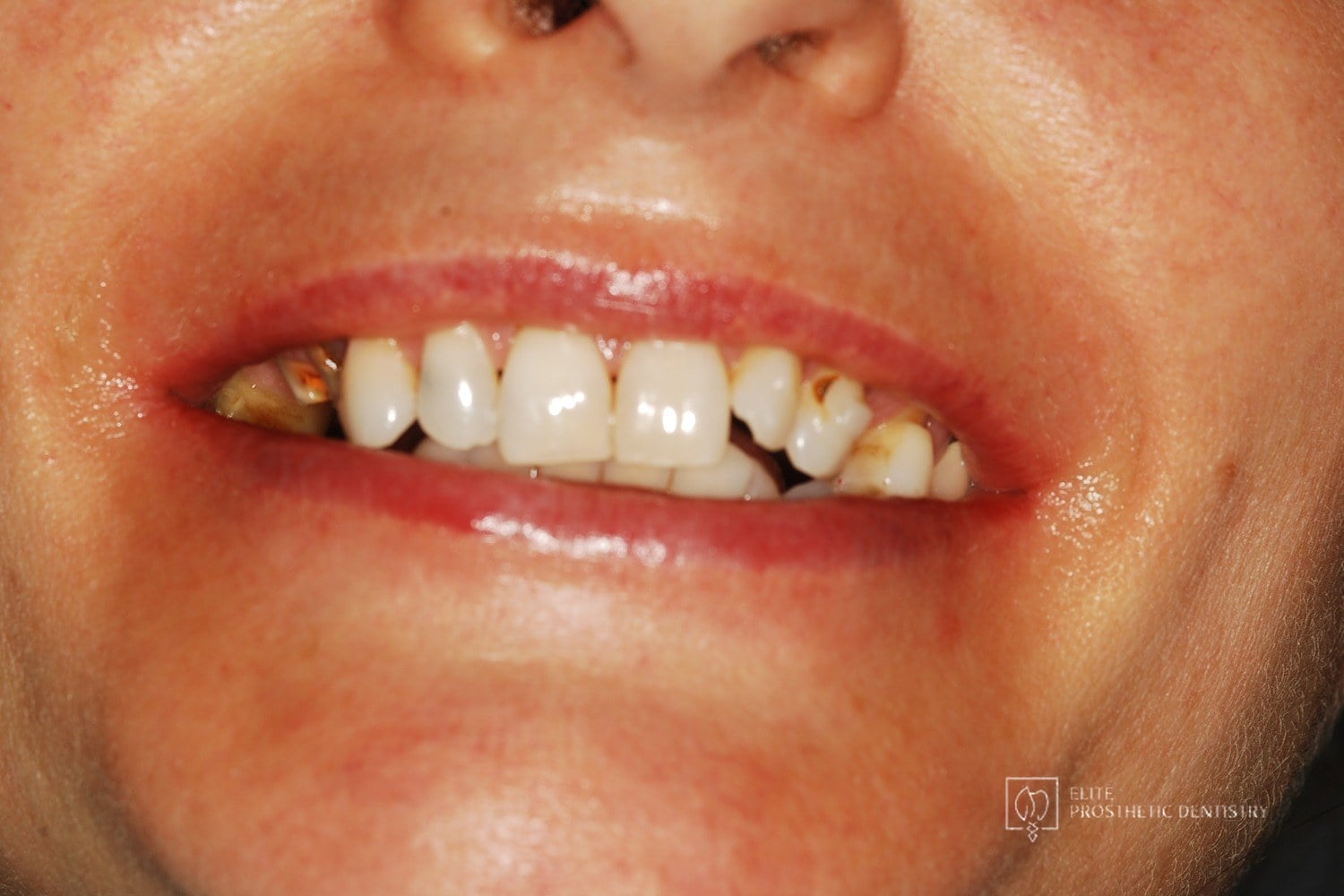 Before
 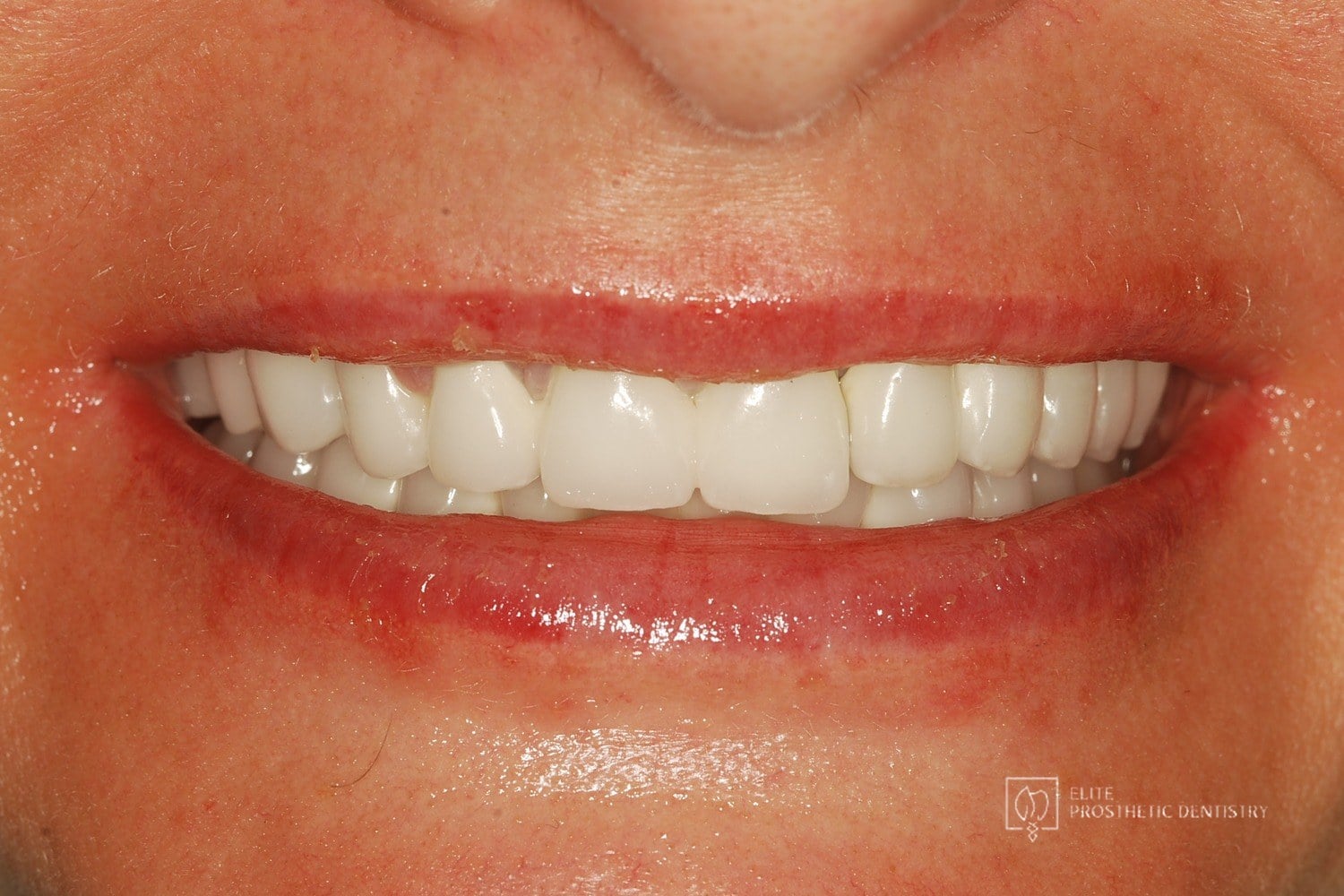 After
After How Aging, Failing Dentistry Was Replaced with a Coordinated Full-Mouth Implant and Crown Reconstruction
The patient presented with throbbing upper-molar pain, long-standing infections, multiple root canals and unfinished prior treatment, generalized sensitivity, and several hopeless teeth.
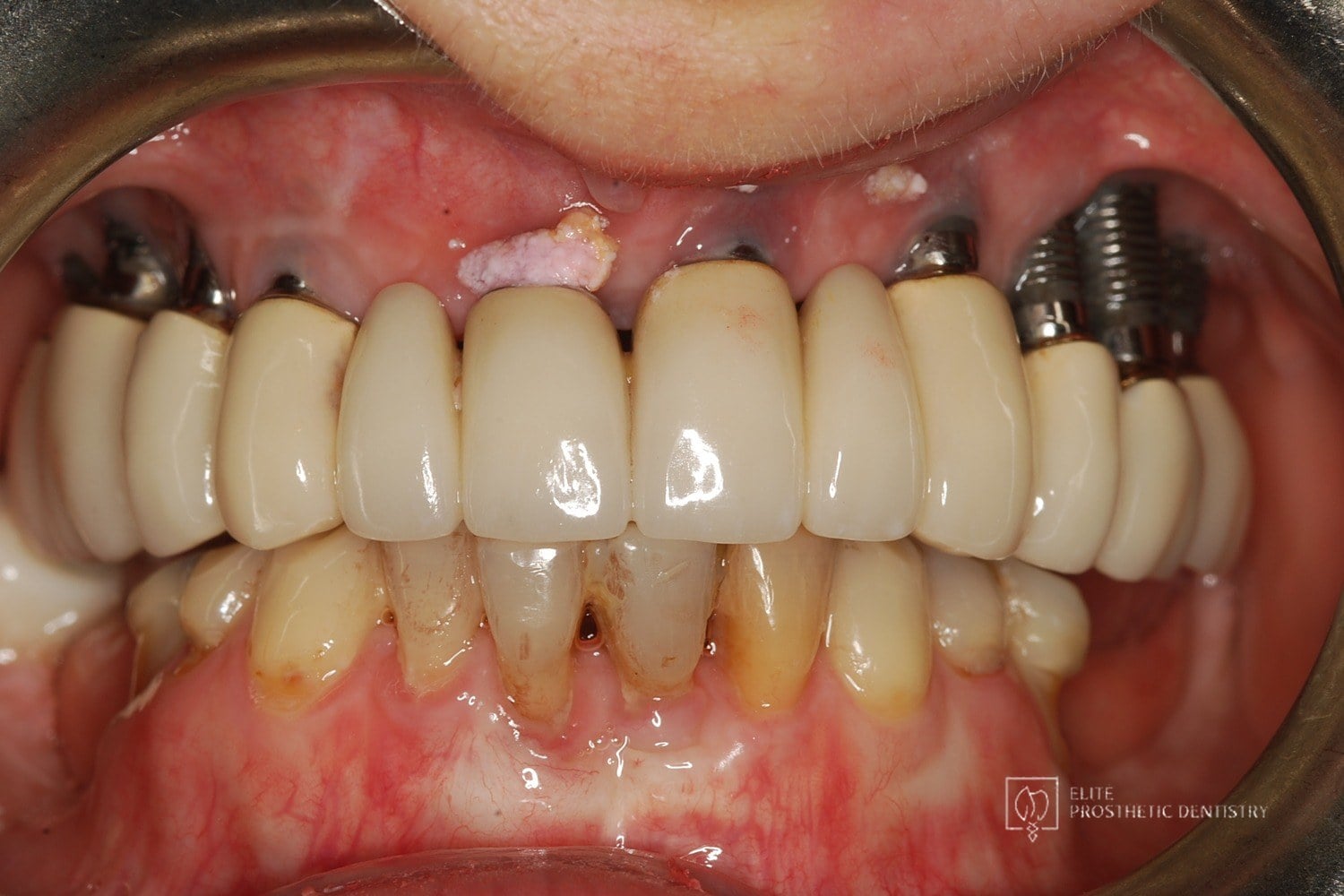 Before
 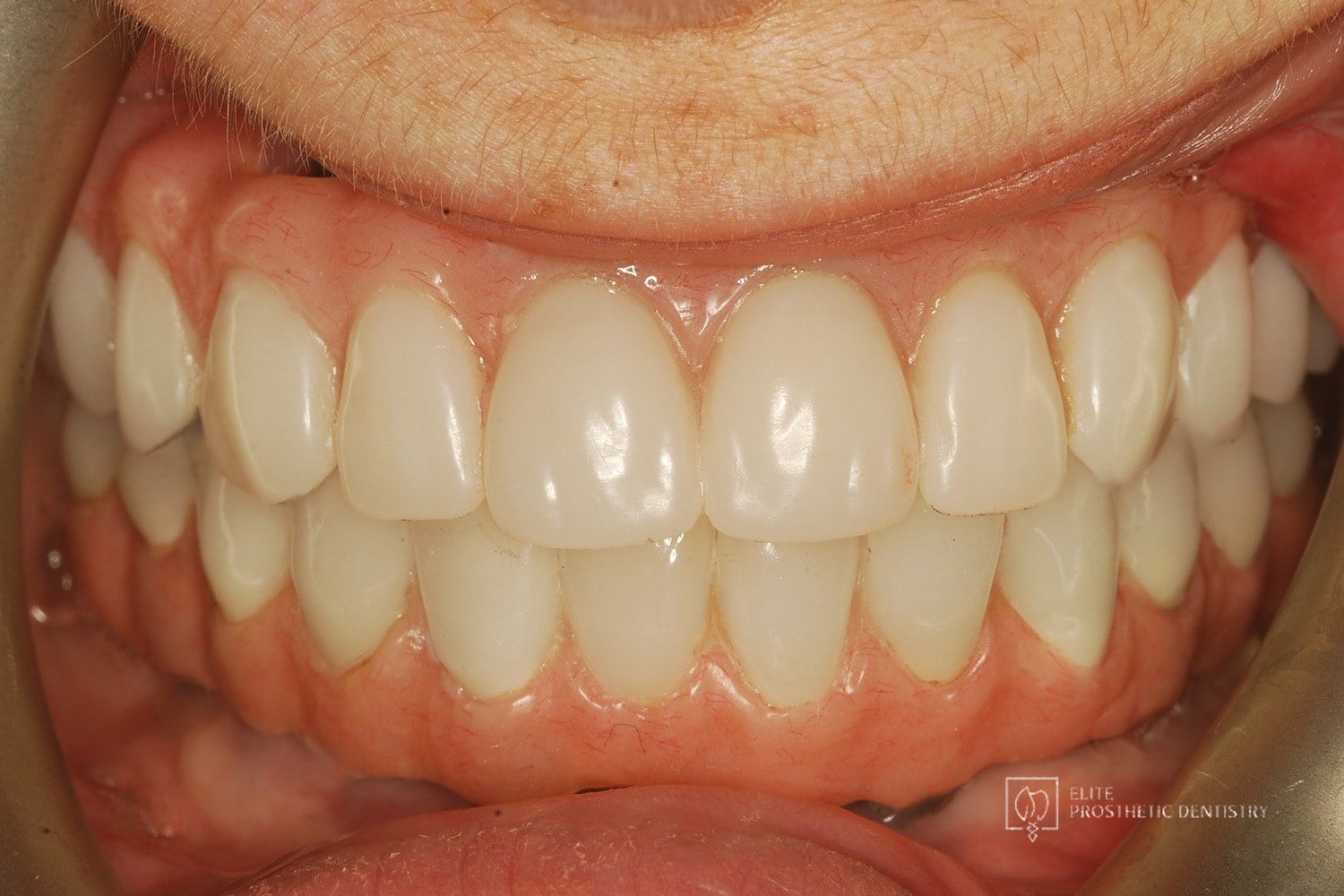 After
After How Failing Implants and Severe Bone Loss Were Rebuilt Into a Stable Full-Arch Implant Reconstruction
The patient presented with significant complications from previously placed implants, severe bone loss, failing posterior implants, and an unesthetic full-arch bridge. Both arches required full reconstruction, with the upper arch showing the most advanced bone loss and instability.
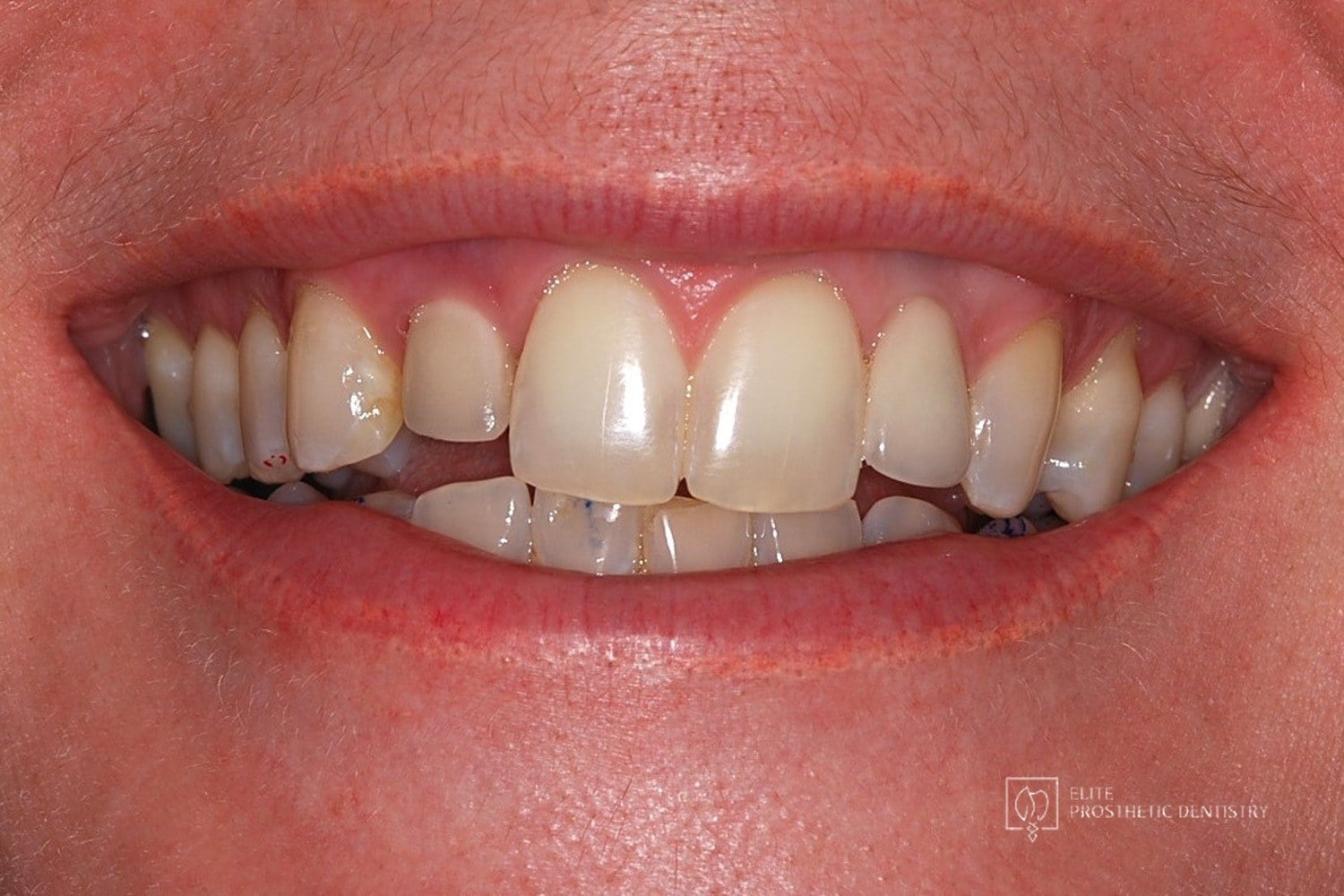 Before
 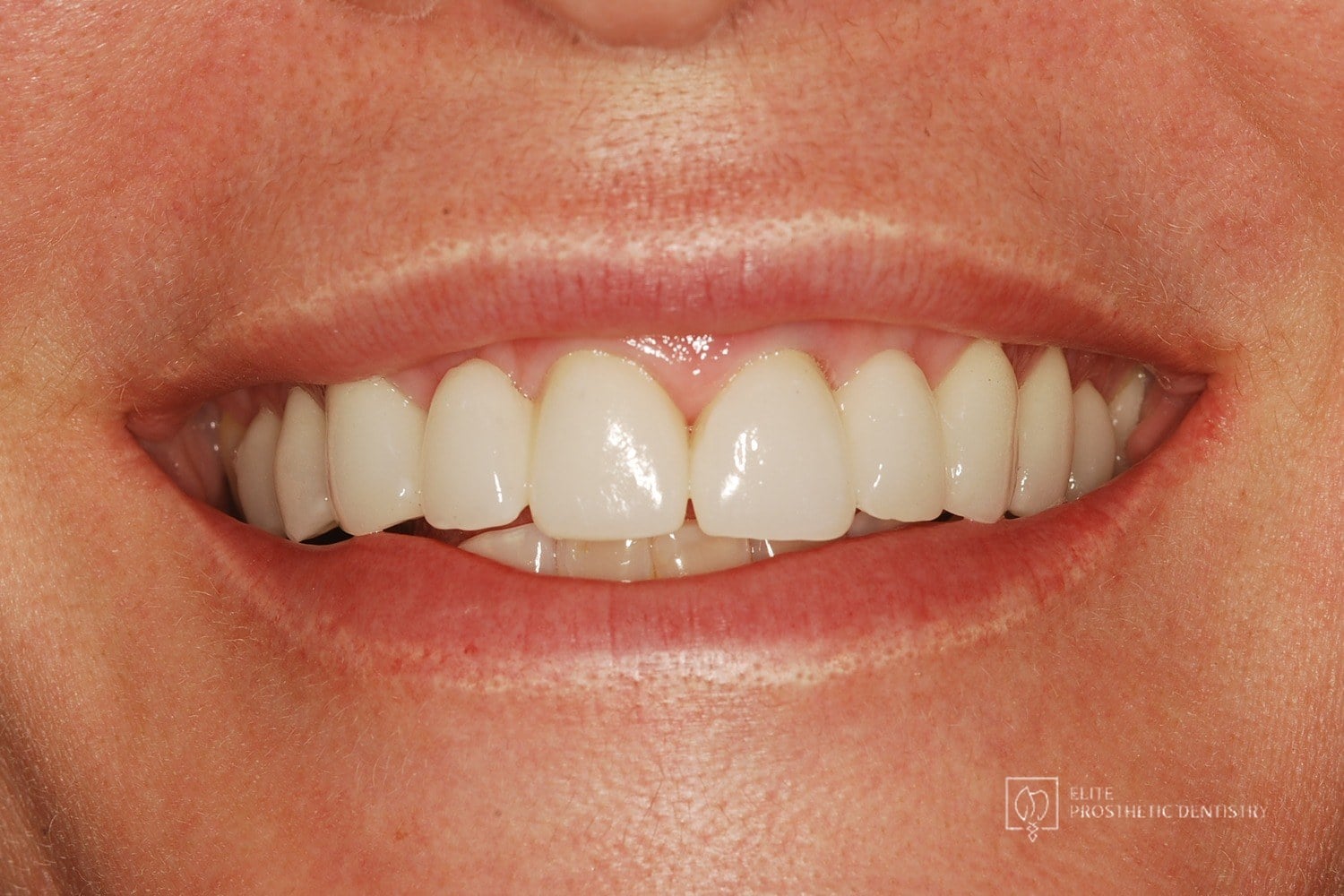 After
After How Failing Lateral Incisor Implants Were Replaced with Custom Zirconia Bridges After Severe Bone Loss Made Replacement Implants Impossible
Comprehensive examination including CBCT imaging revealed significant bone loss surrounding implants that were placed outside the buccal plate, most likely due to placement without a CBCT-generated surgical guide. The implants were determined non-salvageable, and the alveolar ridge was too narrow to support replacement implants without extensive reconstruction.
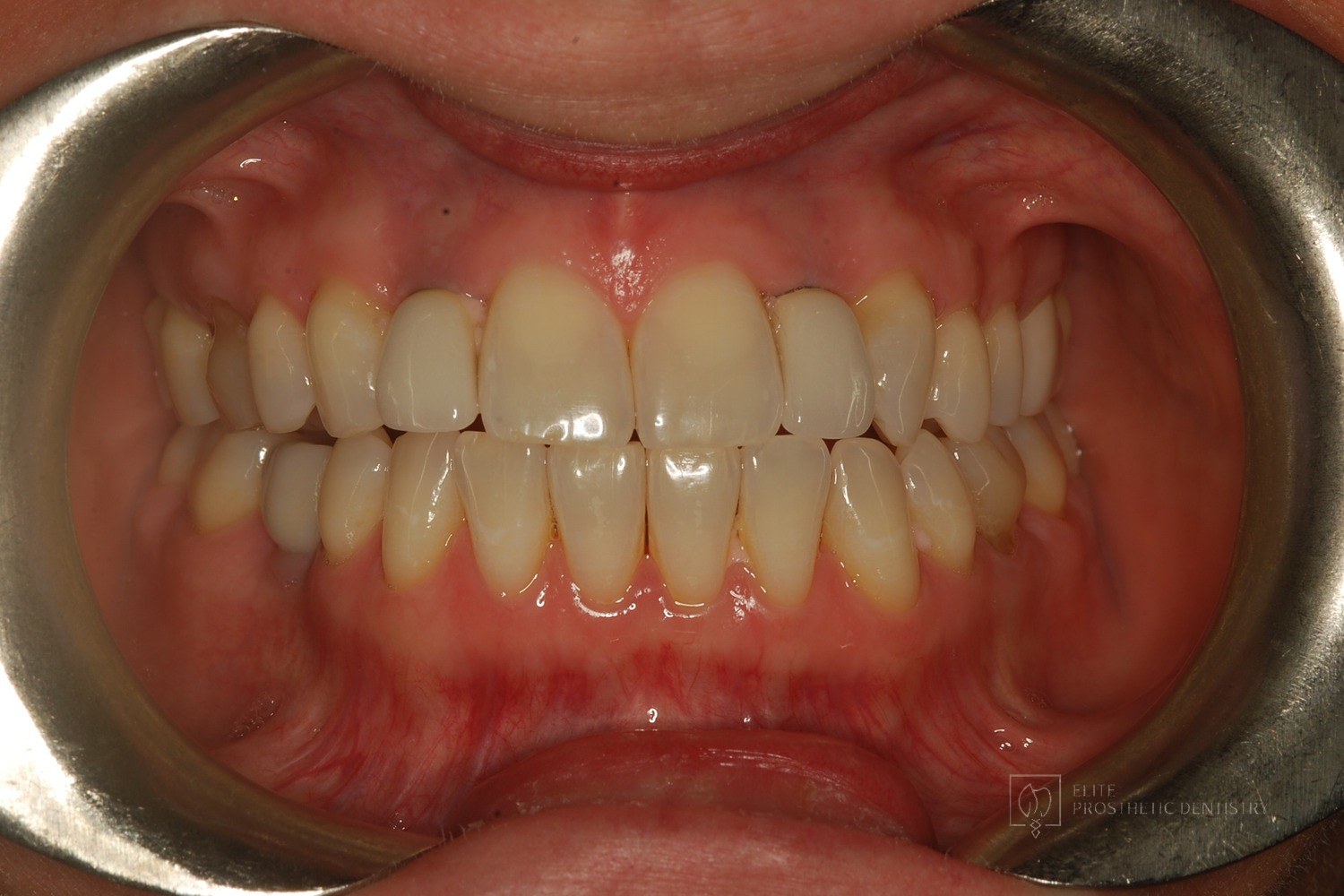 Before
  After
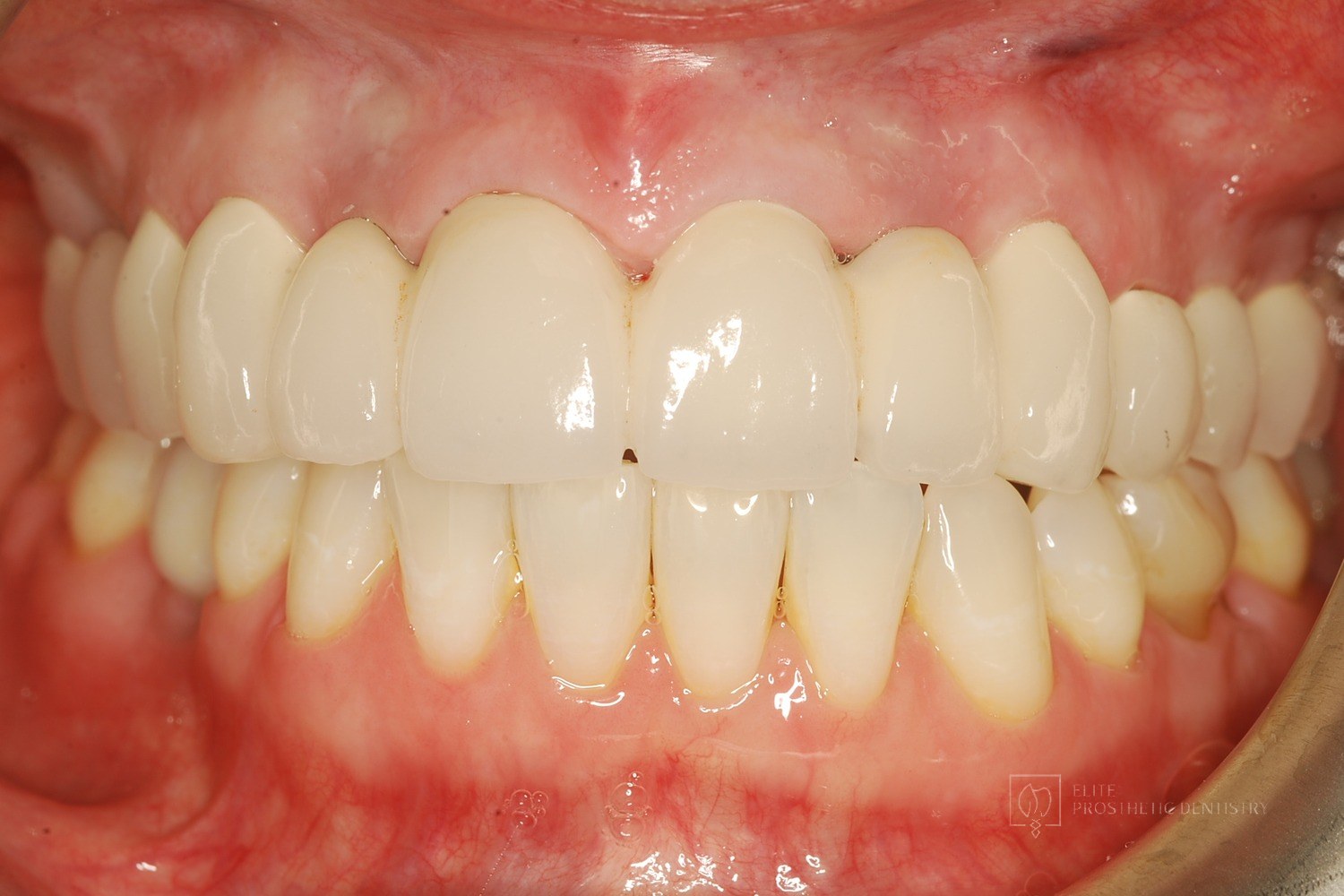
After How Older Implant Crowns Were Redesigned for a Better Bite and More Natural Appearance
The patient came in after years of living with implant-supported crowns placed more than twenty years earlier that no longer looked or functioned well. CBCT evaluation, reviewed with a radiologist colleague, showed the implants had been placed too far to the buccal in very thin bone and could not support a healthy long-term restoration.
 Before
  After
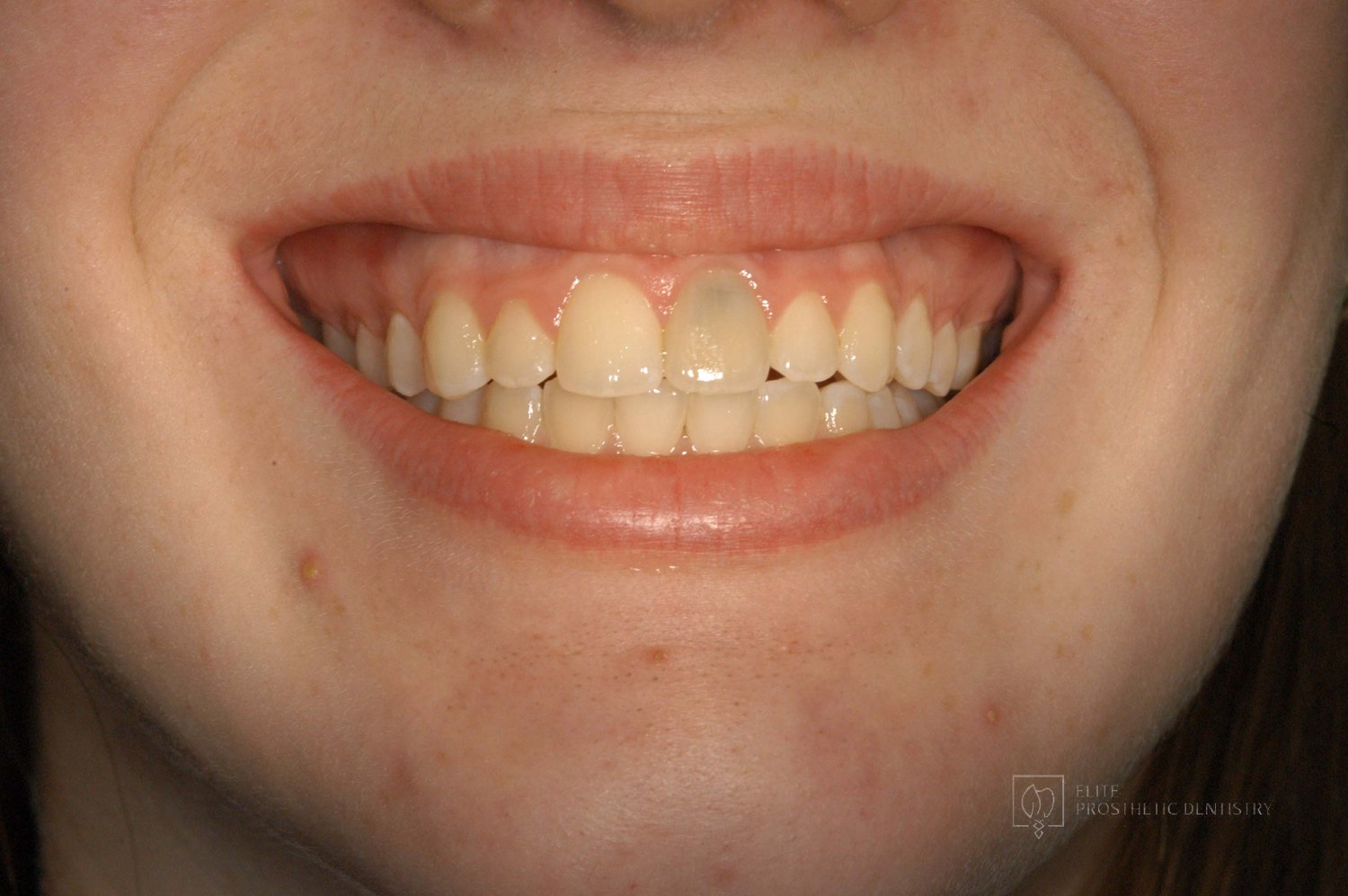
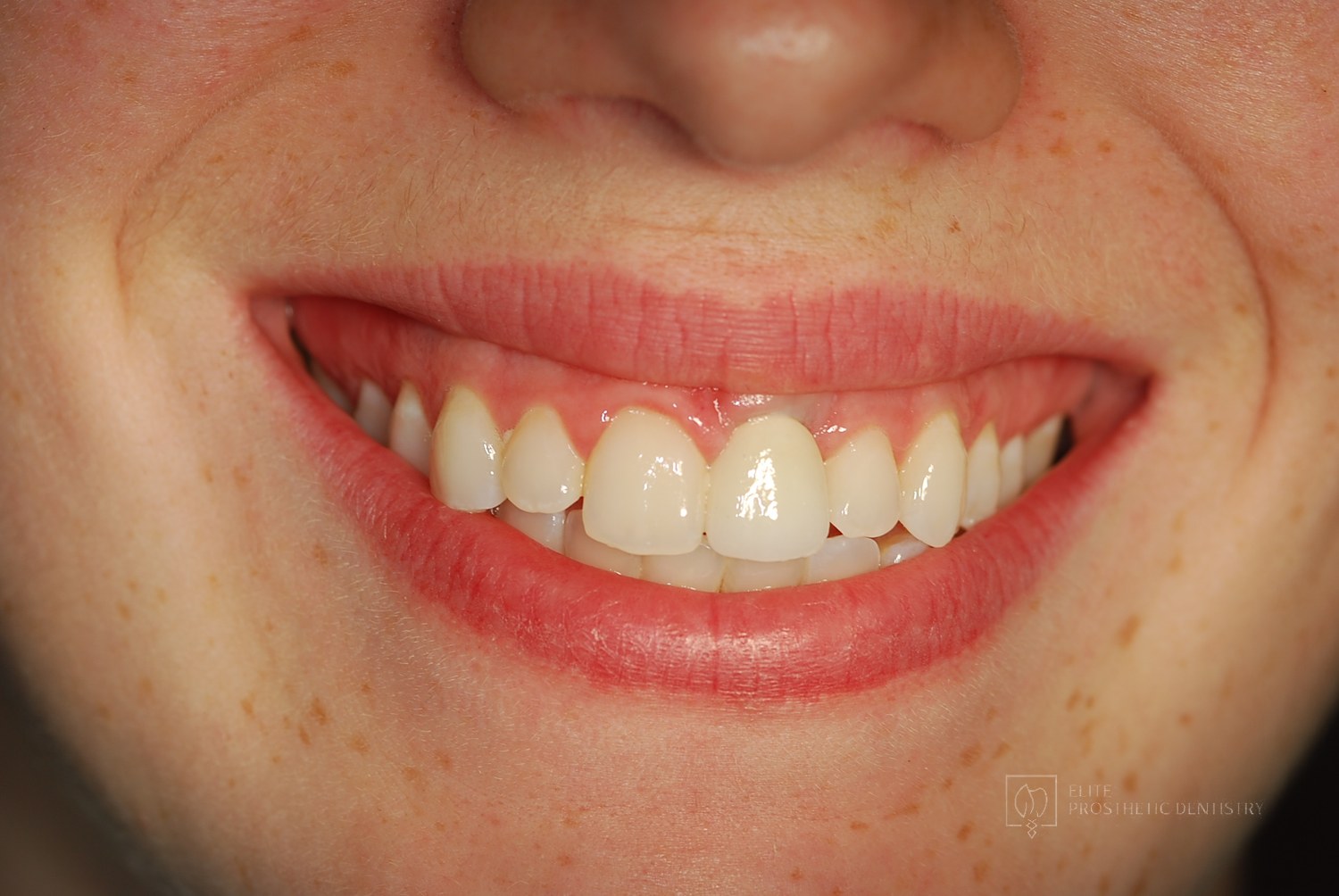
After How a Front Tooth Lost to Childhood Trauma Was Rebuilt with Bone Grafting and a Long-Lasting Implant
A teenager was referred by her father after earlier trauma left her upper left front tooth slowly failing from root resorption. She was still growing, so an immediate implant was the wrong move. The tooth had to be maintained to buy time, then replaced correctly once she reached skeletal maturity.
 Before
  After
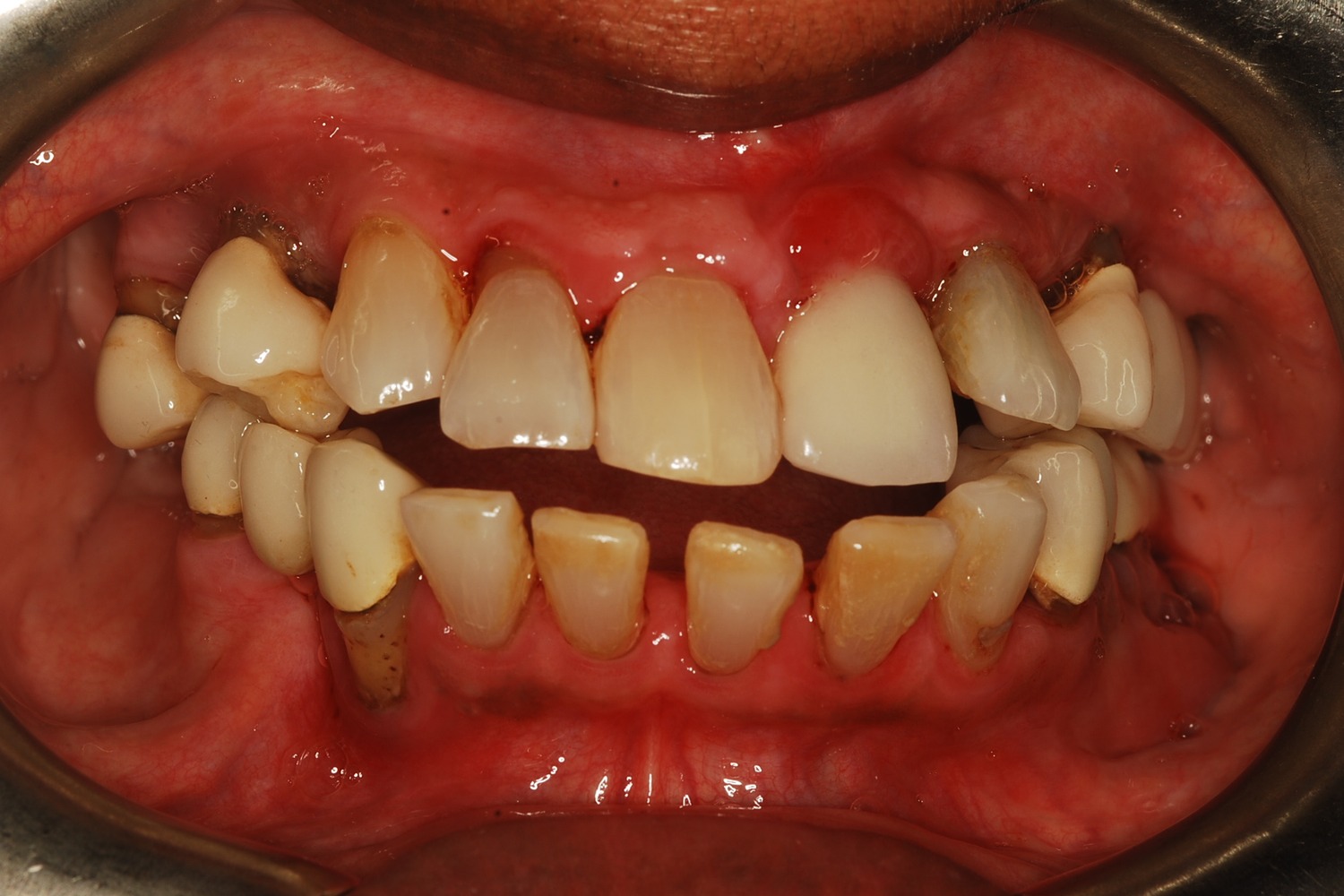
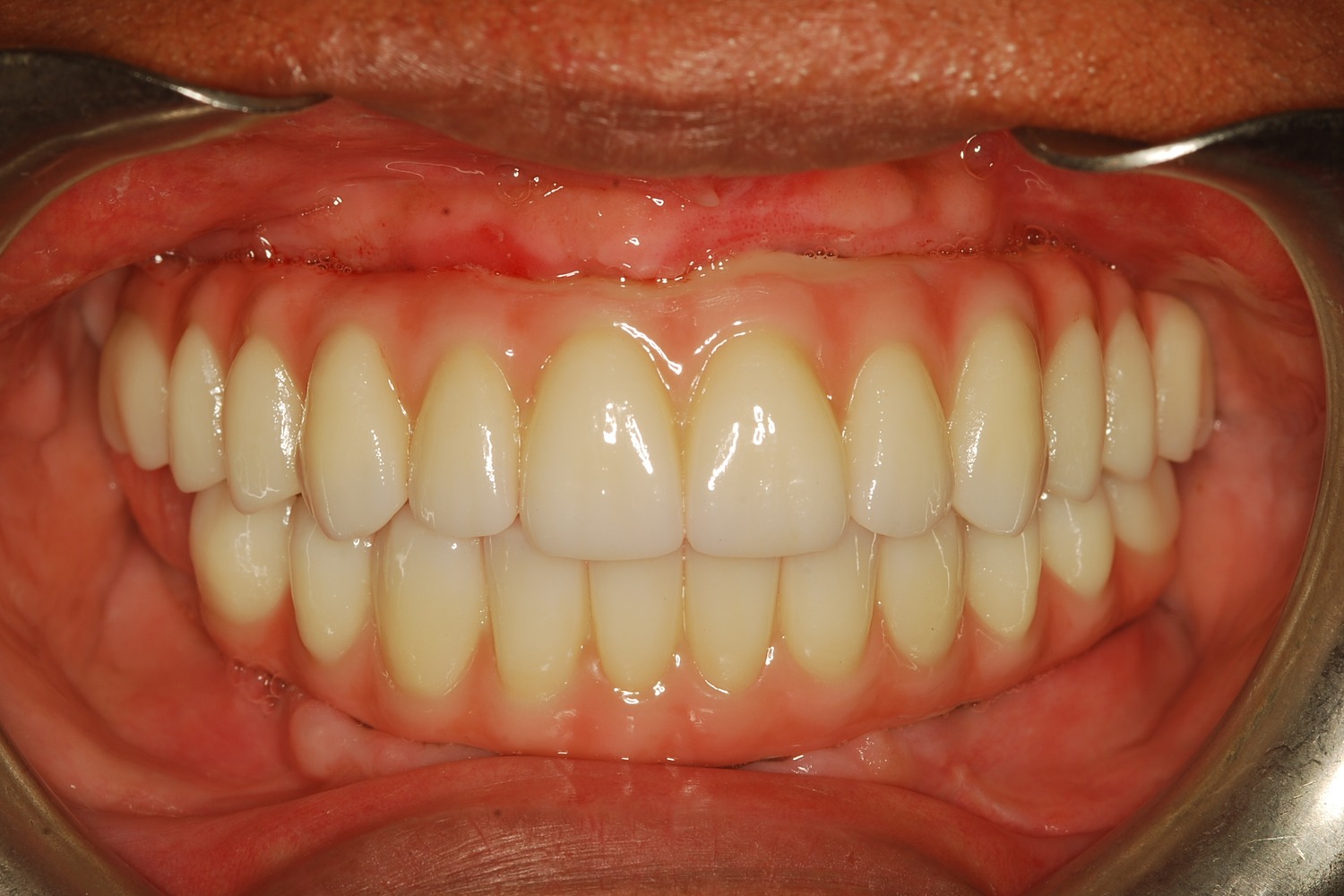
After How Severe Bone Loss and Bite Dysfunction Were Rebuilt with All-on-6 Implants and a Milled Zirconia Hybrid Prosthesis
The patient presented with severe bone loss, advanced periodontal disease, malocclusion, and a dysfunctional bite that required full-arch rebuilding.
Deciding Who Should Treat You?
Our decision guide for Great Falls patients explains when implants, full mouth reconstruction, cosmetic work, or aging crowns and bridges call for a prosthodontist, and when another setting may serve you better.
Read the Great Falls decision guide →Our Services in Great Falls
Beyond Sedation Dentistry, Great Falls patients rely on Dr. Marlin for a full range of advanced dental care.
More services available in Great Falls:
Getting Here from Great Falls
Elite Prosthetic Dentistry is conveniently located near Great Falls, VA.
Great Falls residents typically drive via Georgetown Pike or I-495 to reach our office at 4400 Jenifer Street NW, Suite 220 in Friendship Heights. The drive takes 30 to 40 minutes. On-site parking is available in our building.
Address:
4400 Jenifer Street NW, Suite 220
Washington, DC 20015
Phone: (202) 244-2101
Request a ConsultationRequest a Specialist Consultation from Great Falls
Great Falls residents come to Dr. Marlin for specialist prosthodontic care. With 3,900+ implants placed over 40+ years, evaluation, planning, and execution are handled with the depth complex cases require.