

The TMJ Patient Journey in Great Falls
From first symptom recognition through diagnosis and long-term treatment, the complete TMJ patient journey. What to expect at each stage.
Your TMJ Journey: From First Symptom Through Diagnosis, Treatment, and Recovery
TMJ dysfunction doesn’t develop overnight. It usually progresses gradually, beginning with subtle signs that are easily overlooked. Understanding this journey helps you recognize early symptoms, seek appropriate care, and know what to expect throughout your treatment. This page walks you through your TMJ experience from first awareness of symptoms through long-term management.
Stage One: Early Signs and Symptom Recognition
Your TMJ journey often begins subtly. You might wake up with a stiff, sore jaw despite having had a good night’s sleep. Your jaw feels tired or achy. These early signs frequently reflect nighttime clenching or grinding stress accumulated during sleep.
Some patients notice their jaw clicks slightly when they open wide, but the clicking is well-tolerated and resolves easily. They might assume it’s nothing serious and dismiss it.
Others notice recurring headaches, particularly at the temples or across the forehead upon waking. Tension headaches from TMJ muscle tension are common early signs, though patients often attribute them to other causes.
Some patients become aware they’re clenching their teeth during the day, particularly during stressful moments at work or in social situations.
These early signs are real signals that TMJ stress is building, even if pain hasn’t yet developed. Recognizing them allows early intervention before significant dysfunction develops.
Stage Two: Deciding to Seek Professional Care
For many patients, early symptoms resolve spontaneously or improve with self-care, and they don’t seek professional evaluation. For others, symptoms persist or progress, prompting the decision to consult a dentist or physician.
You might decide to seek care because jaw pain is affecting your eating, your clicking is becoming more pronounced, or your limited jaw opening is restricting your diet. Sometimes pain becomes acute and undeniable, forcing the decision to seek help.
The decision to pursue professional evaluation is appropriate if symptoms persist beyond 2 weeks, if they’re affecting function or quality of life, or if they’re progressively worsening.
Stage Three: The Initial Consultation
Your first appointment with Dr. Marlin for TMJ evaluation begins with a detailed conversation about your symptoms. When did they start? What activities trigger them? Have you had jaw trauma? Do you clench or grind? Does stress make symptoms worse? What relieves them?
Dr. Marlin then performs a comprehensive physical examination. He palpates your TMJ joints from both outside (placing fingers just in front of your ears) and inside your mouth, assessing for tenderness, clicking, or popping. He measures your maximum jaw opening and notes whether it’s symmetric (both sides opening equally) or asymmetric.
He examines your bite alignment, evaluating whether your upper and lower teeth meet in a way that distributes force evenly or in a way that creates asymmetrical stress.
He assesses the muscles of mastication, palpating your jaw muscles for tension, trigger points, or pain.
Based on clinical findings, Dr. Marlin may recommend imaging. CBCT (cone beam CT) provides detailed 3D images allowing assessment of joint structures, bone, and cartilage. Standard X-rays provide limited detail. MRI is occasionally recommended if disc position needs detailed evaluation.
The consultation concludes with Dr. Marlin explaining his findings, providing a diagnosis, and recommending a treatment plan tailored to your specific dysfunction. This conversation clarifies what’s happening and sets expectations for your recovery journey.
Stage Four: Beginning Treatment
Most TMJ treatment begins with conservative approaches. Dr. Marlin fabricates a custom night guard if clenching or grinding is a factor. He explains how to wear and care for it and provides instructions for gradual adaptation.
Dr. Marlin may recommend referral to a physical therapist skilled in TMJ dysfunction. The therapist teaches you specific jaw exercises and stretches designed for your particular presentation.
You’re educated about stress reduction techniques, activity modification (avoiding wide jaw opening, large bites, gum chewing), and self-care strategies like heat or ice application.
If bite problems exist, Dr. Marlin may recommend occlusal adjustment or may discuss restorative options if missing teeth or poor restorations contributed to the dysfunction.
Stage Five: Early Response and Adjustment
During the first 2 to 4 weeks, you begin wearing your night guard nightly and practicing prescribed exercises. You adapt to the appliance, which may feel foreign initially but becomes comfortable with use.
You begin noticing changes. Jaw soreness upon waking might decrease. Clicking might become less pronounced. Headaches might reduce in frequency or intensity. These early improvements are encouraging and motivate continued compliance with treatment.
For some patients, improvement is rapid and dramatic. For others, improvement is gradual and subtle. Both are normal and suggest treatment is working.
Stage Six: Consolidation and Continued Improvement
Over weeks 4 through 12, continued treatment often produces more substantial improvement. Pain that initially occurred daily might occur only occasionally. Limited opening might improve, allowing more comfortable eating. Clicking might resolve entirely or become much less frequent.
You become more aware of your jaw habits. You catch yourself clenching and consciously relax. You notice that stress triggers clenching and you’re more intentional about stress management. This awareness is powerful and supports continued improvement.
You continue wearing your night guard nightly, practicing prescribed exercises, and maintaining activity modifications.
Stage Seven: Maintenance and Resolution
By 8 to 12 weeks, many patients have achieved significant improvement. Pain is minimal or resolved. Function is substantially improved. Some clicking or occasional stiffness may persist, but it’s no longer bothersome.
At this stage, you and Dr. Marlin discuss maintenance. Will you continue your night guard nightly? Will you eventually try discontinuing it to see if improvement is sustained? How frequently will you continue exercises?
For some patients, symptoms have resolved so completely that conservative treatment can be gradually reduced. For others, ongoing night guard use prevents symptom recurrence and becomes a permanent part of their routine.
Stage Eight: Long-Term Follow-Up
Follow-up appointments might occur at 3 months, 6 months, and annually to assess your status, ensure your night guard is functioning properly, and address any new concerns.
Most patients maintain excellent long-term improvement with minimal ongoing treatment. Some patients experience occasional flare-ups during periods of high stress, but these typically resolve quickly with temporary increased engagement in self-care and exercise.
The goal of TMJ treatment is not just symptom resolution but lasting improvement and your ability to maintain that improvement through reasonable, sustainable self-management strategies.
When Progression Occurs
Occasionally, despite comprehensive conservative treatment, TMJ symptoms persist or progress. If improvement isn’t adequate after 8 to 12 weeks of diligent conservative treatment, Dr. Marlin may refer you to a TMJ specialist for additional evaluation.
Specialist evaluation may include advanced imaging or assessment of whether intra-articular (inside the joint) problems are present that might benefit from specialist intervention or surgical options.
Referral doesn’t mean conservative treatment has failed. Rather, it reflects appropriate recognition that your specific dysfunction may benefit from expertise beyond prosthodontic treatment.
Conveniently Located Near Great Falls
Elite Prosthetic Dentistry is located 30 to 40 minutes from Great Falls via Georgetown Pike or I-495. On-site parking is available in our building.
Elite Prosthetic Dentistry
4400 Jenifer Street NW, Suite 220
Washington, DC 20015
(202) 244-2101
[email protected]
For related care, see our pages on full mouth reconstruction and Tmj Specialist in Bethesda.
Frequently Asked Questions
Should I see a TMJ specialist immediately, or should I start with my general dentist?
Starting with your general dentist or Dr. Marlin is appropriate. Comprehensive evaluation by an experienced dentist often clarifies your diagnosis and initiates effective conservative treatment. Specialist referral occurs if conservative treatment isn’t producing adequate improvement.
Can I have permanent damage from TMJ dysfunction if I don't treat it promptly?
Untreated TMJ dysfunction can progress to more severe joint damage, particularly if structural problems develop. Early intervention and conservative treatment prevent progression and improve long-term outcomes. Prompt care is advisable.
Is it common to need multiple professional appointments for TMJ care?
Yes. Initial consultation is followed by treatment initiation, follow-up appointments to assess progress, and potentially ongoing management appointments. Most patients have 3 to 6 appointments over a 3 to 6-month period as treatment progresses.
What should I do if my TMJ symptoms suddenly worsen?
Contact Dr. Marlin’s office. Acute worsening might reflect new trauma, significant stress triggering severe clenching, or infection. Don’t assume it will resolve on its own. Professional evaluation helps determine the cause and appropriate response.
Can TMJ dysfunction come back years after it's been successfully treated?
Yes. If stress returns, clenching habits resume, or bite problems redevelop, TMJ symptoms can recur. However, you now understand your TMJ and know what helps. Recommitting to your successful strategies quickly resolves recurrent problems.
Schedule Your Consultation
The next step is the diagnostic consultation. From there, your specific case is evaluated and a treatment plan tailored to your situation is developed.
Frequently Asked Questions
What is the first sign that TMJ dysfunction might be developing?
The first sign is often mild jaw stiffness or soreness upon waking, reflecting nighttime clenching stress. Some patients notice early clicking that resolves with opening wide or stretching. Others notice they're more fatigued than usual, reflecting muscle tension. Many early signs are subtle and easily dismissed, but recognizing them allows early intervention before significant dysfunction develops.
How long should I try self-care before seeking professional evaluation?
Try self-care (heat, ice, jaw rest, activity modification) for 1 to 2 weeks. If symptoms persist beyond 2 weeks or significantly affect eating or function, professional evaluation is appropriate. Early professional intervention often prevents progression to more severe dysfunction.
What happens during the initial professional consultation?
Dr. Marlin reviews your symptom history in detail, performs comprehensive clinical examination including palpation of the TMJ and assessment of jaw opening, evaluates your bite, and may recommend imaging if structural problems are suspected. The consultation typically takes 30 to 45 minutes and concludes with diagnosis and treatment recommendations tailored to your specific situation.
How long does initial treatment typically take before you notice improvement?
Most patients notice improvement within 2 to 4 weeks of starting night guard therapy and conservative treatment. Some experience relief within days. Others take 6 to 8 weeks to achieve significant improvement. The timeline depends on symptom severity, root cause, and your compliance with treatment recommendations.
What is the long-term outlook for TMJ dysfunction?
Most patients (80 to 90 percent) achieve significant or complete improvement with conservative treatment. Long-term success depends on managing underlying stress, maintaining night guard use if prescribed, and maintaining good jaw habits. Many patients successfully discontinue treatment once symptoms resolve, though some choose to maintain their night guard long-term for prevention.
Related Patient Success Stories
Explore similar patient success stories demonstrating our expertise in advanced prosthetic dentistry.

A Severe Teeth Grinder Has His Worn-Down Teeth Restored
Years of very severe grinding had worn down all of the patient's teeth and collapsed his bite height, aging his appearance in a way that clashed with his high-visibility professional life as a Washington, DC trial attorney.
 Before
  After
After Can Dental Crowns Closely Match My Existing Teeth Color and Shape?
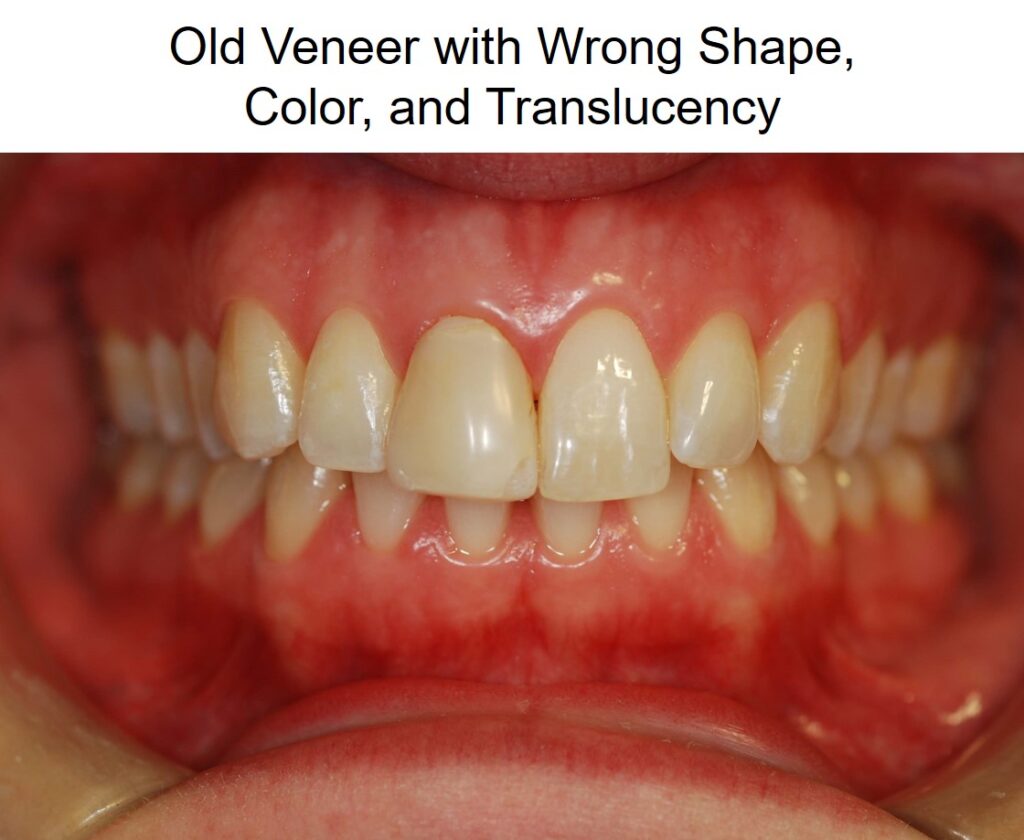
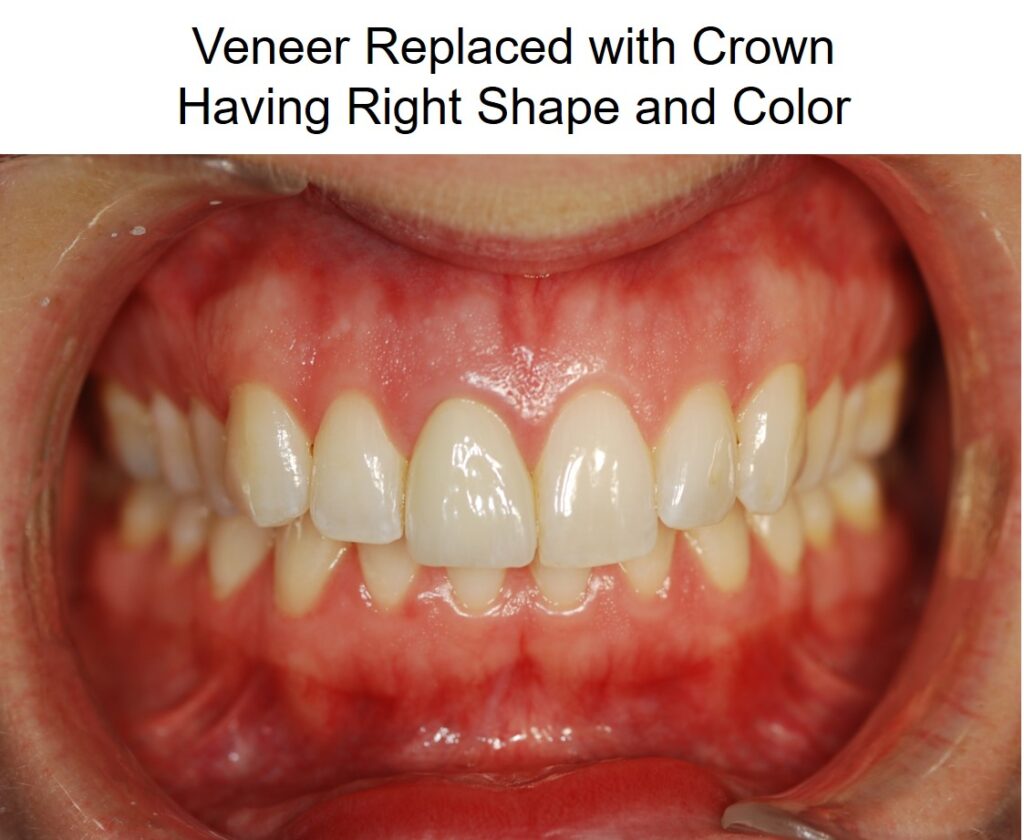
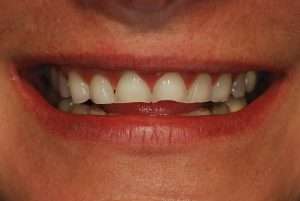
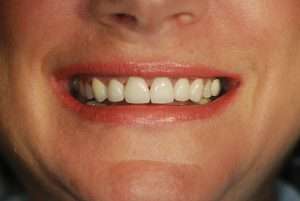
A crown planned for a single visible front tooth had to match the color, translucency, and shape of the surrounding natural teeth closely enough to go unnoticed in the smile.
 Before
  After
After Can Worn-Down Teeth Be Fixed or Do They Have to Be Replaced?
The patient presented with a severely worn dentition that was marring an otherwise great smile line.
Related Articles
Deepen your knowledge with additional insights on this topic.
 TMJ & Jaw Pain
 The Benefits of Early Diagnosis and Treatment of Bruxism (Teeth Grinding) in Children
Teeth grinding affects children as well as adults. Learn the signs of bruxism, why early diagnosis protects growing smiles, and how occlusal guards help.
 TMJ & Jaw Pain
 Can TMJ Be the Cause of Migraine or Severe Headaches?
Headache is one of the most common complaints in TMJ disorders. Learn how jaw dysfunction can contribute to head pain and how the connection is diagnosed.
 TMJ & Jaw Pain
 TMJ Disorders: Symptoms, Causes, and Treatment
What TMJ dysfunction is, the symptoms it causes from jaw pain to headaches and ear fullness, what drives it, and how a DC prosthodontist treats the cause.
 TMJ & Jaw Pain
 How Trigger Point Injections Relieve Pain from the TMJ Syndrome
TMJ pain usually refers from muscle trigger points, not the joint. Learn what trigger points are and how injections interrupt the referred-pain cycle.
TMJ & Jaw Pain Trigger Point Injections to Treat TMJ/TMD: When They Are Used
When are trigger point injections the right TMJ treatment? Candidacy, what to expect, and why bite correction usually comes first. Washington, DC.
 TMJ & Jaw Pain
 5 Tips for Jaw Surgery Recovery
Practical tips for a smoother orthognathic jaw surgery recovery: rest, routine, swelling control, meal prep, and hydration, plus when to involve your dentist.
Deciding Who Should Treat You?
Our decision guide for Great Falls patients explains when implants, full mouth reconstruction, cosmetic work, or aging crowns and bridges call for a prosthodontist, and when another setting may serve you better.
Read the Great Falls decision guide →Our Services in Great Falls
Beyond TMJ Treatment, Great Falls patients rely on Dr. Marlin for a full range of advanced dental care.
More services available in Great Falls:
TMJ Treatment Near Great Falls
Dr. Marlin also provides tmj treatment services for patients in these neighboring communities.
Getting Here from Great Falls
Elite Prosthetic Dentistry is conveniently located near Great Falls, VA.
Great Falls residents drive via Georgetown Pike or I-495 to reach our Friendship Heights office at 4400 Jenifer Street NW, Suite 220. The drive takes 30 to 40 minutes. On-site parking is available in our building.
Address:
4400 Jenifer Street NW, Suite 220
Washington, DC 20015
Phone: (202) 244-2101
Request a ConsultationRequest a Specialist Consultation from Great Falls
Great Falls residents come to Dr. Marlin for specialist prosthodontic care. With 3,900+ implants placed over 40+ years, evaluation, planning, and execution are handled with the depth complex cases require.