
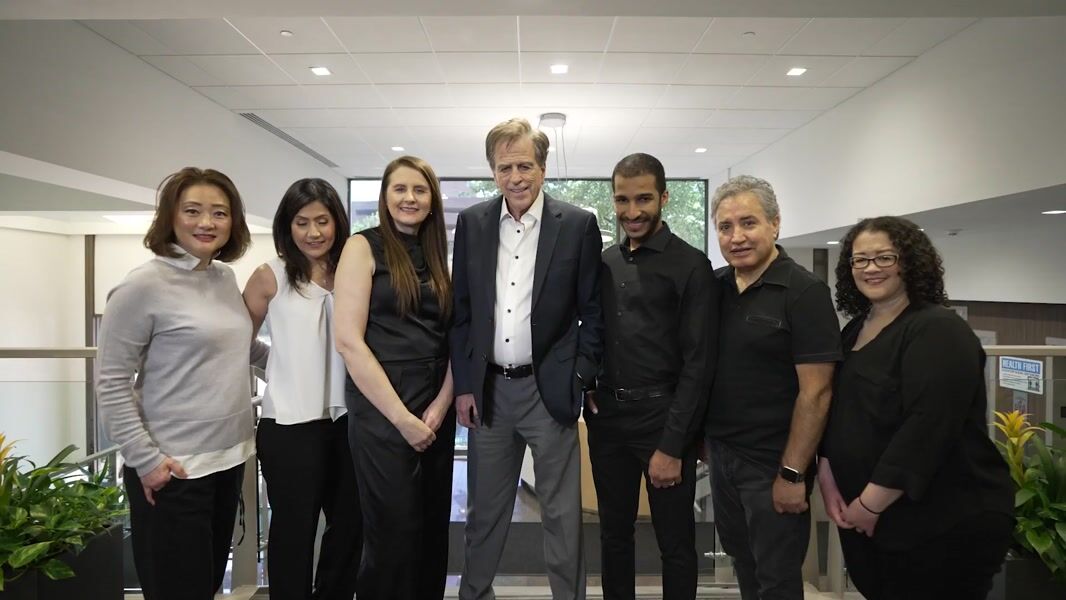
Failed All-on-4 Implants in Palisades, DC
Failed or failing All-on-4? Expert prosthodontic revision with custom design and individualized planning in Palisades DC.
Failed All-on-4 Implants in Palisades, DC: The Limitations of Standardized Treatment Protocols
You may have chosen an implant center that offered an efficient, streamlined approach to your missing teeth. The process was appealing: same-day or rapid implant placement with provisional teeth, a clear protocol, and predictable timelines. You expected that a systematic approach would deliver success.
Instead, you now have an All-on-4 that has failed in some way. Perhaps the prosthesis broke. Perhaps implants have loosened or bone loss has become visible. Perhaps you are simply unhappy with the esthetic outcome. You came for a solution, and instead you have a more complex problem than the one you started with.
This is a more common scenario than many patients realize. When implant treatment uses standardized protocols focused on efficiency, patients with complex anatomy, compromised bone, or specific esthetic expectations may experience complications that require expert intervention and individualized revision planning to resolve.
The Limitations of Standardized Treatment Protocols
Implant dentistry using standardized protocols offers efficiency and predictable timelines, but this approach has inherent limitations.
Every patient has unique anatomy, unique bone quality and quantity, unique risk factors, and unique esthetic expectations. A protocol that works well for a straightforward case with excellent bone and simple anatomy may produce suboptimal results for a patient with compromised bone, complex anatomy, or specific medical conditions.
When implant positions are determined primarily by protocol rather than by individualized surgical planning, the surgeon may place implants according to standard angulation and positioning without fully optimizing for that specific patient’s anatomy. While this approach works for many patients, it may result in suboptimal implant positioning that creates biomechanical challenges or esthetic limitations requiring specialized revision expertise.
Similarly, when prostheses are fabricated using standardized tooth forms and designs, they may be functional but lack customization for the individual patient. The prosthesis may not account for your unique facial anatomy, smile line preferences, or esthetic goals. Many patients find that a standardized design becomes increasingly unsatisfying over time because it does not reflect their individual esthetic preferences.
Provisional teeth provided during accelerated treatment timelines are designed for short-term functionality. Some patients find themselves wearing these provisional restorations longer than anticipated if complications develop or if healing timelines extend beyond the initial schedule.
Follow-up care protocols may be limited to the immediate post-operative period. If complications develop months later, accessing the original surgical team may be difficult, leaving patients to seek specialized care elsewhere to manage their failing implant system.
Common Complications in All-on-4 Treatment
The specific complications we see in All-on-4 cases vary, but certain patterns emerge.
Implant positioning problems occur when implants are placed at suboptimal angles or positions relative to future prosthesis design. An implant that may function initially may experience excessive mechanical stress over time, leading to loss of integration, prosthesis loosening, or mobility. Patients report bite changes or prosthesis instability.
Prosthesis fit and design problems develop when a prosthesis does not fit the implants precisely, causing rocking or shifting with chewing. This micromotion prevents proper healing and accelerates bone loss. A prosthesis designed without adequate consideration of individual facial anatomy results in esthetically unsatisfying outcomes.
Esthetic failure occurs when patients receive a functional but artificial-looking restoration. Standardized tooth forms, uniform sizing and spacing, artificial gum lines, and robotic appearance become increasingly bothersome over time. Patients seek full-mouth reconstruction with customized design.
Bite problems develop from standardized bite design that does not account for individual jaw relationships. Unbalanced bite force distribution creates excessive stress on certain implants.
Material limitations result when acrylic prostheses are not designed with adequate material thickness or properties for the loads they will experience, leading to fracture.
Bone loss and peri-implantitis accelerate when implants are positioned in ways that create biomechanical stress or when prosthesis design makes thorough cleaning difficult for patients.
Why Revision of Complex Cases Requires Specialized Planning
When an All-on-4 fails due to implant positioning or design factors, the revision process is more complex than prosthesis-only replacement. This is because the underlying problem may be related to the initial implant positioning or design, not just to complications that can be addressed through prosthesis redesign alone.
If implants are positioned suboptimally, simply placing a new prosthesis will not solve the underlying biomechanical problem. The new prosthesis will sit on the same improperly positioned implants, and biomechanical stress patterns may recur. We may need to place additional implants to create more optimal geometry, or perform bone grafting to improve the foundation.
If bone loss has occurred due to biomechanical factors related to initial positioning, we may need to perform bone grafting before adding new implants to optimize the foundation for successful long-term outcomes.
If original implants have failed and require removal, we must carefully assess the bone defects left behind and plan comprehensively for replacement with optimal positioning.
All of this requires more surgical time, more specialized expertise, and more cost than a straightforward prosthesis-only revision. Many patients are frustrated by this reality. You expected resolution through prosthesis replacement, and instead you are facing a complex revision that requires implant repositioning expertise and comprehensive customization.
The Specialized Approach to Revision
When we are revising a failed All-on-4 case, we start with a completely fresh assessment. We evaluate the current implant positions objectively to determine whether they support optimal biomechanics. We review the original surgical plan with fresh perspective. We evaluate the current state of your implants and bone, and we plan a revision that addresses the root causes of failure, not just the symptoms.
This begins with advanced imaging. We take 3D computed tomography scans to assess bone quality and quantity, implant position relative to bone, and any bone defects that need to be addressed.
We perform clinical evaluation to test the stability of each implant, assess your bite and jaw function, and evaluate the esthetics of your current prosthesis.
We discuss your goals. What do you want to achieve with revision? Better esthetics? Better function? Simply stability and longevity?
Based on all of this information, we create a comprehensive plan. This may involve:
Placing one or more additional dental implants to improve biomechanics and load distribution. This converts your system from All-on-4 to All-on-5 or beyond.
Performing bone grafting if necessary to rebuild bone defects or improve implant positioning for new implants.
Removing and replacing implants that are in poor positions with optimally placed fixtures.
Completely redesigning your prosthesis to optimize esthetics, function, and cleansability through custom crowns and bridges design.
Upgrading to stronger materials like zirconia through our in-house laboratory if appropriate.
This level of customization takes time and expertise. It cannot be rushed. But the result is an All-on-4 system that is far superior to what you started with and much more durable long-term.
Implant Position and Biomechanics
One of the most important aspects of our revision approach is ensuring that implants are positioned optimally. Optimal positioning considers several factors.
The implants should be positioned to support the prosthesis evenly, distributing load in a way that the implant-bone interface can sustain long-term.
The implants should be positioned to allow for a prosthesis that is both esthetically beautiful and functionally excellent. Poor implant positioning can make it impossible to achieve both simultaneously.
The implants should be positioned to allow for easy cleaning. Implants positioned too close to the buccal surface or too close together may be impossible for a patient to clean effectively.
The implants should be positioned to accommodate the prosthesis material you have chosen. If you want zirconia, the implants should be in positions that allow for proper zirconia design.
In our revision approach, implant positioning is carefully planned according to biomechanical and esthetic principles rather than being determined by protocol convenience. Positioning is optimized for your individual anatomy, bone support, and long-term function.
Converting to a More Robust System
When All-on-4 cases fail, we often recommend converting to All-on-5 or All-on-6, or even individual crown-implant designs, depending on your situation. These systems distribute forces more evenly and have inherently better biomechanics than a four-implant system, particularly when the original implant positioning was suboptimal.
If your existing implants are well-positioned and healthy, we may only need to add one or two implants to create a more robust system. If your implants are poorly positioned, we may recommend replacing them with a new set of more optimally positioned implants.
All-on-5 systems have proven to be more durable long-term than All-on-4 systems in many cases. The additional implant distributes load more evenly and creates redundancy so that if one implant encounters a problem, the others can compensate.
The Cost-Benefit Analysis
Many patients are shocked to learn that revising a failed All-on-4 costs significantly more than the original procedure did. If the revision requires additional implants or bone grafting, the cost reflects the complexity of addressing the underlying issues from the original treatment.
This is an understandable source of frustration. However, consider the long-term perspective. If you do not invest in expert revision now, your implants will likely continue to fail. You may need repeated repairs, more extensive bone grafting, or eventual removal and replacement of all implants. The total cost of managing a chronically failing system is far higher than the cost of expert revision done right the first time.
Additionally, investing in expert revision now means you will have an All-on-4 system that lasts for decades. You will not be worrying constantly about new problems. You will have confidence in your restoration.
Serving Palisades With Expert Care
Palisades residents have often invested significant resources in their healthcare and expect expertise and customization. Many Palisades patients came to us after complications from All-on-4 treatment elsewhere. They want a specialist who will take time to understand their situation, plan a comprehensive solution, and see it through to success.
We approach your revision with exactly this philosophy. You are not a case number in a protocol. You are a patient whose care deserves customized planning, expert execution, and careful follow-up.
If you have a failed All-on-4 from your original treatment, do not assume that you are stuck with a failed system. Contact us for a detailed evaluation. We will assess what factors contributed to the failure, explain our findings, and propose a clear path to a solution that will serve you well.
The fact that your first All-on-4 failed does not mean implants cannot work for you. It often means simply that the original planning or placement was not optimal. With expert revision, your outcome can be dramatically different.
Additional Resources
Learn more about our approach to clear alternatives to clearchoice. Understand full-mouth reconstruction revision and what leads to complications. Explore repairing failing implants and our bone grafting capabilities. Review our precision implant placement philosophy and advanced restorative dentistry approach. Learn about our in-house laboratory and quality control advantages. Explore concierge dentistry support for complex revision cases. Review financing options for your revision investment. See Dr. Marlin’s credentials and experience. We welcome second opinions from patients with implant concerns. Request your expert evaluation today.
Frequently Asked Questions
Why do All-on-4 cases sometimes experience complications that require revision?
All-on-4 complications can develop when treatment planning uses standardized protocols that may not fully account for a patient's unique anatomy, when implant positioning is determined by protocol rather than individualized surgical planning, or when prosthesis design uses standardized forms rather than customization for the individual patient. Follow-up care that is limited to the immediate post-operative period may not identify problems that emerge months later. Comprehensive evaluation before treatment and individualized planning for each patient's unique anatomy help prevent these complications.
Is my failed All-on-4 implant case salvageable?
In most cases, yes. If the implants have integrated and are still in place, we can redesign your prosthesis or place additional implants to improve your system. If implants have failed, we can remove them, graft bone if needed, and place new implants in better positions. The situation is almost always correctable.
What is the difference between a standardized treatment protocol and a specialized prosthodontist approach?
Standardized treatment protocols use the same procedures for most patients, with same-day implant placement and provisional teeth for efficiency. A specialized prosthodontist takes time to individualize your treatment plan, places implants in optimal positions specific to your unique anatomy, designs a prosthesis customized for your needs, and manages healing with careful monitoring. The specialized approach emphasizes precision, customization, and long-term outcomes.
Can I have my failed All-on-4 prosthesis replaced with a better design?
In most cases, yes. If your implants are healthy and well-positioned, we can fabricate a new custom prosthesis designed specifically for your anatomy. If your implants are poorly positioned, we may recommend placement of additional implants to improve the system. The goal is a restoration that fits your anatomy and meets your expectations.
How much does it cost to fix a failed All-on-4?
Cost varies depending on whether we need to place additional implants, perform bone grafting, or simply design a new prosthesis. We provide a detailed estimate after evaluation. Many patients find that investing in expert revision now prevents much more expensive complications later.
Related Patient Success Stories
Explore similar patient success stories demonstrating our expertise in advanced prosthetic dentistry.
 Before
  After
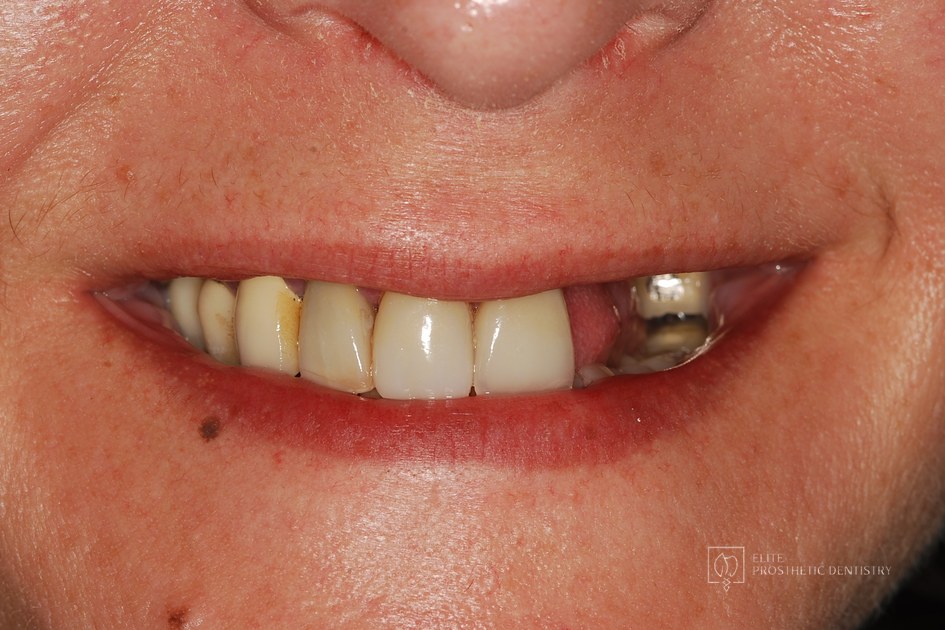
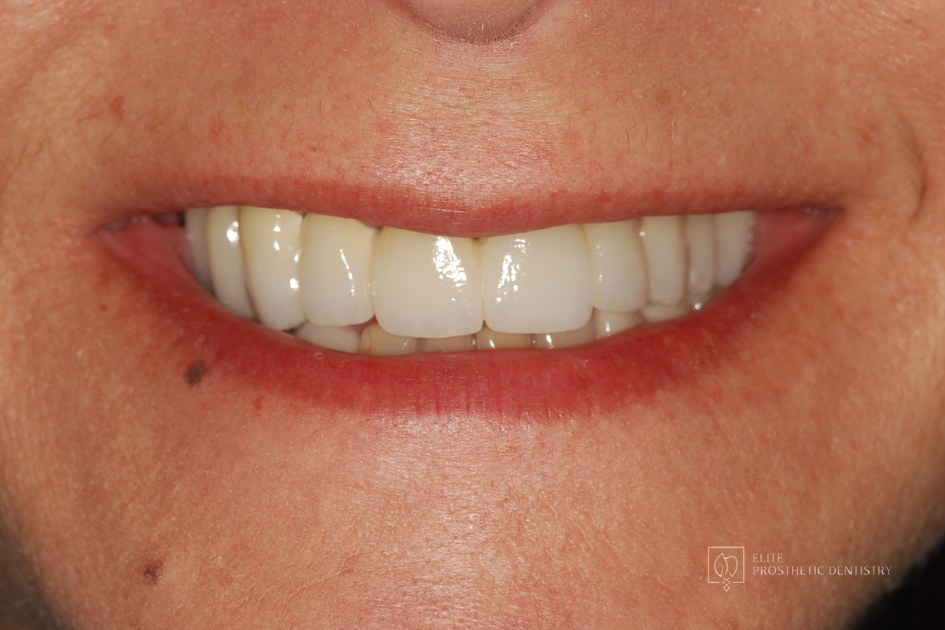
After Implant Supported Reconstruction: Failing Bridgework and Missing Back Teeth Rebuilt with Coordinated Specialist Care
Referred by another dental specialist with severe bone resorption on the upper left, multiple broken-down lower teeth requiring extraction, and failing lower back teeth that had left the bite without solid support. No single procedure, and no single provider working alone, could rebuild a situation this interconnected.
 Before
  After
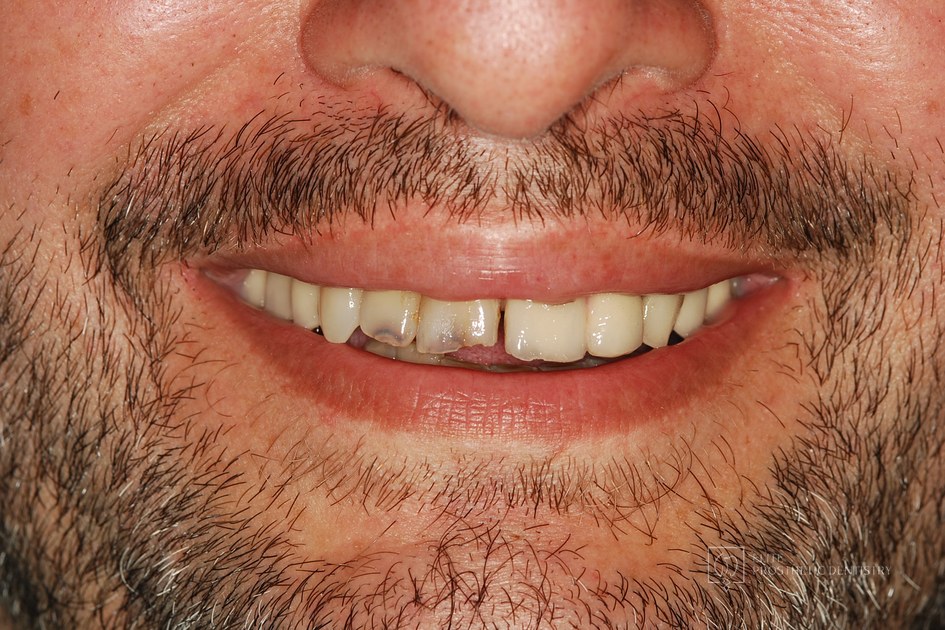
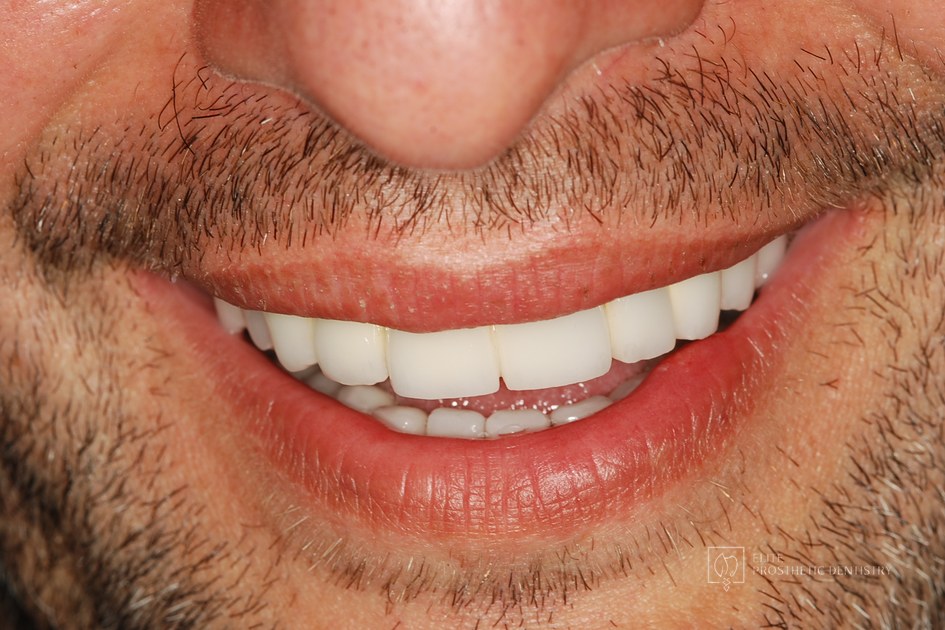
After Severe Restorative Breakdown Rebuilt with a Coordinated Full-Mouth Reconstruction
Multiple older restorations placed at different times over many years, broken-down teeth, a significant malocclusion, an asymmetrical smile, and two upper front teeth that could no longer be saved. No single repair could address a pattern this widespread.
 Before
  After
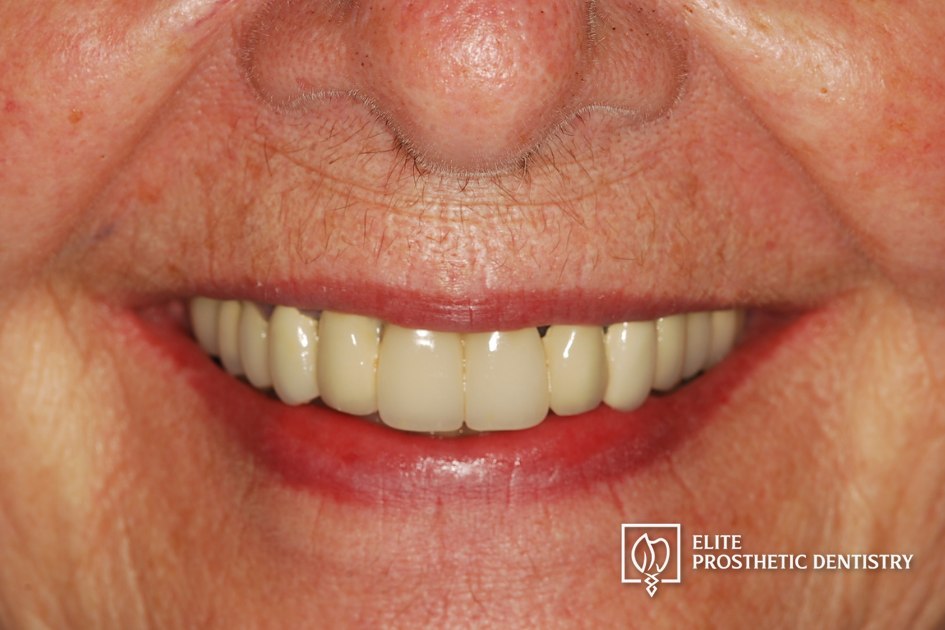
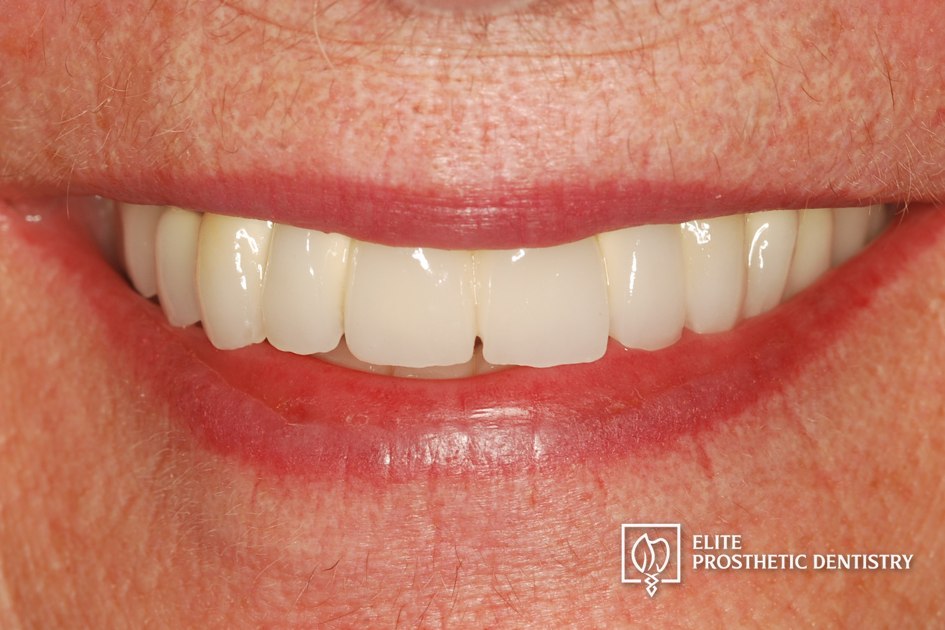
After How a Loose Upper Bridge and Aging Crowns Were Rebuilt with Staged Implant and Crown Reconstruction
A patient referred by her general dentist after years of aging dentistry no longer holding up. A loose upper bridge and crowns more than twenty years old, combined with the effects of advanced periodontal disease, required clinical planning and comfort planning at the same time.
Temporary Crowns Restore Patient's Smile in Just One Day with an Immediate Smile Makeover
A patient from Potomac, Maryland, came to Elite Prosthetic Dentistry with the chief complaint of pain from a failing dental implant and its significant impact on her appearance.
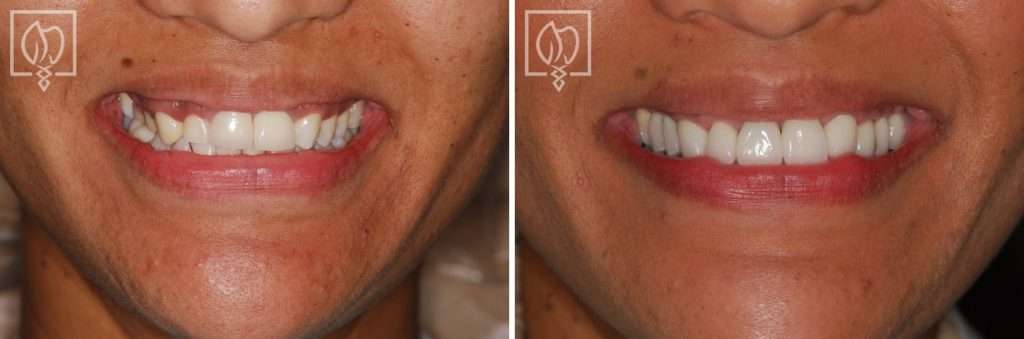
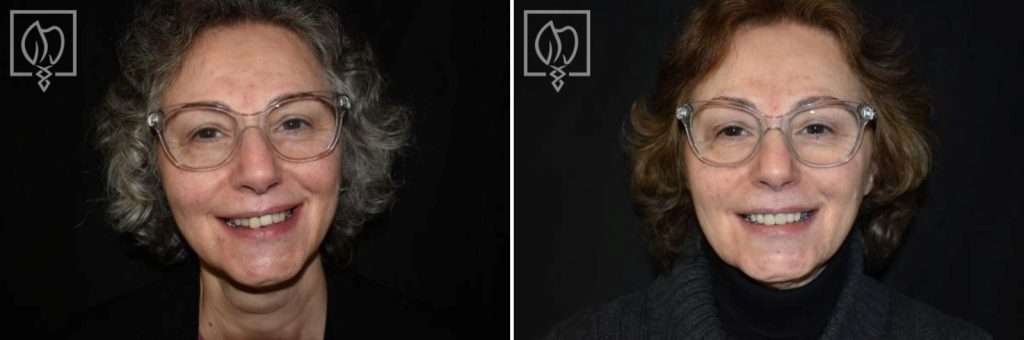
Multi-Faceted Treatment for Patient Unhappy With Her Artificial-Looking Crowns, Teeth and Gums
Many patients come to Elite Prosthetic Dentistry unhappy with the appearance of their smile. However, this particular patient presented with multiple interconnected problems that together created a smile she found deeply unsatisfying.
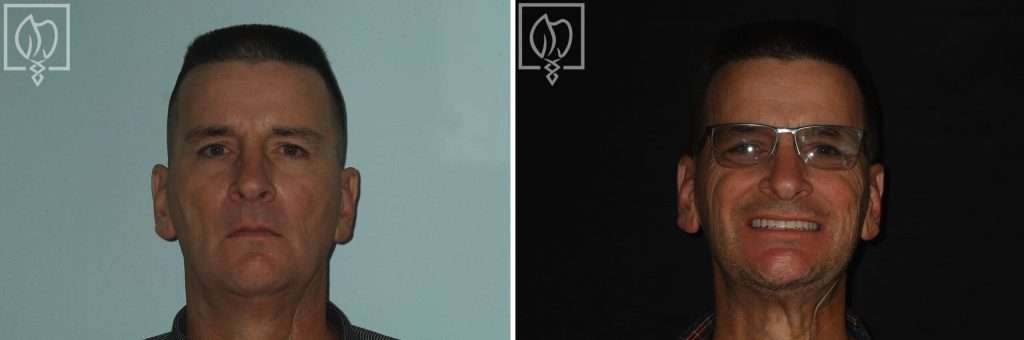
Treating Kevin's Collapsed Bite with a Complete Smile Makeover with New Dentures
Dentures are sometimes not created to the ideal aesthetic and functional scheme. When improperly fabricated, dentures can make an individual appear almost a generation older than their actual age. They can have a poor fit that feels loose and unstable when eating or speaking, and they can actually accelerate bone loss over time.
Related Articles
Deepen your knowledge with additional insights on this topic.
 Dental Implants
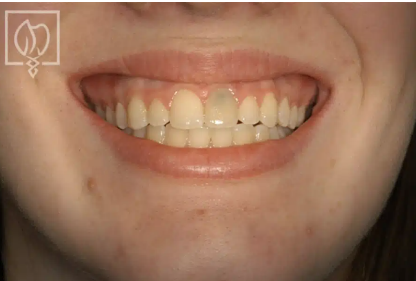
 If a Single Front Tooth is Replaced with an Implant, can it Look Natural?
A single front tooth implant can look completely natural with precision placement, custom abutments, and hand-crafted porcelain crowns. Washington, DC.
 Dental Implants
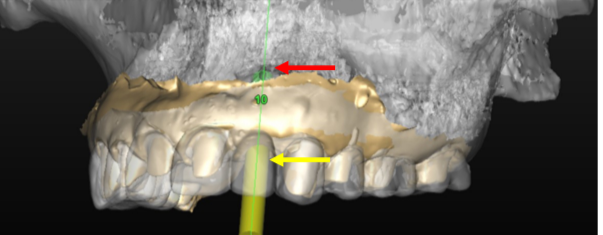
 What is Precision Implant Placement (PIP)?
Learn what Precision Implant Placement (PIP) is and how meticulous planning ensures optimal implant positioning for long-lasting results in Washington, DC.
 Dental Implants
 What is the ideal Surgical Guide for Precision Implant Placement?
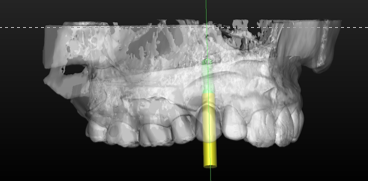
CBCT-based surgical guides allow virtual implant planning for precise positioning in optimal bone, ensuring predictable results in Washington, DC.
 Dental Implants
 When Should an Implant not be Done?
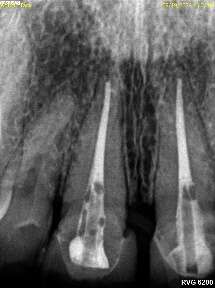
Not every patient is a candidate for dental implants. Learn when healthy roots, fragile bone, or steep angles may make alternatives the better choice.
 Dental Implants
 What is Staged Implant Therapy?
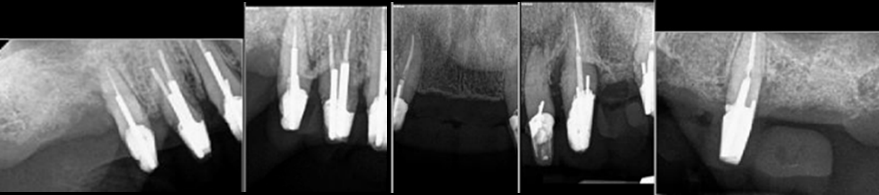
Staged implant therapy replaces teeth gradually using existing teeth as temporary support. A personalized alternative to All-on-X for [full-arch](/all-on-x/) cases.
Unveiling the Four Types of Dental Implants: Which One's for You?
Learn about the four types of dental implants - endosteal, subperiosteal, zygomatic, and mini implants - and which option may be right for your needs.
Our Services in Palisades
Beyond failed-all-on-4, Palisades patients rely on Dr. Marlin for a full range of advanced dental care.
More services available in Palisades:
failed-all-on-4 Near Palisades
Dr. Marlin also provides failed-all-on-4 services for patients in these neighboring communities.
Getting Here from Palisades
Elite Prosthetic Dentistry is conveniently located near Palisades, DC.
Palisades is just minutes from Elite Prosthetic Dentistry via Macarthur Boulevard or Chain Bridge Road.
Address:
4400 Jenifer Street NW, Suite 220
Washington, DC 20015
Phone: (202) 244-2101
Request a ConsultationRequest a Specialist Consultation from Palisades
Palisades residents come to Dr. Marlin for specialist prosthodontic care. With 3,900+ implants placed and restored over 40+ years, evaluation, planning, and execution are handled with the depth complex cases require.