
Sedation Dentistry in Washington, DC
Sedation is used here for two reasons. It allows patients who have avoided dental care to finally get treated, and it allows extensive reconstruction to be completed in fewer, longer appointments instead of many short ones. Every case is planned and performed by a specialty-trained prosthodontist, with IV sedation administered by a certified registered nurse anesthetist (CRNA).
40+
Years in Practice
3,900+
Implants Placed
9
U.S. Patents
1985
In-House Lab Since

Gerald M. Marlin, DMD, MSD
Specialty-Trained Prosthodontist (DMD, MSD)
Washingtonian "Top Dentist" 2026 and Hall of Fame
Why Sedation Matters in a Specialist Practice
- Extensive treatment can be consolidated into fewer, longer appointments rather than spread across many separate visits
- IV sedation is administered by a certified registered nurse anesthetist whose only responsibility during the appointment is the patient
- Vital signs are monitored continuously before, during, and after treatment
- Patients who have avoided care for years can be treated comfortably and without judgment
- The same doctor plans and performs every phase of treatment, so sedation time is used efficiently
Or call now: (202) 244-2101
Sedation Options and What Each One Does
Sedation is not one thing. The options below produce different depths of relaxation, carry different preparation requirements, and suit different appointments. The right choice comes out of a consultation and a medical history review, not a phone call.
Nitrous Oxide
Inhaled through a small nasal mask. Produces light relaxation, wears off within minutes, and generally allows patients to drive themselves home. Best suited to mild apprehension and shorter appointments. What to expect →
Oral Conscious Sedation
A prescribed sedative taken before the appointment. Patients remain conscious and responsive but deeply relaxed, and often remember little of the visit. Requires a responsible adult to drive. Will I be asleep? →
IV Sedation
Administered and monitored by a certified registered nurse anesthetist, with the depth adjusted continuously throughout the appointment. This is the option that makes long reconstructive appointments practical. About IV sedation →
How a Sedation Appointment Is Planned
Sedation is planned as part of the treatment, not added at the door. The sequence below applies whether the appointment is a single implant placement or a full day of reconstructive work.
Consultation and Medical History Review
A full review of medical history, current medications, allergies, and any previous experience with sedation or anesthesia. Where a medical condition is involved, coordination with the patient's physician happens before anything is scheduled.
Matching the Sedation to the Treatment Plan
The appointment is designed first. How much treatment can reasonably be completed in one sitting determines how long the patient needs to be comfortable, and that determines which level of sedation makes sense.
Pre-Operative Instructions
Written instructions covering fasting, medications to take or hold, what to wear, and the escort requirement. These are specific to the sedation selected and are reviewed before the appointment date.
Treatment Under Continuous Monitoring
Vital signs are monitored throughout. For IV sedation, the nurse anesthetist manages sedation depth and monitoring for the full appointment while Dr. Marlin performs the dentistry.
Recovery and Discharge
Patients are observed until they meet discharge criteria and are released to a responsible adult, with written post-operative instructions and direct contact information.
Why Sedation Works Differently Here
Sedation is common. What varies between practices is how much useful dentistry actually gets done while the patient is comfortable, and who is watching the patient while it happens.
-
One Doctor, One Plan, Fewer Sedation Appointments
Dr. Marlin plans, places, and restores. There are no handoffs between clinicians and no repeated re-diagnosis, so a sedated appointment covers more ground and fewer sedation appointments are needed overall.
-
A Dedicated Anesthesia Provider
For IV sedation, a certified registered nurse anesthetist attends the appointment. The person managing sedation is not the same person performing the dentistry, which is the arrangement most patients assume is standard and often is not.
-
In-House Laboratory Since 1985
Restorations are fabricated on site. Laboratory steps that would otherwise send a patient home and bring them back can frequently be handled within the same appointment block.
-
Long Appointments Are Normal Here
A practice built around full-mouth reconstruction is already structured for extended appointments. Long sedation blocks are routine scheduling rather than an exception that disrupts the day.
-
Specialty Training in Complex Restorative Care
Three additional years of specialty training beyond dental school, more than 3,900 implants placed, and 9 U.S. patents in implant restoration methodology.
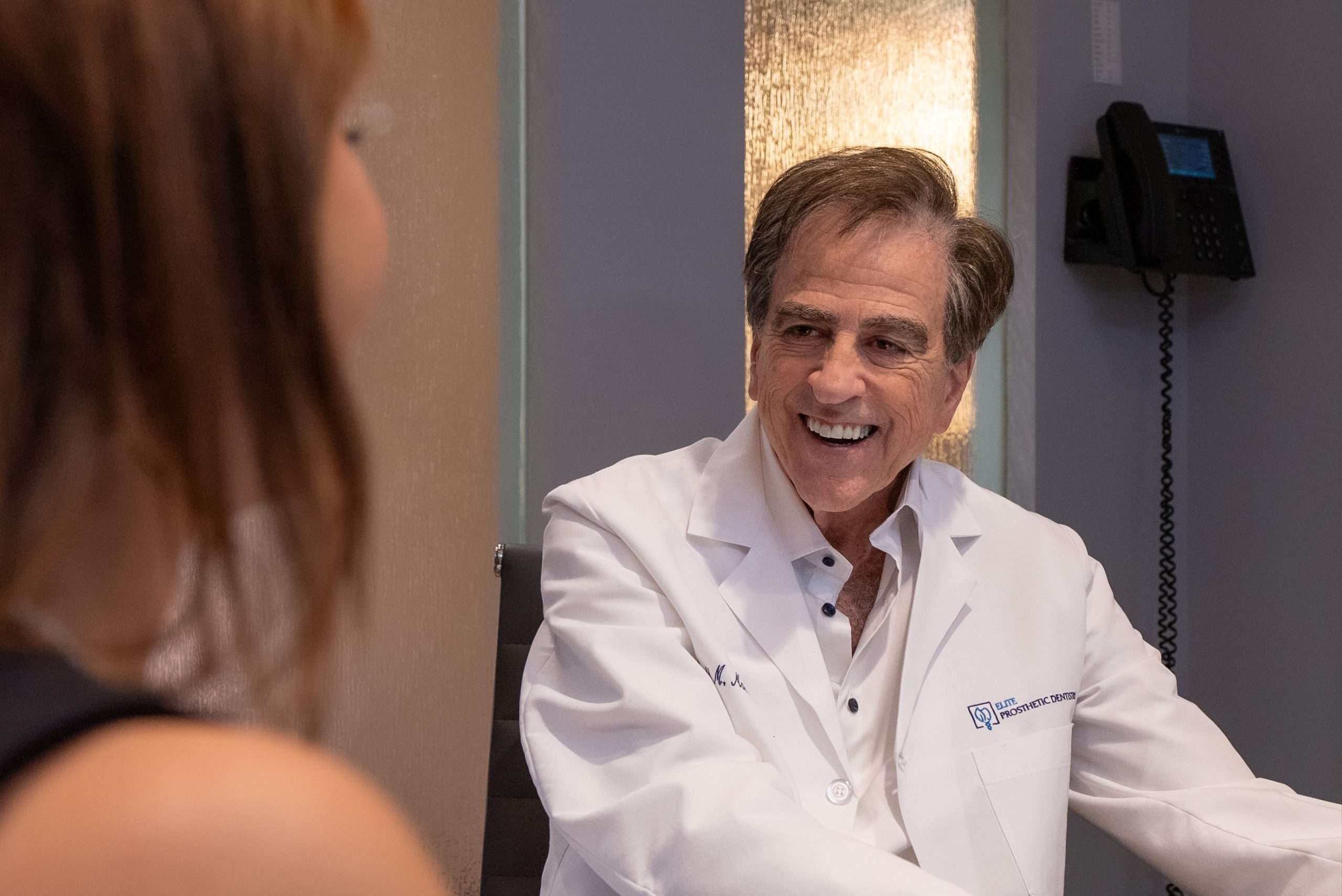




Who Asks About Sedation
Patients raise sedation for very different reasons. Some are frightened. Some are simply practical about their time. Both are valid, and both lead to the same first step.
Patients Who Have Avoided Care for Years
A bad experience, a fear of needles, or a sense of embarrassment about the current condition of the mouth. Avoidance compounds, and what began as one problem is often several by the time treatment starts.
Patients Facing Extensive Treatment
Full-mouth reconstruction, multiple implants, or staged restorative work. Sedation is what makes it realistic to complete large portions of a plan in a single appointment.
Patients With a Strong Gag Reflex
A pronounced gag reflex can make impressions, scanning, and posterior work difficult or impossible. Sedation suppresses the reflex enough to allow accurate records and careful work.
Patients Who Cannot Sit Comfortably for Long
Back problems, restlessness, or difficulty staying still. Sedation makes long appointments tolerable and helps produce better results, because precise dentistry depends on a patient who is not moving.
Patients Who Have Been Difficult to Numb
Some patients report that local anesthetic has never fully worked for them. Sedation changes the experience substantially and is worth discussing before assuming treatment will be uncomfortable.
Patients Coordinating Around Limited Time
Professionals and out-of-town patients who need treatment consolidated. Fewer appointments is a legitimate reason to consider sedation, independent of any anxiety.
Sedation as a Treatment Decision, Not an Add-On
Most sedation dentistry pages are written for one audience: the frightened patient. That audience matters, and it is addressed directly on the dental anxiety page. But it is only half of the picture.
The other half is structural. When a treatment plan involves multiple implants, extractions, bone grafting, and a full arch of restorations, the limiting factor is often not clinical difficulty. It is how long a patient can comfortably sit. Break that plan into eleven ninety-minute appointments and it takes the better part of a year, with time off work at every step. Consolidate it into a smaller number of longer appointments under sedation and the same treatment finishes in a fraction of the calendar time.
That is a planning decision, and it should be made before treatment starts rather than negotiated appointment by appointment.
Two Different Patients, One First Step
Patients raise sedation from opposite directions.
Some have not seen a dentist in a decade. The reasons vary, and they are rarely about laziness. A painful experience years ago, a needle phobia, a dismissive provider, or a slow accumulation of embarrassment as things got worse. What these patients have in common is that the delay itself changed the clinical picture. A cracked molar that needed a crown in 2016 may now involve a root fracture, a failed adjacent restoration, and bone loss. The treatment that would have been simple is no longer simple.
Others are entirely comfortable with dentistry and are asking about sedation for practical reasons. They travel, they have limited flexibility, or they have looked at the proposed appointment schedule and want to know whether it can be compressed.
Both start the same way, with an evaluation that establishes what is actually going on. Treatment ranges from replacing older crowns to full-mouth reconstruction depending on each patient’s needs, and no responsible recommendation about sedation can be made until the scope is clear.
What Sedation Does Not Change
Sedation makes treatment comfortable. It does not make treatment appropriate.
A patient who is sedated for a large procedure should still have had the diagnostic work that justifies the procedure: three-dimensional imaging where implants are involved, a bite analysis where the occlusion is part of the problem, and a written plan that explains the sequence and the reasoning. Comfort is not a substitute for planning, and a practice that leads with sedation before it has finished diagnosing has the order reversed.
Patients considering an extensive plan proposed elsewhere are welcome to bring it in for a specialist second opinion before committing.
Sedation and Long-Term Cost
There is a version of this conversation that goes unspoken. Patients who avoid dental care do not avoid the consequences of avoiding it, they defer them. Delayed treatment is usually more extensive treatment, and more extensive treatment costs more.
The honest framing is that sedation removes one specific obstacle. It does not remove cost, and it does not remove the need to decide what level of treatment makes sense. What it does is make it possible to have that conversation at all, with a patient who is no longer avoiding the appointment where the conversation would happen. Our goal is to help patients make thoughtful long-term decisions, whether treatment is limited or comprehensive.
Procedures Commonly Performed Under Sedation
Sedation is used across the range of treatment offered here, including dental implant placement, bone grafting, sinus augmentation, ridge augmentation, full mouth reconstruction, extraction and immediate provisionalization, and longer cosmetic dentistry appointments including porcelain veneers and smile makeover treatment. Correction of previous work, including repairing failing implants, is also frequently performed under sedation because these appointments tend to run long and involve more variables than the original treatment did.
Serving Patients From
Maryland
Bethesda | Cabin John | Chevy Chase | Kensington | North Bethesda | Potomac | Rockville | Silver Spring
Washington, DC
Cleveland Park | Dupont Circle | Foxhall | Georgetown | Kalorama | Palisades | Spring Valley | Tenleytown | Woodley Park
Virginia
Arlington | Great Falls | McLean | Tysons | Vienna
Ready to Discuss Your Treatment Options With a Specialist?
Frequently Asked Questions
Frequently Asked Questions
What types of sedation are available at Elite Prosthetic Dentistry?
Nitrous oxide for light relaxation, oral conscious sedation for moderate anxiety and longer appointments, and IV sedation administered by a certified registered nurse anesthetist for deeper relaxation during extensive treatment. Local anesthetic is used alongside sedation in every case so the treatment area is fully numb. The appropriate option is selected after a review of medical history and the treatment plan.
Will I be unconscious during sedation?
No. Nitrous oxide leaves you fully awake and relaxed. Oral conscious sedation keeps you responsive but deeply relaxed, and many patients remember little of the appointment afterward. IV sedation produces a deeper state in which patients frequently drift and recall almost nothing, but they continue to breathe on their own and respond to direction. That is different from general anesthesia.
Can sedation let me complete more treatment in fewer appointments?
In most cases yes, and for extensive reconstruction this is often the main reason patients choose it. A comfortable patient can be treated for longer, which means several procedures that would otherwise be separated across weeks can frequently be grouped into one appointment. The in-house laboratory supports this by handling restorative steps on site.
Do I need someone to drive me home?
For oral conscious sedation and IV sedation, yes. A responsible adult must drive you home and stay with you afterward. You should not drive, work, or operate machinery for the remainder of the day. After nitrous oxide alone, most patients are clear-headed within minutes and can usually drive themselves.
Is sedation dentistry safe?
Sedation carries risk, as any medical intervention does, and that risk is managed through screening and monitoring rather than eliminated. Medical history, current medications, and prior anesthesia experiences are reviewed before sedation is scheduled, and vital signs are monitored continuously throughout treatment. Patients with significant cardiac, respiratory, or sleep apnea history require additional evaluation and sometimes coordination with a physician.
Does insurance cover sedation?
Coverage varies considerably. Some plans cover sedation when it is documented as medically necessary, for example in connection with surgical procedures or a qualifying medical condition, while many plans treat it as an elective comfort measure and do not cover it. Benefits are verified and the financial detail is reviewed before treatment is scheduled.
I have avoided the dentist for years and I am embarrassed. Is that a problem here?
No. A substantial share of the reconstructive work done at this practice involves patients who stopped going to the dentist at some point and are returning after a long gap. The consultation is a private conversation about where things stand and what the options are. Patients come here for both comprehensive reconstruction and for more limited treatment, and the first appointment is about establishing which is appropriate.
How much treatment can actually be done in one sedation appointment?
It depends on the case, the sedation selected, and medical clearance. Some patients complete a full arch of preparatory work in a single appointment. Others are better served by two or three planned sedation appointments. The plan is built around what can be done well rather than what can be done fastest, and it is presented in writing before treatment begins.
Related Patient Success Stories
Explore similar patient success stories demonstrating our expertise in advanced prosthetic dentistry.
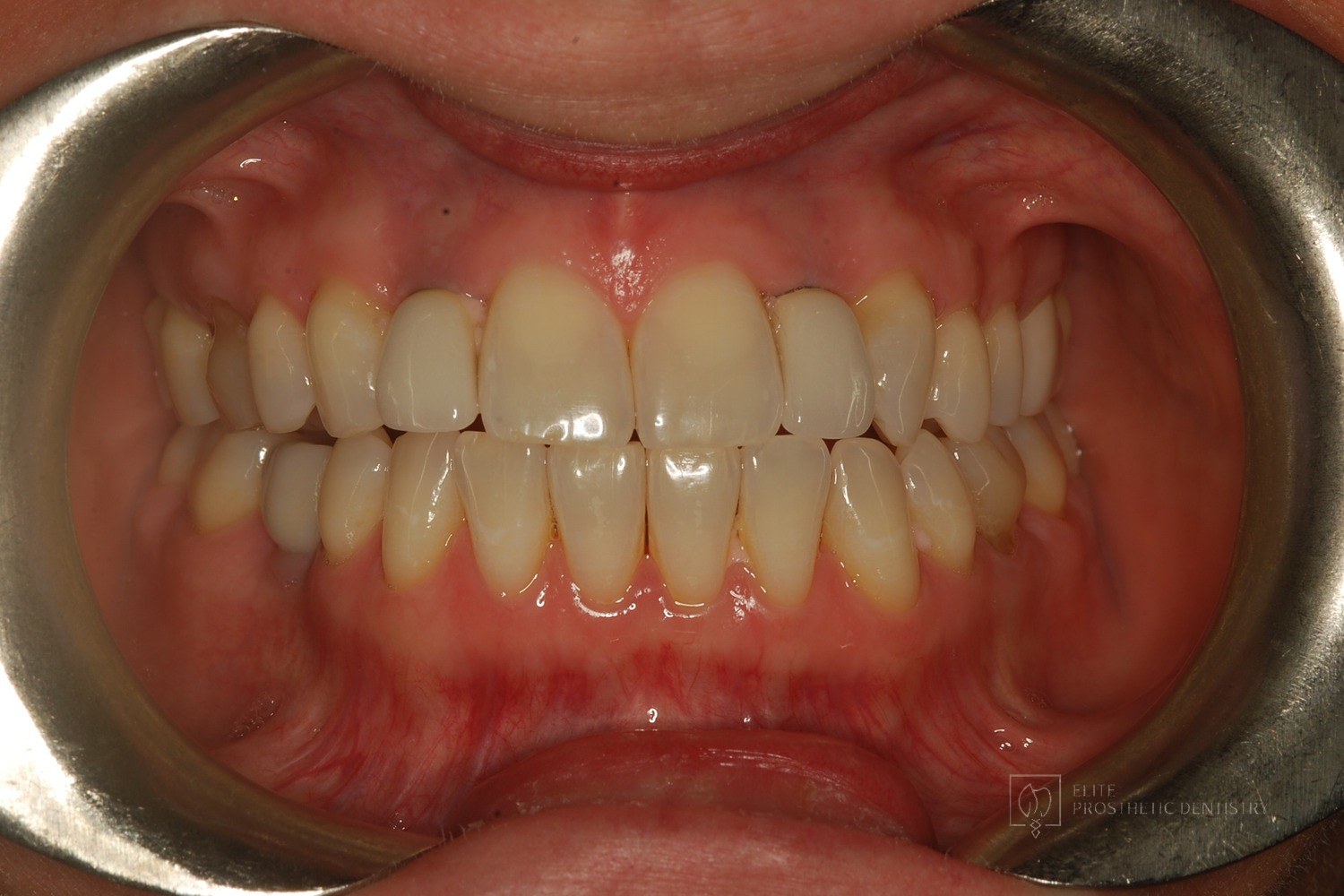 Before
 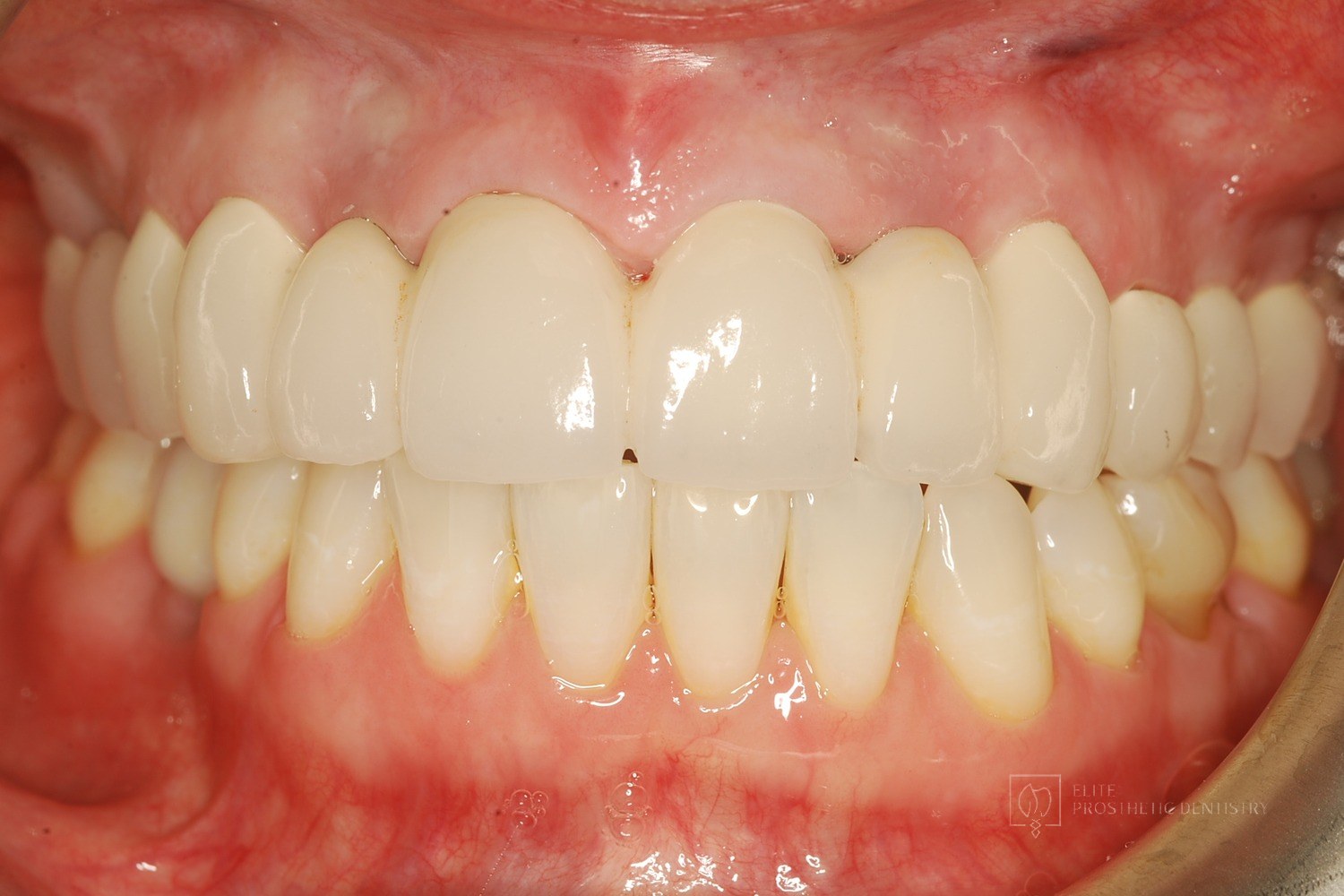 After
After How Older Implant Crowns Were Redesigned for a Better Bite and More Natural Appearance
The patient came in after years of living with implant-supported crowns placed more than twenty years earlier that no longer looked or functioned well. CBCT evaluation, reviewed with a radiologist colleague, showed the implants had been placed too far to the buccal in very thin bone and could not support a healthy long-term restoration.
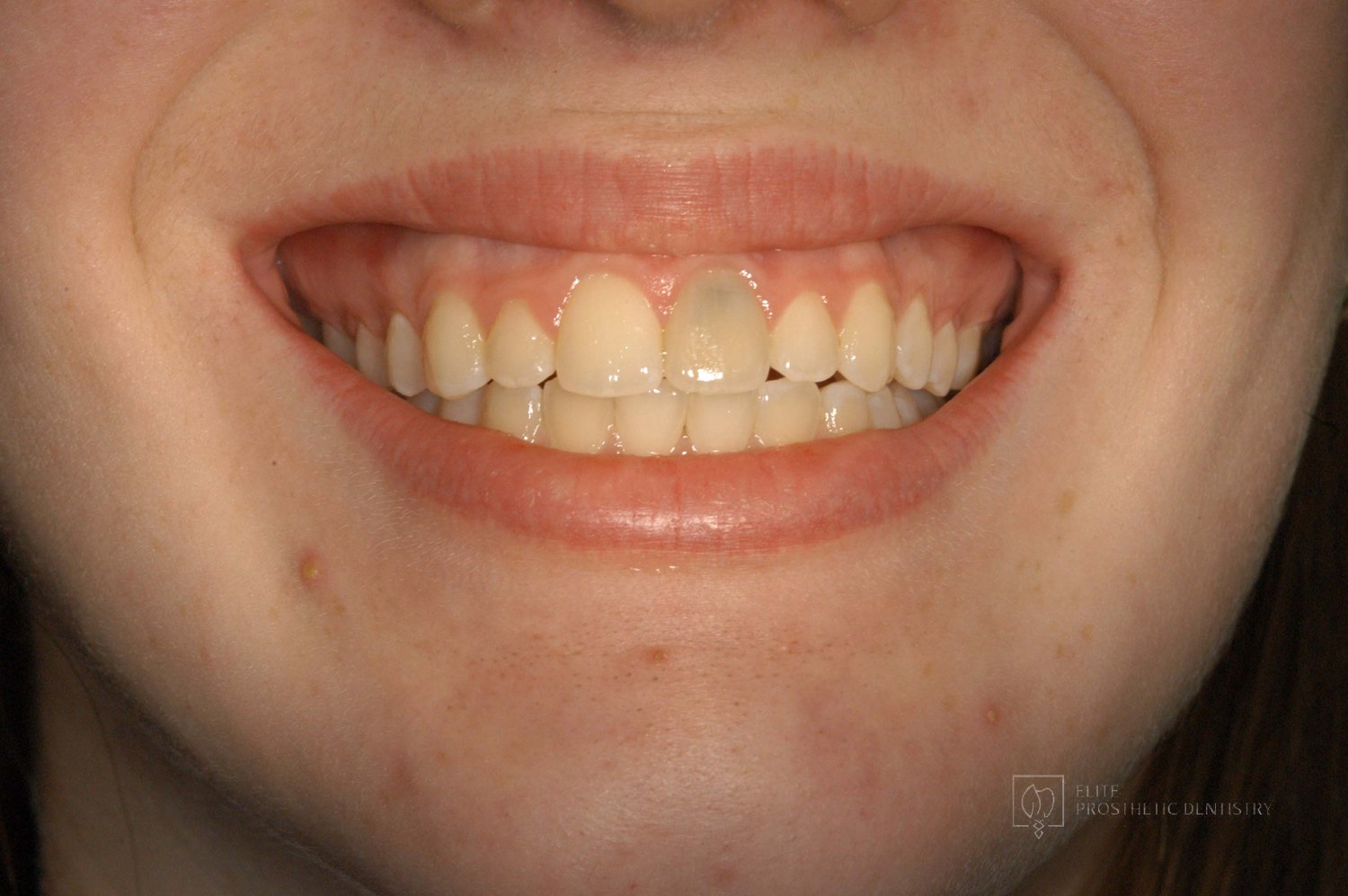 Before
  After
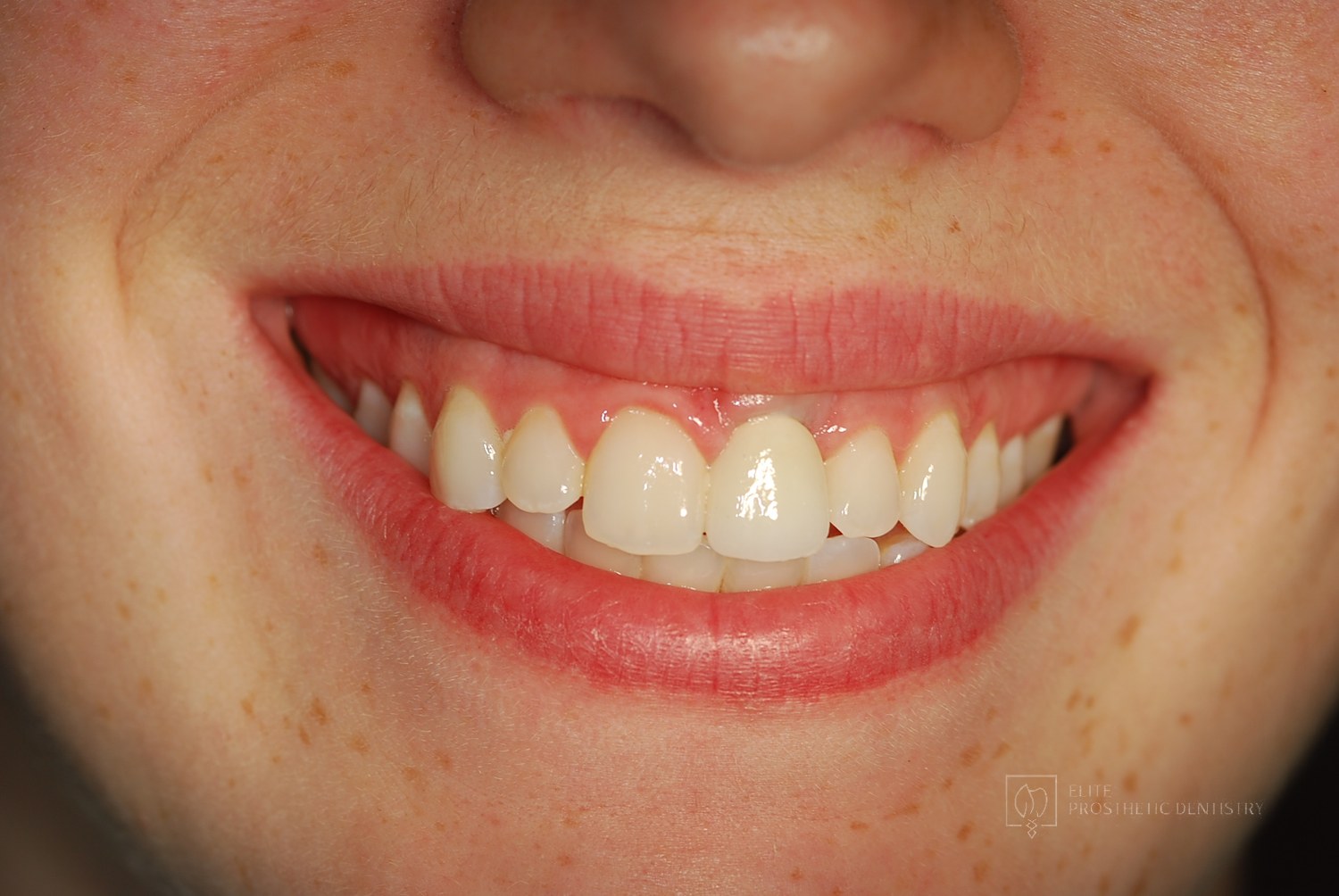
After How a Front Tooth Lost to Childhood Trauma Was Rebuilt with Bone Grafting and a Long-Lasting Implant
A teenager was referred by her father after earlier trauma left her upper left front tooth slowly failing from root resorption. She was still growing, so an immediate implant was the wrong move. The tooth had to be maintained to buy time, then replaced correctly once she reached skeletal maturity.
 Before
  After
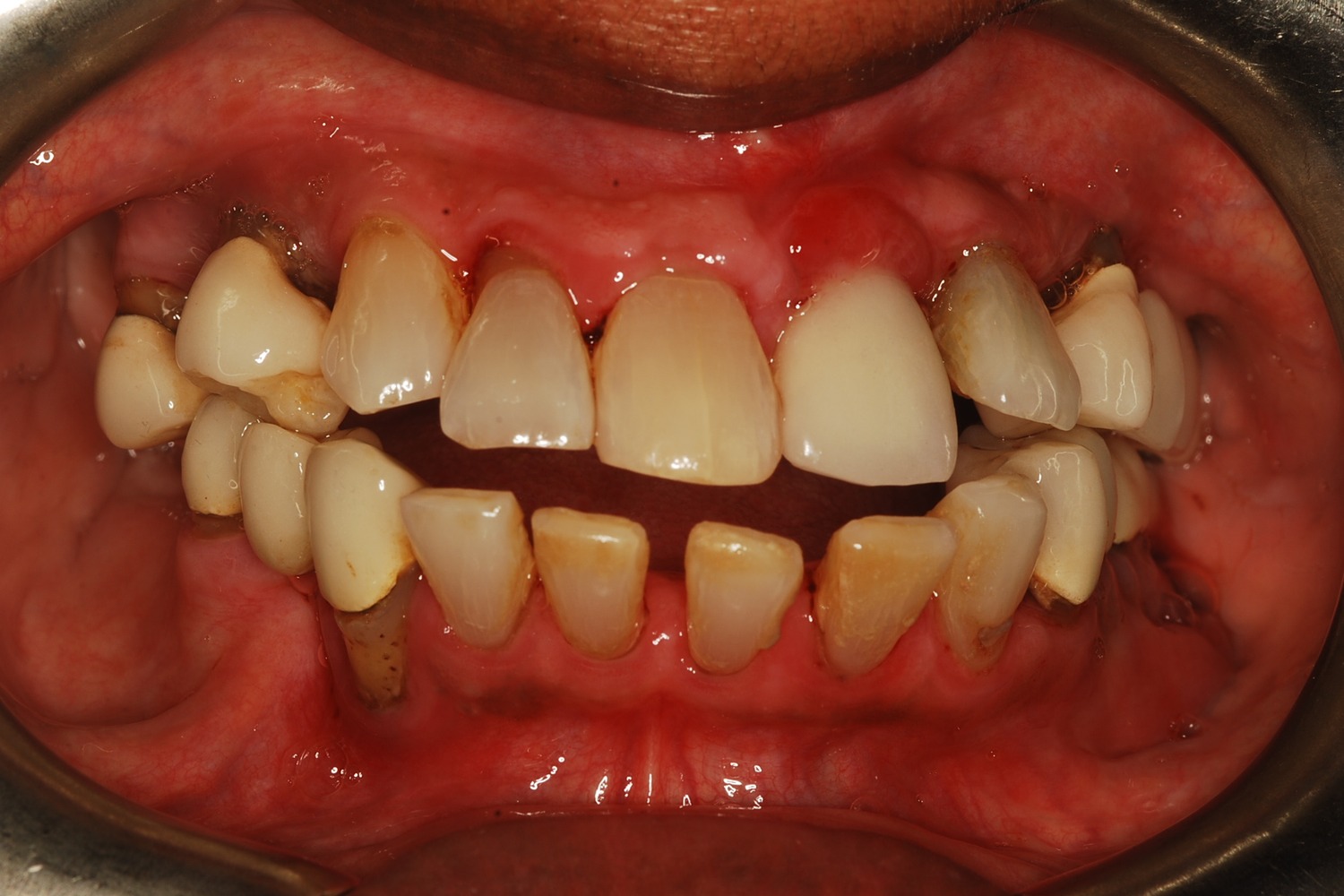
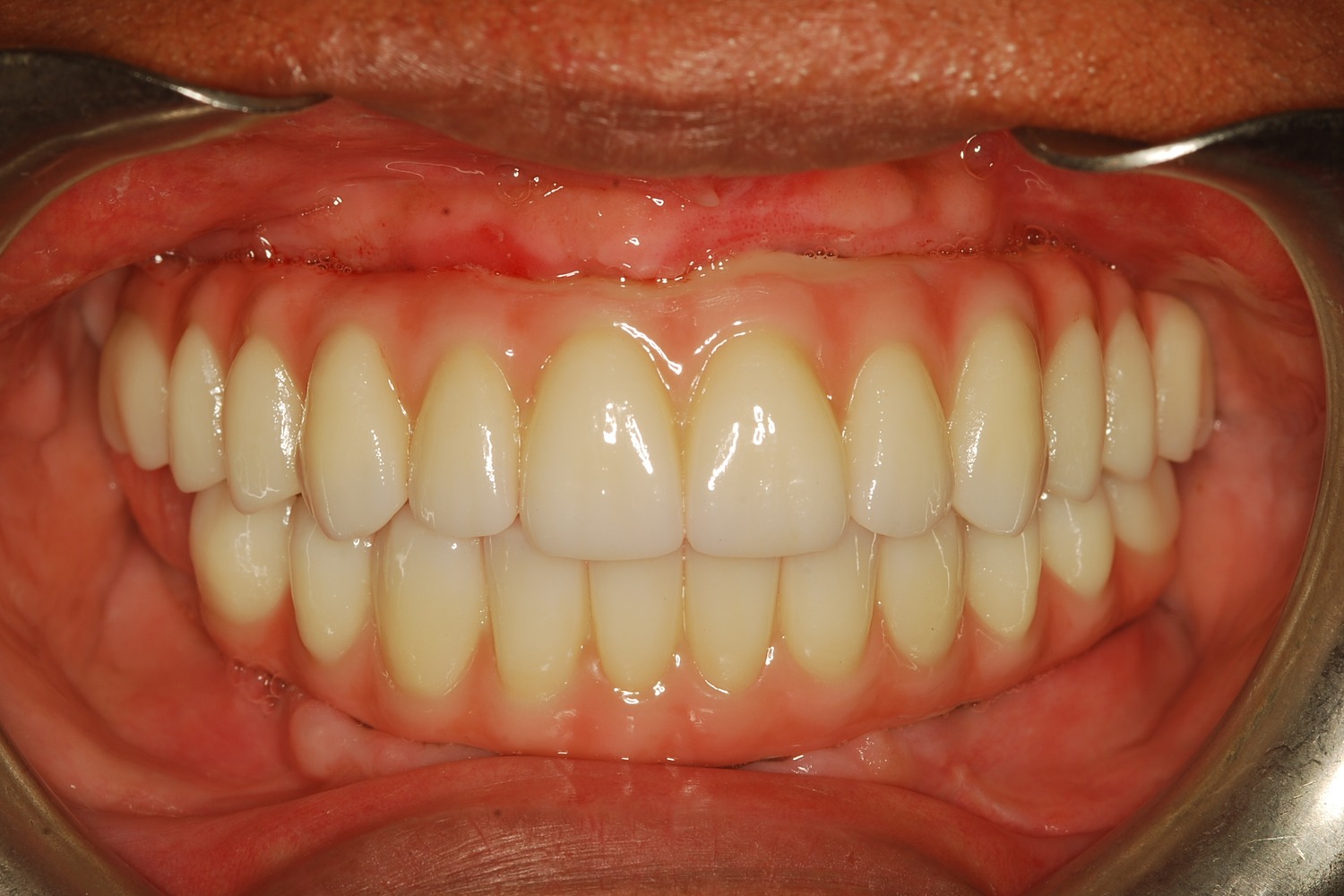
After How Severe Bone Loss and Bite Dysfunction Were Rebuilt with All-on-6 Implants and a Milled Zirconia Hybrid Prosthesis
The patient presented with severe bone loss, advanced periodontal disease, malocclusion, and a dysfunctional bite that required full-arch rebuilding.
 Before
  After
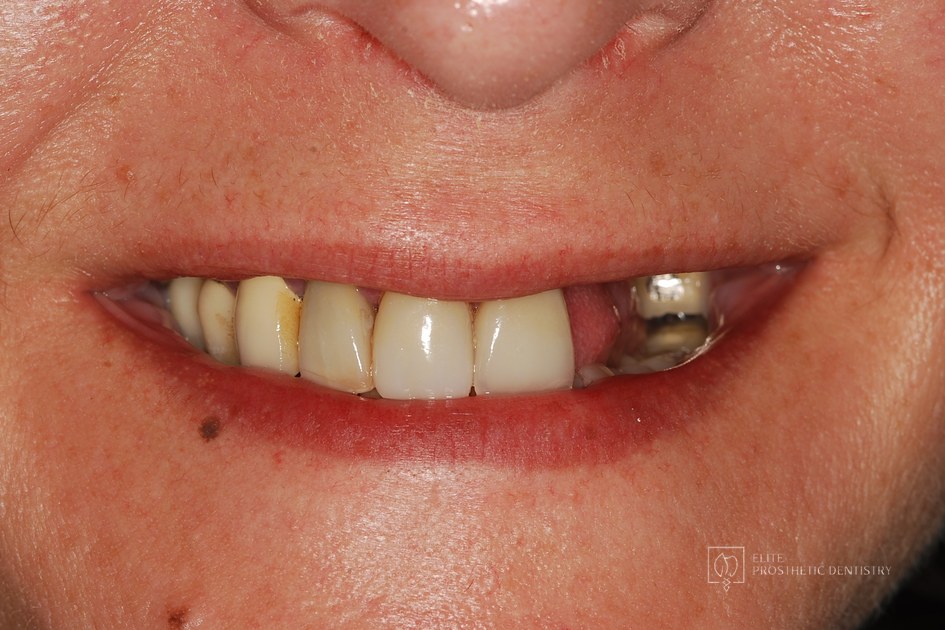
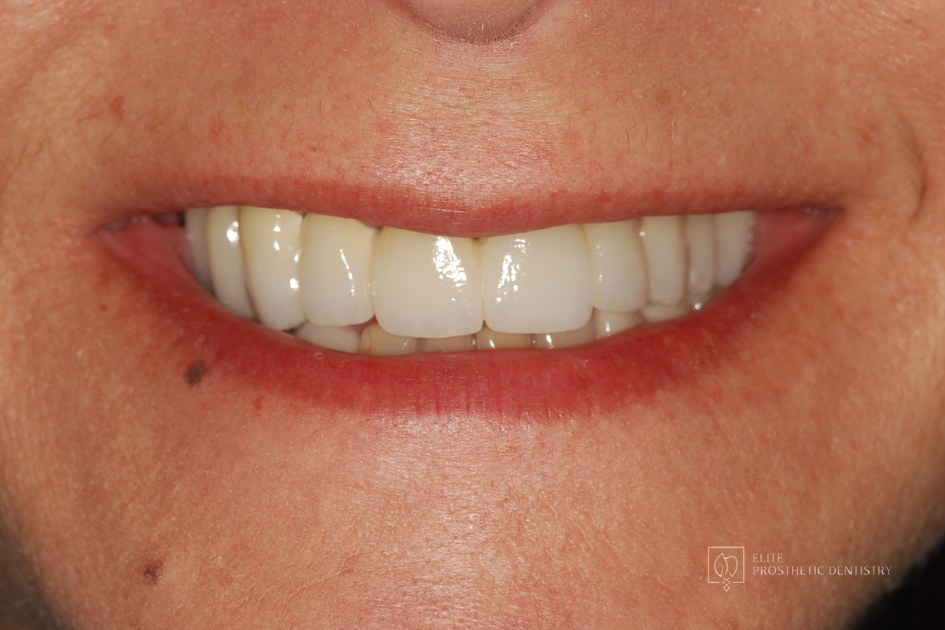
After Implant Supported Reconstruction: Failing Bridgework and Missing Back Teeth Rebuilt with Coordinated Specialist Care
Referred by another dental specialist with severe bone resorption on the upper left, multiple broken-down lower teeth requiring extraction, and failing lower back teeth that had left the bite without solid support. No single procedure, and no single provider working alone, could rebuild a situation this interconnected.
 Before
  After
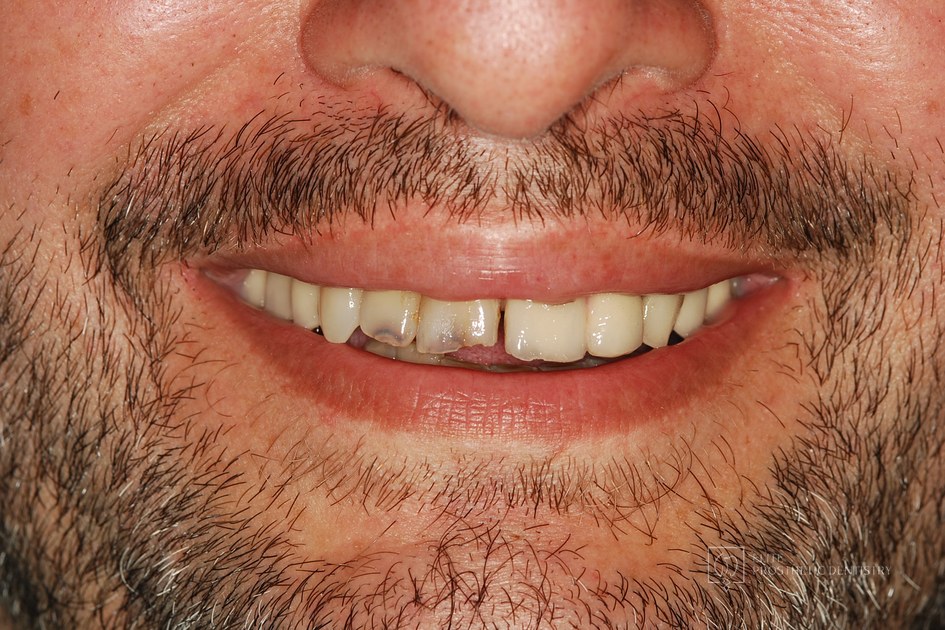
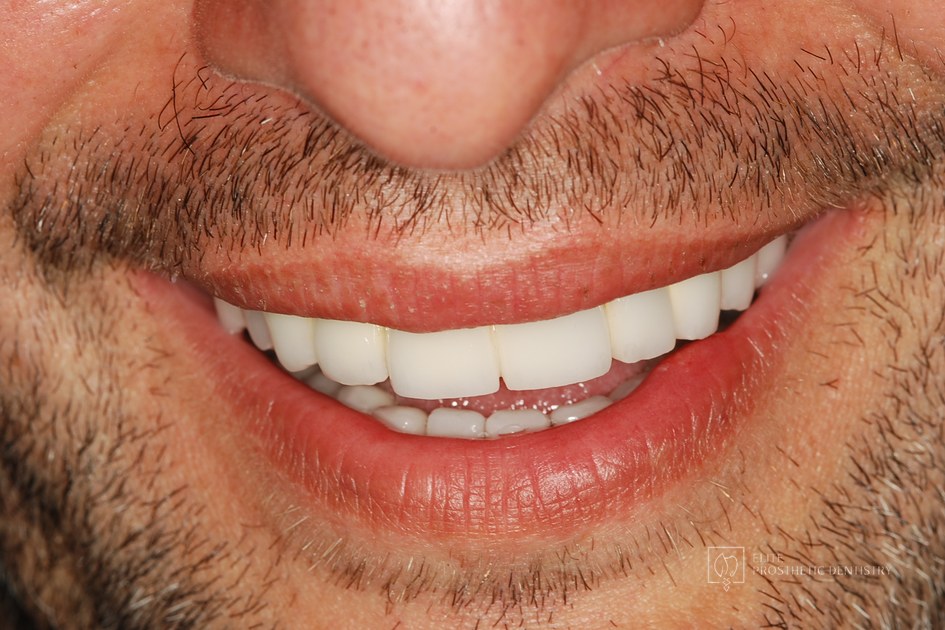
After Severe Restorative Breakdown Rebuilt with a Coordinated Full-Mouth Reconstruction
Multiple older restorations placed at different times over many years, broken-down teeth, a significant malocclusion, an asymmetrical smile, and two upper front teeth that could no longer be saved. No single repair could address a pattern this widespread.
 Before
  After
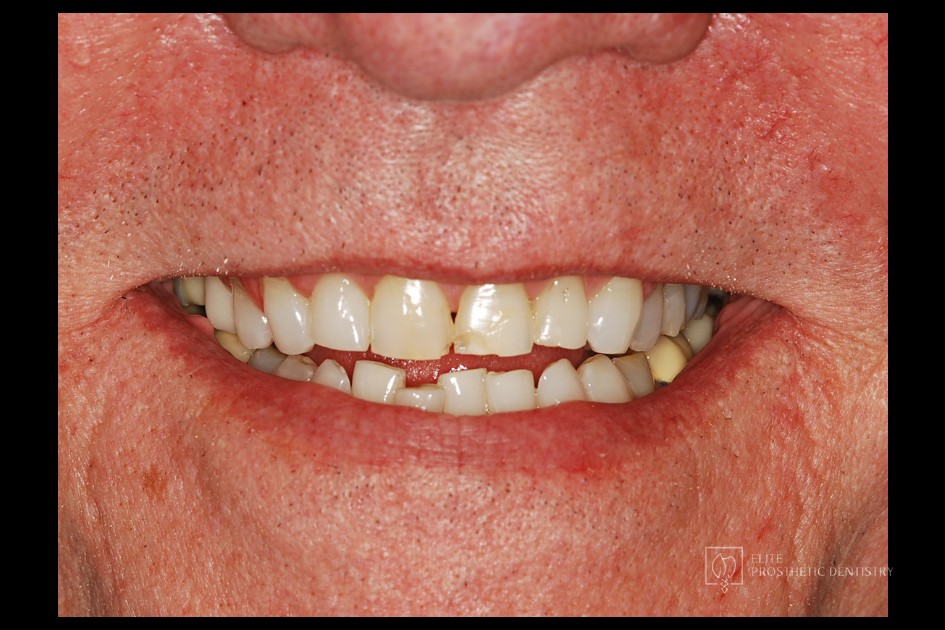
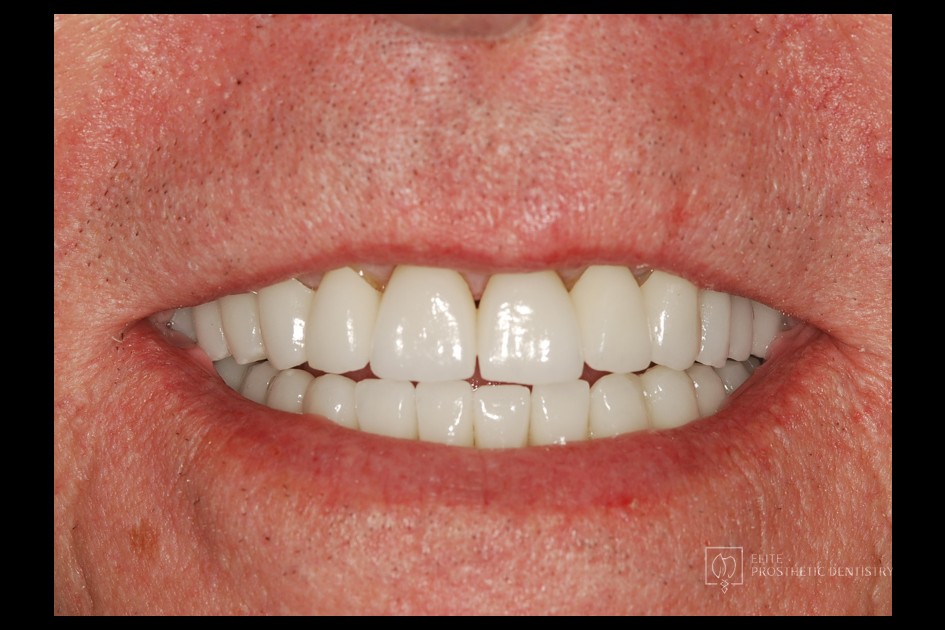
After How Aging Crowns and a Long-Standing Bridge Were Rebuilt with a Coordinated Restorative Plan
Existing crown work and a long-standing bridge that had aged together over many years. The restorations were not in acute failure, but the cumulative pattern was clear: older dental work approaching the point where conservative repair would no longer provide a predictable answer.
Sedation Resources
IV Sedation
How IV sedation works, who administers it, and why it suits long reconstructive appointments.
Sleep Dentistry: Will I Be Asleep?
What people actually mean by being put to sleep, and what each level of sedation feels like.
Dental Anxiety and Avoidance
For patients who have put off treatment and are not sure how to start again.
Is Sedation Safe?
Screening, monitoring, medical conditions, and the questions worth asking any practice.
Full-Mouth Treatment in Fewer Visits
How extensive reconstruction is consolidated into a smaller number of appointments.
Sedation for Implant Surgery
Implant placement, bone grafting, and sinus procedures performed under sedation.
Cost, Insurance, and Financing
What drives the cost of sedation and how it is typically handled by insurance.
What to Expect: Before, During, After
Fasting, medications, the escort requirement, and recovery.
Sedation Dentistry in Washington, DC Near You
Dr. Marlin provides specialty care to patients throughout the Washington, DC metropolitan area. Select your community to learn more.
4.9 out of 5 Stars
Based on 100+ verified patient reviews
Conveniently Located in Friendship Heights
Serving Washington DC, Bethesda, Chevy Chase, McLean, Great Falls, Potomac, and surrounding communities. One block from the Friendship Heights Metro on the Red Line.
Request Your Specialist Consultation
Personally reviewed by Dr. Marlin or his team.
Hours
- Monday — Thursday8:00 AM — 5:00 PM
- Friday8:00 AM — 2:00 PM
- Saturday — SundayClosed