
Common Dental Implant Myths, Corrected by a Prosthodontist
Feeling insecure about a missing tooth is normal. Staying insecure because of things that are not true is optional.
Dental implants are permanently anchored in the jaw, carry a custom crown, and come closer than anything in dentistry to giving patients their natural teeth back. Yet a handful of durable myths keeps people living with gaps, loose dentures, and shrinking bone for years longer than they should. Here are the ones we hear most at consultations, corrected.
Myth 1: Implant Surgery Is Very Painful
Reality: this fear is decades out of date. The procedure is performed under local anesthesia, with sedation options for anxious patients, and the placement itself is typically gentler than the extraction that preceded it. With presurgical planning and an atraumatic surgical protocol, the great majority of our patients handle recovery with over-the-counter ibuprofen for a few days, and a striking number report no pain at all. The evidence and the day-by-day experience are covered in How Painful Is a Dental Implant?
Myth 2: Implants Are Too Expensive
Reality: implants are not cheap, but the comparison most people make is wrong. A dental bridge costs less on day one, then asks to be replaced every 7 to 15 years, each time drilling deeper into the neighboring teeth it depends on. A precisely placed implant stands on its own engineering, preserves the jawbone beneath it, and can last decades.
Price the decision across twenty years instead of one invoice and the arithmetic usually reverses. Quality dentistry done once is cheaper than average dentistry done repeatedly, a pattern that holds for crowns just as it does for implants.
Myth 3: Implants Cause Headaches
Reality: there is no scientific evidence that dental implants cause migraines or headaches. Once integrated, an implant should cause no sensation at all; patients forget which tooth it is. Persistent pain around any implant is not normal and warrants evaluation, but the implant-headache connection belongs to internet folklore, not clinical literature.
Myth 4: I Am Too Old for Implants
Reality: there is no upper age limit. Candidacy is a question of health, medications, and available bone, evaluated person by person, not a birthday cutoff. Older patients are often the ones who benefit most, trading unstable dentures for fixed teeth that let them eat and speak without calculation. What matters is an honest evaluation, including when an implant should not be done, because good implant dentistry is decision-driven at every age.
Myth 5: Implants Look Fake
Reality: a badly restored implant looks fake. A well-restored one is invisible. The difference lives in two details: an abutment that shapes a natural gumline transition, and a crown carrying the translucency and internal color of its neighbors. Both are fabricated in our in-house laboratory and verified against your actual smile before anything is final. See how that standard plays out in the hardest case of all, a single front tooth implant.
The Cost of Believing Myths
While myths keep patients waiting, biology keeps moving: neighboring teeth drift, and the jawbone under a missing tooth quietly resorbs, sometimes complicating the eventual treatment. The five reasons timing matters are laid out in why you should not wait for your dental implant.
If a myth on this list has been making your decision for you, replace it with an examination and real information. Dr. Gerald Marlin, a specialty-trained prosthodontist with more than 3,900 dental implants placed, will give you answers specific to your mouth, including when an implant is not the right choice. Browse our implant FAQs or call 202-244-2101 to schedule a consultation at our Friendship Heights office in Washington, DC.
See How We Resolve These Problems
Our patient success stories show real cases and real results. Browse outcomes from a specialist prosthodontist with decades of experience and 3,900+ implants placed.
Key Takeaways
- ✓ Most implant hesitation traces to myths: exaggerated pain, misunderstood cost, imagined age limits, and fears about how implants look.
- ✓ With modern anesthesia and atraumatic technique, most patients manage implant recovery with over-the-counter medication.
- ✓ Implants cost more upfront than bridges but replace themselves far less often, and they are the only option that preserves jawbone.
- ✓ There is no upper age limit for implants. Candidacy is about health and bone, not birthdays.
- ✓ A well-made implant crown is indistinguishable from a natural tooth, provided the placement and laboratory work are precise.
Frequently Asked Questions
Are dental implants painful?
This is the most common fear and the most outdated. The procedure itself is done under local anesthesia, with sedation available, and with careful planning and atraumatic technique most patients manage recovery with over-the-counter ibuprofen for a few days. Many report no pain at all.
Are dental implants worth the cost?
Compare lifetime costs, not sticker prices. A bridge typically needs replacement every 7 to 15 years and requires grinding down neighboring teeth, while a precisely placed implant can last decades and stands independently. Implants also preserve jawbone, avoiding the compounding costs of bone loss. Paying once for the durable answer is usually the cheaper path.
Am I too old for dental implants?
No. There is no upper age limit. Candidacy depends on your health, medications, and bone, all of which are evaluated individually. Patients in their seventies and eighties receive implants routinely and enjoy the same benefits of fixed, natural-feeling teeth.
Do dental implants cause headaches?
No scientific evidence supports this myth. A properly placed and restored implant integrates with the jaw and should cause no pain at all once healed. Persistent discomfort around any implant is a sign to have it evaluated, not a normal feature of implants.
Will people be able to tell I have an implant?
Not if it is done well. A custom abutment shapes a natural gumline and a hand-crafted crown matches the neighboring teeth in shape, translucency, and internal color. In our practice, both are made in an in-house laboratory, and patients tell us even their family cannot identify the implant tooth.
Related Patient Success Stories
Explore similar patient success stories demonstrating our expertise in advanced prosthetic dentistry.
 Before
  After
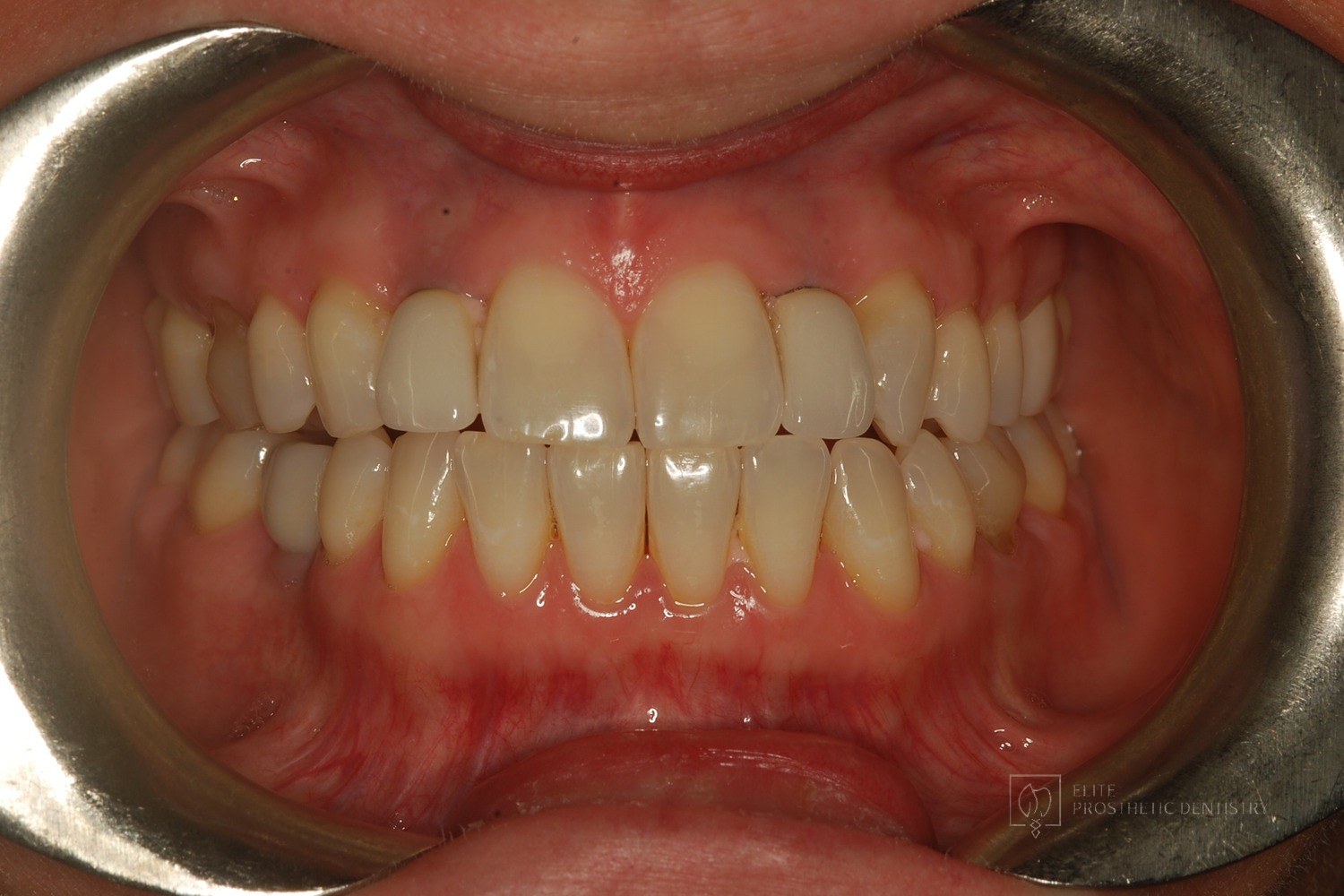
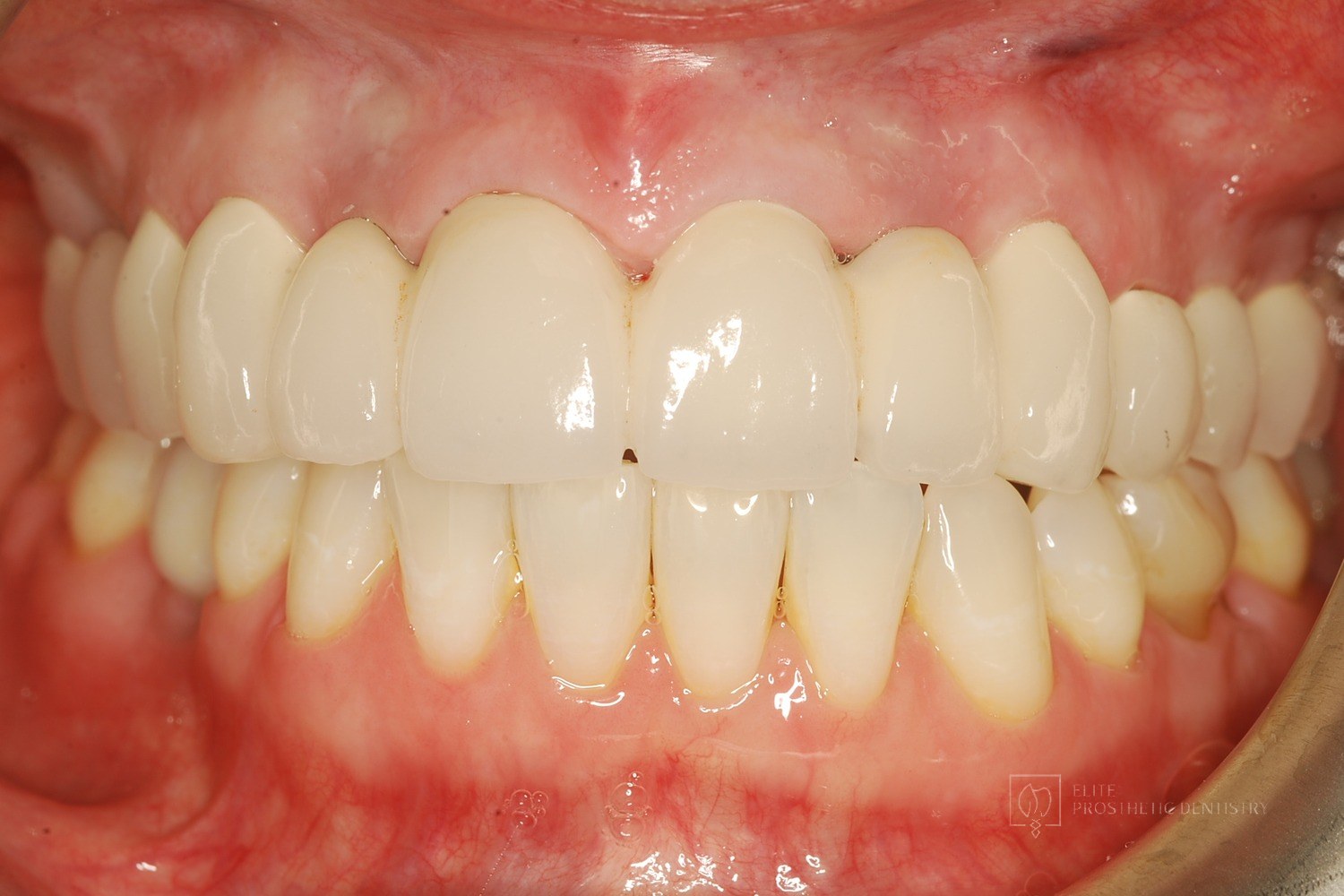
After How Older Implant Crowns Were Redesigned for a Better Bite and More Natural Appearance
The patient came in after years of living with implant-supported crowns placed more than twenty years earlier that no longer looked or functioned well. CBCT evaluation, reviewed with a radiologist colleague, showed the implants had been placed too far to the buccal in very thin bone and could not support a healthy long-term restoration.
 Before
  After
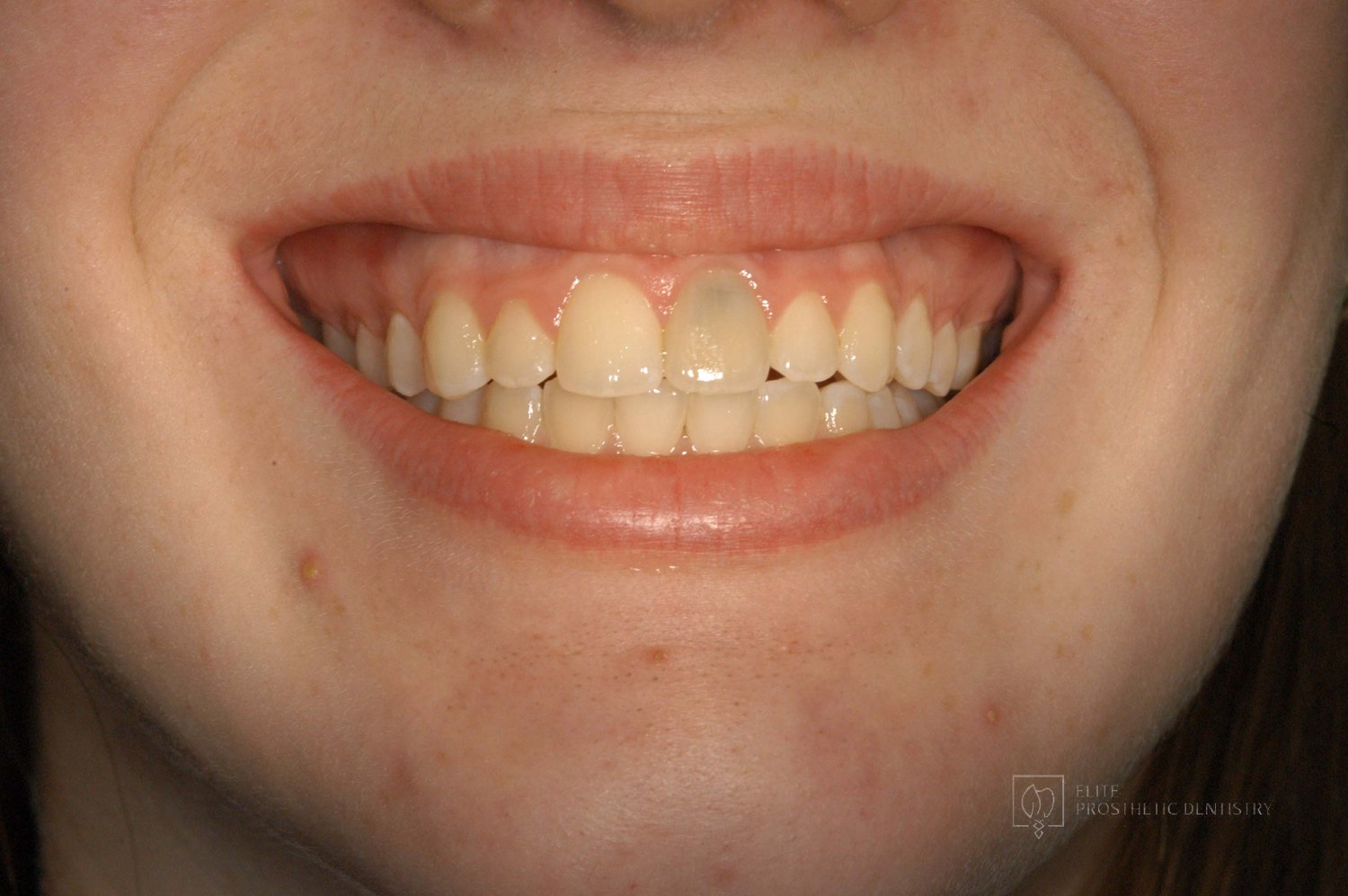
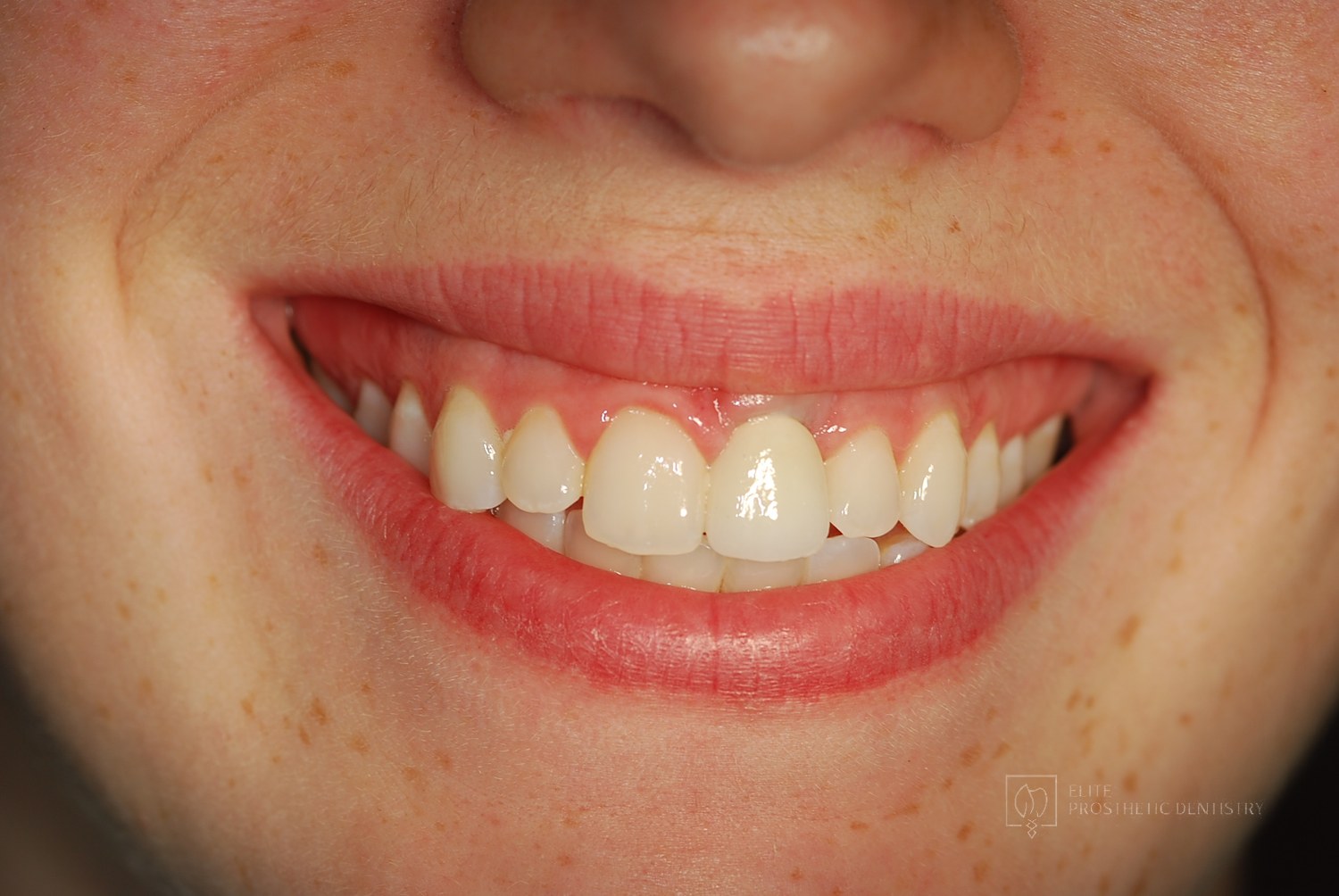
After How a Front Tooth Lost to Childhood Trauma Was Rebuilt with Bone Grafting and a Long-Lasting Implant
A teenager was referred by her father after earlier trauma left her upper left front tooth slowly failing from root resorption. She was still growing, so an immediate implant was the wrong move. The tooth had to be maintained to buy time, then replaced correctly once she reached skeletal maturity.
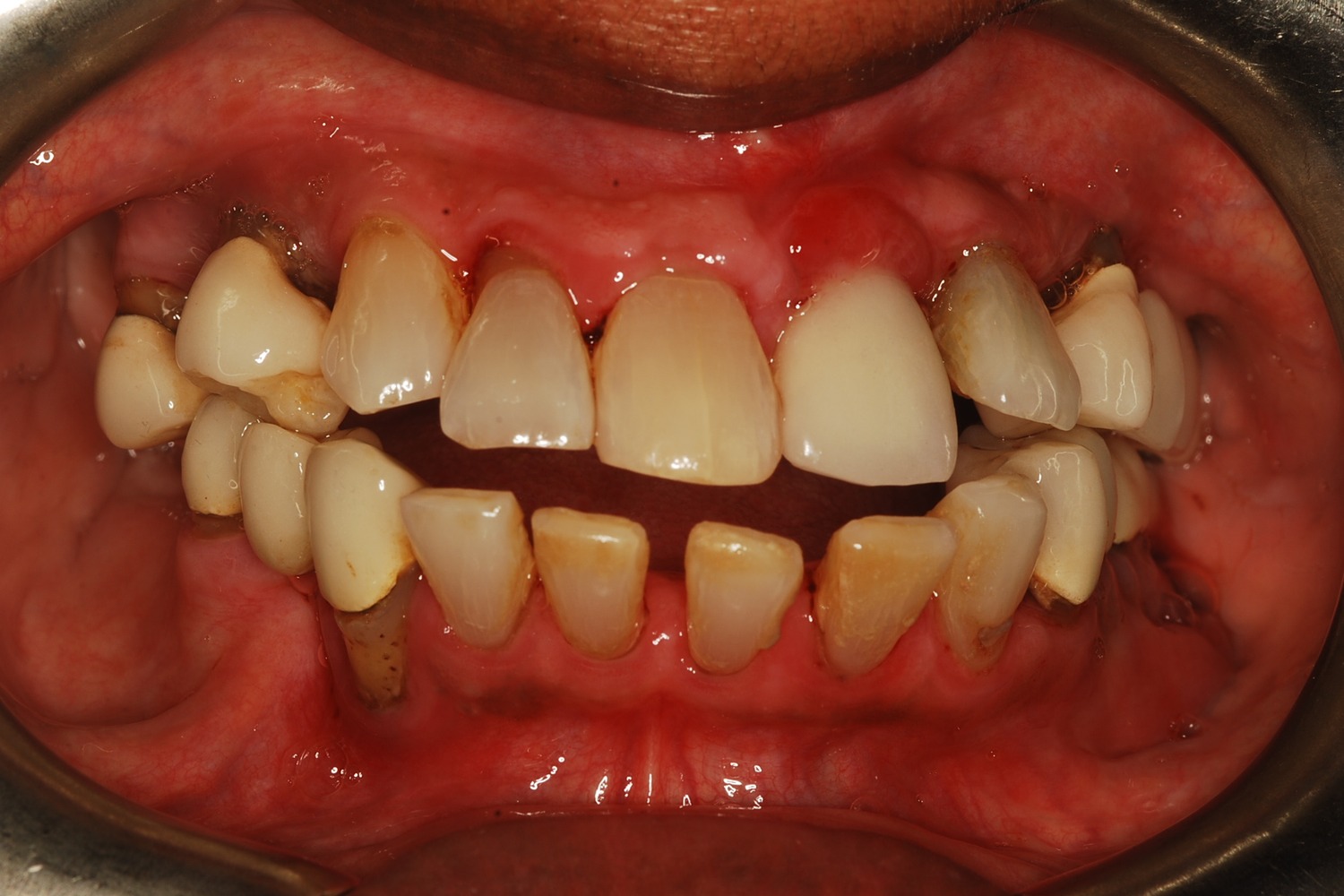 Before
 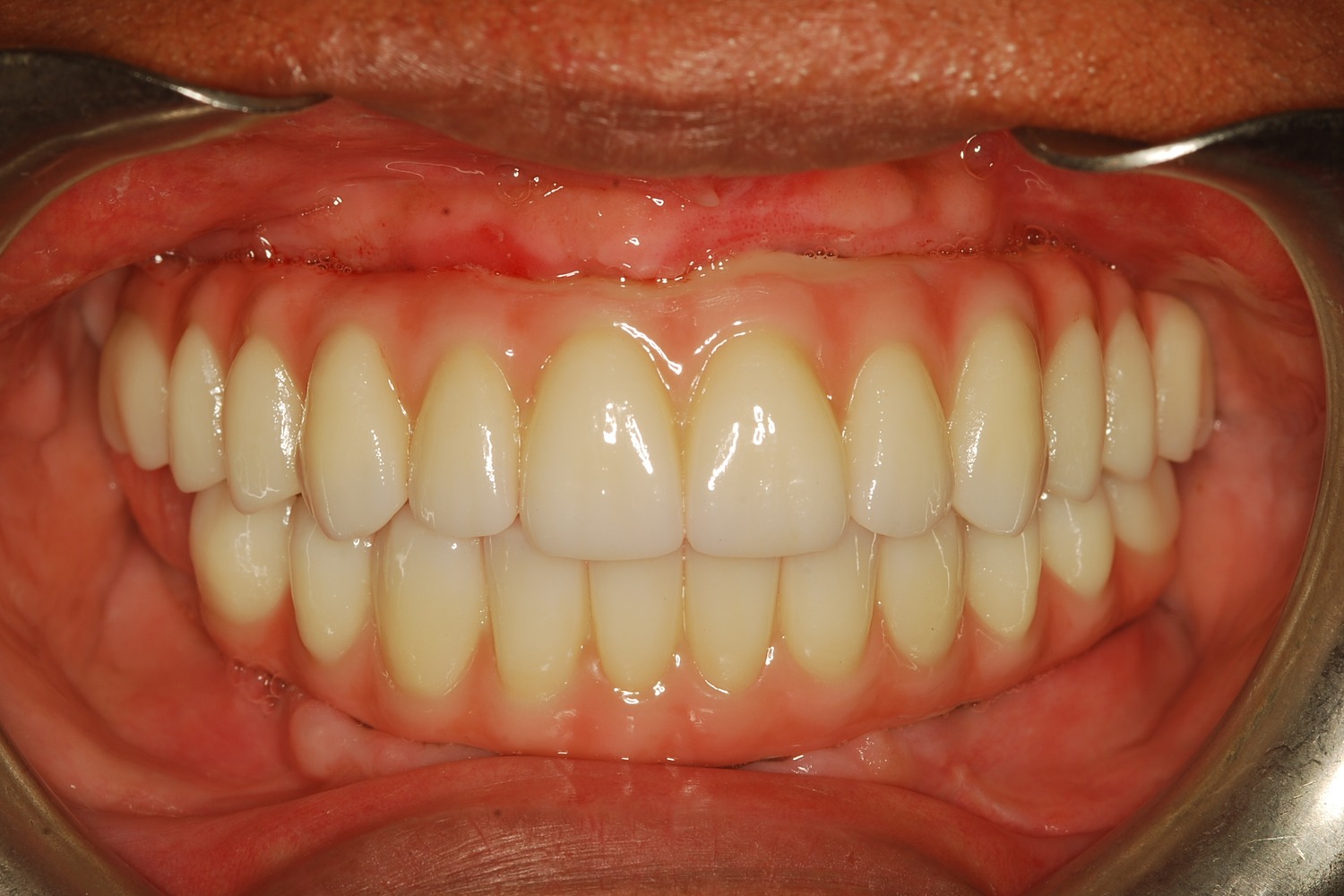 After
After How Severe Bone Loss and Bite Dysfunction Were Rebuilt with All-on-6 Implants and a Milled Zirconia Hybrid Prosthesis
The patient presented with severe bone loss, advanced periodontal disease, malocclusion, and a dysfunctional bite that required full-arch rebuilding.
Related Articles
Deepen your knowledge with additional insights on this topic.
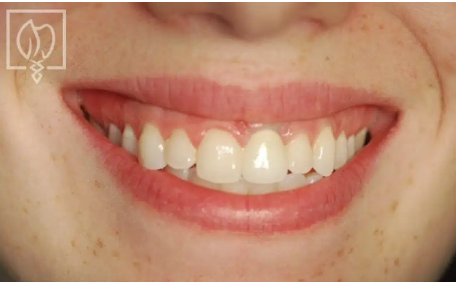 Dental Implants
 If a Single Front Tooth Is Replaced with an Implant, Can It Look Natural?
Yes. See the four steps, with real case photos, that make a single front tooth implant indistinguishable from the natural tooth beside it. Washington, DC.
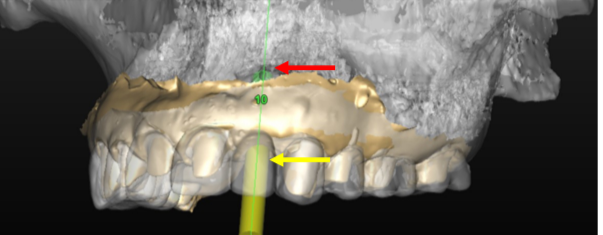 Dental Implants
 What Is Precision Implant Placement (PIP)?
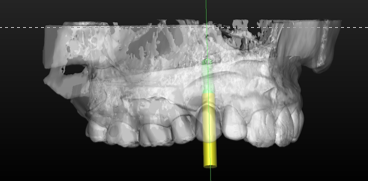
Precision Implant Placement plans each implant virtually on a CBCT scan, then delivers it with a custom surgical guide. See the three steps with real images.
 Dental Implants
 What Is the Ideal Surgical Guide for Precision Implant Placement?
Not all surgical guides are equal. The gold standard is CBCT-based: planned virtually in 3D, 3D printed, and seated on your teeth. A DC prosthodontist explains.