
How Painful Is a Dental Implant?
Wondering whether a dental implant will hurt is not cowardice. It is due diligence, and it deserves a factual answer instead of reassurance.
Here is the factual answer: implant placement is typically less painful, with a faster recovery, than having a tooth extracted [1], and most patients are surprised by how little the experience resembles their fears. Here is what to expect, hour by hour and day by day.
During the Procedure: Pressure, Not Pain
You will not feel pain during implant placement. The site is completely numbed with local anesthesia, and what remains is sensation without hurt: some pressure, some vibration. Most patients tolerate the appointment easily and return to normal activities within a few days [2].
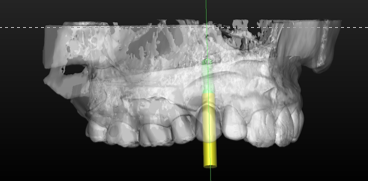
Part of what makes the appointment uneventful is that nothing about it is improvised. Every case is planned on 3D imaging beforehand, so surgery day holds no surprises, and the placement itself follows the gentle protocol described in our article on atraumatic implant surgery.
The Medication Strategy: Prevention, Not Rescue
The difference between our patients’ experience and the horror stories usually comes down to timing. We use anti-inflammatory medication at a precise point before the procedure and again before the local anesthesia wears off, so inflammation, the engine of post-surgical pain, is controlled before it starts.
We do prescribe stronger medication as a precaution. The predominance of our patients never open the bottle, managing comfortably with ibuprofen (Advil®) plus acetaminophen (Tylenol®) taken on a specific schedule for maximum effect.
After the Procedure: The 24-Hour Peak
Honesty about the recovery curve: expect some swelling, minor bleeding, and possibly bruising at the site, with mild discomfort that peaks around 24 hours after surgery and then begins to subside [4]. For most patients this is over-the-counter territory, and by the end of the first week the site asks very little of you. The complete healing timeline, including what happens beneath the gum as the implant integrates, is covered in dental implants: the recovery.
Why recoveries vary from patient to patient, and how to stack the variables in your favor, is its own subject: see Can I Expect a Lot of Pain with Implant Surgery?
If Anxiety Is Part of the Equation
Different patients bring different nervous systems to the chair, and sedation dentistry exists for exactly that reason. Mild sedation leaves you relaxed with partial memory of the visit; IV sedation typically leaves you with almost none. Research suggests sedation can even lower perceived pain after the procedure [3]. Implants require only local anesthesia, so sedation is purely a comfort choice, and it is available for every implant procedure we perform.
The Bottom Line
A dental implant is a surgical procedure with a genuinely mild reputation among the patients who have actually had one, especially when planning, technique, and medication are handled with discipline. Fear of pain is the most common reason patients delay replacing a missing tooth, and it is the most fixable.
Dr. Gerald Marlin has placed more than 3,900 dental implants over a career of more than 40 years. Bring him your questions, including the nervous ones. Call 202-244-2101 or schedule a consultation at Elite Prosthetic Dentistry in Friendship Heights, Washington, DC.
Sources
See How We Resolve These Problems
Our patient success stories show real cases and real results. Browse outcomes from a specialist prosthodontist with decades of experience and 3,900+ implants placed.
Key Takeaways
- ✓ You will not feel pain during implant placement. Local anesthesia covers the procedure, with sedation available for comfort and anxiety.
- ✓ Research shows implant procedures are often less painful, with faster recovery, than tooth extractions.
- ✓ Discomfort typically peaks around 24 hours after surgery, then subsides over a few days, managed with over-the-counter anti-inflammatories.
- ✓ A precisely timed medication protocol before and after surgery prevents most pain rather than chasing it.
- ✓ Most of our patients never need anything stronger than ibuprofen and acetaminophen, taken on a specific schedule.
Frequently Asked Questions
Does getting a dental implant hurt during the procedure?
No. The site is fully numbed with local anesthesia, so you feel pressure and vibration at most. Patients who choose sedation often remember little of the appointment at all. The procedure is typically gentler than the extraction most patients have already experienced.
How much pain is normal after implant surgery?
Expect mild discomfort that peaks around 24 hours after the procedure, along with some swelling and minor bruising, then steadily subsides. Most patients manage with over-the-counter ibuprofen and acetaminophen on a timed schedule and are back to normal activities within a few days.
What pain medication will I need after an implant?
In our practice, anti-inflammatory medication is timed before the procedure and before the anesthesia wears off, which prevents most discomfort from developing. A stronger prescription is provided as a precaution, but the predominance of our patients never use it, finding ibuprofen plus acetaminophen sufficient.
Is implant surgery worse than a tooth extraction?
Usually the opposite. Published research and decades of clinical experience find implant placement involves less postoperative pain and faster recovery than extractions, because a planned procedure in healthy bone is inherently gentler than removing a failing tooth.
Can I be sedated for my implant procedure?
Yes. Options range from mild sedation, where you are relaxed and may remember parts of the visit, to IV sedation, where you will likely remember very little. Sedation also measurably reduces perceived pain afterward, making it worth considering if anxiety is part of your calculation.
Related Patient Success Stories
Explore similar patient success stories demonstrating our expertise in advanced prosthetic dentistry.
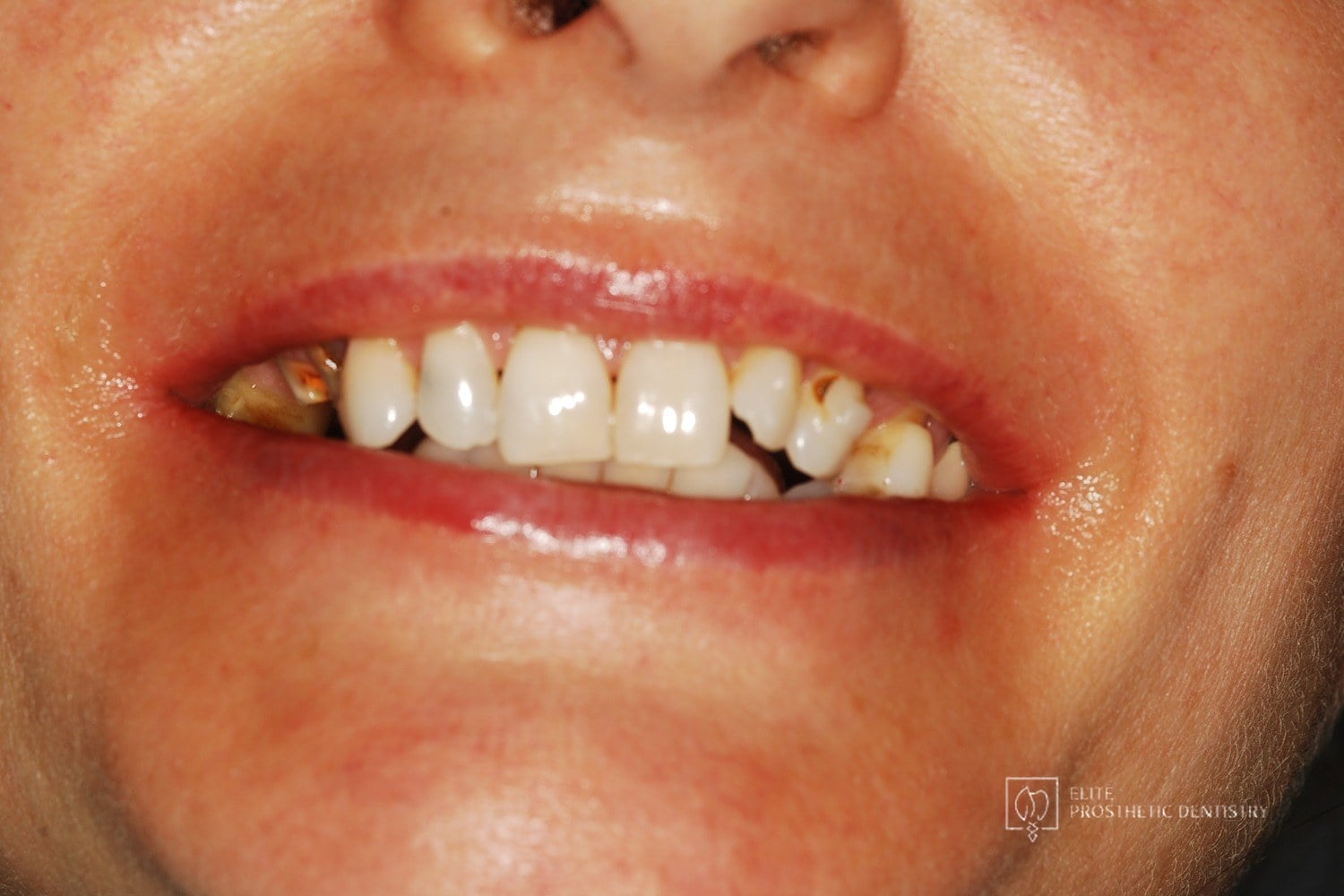 Before
 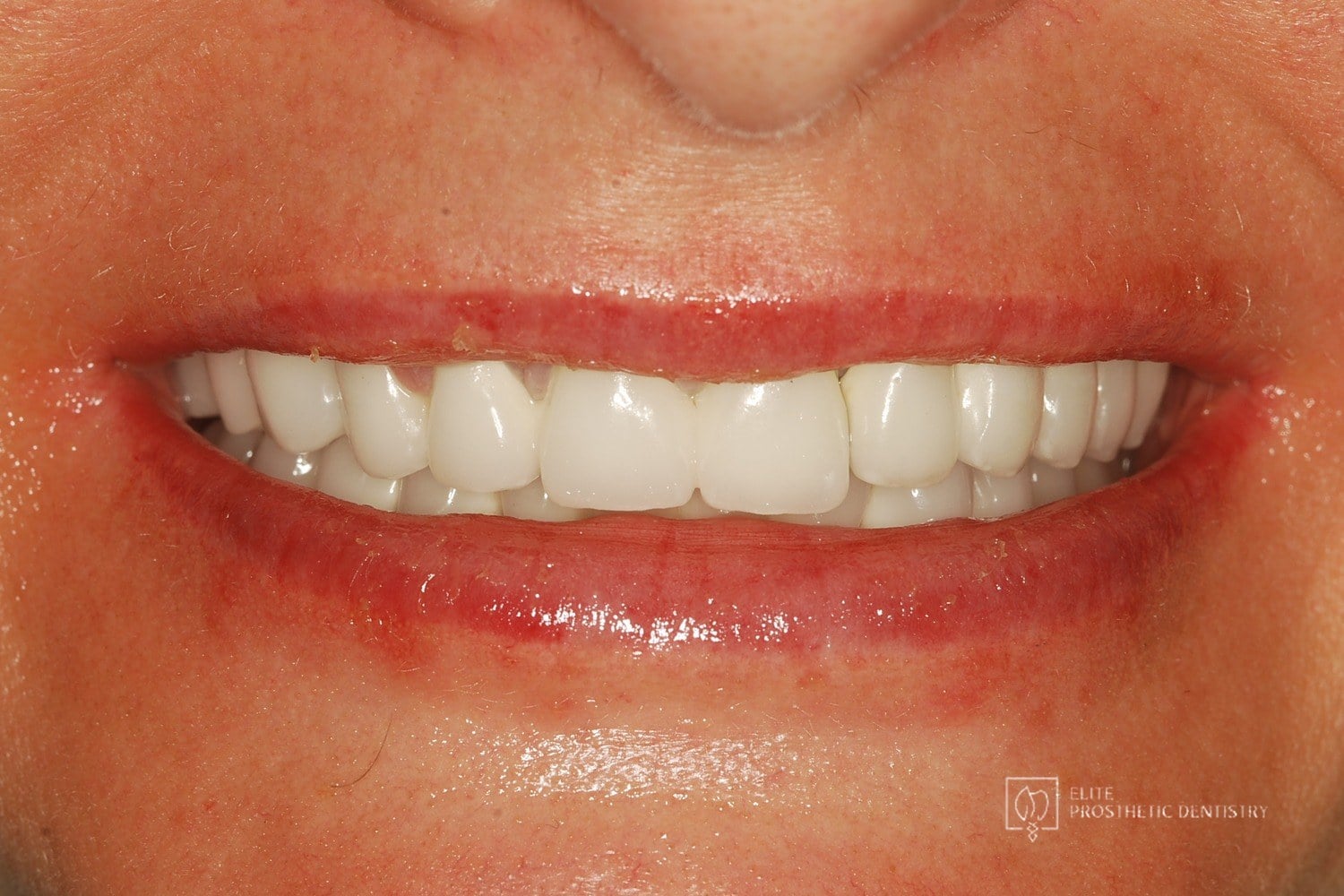 After
After How Aging, Failing Dentistry Was Replaced with a Coordinated Full-Mouth Implant and Crown Reconstruction
The patient presented with throbbing upper-molar pain, long-standing infections, multiple root canals and unfinished prior treatment, generalized sensitivity, and several hopeless teeth.
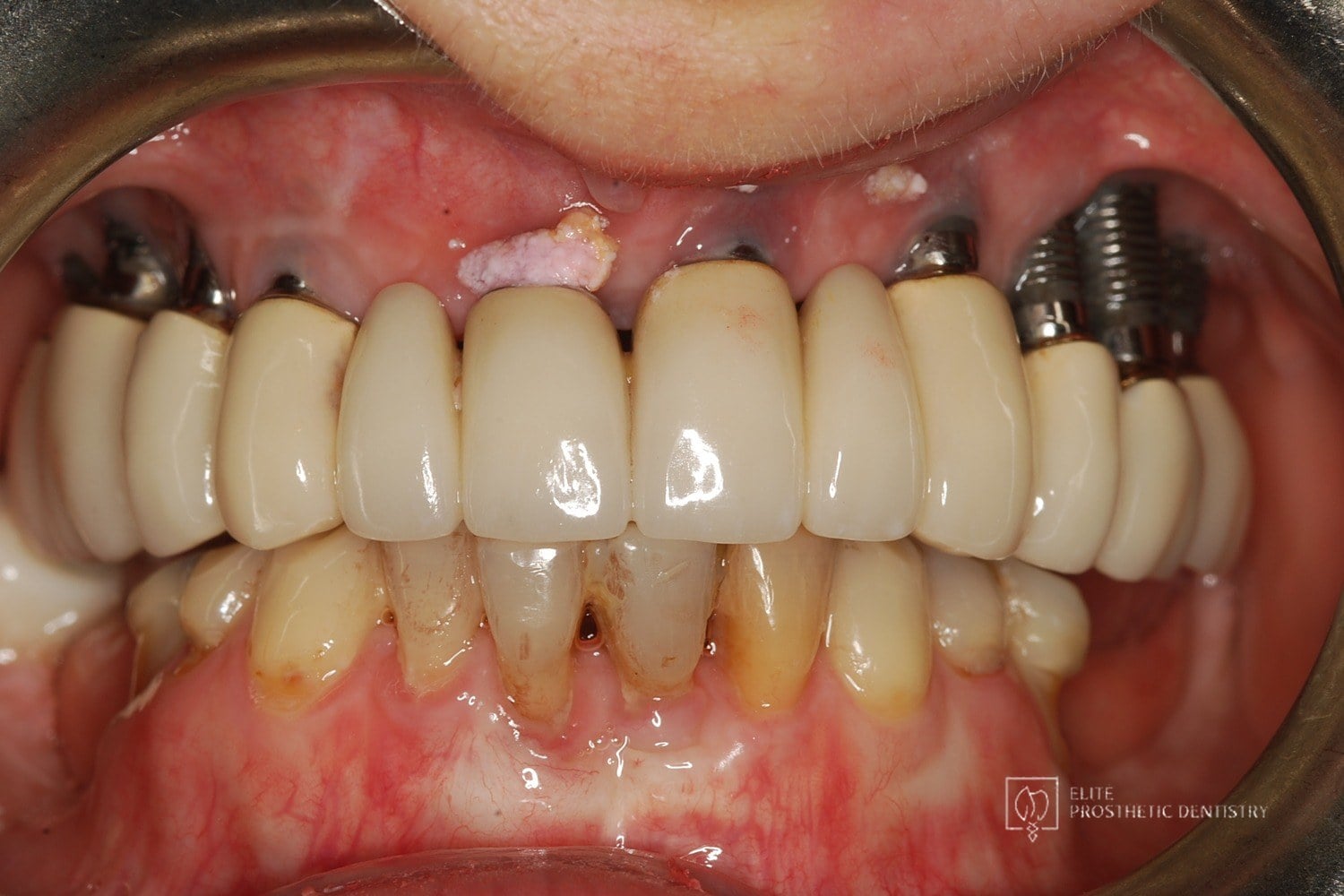 Before
 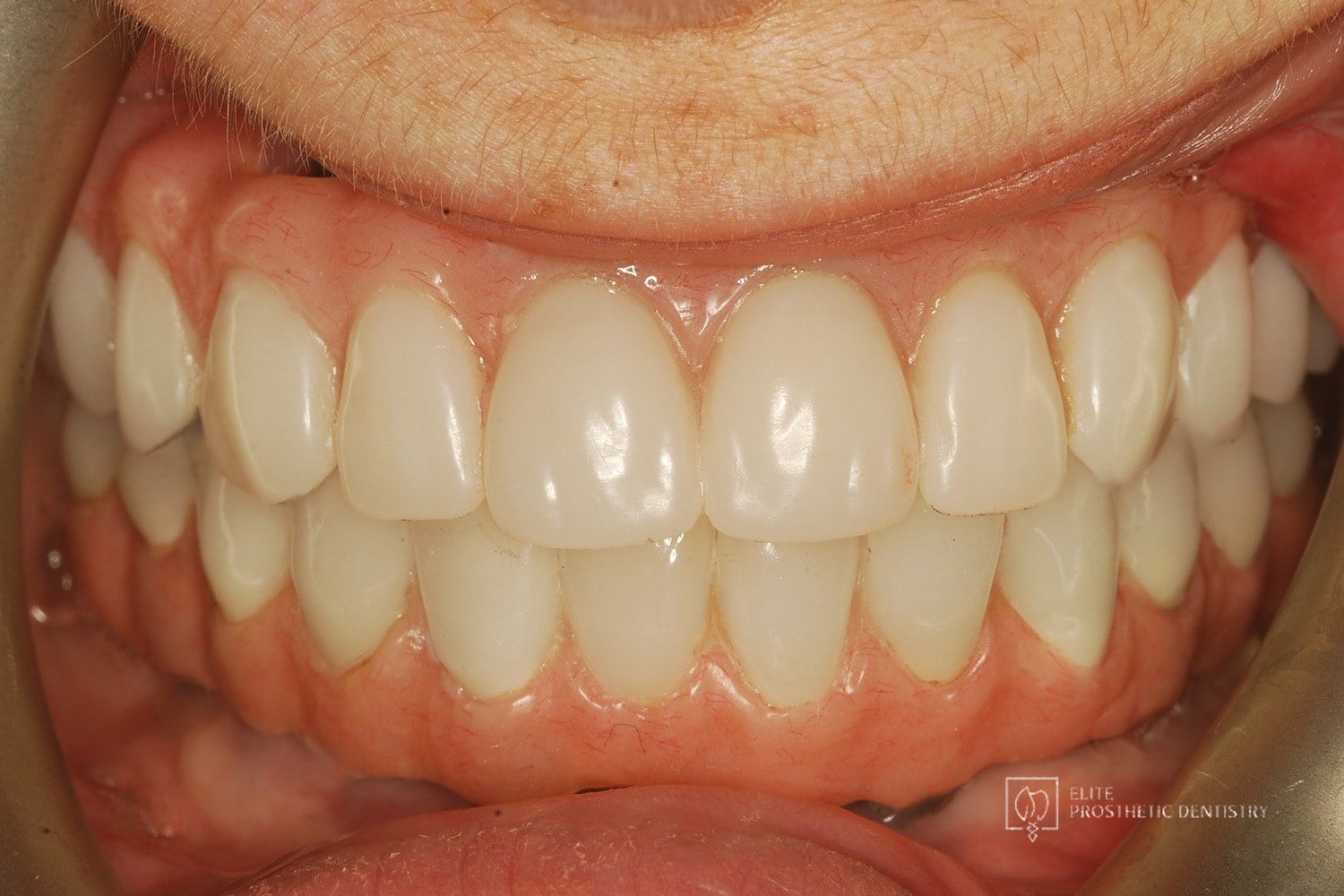 After
After How Failing Implants and Severe Bone Loss Were Rebuilt Into a Stable Full-Arch Implant Reconstruction
The patient presented with significant complications from previously placed implants, severe bone loss, failing posterior implants, and an unesthetic full-arch bridge. Both arches required full reconstruction, with the upper arch showing the most advanced bone loss and instability.
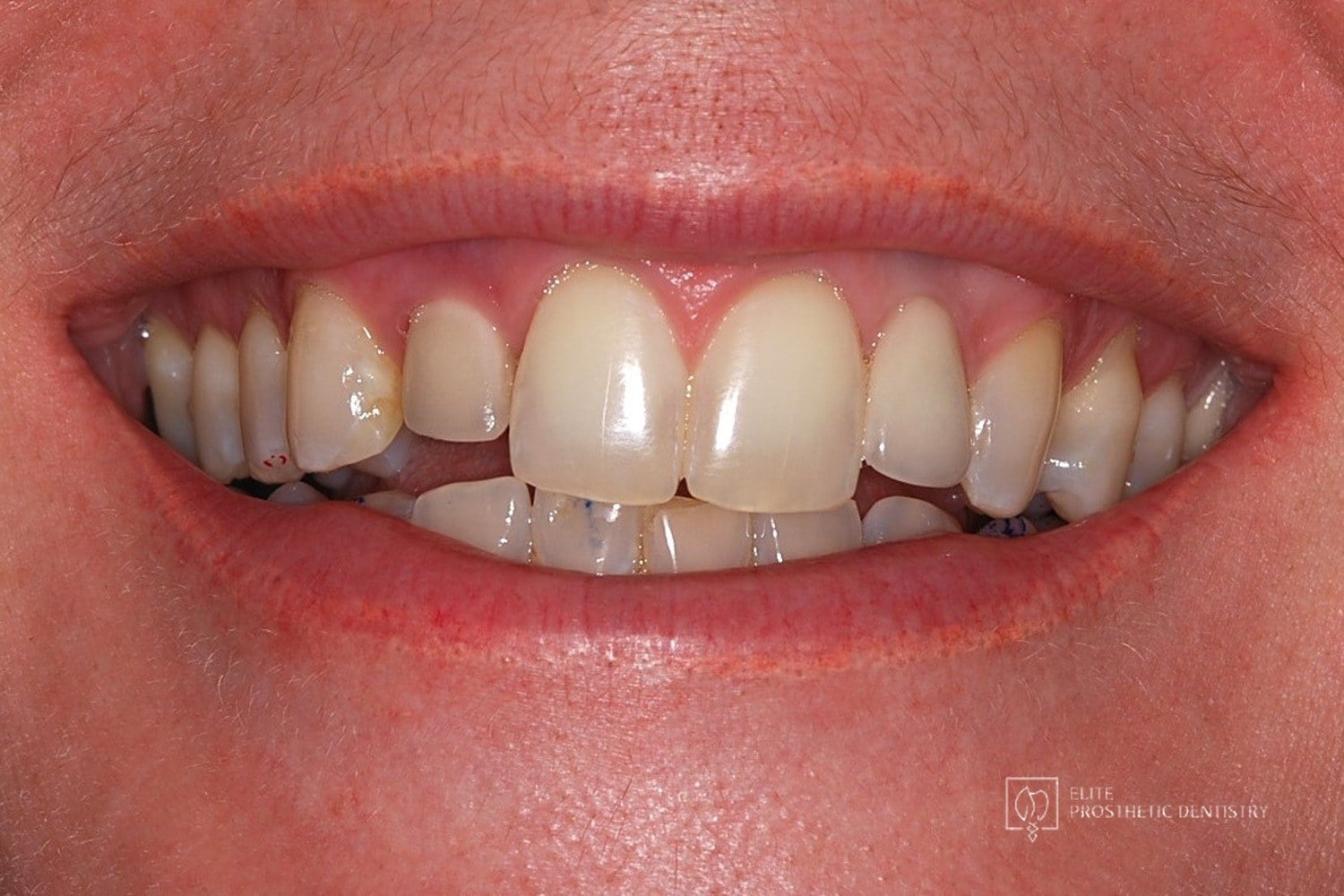 Before
 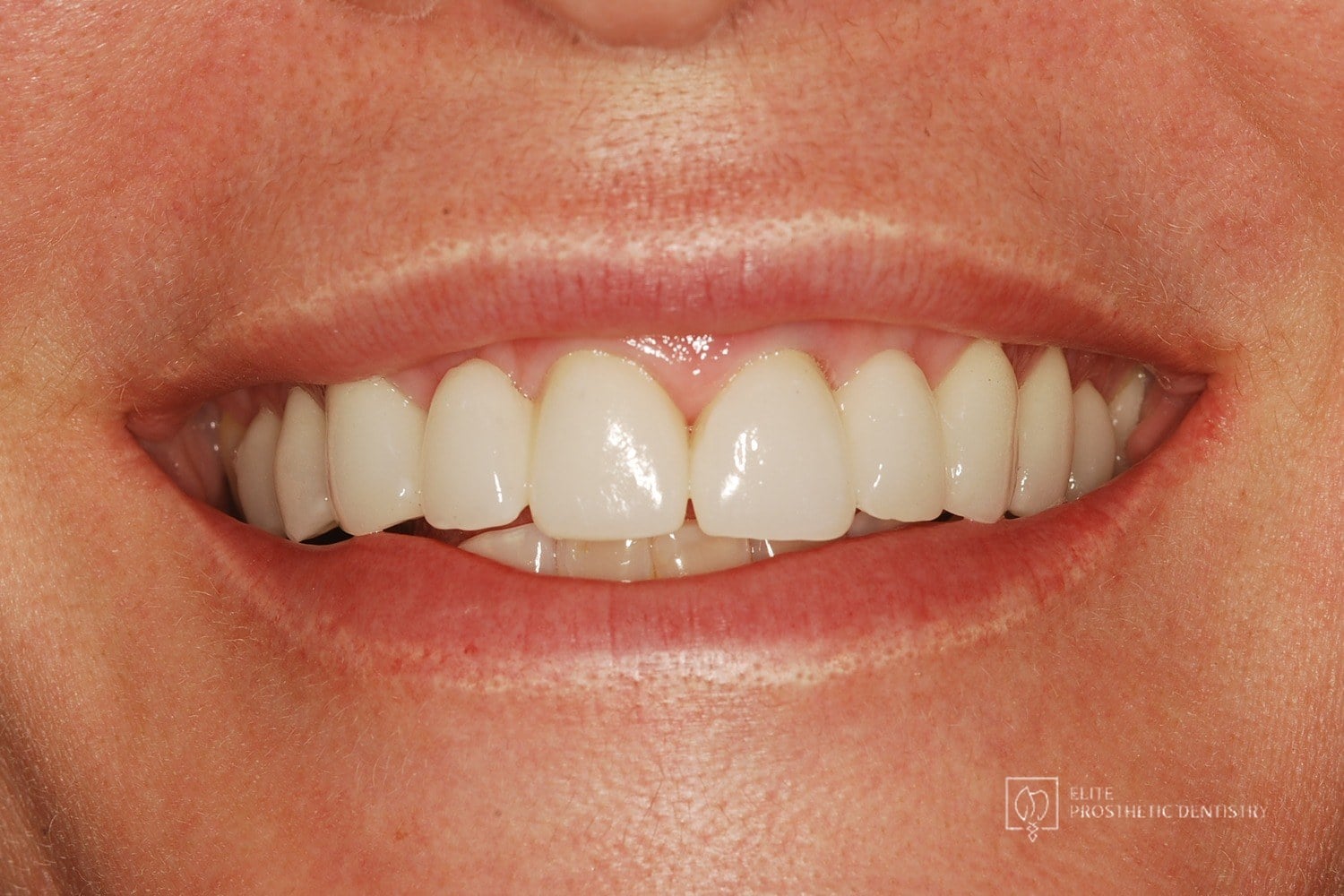 After
After How Failing Lateral Incisor Implants Were Replaced with Custom Zirconia Bridges After Severe Bone Loss Made Replacement Implants Impossible
Comprehensive examination including CBCT imaging revealed significant bone loss surrounding implants that were placed outside the buccal plate, most likely due to placement without a CBCT-generated surgical guide. The implants were determined non-salvageable, and the alveolar ridge was too narrow to support replacement implants without extensive reconstruction.
Related Articles
Deepen your knowledge with additional insights on this topic.
 Dental Implants
 If a Single Front Tooth Is Replaced with an Implant, Can It Look Natural?
Yes. See the four steps, with real case photos, that make a single front tooth implant indistinguishable from the natural tooth beside it. Washington, DC.
 Dental Implants
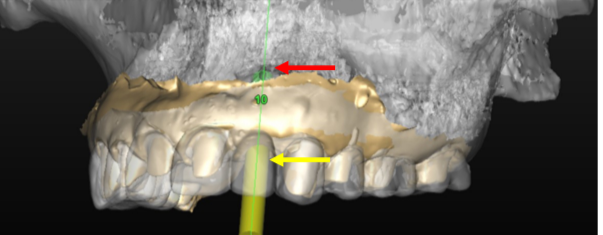
 What Is Precision Implant Placement (PIP)?
Precision Implant Placement plans each implant virtually on a CBCT scan, then delivers it with a custom surgical guide. See the three steps with real images.
 Dental Implants
 What Is the Ideal Surgical Guide for Precision Implant Placement?
Not all surgical guides are equal. The gold standard is CBCT-based: planned virtually in 3D, 3D printed, and seated on your teeth. A DC prosthodontist explains.