
Are All Crowns the Same? Part I: Why Fit Decides How Long a Crown Lasts
No, they are not, and the differences are larger than most patients ever learn. Crowns vary widely in two respects: how precisely they fit, and how natural they look. This article, Part I of a two-part series, examines fit, because fit quietly determines how long your crown and the tooth beneath it survive. Part II covers aesthetics.
The Range of Crown Quality
The universe of crowns runs from basic milled restorations, stamped out of a software library of stock shapes, to crowns custom fabricated for one specific tooth by an in-house laboratory technician working alongside the treating dentist.
The fit of a milled crown depends on the accuracy of the scan, the milling machine, and how rigorously the CAD/CAM operator refines the design. Held to strict standards by a skilled team, it can be acceptable. Left to software defaults, it is an approximation. Laboratory-fabricated crowns generally fit better, and custom in-house fabrication, where the technician can verify the crown on the actual model with the dentist and remake anything imperfect the same day, sets the standard. This is precisely why fixed prosthodontics is a recognized specialty discipline: precision at this scale is a learned craft.
Why Marginal Fit Is Everything
The margin is the microscopic seam where the crown edge meets your prepared tooth. When that seam is sealed, the tooth inside is protected. When it is open, even by a fraction of a millimeter, the seam becomes a harbor for bacteria that a toothbrush cannot reach.
What follows is predictable. Cement dissolves in the gap. Decay starts beneath the crown, invisible from the outside. By the time it is discovered, the decay may have reached the nerve, and a restoration that should have protected the tooth has instead cost it a root canal, or the tooth itself.
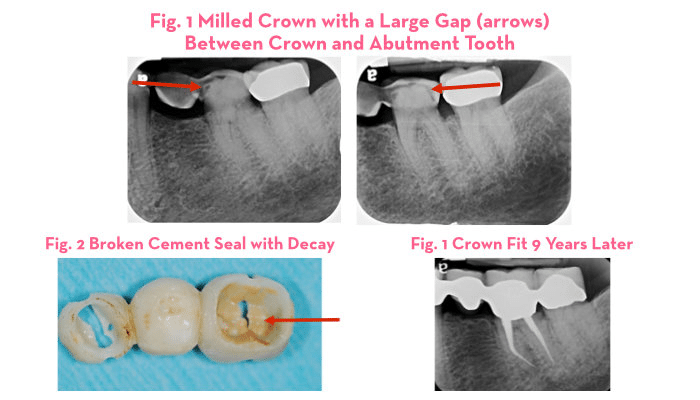
Fig. 1: Milled Bridge with Gap Between Tooth Preparation and Crown
The case above is a milled bridge that lasted only two years. The arrow marks a large gap between the tooth preparation and the crown. The bridge had to be cut off, the decay removed, a root canal performed because decay had reached the nerve, and a new bridge fabricated. The patient paid for the same dentistry twice, plus a root canal, because of a fabrication flaw that was present on day one.
The Longevity Gap, in Numbers
Mainstream patient guidance puts typical crown life at 5 to 15 years with proper care (Cleveland Clinic). Insurance companies, revealingly, will pay for a replacement crown after 5 years; the industry plans on failure. Crowns from our in-house laboratory, handcrafted there since 1985, have lasted 35 years and longer with proper care.
Set aside percentages and think in decades. A crown placed at 45 that lasts 8 years will need to be redone several times by age 80, each redo removing more tooth structure and each carrying its own risks. A crown that lasts 30 years may never need to be touched again. That is the practical meaning of precision, and it is why many patients seek us out to replace aging or repeatedly redone crowns with restorations engineered to be the last ones. Our patients often ask how long a dental crown should last; the honest answer is that it depends almost entirely on how it was made.
How We Verify Fit Before You Ever Leave
Every crown from our laboratory is evaluated on the model, checked in the mouth, and X-rayed at seating to confirm the margins are closed. If a crown does not meet that standard, it is remade. Not adjusted into compromise, remade. Dr. Marlin has practiced to that standard for more than 40 years, and it is the reason our crowns last as long as they do.
Continue to Part II of this series to see how custom fabrication approaches aesthetics differently from milled and commercial crowns, or read about how we create crowns that last 35 years.
If you are wondering whether your existing crowns fit as well as they should, or you are planning new crowns and want them done correctly the first time, call 202-244-2101 or request a consultation with Dr. Gerald Marlin at Elite Prosthetic Dentistry in the Friendship Heights neighborhood of Washington, DC.
See How We Resolve These Problems
Our patient success stories show real cases and real results. Browse outcomes from a specialist prosthodontist with decades of experience and 3,900+ implants placed.
Key Takeaways
- ✓ Crowns vary enormously in precision of fit, from stock shapes stamped out of a software library to restorations custom fabricated and verified by an in-house technician.
- ✓ The fit at the crown margin is what keeps bacteria and decay out. A gap measured in fractions of a millimeter can cost you the tooth.
- ✓ Mainstream patient guidance puts typical crown life at 5 to 15 years, and insurers typically cover replacement after 5. Crowns from our in-house laboratory have lasted 35 years and longer with proper care.
- ✓ A poorly fitting crown rarely announces itself. Failure surfaces years later as decay under the crown, root canal treatment, or extraction.
- ✓ Longevity is designed in at fabrication. It cannot be added afterward.
Frequently Asked Questions
Why do some crowns fail after just a few years?
The most common culprit is marginal fit. When a gap exists between the crown edge and the prepared tooth, cement washes out and bacteria colonize the space, causing decay beneath the crown. The crown itself may look fine while the tooth under it deteriorates.
How long should a dental crown really last?
Mainstream patient guidance puts typical crown life at 5 to 15 years, and insurance plans typically pay for replacement after 5. That range is not the ceiling. Well-designed, precisely fitted crowns can pass 20 years, and crowns from our in-house laboratory have lasted 35 years and longer with proper care.
Can I tell if my crown fits poorly?
Usually not by feel. Warning signs include food catching around the crown, floss shredding at one spot, persistent gum inflammation, or sensitivity, but many failing margins are silent. An examination with X-rays can reveal open margins and early decay before they become irreversible.
Is it worth paying more for a custom crown?
Consider the arithmetic across a lifetime. A longer-lasting crown spares you repeated preparation, repeated cost, and the cumulative loss of tooth structure each redo requires. Most patients who have had a crown redone once will tell you they never want to do it twice.
Related Patient Success Stories
Explore similar patient success stories demonstrating our expertise in advanced prosthetic dentistry.
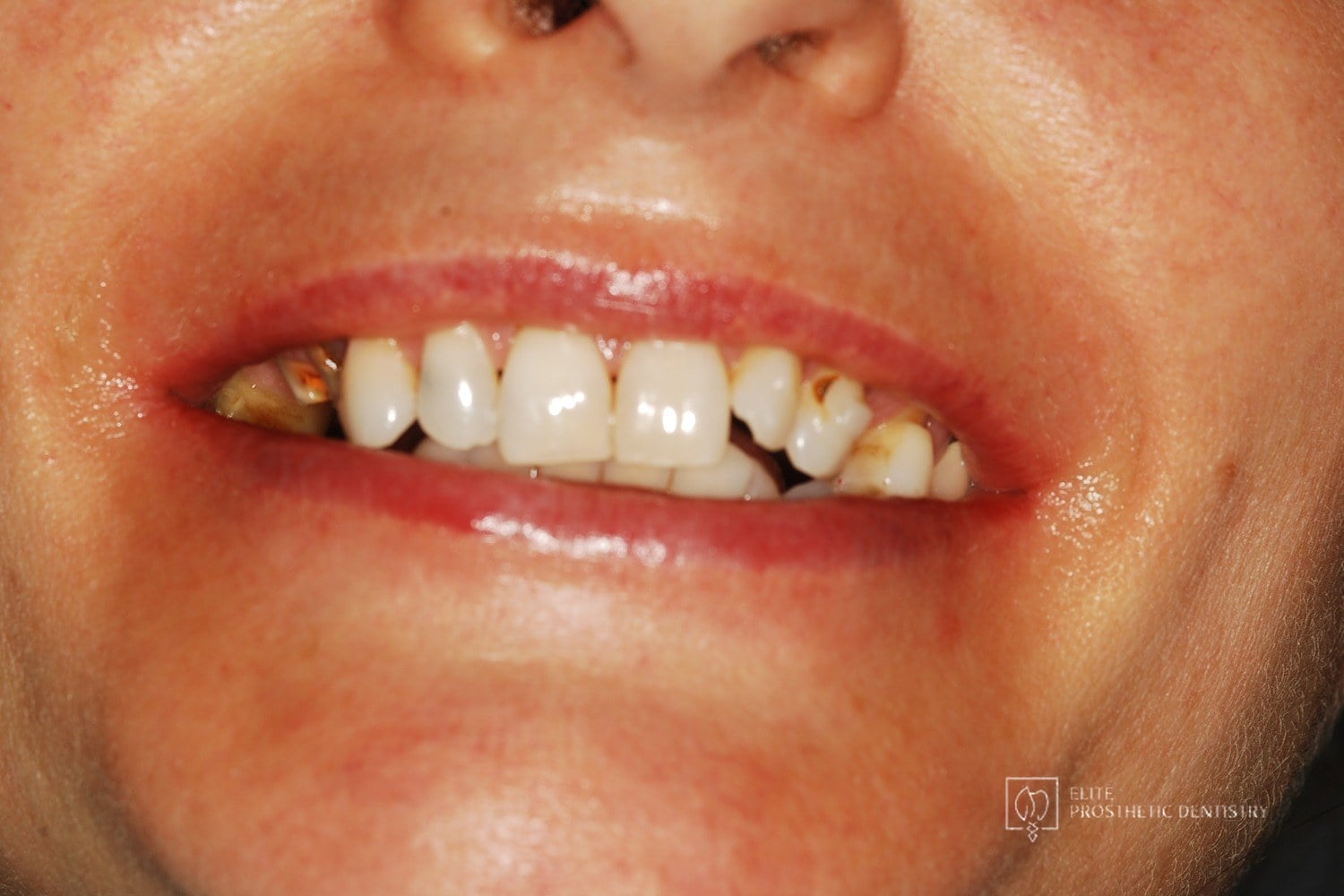 Before
 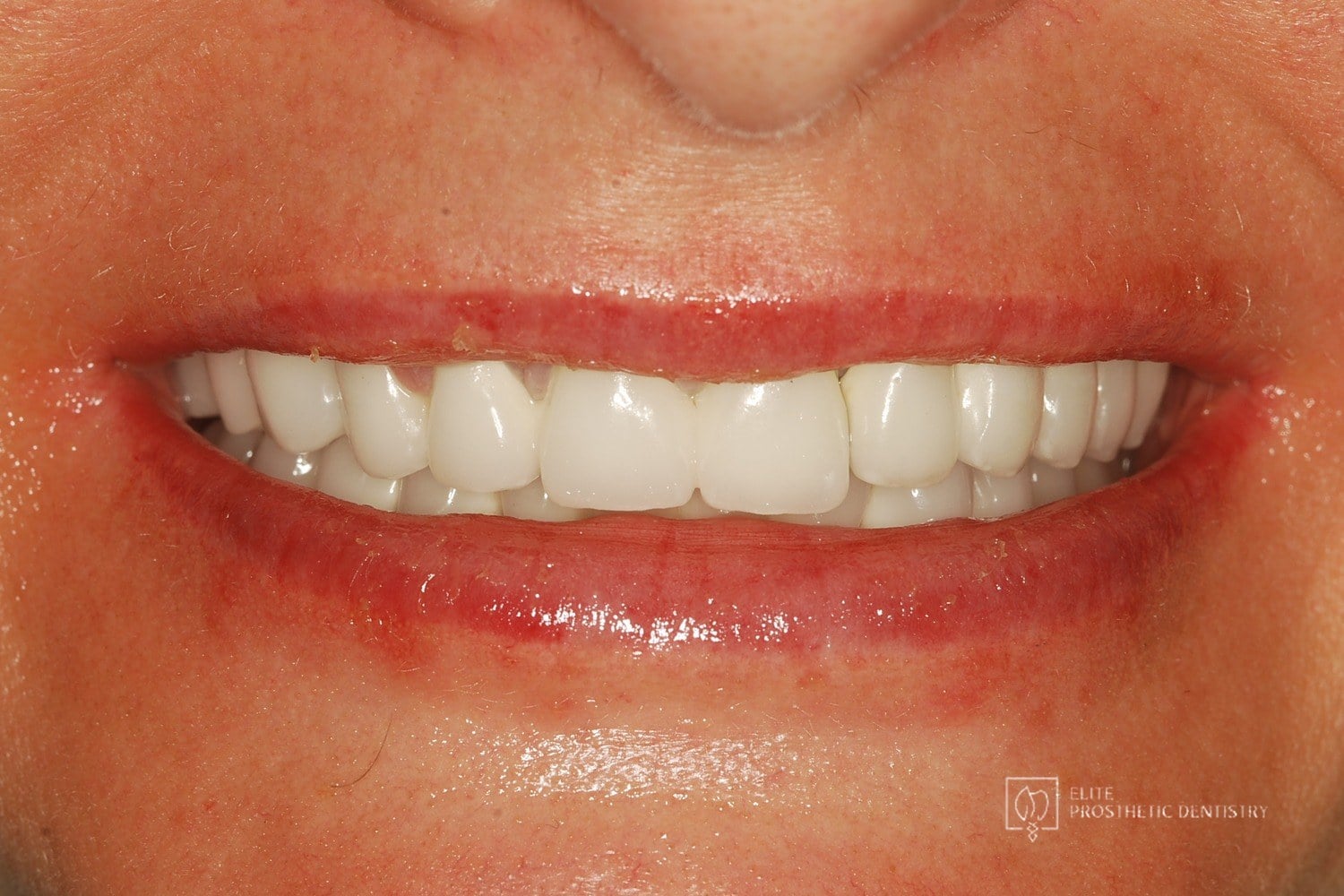 After
After How Aging, Failing Dentistry Was Replaced with a Coordinated Full-Mouth Implant and Crown Reconstruction
The patient presented with throbbing upper-molar pain, long-standing infections, multiple root canals and unfinished prior treatment, generalized sensitivity, and several hopeless teeth.
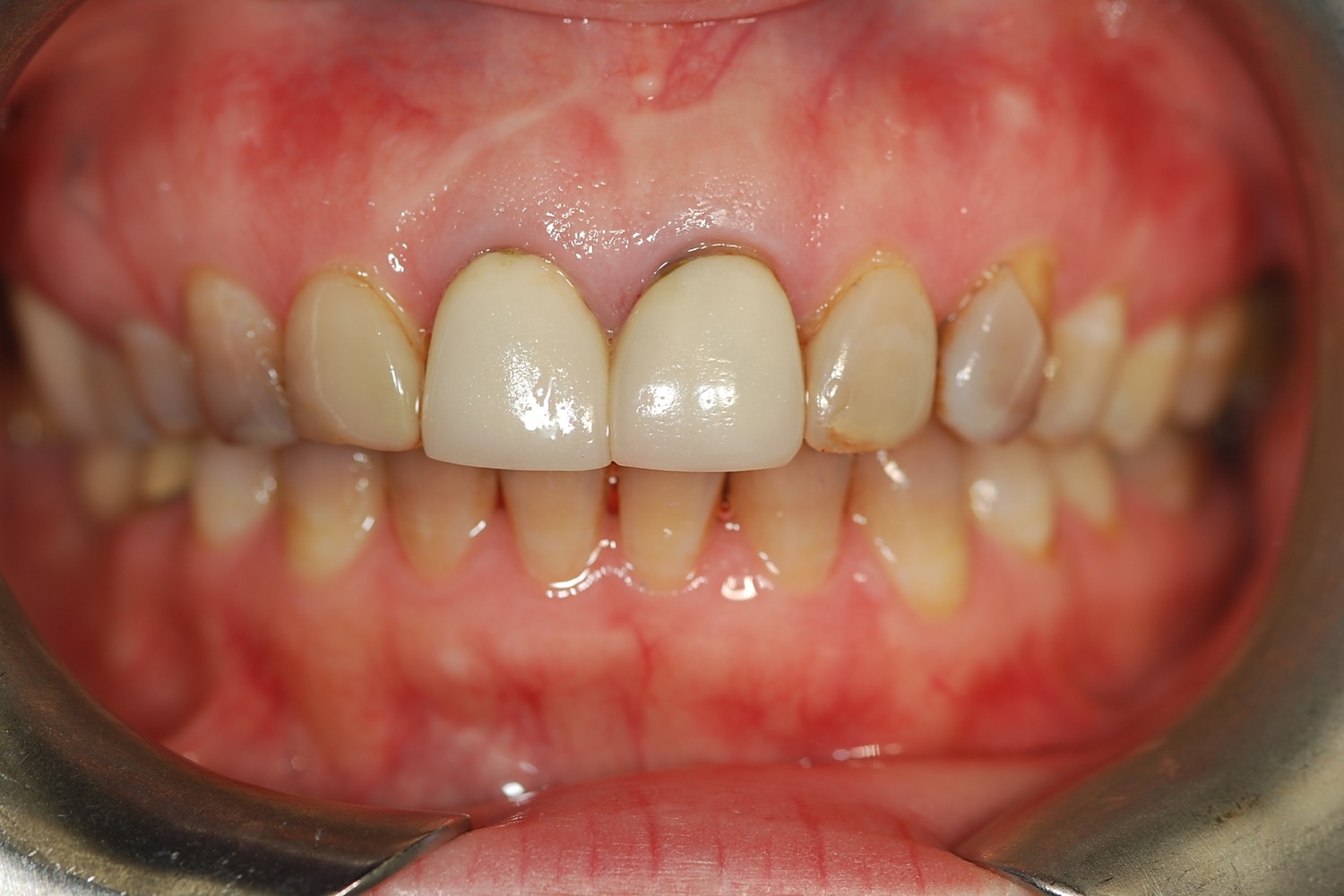 Before
 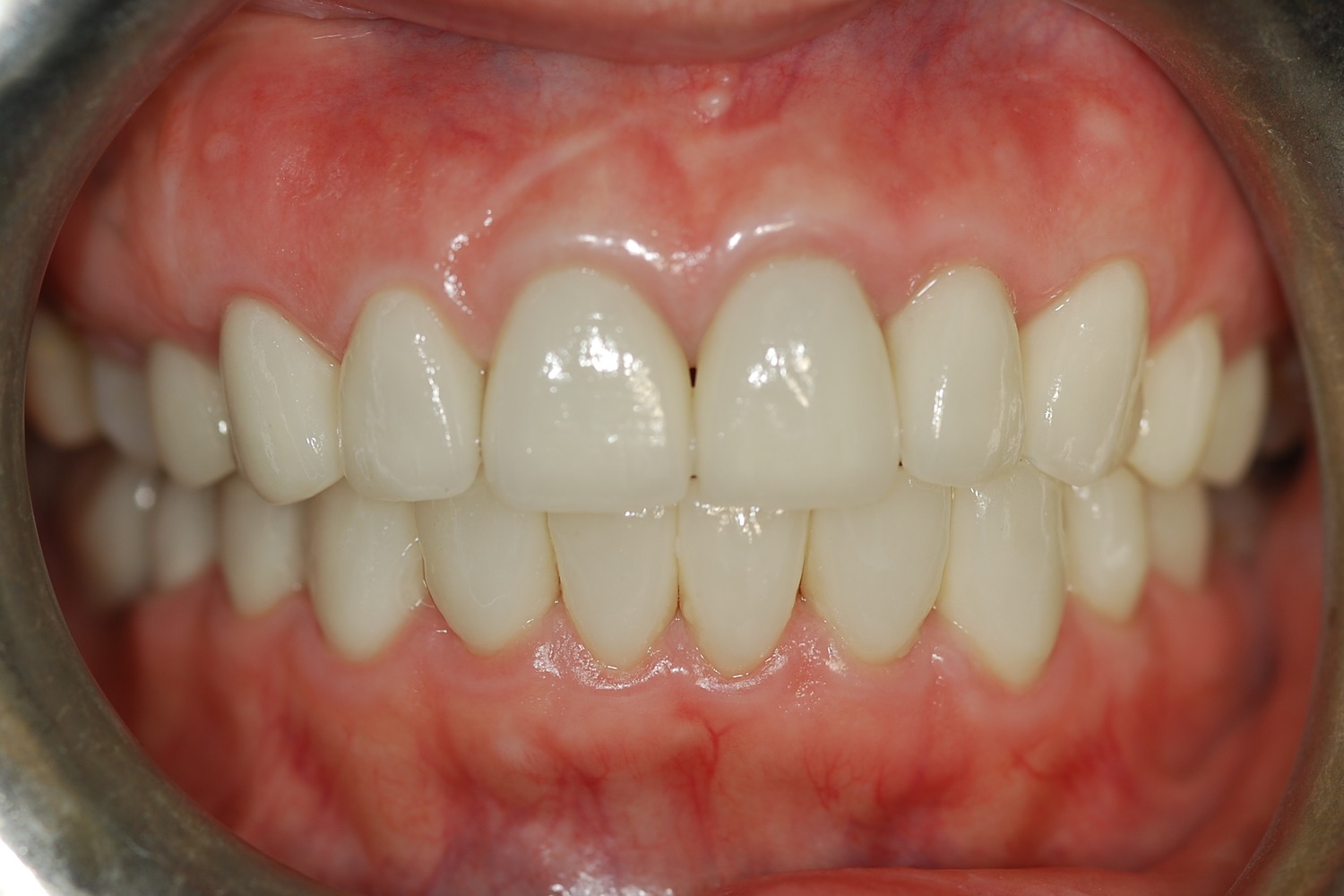 After
After How Aging, Opaque Restorations Were Replaced with Customized Ceramic Restorations Designed for Long-Term Natural Esthetics
The existing restorations appeared opaque, worn, and unnatural over time, affecting both confidence and overall smile harmony.
 Before
  After
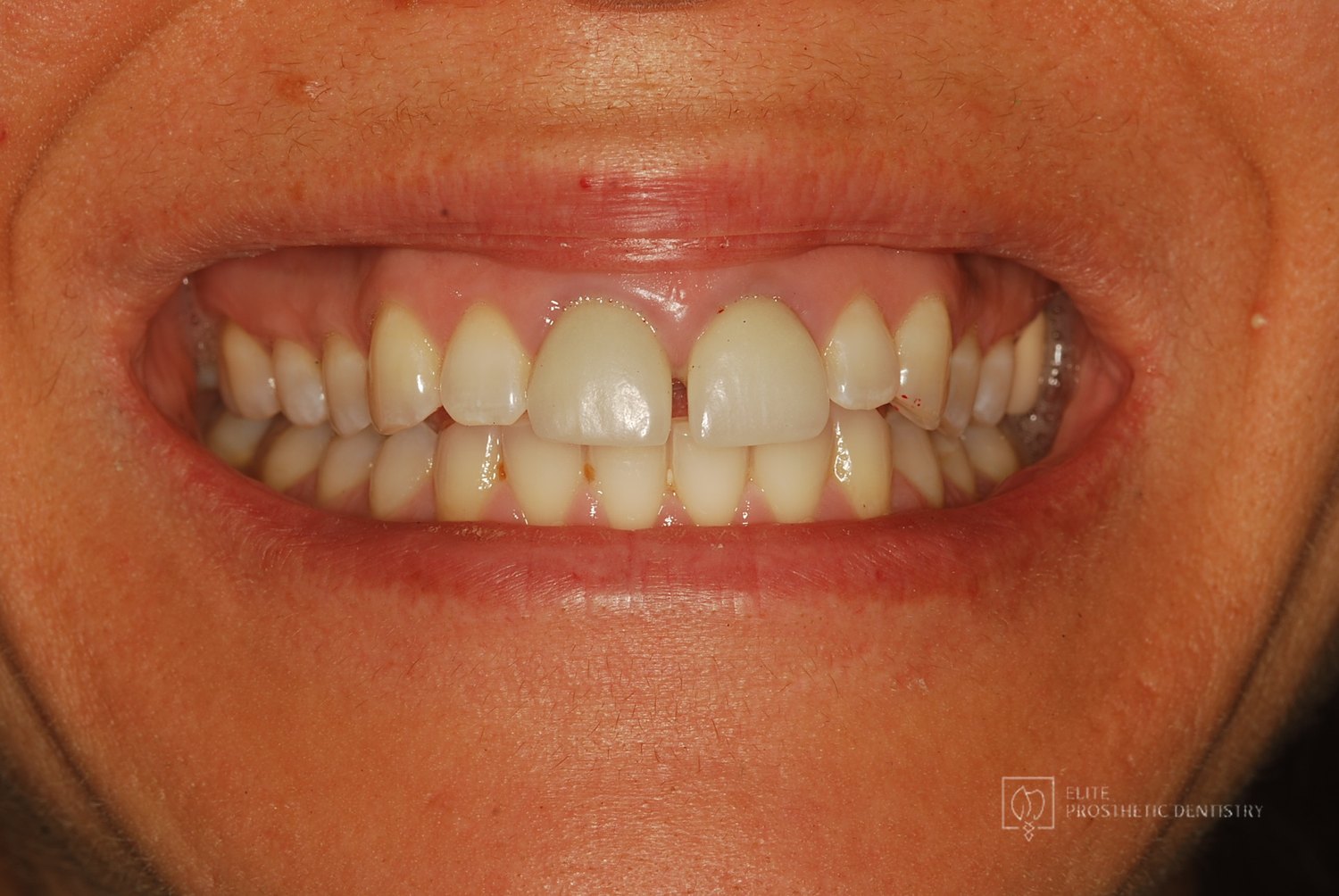
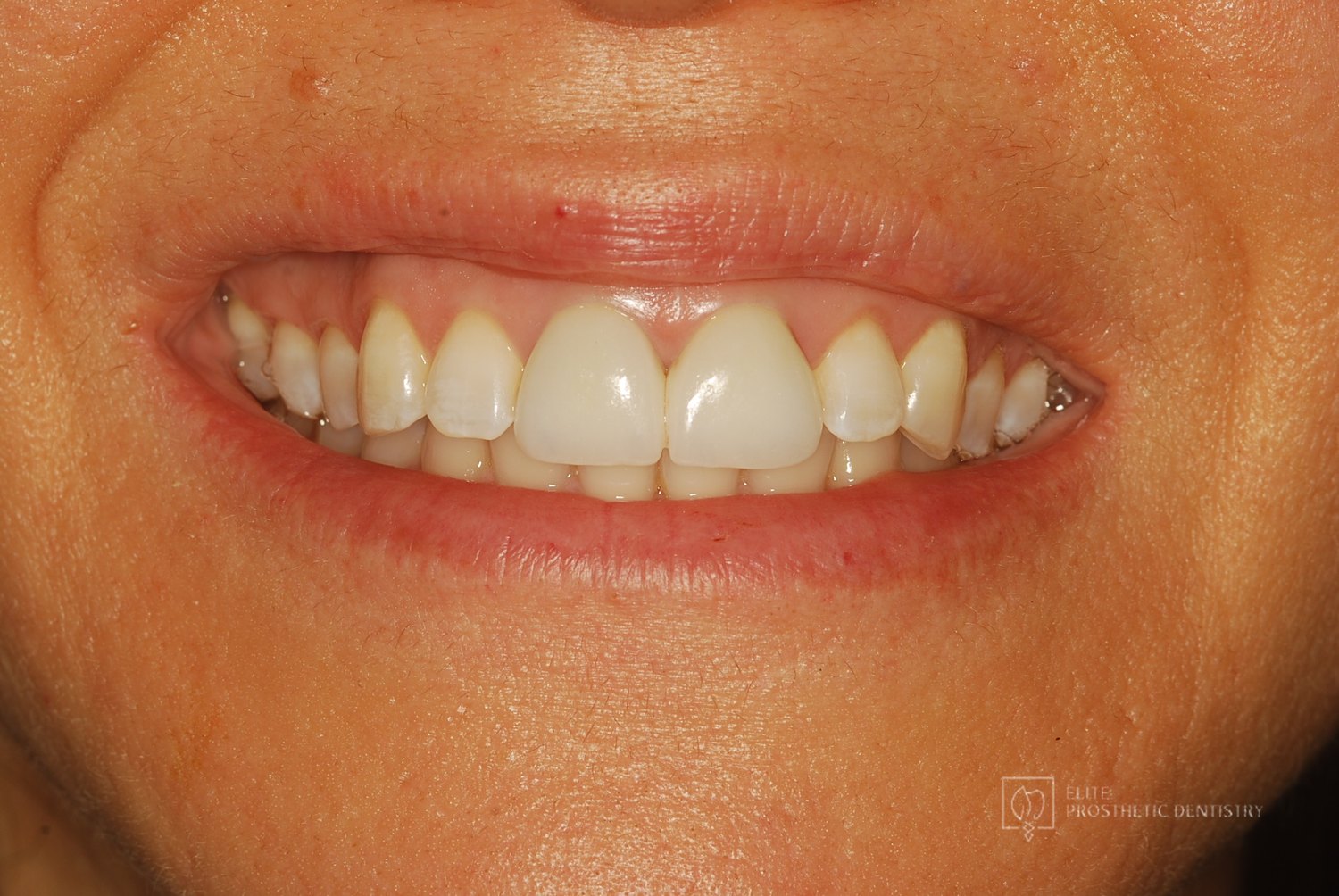
After Two Front Teeth Saved From Extraction: A Second Opinion, Custom Gold Posts, and Crowns Made to Last
Two upper central incisors with failed root canal treatment and recurrent decay had been recommended for extraction and implant replacement. A CBCT evaluation showed that removing the roots from their thin facial bone housing could create a visible esthetic defect in the gum and bone contour, made worse by the patient's high lip line.
Related Articles
Deepen your knowledge with additional insights on this topic.
 Dental Crowns
 Why Are Some Temporary Crowns More Natural Than Others?
Temporary crowns do not have to look temporary. A DC prosthodontist explains how lab-made provisionals protect your smile and preview your final crowns.
 Dental Crowns
 What Makes a Natural-Looking Crown?
Emergence profile, translucency, internal color, and healthy gum response: a DC prosthodontist explains the anatomy of a crown no one can detect.
 Dental Crowns
 How Is an Immediate Smile Makeover Performed?
An immediate smile makeover transforms your smile in one visit using hand-crafted temporary crowns as a living preview. A DC prosthodontist explains how.