

Why Bone Grafting Changes Outcomes | Two Cases from McLean Patients
Two anonymized cases demonstrate why bone grafting significantly improves implant outcomes. See the difference grafting makes for McLean patients.
Over decades in prosthodontics, you observe patterns that clinical research confirms but case studies illustrate powerfully. Two McLean patients’ experiences demonstrate why bone grafting fundamentally changes implant treatment success and long-term oral health stability.
Case One: The “Adequate Bone, But Not Ideal” Situation
Consider the patient we’ll call Robert. He was missing two upper premolars lost years earlier from decay. His general dentist had explored implant options but said “you don’t have quite enough bone, and placing implants in marginal bone is risky. You might consider bridges instead.”
Robert wasn’t satisfied with that answer. He researched extensively and came to us for a second opinion. Our evaluation showed that Robert indeed had marginal bone volume. Technically, implants could be placed without grafting if positioned non-ideally. However, his situation was precarious. Any additional bone loss would compromise the implants. His bone thickness was minimal, leaving little margin for error.
We explained Robert’s options honestly. He could accept implants placed in marginal bone, understanding that long-term success was unpredictable. He could pursue a bridge. Or he could accept modest bone grafting, which would create adequate bone volume and allow ideal implant positioning.
Robert chose grafting. We grafted his upper anterior bone, and six months later, once integration was complete, we placed his implants in optimal position with generous bone support around all sides of each implant. Three years later, Robert’s implants remain stable and functional. His bone shows no resorption around the implants. His bite is comfortable.
We explained that without grafting, the statistical likelihood of maintaining these implants beyond five to ten years would have been significantly lower. Progressive bone loss would have eventually compromised the implants. Robert’s decision to invest in bone grafting transformed an implant situation with uncertain long-term prognosis into a situation with reliable long-term success.
Case Two: The “Severe Bone Loss, No Options Without Grafting” Situation
Now consider the patient we’ll call Elizabeth. She had lost three upper teeth following trauma from a car accident years earlier. Her dentist had recommended a partial denture. She’d worn it for ten years but increasingly disliked it. She researched implants and came to us asking whether implant replacement was possible.
Our evaluation revealed extensive bone loss. Elizabeth’s upper jaw in the implant-needing areas had resorbed severely, losing both width and height. On simple radiographs, no clear path to implant placement existed. We ordered three-dimensional imaging, which confirmed that she had insufficient bone in all the critical implant sites.
We explained to Elizabeth that without bone grafting, she had no implant option. However, with grafting, implant restoration became possible. She would need to be grafted in multiple areas and wait the 4-6 months for integration, but the endpoint would be removable denture-free implant restoration.
Elizabeth chose grafting. We performed phased grafting, treating different areas at different times to manage healing and allow her to maintain partial denture wear during initial healing. Over a nine-month period, we completed all necessary grafting. Once all grafts had integrated, we placed four implants supporting a fixed bridge.
Two years into Elizabeth’s implant restoration, her bridge is fully functional, comfortable, and completely stable. Her bone shows excellent integration around all implants. Most significantly, she’s free from the denture she wore for a decade. Her quality of life improved dramatically because bone grafting made implant restoration possible.
Elizabeth’s case demonstrates that severe bone loss doesn’t preclude implants. It simply requires recognizing that bone grafting is a necessary prerequisite, not an optional enhancement.
The Critical Difference Bone Grafting Makes
Both cases illustrate essential lessons about bone grafting’s impact.
Case One: Marginal Bone vs. Optimal Bone
Robert’s case shows that even when technically possible to place implants without grafting, the margin for error is dangerous. Implants in marginal bone lack redundancy. Any additional bone loss is catastrophic. Long-term success is unpredictable.
Bone grafting, even modest grafting, transforms the situation. Adequate bone volume provides redundancy and stability. Even if some bone resorption occurs over years, sufficient bone remains. Long-term implant stability becomes predictable rather than precarious.
Case Two: No Option vs. Viable Option
Elizabeth’s case demonstrates that bone grafting sometimes creates treatment options that otherwise don’t exist. Without grafting, she faced a lifetime in a denture. With grafting, fixed implant restoration became possible.
Many patients believe that extensive bone loss forecloses implant treatment. Elizabeth’s case shows that’s incorrect. Bone grafting often enables implant restoration even in severely compromised situations.
Long-Term Thinking
Both patients faced choices about immediate convenience versus long-term stability. Robert could have accepted marginal implants without grafting, saving time. Elizabeth could have continued her denture without grafting. Both chose the path requiring additional treatment upfront because they were thinking long-term.
They understood that the investment in bone grafting was insurance against future failure and complications. Years later, they’ve been proven correct.
Why Your Situation Matters
If you’re facing a bone grafting decision, think like Robert and Elizabeth. Consider not just the immediate convenience of avoiding grafting, but the long-term consequences. Implants placed in marginal bone may work fine initially but may fail years later, requiring removal and creating more complex problems.
Bone grafting is an investment in long-term implant stability and reliability. It’s not an unnecessary addition but a fundamental component of sound implant treatment when bone loss has occurred.
Making Your Decision
Your situation is unique to you, and Dr. Marlin evaluates it individually. His recommendation for bone grafting isn’t based on wanting to perform extra procedures. It’s based on decades of experience showing that grafting, when indicated, dramatically improves long-term outcomes.
You’re not required to accept grafting even if recommended. However, you should understand the implications of your choice. Dr. Marlin ensures you understand what both pathways look like: grafting now with excellent long-term prognosis, or forgoing grafting and accepting higher long-term risk.
McLean residents considering bone grafting should schedule a consultation with Dr. Marlin. Call (202) 244-2101 or book online to discuss whether bone grafting is appropriate for your situation and what it would mean for your long-term implant success.
Elite Prosthetic Dentistry | 4400 Jenifer Street NW, Suite 220 | Washington, DC 20015
Patient cases described on this page are illustrative composites based on common clinical scenarios. Specific patient names and identifying details have been changed to protect privacy.
Frequently Asked Questions
Could these patients have had implants without bone grafting?
In Case One, minimal bone grafting might have allowed implant placement in marginal bone. However, success rates would have been lower and long-term outcomes more unpredictable. In Case Two, adequate bone didn't exist for any implant placement without grafting. Grafting provided the only realistic path to implant restoration.
How do you know bone grafting made the difference in success?
Both cases involved extensive follow-up. Radiographs documented bone integration and implant osseointegration. Bite analysis confirmed normal function. Years of follow-up showed implant stability and bone health. The contrast with their previous failed attempts (without grafting) clearly demonstrated the difference grafting made.
Would these outcomes have occurred without bone grafting?
Without bone grafting, Case One's patient likely would have experienced implant failure within 3-5 years due to progressive bone loss around insufficiently supported implants. Case Two's patient couldn't have had implants at all without grafting. Bone grafting was fundamental to both successful outcomes.
Are these results typical?
Yes. Patients who receive bone grafting when indicated show significantly better long-term implant success and bone stability than patients with implants placed in marginal bone. These cases are representative of why Dr. Marlin recommends grafting when bone volume is inadequate.
What if a patient declines bone grafting despite Dr. Marlin's recommendation?
We discuss the risks thoroughly. Some patients accept lower success rates in exchange for avoiding grafting. We document their informed decision. However, these case studies demonstrate why grafting recommendations exist: they significantly improve outcomes.
Related Patient Success Stories
Explore similar patient success stories demonstrating our expertise in advanced prosthetic dentistry.
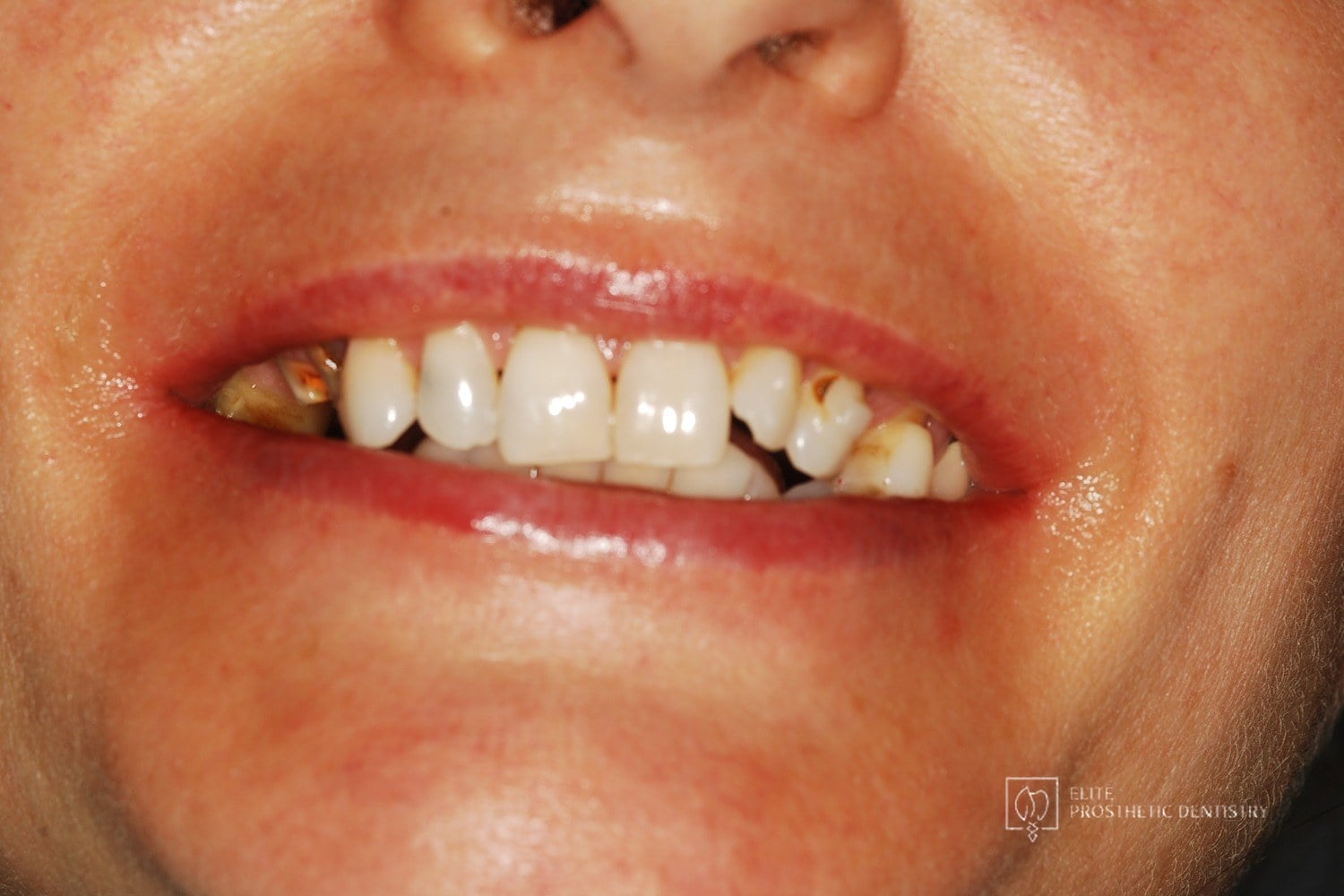 Before
 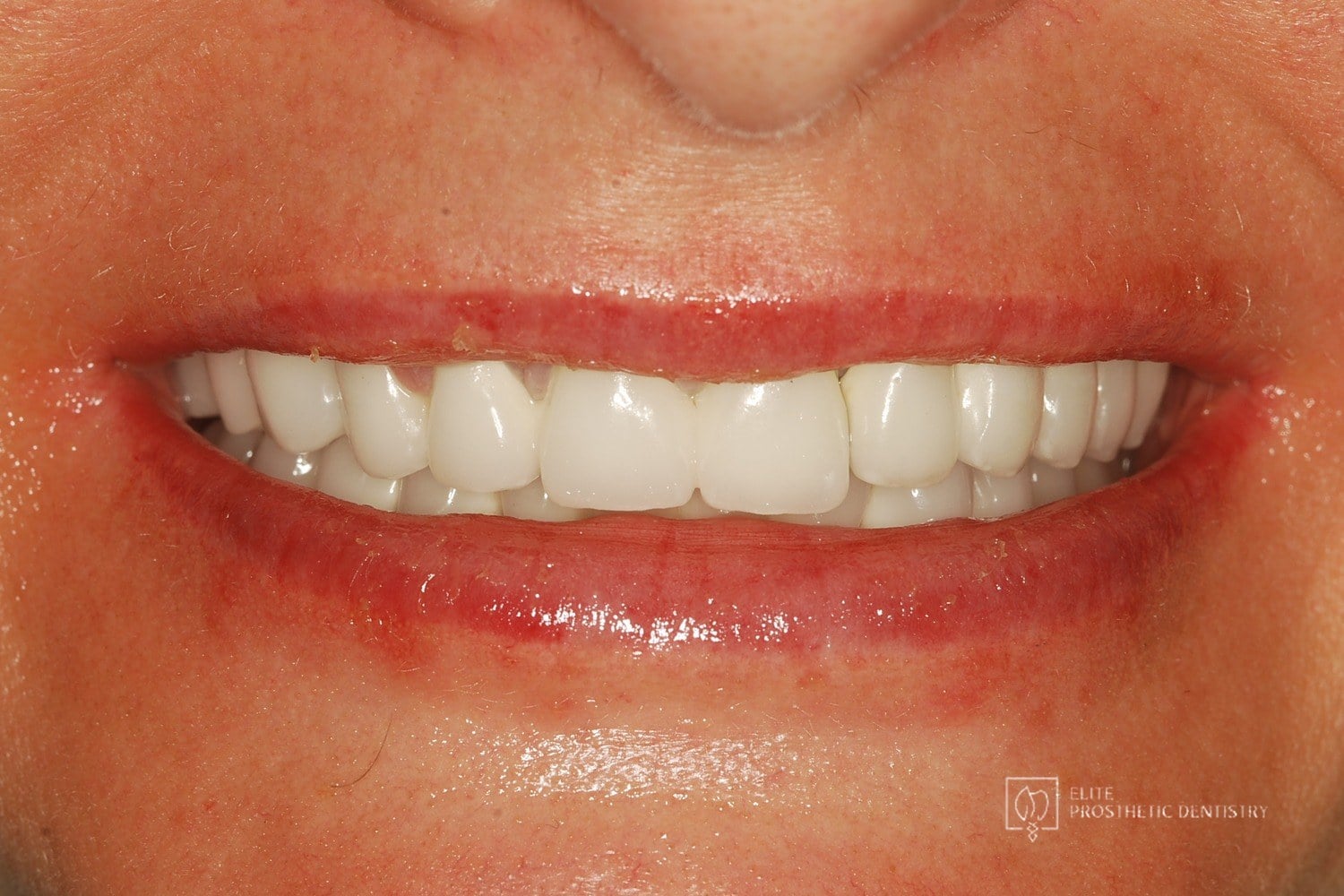 After
After How Aging, Failing Dentistry Was Replaced with a Coordinated Full-Mouth Implant and Crown Reconstruction
The patient presented with throbbing upper-molar pain, long-standing infections, multiple root canals and unfinished prior treatment, generalized sensitivity, and several hopeless teeth.
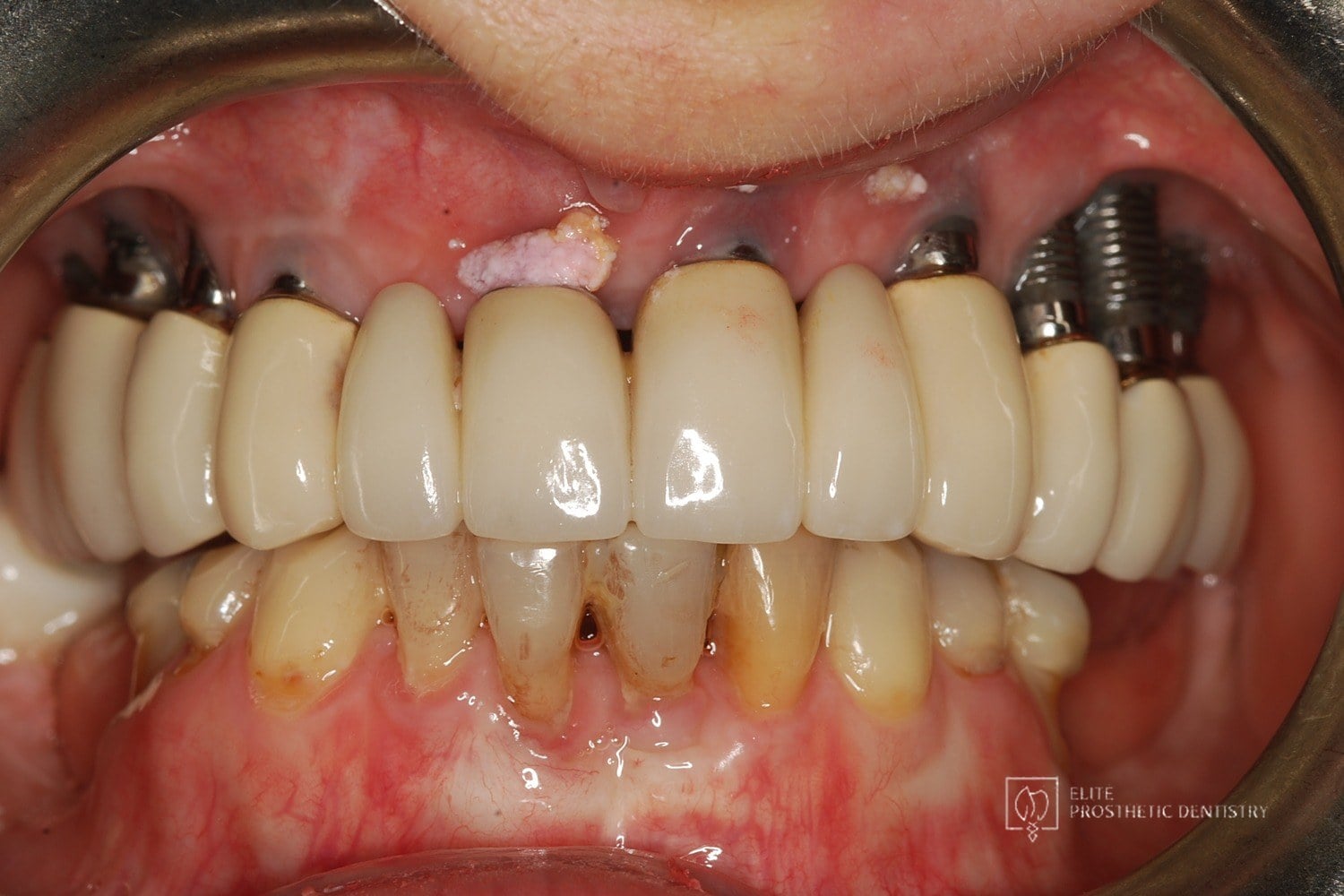 Before
 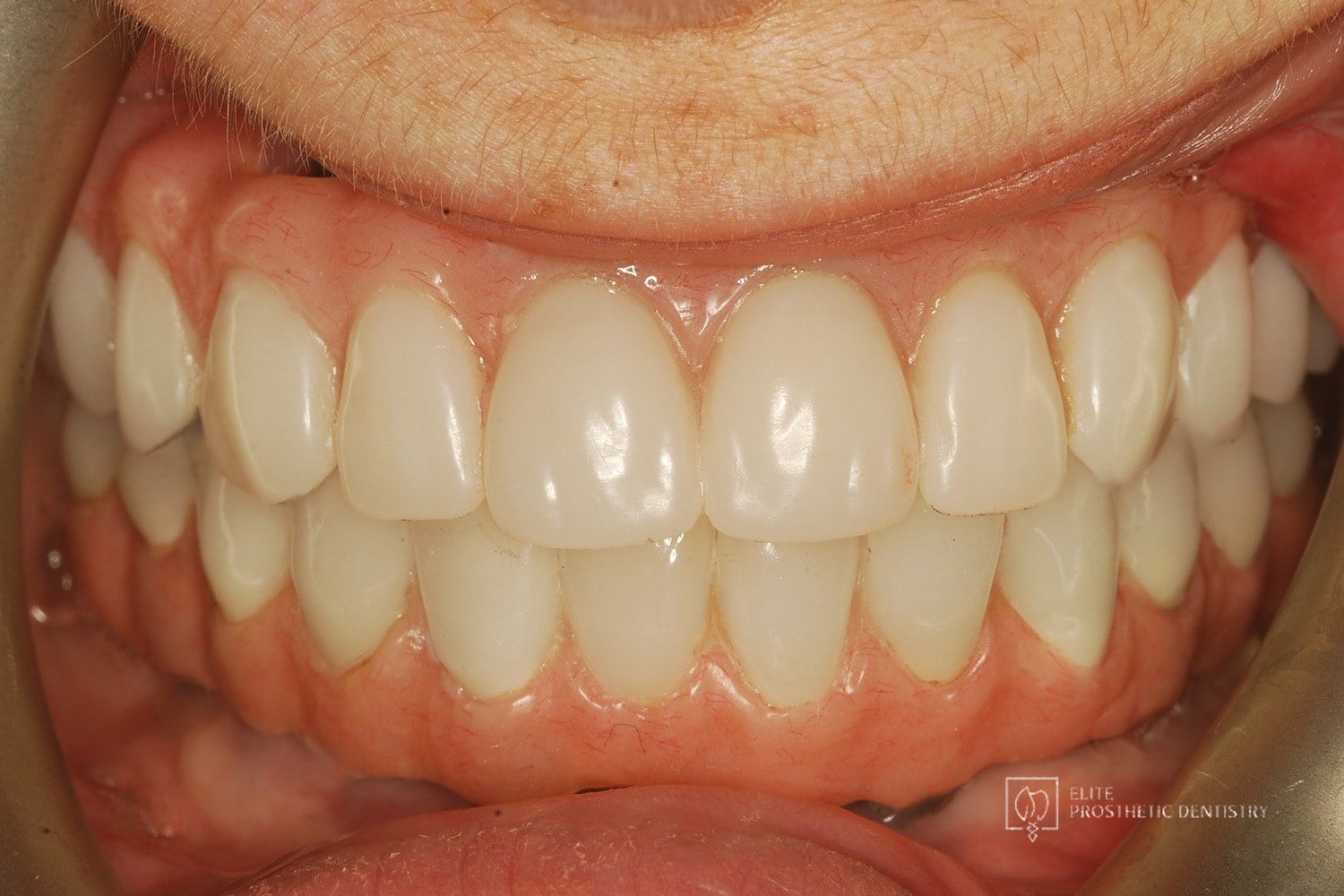 After
After How Failing Implants and Severe Bone Loss Were Rebuilt Into a Stable Full-Arch Implant Reconstruction
The patient presented with significant complications from previously placed implants, severe bone loss, failing posterior implants, and an unesthetic full-arch bridge. Both arches required full reconstruction, with the upper arch showing the most advanced bone loss and instability.
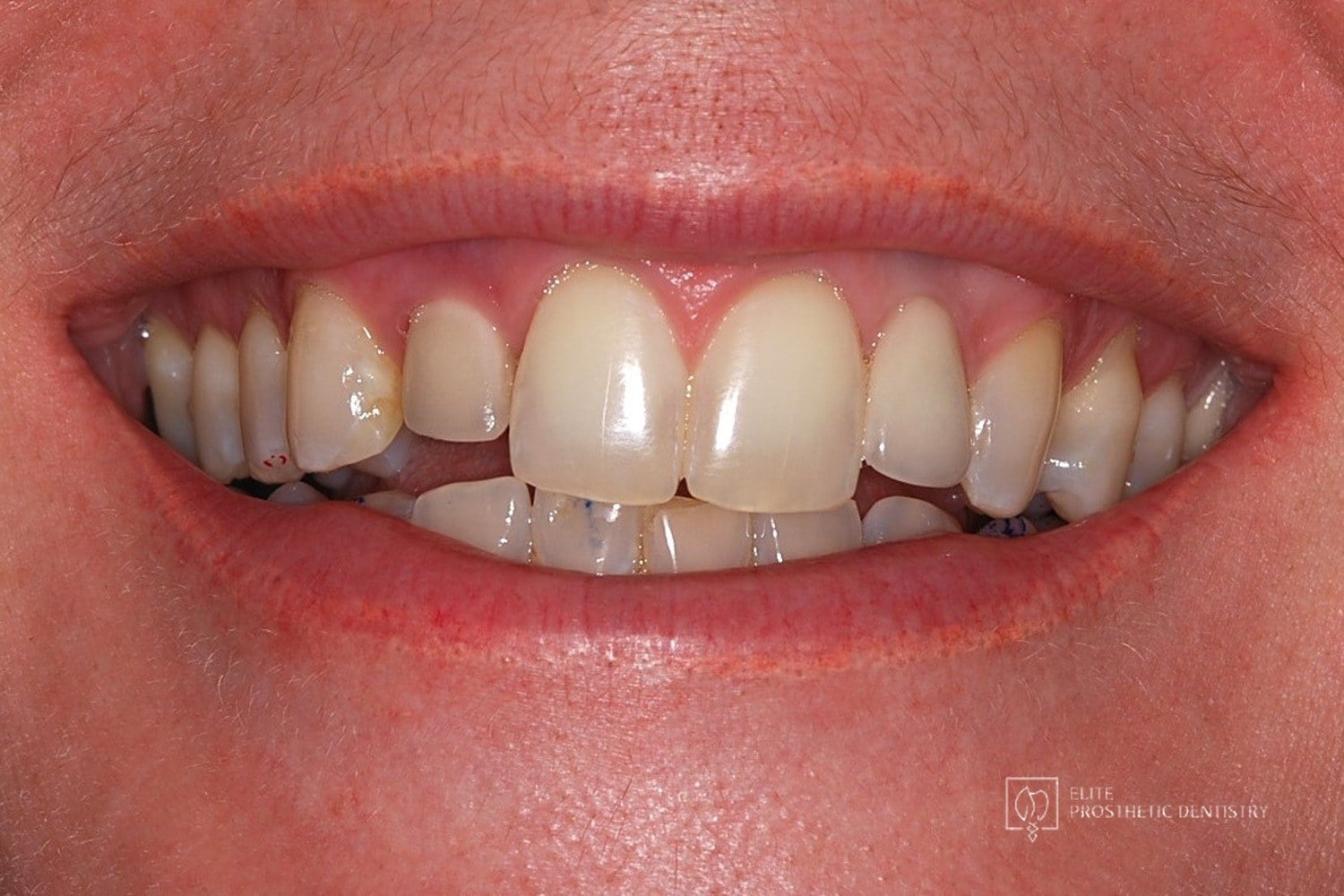 Before
 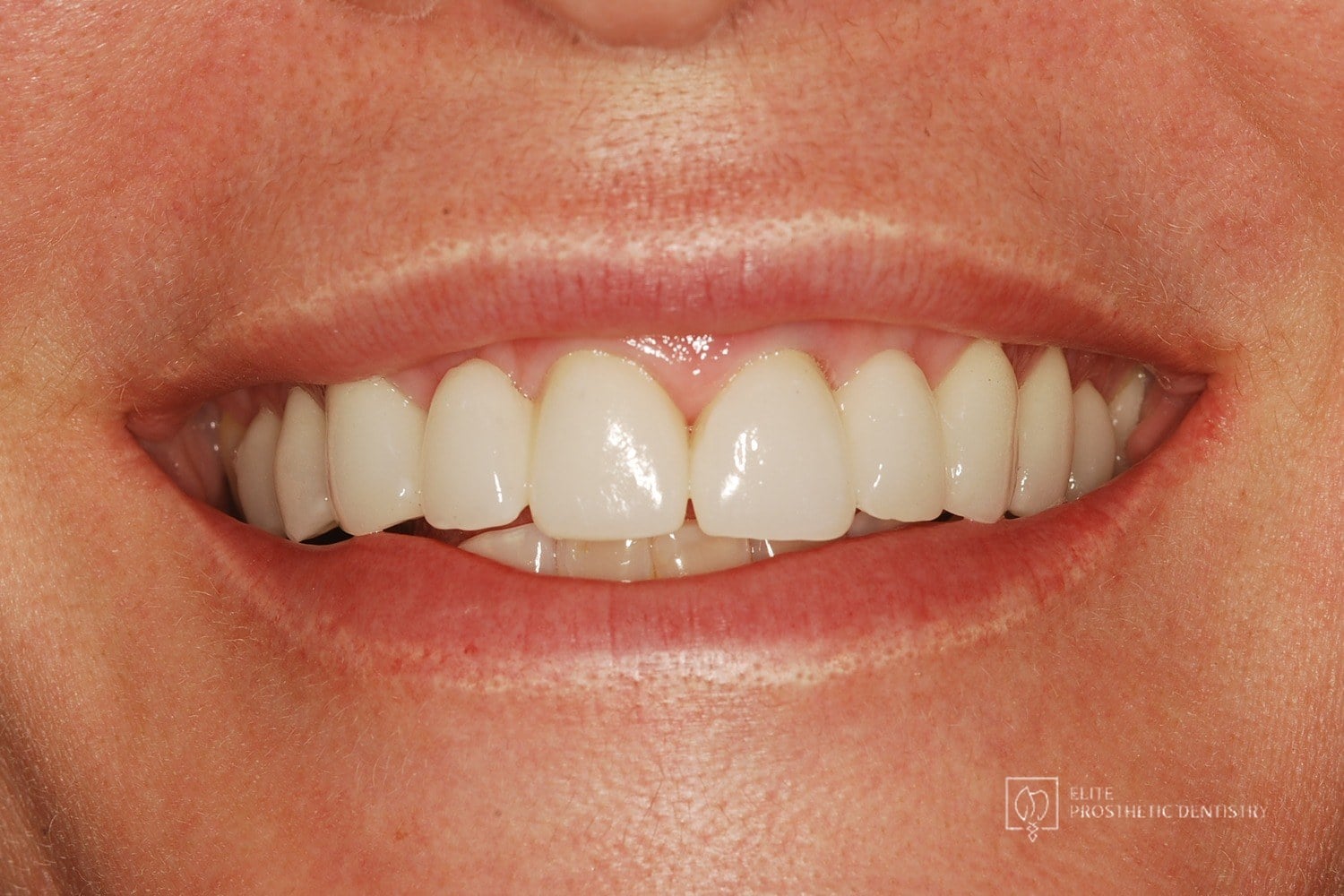 After
After How Failing Lateral Incisor Implants Were Replaced with Custom Zirconia Bridges After Severe Bone Loss Made Replacement Implants Impossible
Comprehensive examination including CBCT imaging revealed significant bone loss surrounding implants that were placed outside the buccal plate, most likely due to placement without a CBCT-generated surgical guide. The implants were determined non-salvageable, and the alveolar ridge was too narrow to support replacement implants without extensive reconstruction.
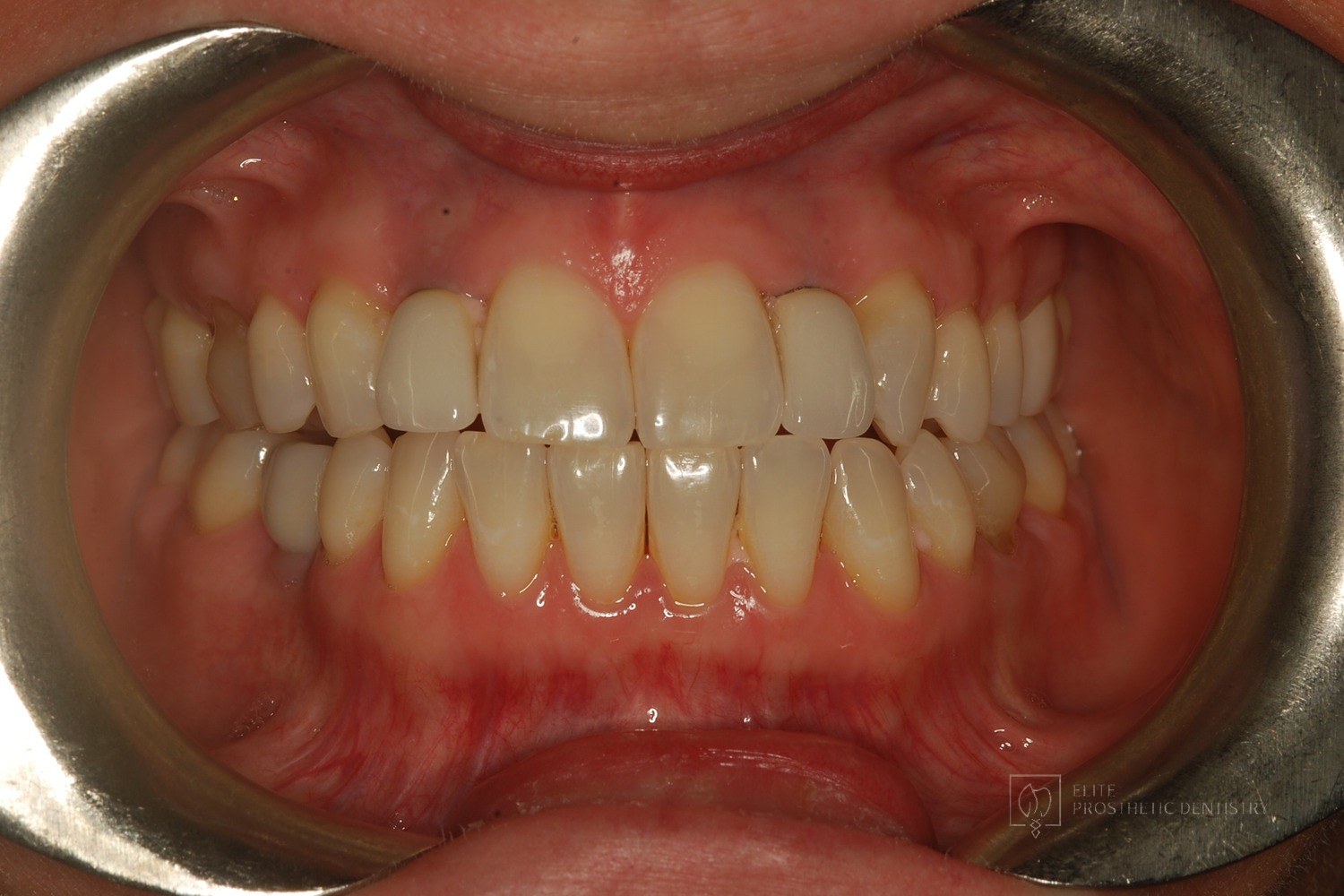 Before
 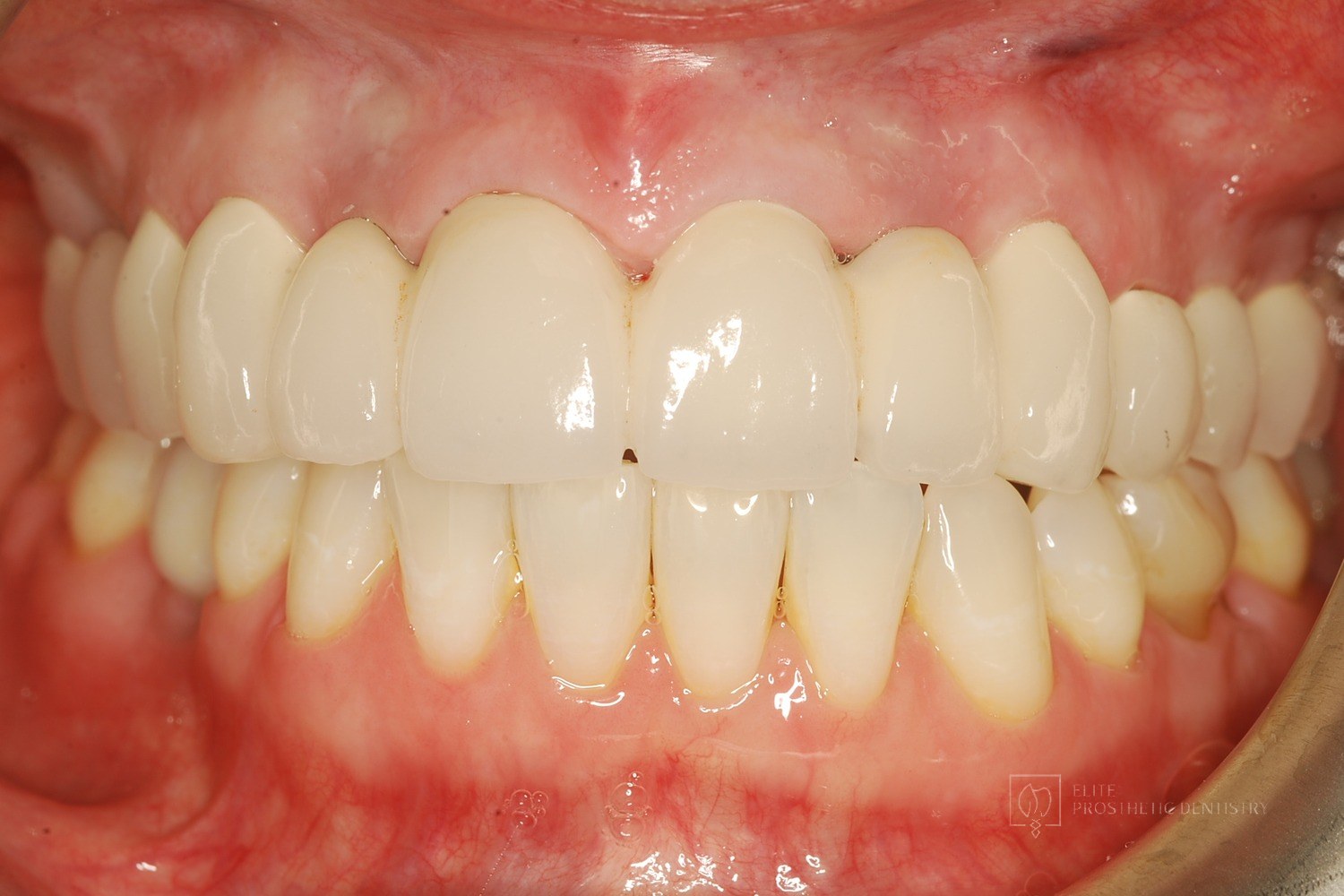 After
After How Older Implant Crowns Were Redesigned for a Better Bite and More Natural Appearance
The patient came in after years of living with implant-supported crowns placed more than twenty years earlier that no longer looked or functioned well. CBCT evaluation, reviewed with a radiologist colleague, showed the implants had been placed too far to the buccal in very thin bone and could not support a healthy long-term restoration.
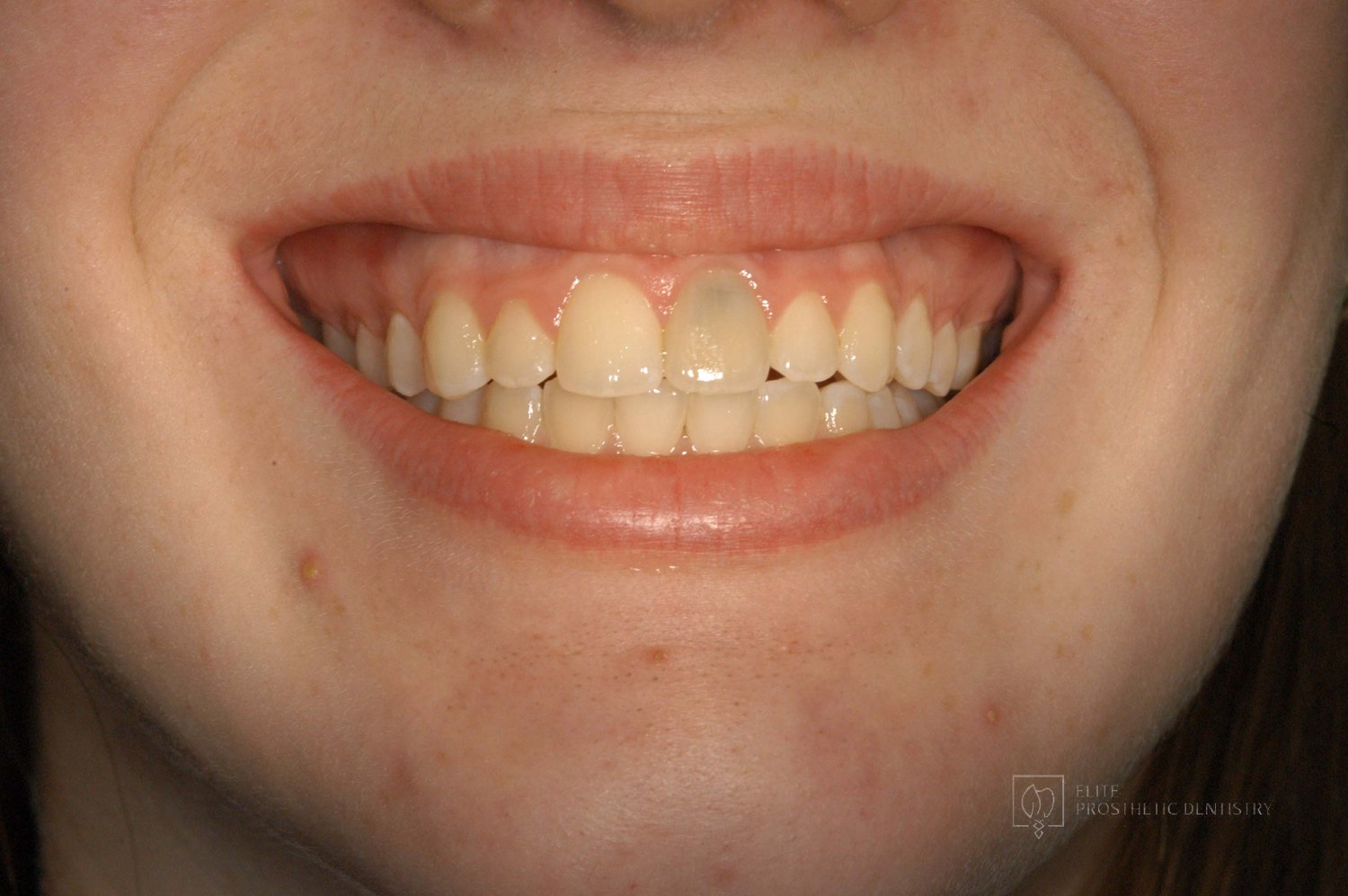 Before
 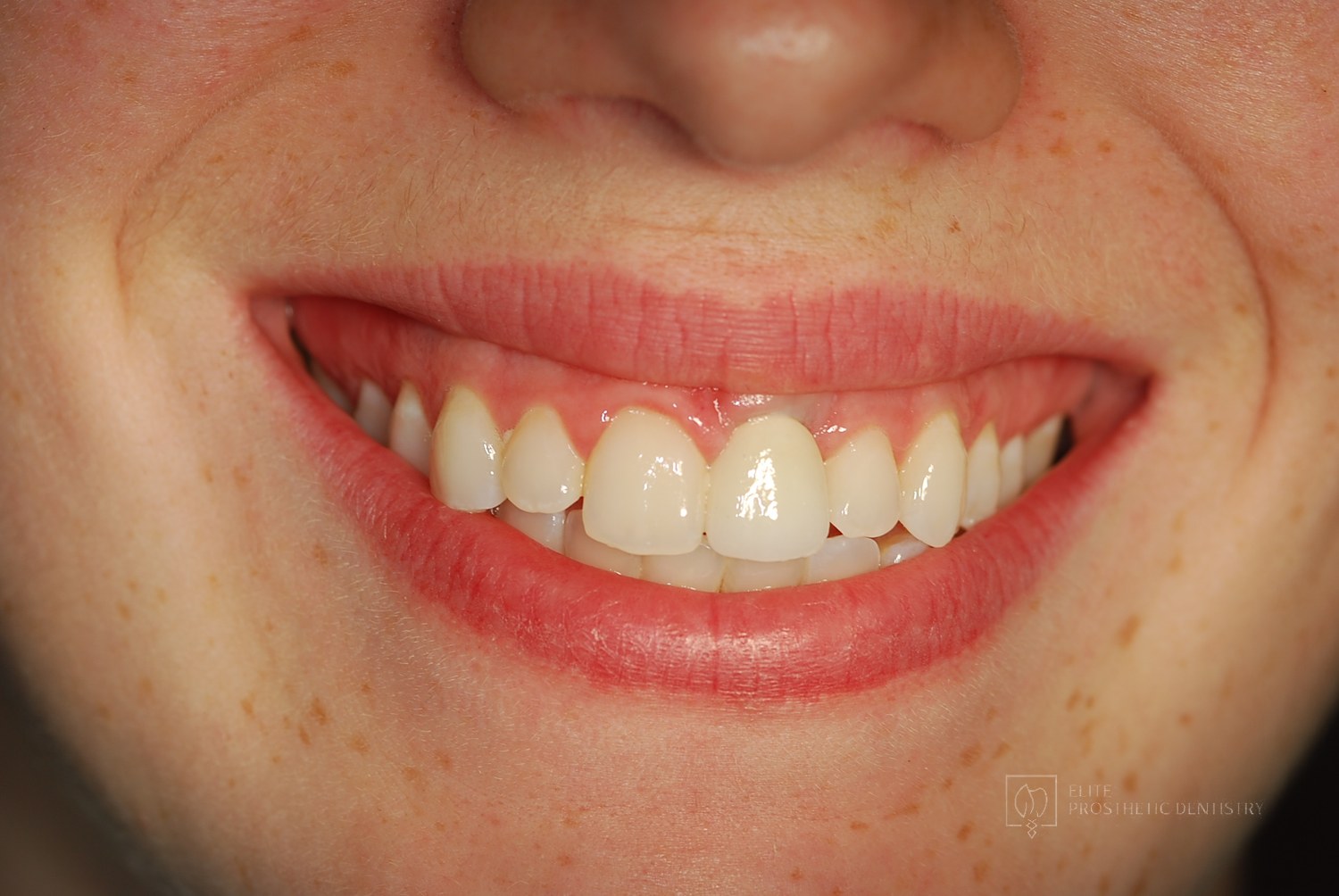 After
After How a Front Tooth Lost to Childhood Trauma Was Rebuilt with Bone Grafting and a Long-Lasting Implant
A teenager was referred by her father after earlier trauma left her upper left front tooth slowly failing from root resorption. She was still growing, so an immediate implant was the wrong move. The tooth had to be maintained to buy time, then replaced correctly once she reached skeletal maturity.
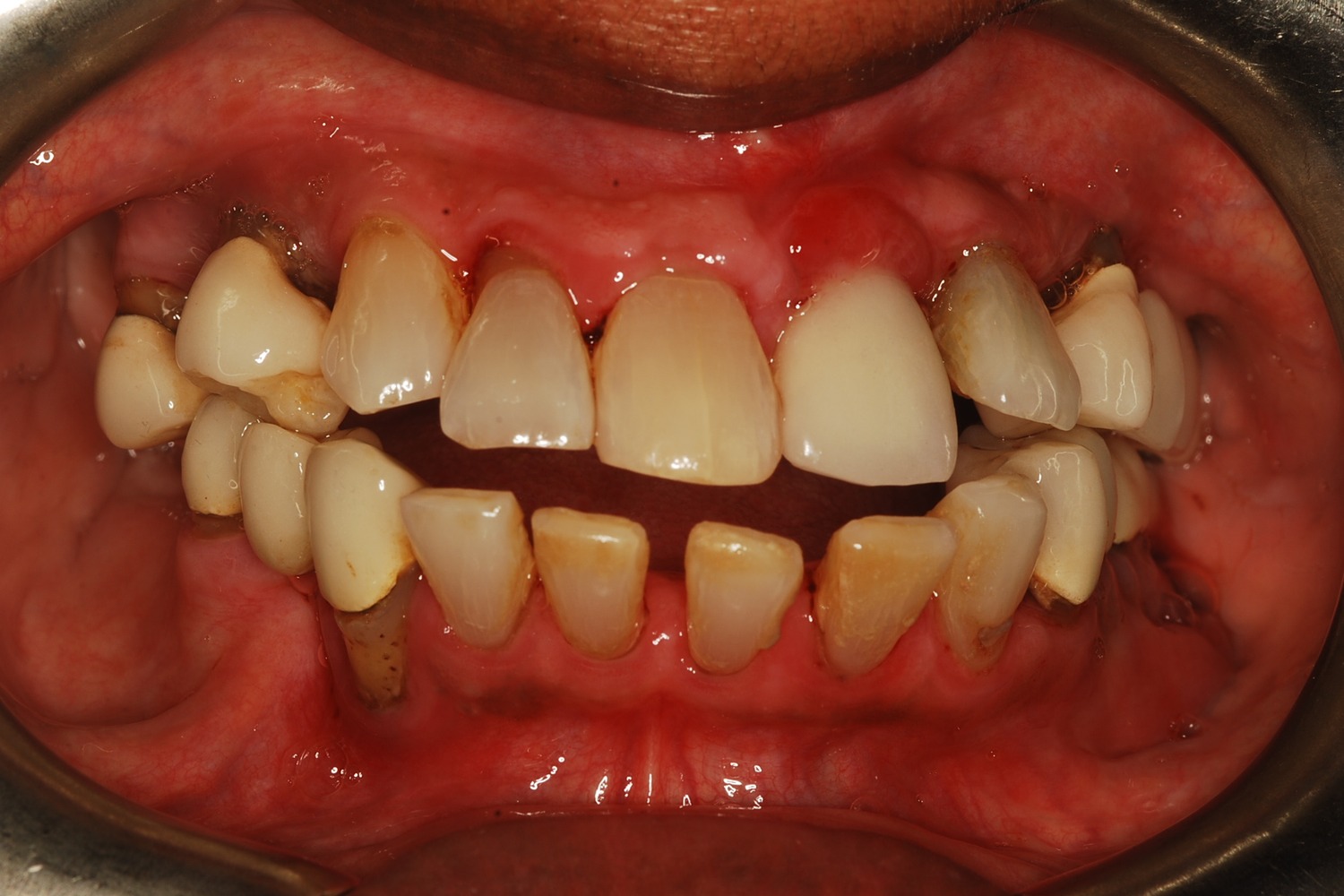 Before
 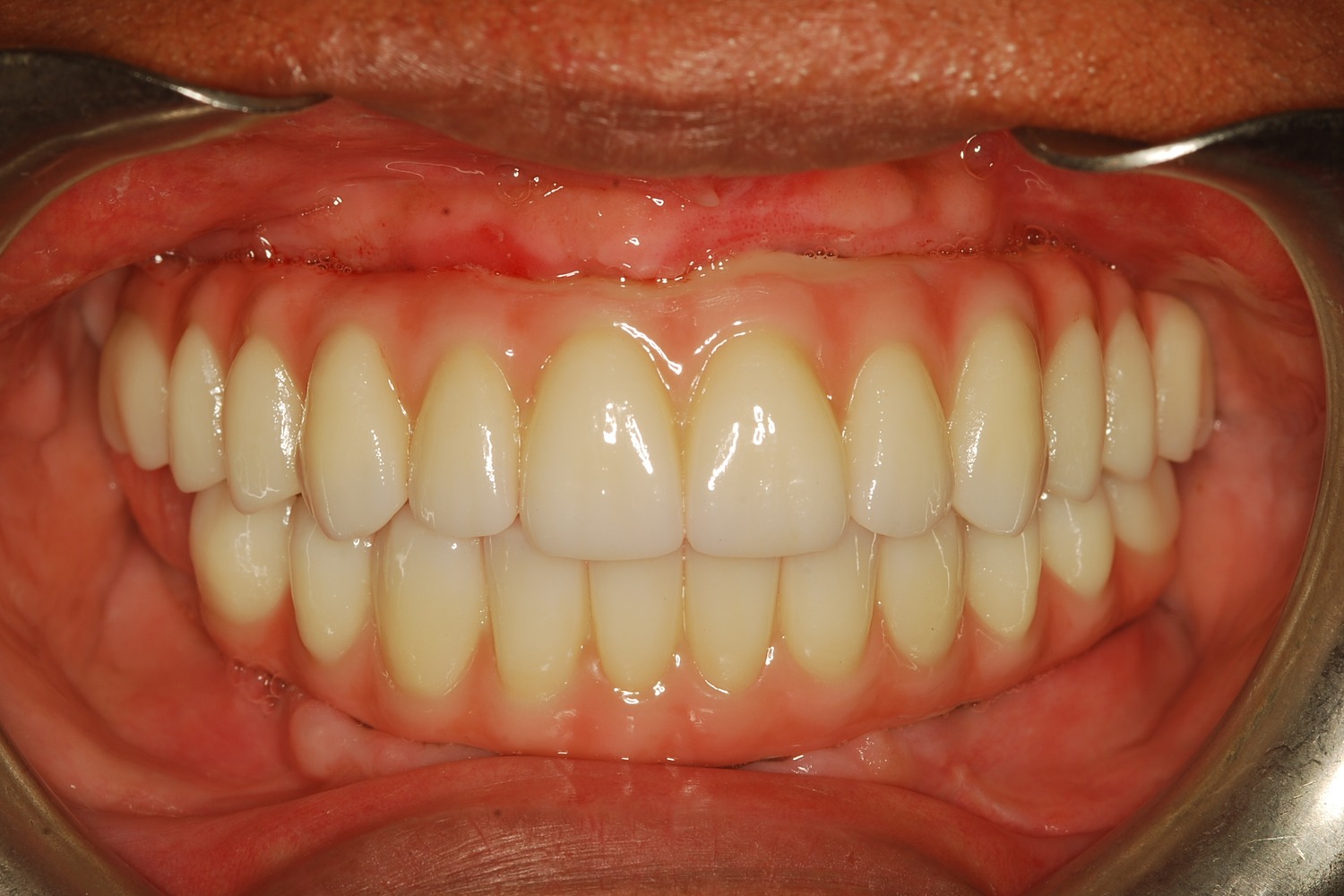 After
After How Severe Bone Loss and Bite Dysfunction Were Rebuilt with All-on-6 Implants and a Milled Zirconia Hybrid Prosthesis
The patient presented with severe bone loss, advanced periodontal disease, malocclusion, and a dysfunctional bite that required full-arch rebuilding.
Related Articles
Deepen your knowledge with additional insights on this topic.
 Dental Implants
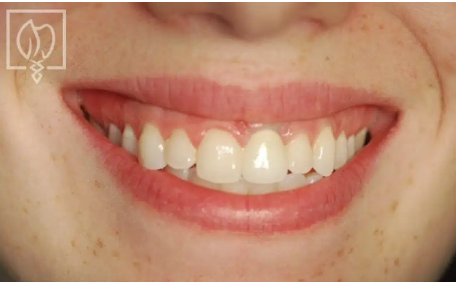
 If a Single Front Tooth Is Replaced with an Implant, Can It Look Natural?
Yes. See the four steps, with real case photos, that make a single front tooth implant indistinguishable from the natural tooth beside it. Washington, DC.
 Dental Implants
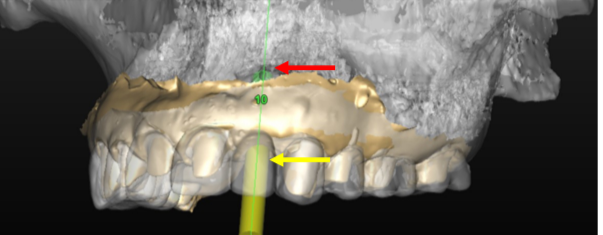
 What Is Precision Implant Placement (PIP)?
Precision Implant Placement plans each implant virtually on a CBCT scan, then delivers it with a custom surgical guide. See the three steps with real images.
 Dental Implants
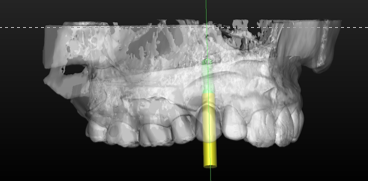
 What Is the Ideal Surgical Guide for Precision Implant Placement?
Not all surgical guides are equal. The gold standard is CBCT-based: planned virtually in 3D, 3D printed, and seated on your teeth. A DC prosthodontist explains.
 Dental Implants
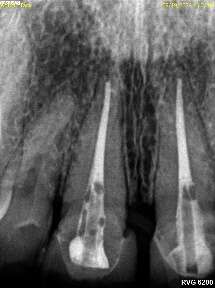
 When Should an Implant Not Be Done?
Healthy roots, thin bone, steep bony angles: a DC prosthodontist shows a real case where refusing implants was the right call, and what was done instead.
 Dental Implants
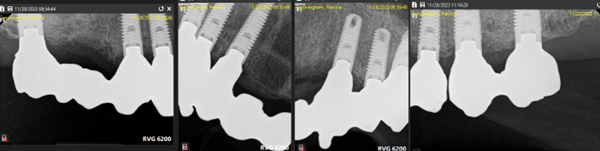
 What Is Staged Implant Therapy?
Staged implant therapy replaces failing teeth in phases while you keep fixed teeth the entire time. A DC prosthodontist walks through a real case in stages.
 Dental Implants
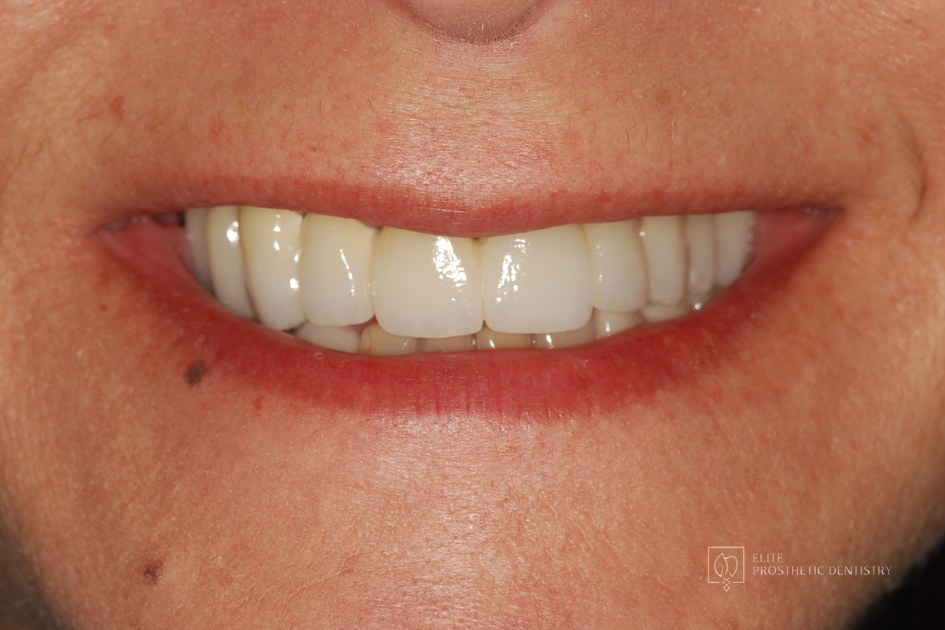
 The Four Types of Dental Implants: Which One Is Right for You?
Endosteal, subperiosteal, zygomatic, and mini implants each solve a different problem. A DC prosthodontist explains the four types and who each one fits.
Deciding Who Should Treat You?
Our decision guide for McLean patients explains when implants, full mouth reconstruction, cosmetic work, or aging crowns and bridges call for a prosthodontist, and when another setting may serve you better.
Read the McLean decision guide →Our Services in McLean
Beyond Bone Grafting, McLean patients rely on Dr. Marlin for a full range of advanced dental care.
More services available in McLean:
Getting Here from McLean
Elite Prosthetic Dentistry is conveniently located near McLean, VA.
Cross Chain Bridge into DC, continue on Arizona Avenue to our Friendship Heights office.
Address:
4400 Jenifer Street NW, Suite 220
Washington, DC 20015
Phone: (202) 244-2101
Request a ConsultationRequest a Specialist Consultation from McLean
McLean residents come to Dr. Marlin for specialist prosthodontic care. With 3,900+ implants placed over 40+ years, evaluation, planning, and execution are handled with the depth complex cases require.