
Veneer Material Selection: Pressed Ceramic vs. Lithium Disilicate vs. Feldspathic Porcelain in McLean
Veneer material selection in McLean, VA. Understand pressed ceramic, lithium disilicate, and feldspathic porcelain options with Dr. Gerald Marlin.
Veneer material selection represents a critical decision point in treatment planning. Patients often understand that veneers exist but may not recognize that different porcelain and ceramic materials offer markedly different characteristics. McLean patients benefit from understanding how material options differ and which selection aligns with their specific bite, esthetic goals, and clinical situation.
The Three Primary Material Categories
Prosthodontists design veneers using three primary material families: feldspathic porcelain, pressed ceramic, and lithium disilicate. Each category offers distinct advantages and trade-offs. Understanding these differences helps patients participate in material selection with realistic expectations about both appearance and longevity.
Feldspathic Porcelain: The Esthetic Gold Standard
Feldspathic porcelain represents the traditional veneer material and remains the standard for cases where esthetic perfection is the primary priority. The material is fabricated through a layering process where a ceramic technician builds the restoration in multiple thin layers, beginning with an opaque base layer and progressing through intermediate layers to a translucent surface layer.
This layering approach allows exquisite control over translucency and shade gradation. The technician can create subtle color variations within each veneer, mimicking the natural color transitions found in natural teeth. Light passes through the translucent layers in ways that replicate natural tooth optical properties, creating veneers that are virtually indistinguishable from natural teeth when examined closely.
Feldspathic porcelain achieves the highest level of esthetic refinement possible in veneer materials. Patients who prioritize looking natural-looking and for whom esthetics is the primary concern often benefit from feldspathic porcelain selection.
Pressed Ceramic: Durability Through Density
Pressed ceramic veneers are fabricated through a high-temperature pressing process that creates a denser, more crystalline material structure. This pressing process sacrifices some of the layering and subtle shade control possible with feldspathic porcelain but creates a material with significantly greater strength and durability.
Pressed ceramic is approximately 20 to 30 percent stronger than feldspathic porcelain, making it the material of choice for patients with heavy bite forces or significant grinding habits. The increased density means veneers are less likely to fracture under stress.
The trade-off is that pressed ceramic is slightly less translucent than feldspathic porcelain. While still esthetically superior to composite bonding or many crowns, pressed ceramic sometimes appears very slightly less natural than optimal feldspathic porcelain results, particularly when examined in certain lighting angles.
For McLean patients who grind their teeth or have heavy bite forces, pressed ceramic often represents the optimal balance between durability and appearance.
Lithium Disilicate: The Modern Compromise
Lithium disilicate represents a newer material class that has achieved significant popularity because it addresses material limitations without requiring esthetic compromise. Lithium disilicate is a crystalline glass ceramic that combines the fabrication flexibility of feldspathic porcelain with the strength characteristics of pressed ceramic.
Lithium disilicate can be fabricated using layering techniques similar to feldspathic porcelain, allowing creation of subtle shade variations and superior translucency control. Simultaneously, the material’s crystalline structure provides strength comparable to pressed ceramic, making it highly resistant to fracture.
The material represents an excellent option for patients who want the best of both worlds: superior esthetics with excellent durability. Many contemporary prosthodontic practices have adopted lithium disilicate as their primary veneer material for general use because it eliminates the need to compromise between appearance and longevity.
Clinical Factors Guiding Material Selection
Bite Force Assessment
Patients with light, balanced bite forces where forces distribute evenly across the dentition can safely receive any veneer material. Feldspathic porcelain can be selected without durability concerns because the bite forces are low.
Patients with deep bites, heavy biting force, or visible evidence of wear patterns from strong biting forces should preferentially receive stronger materials. Pressed ceramic or lithium disilicate withstand concentrated bite forces better than feldspathic porcelain. Dr. Marlin evaluates bite characteristics during the candidacy consultation and recommends material selection accordingly.
Parafunction Assessment: Grinding and Clenching
Patients who grind their teeth (bruxism) place significant stress on dental restorations. The grinding forces concentrate in ways that can fracture more fragile materials. Patients with identified grinding habits should receive materials selected for durability.
Clinical signs of grinding include flattened cusp tips on molars, visible enamel wear, faceted enamel surfaces, or symptoms such as jaw tension and morning headaches. Dr. Marlin asks screening questions about these signs and symptoms. If grinding is identified, he recommends either stronger material selection or night guard fabrication, or ideally both.
Esthetic Compromise Tolerance
Some patients accept minimal esthetic compromise for maximal durability. These patients often benefit from pressed ceramic selection because they prioritize longevity. Other patients insist on optimal esthetics and are willing to accept material limitations for superior appearance.
Lithium disilicate allows patients to achieve both goals simultaneously, making it an excellent choice when esthetic demands are high and durability is also important.
Tooth Location and Visibility
Veneers on central incisors receive maximum visibility and scrutiny. These teeth benefit most from materials offering superior esthetics. Veneers on lateral incisors or canines, while still important, sometimes accept slightly less perfect esthetics if durability is a priority.
Material Interaction with Tooth Preparation
The amount of tooth preparation influences how much veneer material thickness is needed, which in turn affects material selection. Teeth prepared minimally require thinner veneers, which sometimes limits shade control options with some materials.
Teeth prepared with conventional thickness (approximately 0.5 to 1 millimeter) allow full utilization of any material’s esthetic potential. Dr. Marlin’s preparation approach balances conservation of tooth structure with providing adequate thickness for the selected material to function optimally.
Longevity Expectations by Material
Feldspathic porcelain veneers fabricated and placed expertly typically last 10 to 15 years with proper care, sometimes longer. The material is durable but can fracture if high forces are applied.
Pressed ceramic veneers typically last 15 to 20 years or longer because of their increased strength and resistance to fracture. This longevity advantage is particularly pronounced in patients with grinding habits.
Lithium disilicate veneers typically last 15 to 20 years or longer based on current evidence, providing longevity comparable to pressed ceramic while maintaining superior esthetics of feldspathic porcelain.
Cost Considerations
Material costs influence the final treatment price. Feldspathic porcelain generally costs less to fabricate than pressed ceramic or lithium disilicate. Lithium disilicate and pressed ceramic have similar costs, which are typically higher than feldspathic porcelain.
The cost differential usually represents 10 to 20 percent of total veneer treatment cost, meaning the price difference is moderate. For McLean patients making long-term investments in their smiles, material selection based on clinical appropriateness rather than minimal cost difference typically represents better value over the decades-long lifespan of veneers.
The Collaborative Selection Process
Dr. Marlin presents material options to each patient with an honest assessment of advantages and trade-offs. He explains which material he would recommend based on individual bite characteristics and esthetic goals. He explains what realistic longevity expectations are for each option.
He answers questions about appearance, durability, and cost. He shows photographs of cases fabricated in different materials. He helps patients understand which choice aligns best with their values, budget, and clinical situation.
This collaborative approach ensures material selection reflects patient preferences and clinical appropriateness rather than default selection. For McLean residents ready to understand veneer materials and make informed selection, a consultation with Dr. Marlin provides the information necessary for confident decision-making.
Elite Prosthetic Dentistry 4400 Jenifer Street NW, Suite 220 Washington, DC 20015 (202) 244-2101 Request a Consultation
For related care, see our pages on cosmetic dentistry and Veneers in Potomac.
Frequently Asked Questions
What is the difference between feldspathic porcelain and pressed ceramic?
Feldspathic porcelain is layered material built up in multiple thin layers during fabrication, allowing control of translucency and shade gradation. It provides superior esthetic results and mimics natural tooth structure exceptionally well. Pressed ceramic is fabricated through a pressing process that creates a denser, stronger material. It sacrifices some esthetic refinement for increased durability. Pressed ceramic is ideal for patients with heavy bite forces or grinding habits.
What is lithium disilicate and how does it compare to other veneer materials?
Lithium disilicate is a crystalline glass ceramic material that combines strength comparable to pressed ceramic with superior esthetic properties. It allows multiple-layer fabrication like feldspathic porcelain, enabling excellent shade matching and translucency control. Lithium disilicate has become increasingly popular because it offers an excellent balance of durability and esthetics without requiring material compromise.
How do I know which material is right for my situation?
Material selection depends on bite force, grinding habits, esthetic goals, and tooth location. Patients with light bite forces and no grinding can prioritize esthetics and choose feldspathic porcelain for maximum natural appearance. Patients with heavy bite forces or grinding habits should choose pressed ceramic or lithium disilicate for durability. Dr. Marlin assesses individual bite characteristics and recommends material accordingly.
Are stronger veneer materials also more obvious visually?
Not necessarily. Traditional pressed ceramic sacrifices some translucency for strength, sometimes appearing slightly less natural. However, modern materials like lithium disilicate combine strength with excellent esthetics through advanced fabrication techniques. These materials can look as natural as feldspathic porcelain while providing superior durability. Material selection no longer requires choosing between beauty and longevity.
Can veneer material be changed if I later want a different property?
Yes. If a patient initially chose a material prioritizing esthetics but later experiences grinding or bite force issues, veneers can be replaced with a more durable material. Similarly, if a patient initially chose material for strength but later wants superior esthetics, replacement veneers in a different material can be fabricated. The underlying tooth preparation remains unchanged.
Related Patient Success Stories
Explore similar patient success stories demonstrating our expertise in advanced prosthetic dentistry.
 Before
  After
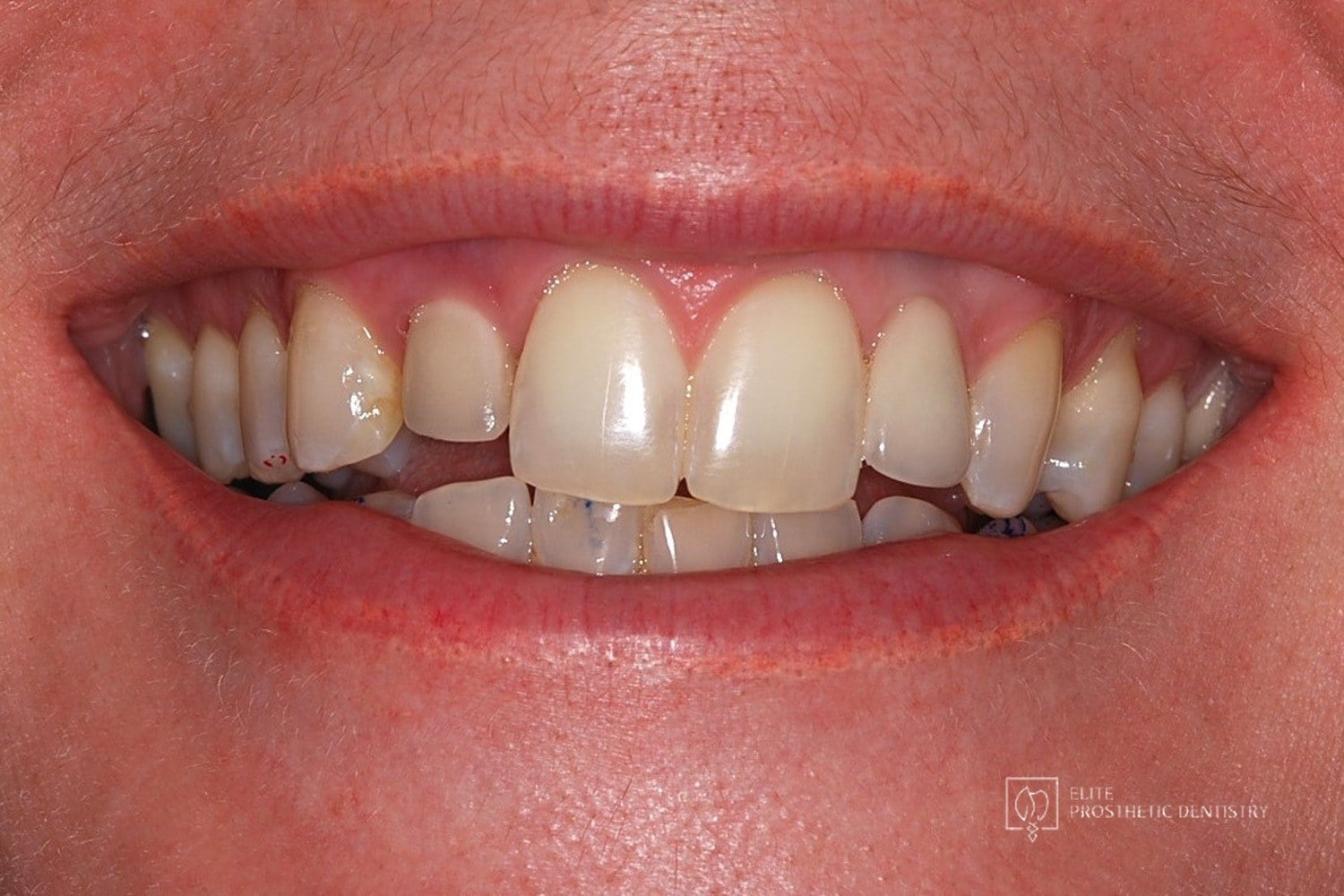
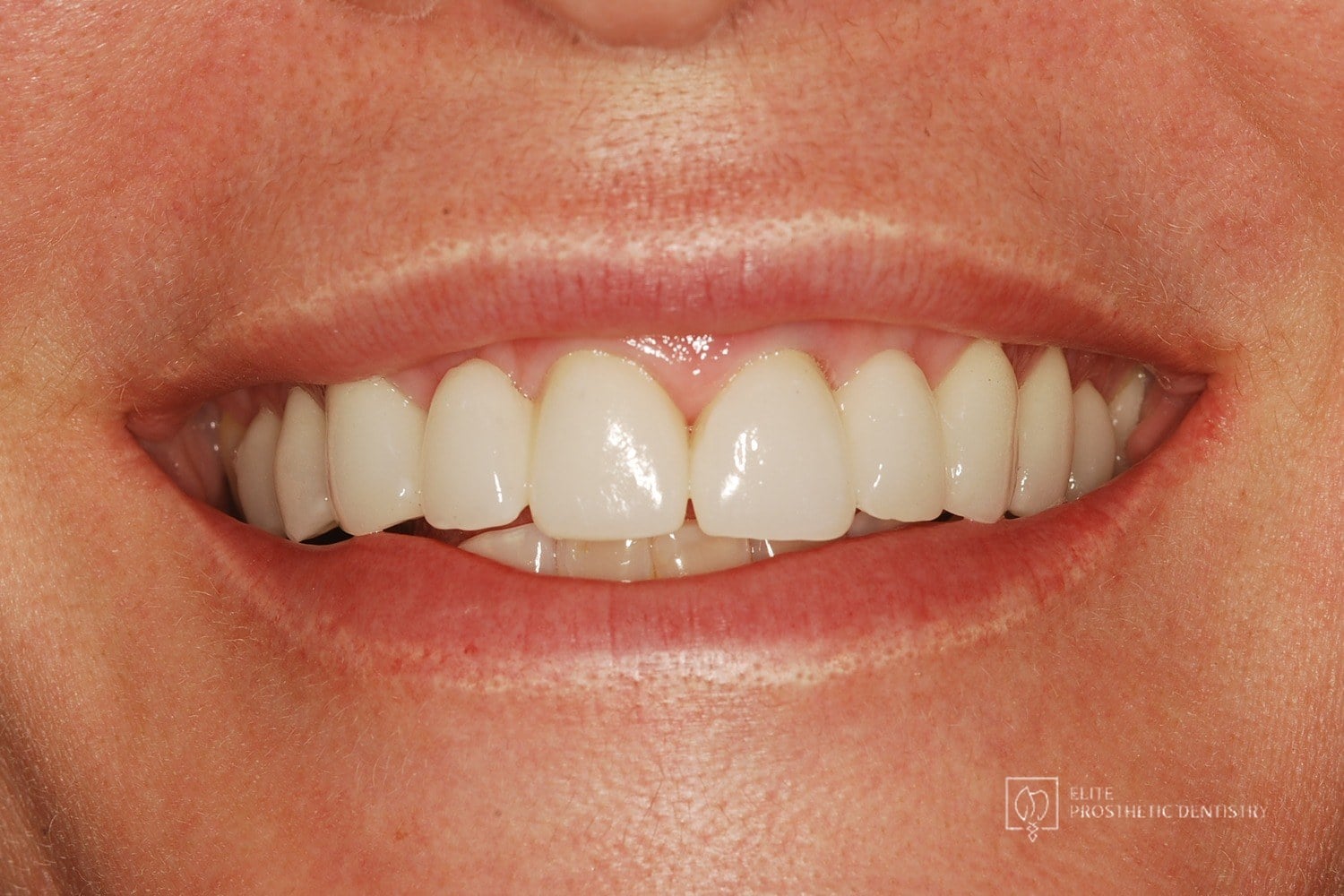
After How Failing Lateral Incisor Implants Were Replaced with Custom Zirconia Bridges After Severe Bone Loss Made Replacement Implants Impossible
Comprehensive examination including CBCT imaging revealed significant bone loss surrounding implants that were placed outside the buccal plate, most likely due to placement without a CBCT-generated surgical guide. The implants were determined non-salvageable, and the alveolar ridge was too narrow to support replacement implants without extensive reconstruction.
 Before
  After
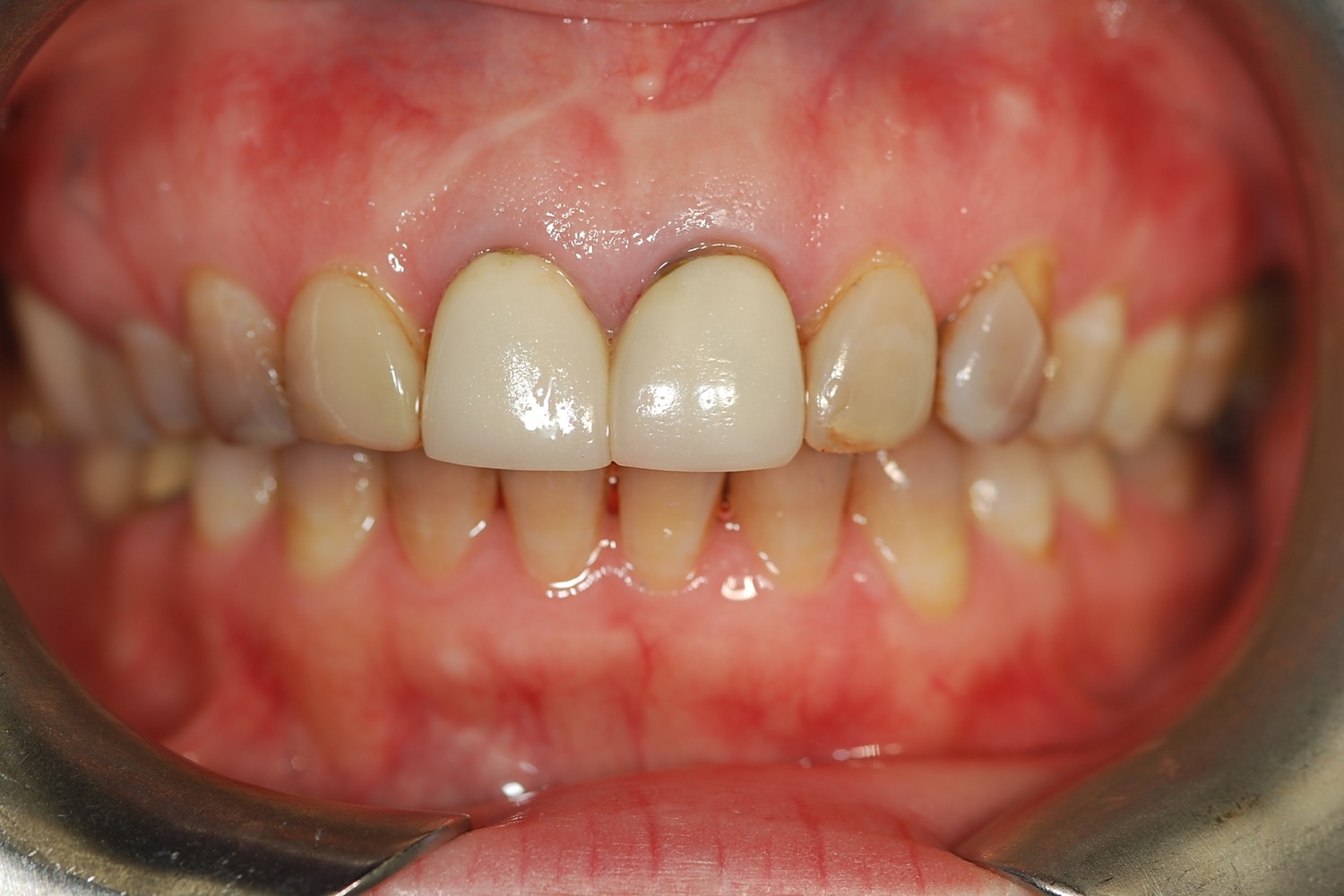
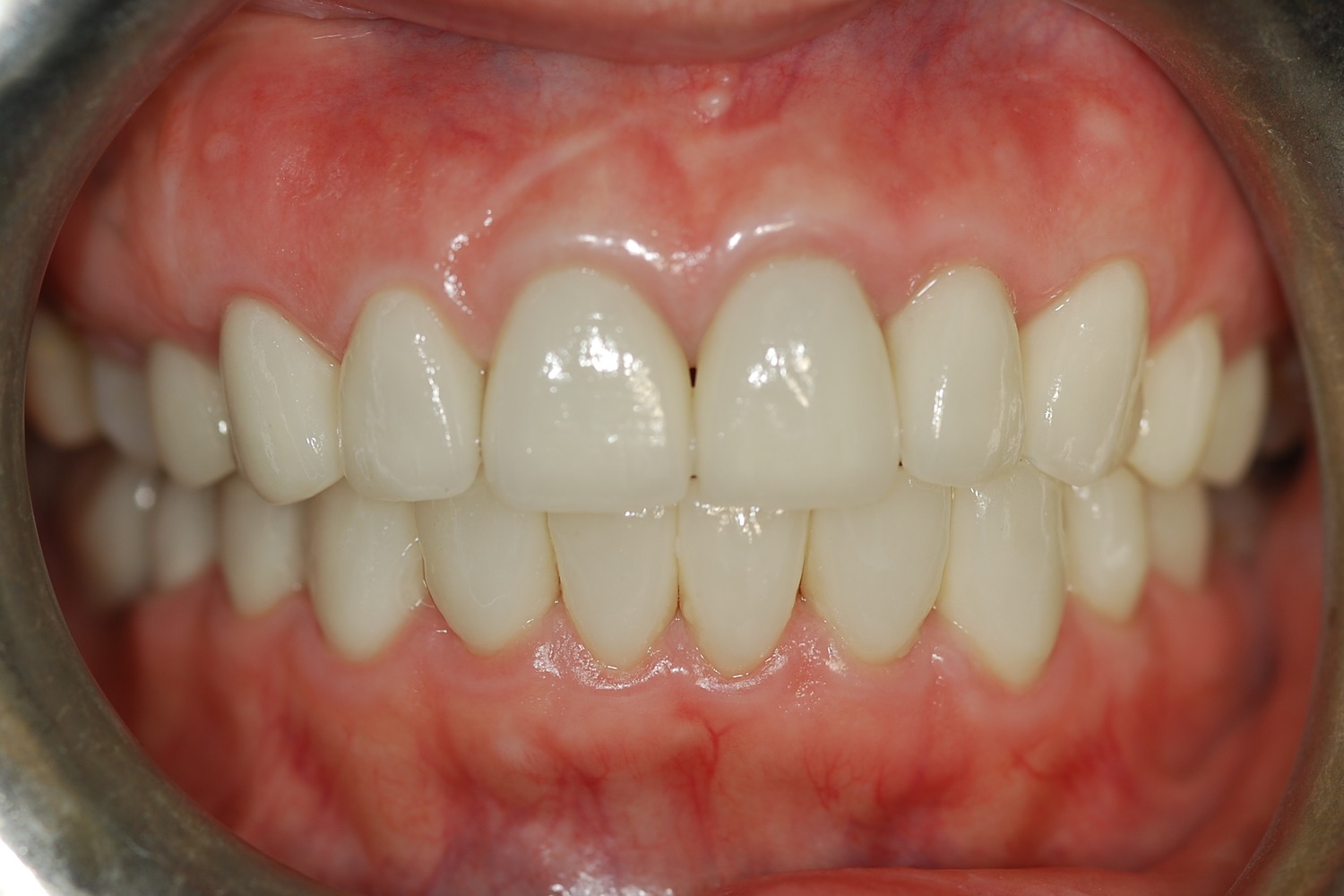
After How Aging, Opaque Restorations Were Replaced with Customized Ceramic Restorations Designed for Long-Term Natural Esthetics
The existing restorations appeared opaque, worn, and unnatural over time, affecting both confidence and overall smile harmony.
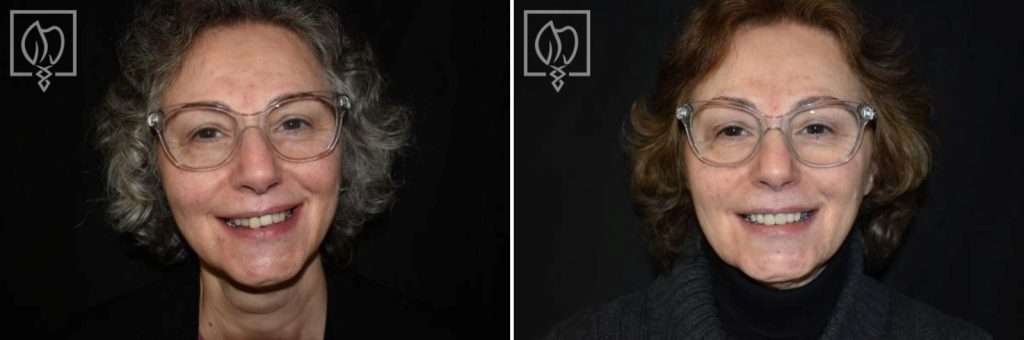
Temporary Crowns Restore a Patient's Smile in One Day with an Immediate Smile Makeover
A patient from Potomac, Maryland came to the practice in pain from a failing dental implant whose restoration was also compromising her appearance and her confidence.
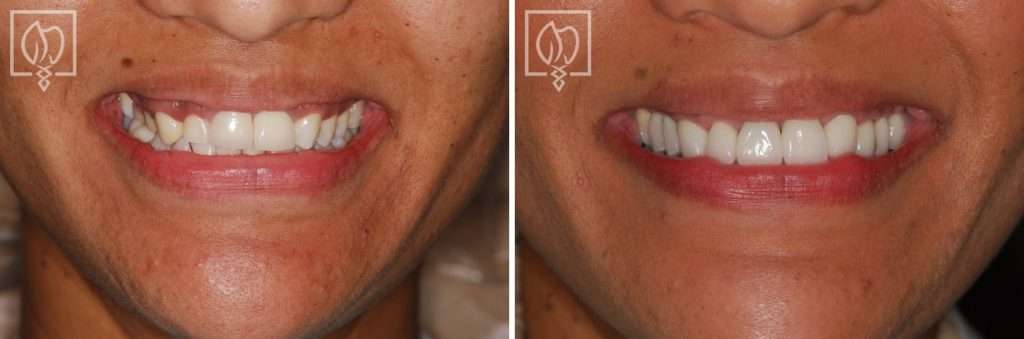
Multi-Faceted Treatment for a Patient Unhappy With the Appearance of Her Crowns, Teeth, and Gums
The patient was unhappy with how her teeth and gums affected her smile: front-tooth crowns that no longer blended with her natural teeth, a missing lateral incisor with the larger canine sitting in its space, and an uneven gum line.

Treating a Collapsed Bite with a Complete Smile Makeover and New Dentures
The patient's bite had collapsed severely, changing his facial proportions and making him look much older than his age, while extensive underlying bone loss and dentures that no longer fit made chewing difficult and kept his teeth hidden when he smiled.
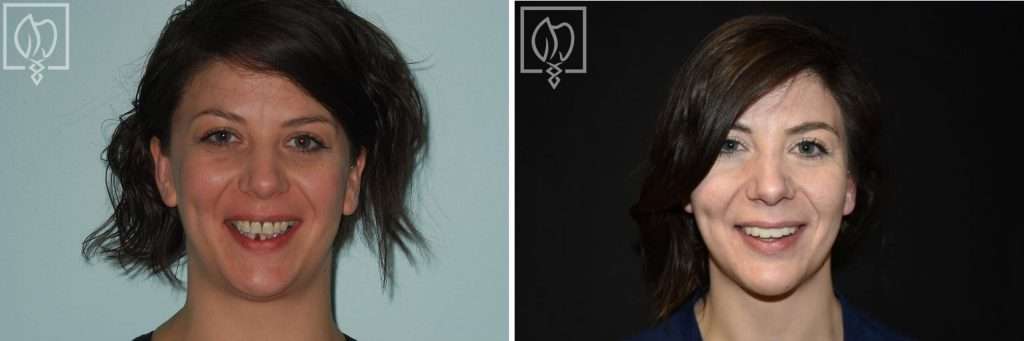
Salvaging Severely Broken-Down Upper and Lower Teeth from Gum and Bone Disease
The patient presented in distress at 34 with severe periodontal disease: two lower front teeth close to being lost and wide gaps opening between her upper and lower front teeth.
Deciding Who Should Treat You?
Our decision guide for McLean patients explains when implants, full mouth reconstruction, cosmetic work, or aging crowns and bridges call for a prosthodontist, and when another setting may serve you better.
Read the McLean decision guide →Our Services in McLean
Beyond Porcelain Veneers, McLean patients rely on Dr. Marlin for a full range of advanced dental care.
More services available in McLean:
Getting Here from McLean
Elite Prosthetic Dentistry is conveniently located near McLean, VA.
From McLean, cross Chain Bridge Road into DC, continue on Arizona Avenue NW to the Friendship Heights office at 4400 Jenifer Street NW, Suite 220.
Address:
4400 Jenifer Street NW, Suite 220
Washington, DC 20015
Phone: (202) 244-2101
Request a ConsultationRequest a Specialist Consultation from McLean
McLean residents come to Dr. Marlin for specialist prosthodontic care. With 3,900+ implants placed over 40+ years, evaluation, planning, and execution are handled with the depth complex cases require.