
Denture Case Studies: Two McLean Patients, Two Outcomes
Real denture cases: first-time wearer and replacement of uncomfortable old dentures. Outcomes, lessons from McLean, VA patients.
Case One: First-Time Denture Wearer
We treated a McLean patient in his early 60s facing full mouth extractions due to extensive periodontitis. He had worn his natural teeth his entire life and felt understandably anxious about transitioning to dentures. He worried that dentures would feel unnatural, that eating would become impossible, and that other people would notice they were artificial.
During his consultation, we explained the modern denture fabrication process in detail. We showed him examples of dentures we had created for other patients and discussed what he could realistically expect during the adaptation period. We provided written materials about denture care and gave him realistic timelines for adjustment.
The fabrication process proceeded over eight weeks. He wore his natural teeth throughout, so the transition to dentures was dramatic but clear. At delivery, his dentures fit securely, his bite felt natural, and he was surprised at how they looked. He admitted that when looking in the mirror, he couldn’t easily tell they were dentures.
His first two weeks involved expected adjustments. We refined the fit, made small occlusal adjustments, and provided encouragement. By week three, he was eating most foods comfortably. By week four, he reported complete comfort and was using his dentures without thinking about them.
Three months into treatment, he returned for his regular follow-up. He reported that his golf game had improved because he could eat lunch with his playing partners without worrying about denture slippage. His wife said she couldn’t tell his teeth were dentures. His quality of life had improved dramatically compared to the months before treatment when he knew tooth extraction was inevitable.
The key lesson from his case: quality denture design and the patient’s commitment to adaptation combine to produce excellent outcomes even for anxious first-time wearers. His willingness to spend time understanding the process and trust in our expertise made treatment successful.
Case Two: Replacement of Failing Dentures
Another McLean patient came to us having worn the same dentures for 13 years. She had received those dentures from a general dentist and admitted they had never fit well. Over years, bone loss had made them progressively loose. She experienced constant movement during eating and speaking. Food particles lodged beneath dentures constantly. The gum-colored acrylic base looked artificial. The teeth appeared too white and uniformly shaped, obviously not natural teeth.
She had learned to manage these problems but had lost confidence in her appearance. She avoided social situations where eating would occur. She was self-conscious laughing or talking because she worried about denture movement. She had accepted that this was “just how dentures were” and had resigned herself to discomfort.
During consultation, we evaluated her existing dentures and explained why they fit so poorly. The denture base didn’t conform properly to her current bone anatomy because it had been designed 13 years prior when her bone shape was different. The tooth shade and positioning reflected generic denture design rather than custom work optimized for her specific appearance.
We fabricated new dentures customized for her current anatomy. We selected tooth shades and shapes matching her facial characteristics. We designed the gum base color to match her actual gum tissue. The fabrication process took ten weeks, during which she continued wearing her old dentures.
When her new dentures were delivered, she was emotional. They fit so much better than her old ones that the difference was immediately obvious. Her bite felt correct. She could see immediately in the mirror that these teeth looked much more natural than her old ones. The base color matched her gums rather than looking obviously artificial.
Over the following weeks, she practiced eating and speaking with renewed confidence. She realized how much she had adapted to the poor fit of her old dentures and how much better dentures could actually function. She began accepting social invitations again. She smiled in photographs for the first time in years without worry about her dentures showing.
The key lesson from her case: previous bad denture experiences don’t predict future outcomes. Quality denture design can transform a patient’s experience even after years of acceptance of inadequate solutions.
What These Cases Teach Us
These two cases represent opposing scenarios in denture treatment, yet both achieved excellent outcomes. The first-time wearer’s case shows that quality fabrication and patient education make adaptation manageable even for anxious patients. The replacement case demonstrates that previous denture failures don’t predict future success when quality design and specialty training are applied.
From these and hundreds of other cases, we’ve learned that patient outcome depends significantly on choosing the right provider, committing to the adaptation and fabrication process, and maintaining honest communication about fit, function, and expectations.
Elite Prosthetic Dentistry 4400 Jenifer Street NW, Suite 220 Washington, DC 20015 (202) 244-2101 Request a Consultation Contact & Directions
McLean patients are 25-35 minutes away via Chain Bridge. On-site parking is available in our building.
For McLean residents who have lost all or most of their teeth, removable restorations offer a time-tested solution for tooth replacement. Modern replacement teeth are far superior to prosthetic teeth from decades past. Materials are more natural-looking and durable. Fabrication techniques are more precise. Most importantly, when fabricated by an experienced prosthodontist, modern prosthetics function well and look beautiful.
At Elite Prosthetic Dentistry, Dr. Gerald Marlin brings decades of prosthodontic expertise to prosthetic fabrication. His dental prosthetics are not mass-produced generic appliances. They are custom-crafted restorations designed specifically for your mouth, your remaining bone anatomy, and your aesthetic preferences.
Understanding Modern Prosthodontics and Dentures
Prosthodontics is the dental specialty focused on tooth replacement. Prosthodontists spend additional years of training studying how to replace teeth with artificial restorations. This training encompasses restoration design, materials, fabrication techniques, and the biological principles that govern how prosthetics integrate with your jaw and remaining tissues.
Elite Prosthetic Dentistry’s prosthodontic training means his custom teeth are designed and fabricated at a level of sophistication beyond what general dentists typically provide. Every aspect, from the underlying jaw anatomy to the shade and shape of the teeth, is carefully considered.
Types of Dentures
Complete dental prosthetics
Complete removable restorations replace all upper or lower teeth (or both). A complete restoration is a removable appliance that sits on your gum tissue and relies on the fit and adaptation of its base for retention.
Complete appliances can look beautiful and function quite well, particularly when fabricated by an experienced prosthodontist. However, they do require adaptation and proper care.
Partial restorations
A partial prosthesis replaces some missing teeth while your remaining natural teeth stay in place. Partial replacement teeth attach to your remaining teeth using clasps or precision attachments.
Partial tooth replacements offer advantages over complete prosthetic teeth because they can attach to remaining teeth for retention and stability. However, they require that your remaining teeth be in good health.
Implant-Supported replacement teeth
Implant-supported custom teeth (also called implant overdentures) are removable tooth replacements that attach to dental implants. Instead of relying on gum tissue for retention, the restoration clips onto implants anchored in your jaw.
Implant-supported prosthetic teeth offer significant advantages over traditional removable restorations. They’re far more stable, you can’t accidentally dislodge them, and they provide substantially better function. They also reduce bone resorption because the implants stimulate the underlying bone.
The Denture Fabrication Process
Creating a high-quality option requires multiple appointments and careful attention to detail.
Initial Consultation and Assessment
Our prosthodontic team begins by examining your remaining teeth and jaw anatomy. For complete replacement teeth, we evaluate the contours of your gum ridges. For partial prosthetics, he assesses your remaining teeth. We discuss your aesthetic preferences and functional needs.
Impressions
Accurate impressions are foundational to solution fit. Our prosthodontic team takes detailed impressions of your jaw, capturing the specific anatomy of your ridge anatomy. Multiple impression techniques may be used to ensure optimal accuracy.
Bite Registration
Your bite (the relationship between your upper and lower jaw) is carefully recorded. This ensures your prosthetic teeth will meet properly, distributing forces evenly when you chew.
prosthesis Design and Setup
Your prosthesis is designed considering the contours of your jaw, your aesthetic preferences, and proper tooth position. Elite Prosthetic Dentistry carefully selects tooth shade, shape, and size that complement your facial structure.
Before your solution is finalized, it’s checked in your mouth for fit, occlusion (bite), and aesthetics. Adjustments are made based on how it looks and feels.
Final prosthesis Delivery
Your finished solution is inserted, final adjustments are made, and you receive detailed instructions on use and care.
Materials in Modern Dentures
Modern prosthesis materials are far superior to older acrylic materials. Today’s appliance bases are acrylic resins that are durable, biocompatible, and can be manufactured with excellent detail.
restoration teeth are fabricated from porcelain or composite materials. Porcelain prosthetic teeth are extremely durable and don’t stain, but can fracture if subjected to impact. Composite solution teeth are more forgiving and less likely to fracture, but wear slightly faster over time.
Our practice selects materials based on your specific situation, considering durability, aesthetics, and long-term maintenance.
Denture Fit and Retention
The fit of your prosthesis is critical to its success. A well-fitting appliance is comfortable, stays in place during talking and eating, and distributes pressure evenly across your gum tissue. A poorly fitting option causes sore spots, moves around, and accelerates bone resorption.
Our prosthodontic team takes time to achieve excellent fit during prosthetic fabrication and adjustment. This requires precision impression technique, accurate jaw relationship registration, and careful adjustment after insertion.
Adaptation and Adjustment
Many patients need a period of adaptation when they first receive removable restorations. Your mouth needs time to adjust to the foreign object, and your muscles need to learn how to control the treatment during talking and eating.
Initial discomfort or difficulty usually resolves within a few weeks as adaptation occurs. However, if significant problems persist, adjustments can be made.
Some areas of your gum tissue may be more sensitive than others. If your restoration creates sore spots, Dr. Marlin adjusts the treatment to relieve pressure. These adjustments are normal during the adaptation phase.
Function with Dentures
Most patients can eat a wide variety of foods with dentures, though function is typically somewhat reduced compared to natural teeth. Hard foods like nuts or very tough meats may be difficult. Soft foods, cooked vegetables, and most prepared foods are typically fine.
Chewing force is naturally reduced with dentures because they don’t integrate with bone like tooth roots do. However, this is usually sufficient for a normal diet.
Denture Care and Maintenance
Proper denture care is essential for longevity and hygiene.
Daily Cleaning
Prosthetic teeth should be cleaned daily with a soft brush and denture cleanser (not regular toothpaste, which is too abrasive). After eating, rinse your denture under water to remove food particles.
Nightly Soaking
Remove your restoration at night and soak it in prosthetic solution. This keeps it moist and prevents warping. Many patients sleep better without their dentures, so nightly removal is recommended.
Handling and Storage
Handle your denture carefully to avoid dropping or damaging it. Store it in a safe place, ideally in a denture case with solution.
Professional Cleaning
Periodically, professional cleaning at our office removes buildup that home cleaning doesn’t remove. Our prosthodontic team recommends professional cleaning annually or as needed.
Denture Adjustments and Relining
Over time, your jaw bone continues to resorb after tooth loss. This bone resorption changes the fit of your prosthesis. As the underlying bone changes shape, your denture’s fit will loosen.
Relining is a process where the base of your restoration is recontoured to match your changing jaw anatomy. A prosthetic may need relining every few years as bone resorption continues. Relining maintains proper fit and prevents the accelerated bone loss that can occur with a loose denture.
When Dentures Need Replacement
Even with excellent care, tooth replacements eventually need replacement. Denture teeth wear, the denture base becomes discolored or brittle, and accumulated bone resorption eventually makes the denture irreparable.
Most prosthetic teeth require replacement within 5 to 10 years. The specific timeline depends on how much your jaw bone resorbs and how well you care for your denture.
Implant-Supported Dentures as an Alternative
For McLean residents seeking improved function and stability, implant-supported removable restorations offer a superior alternative to traditional replacement teeth. Two to four implants are placed in your jaw, and your denture clips onto these implants.
The advantages are significant. Implant-supported dental prosthetics are far more stable. They don’t move during talking or eating. You can eat harder foods. The implants preserve bone, slowing the bone resorption that occurs with traditional dentures. And overall function is substantially improved.
Dentures and Your Smile Aesthetics
Modern removable restorations look far more natural than older replacement teeth. Elite Prosthetic Dentistry carefully selects tooth shade, shape, and size to complement your facial structure and natural appearance. Well-fabricated prosthetic teeth should not obviously look like tooth replacements. People often don’t realize you’re wearing dentures.
Gum contours can also be enhanced with denture design, improving the overall aesthetics of your smile.
The McLean Resident and Denture Treatment
McLean residents often have busy professional lives and high standards for all aspects of their lives, including healthcare. While some resist dental prosthetics, others pragmatically choose dentures as an optimal solution given their specific dental situation.
Modern tooth replacements fabricated by an experienced prosthodontist can be a perfectly acceptable tooth replacement solution. The key is realistic expectations and understanding that dentures do require care and adjustment.
Why Choose Dr. Marlin for Dentures
Many dental offices fabricate replacement teeth, but our specialty-trained team’s prosthodontic expertise ensures prosthetic teeth that are carefully designed, precisely fabricated, and meticulously adjusted. His decades of specialized experience means he has refined every aspect of denture design and fabrication.
In addition, if your situation changes and you later decide to pursue implants instead of dentures, our team at Elite Prosthetic Dentistry has the expertise to manage that transition.
Scheduling Your Denture Consultation
If you’re considering removable restorations, or if you’re dissatisfied with existing replacement teeth, schedule a consultation with Dr. Marlin. He’ll evaluate your specific situation and discuss all tooth replacement options, including traditional prosthetic teeth, implant-supported modern prosthetics, and implant-supported bridges.
McLean is just 20 minutes from our Friendship Heights office via Chain Bridge Road and Arizona Avenue NW. The convenient location makes it easy to access expert denture consultation and fabrication.
Request an appointment or call (202) 244-2101 to schedule your solution consultation. Learn more about our full and partial replacement services.
Frequently Asked Questions
How do first-time denture wearers typically respond?
First-time wearers often experience initial anxiety that resolves after successful fabrication and adaptation. Most report surprise at how natural quality dentures feel and function. The learning curve for eating and speaking is usually shorter than anticipated. Patients who commit to adaptation typically become satisfied wearers within weeks.
What's the experience like replacing old failing dentures?
Replacing inadequate dentures is often transformative. Patients who suffered for years with loose, uncomfortable dentures often become passionate advocates for quality restoration once they experience proper fit. The difference in function and confidence can be dramatic.
How do we learn from denture patients' experiences?
Every patient teaches us something. First-time wearers show us how to better explain the adaptation process. Patients replacing inadequate dentures help us understand failure points and how to design better solutions. We continuously refine our process based on patient feedback.
What mistakes should denture patients avoid?
Avoid providers who rush the process. Avoid selecting dentures based solely on cost. Avoid skipping adjustment appointments. Avoid adjusting dentures yourself. Avoid poor oral hygiene while wearing dentures. Avoid assuming adjustment is impossible if you experience problems initially.
How can denture patients optimize their experience?
Choose a specialty-trained prosthodontist. Be honest about your expectations and concerns. Commit to the adaptation process. Attend all scheduled appointments. Follow care instructions precisely. Ask questions. Communicate openly about fit, function, and appearance. The better the partnership, the better the outcome.
Related Patient Success Stories
Explore similar patient success stories demonstrating our expertise in advanced prosthetic dentistry.
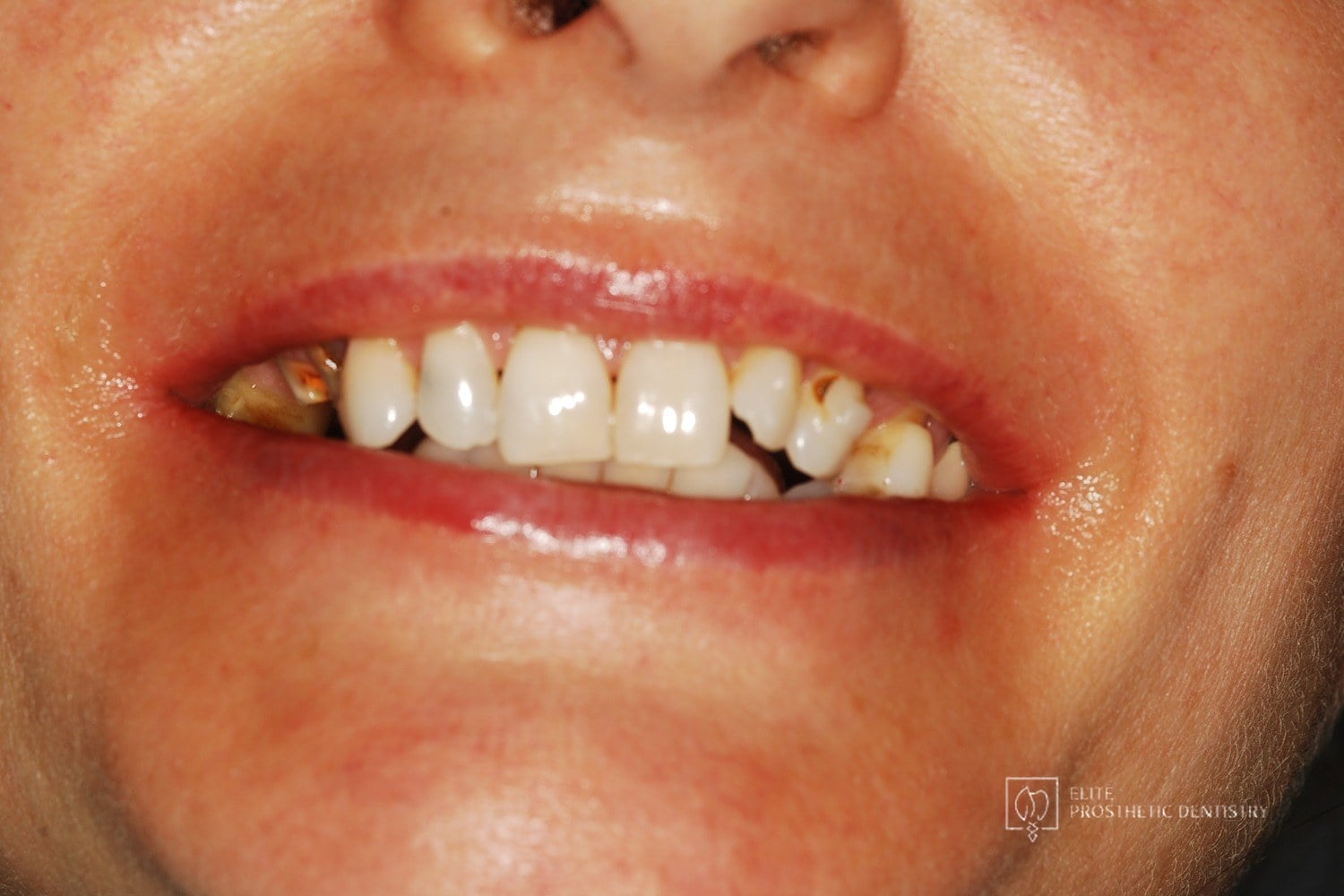 Before
 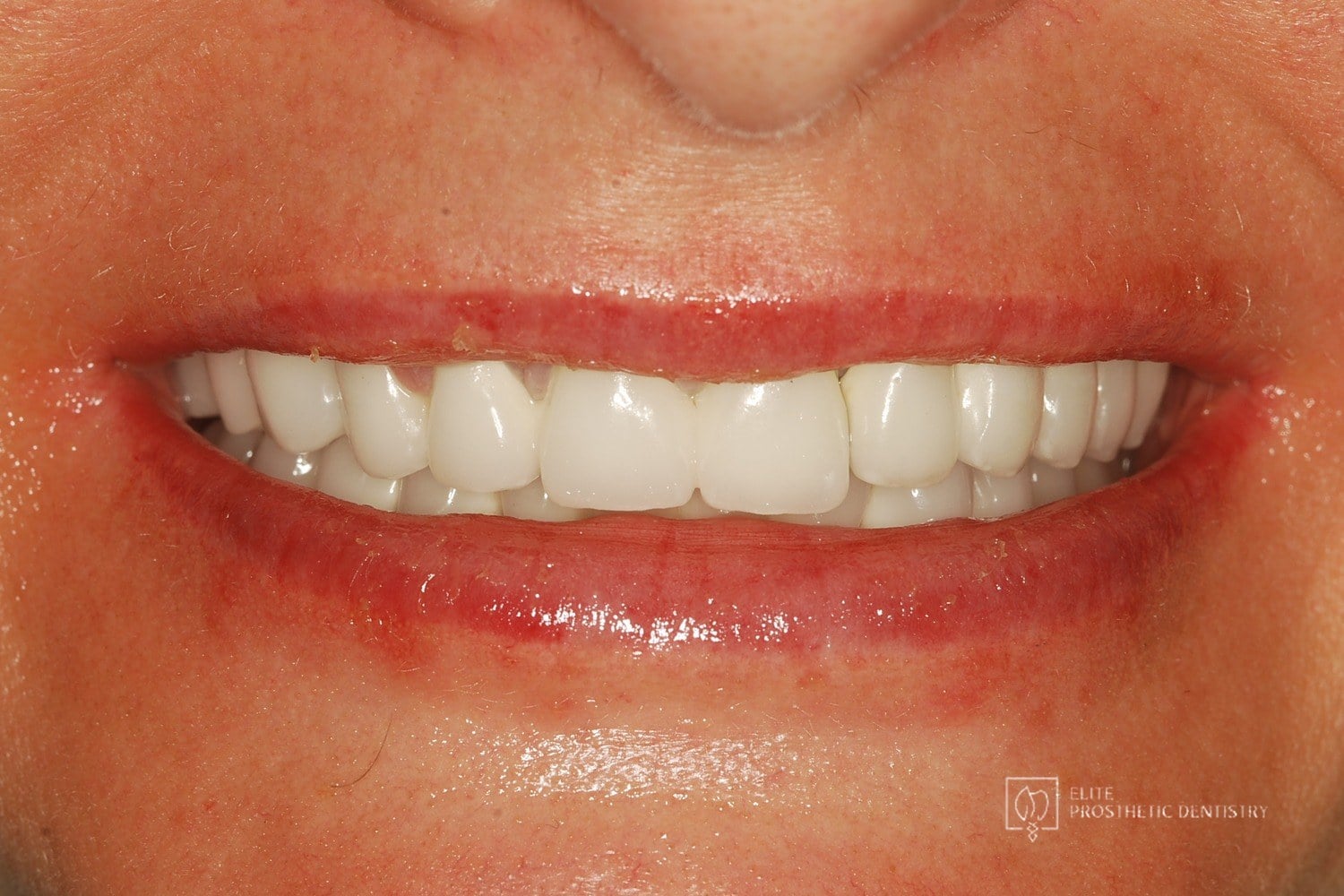 After
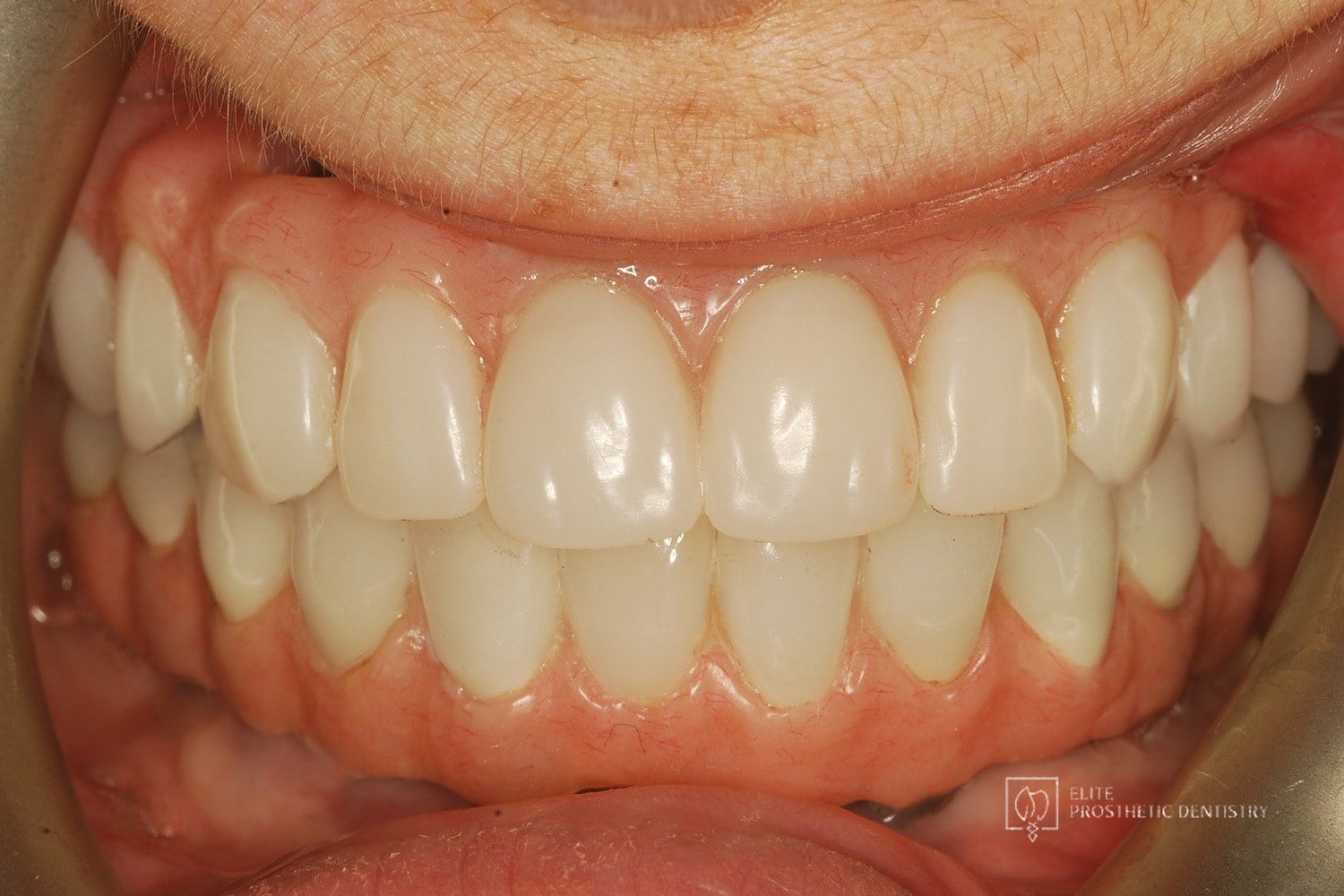
After How Aging, Failing Dentistry Was Replaced with a Coordinated Full-Mouth Implant and Crown Reconstruction
The patient presented with throbbing upper-molar pain, long-standing infections, multiple root canals and unfinished prior treatment, generalized sensitivity, and several hopeless teeth.
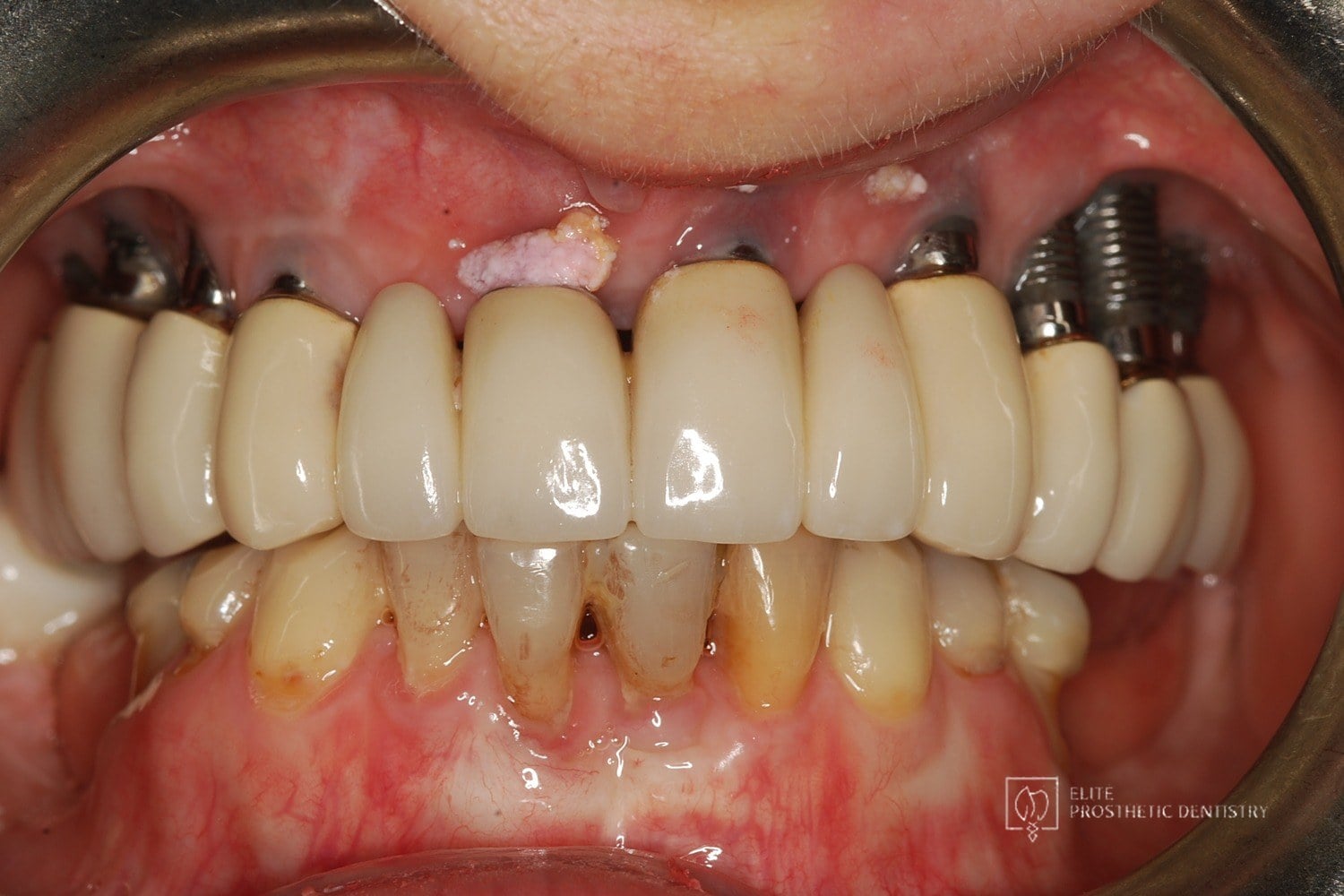 Before
  After
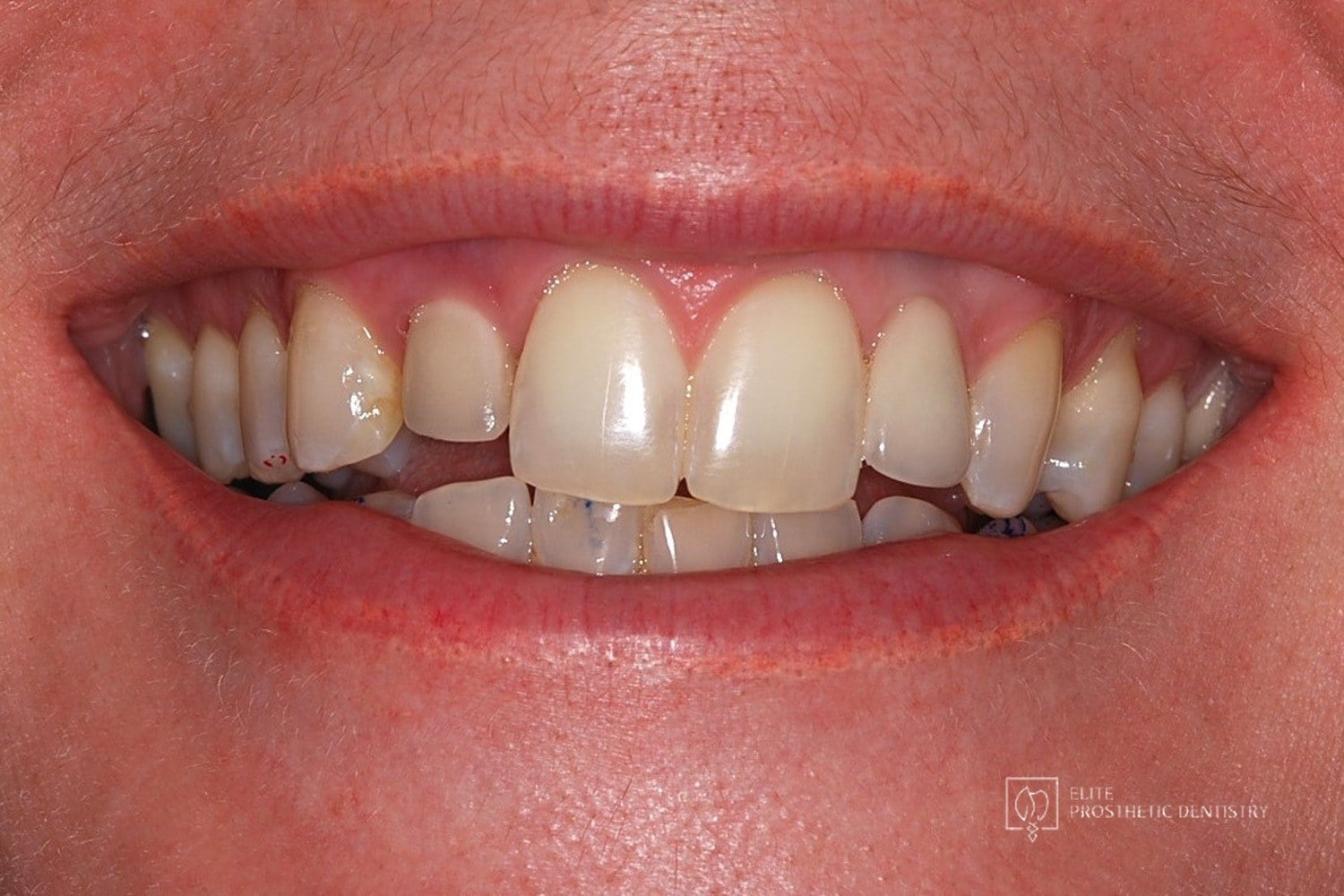
After How Failing Implants and Severe Bone Loss Were Rebuilt Into a Stable Full-Arch Implant Reconstruction
The patient presented with significant complications from previously placed implants, severe bone loss, failing posterior implants, and an unesthetic full-arch bridge. Both arches required full reconstruction, with the upper arch showing the most advanced bone loss and instability.
 Before
  After
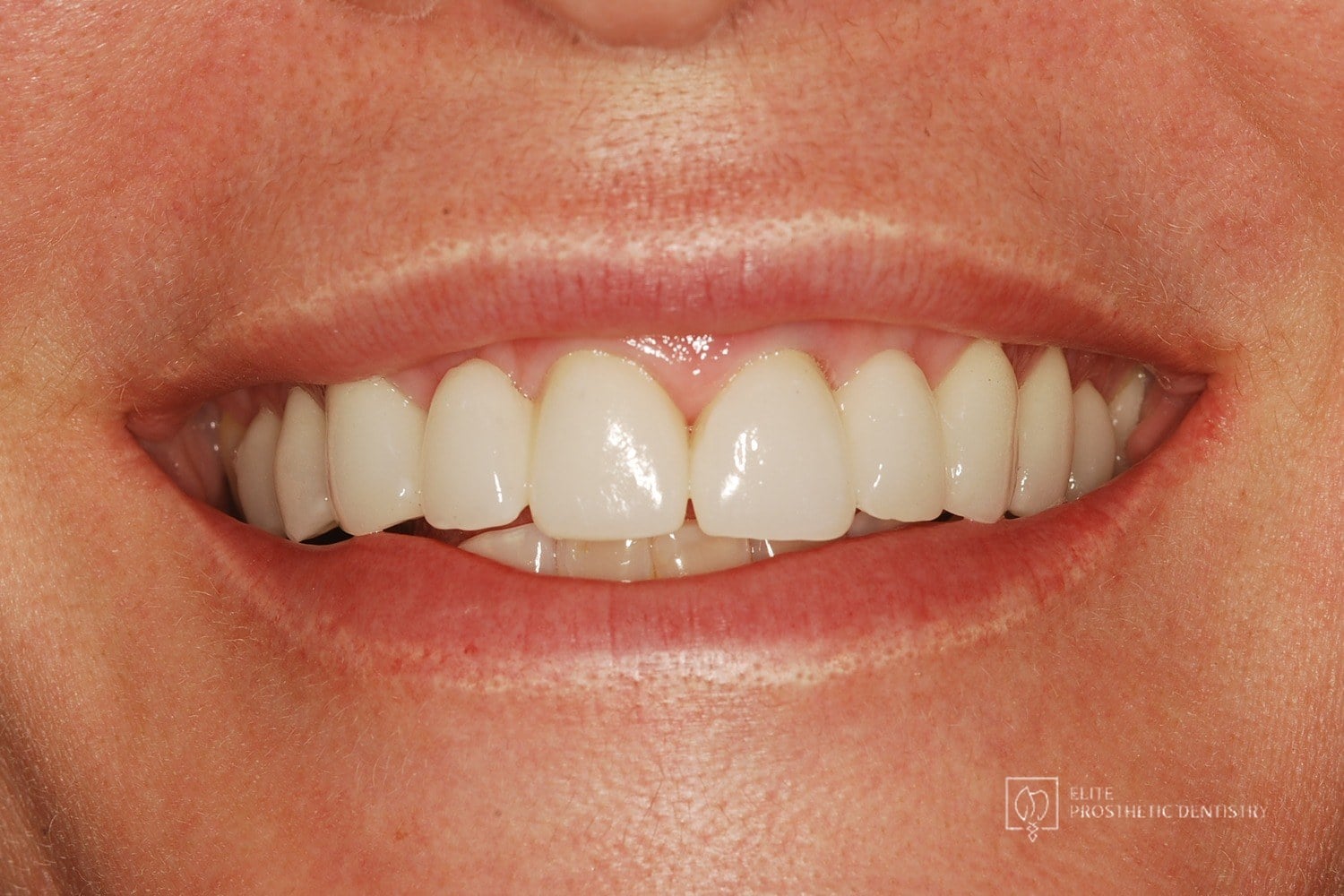
After How Failing Lateral Incisor Implants Were Replaced with Custom Zirconia Bridges After Severe Bone Loss Made Replacement Implants Impossible
Comprehensive examination including CBCT imaging revealed significant bone loss surrounding implants that were placed outside the buccal plate, most likely due to placement without a CBCT-generated surgical guide. The implants were determined non-salvageable, and the alveolar ridge was too narrow to support replacement implants without extensive reconstruction.
 Before
  After
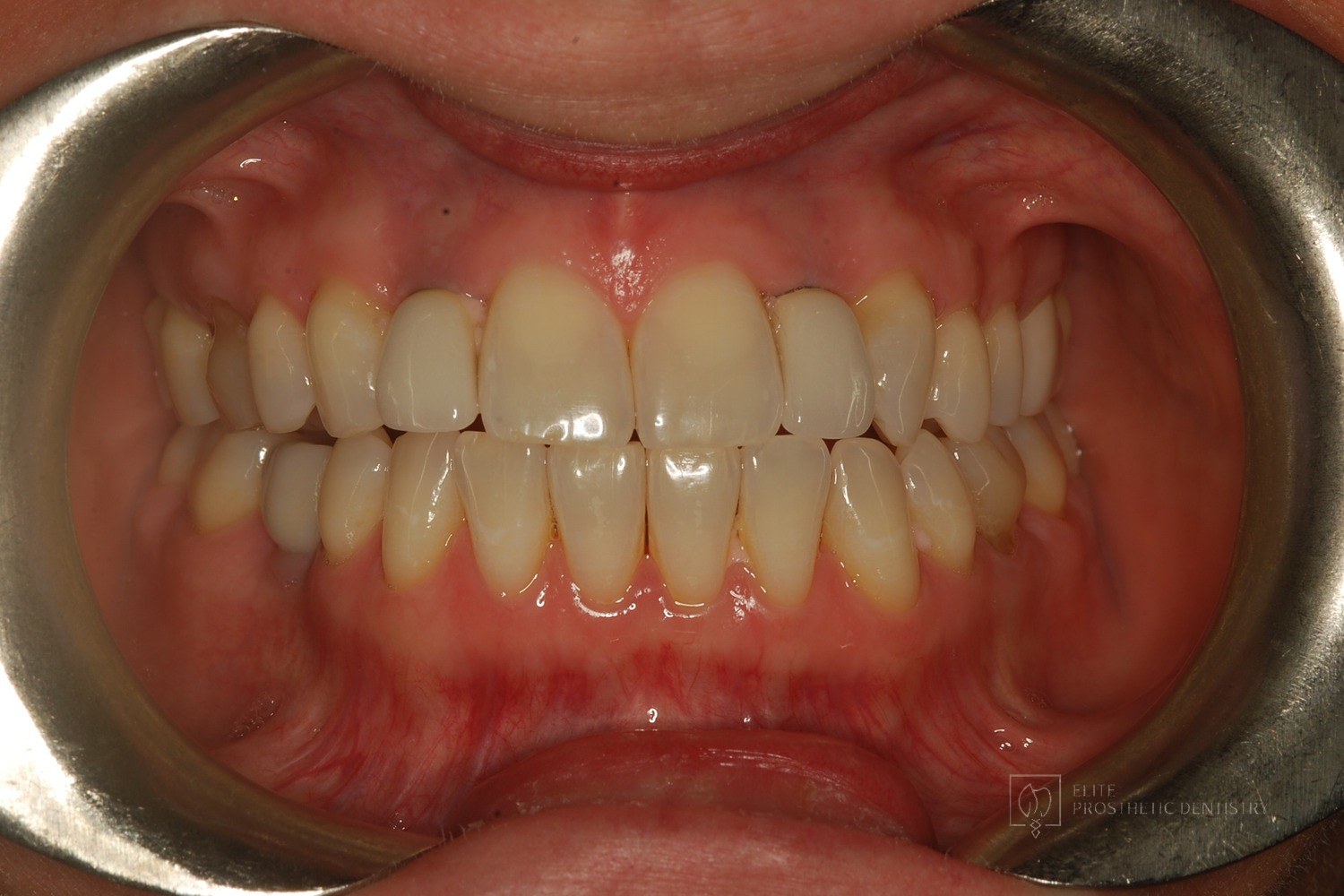
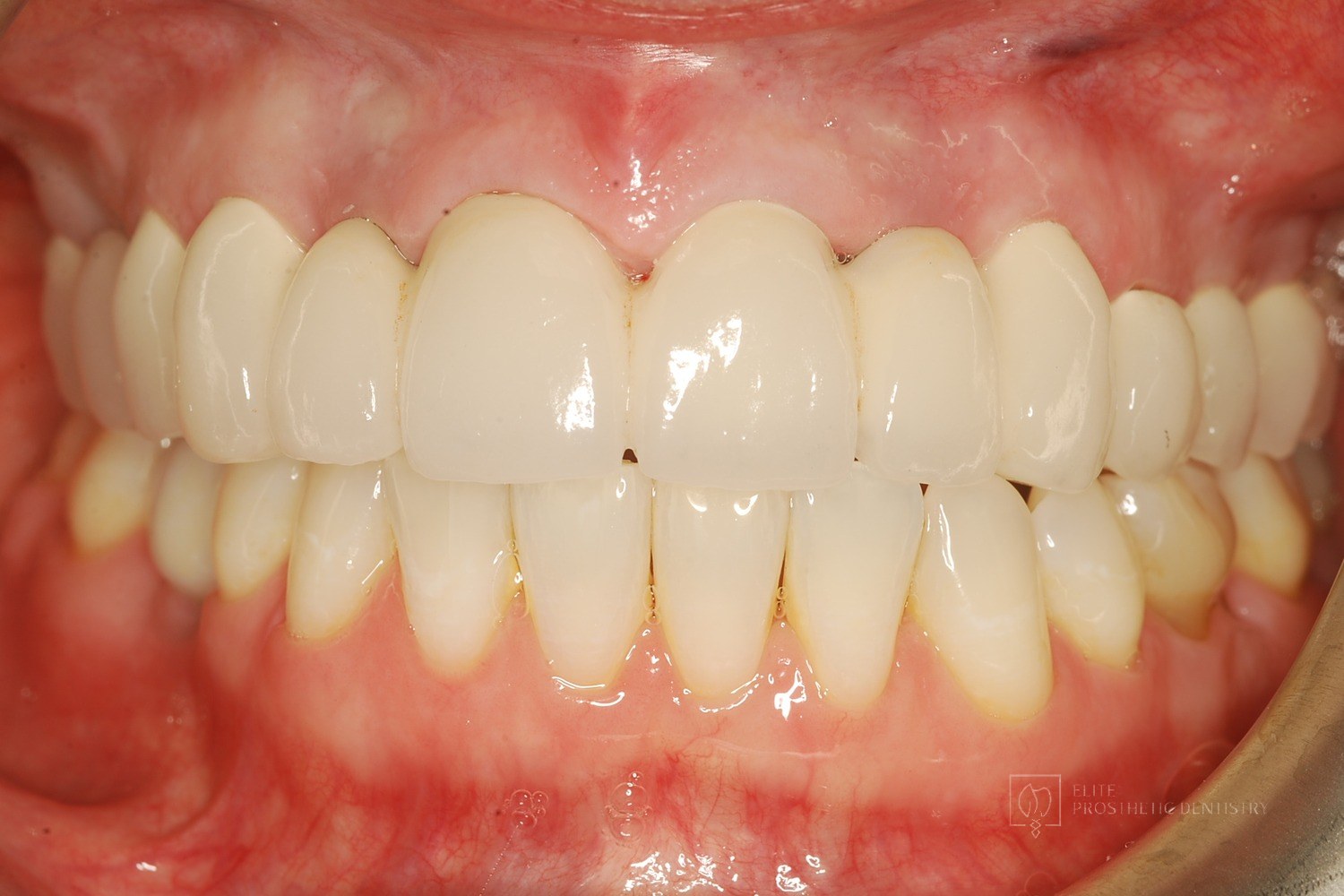
After How Older Implant Crowns Were Redesigned for a Better Bite and More Natural Appearance
The patient came in after years of living with implant-supported crowns placed more than twenty years earlier that no longer looked or functioned well. CBCT evaluation, reviewed with a radiologist colleague, showed the implants had been placed too far to the buccal in very thin bone and could not support a healthy long-term restoration.
 Before
  After
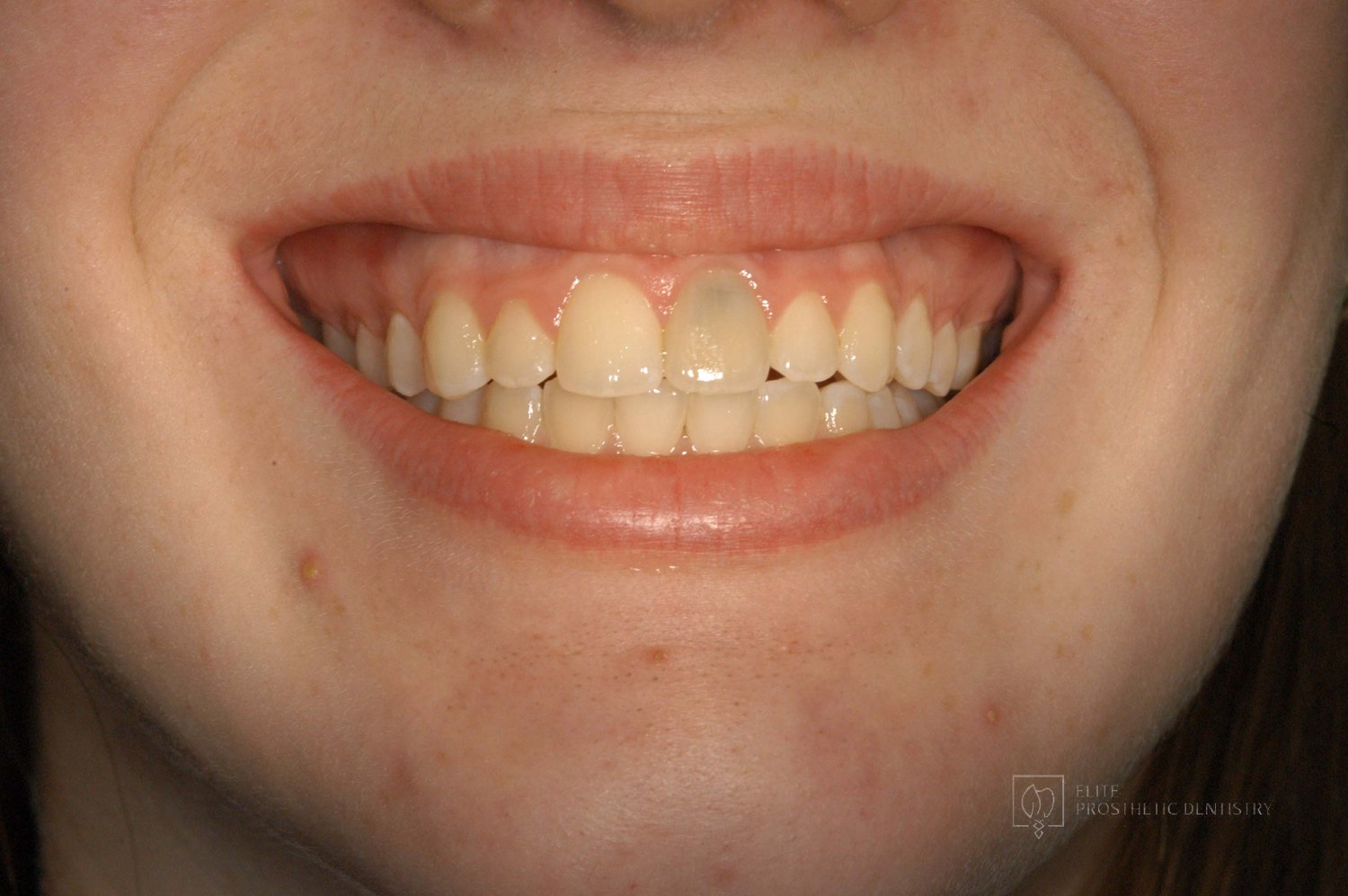
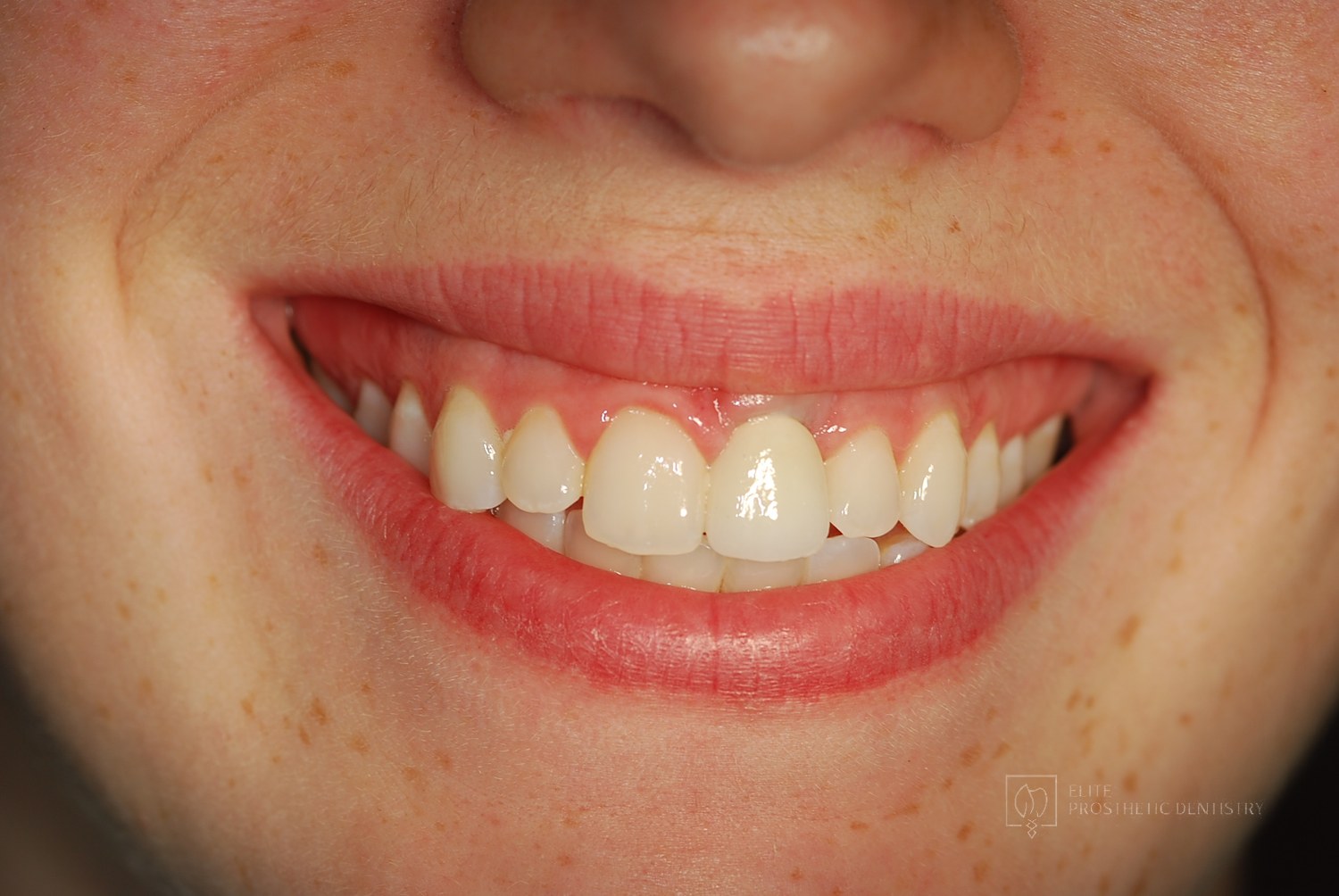
After How a Front Tooth Lost to Childhood Trauma Was Rebuilt with Bone Grafting and a Long-Lasting Implant
A teenager was referred by her father after earlier trauma left her upper left front tooth slowly failing from root resorption. She was still growing, so an immediate implant was the wrong move. The tooth had to be maintained to buy time, then replaced correctly once she reached skeletal maturity.
 Before
 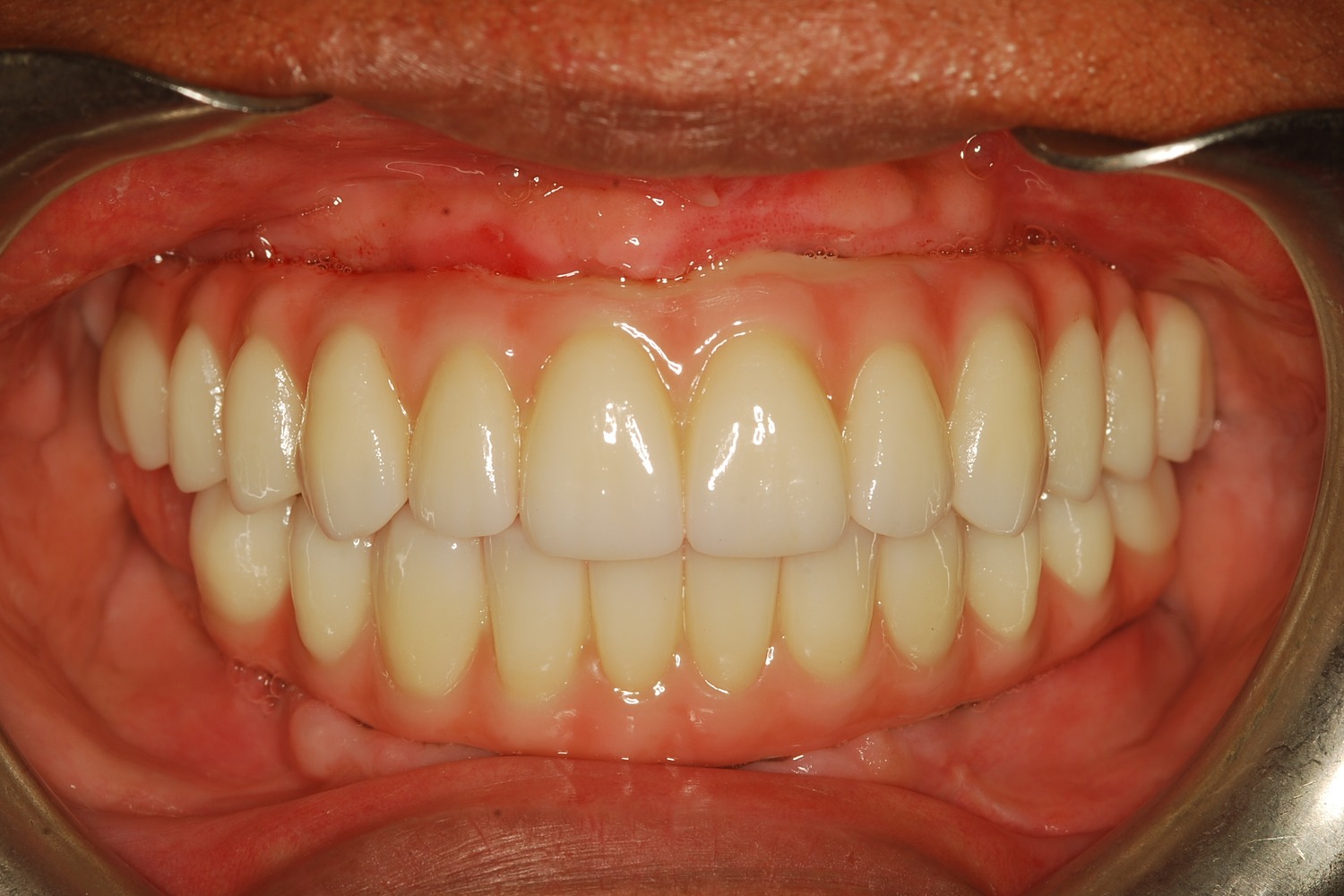 After
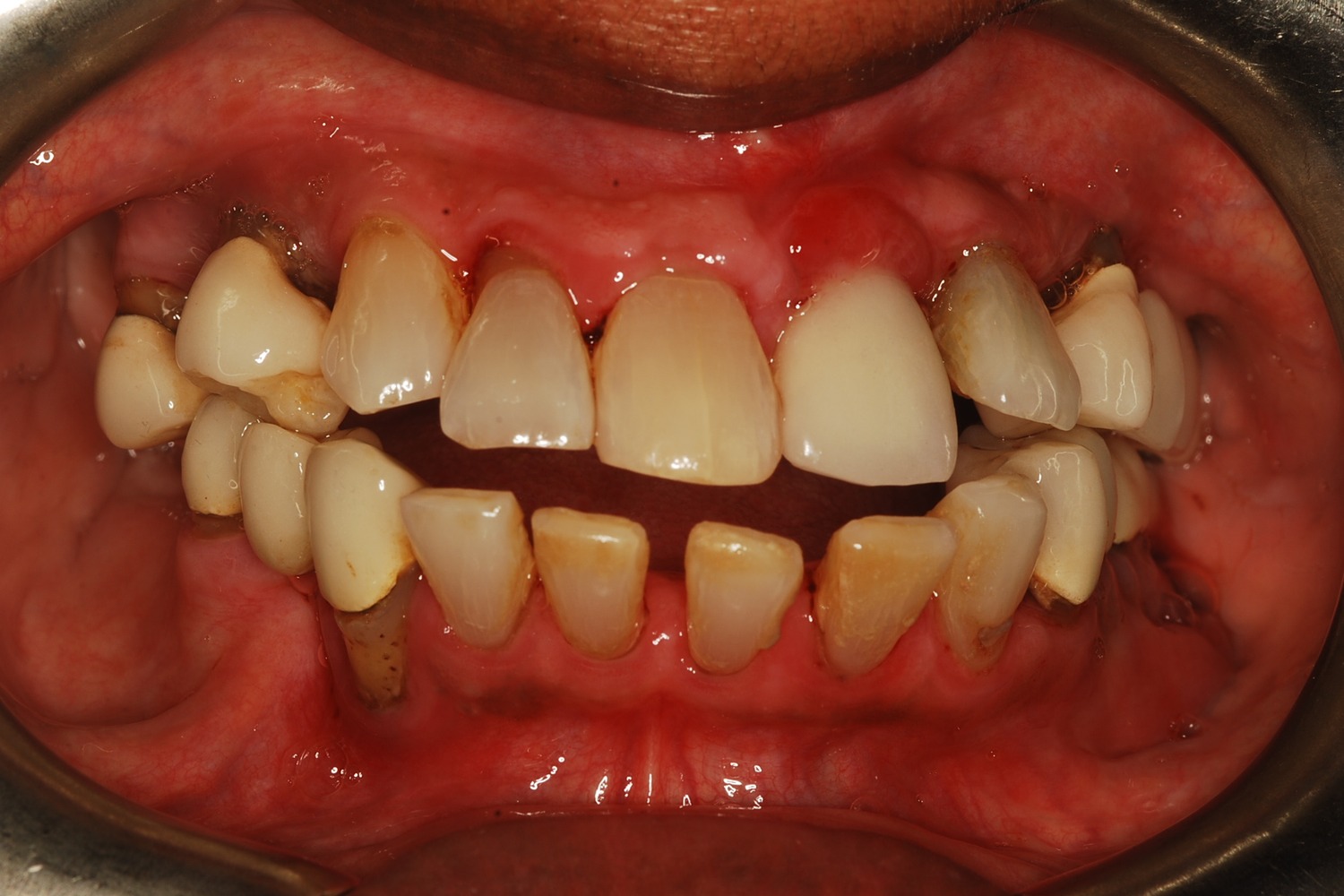
After How Severe Bone Loss and Bite Dysfunction Were Rebuilt with All-on-6 Implants and a Milled Zirconia Hybrid Prosthesis
The patient presented with severe bone loss, advanced periodontal disease, malocclusion, and a dysfunctional bite that required full-arch rebuilding.
Related Articles
Deepen your knowledge with additional insights on this topic.
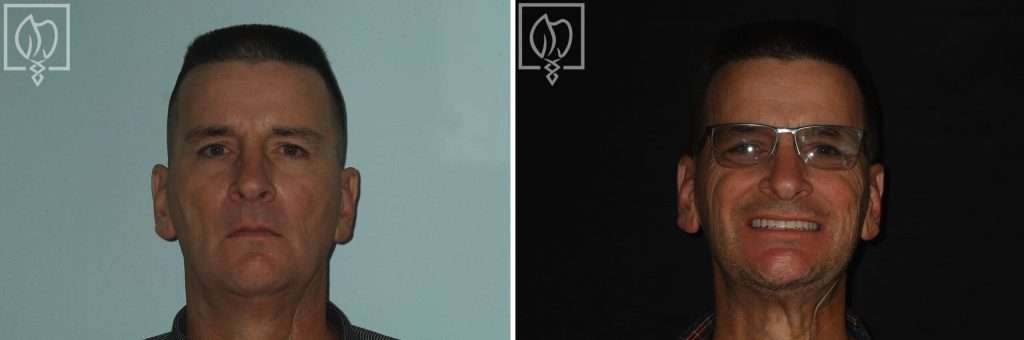
Deciding Who Should Treat You?
Our decision guide for McLean patients explains when implants, full mouth reconstruction, cosmetic work, or aging crowns and bridges call for a prosthodontist, and when another setting may serve you better.
Read the McLean decision guide →Our Services in McLean
Beyond Dentures, McLean patients rely on Dr. Marlin for a full range of advanced dental care.
More services available in McLean:
Getting Here from McLean
Elite Prosthetic Dentistry is conveniently located near McLean, VA.
McLean patients cross Chain Bridge into DC and continue on Arizona Avenue NW to Friendship Heights. On-site parking is available.
Address:
4400 Jenifer Street NW, Suite 220
Washington, DC 20015
Phone: (202) 244-2101
Request a ConsultationRequest a Specialist Consultation from McLean
McLean residents come to Dr. Marlin for specialist prosthodontic care. With 3,900+ implants placed over 40+ years, evaluation, planning, and execution are handled with the depth complex cases require.