
Choosing a Prosthodontist Over General Dentistry in McLean
Comparing prosthodontic-led care, general dentistry coordination, and corporate models for complex restorations in McLean.
McLean patients evaluating treatment options for complex restorations often encounter three distinct models: prosthodontic-led care, general dentist-coordinated specialist care, and corporate dental chain models. Understanding the structural differences between these approaches helps patients evaluate which model is most likely to deliver the outcome they are seeking, given their specific case complexity and personal priorities.
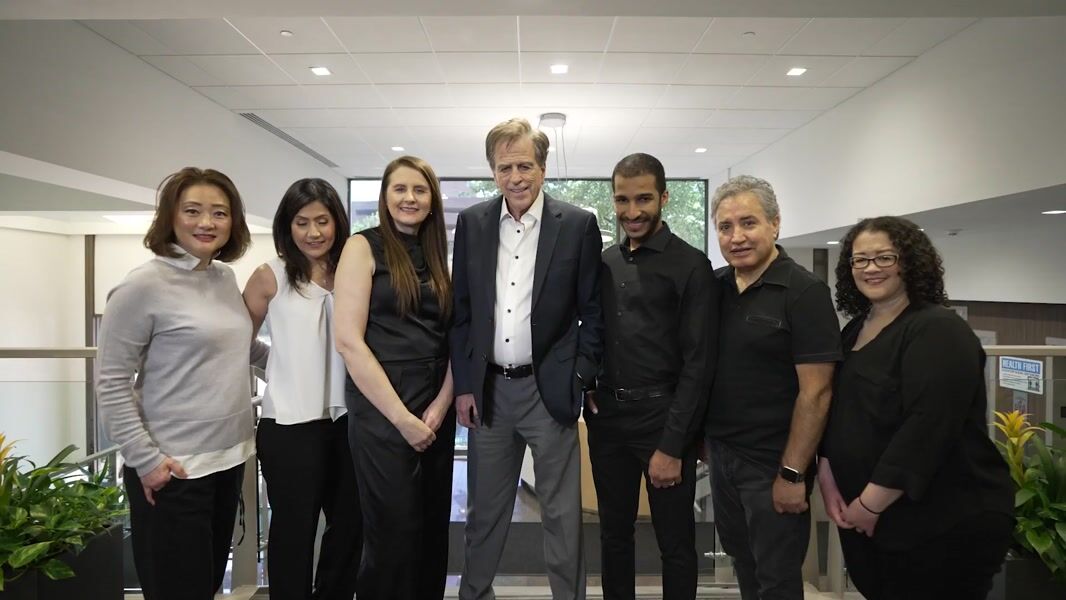
Dr. Gerald Marlin is a specialty-trained prosthodontist at Elite Prosthetic Dentistry in Friendship Heights, approximately 25 to 35 minutes from McLean. He has placed more than 3,900 dental implants and specializes in cases where multiple failing restorations, bone loss, and esthetic demands require integrated planning across surgical and prosthetic phases.
The Prosthodontic-Led Model
In a prosthodontic-led case, the treatment plan begins with the desired final outcome: what the restored dentition will look like, how it will function, what materials will be used, and how it will be maintained long-term. That outcome is documented in comprehensive detail before any surgical work begins. This documentation becomes a reference point for every decision that follows.
From that documented final outcome, every preceding step is designed backward. Where must implants be positioned to support the planned restorations? What bone augmentation is required to achieve those implant positions? Which teeth can be saved, and which must be removed? What is the sequence of surgery and restorative work that connects initial diagnosis to final restoration? How will the patient function during each integration phase?
The surgical steps then execute this plan: implants are placed in the specific positions documented by the prosthodontic plan rather than in positions convenient for surgery. Endodontists perform root canal treatment on saved teeth within the constraints of the overall case plan. The prosthetic phases follow, with the prosthodontist managing design, fabrication coordination, and placement. This hierarchy of planning eliminates the common problem where surgical decisions, made without prosthetic foresight, create constraints that compromise the final restoration.
For McLean patients with complex cases, this structure means that the final restoration is not compromised by earlier surgical decisions that did not anticipate prosthetic requirements. The implant positions are optimal for restoration, not merely for surgical convenience. The material selections support the long-term functional requirements of the case. The sequence of treatment minimizes the patient’s time in provisional restorations while maximizing integration success.
The prosthodontic-led model also addresses a practical concern for McLean’s professional demographic. The detailed planning phase, done upfront, reduces unexpected complications during treatment. McLean patients with demanding work schedules benefit from knowing the full scope and timeline of their treatment before committing to the case.
The General Dentist-Coordinated Model
In this model, a general dentist evaluates the case and refers surgical components to an oral surgeon or periodontist, endodontic work to an endodontist, and fabrication to an outside laboratory. The general dentist then coordinates the pieces: ensuring that the surgical phase is completed, the bone heals, impressions are obtained, and restorations are fabricated and placed.
This model works well for straightforward cases where the surgical and prosthetic requirements are clear and well-aligned. For cases where the surgical anatomy is compromised or where the prosthetic outcome depends on precise implant positioning, the model has inherent limitations. The oral surgeon places an implant in a position that is surgically appropriate, often in the center of remaining bone or in the position that provides maximum surgical access. That position, however, may not be ideal for the eventual restoration. The crown or bridge then must be designed around wherever the implant ended up rather than requiring the implant to be positioned to support the prosthetic plan.
For McLean patients, the practical difference appears most clearly in esthetic cases. If a front tooth implant is placed for surgical convenience rather than for restoration appearance, the final crown may require a curved abutment, unusual material selection, or compromised esthetics to work within the implant position. In back teeth, suboptimal implant positioning can affect bite force distribution, potentially accelerating wear on adjacent restorations. The general dentist-coordinated approach is not inferior for routine cases, but for complex cases it introduces coordination challenges that the prosthodontic-led approach prevents.
The model also places more burden on the general dentist to manage communication between multiple specialists. If a question arises about how a surgical decision affects the eventual prosthetic outcome, the general dentist must facilitate that conversation. In the prosthodontic-led model, that conversation has already happened during planning.
The Corporate Dental Chain Model
Corporate dental systems operate on standardized protocols designed to deliver predictable outcomes at high volume and with controlled costs. These protocols work well for preventive care, routine fillings, and straightforward restorations. The standardization reduces clinical variability and allows corporate chains to maintain consistent quality across locations.
For complex cases, the standardized protocol becomes a constraint. Corporate systems typically contract out surgical work, often to specialists who may not be familiar with the corporate chain’s prosthetic capabilities or preferences. Cases are scheduled in predictable appointment blocks, which may not match the needs of complex phased treatment. If a case requires extended surgical time, unexpected bone grafting, or multiple restorative iterations, the standardized schedule becomes an inflexible framework. Coverage decisions are made based on corporate policies rather than case-specific clinical reasoning, which can affect whether a particular material selection or treatment phase is approved.
For McLean patients evaluating corporate chains for complex work, the structural limitations become apparent: the system is optimized for volume, not for complexity. Some chains separate the surgical and restorative roles among different providers, which can make it harder to keep the phases planned together.
Comparing Outcomes and Timelines
Prosthodontic-led cases typically result in implants positioned optimally for the final restoration and in fewer revision procedures because the prosthetic outcome was planned before surgery began. General dentist-coordinated cases sometimes require revision if the surgical and prosthetic phases were not optimally aligned. Corporate chain cases follow standardized protocols that may not accommodate the specifics of the patient’s situation.
Timeline-wise, prosthodontic cases unfold over 9 to 18 months for complex reconstructions, reflecting biological integration requirements. General dentistry cases follow similar timelines but may require revision appointments if the coordination was suboptimal. Corporate cases move quickly through standardized phases but may not achieve the level of customization that complex cases require. The research literature on implant outcomes shows higher success rates and longer functional lifespans for implants placed in planned positions supporting a coordinated prosthetic plan compared to implants placed surgically and then restored adaptively.
The Cost and Value Distinction
Prosthodontic treatment is often more expensive upfront than general dentistry coordination because the specialty training and integrated planning require higher service delivery costs. For McLean patients with straightforward cases, the additional cost may not be justified by proportional benefit. For patients with complex cases where the prosthetic outcome depends on precise surgical positioning or where prior failed work requires exceptional planning, the prosthodontic approach typically represents better value because it reduces the risk of revision work and extends the longevity of the restorations.
Consider a case where a failed implant requires removal and replacement. The additional cost of revision care, patient time, and frustration often exceeds the initial difference in upfront costs. The prosthodontic approach, by planning carefully from the start, reduces the likelihood of such scenarios.
How McLean Patients Evaluate the Differences
A patient with a single failing crown or a straightforward implant case might reasonably choose general dentistry coordination or a corporate provider. The case is clear, the decision points are obvious, and specialized coordination adds expense without proportional benefit.
A patient with multiple failing restorations, significant bone loss, prior failed implant work, or cases where cosmetic outcomes are critical should evaluate prosthodontic involvement because the complexity justifies the specialized planning. The prosthodontic approach reduces the risk that the final outcome will be compromised by earlier phases that did not anticipate prosthetic requirements. For the research-driven McLean demographic, this level of strategic planning often aligns with their professional values and approach to major decisions.
The decision is not which provider is “better” but which planning structure is most likely to deliver the outcome for the specific complexity of the patient’s situation.
Research Considerations for McLean Patients
McLean patients are often research-oriented professionals who want to understand the clinical basis for treatment recommendations. The prosthodontic literature shows measurable differences in implant longevity and restoration success between cases planned with prosthetic foresight versus cases planned surgically first. Studies consistently show higher survival rates for implants placed in planned positions supporting a predetermined prosthetic outcome compared to implants placed first and restored adaptively. For patients who value evidence-based decision-making, this research foundation provides reassurance that the prosthodontic approach is not just theoretically sound but clinically validated.
Getting to Elite Prosthetic Dentistry from McLean
The practice is at 4400 Jenifer Street NW, Suite 220, in Friendship Heights. From McLean, the drive via I-495 and Wisconsin Avenue or via the GW Parkway and Massachusetts Avenue takes approximately 25 to 35 minutes depending on traffic and time of day. Building parking is available in a secure garage, eliminating concerns about street parking or meters during extended appointments.
Schedule a Consultation
For McLean patients weighing whether complex restorations would benefit from prosthodontic evaluation, the starting point is a comprehensive diagnostic consultation. From that evaluation, the patient receives clarity on whether their case complexity justifies specialty involvement or whether general dentistry coordination would be equally appropriate.
Frequently Asked Questions
What is the actual difference in outcomes between prosthodontic-led and general dentistry-coordinated cases?
The primary difference emerges at case boundaries where surgical, endodontic, and prosthetic phases interconnect. When a prosthodontist leads from diagnosis forward, each phase operates within parameters set by the prosthetic plan. When a general dentist coordinates specialists, surgical decisions may not anticipate prosthetic constraints, forcing the restorative phase to adapt to whatever the surgical phase produced. For complex cases involving multiple failing restorations or implants, the prosthodontic approach reduces late-stage compromises and typically improves longevity outcomes.
How do McLean patients evaluate whether they need a prosthodontic approach versus general dentistry coordination?
Patients with straightforward single-tooth restorations often succeed with general dentistry. Patients with multiple failing restorations, significant bone loss, prior failed work, or cases requiring implant positioning in compromised bone anatomy benefit from prosthodontic evaluation. The decision often becomes clear during a comprehensive consultation when a prosthodontist evaluates whether the case complexity justifies specialty involvement.
What should McLean patients understand about corporate dental models?
Corporate dental chains have standardized protocols optimized for high patient volume and predictable revenue. These systems work well for routine restorations and preventive care. For complex cases involving significant bone loss, failed implants, or intricate bite reconstruction, the standardized protocol often becomes a constraint rather than a framework. Corporate models also typically contract out surgical and prosthetic work, limiting the coordination that complex cases require.
How long does a complex case take compared to general dentistry timelines?
Prosthodontic cases involving bone grafting, implant integration, and detailed restorative phases typically span 9 to 18 months depending on the scope. General dentistry-coordinated cases may proceed on similar timelines but with higher risk of requiring revision work if the phases were not coordinated from the start. The prosthodontic timeline reflects biological realities, not bureaucratic inefficiency, and attempts to compress the timeline usually compromise the outcome.
Do McLean insurance plans cover prosthodontist consultations or treatment?
Most dental insurance plans cover prosthodontist treatment at the same coverage level as other dentistry because prosthodontists are licensed dentists with specialty credentials. Coverage depends on the specific policy. Many plans require a referral or a preauthorization for specialty care. Patients should verify their coverage details directly with their insurance company before scheduling.
Related Patient Success Stories
Explore similar patient success stories demonstrating our expertise in advanced prosthetic dentistry.
 Before
  After
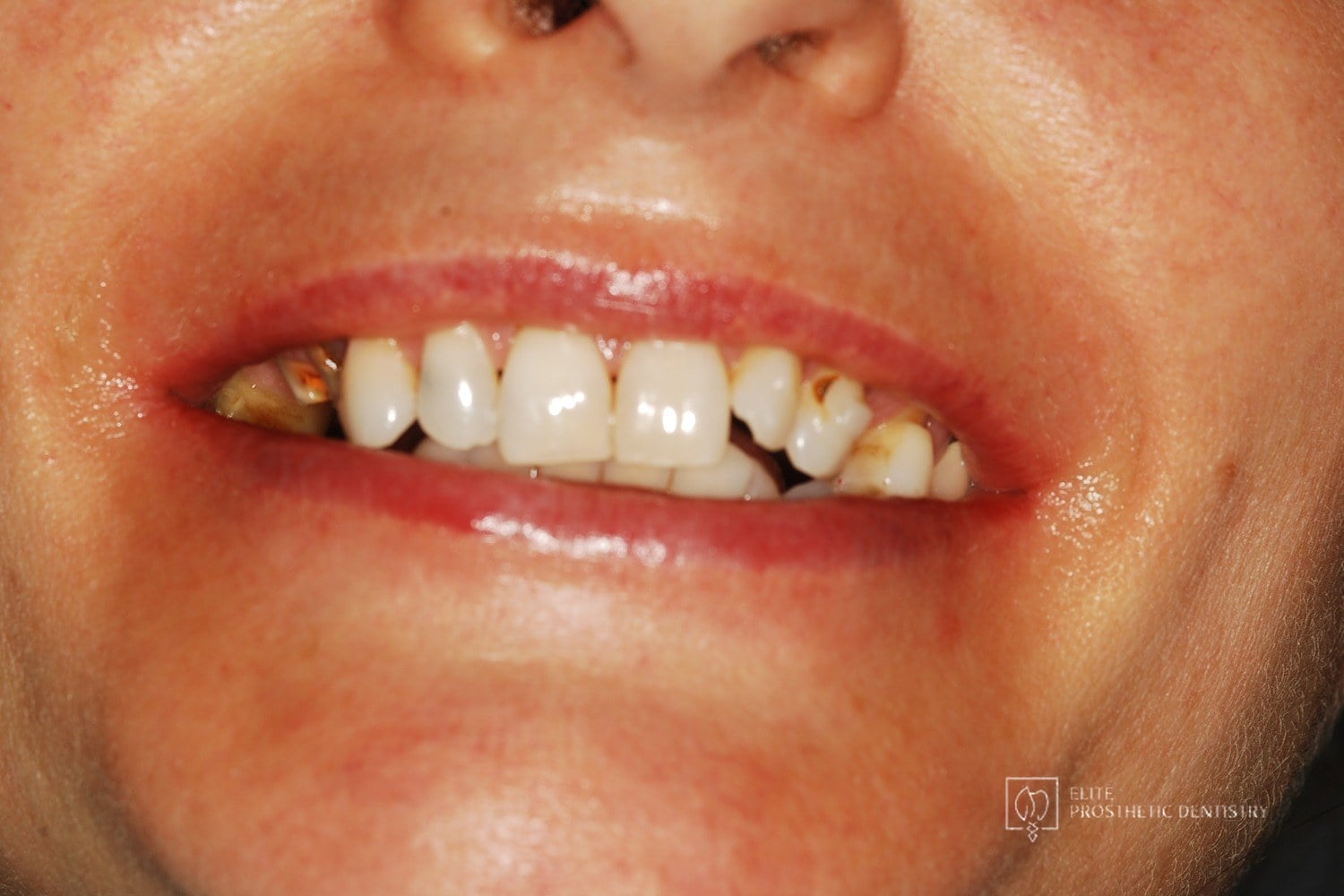
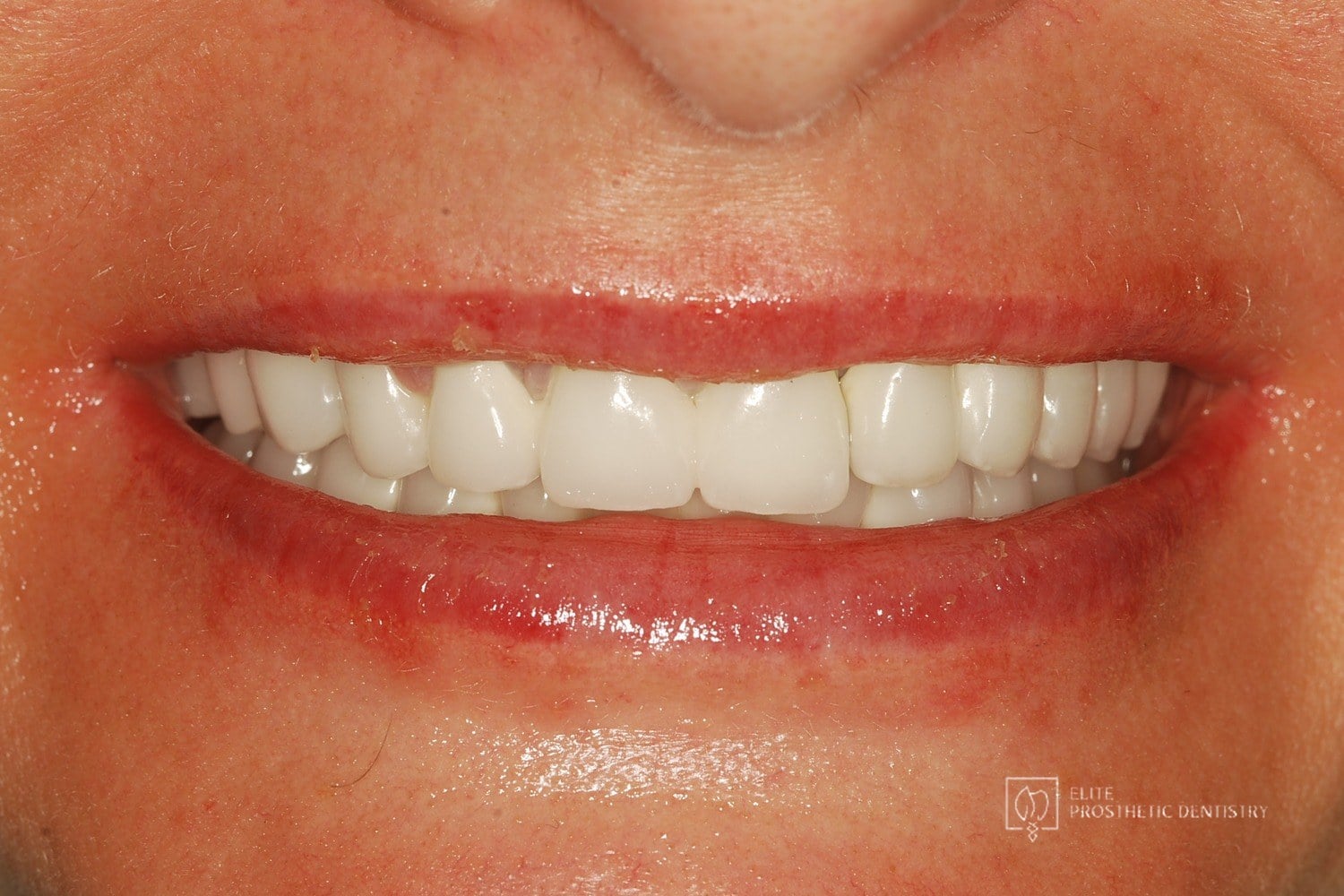
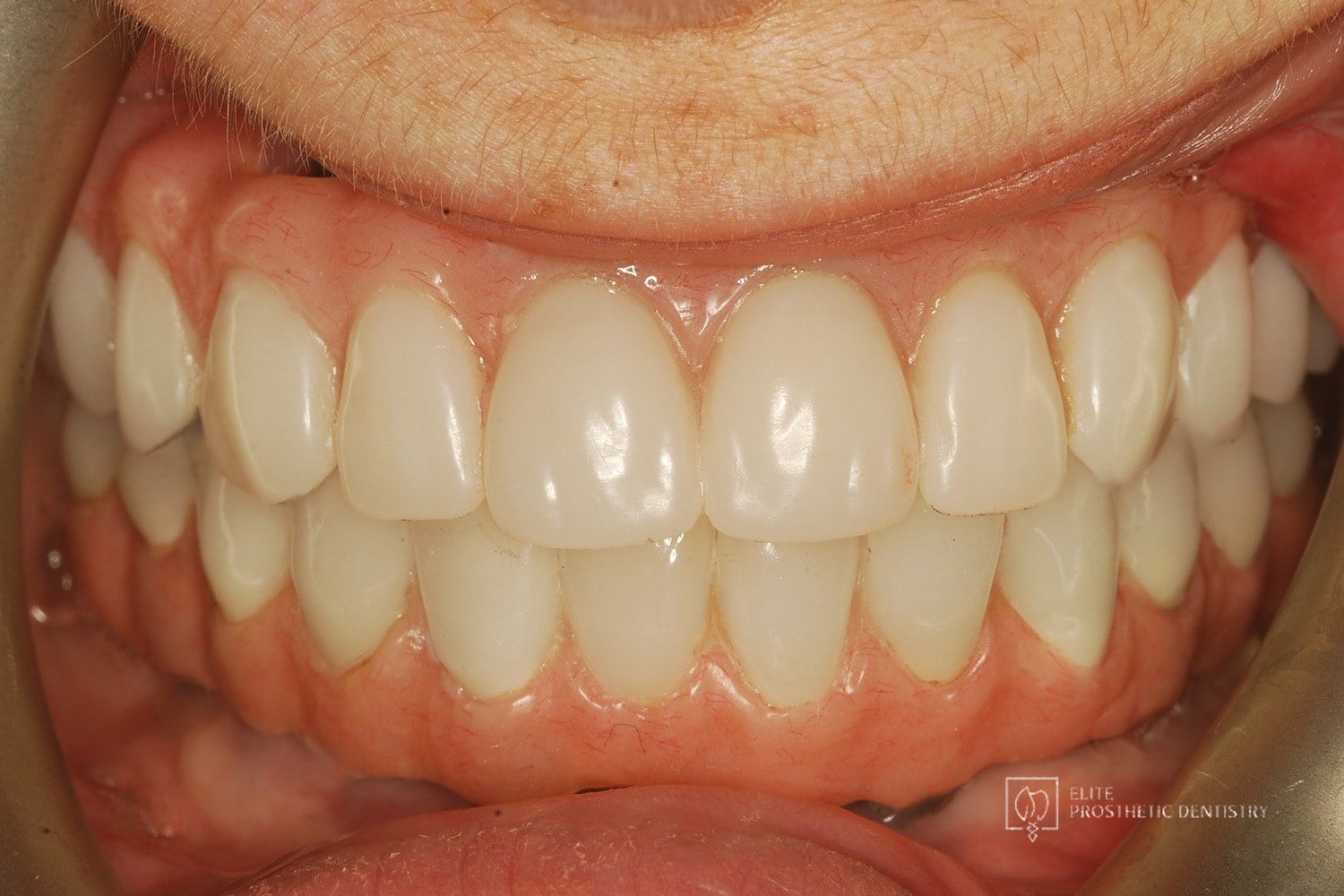
After How Aging, Failing Dentistry Was Replaced with a Coordinated Full-Mouth Implant and Crown Reconstruction
The patient presented with throbbing upper-molar pain, long-standing infections, multiple root canals and unfinished prior treatment, generalized sensitivity, and several hopeless teeth.
 Before
  After
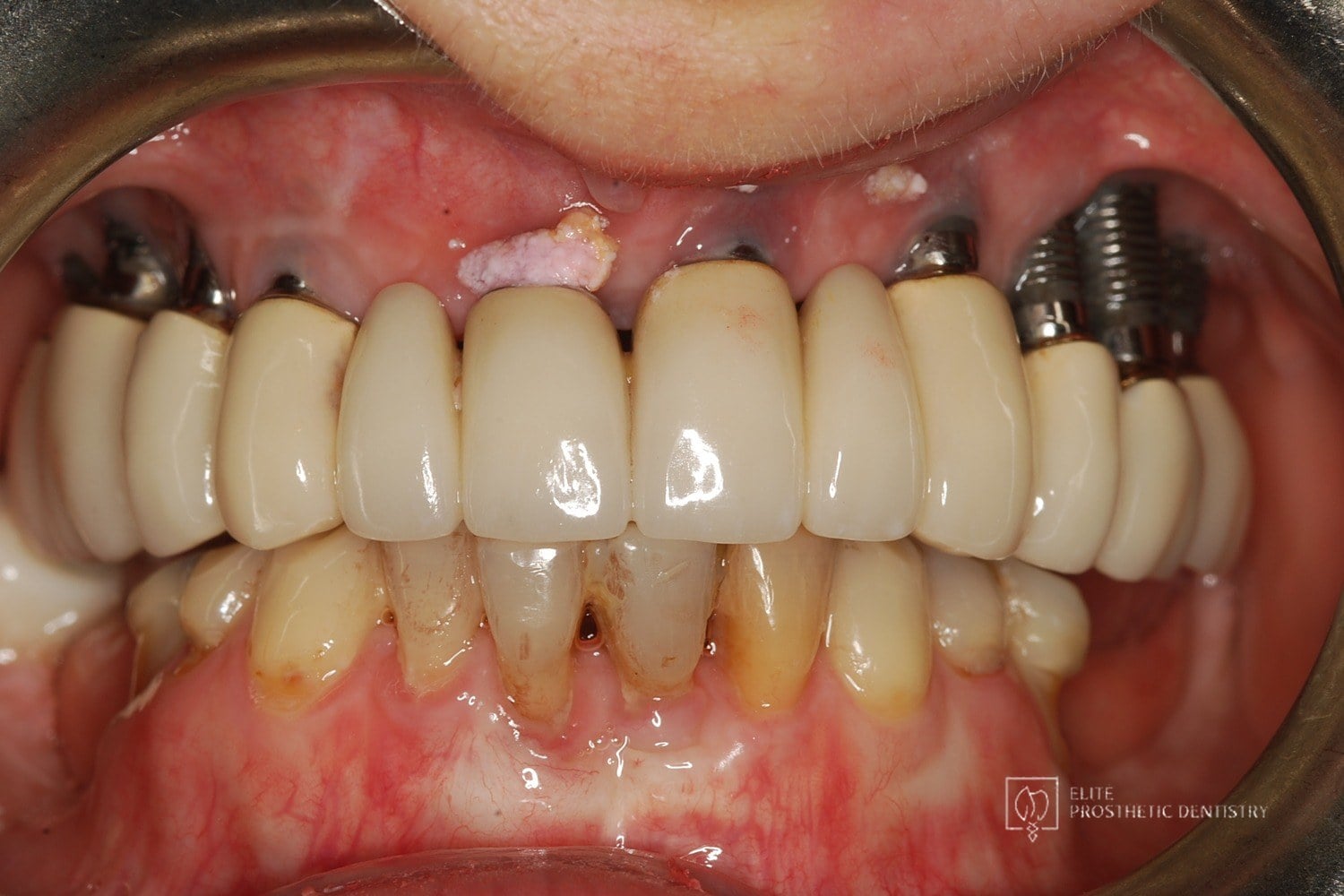
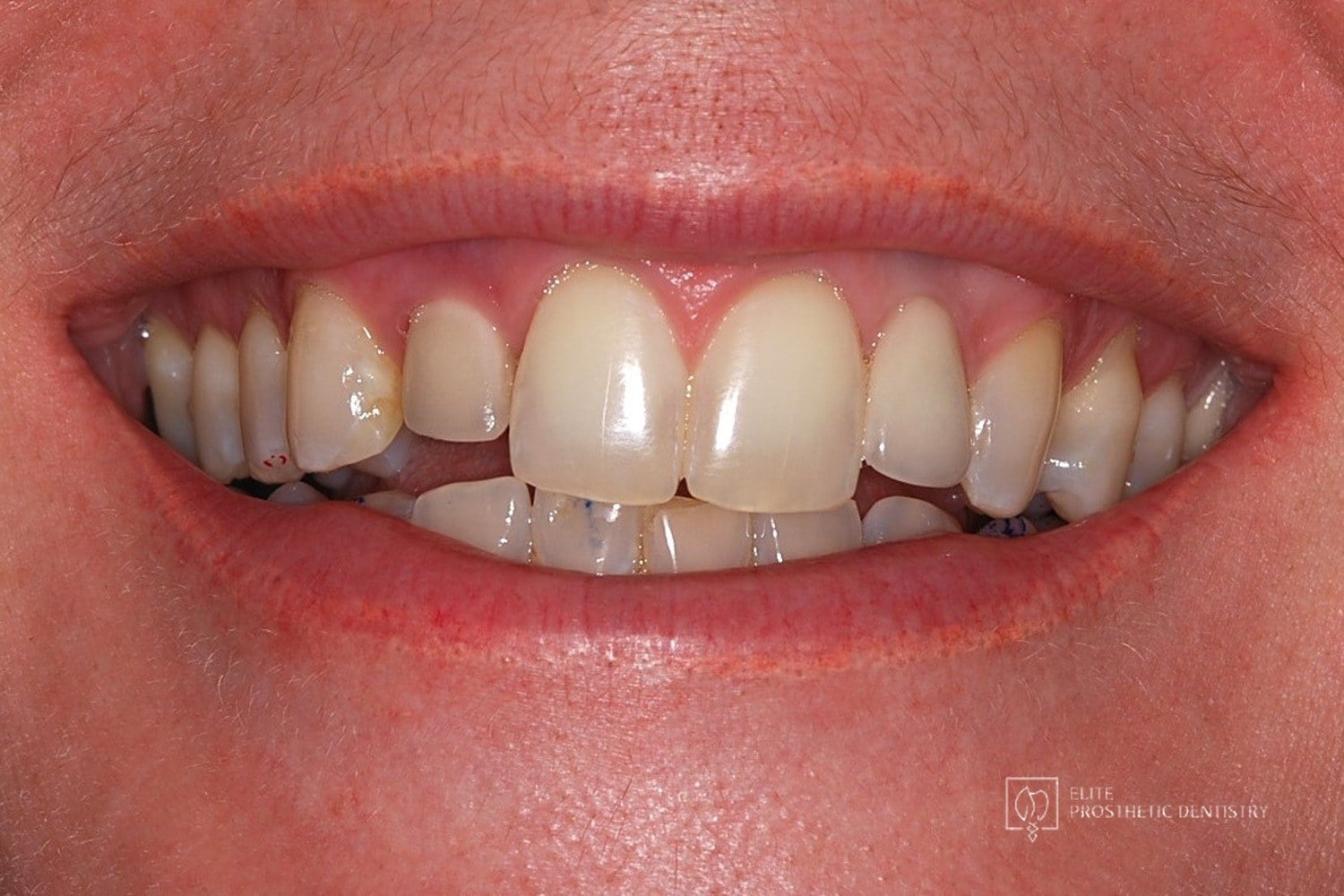
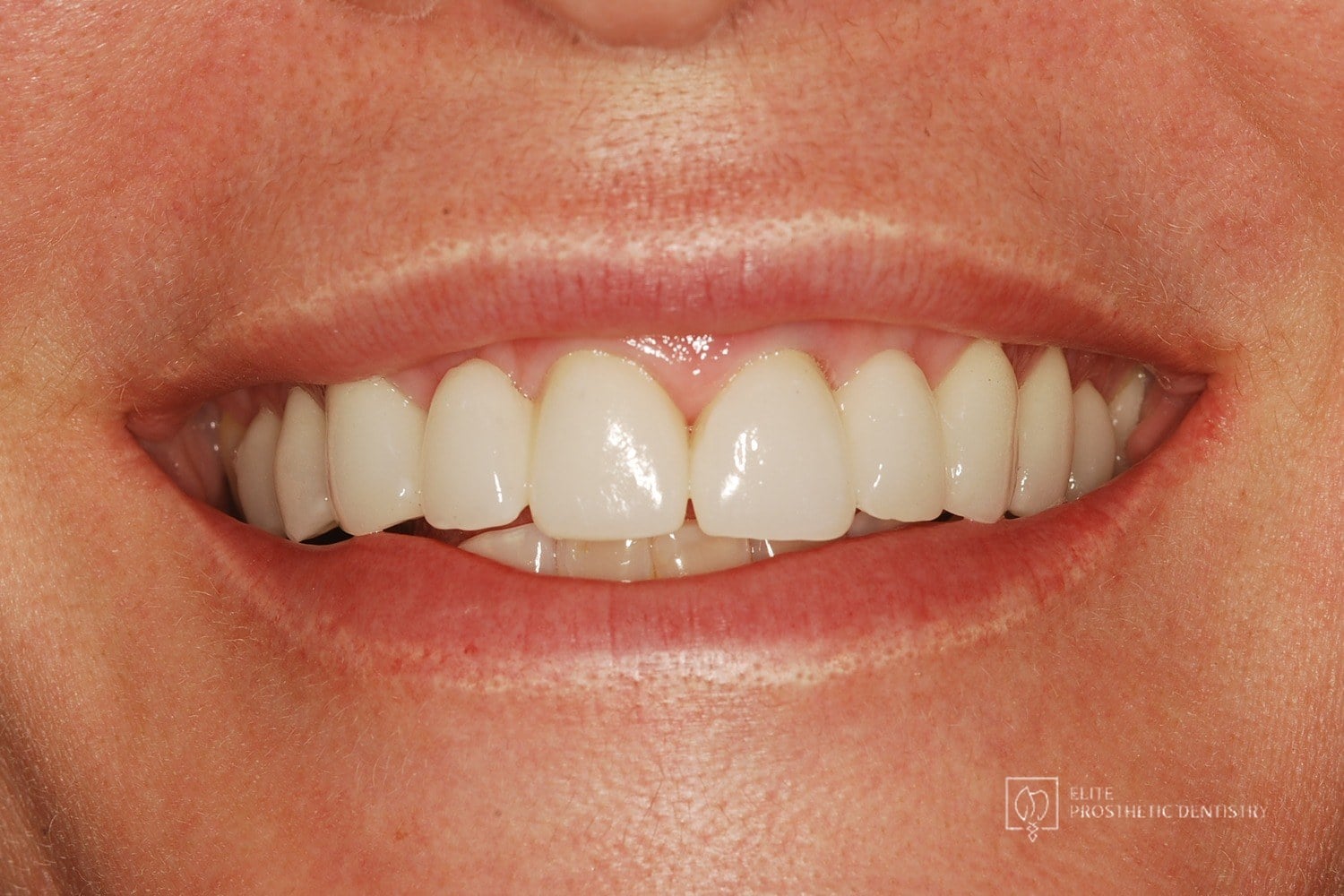
After How Failing Implants and Severe Bone Loss Were Rebuilt Into a Stable Full-Arch Implant Reconstruction
The patient presented with significant complications from previously placed implants, severe bone loss, failing posterior implants, and an unesthetic full-arch bridge. Both arches required full reconstruction, with the upper arch showing the most advanced bone loss and instability.
 Before
  After
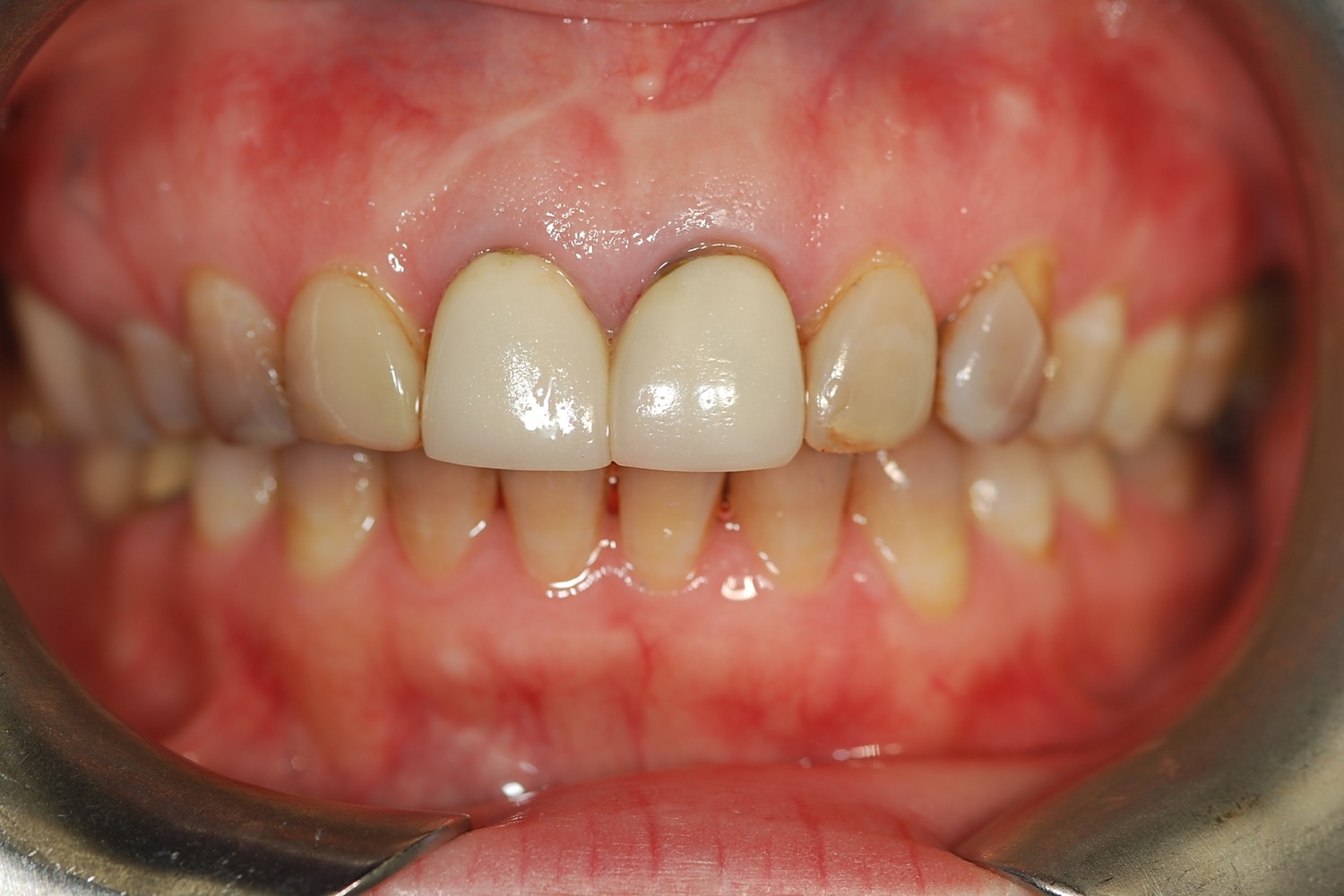
After How Failing Lateral Incisor Implants Were Replaced with Custom Zirconia Bridges After Severe Bone Loss Made Replacement Implants Impossible
Comprehensive examination including CBCT imaging revealed significant bone loss surrounding implants that were placed outside the buccal plate, most likely due to placement without a CBCT-generated surgical guide. The implants were determined non-salvageable, and the alveolar ridge was too narrow to support replacement implants without extensive reconstruction.
 Before
  After
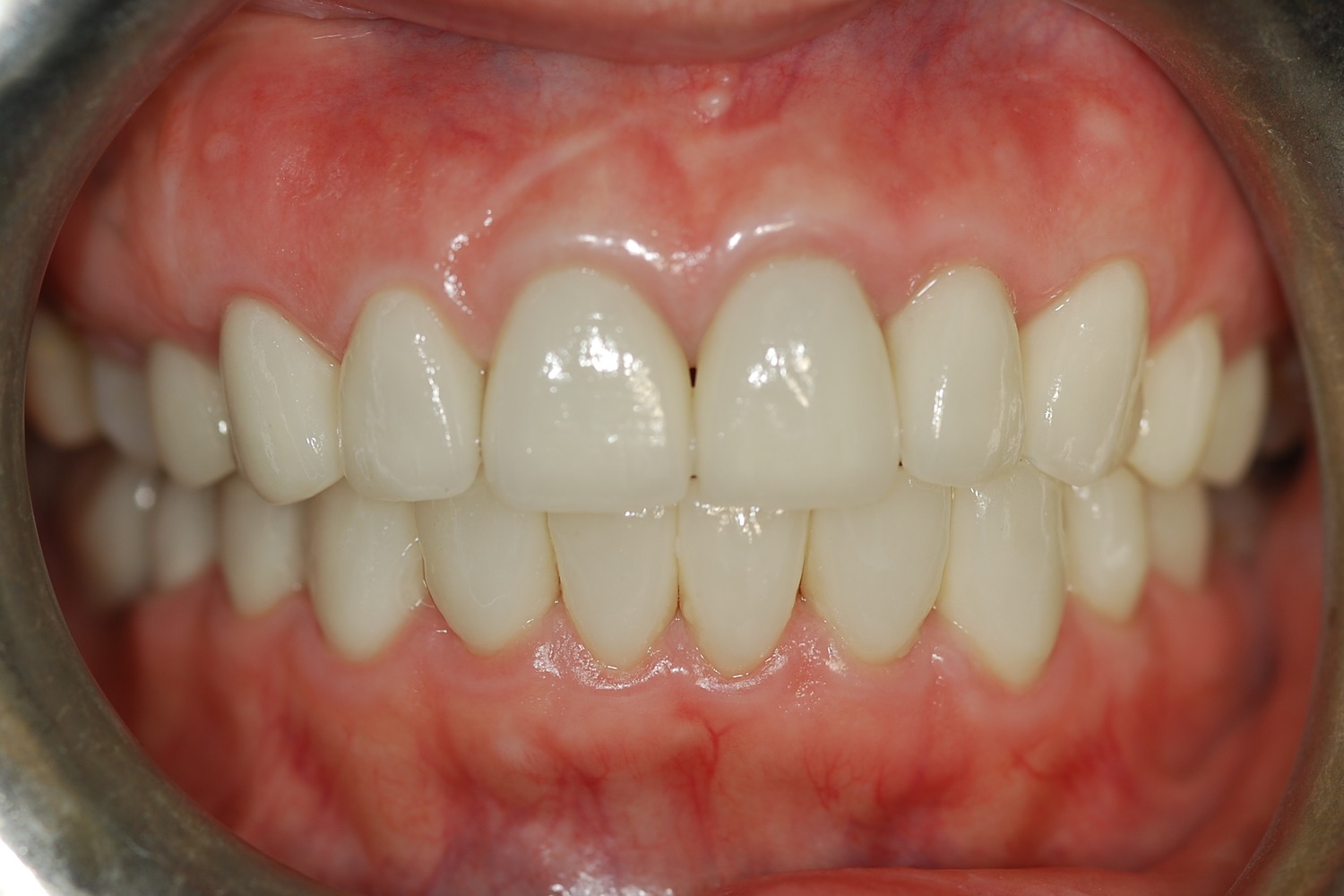
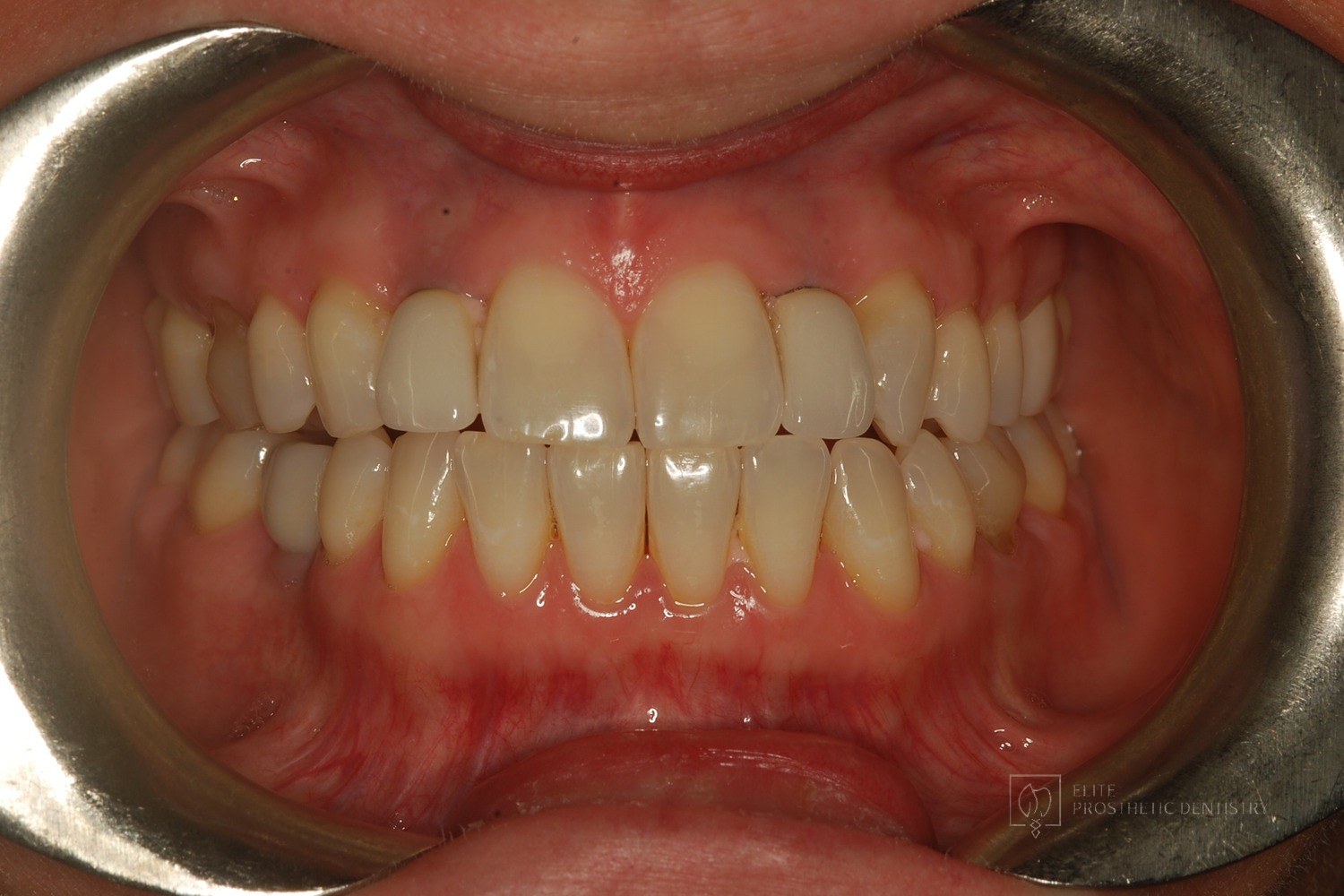
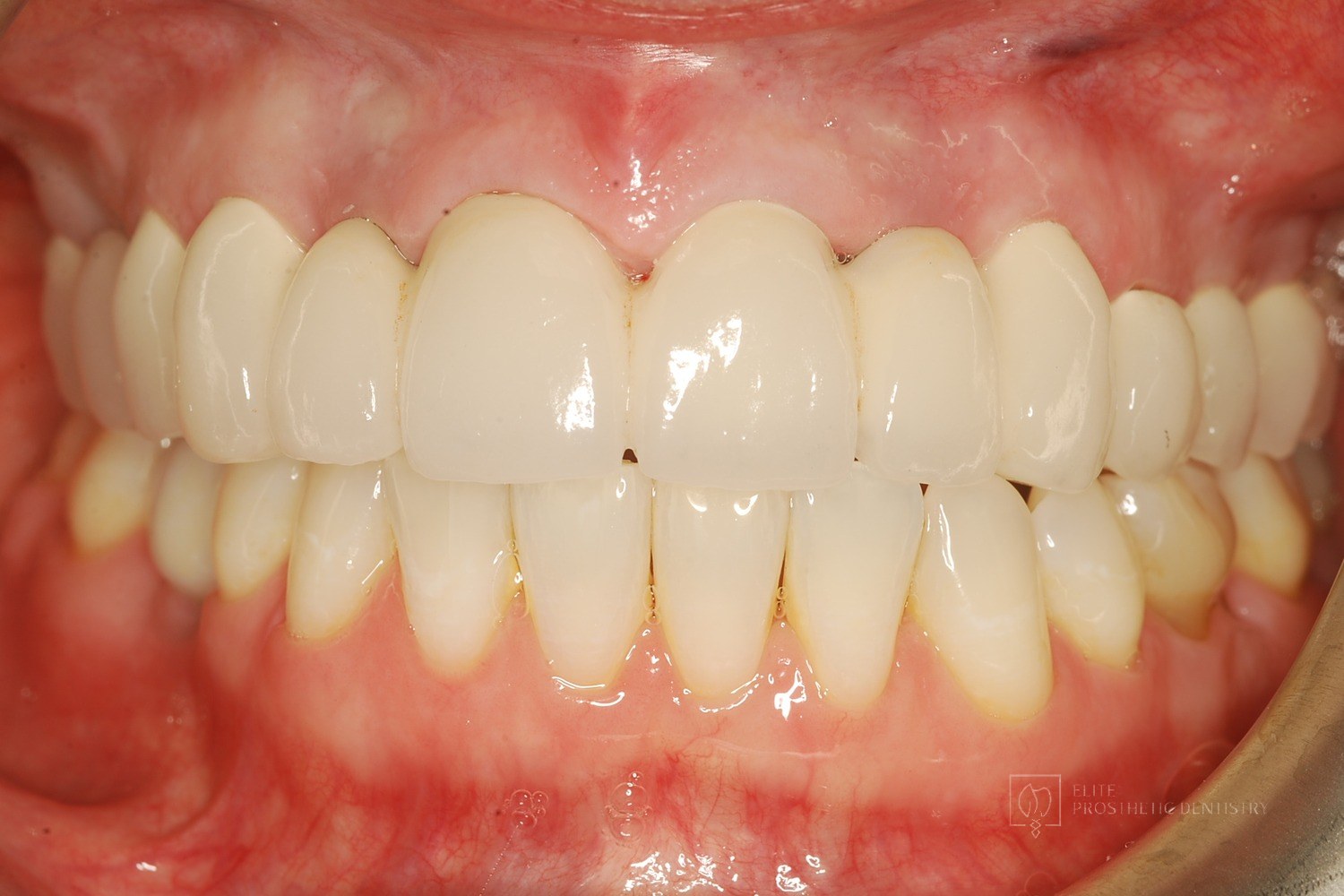
After How Aging, Opaque Restorations Were Replaced with Customized Ceramic Restorations Designed for Long-Term Natural Esthetics
The existing restorations appeared opaque, worn, and unnatural over time, affecting both confidence and overall smile harmony.
 Before
  After
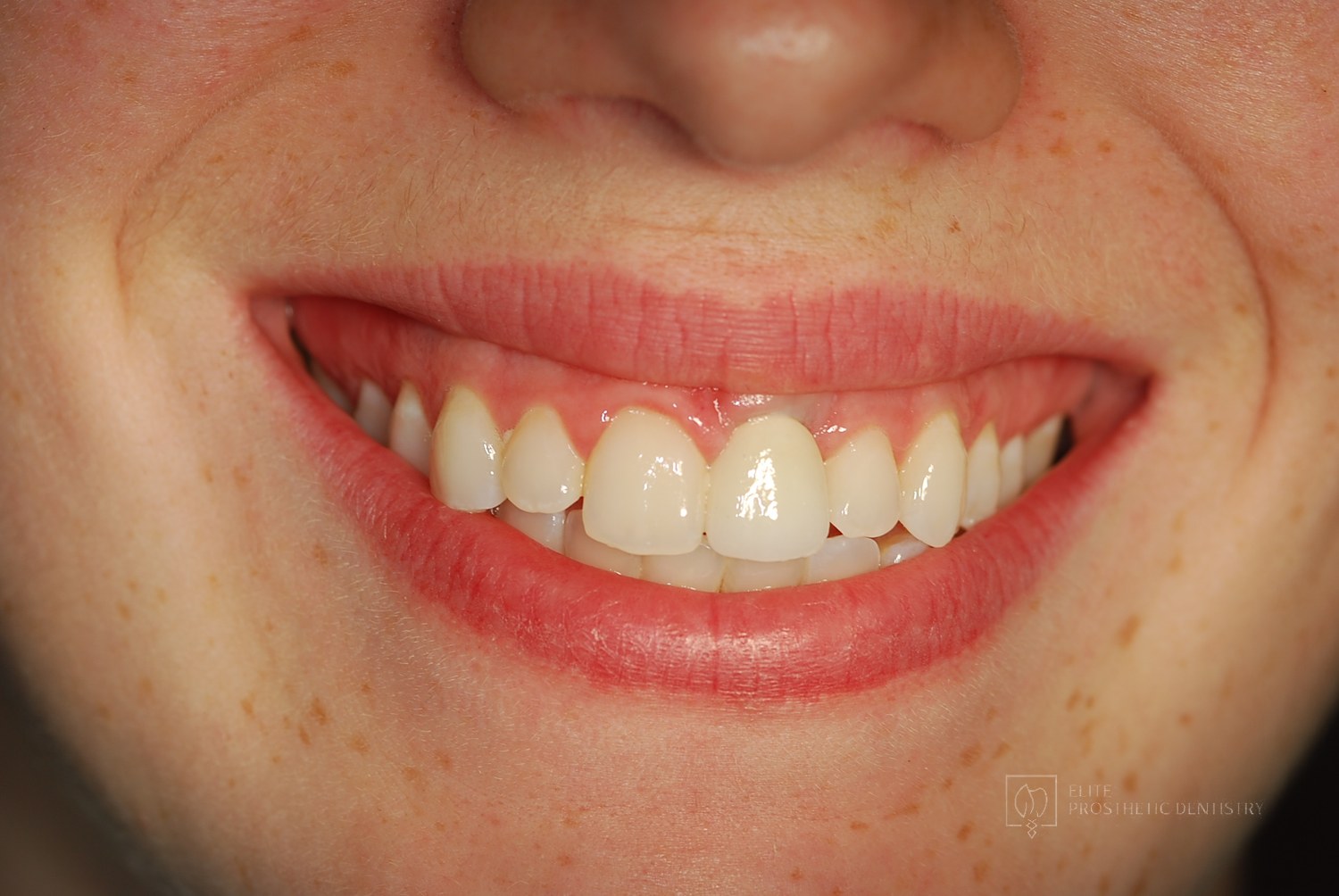
After How Older Implant Crowns Were Redesigned for a Better Bite and More Natural Appearance
The patient came in after years of living with implant-supported crowns placed more than twenty years earlier that no longer looked or functioned well. CBCT evaluation, reviewed with a radiologist colleague, showed the implants had been placed too far to the buccal in very thin bone and could not support a healthy long-term restoration.
 Before
  After
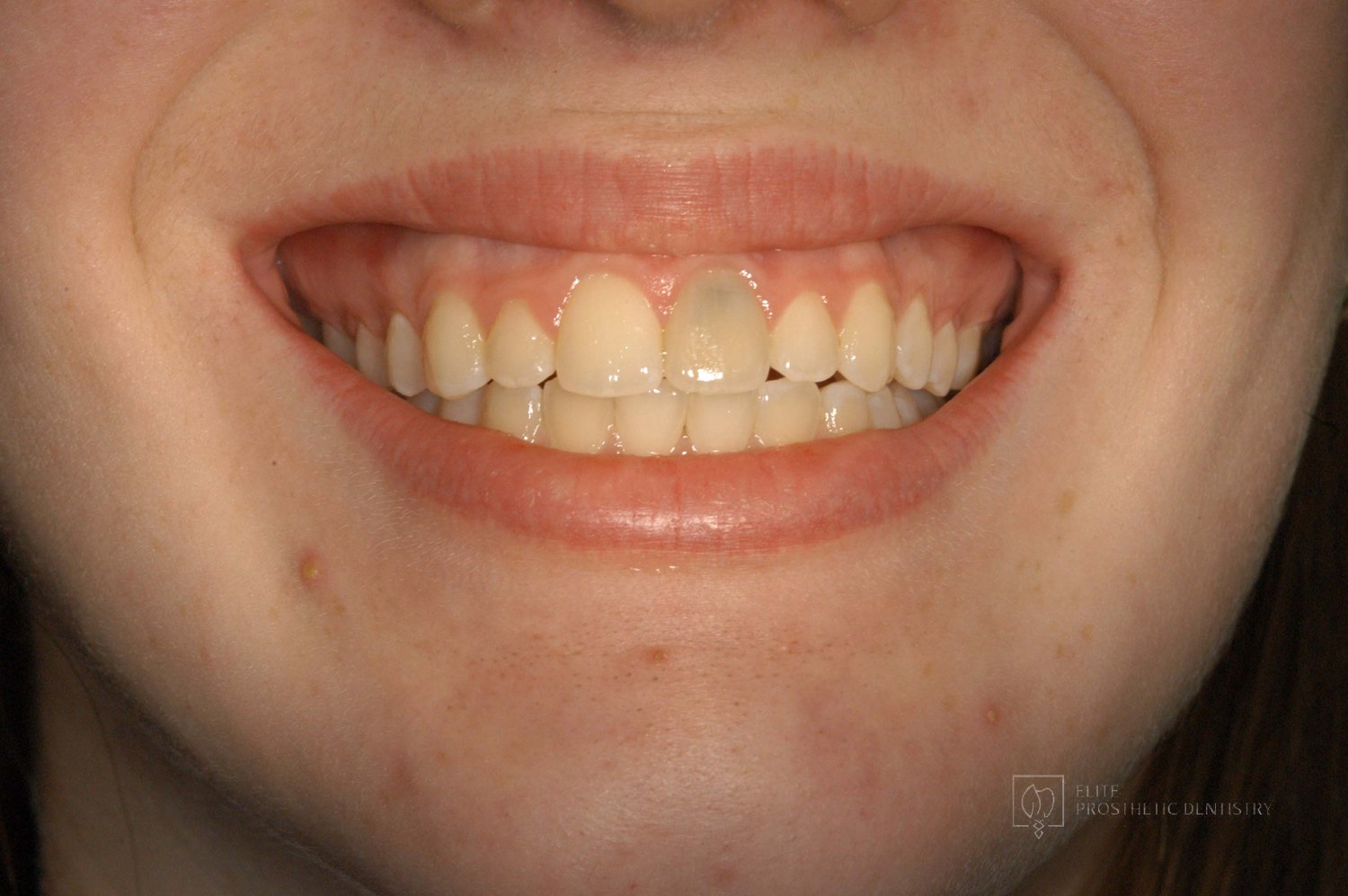
After How a Front Tooth Lost to Childhood Trauma Was Rebuilt with Bone Grafting and a Long-Lasting Implant
A teenager was referred by her father after earlier trauma left her upper left front tooth slowly failing from root resorption. She was still growing, so an immediate implant was the wrong move. The tooth had to be maintained to buy time, then replaced correctly once she reached skeletal maturity.
Related Articles
Deepen your knowledge with additional insights on this topic.
 Choosing a Prosthodontist
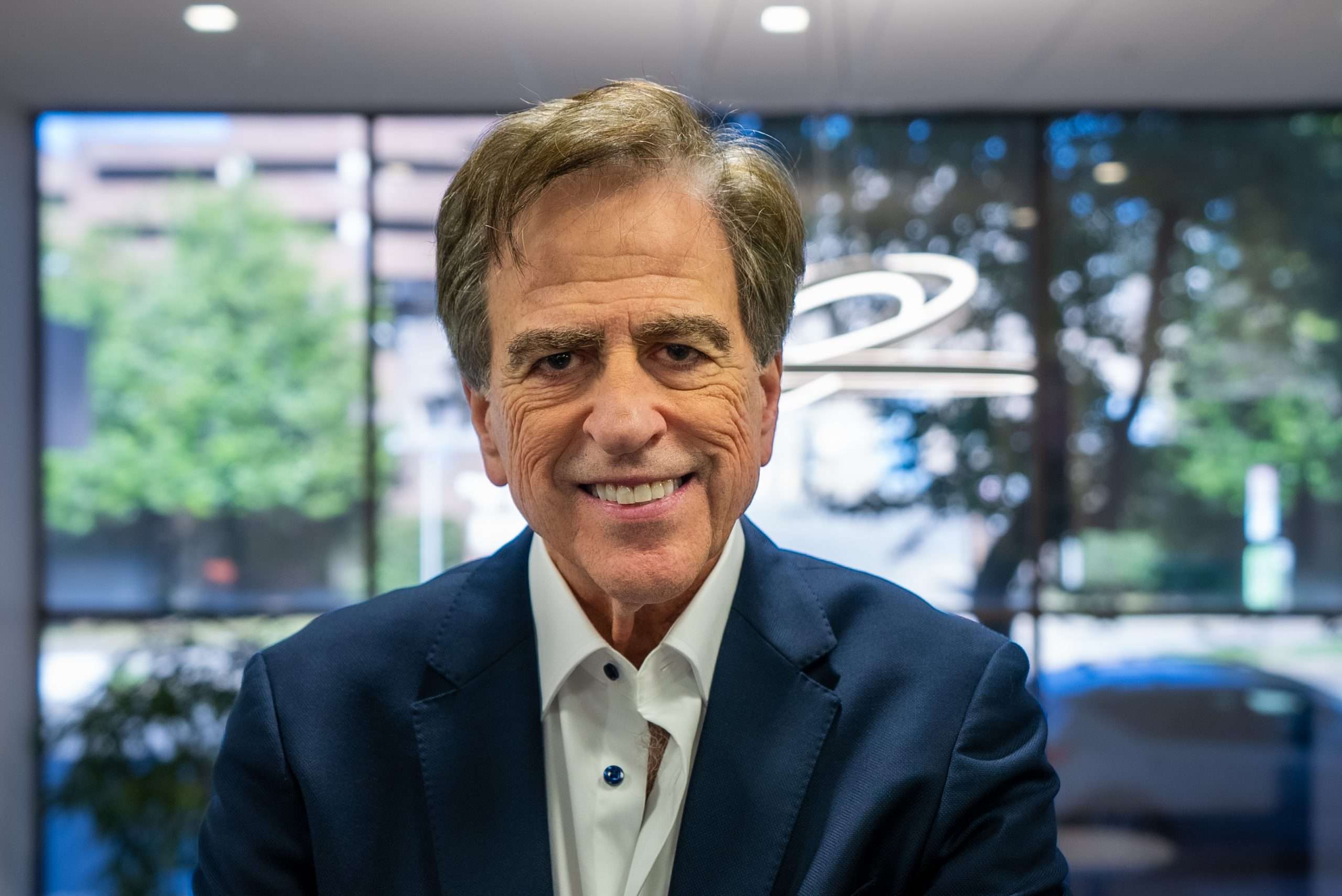
 The Patient's Guide to Implant, Cosmetic and Restorative Dentistry
How to judge quality in implant, cosmetic, and restorative dentistry: choosing a practitioner, why the lab matters, financing, and the questions to ask.
 Choosing a Prosthodontist
 What is a Prosthodontist?
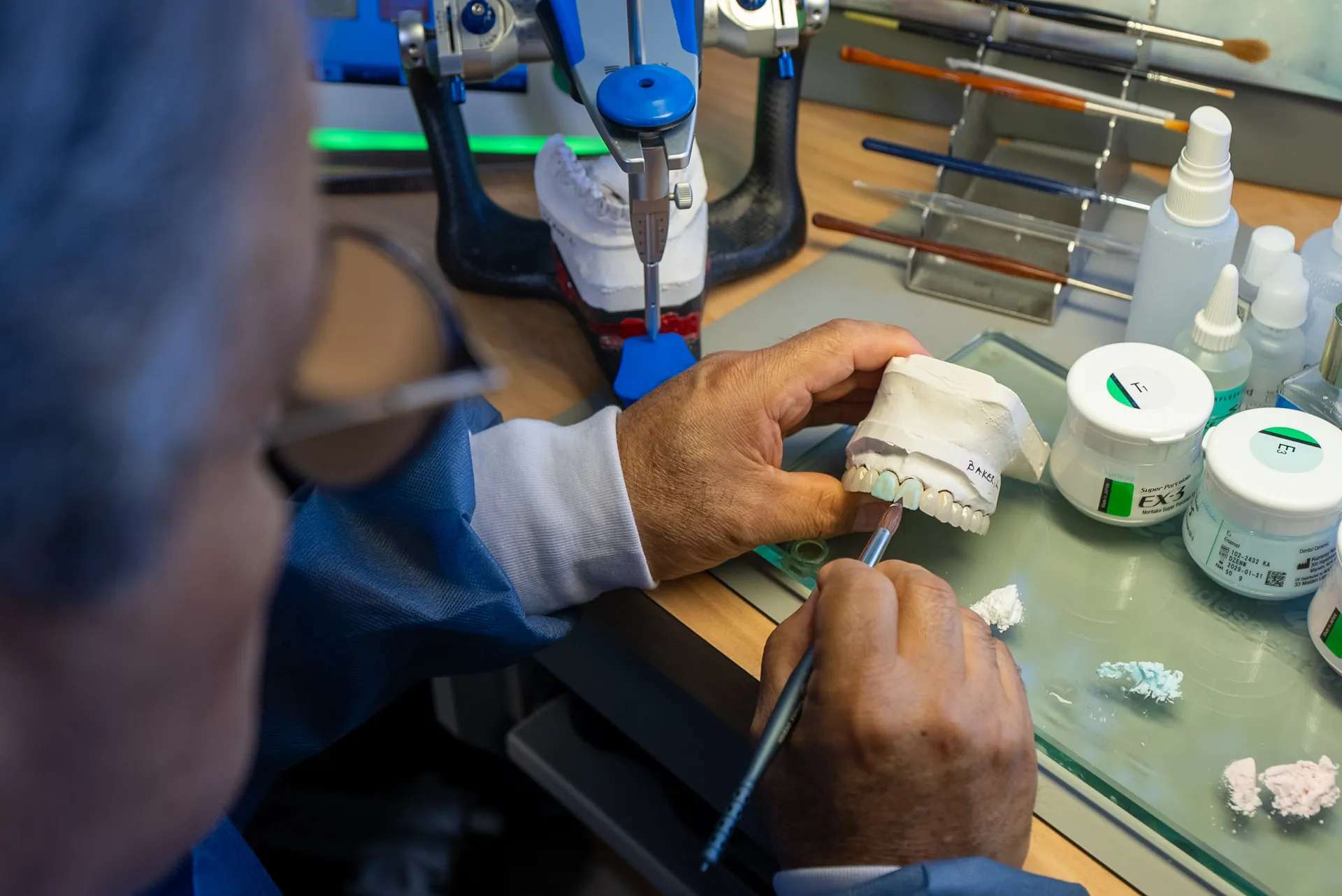
A prosthodontist is a dental specialist with advanced training in crowns, implants, dentures, and complex restorations. Washington, DC specialist.
 Choosing a Prosthodontist
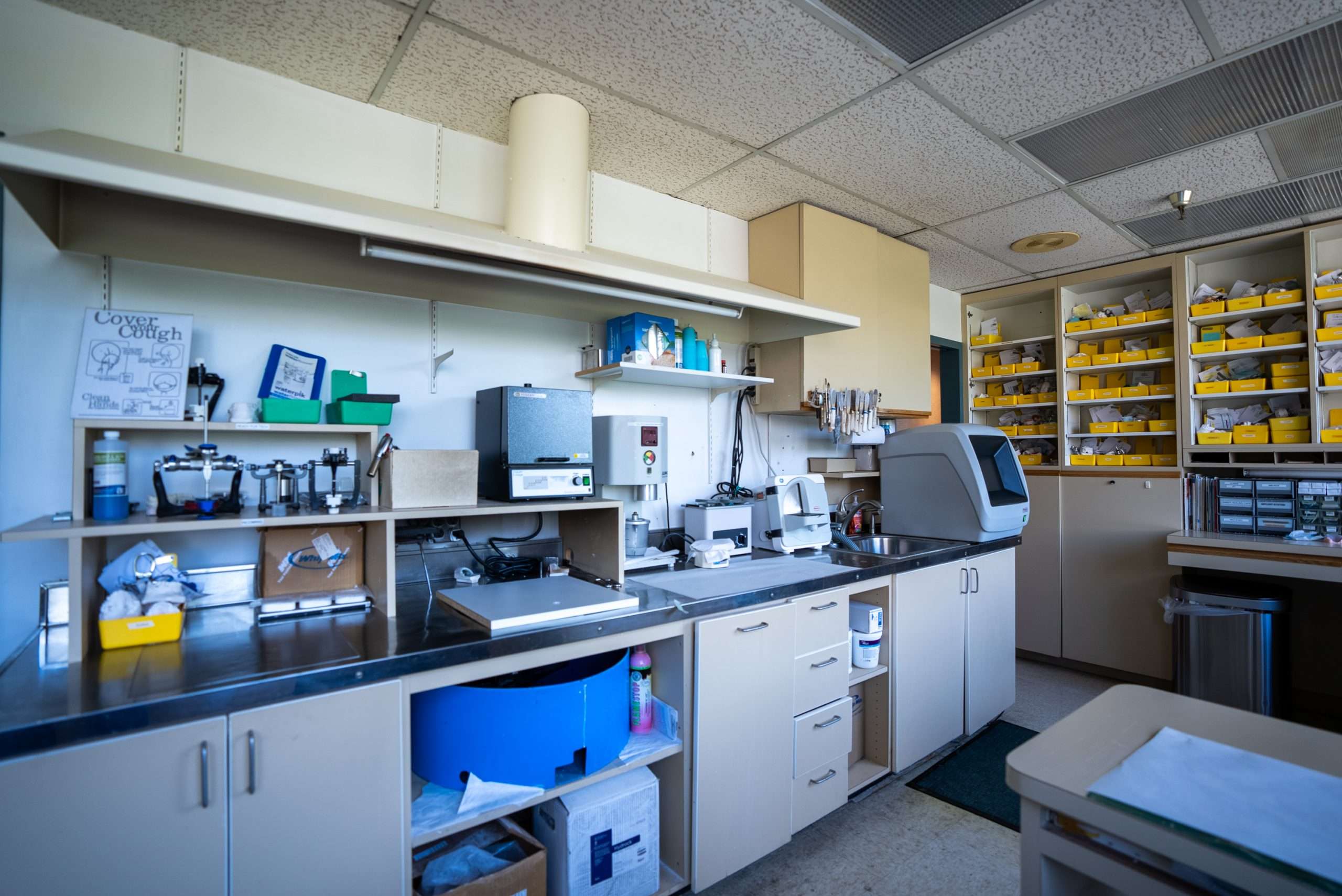
 4 Ways You Can Benefit from Our In-House Dental Lab
Custom aesthetics, precision fit, shorter waits, and fast repairs: four ways an in-house dental laboratory changes both your experience and your results.
 Choosing a Prosthodontist
 What Is the Difference Between a Dentist and a Prosthodontist?
Every prosthodontist is a dentist, but with years of extra specialty training in restoring and replacing teeth. A DC prosthodontist explains who does what.
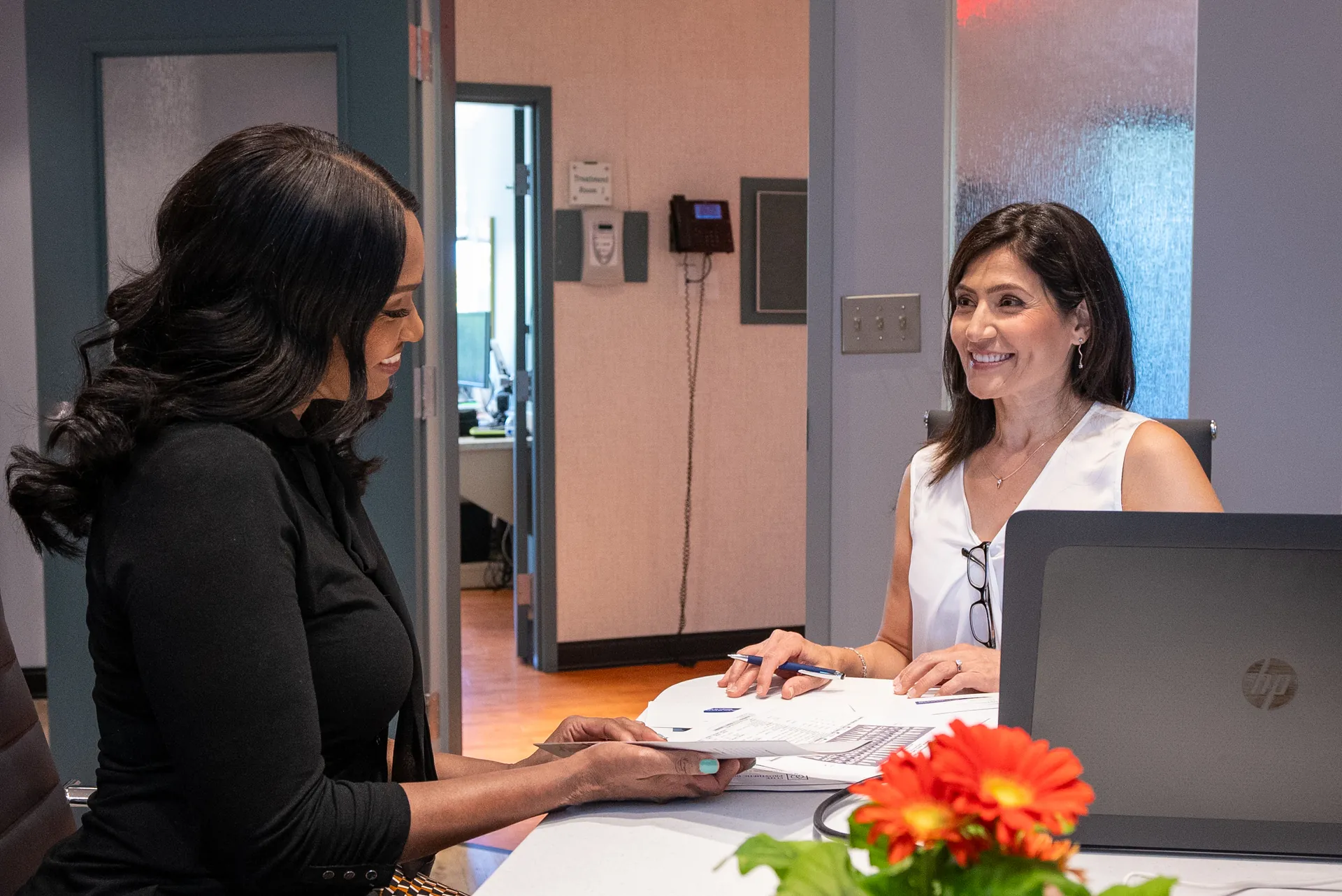 Choosing a Prosthodontist
 Don't Wait 'Til It's Too Late: Start with a Virtual Dental Consultation
A virtual consultation is a convenient first step: discuss your concerns, share records, and hear options from a DC prosthodontist before an in-person exam.
 Choosing a Prosthodontist
 Emergency Dentistry: The Benefits of an In-House Laboratory
When a tooth or restoration breaks, an on-site dental lab can mean a natural-looking repair in a day instead of a week. How emergency fabrication works in DC.
Deciding Who Should Treat You?
Our decision guide for McLean patients explains when implants, full mouth reconstruction, cosmetic work, or aging crowns and bridges call for a prosthodontist, and when another setting may serve you better.
Read the McLean decision guide →Our Services in McLean
Beyond prosthodontics, McLean patients rely on Dr. Marlin for a full range of advanced dental care.
prosthodontics Near McLean
Dr. Marlin also provides prosthodontics services for patients in these neighboring communities.
Getting Here from McLean
Elite Prosthetic Dentistry is conveniently located near McLean, VA.
McLean patients typically drive via the Capital Beltway (I-495) and Wisconsin Avenue, or via the GW Parkway and Massachusetts Avenue, to reach our Friendship Heights office at 4400 Jenifer Street NW, Suite 220. Building parking is available.
Address:
4400 Jenifer Street NW, Suite 220
Washington, DC 20015
Phone: (202) 244-2101
Request a ConsultationRequest a Specialist Consultation from McLean
McLean residents come to Dr. Marlin for specialist prosthodontic care. With 3,900+ implants placed over 40+ years, evaluation, planning, and execution are handled with the depth complex cases require.