
Dental Implants: The Recovery, Week by Week

Dr. Marlin in our Washington, DC operatory
Recovery after dental implant surgery varies, and the variation is not random. It tracks three factors: how many implants were placed, whether a bone graft was part of the procedure, and how well you manage the healing yourself. The science and technique behind implant surgery have improved dramatically, and with our use of atraumatic surgical techniques that minimize tissue trauma, most patients find recovery considerably easier than they feared.
Here is what to expect, in order.
The First 48 Hours
The easiest case is a standard single implant with no grafting: very little discomfort, perhaps mild bruising and soreness, typically manageable with over-the-counter pain relievers like Advil or Tylenol for a day or two. Larger cases, multiple implants or significant grafting, bring more swelling and a longer settling-in period, though the same principles govern them.
The night of surgery, you may brush your teeth gently, staying clear of the surgical area. Rest, keep your head elevated, and let the site begin its work undisturbed. If your experience of the surgery itself is the bigger worry, our honest look at how painful a dental implant actually is will likely reassure you.
Days 2 Through 7: The Rules That Matter
Beginning the day after surgery, rinse gently with warm salt water to keep the site clean; this simple habit does a surprising amount of protective work. Continue brushing lightly around, not on, the healing area.
Two prohibitions deserve emphasis, because breaking them genuinely inhibits healing. No smoking, and no drinking through straws, for at least the first week. Both create suction and both compromise the blood supply the site depends on; smoking additionally starves the tissue of oxygen precisely when it needs it most.
Eat soft foods for the first 7 to 10 days: eggs, yogurt, soup, pasta, fish. Chew on the side away from the implant. After that window, return gradually to your normal diet.
Weeks 2 and Beyond: The Quiet Phase
Once the soreness fades, the important part of recovery becomes invisible. Beneath the healed gum, your bone is fusing to the implant surface through osseointegration, a process that continues for roughly four months. Nothing about it hurts; the discipline is simply patience. The implant is not asked to carry its final tooth until integration is verified, which is one of the quiet reasons carefully sequenced implants last as long as they do.
If your treatment included grafting, your timeline carries an extra healing chapter before or alongside this one, exactly as planned at your consultation. And once the final crown is in place, protecting the investment is refreshingly ordinary, as we cover in how to take care of your dental implant.
The Best Recovery Is Designed Before Surgery
A comfortable recovery is mostly determined before the first incision: precise, guided placement means smaller wounds, less disturbed tissue, and faster healing. That is the philosophy behind our approach to the full treatment journey, where the surgical plan is rehearsed virtually and executed minimally.
Recovery from a dental implant is, in the end, predictable and manageable, provided the instructions are followed and the surgery was done with care. If you have questions before or after a procedure, or you are weighing implants and want expectations set honestly, call 202-244-2101 or request a consultation with Dr. Gerald Marlin, a specialty-trained prosthodontist at Elite Prosthetic Dentistry in Friendship Heights, Washington, DC.
See How We Resolve These Problems
Our patient success stories show real cases and real results. Browse outcomes from a specialist prosthodontist with decades of experience and 3,900+ implants placed.
Key Takeaways
- ✓ Recovery length depends on three things: how many implants were placed, whether bone grafting was involved, and how carefully you follow instructions.
- ✓ A single implant without grafting is the easiest case: mild soreness and bruising, usually managed with over-the-counter pain relievers for a day or two.
- ✓ The first week has firm rules: gentle salt water rinses, careful brushing, no smoking, no straws, and soft foods for 7 to 10 days.
- ✓ After the visible healing, the real work happens invisibly: months of osseointegration as bone fuses to the implant.
- ✓ Atraumatic surgical technique before recovery ever starts is the biggest factor in how easy your recovery feels.
Frequently Asked Questions
How long is recovery after a dental implant?
The visible recovery is short: most patients are comfortable within a few days and back to a normal diet within a week or two. The biological recovery is longer: the implant integrates with your bone over roughly four months before the final crown is placed. Multiple implants or bone grafting extend the early soreness somewhat, not the principle.
What can I eat after implant surgery?
Stick to soft foods for the first 7 to 10 days: eggs, yogurt, soups that are not too hot, pasta, fish. Then return gradually to your normal diet, continuing to favor the other side of your mouth near the surgical site. Avoid drinking through straws during the first week, because the suction can disturb the healing site.
Why is smoking such a problem during implant recovery?
Smoking constricts blood vessels and starves the healing site of oxygen and nutrients exactly when it needs them most, and the act of sucking can disturb the wound the way straws do. Even a week of abstinence around surgery meaningfully helps; longer is better, and quitting improves the implant's lifetime odds.
When can I brush my teeth again after implant surgery?
The night of surgery, gently, keeping away from the surgical site itself. Beginning the day after surgery, rinse gently with warm salt water to keep the area clean while it heals. Normal brushing around the site resumes as tenderness fades, and keeping the rest of your mouth clean throughout actually protects the implant.
Related Patient Success Stories
Explore similar patient success stories demonstrating our expertise in advanced prosthetic dentistry.
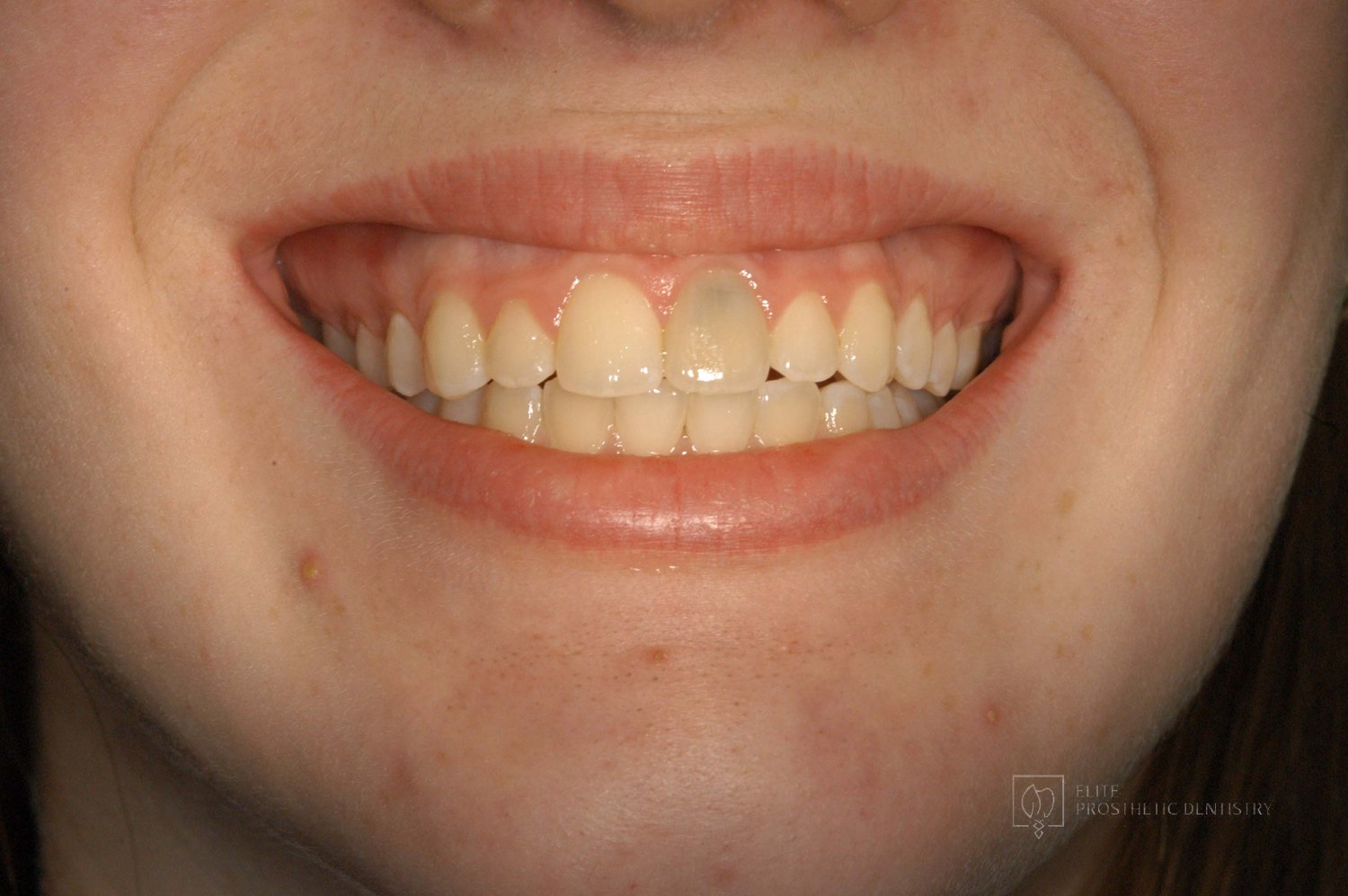 Before
 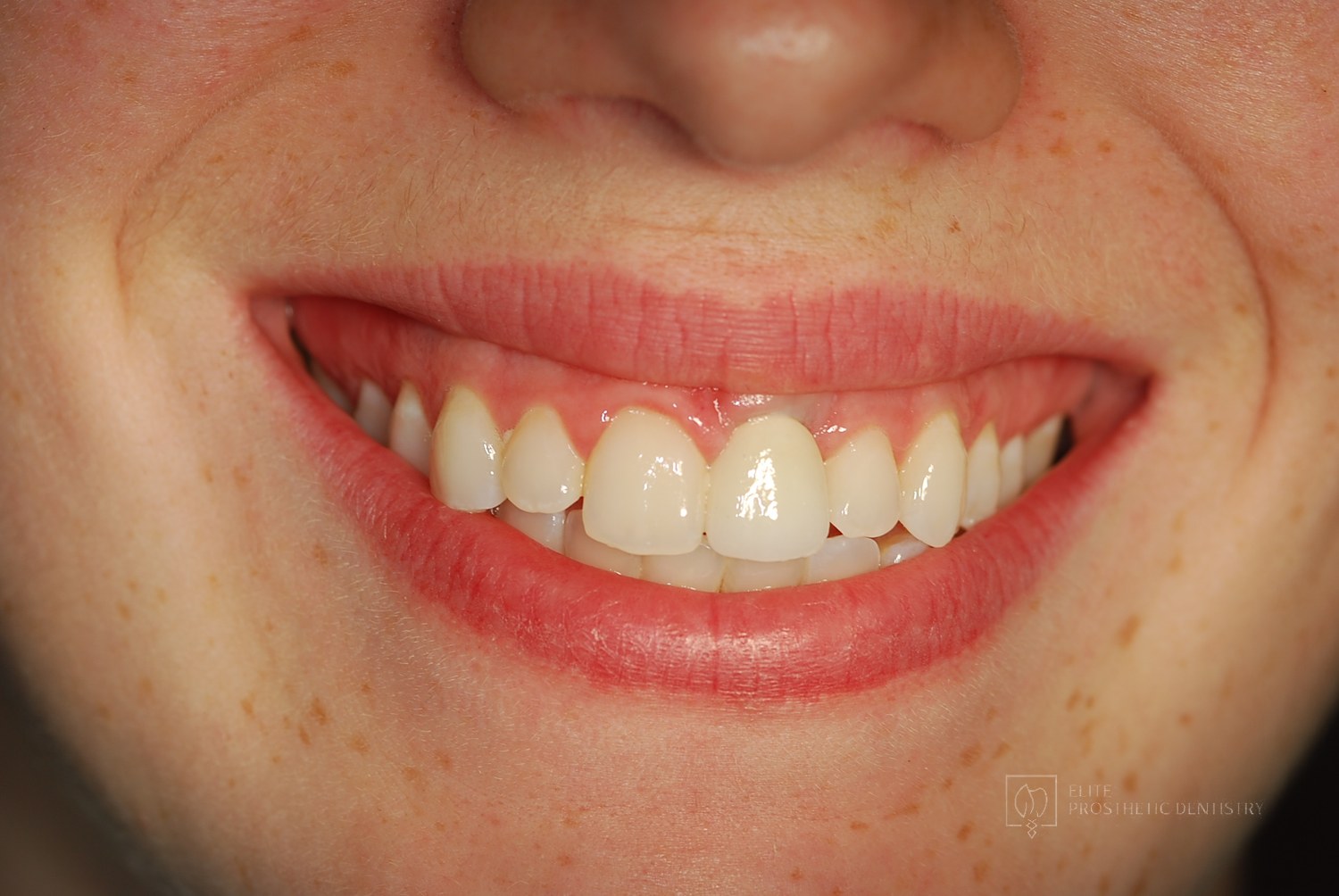 After
After How a Front Tooth Lost to Childhood Trauma Was Rebuilt with Bone Grafting and a Long-Lasting Implant
A teenager was referred by her father after earlier trauma left her upper left front tooth slowly failing from root resorption. She was still growing, so an immediate implant was the wrong move. The tooth had to be maintained to buy time, then replaced correctly once she reached skeletal maturity.
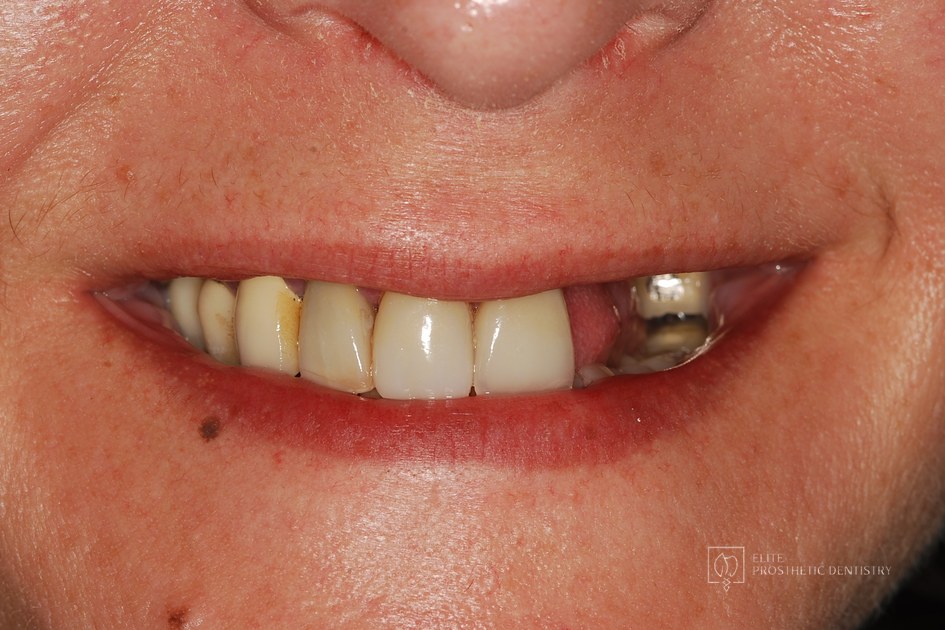 Before
 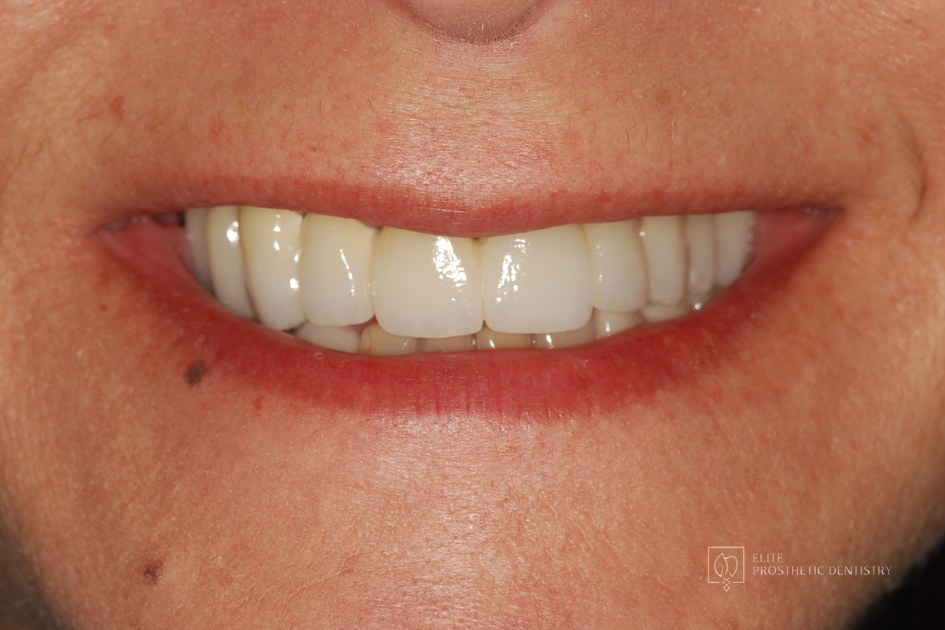 After
After Implant Supported Reconstruction: Failing Bridgework and Missing Back Teeth Rebuilt with Coordinated Specialist Care
Referred by another dental specialist with severe bone resorption on the upper left, multiple broken-down lower teeth requiring extraction, and failing lower back teeth that had left the bite without solid support. No single procedure, and no provider working in isolation, could rebuild a situation this interconnected.
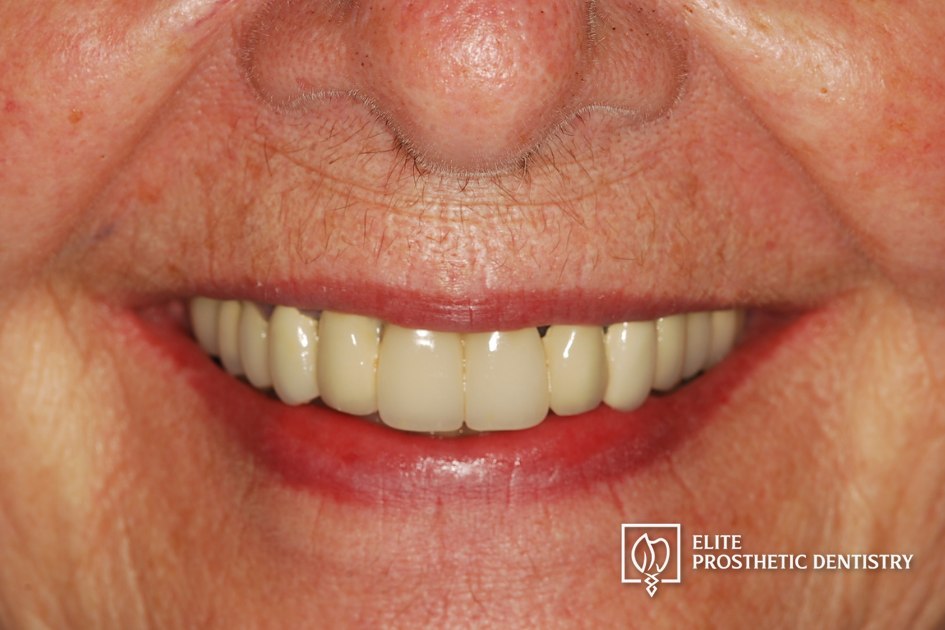 Before
 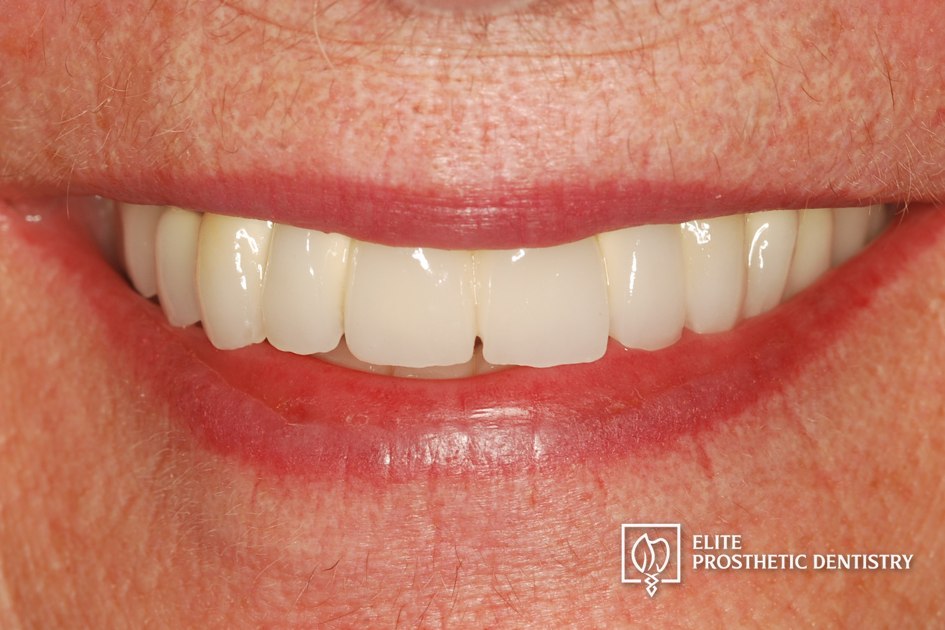 After
After How a Loose Upper Bridge and Aging Crowns Were Rebuilt with Staged Implant Reconstruction
A patient referred by her general dentist after years of aging dentistry no longer holding up. A loose upper bridge and crowns more than twenty years old, combined with the effects of advanced periodontal disease and severely compromised tooth abutments, required a staged surgical and restorative plan delivered with comfort planning at the same time.
Related Articles
Deepen your knowledge with additional insights on this topic.
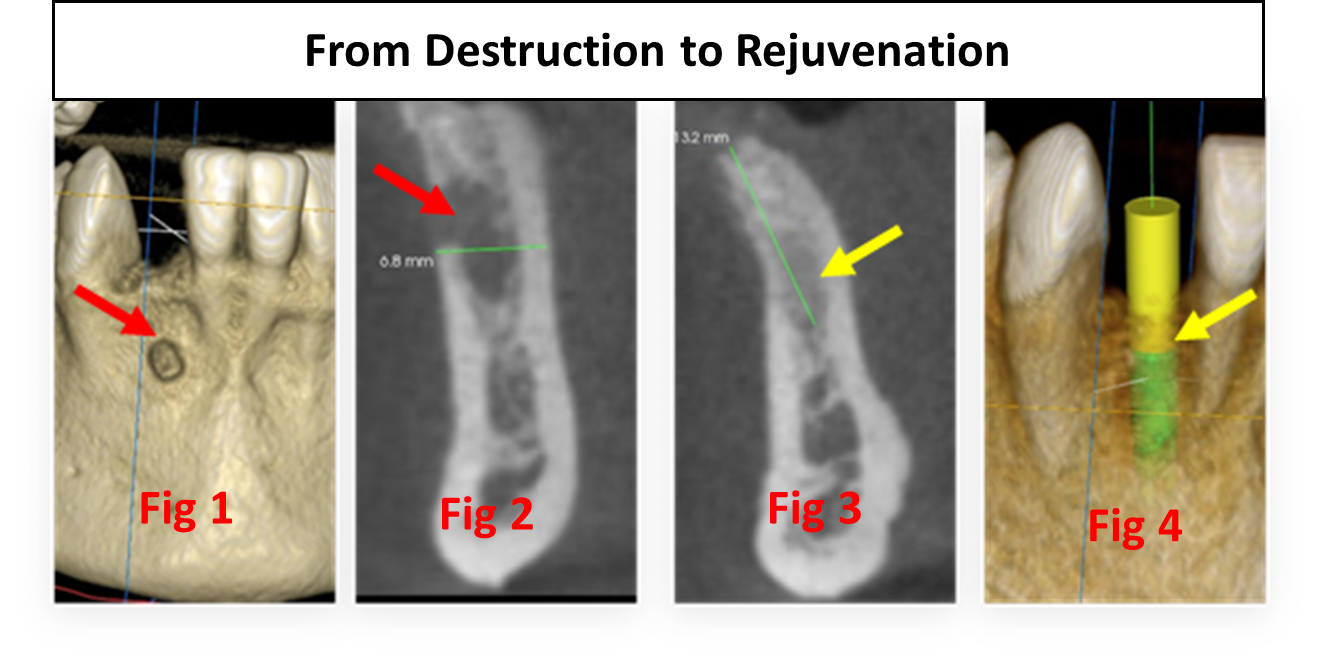 Bone Grafting & Surgical
 Rebuilding a Ruined Implant Site with Severely Damaged Bone: The Three-Stage Protocol
Debridement, growth-factor grafting, CBCT-guided planning: the step-by-step protocol that turns a severely damaged implant site into a healthy ridge.
 Bone Grafting & Surgical
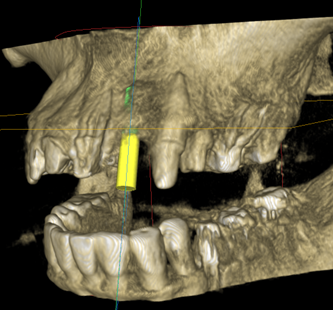
 What Is Ridge Augmentation Bone Grafting?
Ridge augmentation rebuilds a jaw ridge too narrow or angled for an implant. See real measurements from planning to precise placement. Washington DC.
 Bone Grafting & Surgical
 What Is a Partial (Internal) Sinus Lift?
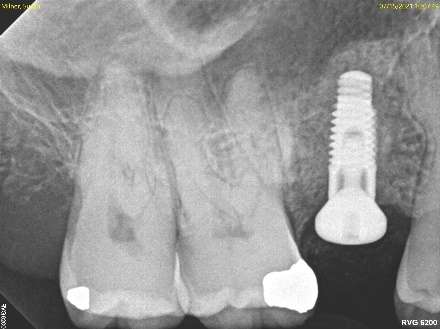
A partial (internal) sinus lift adds bone at a single implant site through the implant preparation itself, often with the implant placed the same visit.