
Osseointegration: Big Word, Simple Concept
Was “osseointegration” invented by a committee that bills by the syllable? It can feel that way. The word actually comes from the Greek osteon, bone, and the Latin integrare, to make whole, and it names a physical process first documented by Swedish researchers in the 1960s: the functional connection between living bone and a titanium implant.
Simply put, without osseointegration, dental implants would not work at all. Everything an implant promises, decades of stability, natural chewing, preserved bone, rests on this one biological event. Here is the concept, minus the jargon.
Bone That Decides to Cooperate
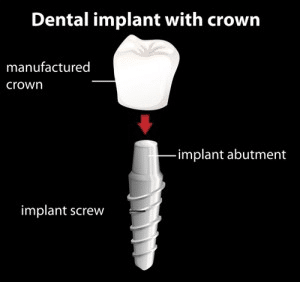
Titanium has a rare property: the human body does not treat it as an invader. Place a titanium implant in the jaw with proper technique, and instead of walling it off, bone cells migrate to the surface and bond with it at the microscopic level, locking the implant into the jaw the way roots anchor a natural tooth.
The timeline runs in stages. The first evidence of bonding appears after a few weeks. A robust connection builds over the following months, and remarkably, the fusion keeps maturing after that, meaning an implant becomes more stable with time, not less. That trajectory is why your treatment plan includes a healing period before the final crown goes on, and why respecting it pays compound interest. What that healing period feels like from the patient’s side is covered in dental implants: the recovery.
Natural Process, Unnatural Precision Required
The biology is nature’s contribution. Getting the biology to happen is the surgeon’s. Successful integration depends on the quality and quantity of available bone, the stability the implant achieves at the moment of placement, and surgical technique, especially preparing the site gently and gradually so bone cells survive to do the bonding. Overheat the bone or race the preparation, and the implant may never integrate at all, which is one more reason speed is the wrong thing to buy in implant surgery.
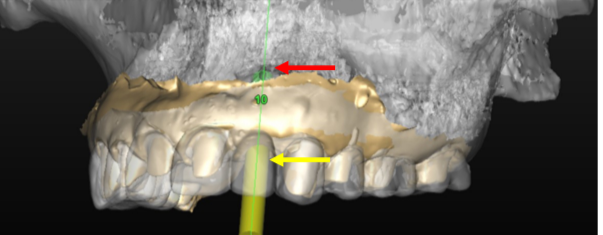
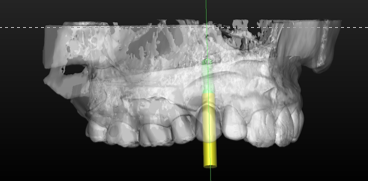
This is why every implant case at Elite Prosthetic Dentistry, from a single implant through full-mouth reconstruction, is planned on a CBCT (cone beam CT) scan, with precision surgical guides used where bone anatomy, esthetic demands, or proximity to nerves and sinuses call for them: the exact location that offers the best bone support is identified before surgery, not discovered during it.
The Payoff: A Root That Keeps the Bone Alive
Once integrated, the implant does something no bridge or denture can. Because it functions as an artificial root, it keeps transmitting chewing stimulation into the jaw, and stimulated bone maintains itself. The bone loss that normally follows a missing tooth, with its consequences for neighboring teeth and facial support, simply does not begin. You get a full-strength bite and a preserved jawline from the same titanium post.
One honest caveat: integration is durable, not invincible. The bone holding a fused implant can still be destroyed by gum infection around it, which is why caring for an implant matters for its whole life.
Curious whether your bone is ready for an implant, or what integration would look like in your case? Dr. Gerald Marlin has placed more than 3,900 dental implants over a career of more than 40 years. Call 202-244-2101 or request a consultation at Elite Prosthetic Dentistry in Friendship Heights, Washington, DC.
See How We Resolve These Problems
Our patient success stories show real cases and real results. Browse outcomes from a specialist prosthodontist with decades of experience and 3,900+ implants placed.
Key Takeaways
- ✓ Osseointegration is the functional fusion of living bone to a titanium implant, first documented by Swedish researchers in the 1960s. Without it, implants would not work at all.
- ✓ Bone cells bond to the titanium surface over weeks to months, and the connection strengthens with time, making implants more stable as they age.
- ✓ Success depends on bone quality, implant stability at placement, surgical technique, and gentle site preparation, factors your surgeon controls.
- ✓ Because the implant acts as an artificial root, it keeps stimulating the jawbone, preventing the resorption that follows tooth loss.
- ✓ Integration is durable but not invincible: gum infection around an implant can still destroy the bone that holds it.
Frequently Asked Questions
What is osseointegration in simple terms?
It is bone accepting a titanium implant as one of its own. After placement, bone cells grow onto and bond with the implant surface, locking it into the jaw the way roots anchor a natural tooth. This fusion is the foundation that lets an implant carry a crown and decades of chewing.
How long does osseointegration take?
The first bone bonding appears within a few weeks, with a robust connection developing over the following months and continuing to mature after that. Healing time varies with bone quality, implant location, and the stability achieved at placement, which is why timelines are set case by case.
Can osseointegration fail?
Rarely, and usually early. Failure to integrate typically traces to inadequate stability at placement, compromised bone, infection, overheated bone during preparation, or premature loading. This is precisely why deliberate surgical technique and honest case selection matter more than speed.
Does a fused implant ever come loose later?
A properly integrated implant should not loosen on its own. When a long-standing implant fails, the usual culprit is peri-implant disease, gum infection eroding the supporting bone, which is preventable with daily hygiene and regular professional care.
Related Patient Success Stories
Explore similar patient success stories demonstrating our expertise in advanced prosthetic dentistry.
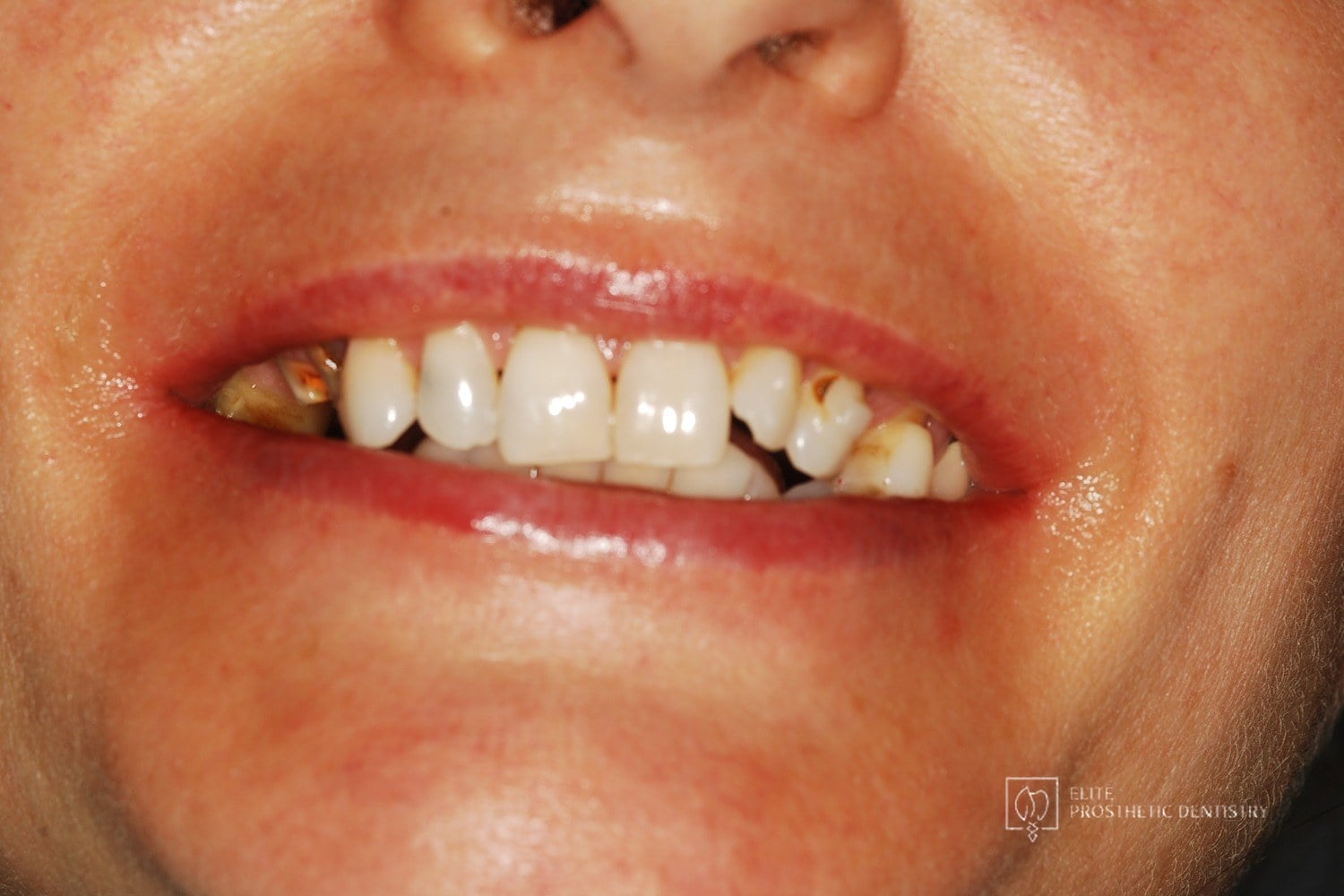 Before
 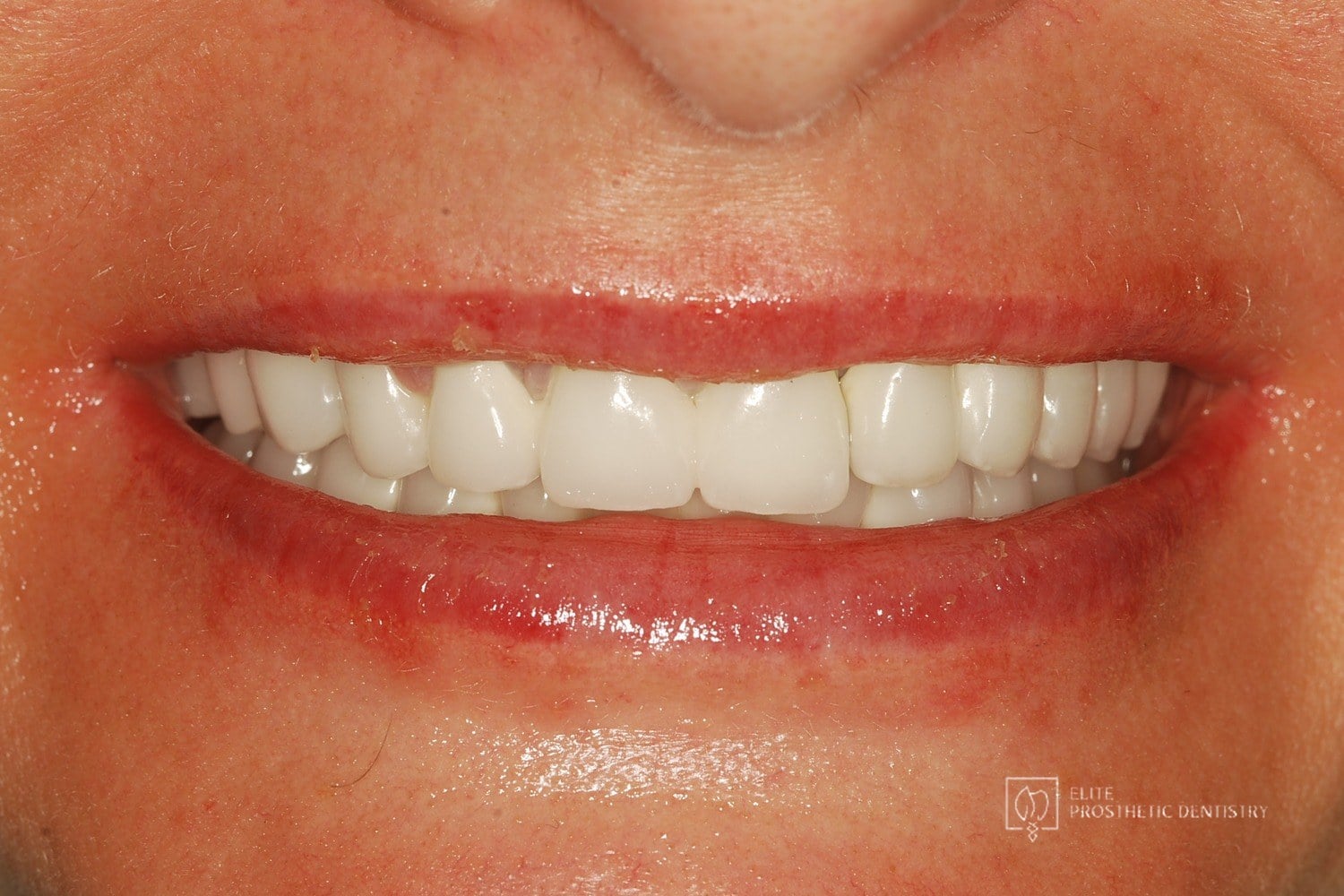 After
After How Aging, Failing Dentistry Was Replaced with a Coordinated Full-Mouth Implant and Crown Reconstruction
The patient presented with throbbing upper-molar pain, long-standing infections, multiple root canals and unfinished prior treatment, generalized sensitivity, and several hopeless teeth.
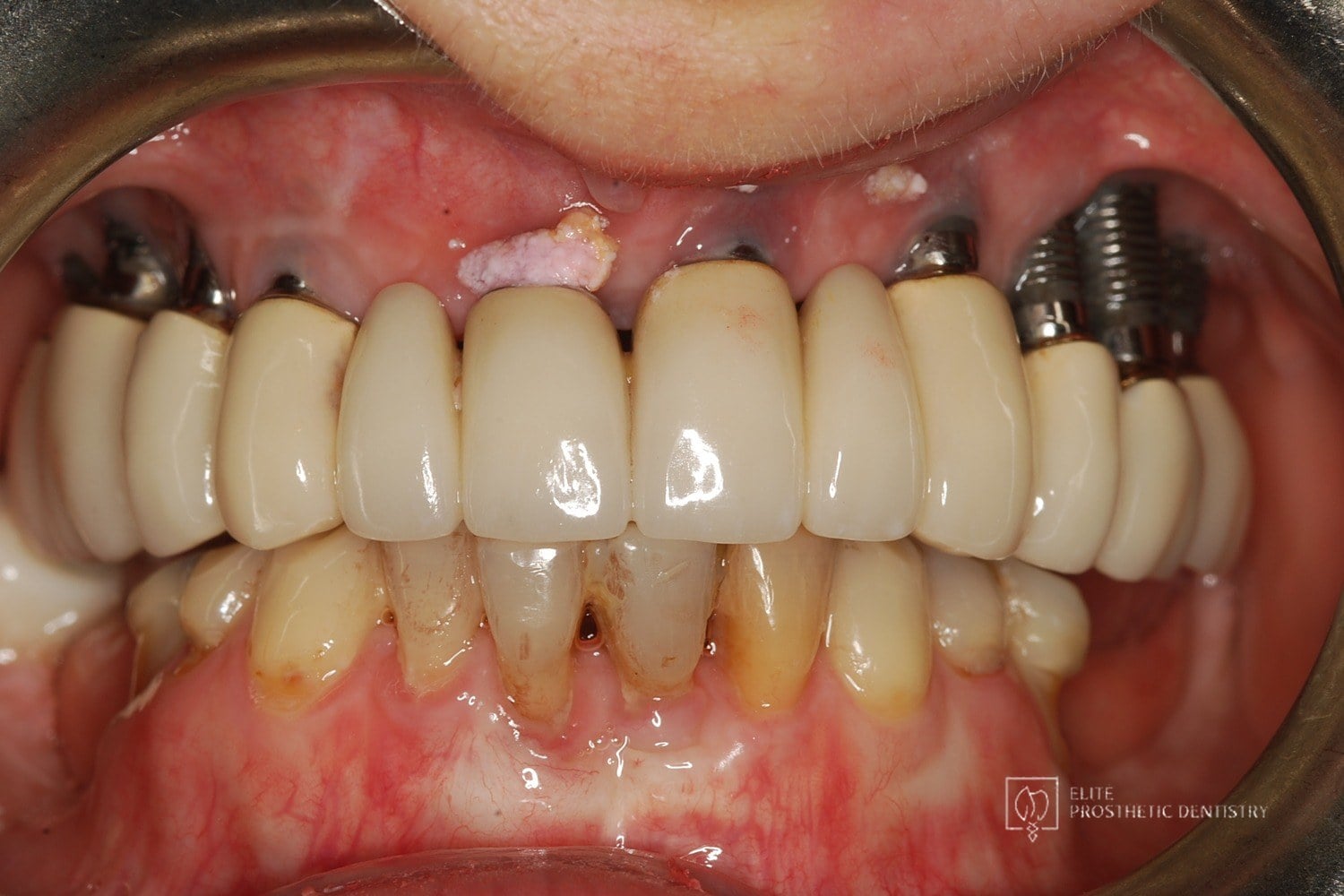 Before
 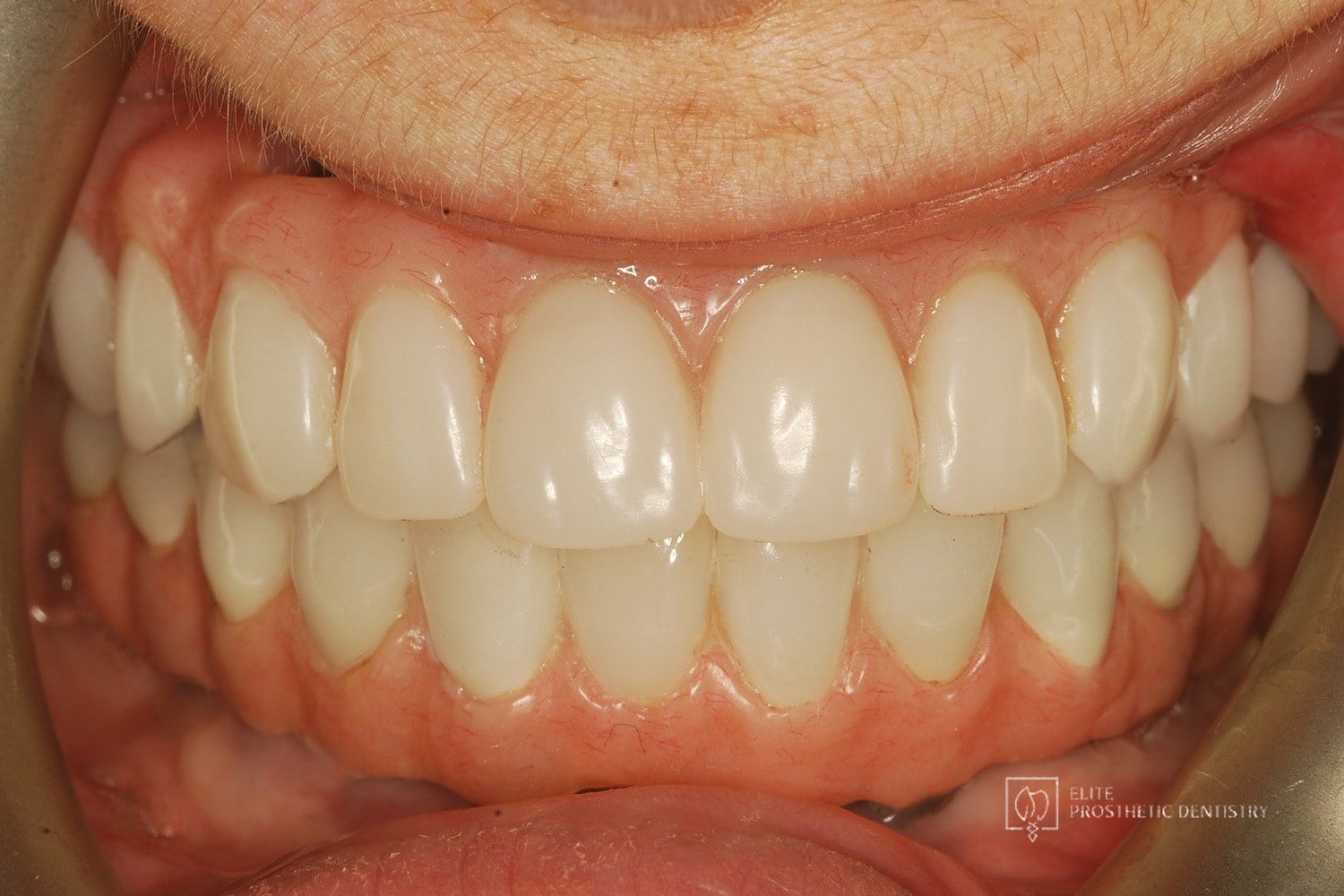 After
After How Failing Implants and Severe Bone Loss Were Rebuilt Into a Stable Full-Arch Implant Reconstruction
The patient presented with significant complications from previously placed implants, severe bone loss, failing posterior implants, and an unesthetic full-arch bridge. Both arches required full reconstruction, with the upper arch showing the most advanced bone loss and instability.
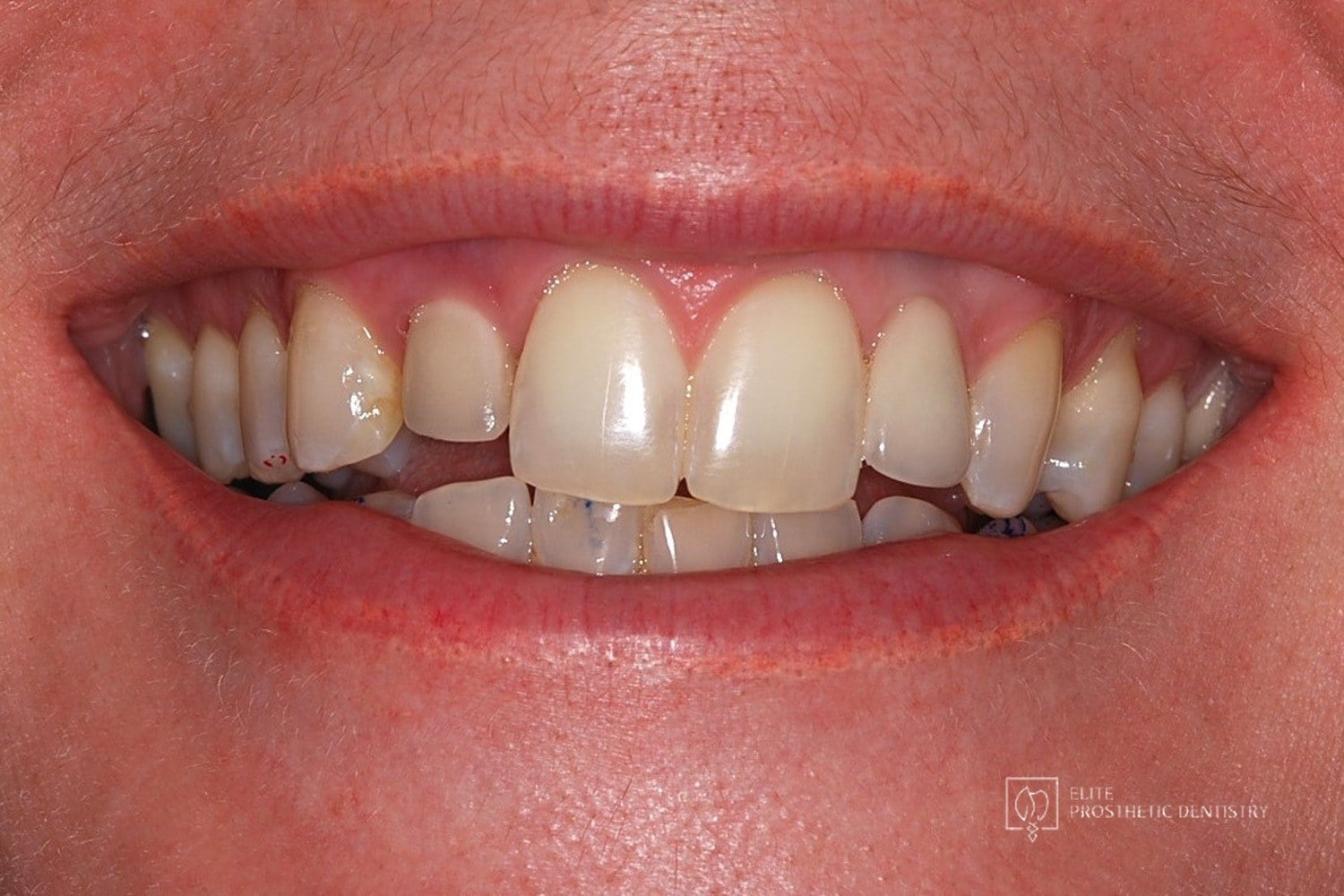 Before
 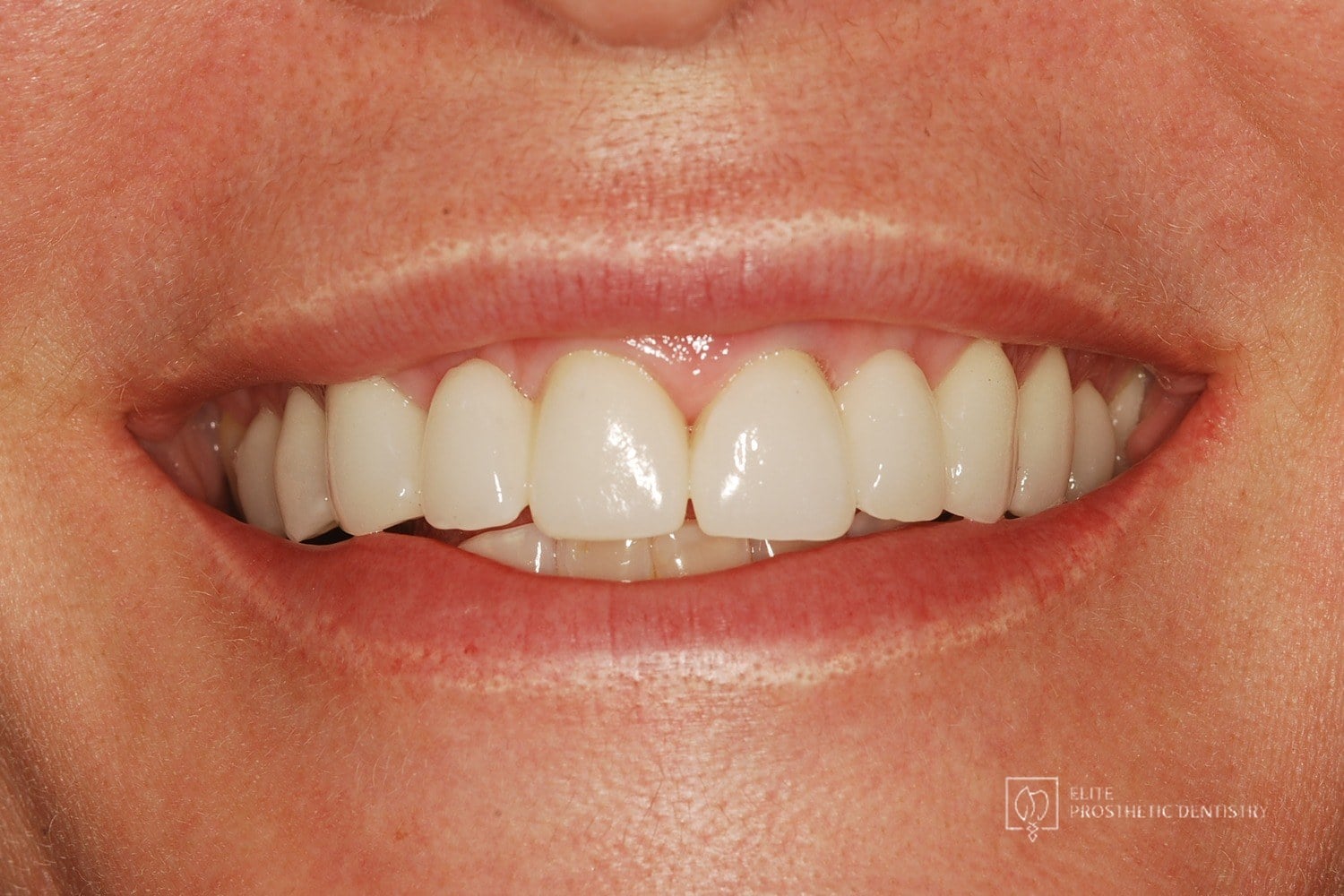 After
After How Failing Lateral Incisor Implants Were Replaced with Custom Zirconia Bridges After Severe Bone Loss Made Replacement Implants Impossible
Comprehensive examination including CBCT imaging revealed significant bone loss surrounding implants that were placed outside the buccal plate, most likely due to placement without a CBCT-generated surgical guide. The implants were determined non-salvageable, and the alveolar ridge was too narrow to support replacement implants without extensive reconstruction.
Related Articles
Deepen your knowledge with additional insights on this topic.
 Dental Implants
 If a Single Front Tooth Is Replaced with an Implant, Can It Look Natural?
Yes. See the four steps, with real case photos, that make a single front tooth implant indistinguishable from the natural tooth beside it. Washington, DC.
 Dental Implants
 What Is Precision Implant Placement (PIP)?
Precision Implant Placement plans each implant virtually on a CBCT scan, then delivers it with a custom surgical guide. See the three steps with real images.
 Dental Implants
 What Is the Ideal Surgical Guide for Precision Implant Placement?
Not all surgical guides are equal. The gold standard is CBCT-based: planned virtually in 3D, 3D printed, and seated on your teeth. A DC prosthodontist explains.