
Dental Implants in Bethesda, MD
Specialty-trained prosthodontist serving Bethesda for dental implant cases. 3,900+ implants placed.
A dental implant case is a sequence of clinical decisions executed in a specific order, and the order matters. For Bethesda patients researching implant treatment, this page walks through that sequence from initial consultation through the final restoration, with attention to the specific decisions a specialty-trained prosthodontist makes at each stage that differ from a general dental approach.
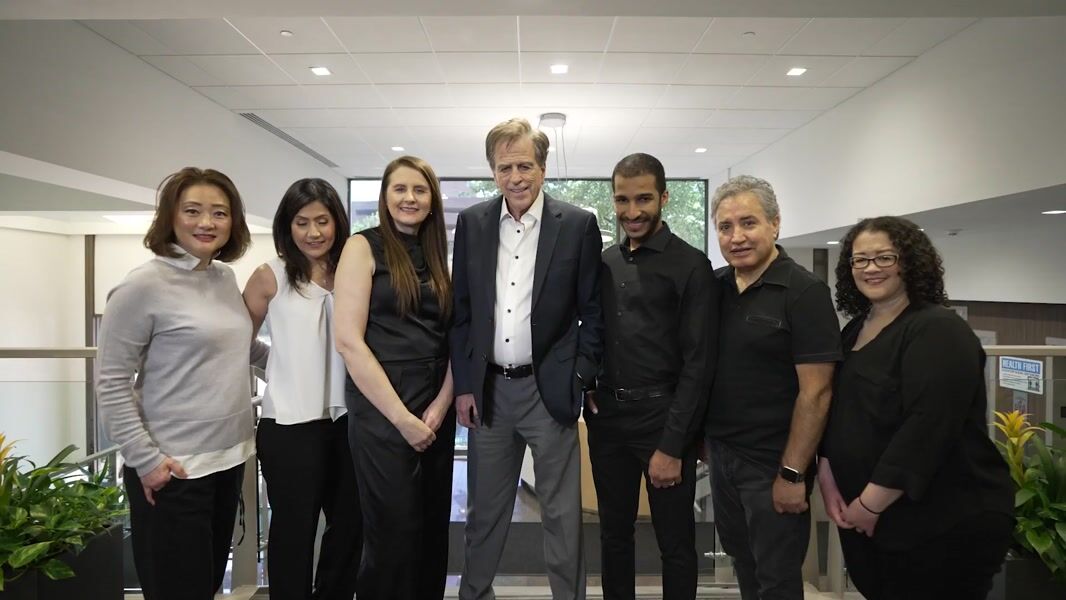
Dr. Gerald Marlin practices at Elite Prosthetic Dentistry in Friendship Heights, approximately five minutes south of central Bethesda. He has placed more than 3,900 dental implants in his career, with the prosthodontic specialty training that focuses specifically on tooth replacement, restoration, and the planning required to deliver predictable long-term outcomes.
Stage One: The Initial Consultation and Records
The first appointment is diagnostic. The clinical examination assesses the proposed implant site for available bone, the health of adjacent teeth, the quality of the gum tissue, and the relationship between the upper and lower arches when the patient bites. Every implant case at Elite Prosthetic Dentistry, from a single implant through full-mouth reconstruction, is planned on a CBCT (cone beam CT) scan.
The records produced at this stage include CBCT scan, intraoral photographs, digital impressions or traditional impressions of both arches, and a bite registration. These records become the planning basis for the entire case.
The conversation at the initial consultation also covers the patient’s medical history, current medications, history of dental work in the area of interest, smoking status, history of teeth grinding or clenching, and any prior dental experiences that affect the patient’s preferences for the upcoming case. Each of these factors influences the case plan.
For Bethesda patients who arrive with records from a prior consultation elsewhere, those records are reviewed alongside the new examination. In some cases the prior records include a recent CBCT that is sufficient for planning, and the case is planned on that scan. In other cases the prior records are incomplete or outdated and new imaging is ordered.
Stage Two: Treatment Planning and the Prosthodontic Sequence
This is the stage where the prosthodontic approach diverges most clearly from a general or surgically-led approach. The treatment plan begins with the desired final outcome: what will the restored tooth look like, where will it sit, how will it function in the bite, what materials best match the adjacent teeth.
The prosthetic design is documented first. From that documented final outcome, the implant position is determined. From the implant position, the surgical approach is selected. From the surgical approach, the bone preparation is planned, including any bone grafting that may be required.
This sequence matters because an implant placed in a position convenient for surgery but inconvenient for restoration creates a final outcome that is compromised at the prosthetic level. Restorations on poorly positioned implants tend to look unnatural, function suboptimally, accumulate more food and plaque, and have shorter functional lifespans. The prosthodontic-led sequence prevents these problems by establishing the prosthetic position first.
The treatment plan documented at this stage includes the implant brand and size, the surgical guide if one is to be fabricated, the timeline for each phase, the specific bone grafting protocol if needed, the temporary tooth replacement strategy, the final restoration material, and the projected total case duration.
Stage Three: Pre-Surgical Preparation
Cases requiring bone grafting begin the surgical phase here. Bone grafting can be performed at the same appointment as implant placement (immediate placement) or as a separate procedure several months earlier (staged placement). The decision between immediate and staged placement is based on the volume of bone augmentation required, the location, and the patient’s healing profile.
For Bethesda patients with adequate existing bone volume, this stage is brief. Pre-surgical preparation involves any final imaging needed to fabricate a surgical guide, confirmation that the patient’s medical clearances (if required for sedation or other considerations) are in place, and a pre-surgical visit to review the protocol.
For patients who chose intravenous sedation, this stage includes a pre-sedation visit and instructions about fasting, medication adjustments, and transportation arrangements.
Stage Four: Implant Placement Surgery
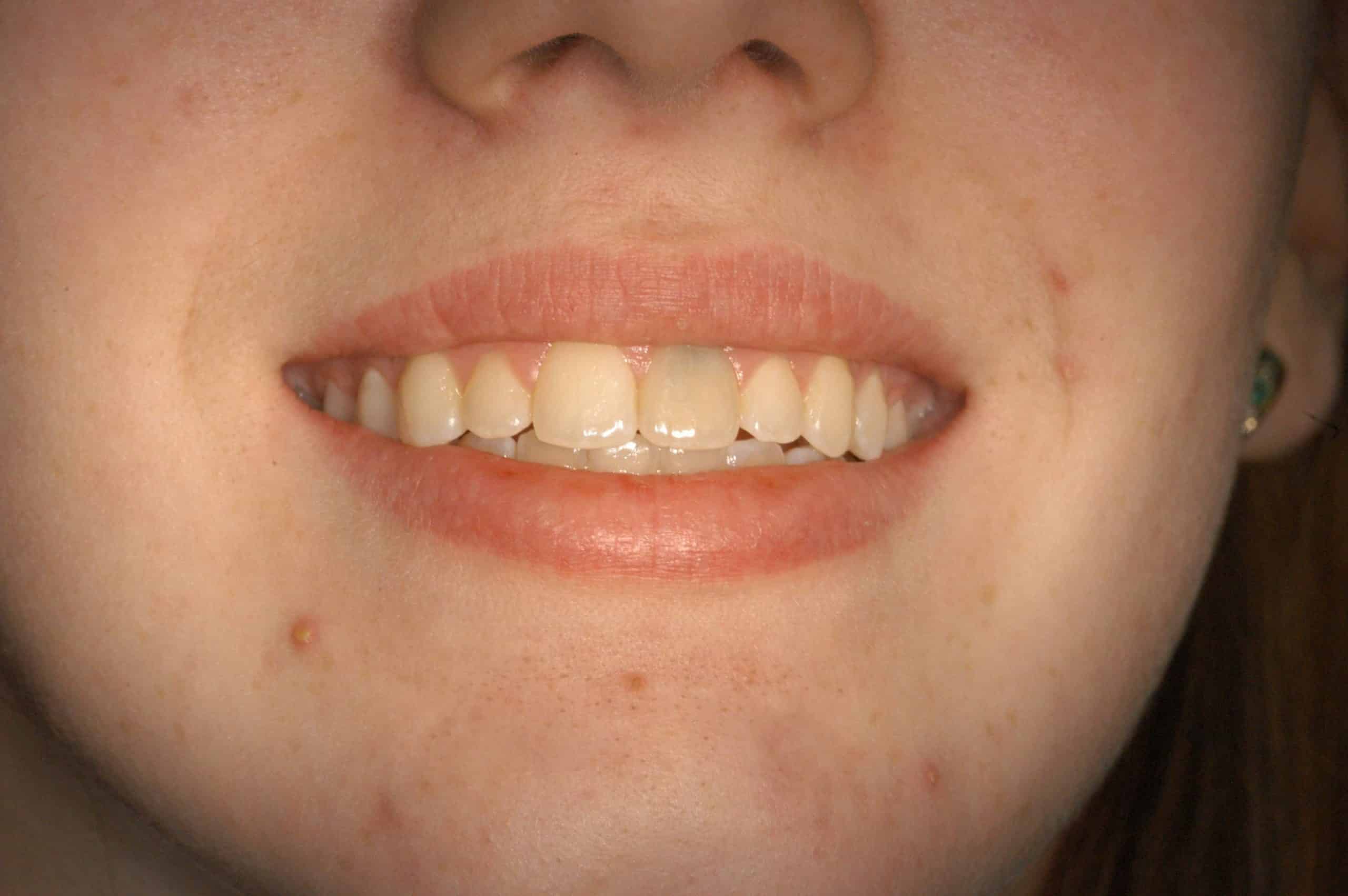
The placement appointment for a single tooth case is typically 60 to 90 minutes. The patient is seated and anesthetized using local anesthesia, supplemented by oral or intravenous sedation if elected. A small access is created in the gum tissue. Using the surgical guide if one was fabricated, the implant site is prepared with sequential drills, and the implant is placed at the planned depth and angulation.
A healing component (a healing abutment or a temporary restoration) is placed on the implant. The site is closed if a flap was elevated. The patient receives postoperative instructions and prescriptions if needed.
For Bethesda patients, implant placement and the prosthetic phases are both completed within the practice, alongside the in-house laboratory, with every implant case planned on a CBCT scan. When a patient’s own oral surgeon or periodontist is placing the implants, Dr. Marlin plans the case with that surgeon so the implant positions serve the final restoration.
Stage Five: Integration and Provisional Phase
After placement, the implant integrates with the surrounding bone over a period typically ranging from three to six months depending on location and bone quality. During this period, the patient wears a provisional tooth replacement that fills the visible gap.
Provisional options include a removable temporary, a temporary cemented to adjacent teeth (Maryland bridge style), or in select cases an immediate temporary attached directly to the implant on the day of placement. The choice depends on the specific case and the patient’s lifestyle preferences.
This is also the stage where any soft tissue management is performed if needed. The shape of the gum tissue around the implant determines the appearance of the eventual restoration, and in cosmetic cases the soft tissue contour may be sculpted using the provisional restoration during the integration period.
Stage Six: Restorative Phase
Once integration is confirmed (typically by torque testing and radiographic evaluation), the restorative phase begins. The first appointment is an impression appointment: a digital scan or traditional impression captures the position of the implant precisely, along with the relationship to adjacent teeth and to the opposing arch.
The impression is sent to the on-site laboratory at Elite Prosthetic Dentistry, where the abutment (the connecting component between the implant and the visible crown) is designed alongside the crown itself. For cases involving cosmetic considerations, the design is reviewed and adjusted before fabrication.
A try-in appointment may follow, where the abutment is tested for fit and the crown design is verified. The final crown is then fabricated and placed at a final appointment, typically 2 to 4 weeks after the impression.
The on-site laboratory shortens this overall timeline because design adjustments happen in real time rather than through multi-week ship-and-return cycles with outside laboratories.
Stage Seven: Long-Term Maintenance
A restored implant requires ongoing maintenance similar to a natural tooth: daily home care including brushing and interdental cleaning, professional cleanings on a regular schedule, and periodic radiographic monitoring to evaluate bone levels around the implant.
Implant restorations have published longevity ranges in the literature, with studies typically reporting high rates of implant survival at 10-year follow-up under well-maintained conditions. Specific patient factors including bite forces, oral hygiene practices, smoking status, and any history of periodontal disease influence the realistic longevity for any given case.
For Bethesda patients, ongoing maintenance can be coordinated with the original referring dentist or with Dr. Marlin’s office, depending on patient preference. Maintenance care is integrated with the rest of the patient’s dental care so that any change in the surrounding dentition (a new crown, a new restoration, or a change in bite forces from new work) is evaluated against the implant’s continued performance.
Travel and Logistics from Bethesda
The practice is at 4400 Jenifer Street NW, Suite 220, in Friendship Heights, on the DC side of the DC/MD border. From central Bethesda the drive south on Wisconsin Avenue is approximately five minutes outside of rush hour traffic. The Friendship Heights Red Line Metro station is two blocks from the practice. On-site parking is available in the building garage.
For Bethesda patients arriving from the Bradley Boulevard or Old Georgetown Road corridors, alternative routes via Wisconsin Avenue or via the Massachusetts Avenue extension are both workable.
Schedule a Consultation
The starting point for any implant case is the diagnostic consultation. From there, the case-specific decisions described above are made in sequence with the patient’s input at each step.
Frequently Asked Questions
What does the implant placement appointment actually involve from the patient's perspective?
The placement appointment typically lasts 60 to 90 minutes for a single tooth case. The patient is seated, anesthetized using local anesthesia (with optional sedation if requested in advance), and the implant is placed through a small access in the gum tissue. Most single-implant placements involve mild postoperative discomfort comparable to a tooth extraction, controlled with over-the-counter analgesics for 2 to 3 days. Patients typically return to normal activities the next day.
How long is the gap between implant placement and final crown placement?
The gap depends on the specific bone quality, location in the mouth, and whether bone grafting was required. Lower jaw cases typically integrate in 3 to 4 months. Upper jaw cases typically take 4 to 6 months. Cases involving bone grafting may extend to 6 to 9 months from grafting through final restoration. During the integration period, patients wear a temporary tooth replacement so the gap is not visible.
Why does Dr. Marlin design the prosthetic before the implant is placed?
The position of an implant determines whether the final restoration can look and function correctly. Dr. Marlin designs the prosthetic outcome first, then plans the implant position to support that outcome. This is the prosthodontic approach: starting with the end result and working backward. The alternative approach, where the implant is placed first and the restoration is designed around wherever the implant ended up, can compromise the final esthetics and function.
What happens if the implant does not integrate with the bone?
Implant integration failure occurs in a small percentage of cases. When it happens, the implant is removed, the site is allowed to heal (typically 2 to 3 months), and a replacement implant is placed. Bone grafting may be added to the second placement if the original failure was bone-related. Failed integration is uncommon when patient factors are evaluated thoroughly before placement and when surgical placement is precise.
How does the in-house dental laboratory affect the implant restoration timeline?
Cases involving the on-site laboratory at Elite Prosthetic Dentistry typically have shorter overall timelines because shade matching, fit adjustments, and design refinements happen in real time rather than through ship-and-return cycles with an outside lab. For complex cosmetic cases or cases requiring multiple try-in appointments, this is often the difference between a 2-month and a 4-month restorative phase.
Related Patient Success Stories
Explore similar patient success stories demonstrating our expertise in advanced prosthetic dentistry.
 Before
  After
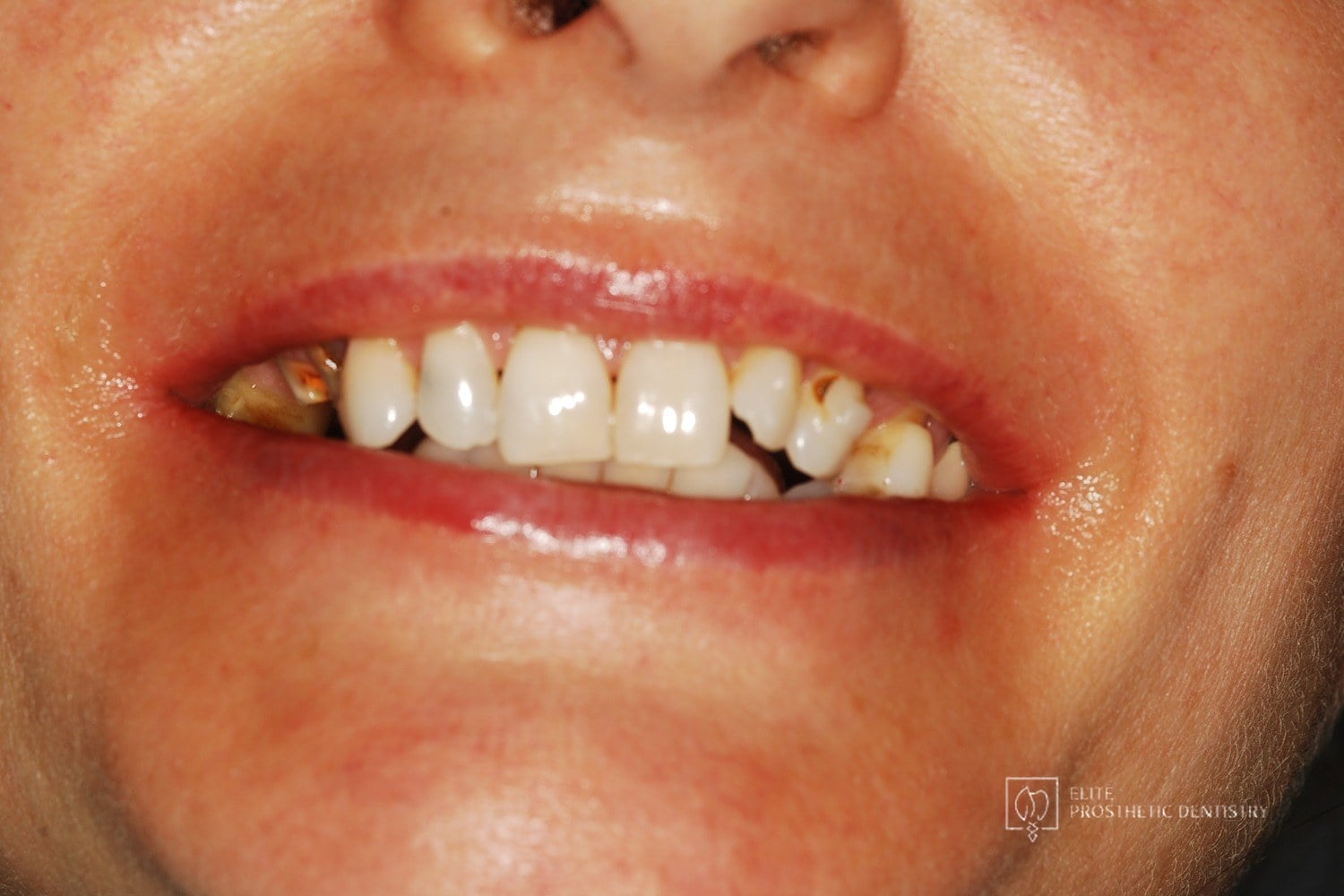
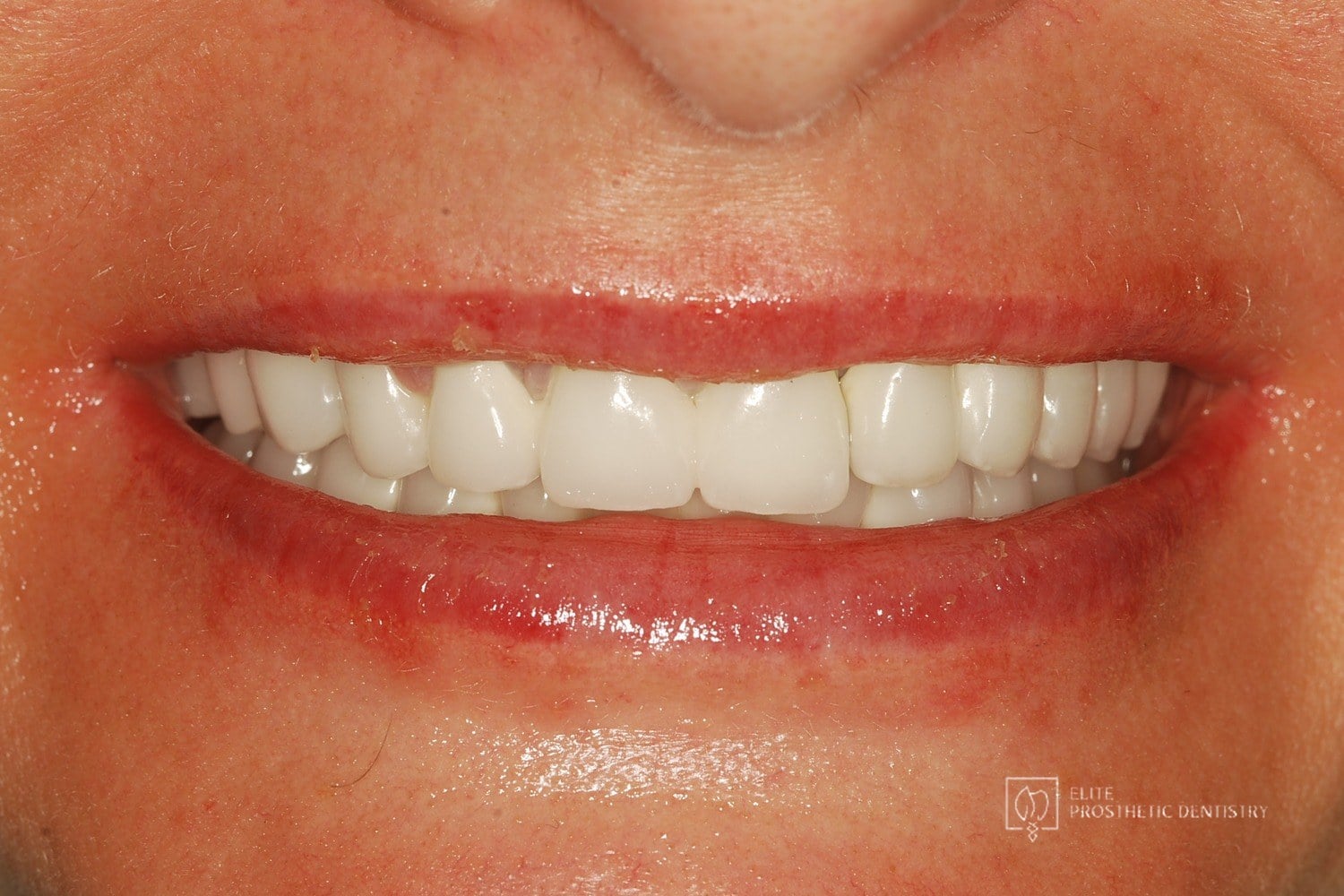
After How Aging, Failing Dentistry Was Replaced with a Coordinated Full-Mouth Implant and Crown Reconstruction
The patient presented with throbbing upper-molar pain, long-standing infections, multiple root canals and unfinished prior treatment, generalized sensitivity, and several hopeless teeth.
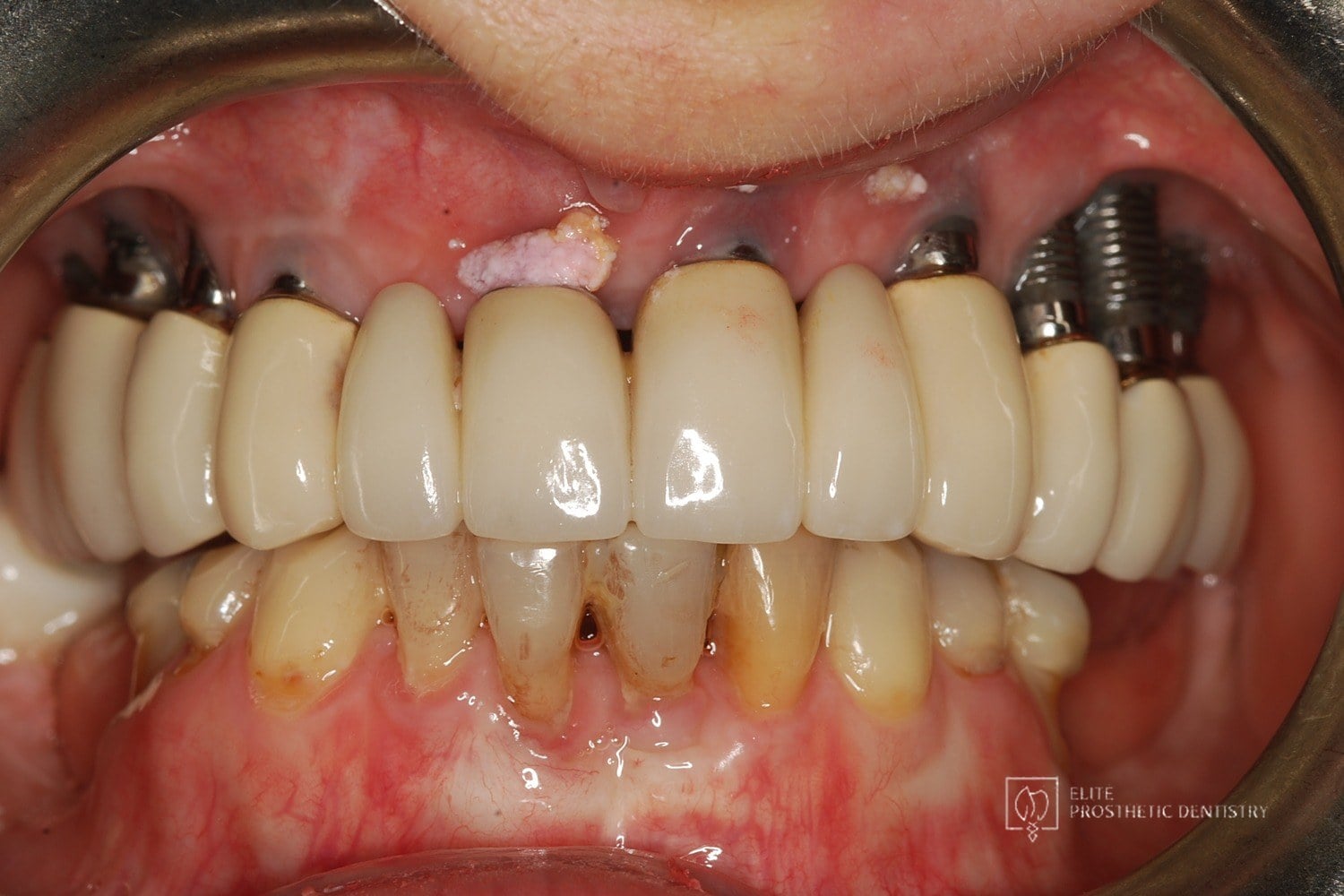 Before
 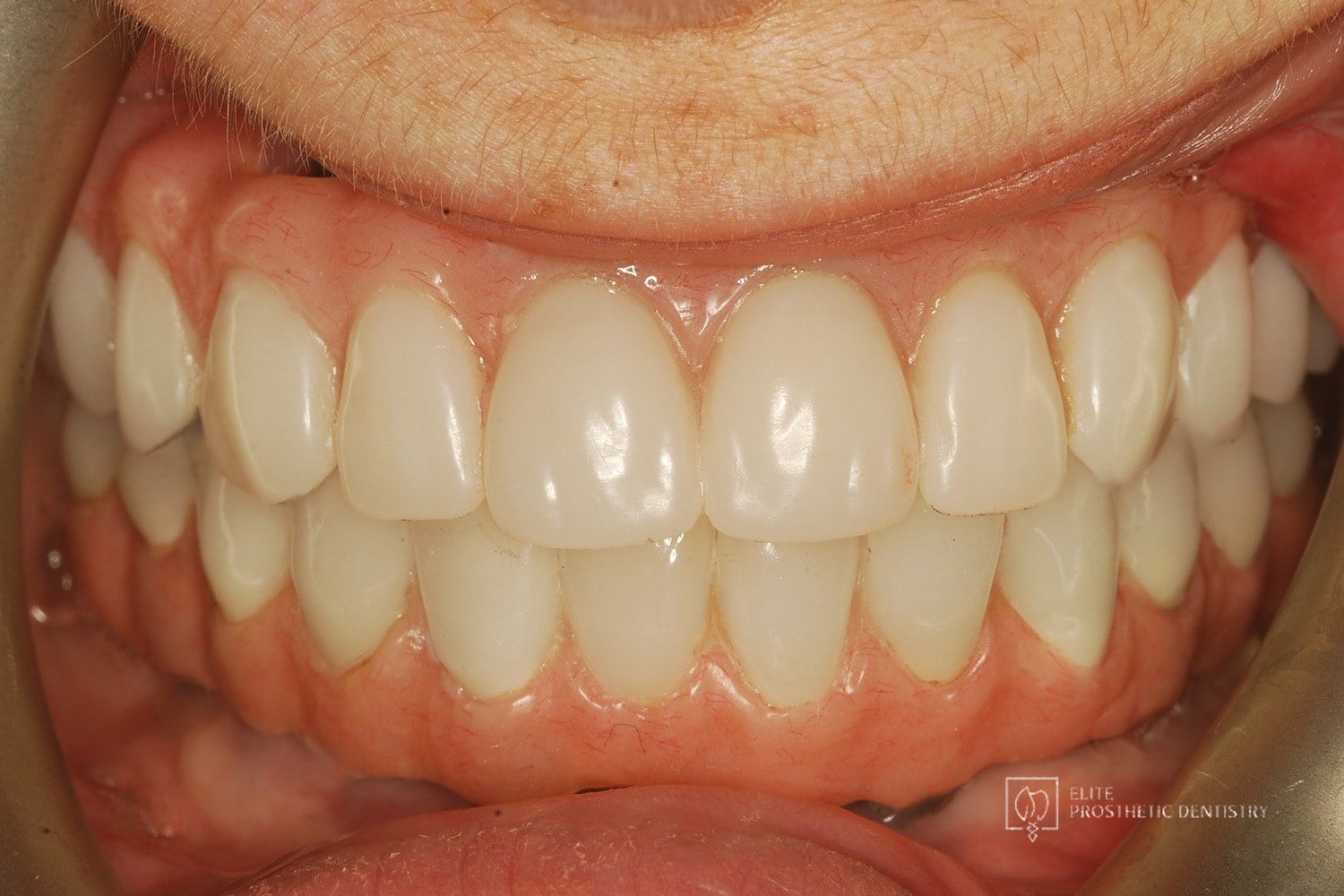 After
After How Failing Implants and Severe Bone Loss Were Rebuilt Into a Stable Full-Arch Implant Reconstruction
The patient presented with significant complications from previously placed implants, severe bone loss, failing posterior implants, and an unesthetic full-arch bridge. Both arches required full reconstruction, with the upper arch showing the most advanced bone loss and instability.
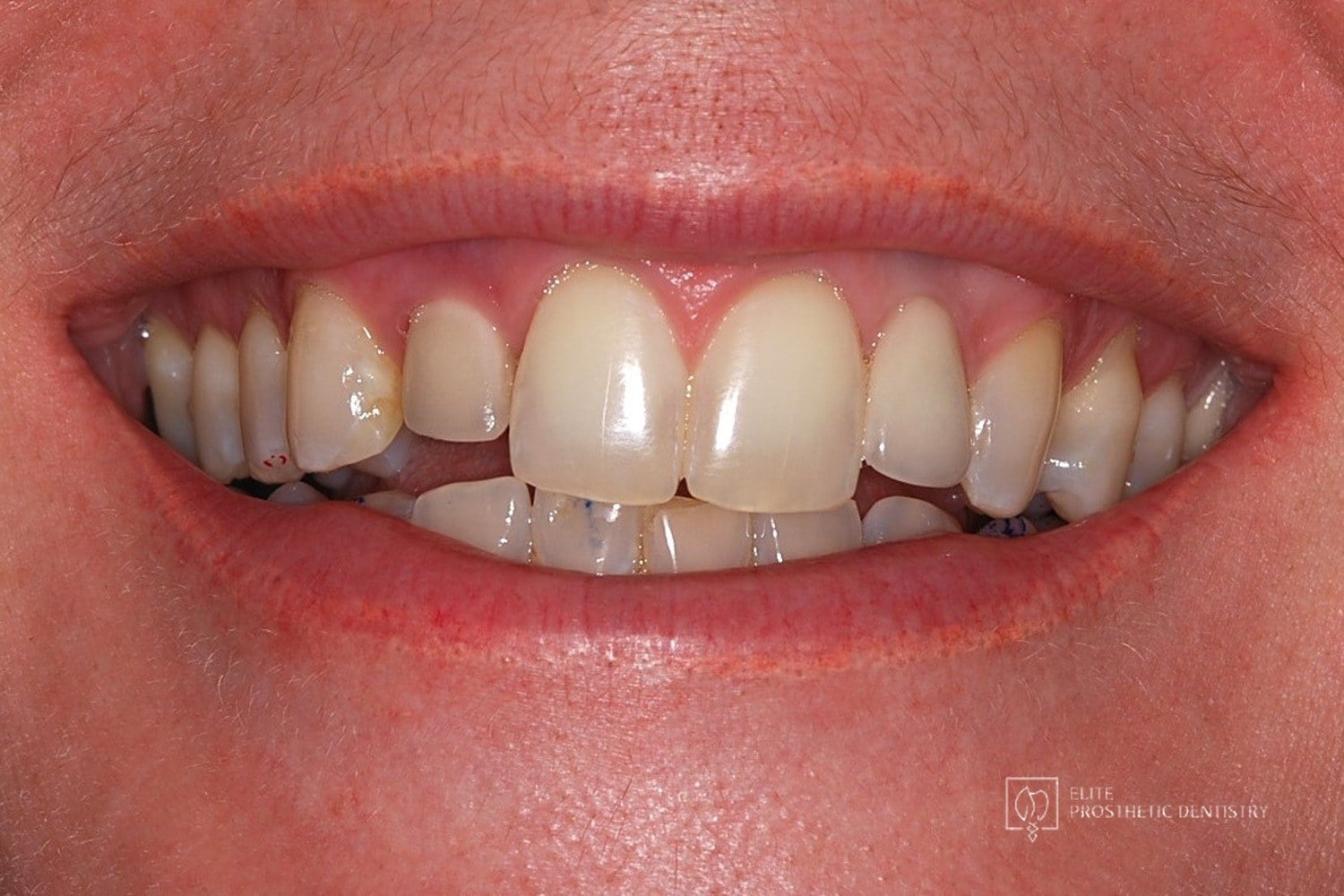 Before
 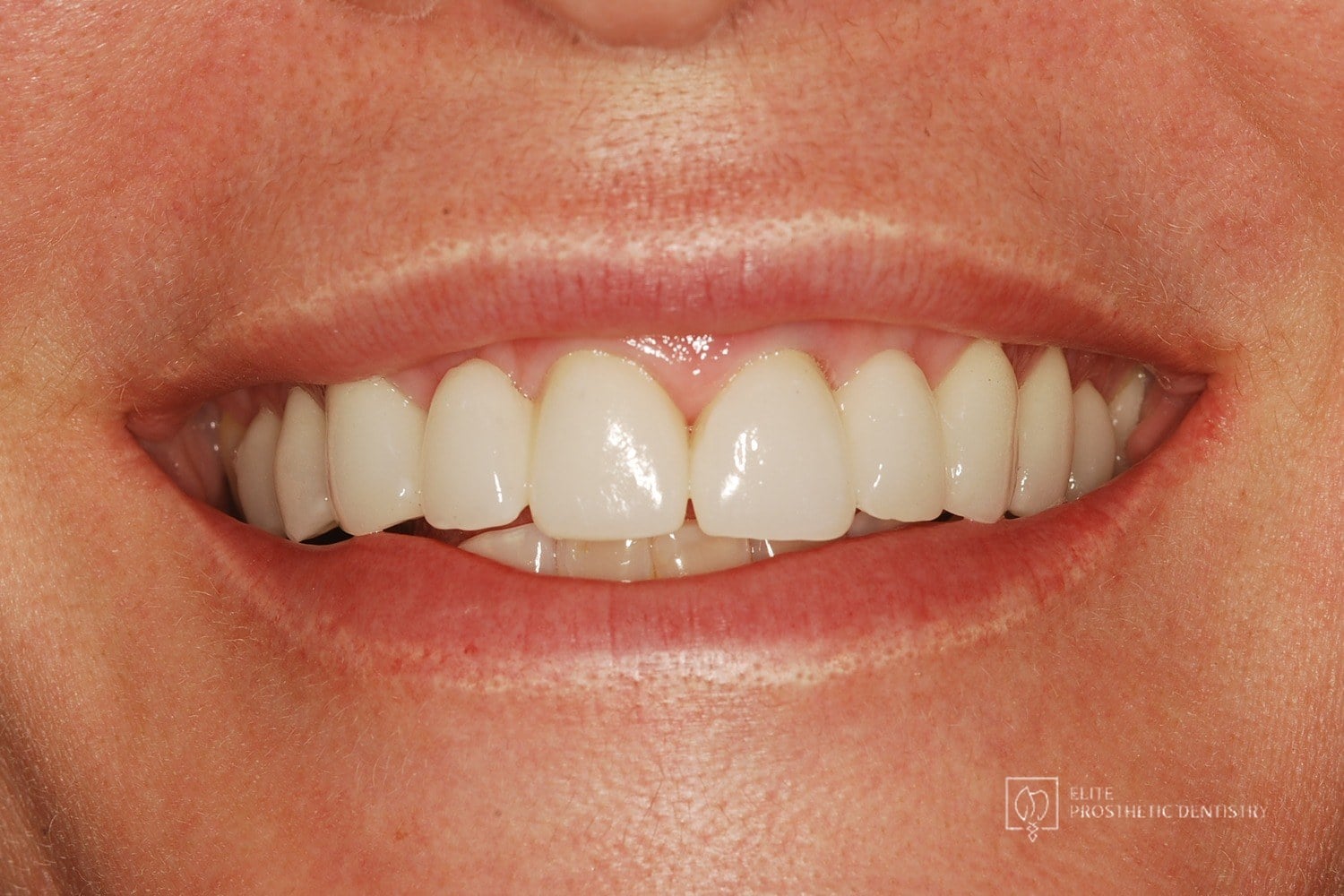 After
After How Failing Lateral Incisor Implants Were Replaced with Custom Zirconia Bridges After Severe Bone Loss Made Replacement Implants Impossible
Comprehensive examination including CBCT imaging revealed significant bone loss surrounding implants that were placed outside the buccal plate, most likely due to placement without a CBCT-generated surgical guide. The implants were determined non-salvageable, and the alveolar ridge was too narrow to support replacement implants without extensive reconstruction.
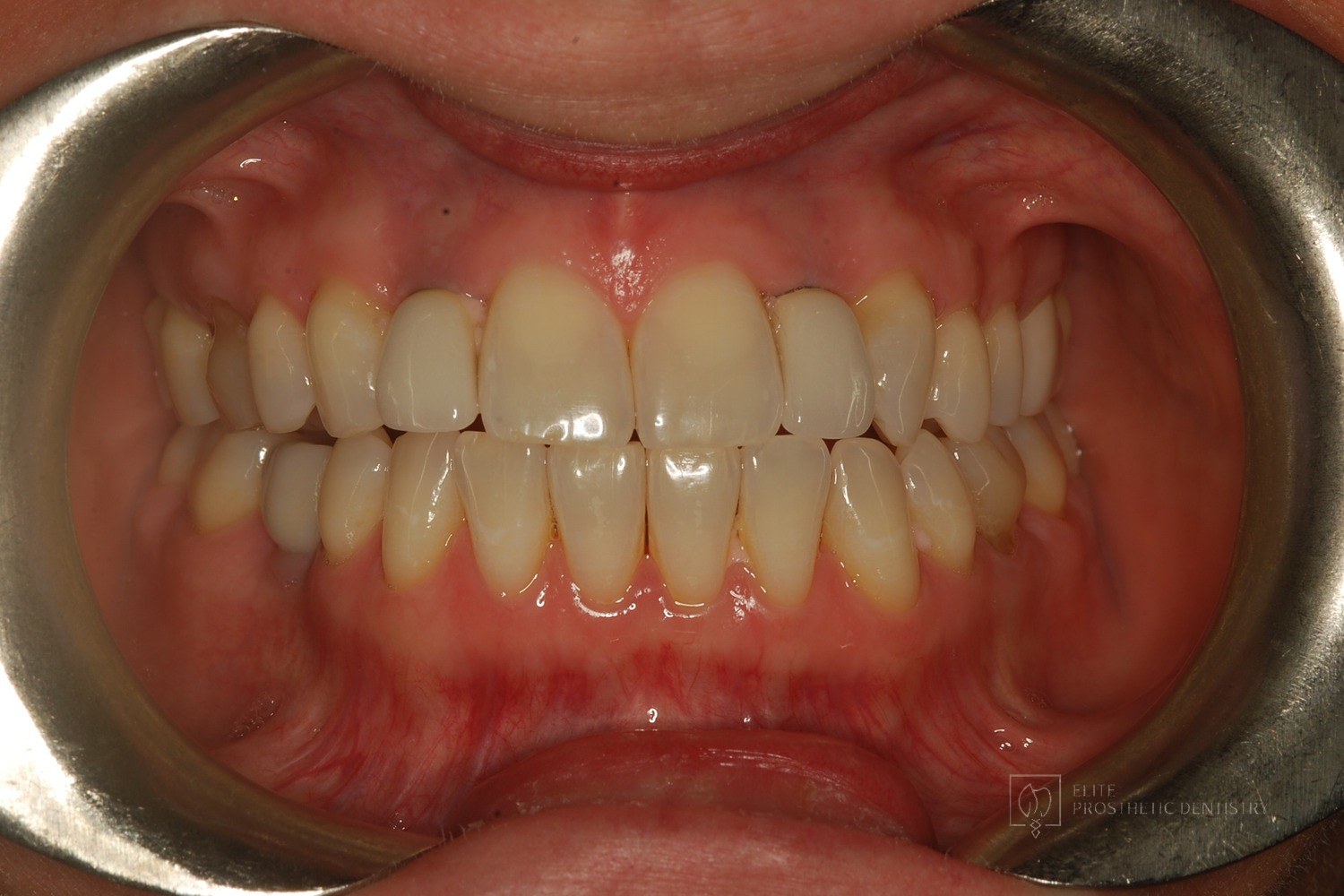 Before
 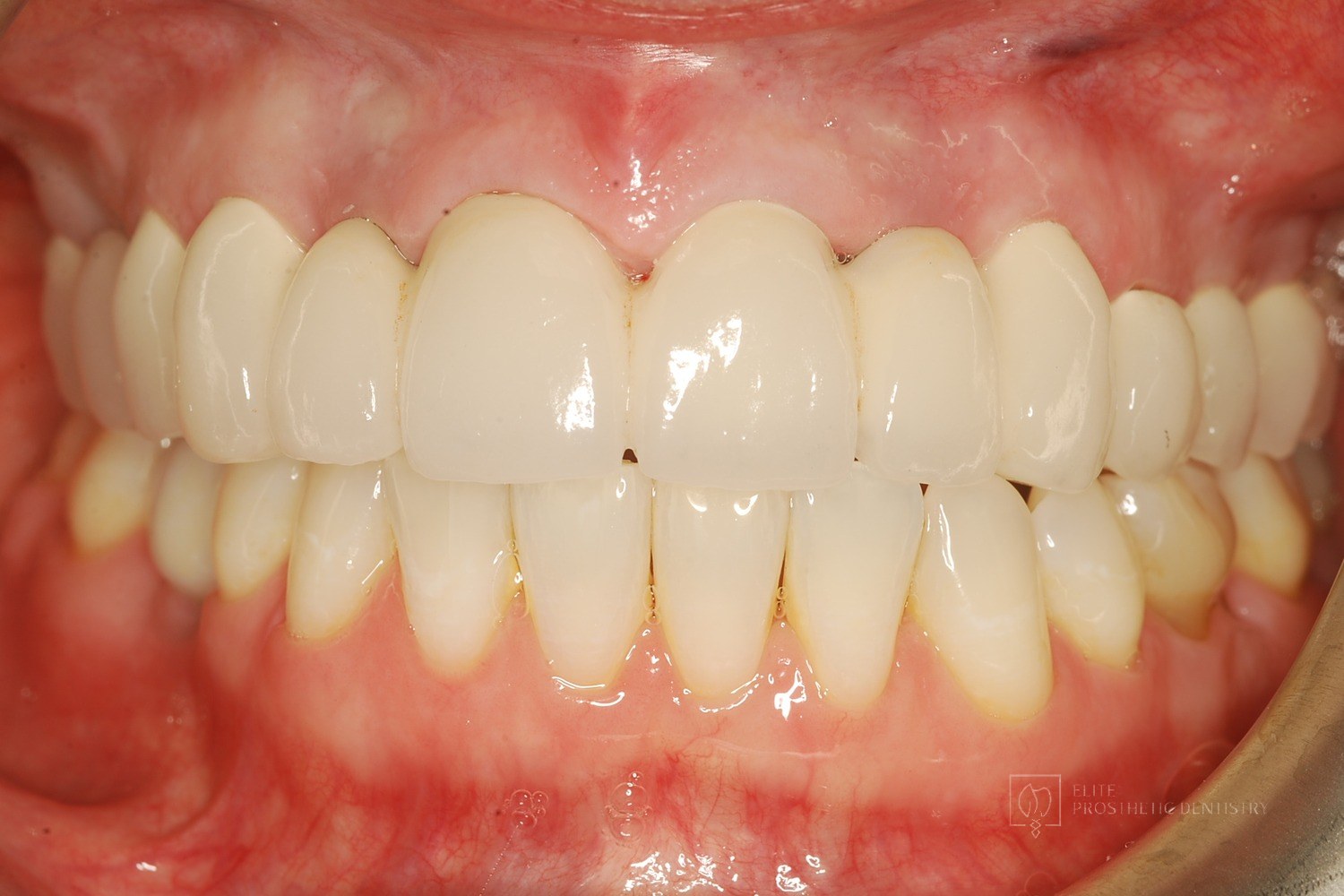 After
After How Older Implant Crowns Were Redesigned for a Better Bite and More Natural Appearance
The patient came in after years of living with implant-supported crowns placed more than twenty years earlier that no longer looked or functioned well. CBCT evaluation, reviewed with a radiologist colleague, showed the implants had been placed too far to the buccal in very thin bone and could not support a healthy long-term restoration.
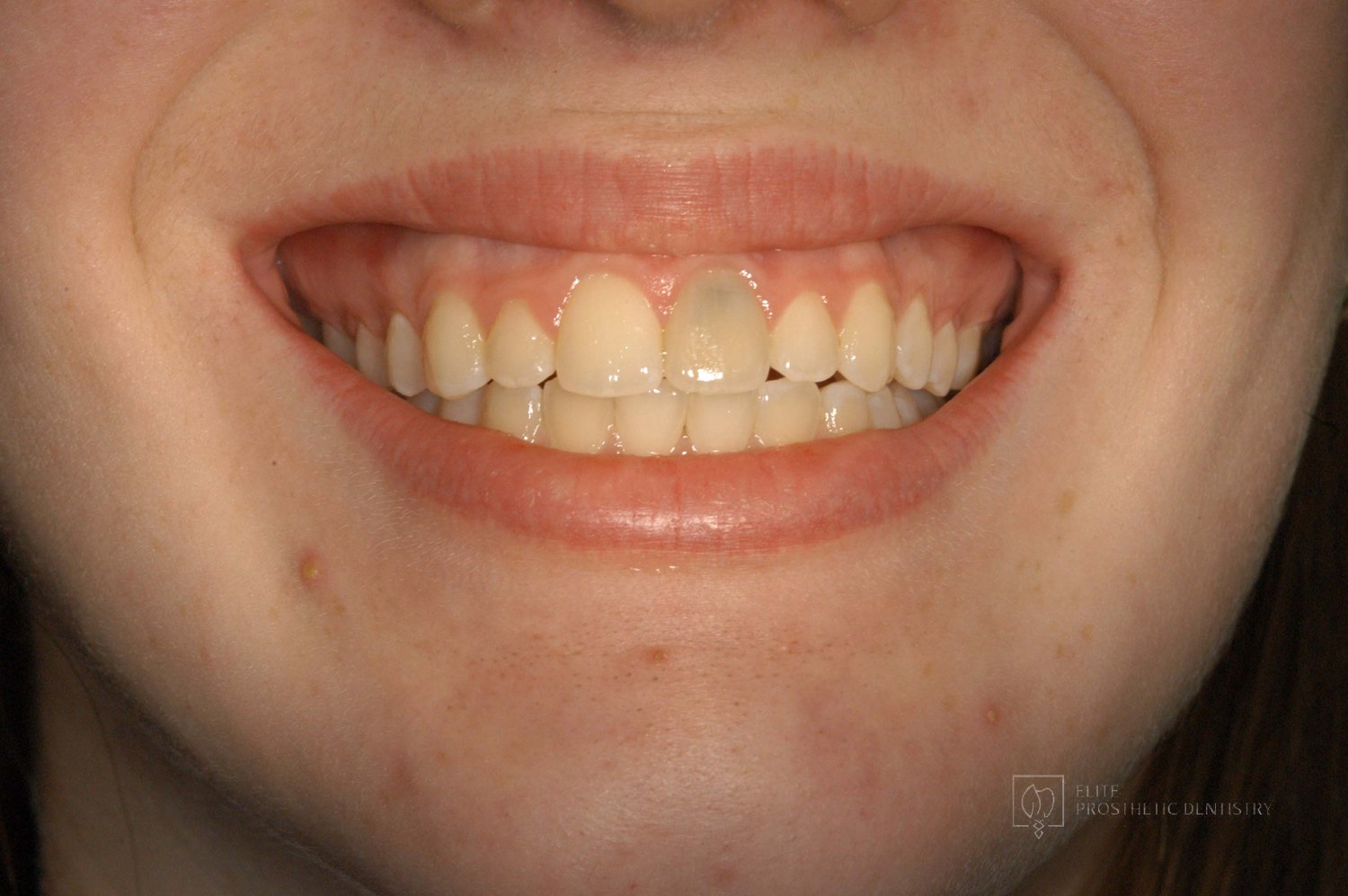 Before
 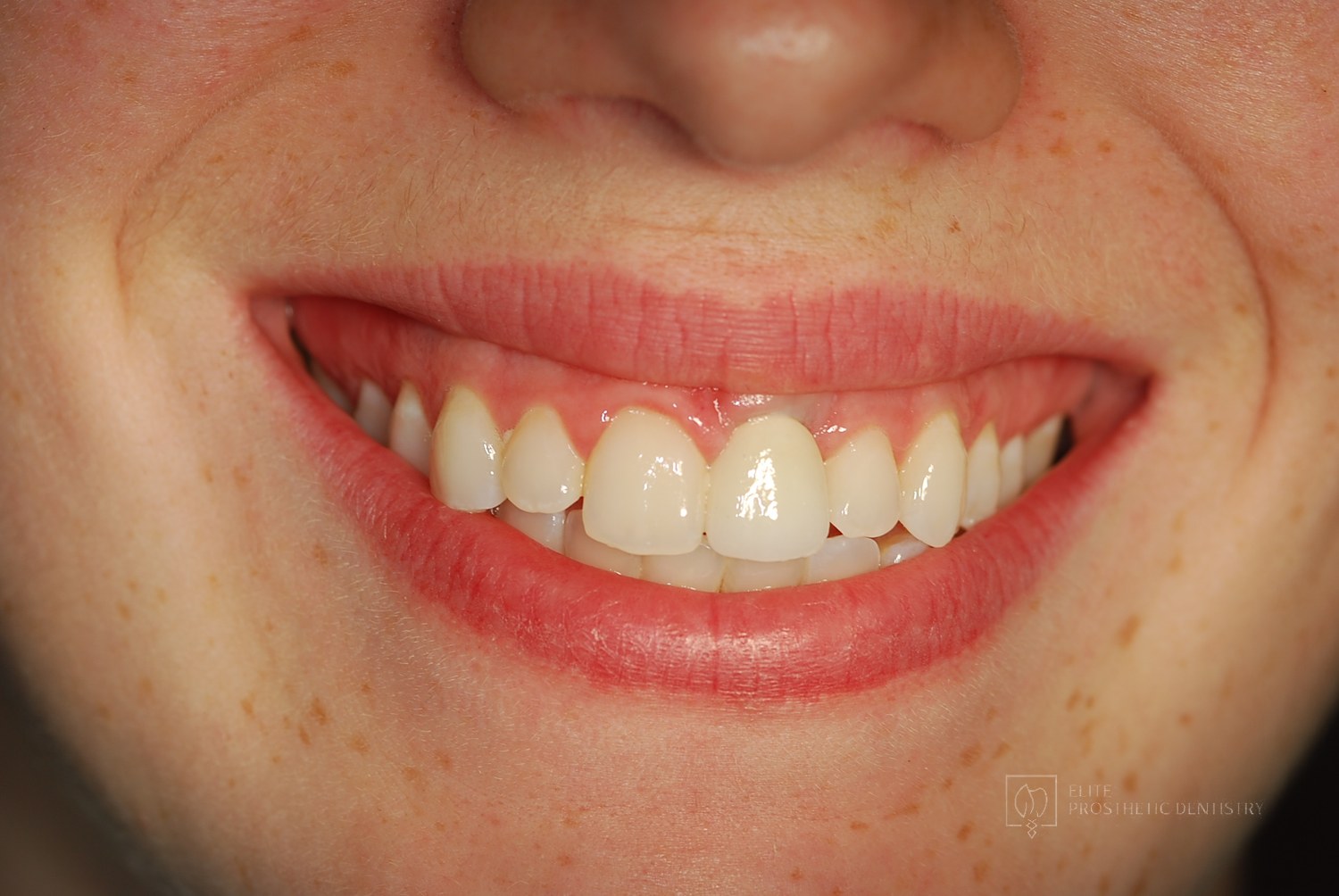 After
After How a Front Tooth Lost to Childhood Trauma Was Rebuilt with Bone Grafting and a Long-Lasting Implant
A teenager was referred by her father after earlier trauma left her upper left front tooth slowly failing from root resorption. She was still growing, so an immediate implant was the wrong move. The tooth had to be maintained to buy time, then replaced correctly once she reached skeletal maturity.
 Before
  After
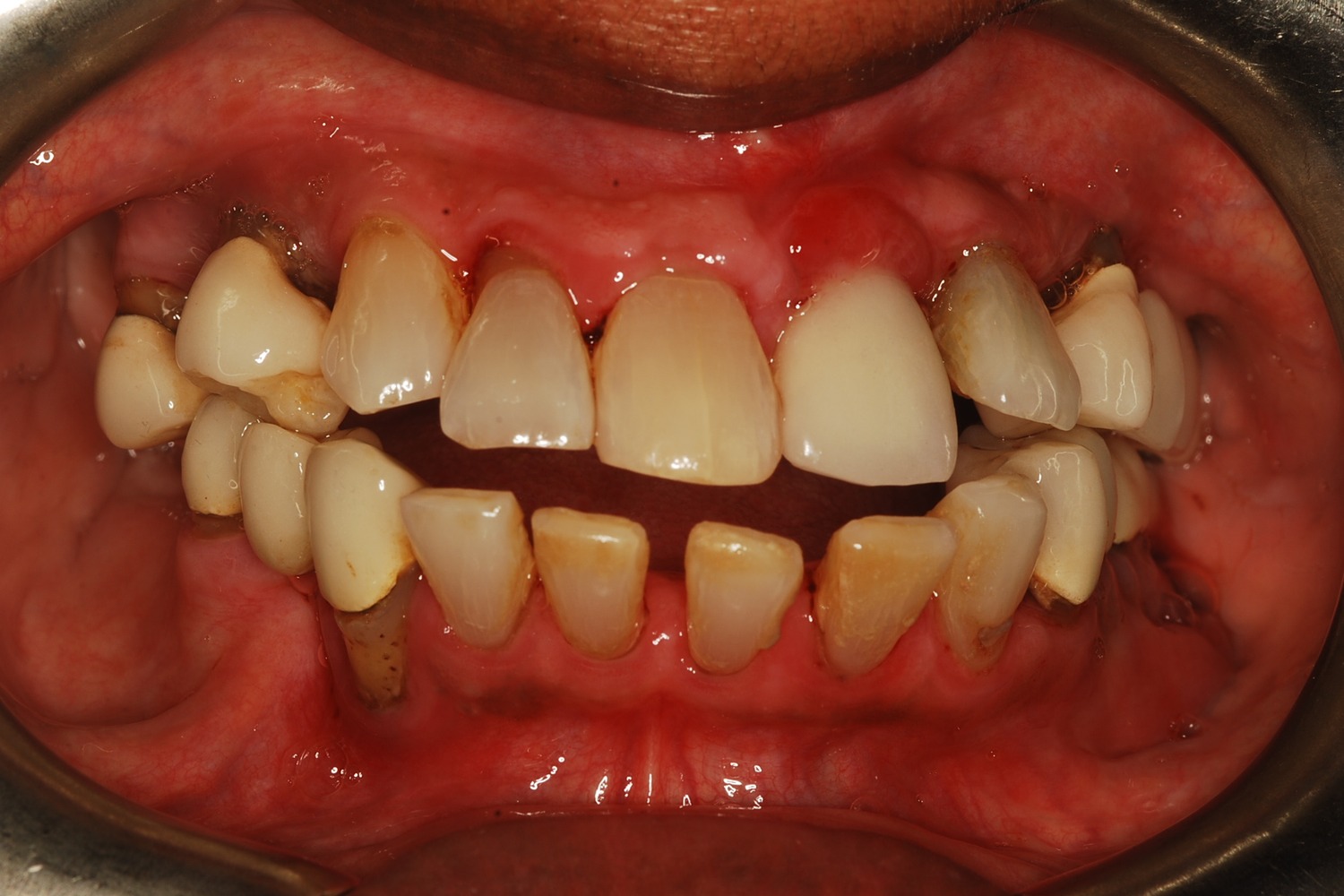
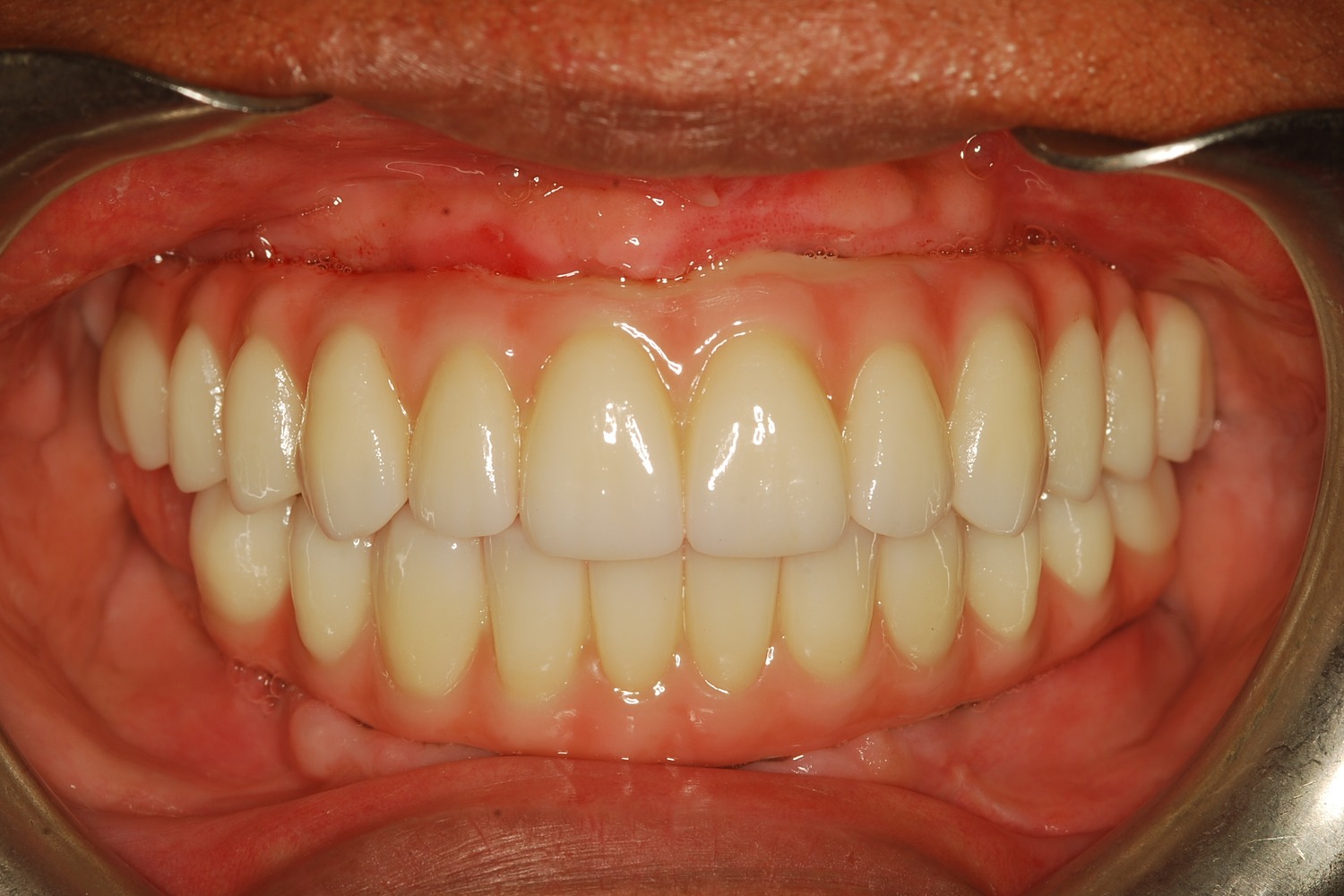
After How Severe Bone Loss and Bite Dysfunction Were Rebuilt with All-on-6 Implants and a Milled Zirconia Hybrid Prosthesis
The patient presented with severe bone loss, advanced periodontal disease, malocclusion, and a dysfunctional bite that required full-arch rebuilding.
Related Articles
Deepen your knowledge with additional insights on this topic.
 Dental Implants
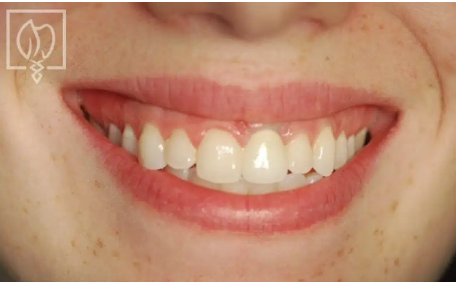
 If a Single Front Tooth Is Replaced with an Implant, Can It Look Natural?
Yes. See the four steps, with real case photos, that make a single front tooth implant indistinguishable from the natural tooth beside it. Washington, DC.
 Dental Implants
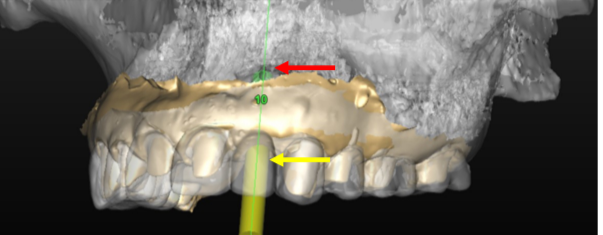
 What Is Precision Implant Placement (PIP)?
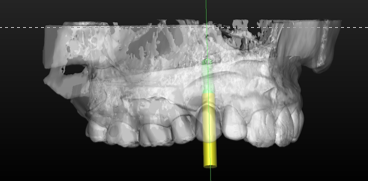
Precision Implant Placement plans each implant virtually on a CBCT scan, then delivers it with a custom surgical guide. See the three steps with real images.
 Dental Implants
 What Is the Ideal Surgical Guide for Precision Implant Placement?
Not all surgical guides are equal. The gold standard is CBCT-based: planned virtually in 3D, 3D printed, and seated on your teeth. A DC prosthodontist explains.
 Dental Implants
 When Should an Implant Not Be Done?
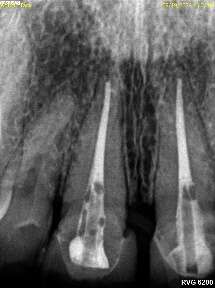
Healthy roots, thin bone, steep bony angles: a DC prosthodontist shows a real case where refusing implants was the right call, and what was done instead.
 Dental Implants
 What Is Staged Implant Therapy?
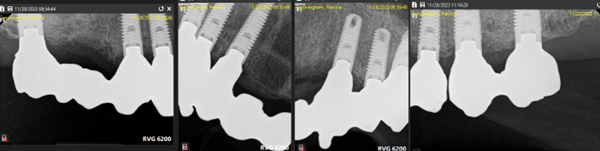
Staged implant therapy replaces failing teeth in phases while you keep fixed teeth the entire time. A DC prosthodontist walks through a real case in stages.
 Dental Implants
 The Four Types of Dental Implants: Which One Is Right for You?
Endosteal, subperiosteal, zygomatic, and mini implants each solve a different problem. A DC prosthodontist explains the four types and who each one fits.
Deciding Who Should Treat You?
Our decision guide for Bethesda patients explains when implants, full mouth reconstruction, cosmetic work, or aging crowns and bridges call for a prosthodontist, and when another setting may serve you better.
Read the Bethesda decision guide →Our Services in Bethesda
Beyond Dental Implants, Bethesda patients rely on Dr. Marlin for a full range of advanced dental care.
More services available in Bethesda:
Dental Implants Near Bethesda
Dr. Marlin also provides dental implants services for patients in these neighboring communities.
Getting Here from Bethesda
Elite Prosthetic Dentistry is conveniently located near Bethesda, MD.
Patients from Bethesda typically drive Wisconsin Avenue south to reach our Friendship Heights office at 4400 Jenifer Street NW, Suite 220. The Friendship Heights Red Line Metro station is approximately two blocks away. Building parking is available.
Address:
4400 Jenifer Street NW, Suite 220
Washington, DC 20015
Phone: (202) 244-2101
Request a ConsultationRequest a Specialist Consultation from Bethesda
Bethesda residents come to Dr. Marlin for specialist prosthodontic care. With 3,900+ implants placed over 40+ years, evaluation, planning, and execution are handled with the depth complex cases require.